

Catholic booklets have served as cornerstone resources for faith formation and evangelization for generations. These compact publications deliver essential Catholic teachings, prayers, devotions, and spiritual guidance in accessible formats that fit into busy lives. Whether you're preparing for sacraments, deepening your prayer life, or seeking to understand Church doctrine, catholic booklets offer practical wisdom that strengthens both individual faith and community understanding. Their portability and focused content make them invaluable tools for parishes, educators, and anyone committed to growing in their relationship with Christ and His Church.
Understanding the Role of Catholic Booklets in Modern Evangelization
Catholic booklets serve a unique purpose in the Church's mission of spreading the Gospel. Unlike lengthy theological volumes, these condensed resources present essential truths in digestible portions that respect the time constraints of contemporary life.
The beauty of catholic booklets lies in their versatility. They function equally well as personal study aids, group discussion materials, or evangelization tools for sharing with those curious about the faith. Many Catholics keep several booklets in their bags, cars, or prayer spaces, ready to consult during moments of reflection or share with someone asking questions about Church teachings.
Historical Significance and Evolution
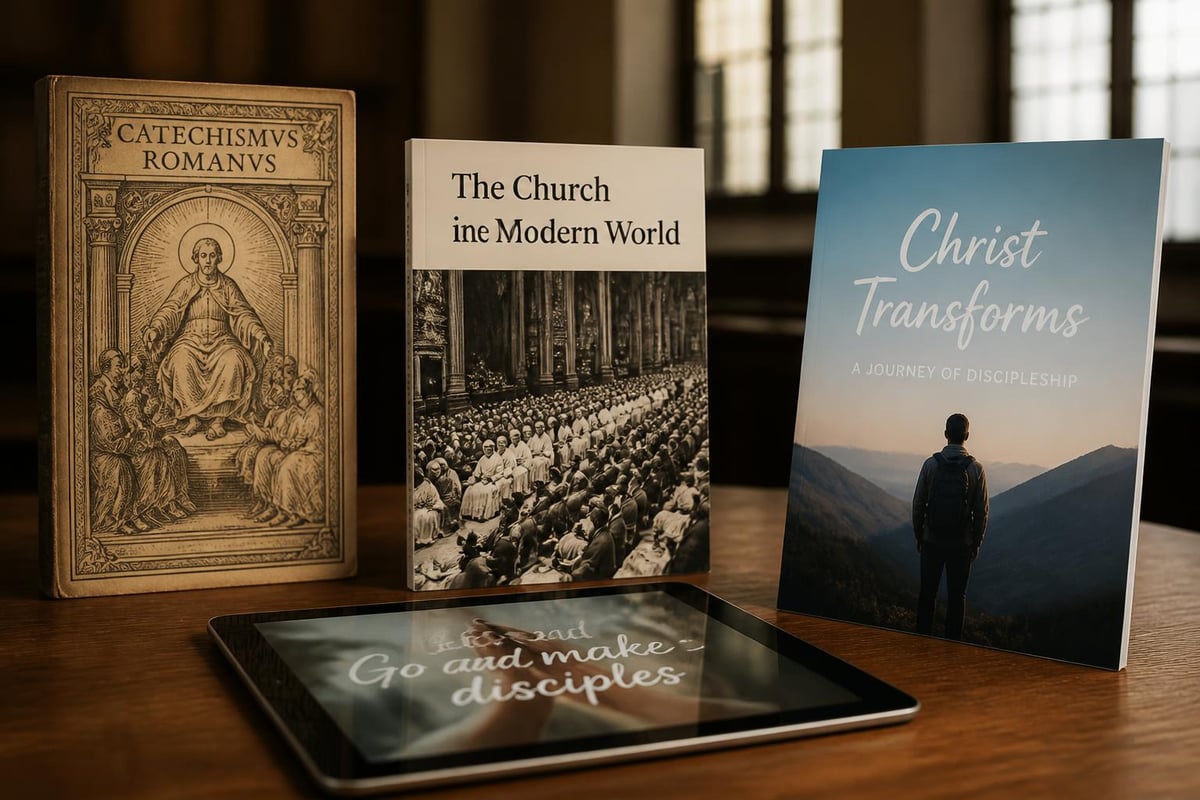
The tradition of catholic booklets extends back centuries, though their modern form took shape during the printing revolution. Organizations like the Catholic Truth Society pioneered the systematic production of accessible Catholic literature, recognizing that not everyone could afford or access complete theological works.
Key milestones in booklet publishing include:
- The Counter-Reformation's emphasis on accessible catechetical materials
- The 20th century explosion of devotional booklets
- Vatican II's call for renewed emphasis on lay education
- The digital age adaptation maintaining print alongside electronic formats
Today's catholic booklets balance traditional teaching methods with contemporary design and language. Publishers understand that effective evangelization requires meeting people where they are, both intellectually and culturally, while maintaining doctrinal accuracy and spiritual depth.
Types and Categories of Catholic Booklets
The diversity of catholic booklets reflects the richness of Catholic spirituality and teaching. Understanding these categories helps readers select resources that match their specific needs and spiritual journey stages.
Doctrinal and Catechetical Booklets
These booklets explain core Catholic beliefs, sacraments, and Church teachings. They often address common questions about faith, providing clear answers grounded in Scripture, Tradition, and the Catechism. The USCCB provides authoritative resources that complement booklet study, particularly regarding liturgical practices.
| Category | Primary Purpose | Typical Page Count | Best Used For |
|---|---|---|---|
| Catechetical | Teaching fundamental doctrines | 20-50 pages | RCIA, confirmation prep |
| Devotional | Guiding prayer practices | 15-40 pages | Personal spirituality |
| Sacramental | Preparing for sacraments | 25-60 pages | First communion, marriage prep |
| Apologetic | Defending and explaining faith | 30-70 pages | Evangelization, questions |
Brought to you by Journeys of Faith, founded by Bob and Penny Lord. We are an Augustinian Secular Institute, Cyber Apostles. Our Mission is Evangelization through Media.
Prayer and Devotional Booklets
Prayer booklets guide Catholics through novenas, litanies, chaplets, and other devotional practices. These resources often include historical context about the devotion, theological foundations, and practical instructions for incorporating the prayers into daily life.
Many faithful Catholics discover that structured prayer through booklets helps establish consistent spiritual routines. Whether focusing on the Rosary, Divine Mercy, or specific saint devotions, these guides provide scaffolding for deepening one's prayer relationship with God.
Practical Applications in Parish and Personal Life
Catholic booklets transform faith from abstract concepts into lived experience. Their practical applications span multiple dimensions of Catholic life, from individual spiritual growth to community-wide evangelization efforts.
Educational Programs and Formation
Parishes regularly incorporate catholic booklets into their educational programs. Religious education coordinators distribute age-appropriate booklets for First Communion preparation, Confirmation classes, and adult faith formation sessions. The compact format allows students to take materials home, extending learning beyond classroom hours.
Effective implementation strategies include:
- Distributing booklets at the beginning of each program module
- Assigning specific sections for homework reflection
- Using booklet content as discussion starters in group sessions
- Creating supplementary worksheets that engage with booklet themes
- Encouraging parents to review materials with children
These booklets complement video resources and books, creating a multi-media approach to faith formation. Organizations like Journeys of Faith provide comprehensive materials that work together, reinforcing key concepts through different formats.
Evangelization and Outreach Initiatives
Forward-thinking parishes maintain libraries of catholic booklets specifically for evangelization. When parishioners encounter friends or family members with questions about Catholicism, they can share relevant booklets that address specific concerns or interests.
The Knights of Columbus Catholic Information Service has distributed millions of booklets addressing contemporary issues from a Catholic perspective. This model demonstrates how small publications create significant impact when deployed strategically.
Creating Effective Study Routines with Catholic Booklets
Maximizing the value of catholic booklets requires intentional engagement rather than passive reading. Developing structured study habits transforms these resources from informational texts into catalysts for spiritual transformation.
Individual Study Methods
Personal study of catholic booklets benefits from contemplative reading practices. Unlike consuming news articles or novels, engaging with spiritual literature demands slower, more reflective reading that allows truths to penetrate the heart.
Recommended study approach:
- Begin with prayer, asking the Holy Spirit for understanding
- Read a section slowly, pausing at meaningful passages
- Journal responses, questions, or personal applications
- Memorize one key quote or teaching from each session
- Close with prayer, offering gratitude for insights received
Many Catholics find that revisiting the same booklet multiple times reveals deeper layers of meaning. A booklet on the Eucharist read during Ordinary Time might speak differently when reviewed during Lent or in preparation for a feast day.
Group Discussion Formats
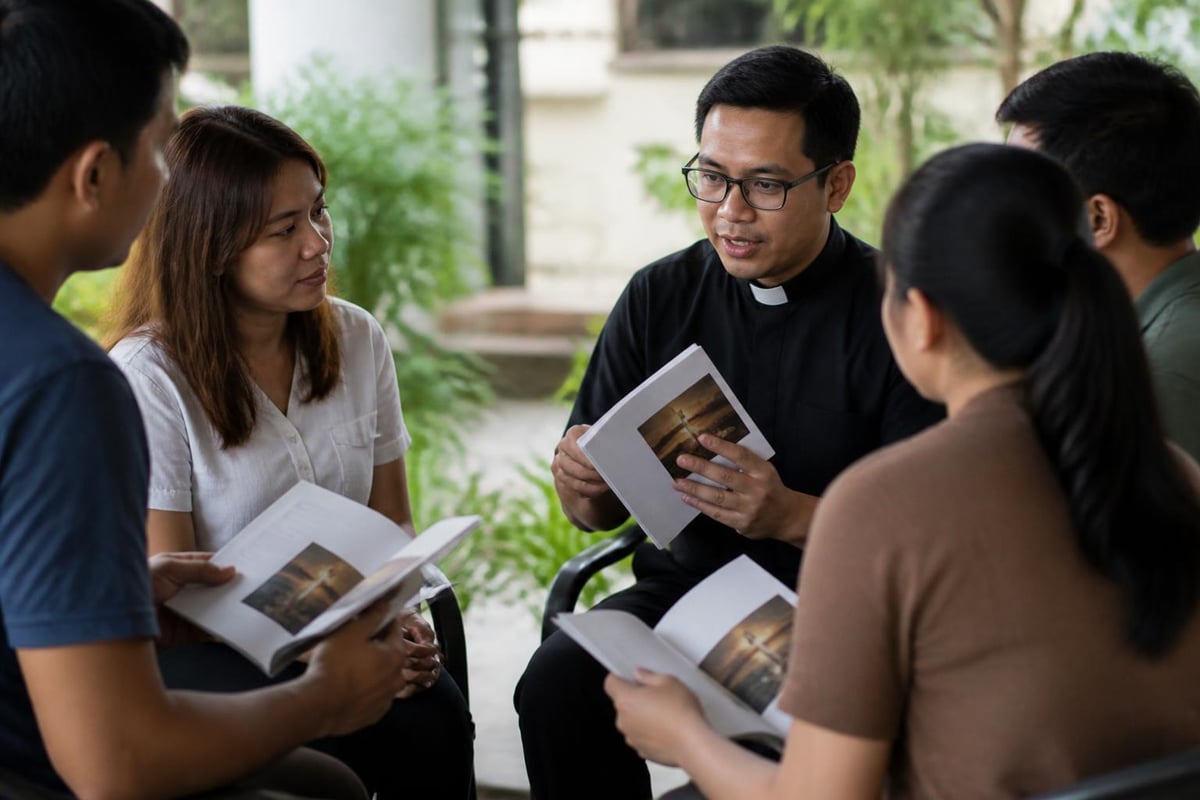
Catholic booklets serve as excellent foundations for small group discussions. Their brevity makes completing assigned readings realistic even for busy participants, while their focused topics provide clear discussion frameworks.
Successful study groups typically assign one chapter or section per meeting, allowing 60-90 minutes for discussion. Facilitators prepare questions that move beyond simple comprehension to personal application and communal discernment.
Selecting Quality Catholic Booklets
Not all catholic booklets maintain the same standards of theological accuracy, pastoral sensitivity, and literary quality. Discerning readers benefit from understanding evaluation criteria that identify truly valuable resources.
Theological Accuracy and Church Approval
The most reliable catholic booklets carry imprimaturs or nihil obstats, indicating official Church review and approval. While not every excellent booklet bears these marks, their presence provides assurance of doctrinal soundness.
Resources from established Catholic publishers and organizations typically maintain high theological standards. The EWTN Library offers vetted materials that align with authentic Catholic teaching, providing a benchmark for quality assessment.
| Quality Indicator | What to Look For | Red Flags |
|---|---|---|
| Author credentials | Seminary education, ecclesiastical degrees | Unclear background, self-proclaimed titles |
| Publisher reputation | Established Catholic presses | Unknown publishers, self-published without endorsements |
| Citations | Scripture, Catechism, Church documents | Opinion without foundation, selective quoting |
| Tone | Charitable, clear, encouraging | Harsh judgment, divisive language |
Matching Content to Spiritual Needs
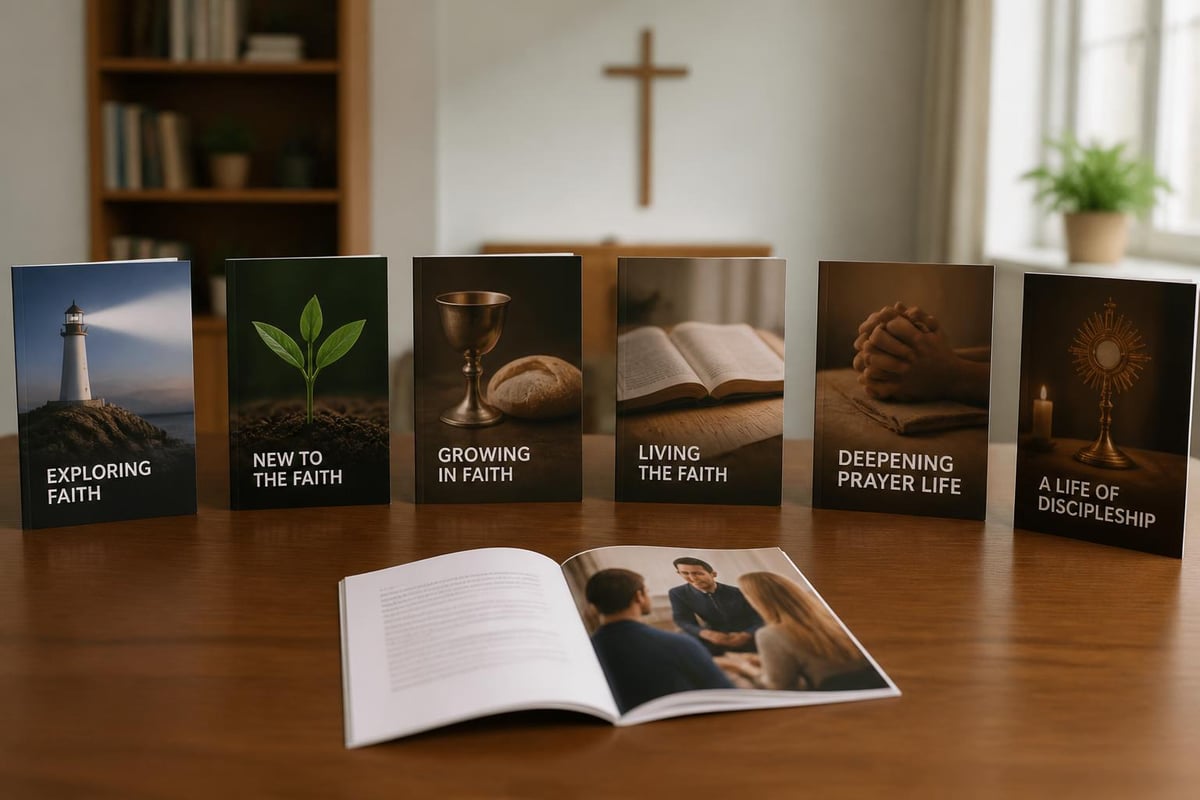
The most beneficial catholic booklets address readers' actual questions and growth areas. Someone struggling with prayer might benefit more from a devotional guide than an apologetics booklet, while someone facing intellectual doubts needs solid doctrinal explanations.
Veritas Catholica provides authoritative resources that help readers identify their spiritual needs and locate appropriate materials. Understanding one's current spiritual season enables better resource selection.
The Economics and Accessibility of Catholic Booklets
Catholic booklets remain remarkably affordable compared to full-length books, making quality Catholic education accessible regardless of financial means. This affordability aligns with the Church's universal mission, ensuring that cost never becomes a barrier to accessing truth.
Distribution Models and Availability
Many organizations provide catholic booklets free or at minimal cost, viewing them as evangelization tools rather than profit centers. Parish libraries stock booklets for borrowing, while some churches maintain free-take displays in narthexes.
Bulk purchasing options make catholic booklets economical for parishes planning large-scale distributions. Prayer cards and booklet packages, like those available through various Catholic media companies, offer quantity discounts that support parish budgets while expanding reach.
For personal collections, catholic booklets represent wise investments. Their focused content means you'll reference them repeatedly rather than reading once and shelving permanently. Building a personal library of 20-30 carefully selected booklets covers most spiritual needs at a fraction of the cost of a comparable book collection.
Digital Versus Print Considerations
The digital age has introduced electronic versions of many catholic booklets, offering advantages in portability and searchability. However, printed booklets maintain unique benefits that many Catholics value.
Print advantages include:
- No battery or device requirements
- Easier sharing with others
- Better for contemplative reading without digital distractions
- Physical presence in prayer spaces as spiritual reminders
- Ability to write notes and mark passages
Digital advantages include:
- Carrying entire libraries on smartphones
- Keyword searching across multiple texts
- Instant access to referenced Scripture passages through hyperlinks
- Environmental benefits of reduced paper consumption
- Easy duplication for group distribution
Most Catholics benefit from maintaining both formats, using digital versions for research and reference while keeping print copies for devotional reading and prayer.
Integrating Booklets into Liturgical Seasons
Catholic booklets gain enhanced meaning when coordinated with the Church's liturgical calendar. Seasonal reading creates spiritual rhythm that aligns personal devotion with the universal Church's prayer cycle.
Advent and Christmas Resources
Advent booklets guide daily preparation for Christmas, often structured as daily reflections from the First Sunday of Advent through Christmas Eve. These resources help families maintain spiritual focus amid holiday commercialism.
Christmas season booklets explore the mystery of the Incarnation, offering theological depth that extends beyond sentimental celebrations. They help Catholics understand why the Church celebrates Christmas as an entire season rather than a single day.
Lenten and Easter Materials
Lenten booklets accompany the faithful through forty days of prayer, fasting, and almsgiving. Many follow the Sunday Gospel readings, providing daily reflections that build toward Holy Week. The Catholic Culture library includes sound catechetical sources particularly valuable during Lent.
Easter season booklets extend the joy of Resurrection through Pentecost, helping Catholics understand the Paschal Mystery's ongoing significance. These resources prevent spiritual energy from dissipating after Easter Sunday, maintaining focus through the Church's most important season.
Ordinary Time Applications
Even outside major liturgical seasons, catholic booklets support spiritual growth. Ordinary Time booklets often focus on the saints, whose feast days punctuate the calendar, or on developing virtues and prayer practices that strengthen daily discipleship.
Specialized Booklets for Specific Audiences
Catholic booklets increasingly target specific demographic groups, addressing unique challenges and questions that different audiences face. This specialization enhances relevance and effectiveness.
Youth and Young Adult Resources
Catholic booklets for young people use contemporary language and address real-world challenges like peer pressure, digital culture, relationships, and vocational discernment. The most effective avoid condescension while maintaining theological substance.
Youth ministry leaders report that students engage more readily with booklets addressing their actual questions rather than generic religious information. Topics like "Finding God in Social Media" or "Catholic Dating in College" resonate more effectively than abstract doctrinal presentations, though both have their place.
Resources for Converts and Inquirers
Those exploring Catholicism or preparing for entry into the Church benefit from booklets explaining Catholic distinctives clearly and charitably. These resources address common misconceptions, explain practices that seem foreign to Protestant or secular backgrounds, and present Catholic teaching persuasively.
RCIA directors often assemble booklet libraries covering sacraments, Mary, the saints, and Church authority, topics that typically generate the most questions from inquirers. The USCCB's respect life resources also address ethical questions that modern converts frequently encounter.
Materials for Specific Vocations
Catholic booklets serve the unique needs of married couples, religious, clergy, and single laypeople. Marriage preparation booklets explore sacramental theology, communication, and building domestic churches. Resources for parents address raising children in the faith amid secular pressures.
Booklets for those discerning religious vocations provide spiritual guidance and practical information about different religious communities. Clergy use booklets for continuing formation, exploring topics from homiletics to pastoral counseling from a Catholic perspective.
Maximizing Impact Through Strategic Distribution
Having quality catholic booklets available means nothing if they never reach people who need them. Strategic distribution multiplies impact exponentially.
Parish-Based Distribution Systems
Well-organized parishes maintain booklet stations in multiple locations: church entrances, religious education buildings, parish halls, and adoration chapels. Clear organization by topic helps people find relevant resources quickly.
Effective distribution practices:
- Rotate featured booklets monthly to maintain freshness
- Include brief descriptions explaining each booklet's focus
- Invite parishioners to take what interests them
- Replenish stocks consistently to avoid empty displays
- Track which topics disappear fastest to inform future purchases
Some parishes assign volunteers to staff booklet tables after Masses, available to recommend resources and answer questions. This personal touch increases engagement and helps people overcome hesitation about taking materials.
Community and Workplace Evangelization
Catholics committed to evangelization keep catholic booklets in various settings for natural sharing opportunities. A booklet in a waiting room, break room, or community center bulletin board might reach someone at a spiritually receptive moment.
Prison ministries, hospital chaplaincies, and military installations distribute catholic booklets extensively, providing spiritual support in challenging environments. The compact format suits these contexts where space is limited and reading time comes in fragments.
Catholic booklets remain powerful tools for evangelization, education, and spiritual growth in 2026. Their accessibility, affordability, and focused content make them ideal for both personal study and community-wide faith formation initiatives. Whether you're deepening your own understanding of Catholic teaching, preparing for sacraments, or sharing the faith with others, these compact resources deliver substantial spiritual value. Journeys of Faith offers extensive materials supporting every dimension of Catholic life, from books and DVDs to prayer resources and educational content designed to help you grow closer to Christ, honor Our Lady, and walk with the saints.
Resources:
- Explore the Journeys of Faith online store with thousands of Catholic items at https://journeysoffaith.com/collections
- Our unique Mega Search Engine at https://journeysoffaith.com/search is linked to hundreds of Catholic shops and stores
- Get the Journeys of Faith NEW App for iPhone or Android. Search for Journeys of Faith or go to https://journeysoffaith.com/pages/download-our-app
- Chat with us anytime at https://chatting.page/mjxs9aerrtgm3lmpndlcepmbyosntrjn
- We need your help to reach more souls. Please make a donation at https://journeysoffaith.com/pages/donate