
Anthony de Padua stands as one of the most beloved and widely venerated saints in the Catholic Church, renowned for his powerful preaching, profound devotion to the Eucharist, and extraordinary miracles. Born Fernando Martins de Bulhões in 1195 in Lisbon, Portugal, this Franciscan friar would transform into a spiritual giant whose influence continues to inspire millions of faithful across the globe. His journey from Portuguese nobility to humble servant of God exemplifies the transformative power of grace and complete surrender to divine will. Today, Catholics worldwide turn to anthony de padua for intercession, particularly when seeking lost items, though his patronage extends far beyond this simple association.
The early life of anthony de padua began in privilege, but his heart yearned for something greater than worldly comfort. As a young man, Fernando joined the Augustinian Canons Regular, devoting himself to prayer and study at the monastery of São Vicente in Lisbon. His intellectual brilliance became evident during these formative years, as he immersed himself in Scripture and theological writings. However, encountering the relics of Franciscan martyrs who had been killed in Morocco sparked a dramatic turning point in his spiritual journey. This experience ignited within him a burning desire for missionary work and martyrdom, leading him to join the newly formed Order of Friars Minor founded by Saint Francis of Assisi.
Upon entering the Franciscan order, Fernando took the name Anthony, marking his complete transformation and new identity in Christ. He initially sought to evangelize in Morocco, following the path of those martyrs who had inspired his conversion. Yet God had different plans for anthony de padua. Illness forced his return to Europe, and a storm diverted his ship to Sicily, where he would eventually discover his true calling. Rather than achieving martyrdom in distant lands, Anthony would become a powerful instrument of conversion through his preaching ministry, which Britannica describes as extraordinarily effective in bringing sinners back to the faith.
The humility of anthony de padua shone through his willingness to accept the most menial tasks within his order. For months, he worked in the kitchen and performed simple duties at the hermitage of Montepaolo, never revealing his exceptional education or theological knowledge. This changed unexpectedly when, at an ordination ceremony, no prepared preacher was available. Anthony was asked to speak extemporaneously, and when he opened his mouth, his profound understanding of Scripture and theology astonished everyone present. His superior immediately recognized this hidden treasure and assigned Anthony to preach throughout Italy and France, beginning a ministry that would shake the foundations of heresy and lukewarm faith.
Brought to you by Journeys of Faith, founded by Bob and Penny Lord. We are an Augustinian Secular Institute, Cyber Apostles, whose mission is evangelization through media.
The Preaching Power of Anthony de Padua
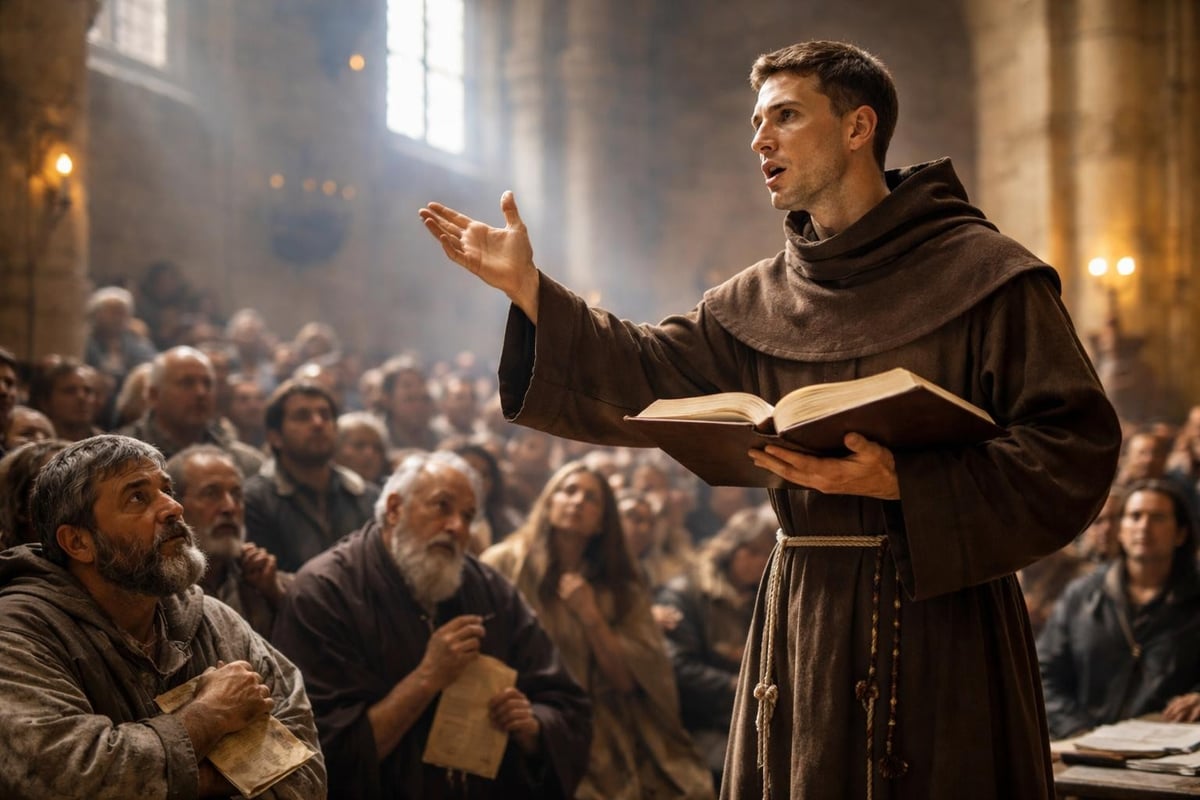
The preaching style of anthony de padua combined deep biblical knowledge with passionate delivery that moved even the hardest hearts. Unlike many preachers of his era who relied heavily on philosophical arguments, Anthony spoke directly to the soul, weaving together Scripture passages with practical applications that resonated with ordinary people. His sermons attracted massive crowds, sometimes numbering in the thousands, who gathered in town squares because no church could contain them. The impact was immediate and profound, with reports of entire communities experiencing spiritual renewal after his visits.
Combating Heresy Through Truth
During the 13th century, various heretical movements threatened the unity and purity of Catholic teaching, particularly in southern France and northern Italy. Anthony de padua became the Church's champion against these errors, earning the title "Hammer of Heretics" through his effective apologetics. His approach was not harsh or condemnatory but rather persuasive and charitable, presenting truth with such clarity that error could not stand against it. One of the most famous miracles demonstrating his defense of Eucharistic truth involved a heretic's mule, which knelt before the Blessed Sacrament despite being starved for three days.
The depth of anthony de padua's Scriptural knowledge was so extraordinary that Saint Francis of Assisi himself, who generally discouraged excessive study among his friars, made an exception for Anthony. In a letter that still survives, Francis appointed Anthony as the first lector of theology for the Franciscan order, recognizing that his gift for teaching would strengthen the entire community. This theological foundation allowed Anthony to dismantle heretical arguments systematically while building up the faithful in orthodox belief.
| Aspect of Ministry | Impact | Legacy |
|---|---|---|
| Biblical Preaching | Converted thousands of sinners | Model for homiletics |
| Theological Teaching | Strengthened Franciscan formation | Doctor of the Church title |
| Eucharistic Devotion | Defended Real Presence | Patron of Eucharistic miracles |
| Miracle Working | Authenticated divine truth | Universal veneration |
Miracles That Reveal Divine Power
The miracles of anthony de padua were not merely displays of supernatural power but rather signs pointing toward deeper spiritual truths. Each miraculous intervention addressed both physical and spiritual needs, demonstrating God's comprehensive care for His children. These wonders occurred frequently throughout Anthony's ministry, confirming his teachings and drawing people to deeper faith. The Basilica of Saint Anthony documents numerous authenticated miracles that occurred during his lifetime and continue through his intercession today.
The Sermon to the Fishes
When the people of Rimini refused to listen to his preaching, anthony de padua walked to the seashore and began addressing the fish in the water. According to witnesses, countless fish of all sizes surfaced and remained attentive, their heads above water, listening to the saint preach about God's glory. This remarkable event, known as the sermon to the fishes, shamed the hardened townspeople into repentance. The miracle illustrates how even nature responds to God's word when human hearts remain closed.
Healing the Re-attached Foot
Among the most dramatic miracles was the restoration of a young man's foot. A penitent who had kicked his mother in anger took anthony de padua's sermon on honoring parents so seriously that he declared his foot deserved to be cut off. When he actually severed his own foot in remorse, Anthony miraculously re-attached it, restoring it perfectly. This miracle demonstrates both the saint's compassion and God's merciful response to sincere repentance, even when such repentance leads to extreme actions.
The miracle of the dead man speaking stands as one of the most providential interventions in anthony de padua's life. When his father was falsely accused of murder, Anthony was granted permission to travel from Italy to Portugal. At the trial, he commanded the murdered man to rise and testify, which he did, clearing Anthony's father of all charges before returning to eternal rest. Such extraordinary signs revealed that heaven itself endorsed Anthony's ministry and protected those connected to him.

The Miser's Heart and Spiritual Wealth
One particularly instructive miracle involved a wealthy miser who died after rejecting anthony de padua's calls to generosity and charity. When the body was prepared for burial, the man's chest was found empty-his heart was missing. Following Anthony's prophetic words, searchers discovered the miser's heart locked inside his treasure chest, exactly where Jesus said our treasure and heart would be together. This dramatic fulfillment of Scripture served as a powerful warning against attachment to material wealth and emphasized the spiritual poverty that accompanies greed.
The teaching ministry of anthony de padua extended beyond public preaching to include written works that have survived through centuries. His "Sermons for Sundays and Feast Days" demonstrate sophisticated theological reasoning combined with pastoral sensitivity. These writings earned him the title Doctor of the Church in 1946, when Pope Pius XII officially recognized his contribution to Catholic theology. The designation "Doctor Evangelicus" (Evangelical Doctor) specifically honors his profound understanding and exposition of Scripture.
Devotion to the Eucharist
The center of anthony de padua's spirituality was unwavering devotion to the Real Presence of Christ in the Eucharist. This devotion manifested not only in his defense against heresy but in his personal prayer life and the miracles that confirmed this central truth. His Eucharistic faith inspired generations of Catholics to deeper reverence for the Blessed Sacrament. For those seeking to understand the profound mysteries of the Eucharist, books on Eucharistic miracles offer powerful testimonies that echo Anthony's unwavering belief.
The Bilocation Miracle
One of the most extraordinary manifestations of divine power through anthony de padua occurred when he was simultaneously present in two locations. While preaching in one church, he suddenly remembered he was scheduled to sing at a monastic service across town. Witnesses confirmed he appeared at both locations simultaneously-preaching in one place while performing his liturgical duties in another. This bilocation demonstrated that God can transcend natural laws to accomplish His purposes through His chosen servants.
The connection between anthony de padua and the finding of lost items arose from a specific incident during his lifetime. When a novice took Anthony's treasured psalter without permission, the saint prayed for its return. The novice experienced such terrifying visions that he immediately returned the book and remained in the order. This event, combined with Anthony's intercessory power, established him as the patron saint of lost articles. Catholics worldwide continue to invoke "Saint Anthony, Saint Anthony, please come around, something is lost and cannot be found" with remarkable results.
Final Days and Enduring Legacy
The intense pace of anthony de padua's ministry took its toll on his physical health. By age 35, he was already suffering from dropsy (edema) and exhaustion from constant travel and preaching. During Lent of 1231, he preached a remarkable series of sermons in Padua that drew enormous crowds daily. His final sermon, delivered on the Feast of the Ascension, addressed the theme of eternal life with particular poignancy. Shortly after, he retired to a woodland retreat where he died on June 13, 1231, surrounded by his Franciscan brothers.
The response to anthony de padua's death was immediate and overwhelming. As news spread through Padua, church bells rang spontaneously, and children ran through the streets crying "The saint is dead!" Crowds thronged to view his body, and numerous miracles occurred at his funeral and tomb. Within one year, Pope Gregory IX canonized Anthony-one of the fastest canonizations in Church history. The speed reflected the universal recognition of his holiness and the undeniable evidence of miracles worked through his intercession.
The Incorrupt Tongue
When anthony de padua's tomb was opened in 1263, thirty-two years after his death, most of his body had decayed. However, his tongue remained perfectly preserved-pink, fresh, and incorrupt. Saint Bonaventure, who was present at the exhumation, held the miraculous tongue aloft and exclaimed, "O Blessed Tongue, you have always praised the Lord and led others to praise Him. Now we can clearly see how great your merit is before God." This extraordinary sign confirmed that the tongue which had preached God's word so powerfully was preserved by divine intervention as a lasting testimony.
The incorrupt tongue of anthony de padua is enshrined in the Basilica of Saint Anthony in Padua, where millions of pilgrims venerate it annually. This relic serves as a powerful reminder that those who use their gifts for God's glory receive special honors even in death. The preservation of his tongue while the rest of his body decomposed carries profound theological significance-the instrument of his greatest service to God received miraculous preservation.
Patronage and Intercession
Beyond his role as patron of lost items, anthony de padua holds patronage over numerous causes and groups. He is invoked for:
- Travelers and those in difficult journeys
- Pregnant women and safe childbirth
- The poor and oppressed
- Those seeking employment
- Fishermen and sailors
- Portugal, Padua, and several other locations
- The elderly and harvest workers
- Lost souls returning to faith
The breadth of his patronage reflects the comprehensive nature of his care for all human needs and struggles. Catholics turn to anthony de padua with confidence, knowing his intercessory power has been proven through countless answered prayers across eight centuries.
Franciscan Spirituality and Anthony's Example
The life of anthony de padua perfectly embodies Franciscan spirituality with its emphasis on poverty, humility, and joyful service. Though intellectually brilliant and spiritually powerful, he maintained the simplicity characteristic of Saint Francis's vision. He owned nothing, sought no honors, and remained obedient to his superiors despite his extraordinary gifts. This combination of profound learning and humble poverty made him uniquely effective in reaching all levels of society-from illiterate peasants to learned theologians.
For families seeking to introduce children to the lives of saints, anthony de padua provides an accessible and inspiring example. His stories of miracles capture young imaginations while his teachings on kindness, honesty, and devotion offer practical guidance. Resources on Catholic saints for children can help parents share his inspiring story in age-appropriate ways.
| Franciscan Value | Anthony's Example | Modern Application |
|---|---|---|
| Poverty | Owned only his habit and books | Detachment from materialism |
| Obedience | Accepted hidden roles before fame | Humility in service |
| Preaching | Brought thousands to conversion | Evangelization through word and example |
| Eucharistic Devotion | Defended Real Presence | Reverence at Mass |
Prayer Life and Spiritual Practices
The prayer life of anthony de padua combined contemplative depth with active ministry in perfect balance. He spent long hours in silent adoration before the Blessed Sacrament, drawing spiritual power for his public work. Witnesses reported seeing him levitate during prayer, caught up in ecstatic communion with God. This intense interior life fueled his exterior effectiveness, demonstrating that authentic ministry flows from intimate relationship with Christ.
Many Catholics today follow anthony de padua's example by maintaining both active service and contemplative prayer. His life demonstrates that these two dimensions of Christian life are not opposed but complementary. The more deeply we commune with God in prayer, the more effectively we can serve His people in action. This integration of contemplation and action remains a hallmark of Franciscan spirituality and a model for all Christians regardless of their particular vocation.
The Thirteen Tuesdays Devotion
One popular devotion honoring anthony de padua involves attending Mass and receiving Holy Communion on thirteen consecutive Tuesdays. This practice, approved by the Church, prepares devotees for Anthony's feast day (June 13) and invokes his powerful intercession for specific intentions. Participants often report remarkable answers to prayer and deepened devotion to the Eucharist through this practice. The number thirteen reflects both the day of his death and the traditional association of Tuesdays with his particular intercession.
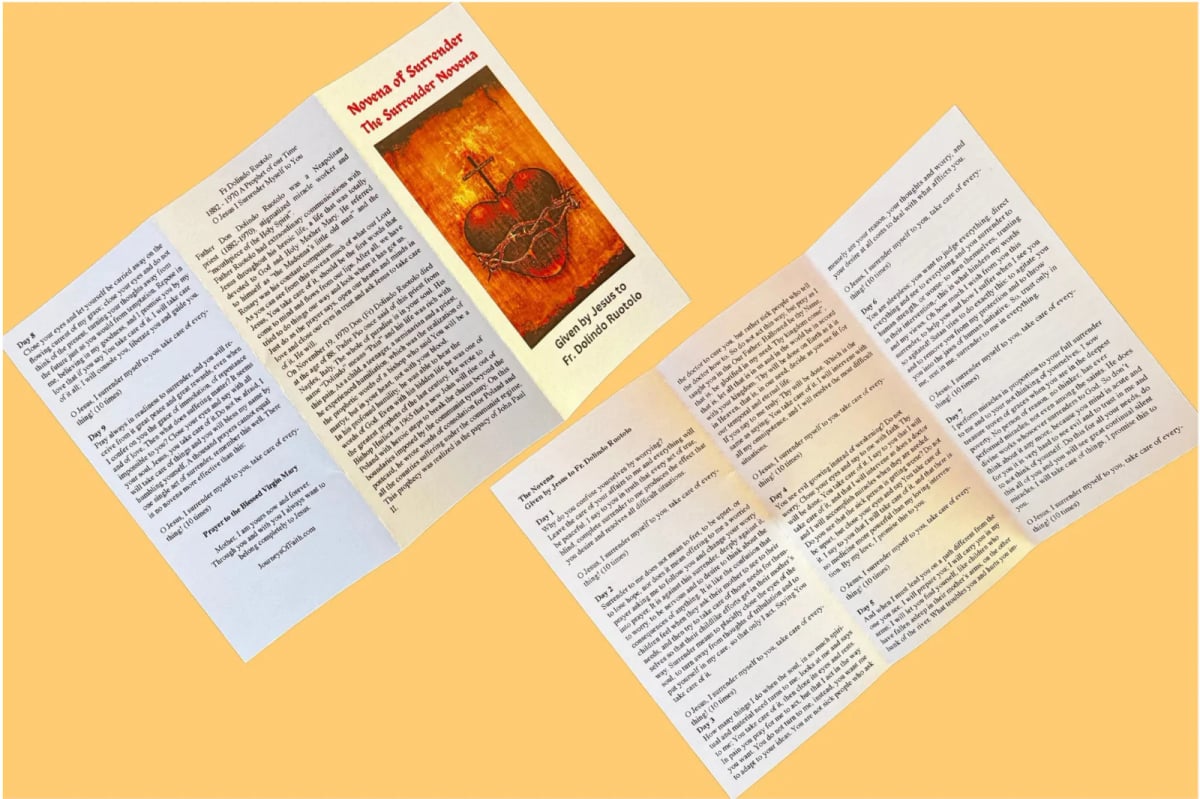
For those seeking structured ways to deepen their prayer life, prayer resources like the Surrender Novena Packages offer powerful tools for entrusting all concerns to divine providence. While not specifically focused on anthony de padua, this devotion to surrendering to God's will echoes the complete trust that characterized Anthony's life and ministry. The practice of novenas-nine days of focused prayer-has been a staple of Catholic devotion for centuries, helping faithful maintain consistent prayer habits.
Anthony's Relevance for Contemporary Catholics
Eight centuries after his death, anthony de padua remains remarkably relevant for modern Catholics facing contemporary challenges. His example of using intellectual gifts for evangelization speaks to educated believers seeking to integrate faith and reason. His defense of Eucharistic truth addresses current confusion about the Real Presence. His commitment to the poor challenges comfortable Christianity that ignores the marginalized. His joyful service despite physical suffering offers hope to those battling illness or disability.
The writings of anthony de padua, though composed in the 13th century, address timeless spiritual truths. His reflections on Scripture reveal layers of meaning that remain fresh and applicable today. His insights into human nature and the spiritual life demonstrate that the fundamental struggles and aspirations of the human heart remain constant across cultures and centuries. Reading his sermons and theological works connects contemporary believers with the living tradition of Catholic teaching.
Miracles Continue Through His Intercession
The miracle-working power of anthony de padua did not cease with his death. Throughout history and continuing into 2026, countless individuals report extraordinary answers to prayer through his intercession. From finding lost objects to healing serious illnesses, from converting hardened sinners to protecting travelers in danger, Anthony's intercessory power remains active and accessible. The Basilica in Padua maintains detailed records of reported miracles, with thousands of testimonies submitted annually from across the globe.
Modern devotion to anthony de padua takes many forms beyond traditional practices. Catholic apps and websites offer daily reflections based on his teachings, virtual tours of sites associated with his life, and online communities for sharing testimonies of his intercession. Social media has created new ways for devotees to spread awareness of this beloved saint and encourage others to seek his powerful help. These contemporary expressions complement rather than replace traditional devotions like novenas, litanies, and bread blessed in his honor.
The Feast Day and Liturgical Celebration
The Church celebrates the feast of anthony de padua on June 13, the anniversary of his death and birth into eternal life. This memorial day holds particular significance in Padua, Italy, where elaborate celebrations attract pilgrims from worldwide destinations. The liturgical texts for his feast emphasize his preaching ministry, love for the poor, and devotion to the Eucharist. Many parishes organize special novenas leading up to his feast day, often including the distribution of blessed bread in memory of a miracle where he multiplied loaves for the hungry.
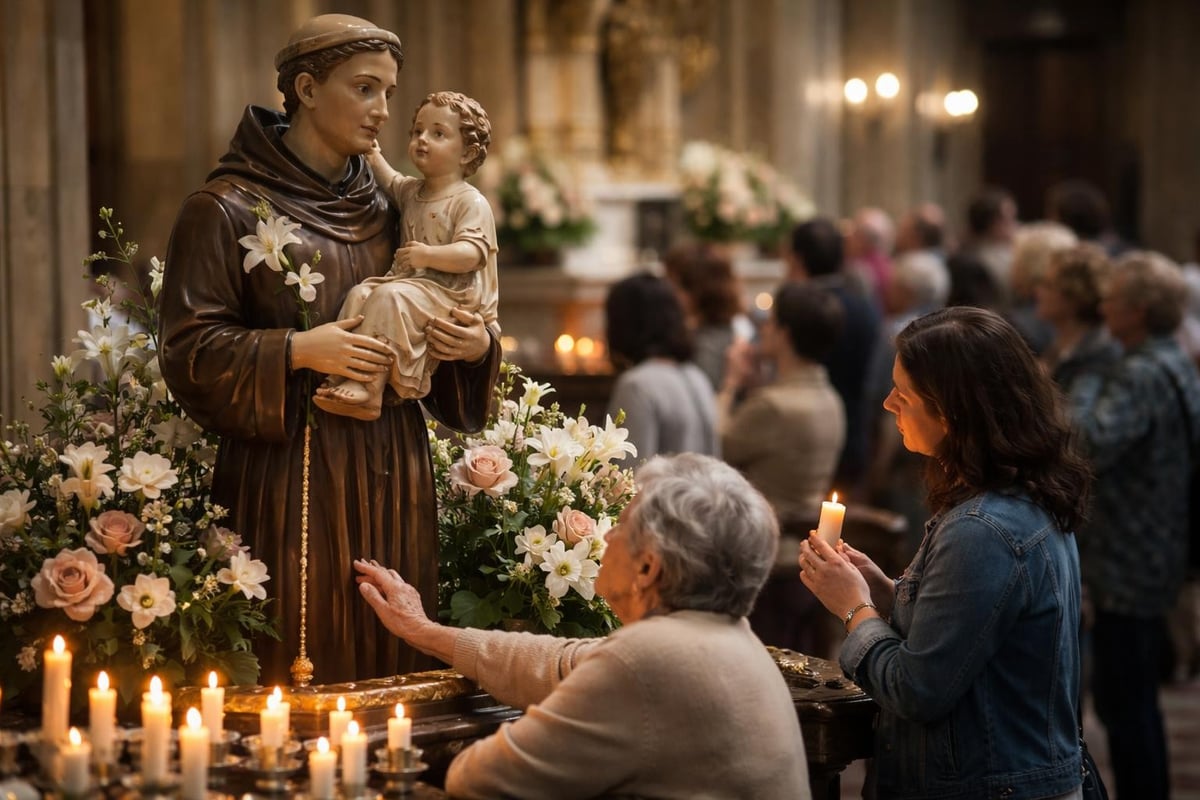
Celebrating the feast of anthony de padua offers opportunities for parishes and families to deepen their understanding of this remarkable saint. Special Masses, educational programs about his life, and charitable works in his honor all appropriately mark the day. Some communities organize processions with his statue or relics, pray special litanies, or host fellowship meals that emphasize his concern for feeding both bodies and souls.
Learning from the Doctor of the Church
The formal recognition of anthony de padua as a Doctor of the Church acknowledges his outstanding contribution to Catholic theology and spirituality. This title, reserved for saints whose writings have significantly influenced Church teaching and practice, places Anthony among an elite group of theological masters. His particular genius lay in making profound truths accessible to ordinary people without diluting their depth or complexity. This pedagogical gift remains valuable for contemporary catechists, preachers, and teachers seeking to communicate faith effectively.
Studying the works of anthony de padua requires patience with medieval literary forms and theological language, but the effort yields rich rewards. His sermons demonstrate how to weave Scripture throughout spiritual discourse, creating tapestries of biblical truth that illuminate one another. His allegorical interpretations reveal spiritual meanings in biblical narratives that might otherwise seem merely historical. His practical applications show how eternal truths address concrete daily situations. These qualities make his writings valuable resources for anyone engaged in Catholic formation or personal spiritual growth.
For those building their understanding of the saints and their teachings, Catholic Saints Books provide accessible introductions to the lives and wisdom of the Church's heroes. These resources help contemporary Catholics connect with the rich heritage of holiness that anthony de padua so powerfully represents.
The life and legacy of anthony de padua continue to inspire Catholics worldwide as they navigate the challenges of living authentic faith in modern contexts. His example of combining intellectual excellence with humble service, powerful preaching with deep prayer, and miraculous signs with practical charity offers a complete model of holistic Christian discipleship. At Journeys of Faith, we are dedicated to helping believers encounter the saints, deepen their understanding of the Eucharist, and grow in devotion through quality Catholic media and resources. Explore our comprehensive collection of books, prayer cards, and devotional materials to strengthen your spiritual journey.
Resources and Next Steps:
- Explore Journeys of Faith Online store with thousands of Catholic Items at https://journeysoffaith.com/collections
- Our Unique Mega Search Engine https://journeysoffaith.com/search is linked to hundreds of Catholic Shops and Stores
- Get the Journeys of Faith NEW App for iPhone or Android-Search for Journeys of Faith or go to https://journeysoffaith.com/pages/download-our-app
- Chat with us anytime https://chatting.page/mjxs9aerrtgm3lmpndlcepmbyosntrjn
- We need your help to reach more souls. Please Make a Donation https://journeysoffaith.com/pages/donate