

Few events have captured the imagination of believers like the eucharistic miracle of siena. For centuries, this astonishing occurrence has stood as a mystery and source of wonder, inspiring countless visitors and scholars.
What sets the eucharistic miracle of siena apart is the preservation of consecrated Hosts since 1730. Unlike other miracles, these Hosts remain fresh and incorrupt, defying natural explanation and inviting deep reflection.
This miracle is more than a relic of the past. It continues to draw pilgrims, scientists, and the curious from every corner of the globe, challenging all who encounter it to ponder the mysteries of faith.
The eucharistic miracle of siena is a powerful testament to Catholic belief, standing as a sign of divine presence throughout the centuries.
This post is brought to by Journeys of Faith Founded and Bob and Penny Lord We are Cyber Apostles and a Augustinian Secular Institute of which we are members; the Evangelization arm of the group of Cloistered Augustinian Nuns in Montefalco Italy Our Mission is Evangelization through Media using the tools that God has allowed to be created.
In this guide, you will discover Siena’s historical context, the dramatic theft and recovery, scientific examinations, the miracle’s theological significance, and tips for planning a pilgrimage in 2026. Join us as we explore the enduring legacy and meaning behind this extraordinary event.
Siena in 1730: Historical and Spiritual Landscape
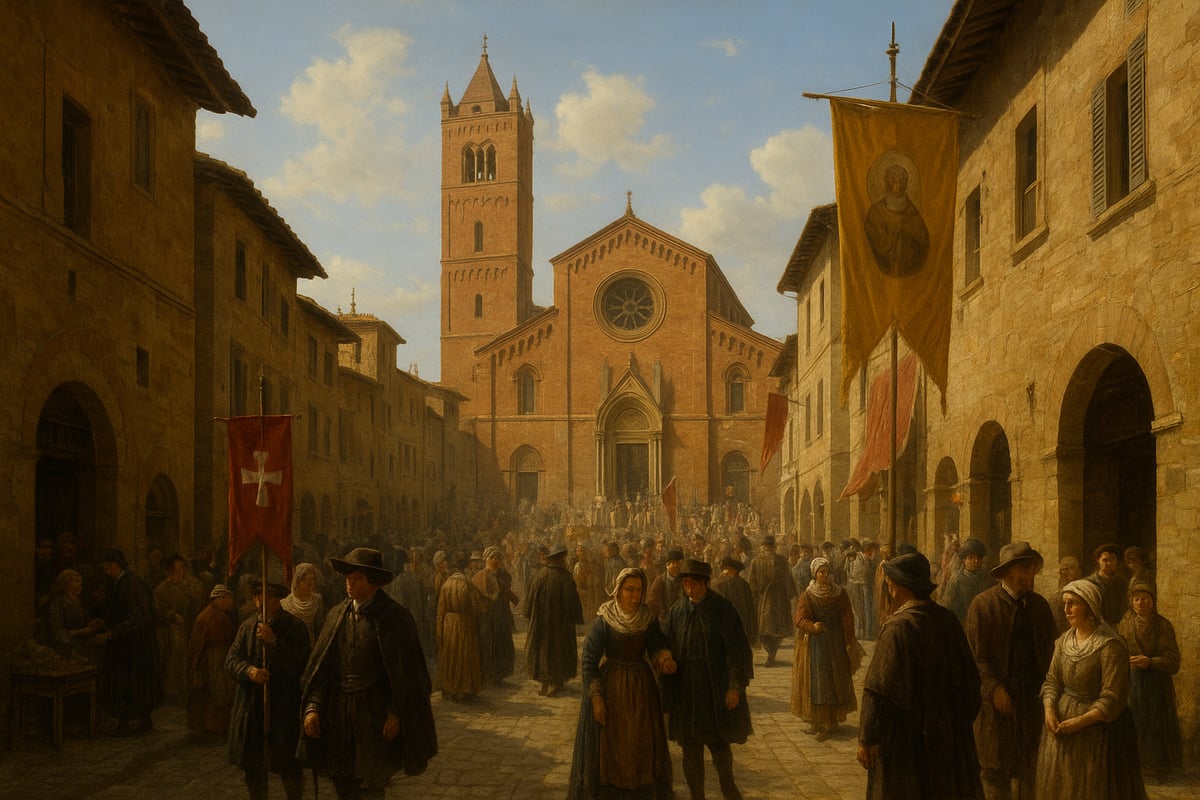
Siena in 1730 was a city where faith, tradition, and culture intertwined at every corner. The medieval skyline, marked by soaring bell towers and ancient stone walls, reflected centuries of spiritual devotion. The city’s unique blend of history and holiness would soon become the backdrop for the eucharistic miracle of siena, a singular event that would echo through generations.
Walking Siena’s winding streets, one would encounter the proud legacy of St. Catherine of Siena, whose influence shaped the city’s spiritual identity. Siena was renowned for its vibrant religious life, deeply rooted in the Catholic faith. Its annual feasts, Marian celebrations, and Eucharistic processions were not just rituals, but the heartbeat of communal life.
At the heart of Siena stood architectural marvels like the Basilica of San Francesco and Santa Maria in Provenzano. These churches were more than places of worship; they embodied the city’s devotion to the Blessed Sacrament and the Virgin Mary. The annual Feast of the Assumption, celebrated citywide, drew citizens together in a powerful display of unity and faith.
This post is brought to by Journeys of Faith Founded and Bob and Penny Lord. We are Cyber Apostles and a Augustinian Secular Institute of which we are members; the Evangelization arm of the group of Cloistered Augustinian Nuns in Montefalco Italy Our Mission is Evangelization through Media using the tools that God has allowed to be created.
Siena’s population in the 18th century hovered around 15,000, with nearly every household participating in the rhythms of parish and confraternity life. The city’s identity was inseparable from its rich tradition of Eucharistic adoration, setting the stage for the eucharistic miracle of siena to take root.
The City of Siena: Medieval Heritage and Spiritual Significance
Siena’s medieval heritage radiated through its art, architecture, and communal traditions. The city was a fortress of faith, shaped by its role as a center for Catholic devotion and home to saints like St. Catherine. Local families belonged to lay confraternities that organized religious feasts and charitable works, reinforcing the bonds of community.
The Basilica of San Francesco stood as a testament to Siena’s enduring reverence for the Eucharist. Daily worship, Marian feasts, and Eucharistic processions were woven into the city’s fabric. The eucharistic miracle of siena would later draw global attention, but for Sienese Catholics, devotion to the Blessed Sacrament was already a living reality.
Every August, the Feast of the Assumption transformed Siena into a city of celebration and prayer. Streets filled with processions, music, and the faithful, all united in honoring the Virgin Mary. This vibrant tradition highlighted Siena’s deep connection to Catholic identity and set the spiritual tone for the events of 1730.
The Age of Enlightenment and Challenges to Faith
The early 18th century brought the winds of the Enlightenment to Europe, sparking debates about reason, science, and faith. In Siena, traditional Catholic beliefs faced new challenges as rationalism and skepticism gained ground. The doctrine of the Real Presence, central to the eucharistic miracle of siena, came under scrutiny from some quarters.
Despite these pressures, Siena’s clergy and lay leaders responded with renewed commitment. Public processions and acts of devotion became not only spiritual practices but also statements of faith in a changing world. The Church emphasized catechesis and visible expressions of belief, reinforcing the community’s trust in the miraculous.
The timing of the eucharistic miracle of siena, during an era of rising doubt, gave it extraordinary significance. It was seen as a divine affirmation of Catholic teaching, inspiring both awe and renewed devotion among believers.
The Church in Siena: Liturgy, Devotion, and Community
Within Siena, the Church was the anchor of daily life, guiding both the spiritual and social rhythms of the city. Regular liturgical celebrations, especially Eucharistic adoration, played a central role in every parish. Families gathered for prayer and worship, with the Blessed Sacrament at the heart of their faith.
The Franciscans at San Francesco were particularly influential, promoting reverence for the Eucharist and supporting Marian devotion. Their commitment to catechesis and defense of doctrine helped fortify Siena’s Catholic identity. The eucharistic miracle of siena would later be seen as a reward for this deep-rooted piety.
Even today, Siena’s legacy is celebrated in collections like the Miracles of the Eucharist Collection, which honors the city’s unique place in Catholic history. The spiritual vitality of 18th-century Siena created fertile ground for the miracle, leaving a lasting imprint on the Church and the faithful.
The Miracle Unfolds: Theft, Recovery, and Immediate Reactions
On the eve of the Feast of the Assumption in 1730, Siena was alive with devotion and celebration. The city, renowned for its rich Catholic traditions, was swept up in one of its most sacred annual observances. Streets filled with processions and prayers, as the faithful honored the Virgin Mary, and the spiritual energy was palpable. The Basilica of San Francesco, a central point for worship and Eucharistic adoration, held a special place in the hearts of Siena’s citizens.
During this time of citywide festivity, the focus on public celebrations and processions meant that the basilica was left unattended for several hours. This rare vulnerability set the stage for a shocking event that would forever mark Siena’s spiritual history. The eucharistic miracle of siena began not with a supernatural vision, but with an act of sacrilege that would test the faith and unity of the entire community.
As the city gathered for Mass the following morning, clergy and laypeople alike were met with a scene of devastation. The tabernacle, which once held the consecrated Hosts, was empty. The golden ciborium, along with 351 consecrated Hosts, had been stolen. News of the theft spread rapidly, and the impact was immediate. The clergy, led by Archbishop Alessandro Zondadari, halted the festivities. The citizens responded with grief, prayer, and acts of reparation, mourning the desecration of what they believed to be the true Body of Christ.
This post is brought to by Journeys of Faith Founded and Bob and Penny Lord We are Cyber Apostles and a Augustinian Secular Institute of which we are members the Evangelization arm of the group of Cloistered Augustinian Nuns in Montefalco Italy Our Mission is Evangelization through Media using the tools that God has allowed to be created.
The Theft of the Consecrated Hosts: August 14, 1730
The Feast of the Assumption drew nearly every inhabitant of Siena into the streets, leaving the Basilica of San Francesco unusually quiet. Opportunistic thieves, aware of the absence of clergy and faithful, broke into the sacred space. Their target was not material wealth alone, but the golden ciborium containing the eucharistic miracle of siena’s consecrated Hosts.
Upon discovering the theft, the sense of loss was overwhelming. The empty tabernacle stood as a silent witness to the sacrilege. The number of stolen Hosts, precisely 351, was carefully documented, reflecting the seriousness with which the Church regarded this violation. The city’s spiritual leaders immediately called for prayers of reparation and the cancellation of all festivities. The mood shifted from celebration to sorrow as Siena united in mourning the desecration of their most precious sacrament.
Archbishop Zondadari’s leadership was evident as he guided the city through its grief. He encouraged public acts of penance and led processions of reparation through Siena’s streets. The theft of the consecrated Hosts was not only a physical loss, but also a deep spiritual wound for the entire Catholic community. The eucharistic miracle of siena was set into motion by this act of sacrilege, and the response from the faithful would soon become a testament to their devotion and unity.
The Miraculous Recovery: August 17, 1730
For three days, Siena was enveloped in an atmosphere of anxiety and intense prayer. The entire city joined in acts of penance, imploring divine intervention for the return of the stolen Hosts. On August 17, hope was rekindled when Father Antonio Vannini, a priest serving at Santa Maria in Provenzano, made a remarkable discovery.
While checking the church’s alms box, Father Vannini found the missing Hosts, covered in dust and cobwebs but otherwise unharmed. The recovery took place in a Marian sanctuary, a detail that many interpreted as a sign of the Virgin Mary’s intercession and protection over the eucharistic miracle of siena. Upon careful examination, it was confirmed that 348 whole Hosts and 6 halves matched the original count. This precise correspondence was seen as further evidence of the miraculous nature of the recovery.
The news of the discovery spread quickly, and Siena erupted in joy. A solemn procession was organized to return the Hosts to the Basilica of San Francesco. Eyewitness accounts describe the emotional scenes as thousands gathered to witness the event. The procession became a public testament to the power of faith and the belief that something extraordinary had occurred. For a detailed historical account of the 1730 Siena miracle, including the sequence of the recovery and preservation, additional context is available for those seeking to understand every aspect of this event.
Immediate Reactions and Community Response
The return of the Hosts was met with profound gratitude and renewed devotion. The faithful, who had spent days in prayer and penance, now celebrated with processions and songs of thanksgiving. The eucharistic miracle of siena was seen not only in the recovery itself, but in the spiritual transformation it inspired within the community.
Public veneration of the recovered Hosts began immediately. The clergy, recognizing the extraordinary circumstances, decided not to consume the Hosts but to preserve them as a sign of Christ’s enduring presence. This decision elevated the event from a local tragedy to a miracle recognized by the wider Church. The eucharistic miracle of siena quickly became a focal point for devotion, drawing pilgrims and curious onlookers from far beyond the city walls.
The emotional impact of the event lingered for generations. Testimonies from clergy, laypeople, and visitors all point to a sense of awe and reverence that followed the miracle. The eucharistic miracle of siena stands today as a powerful reminder of the depth of Catholic faith and the enduring mystery at the heart of the Eucharist.
Authentication, Scientific Examination, and the Test of Time
The authentication of the eucharistic miracle of siena stands as a testament to faith, careful investigation, and ongoing scientific curiosity. Over nearly three centuries, the Church and scientists have examined, tested, and preserved the miraculous Hosts. This process has not only fortified belief in the event but has also provided a wealth of documentation and evidence.
The story of the eucharistic miracle of siena continues to inspire the faithful and intrigue the skeptical. Each phase of authentication, from theological discernment to modern scientific analysis, adds another layer of credibility to this extraordinary event.
This post is brought to by Journeys of Faith Founded and Bob and Penny Lord We are Cyber Apostles and a Augustinian Secular Institute of which we are members; the Evangelization arm of the group of Cloistered Augustinian Nuns in Montefalco Italy Our Mission is Evangelization through Media using the tools that God has allowed to be created.
Church Investigations and Theological Decisions
After the recovery of the stolen Hosts, the clergy of Siena approached the situation with deep reverence. The eucharistic miracle of siena prompted immediate cleaning and veneration of the recovered Hosts. Rather than consuming them, Church authorities decided to preserve the Hosts, recognizing the extraordinary circumstances of their discovery.
By 1780, the Franciscans initiated a formal investigation, led by Father Carlo Vipera. His examination was thorough. He tasted one of the Hosts, expecting staleness or decay. Instead, he found it to be fresh and unchanged, even after 50 years. This remarkable preservation was meticulously documented, adding weight to the miraculous nature of the eucharistic miracle of siena.
The Church decreed that the Hosts would not be distributed or consumed, but rather reserved for perpetual public veneration. This decision was rooted in a desire to honor what was perceived as a supernatural sign. Official records from this period detail the number of Hosts, their condition, and the reverence shown by both clergy and laypeople.
Documentation was central to the Church's response. Every step, from the initial cleaning to the ongoing veneration, was carefully recorded. These records serve as a foundation for the credibility and gravity of the eucharistic miracle of siena.
Scientific Control Experiments and Results
The preservation of the Hosts led to scientific curiosity. In 1789, unconsecrated hosts were stored under identical conditions to those of the miraculous Hosts. The goal was to compare their longevity and see if natural explanations could account for the phenomenon.
Results were striking. Within just ten years, the control hosts had decayed, becoming discolored and eventually disintegrating. In contrast, the original Hosts from the eucharistic miracle of siena remained whole, shiny, and fresh. This stark difference persisted even after 61 years, when new examinations confirmed the decay of the controls and the integrity of the miraculous Hosts.
A brief comparison:
| Host Type | Condition After 10 Years | Condition After 61 Years |
|---|---|---|
| Miraculous Hosts | Fresh, intact | Still fresh, intact |
| Unconsecrated Hosts | Decayed, discolored | Disintegrated |
The 1850 examination reaffirmed these findings. Modern scientific scrutiny continues to support the inexplicable nature of the preservation. For those interested in further scientific details, the Scientific analysis of the Siena Eucharistic miracle provides a comprehensive overview.
As of recent counts, 223 of the original 351 Hosts remain intact, an enduring sign for the faithful and a challenge for skeptics. The eucharistic miracle of siena stands as a unique intersection of faith and science.
Ongoing Preservation and Public Display
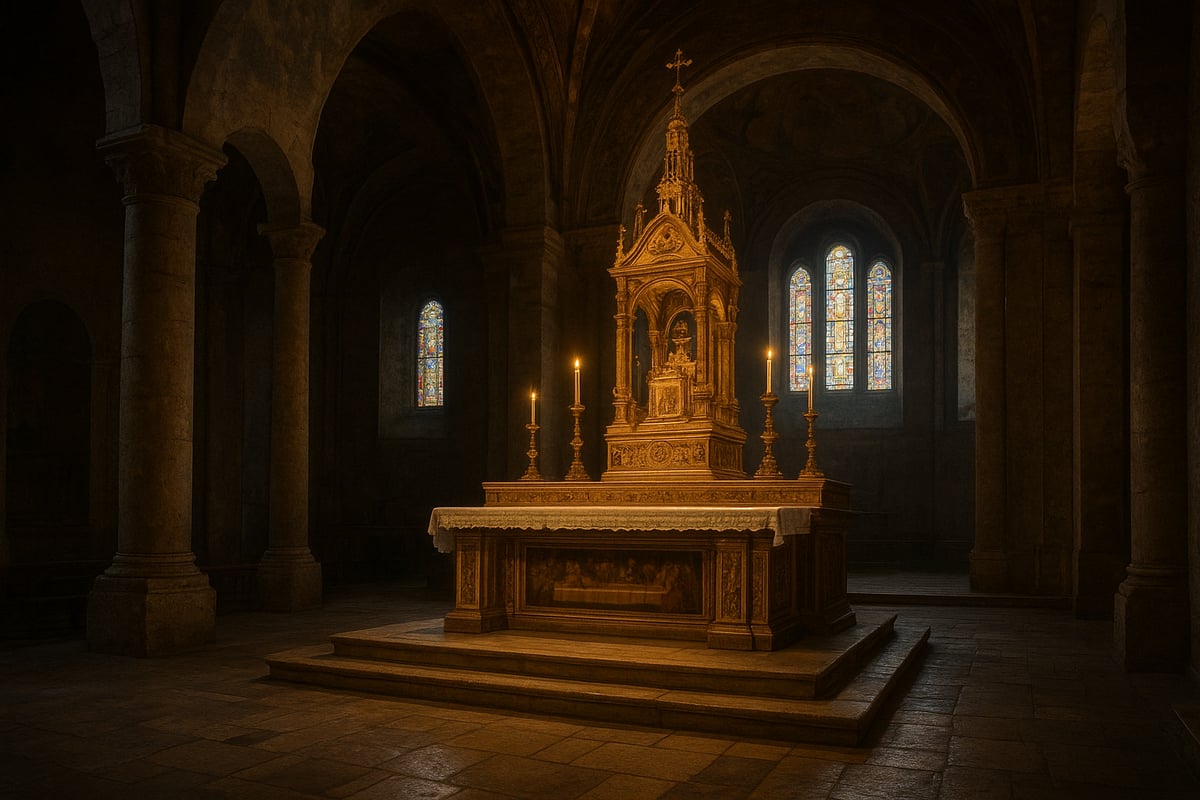
Today, the miraculous Hosts are securely preserved in the Basilica of San Francesco. Each year, they are inspected for any signs of decay, yet the eucharistic miracle of siena continues to defy natural explanation. Pilgrims from around the world visit Siena to venerate the Hosts, participate in Eucharistic adoration, and join in processions that celebrate this enduring marvel.
The basilica maintains strict protocols for security and reverence. The eucharistic miracle of siena is not just a relic of the past but a living focal point for devotion. Annual feast days, special Masses, and public veneration draw the faithful into a deeper experience of the Real Presence.
Modern veneration includes opportunities for prayer, reflection, and participation in centuries-old traditions. The ongoing preservation of the Hosts, combined with their public display, underscores the spiritual and scientific wonder of the eucharistic miracle of siena.
Theological and Spiritual Significance
The eucharistic miracle of siena stands as a profound testament to Catholic belief, uniting doctrine, devotion, and witness in a single event. Its preservation across centuries continues to shape faith and inspire reflection on the mysteries at the heart of the Church.
The Doctrine of the Real Presence and Transubstantiation
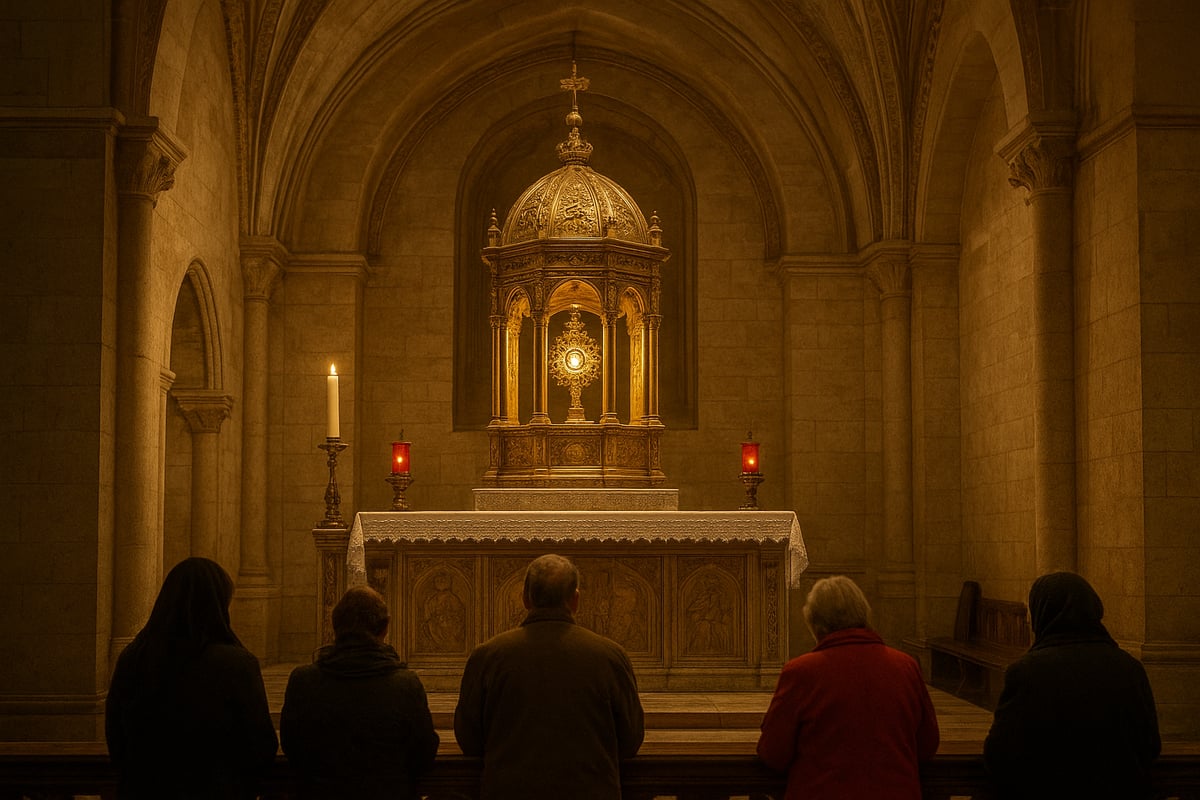
Central to Catholic faith is the doctrine of the Real Presence, which affirms that during the Mass, bread and wine are transformed into the Body and Blood of Christ. The eucharistic miracle of siena provides a living confirmation of this teaching, challenging believers and skeptics alike to contemplate the reality of Christ in the Eucharist.
The miracle’s enduring incorruptibility has been used in catechesis, apologetics, and spiritual formation. Priests, teachers, and theologians point to the eucharistic miracle of siena as a concrete sign that transcends symbolism, reinforcing the Church’s teaching on transubstantiation. Pilgrims and locals alike witness this truth not only through theological study, but by venerating the Hosts that remain unchanged after centuries.
In broader Catholic tradition, events like the eucharistic miracle of siena are studied alongside other Eucharistic miracles to illustrate the continuity of faith. For those seeking deeper understanding, the Eucharistic miracles in Catholic tradition resource offers a comprehensive overview of these extraordinary signs and their theological implications.
Impact on Faith and Devotion in Siena and Beyond
The eucharistic miracle of siena has strengthened the faith of countless individuals, both in Siena and around the world. In times of doubt and skepticism, the miracle has served as a beacon, rekindling devotion to the Blessed Sacrament and inspiring renewed reverence for the Eucharist.
Locally, the miracle transformed parish life, leading to increased Eucharistic adoration, solemn processions, and communal acts of reparation. Stories from pilgrims and clergy reflect the deep spiritual impact experienced by those who pray before the miraculous Hosts. Many recount moments of conversion, healing, and reconciliation, all attributed to their encounter with the eucharistic miracle of siena.
This post is brought to by Journeys of Faith Founded and Bob and Penny Lord We are Cyber Apostles and a Augustinian Secular Institute of which we are members; the Evangelization arm of the group of Cloistered Augustinian Nuns in Montefalco Italy Our Mission is Evangelization through Media using the tools that God has allowed to be created.
Globally, the miracle has inspired processions, feast days, and devotional practices in parishes far beyond Siena. Testimonies from theologians and lay faithful alike reveal how the eucharistic miracle of siena continues to unite the Church in awe and gratitude for the gift of Christ’s presence.
Lessons for Modern Believers
In today’s world, where skepticism and secularism often challenge religious belief, the eucharistic miracle of siena offers a timely reminder of the sacred. It calls Catholics to a deeper faith in the Real Presence and to renewed personal devotion in daily life.
Modern parishes integrate the story of the eucharistic miracle of siena into catechesis, faith formation, and retreats. By reflecting on this event, believers are encouraged to approach the Eucharist with reverence, gratitude, and trust. The miracle serves as an invitation to rediscover the mystery at the heart of Catholic worship.
Ultimately, the eucharistic miracle of siena challenges each generation to recognize and honor the sacredness of the Eucharist, fostering unity, reverence, and a vibrant living faith.
Pilgrimage to Siena: Visiting the Eucharistic Miracle in 2026
Embarking on a pilgrimage to Siena offers a profound journey into the heart of Catholic faith. The city’s enduring connection to the eucharistic miracle of siena draws pilgrims from across the world, especially as 2026 approaches. Planning your visit thoughtfully ensures a spiritually enriching and memorable experience.
Whether you seek quiet reflection or the vibrant atmosphere of feast days, Siena welcomes you into a living tradition centered on the miraculous Hosts. Pilgrims often find themselves transformed by the city’s sacred sites, its deep-rooted devotion, and the living witness of the eucharistic miracle of siena.
This post is brought to you by Journeys of Faith Founded and Bob and Penny Lord We are Cyber Apostles and a Augustinian Secular Institute of which we are members the Evangelization arm of the group of Cloistered Augustinian Nuns in Montefalco Italy Our Mission is Evangelization through Media using the tools that God has allowed to be created.
Let us guide you through the essential steps, spiritual practices, and unique treasures that await in Siena in 2026.
Planning Your Pilgrimage: Practical Steps and Tips
Choosing the right time to visit Siena is key to experiencing the full depth of the eucharistic miracle of siena. The city comes alive during major liturgical celebrations, particularly the Feast of the Assumption in August. During these events, processions and special Masses fill the streets with prayer and music.
Central to your pilgrimage is the Basilica of San Francesco, Siena, the very church where the miracle occurred. Here, the incorrupt Hosts are preserved and displayed for veneration. Pilgrims can also visit Santa Maria in Provenzano, significant for the recovery of the Hosts.
To participate in Eucharistic adoration, arrive early to join scheduled prayer times or special processions. Guided tours are available, often in multiple languages, offering insights into the miracle’s history and spiritual meaning. Siena welcomes thousands of pilgrims each year, with local accommodations ranging from historic guesthouses to modern hotels. Consider booking early for major feast days, as demand is high.
Language is rarely a barrier, as many sites offer English resources. Remember to check local calendars for religious events that may enhance your experience of the eucharistic miracle of siena.
Spiritual Preparation and Pilgrimage Experience
A pilgrimage to witness the eucharistic miracle of siena is more than a journey; it is a time for personal renewal. Spiritual preparation begins at home with prayer, scripture reading, and, if possible, receiving the sacrament of confession.
Many pilgrims join group retreats or catechetical sessions, deepening their understanding of the Eucharist and the miracle itself. Parishes often organize group pilgrimages, fostering a sense of community and shared devotion.
Upon arrival, take time for silent adoration in the Basilica. Participate in special Masses and processions, allowing the atmosphere of reverence to guide your reflections. Past pilgrims frequently share stories of transformation, describing moments of grace and a renewed sense of faith in the Real Presence.
For many, the eucharistic miracle of siena becomes a milestone in their spiritual journey. The city’s sacred rhythm, shaped by centuries of devotion, helps pilgrims draw closer to Christ through the mystery of the Eucharist.
Siena’s Broader Religious and Cultural Attractions
Beyond the eucharistic miracle of siena, Siena offers a wealth of spiritual and cultural treasures. The city is home to shrines, relics, and churches filled with centuries-old art and devotion. Sites associated with St. Catherine of Siena, the city’s beloved saint, invite reflection on her life and teachings.
Exploring Siena’s Marian heritage deepens the pilgrimage, especially in light of the miracle’s recovery at a Marian sanctuary. For those interested in learning more about Marian devotion, the Marian Apparitions and Siena collection provides valuable context and resources.
Local traditions, cuisine, and festivals add another layer to your journey, offering a holistic experience that nourishes both body and soul. Participating in citywide feasts and visiting Siena’s museums and piazzas allow pilgrims to appreciate the vibrant faith that continues to shape the city’s identity.
A pilgrimage to Siena is not simply a visit; it is an immersion in living faith, culture, and community. The eucharistic miracle of siena remains at the heart of this sacred adventure, inviting every pilgrim to encounter Christ in a unique and unforgettable way.
1 Explore Journeys of Faith Online store with thousands of Catholic Items at https://journeysoffaith.com/collections
2 Our Unique Mega Search Engine https://journeysoffaith.com/search is linked to hundreds of Catholic Shops and Stores
3 Get the Journeys of Faith NEW App for IPhone or Android Search for Journeys of Faith or go to https://journeysoffaith.com/pages/download-our-app
The Miracle’s Enduring Legacy: Influence on Church, Science, and Culture
The eucharistic miracle of siena stands as a unique testament to faith, enduring scrutiny and veneration for centuries. Its legacy reaches far beyond the city walls, shaping Catholic understanding and inspiring devotion worldwide.
Throughout history, the Church has meticulously documented the eucharistic miracle of siena. Papal authorities, bishops, and theologians have examined and endorsed the event, confirming its place among the most significant Eucharistic miracles in Catholic history. The miracle appears in official lists, and statements from popes and cardinals have affirmed its authenticity and importance.
| Year | Authority | Recognition or Statement |
|---|---|---|
| 1780 | Franciscan Order | Official investigation and report |
| 1914 | Pope Pius X | Endorsement of public veneration |
| Ongoing | Local Bishops | Annual inspections and documentation |
Globally, there are over 140 documented Eucharistic miracles. The Catholic Miracles Collection Overview provides a broader context, highlighting how the eucharistic miracle of siena remains a cornerstone among these extraordinary events.
Influence on Scientific Inquiry and Faith Dialogue
Scientific curiosity has always surrounded the eucharistic miracle of siena. Over the centuries, experts have conducted detailed examinations of the Hosts, comparing them to control samples and analyzing their remarkable incorruptibility. These investigations consistently report that the preserved Hosts remain fresh, whole, and free from decay, defying natural explanation.
This ongoing scientific scrutiny has sparked dialogue between faith and reason. The miracle is frequently cited in discussions about the compatibility of science and belief, offering a case where empirical evidence challenges materialist assumptions. Modern researchers, theologians, and skeptics continue to study the eucharistic miracle of siena, finding it a profound example of the mysteries at the heart of Catholic doctrine.
For many, the enduring condition of the Hosts serves not only as a scientific marvel but also as a catalyst for deeper faith. The event has inspired countless publications, conferences, and studies, keeping the conversation alive for new generations.
This post is brought to by Journeys of Faith Founded and Bob and Penny Lord We are Cyber Apostles and a Augustinian Secular Institute of which we are members; the Evangelization arm of the group of Cloistered Augustinian Nuns in Montefalco Italy Our Mission is Evangelization through Media using the tools that God has allowed to be created.
Inspiration for Evangelization and Catholic Media
The eucharistic miracle of siena has become a central theme in Catholic evangelization efforts and media outreach. Its story is featured in books, documentaries, catechetical programs, and online platforms, reaching audiences far and wide. Influential figures such as Bob and Penny Lord have dedicated significant work to sharing the miracle’s message, helping believers and seekers alike to appreciate the Real Presence.
Catholic media often highlights the Franciscan role in the miracle’s preservation and veneration. For those interested in the spiritual heritage of Siena, exploring Franciscan Saints and Siena offers valuable insight into the city’s religious life and the enduring impact of Franciscan devotion.
Today, the eucharistic miracle of siena continues to inspire evangelization, calling the faithful to deeper reverence for the Eucharist and to active participation in the Church’s mission. Its legacy lives on in the hearts of pilgrims, the works of evangelists, and the ongoing life of the Catholic community.
- Explore Journeys of Faith Online store with thousands of Catholic Items at https://journeysoffaith.com/collections
- Our Unique Mega Search Engine https://journeysoffaith.com/search is linked to hundreds of Catholic Shops and Stores.
- Get the Journeys of Faith NEW App for IPhone or Android Search for Journeys of Faith or go to https://journeysoffaith.com/pages/download-our-app
As you reflect on the incredible history and enduring faith that surround the Eucharistic Miracle of Siena, you might find yourself inspired to go even deeper into the mysteries of the Eucharist. Whether you are seeking to strengthen your own devotion, share this powerful testimony with others, or simply explore more about these miraculous events, I invite you to take the next step. You can discover a curated collection of resources, stories, and spiritual aids that illuminate the reality of Eucharistic miracles and help foster a deeper love for Christ’s presence. Start your journey here: Explore Eucharistic Miracles
