

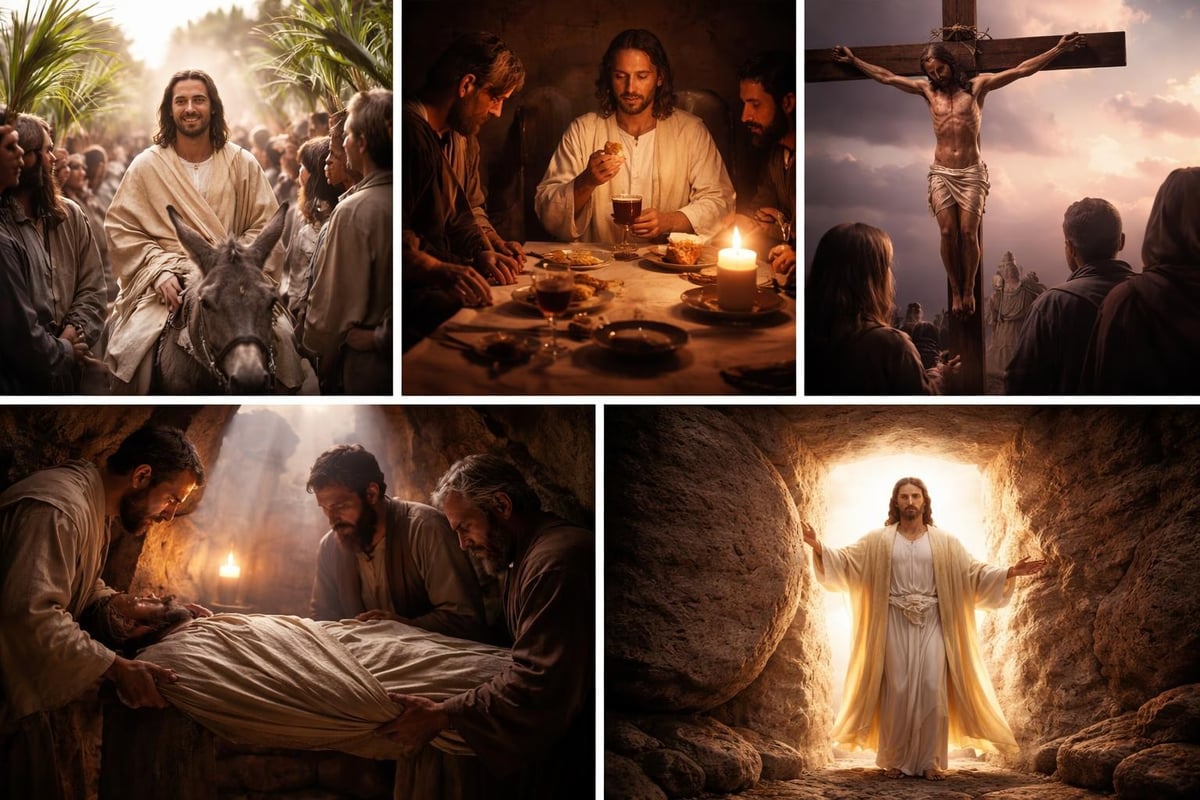
Holy week stands as the most sacred period in the Christian liturgical calendar, commemorating the final days of Jesus Christ's earthly ministry. This pivotal week begins with Palm Sunday and culminates in the glorious celebration of Easter Sunday, tracing Christ's journey from His triumphant entry into Jerusalem through His Passion, death, and Resurrection. For Catholics worldwide, holy week represents not merely a historical remembrance but a profound spiritual invitation to walk alongside Christ during His most redemptive hours. The observance of these days connects believers across centuries, cultures, and continents in a shared experience of faith that transcends time and geography.
Understanding the depth and significance of holy week requires more than passive observation. It demands active participation, prayerful contemplation, and a willingness to enter into the mystery of Christ's suffering and triumph. Each day carries its own weight of meaning, its own rituals, and its own invitation to transformation.
The history of Holy Week reveals a rich tradition dating back to the earliest Christian communities. These ancient practices have been preserved and developed through the centuries, creating a tapestry of liturgy, prayer, and devotion that continues to nourish the faithful today.
Brought to you by Journeys of Faith, founded by Bob and Penny Lord. We are an Augustinian Secular Institute, Cyber Apostles, whose mission is evangelization through media.
The Sacred Days of Holy Week
Palm Sunday: A Triumph and a Warning
Palm Sunday inaugurates holy week with a dramatic contrast between celebration and sorrow. On this day, the Church remembers Christ's triumphal entry into Jerusalem, where crowds laid palm branches before Him and proclaimed Him King. Yet this same celebration carries within it the seeds of betrayal and rejection. The liturgy of Palm Sunday uniquely combines the reading of the Passion narrative with the blessing of palms, reminding the faithful that the path to glory leads through suffering.
The blessed palms distributed on this day serve multiple purposes within Catholic tradition:
- Sacramental protection for homes and families throughout the year
- Reminder of Christ's kingship and our call to follow Him
- Symbol of victory over sin and death
- Connection to martyrdom and faithful witness
Many Catholic families preserve these palms behind crucifixes or in prayer corners, maintaining a visible connection to holy week throughout the year. Some parishes collect the previous year's palms to burn them into ashes for the following Ash Wednesday, creating a beautiful cycle of liturgical life.
Holy Monday, Tuesday, and Wednesday: Days of Preparation
The first three days of holy week are often called the "days of preparation." While less liturgically intense than the Triduum that follows, these days hold profound spiritual significance. The Church presents readings that foreshadow Christ's Passion and call the faithful to deeper conversion.
| Day | Primary Focus | Liturgical Color | Key Theme |
|---|---|---|---|
| Holy Monday | Jesus cleanses the Temple | Purple | Purification |
| Holy Tuesday | Betrayal foretold | Purple | Vigilance |
| Holy Wednesday | Judas plans betrayal | Purple | Repentance |
During these days, many Catholics increase their prayer, fasting, and almsgiving. The tradition of Tenebrae services, gradually extinguishing candles while reading the Passion accounts, has experienced a revival in many parishes. These somber yet beautiful services prepare hearts for the sacred Triduum ahead.
Global Holy Week celebrations demonstrate the universal nature of these observances, with each culture bringing its own expressions of faith to this sacred time.
The Sacred Triduum: Three Days, One Celebration
Holy Thursday: The Institution of the Eucharist
Holy Thursday marks the beginning of the Paschal Triduum, the three-day celebration that forms the heart of holy week. On this day, Catholics commemorate the Last Supper, where Christ instituted both the Eucharist and the ministerial priesthood. The Mass of the Lord's Supper on Holy Thursday evening stands as one of the most significant liturgies of the entire year.
The washing of the feet ceremony during this Mass powerfully demonstrates Christ's call to servant leadership. As the priest washes the feet of twelve parishioners, the congregation witnesses a living tableau of humility and love. This ritual transforms abstract theology into embodied practice, challenging every believer to serve others with genuine charity.
Following the Mass, many parishes hold Eucharistic adoration throughout the night, creating "gardens of repose" where the faithful keep vigil with Christ in His agony. This practice recalls Jesus's words to His disciples: "Could you not watch with me one hour?" The silence, prayer, and contemplation of this night prepare hearts for the solemnity of Good Friday.
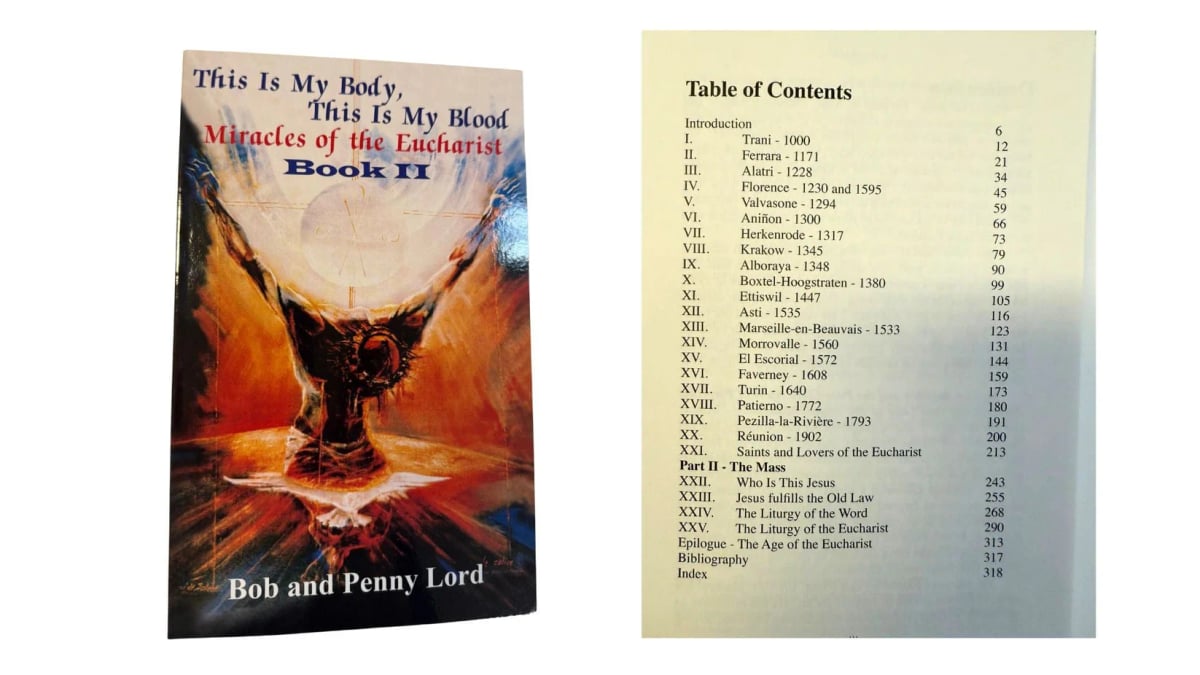
For those seeking to deepen their understanding of the Eucharist during holy week, the Miracles of the Eucharist books by Bob and Penny Lord offer powerful testimony to Christ's Real Presence. These extensively researched volumes document miraculous Eucharistic phenomena throughout history, strengthening faith in this central mystery we celebrate on Holy Thursday.
Good Friday: The Passion and Death of Our Lord
Good Friday stands apart from all other days in the liturgical calendar. No Mass is celebrated on this day; instead, the Church holds the solemn Celebration of the Lord's Passion. The stark simplicity of the liturgy, the prostration of the priest before the bare altar, and the veneration of the cross create an atmosphere of profound reverence and mourning.
The three-part structure of the Good Friday liturgy:
- Liturgy of the Word - Reading of the Passion according to John
- Solemn Intercessions - Prayers for the universal Church and world
- Veneration of the Cross - Individual reverence shown to the crucifix
The veneration of the cross represents one of the most moving moments in the entire liturgical year. As each person approaches the cross to kiss or touch it, the community witnesses a personal encounter with Christ's sacrifice. This simple gesture connects contemporary believers with centuries of faithful Christians who have made the same act of devotion.
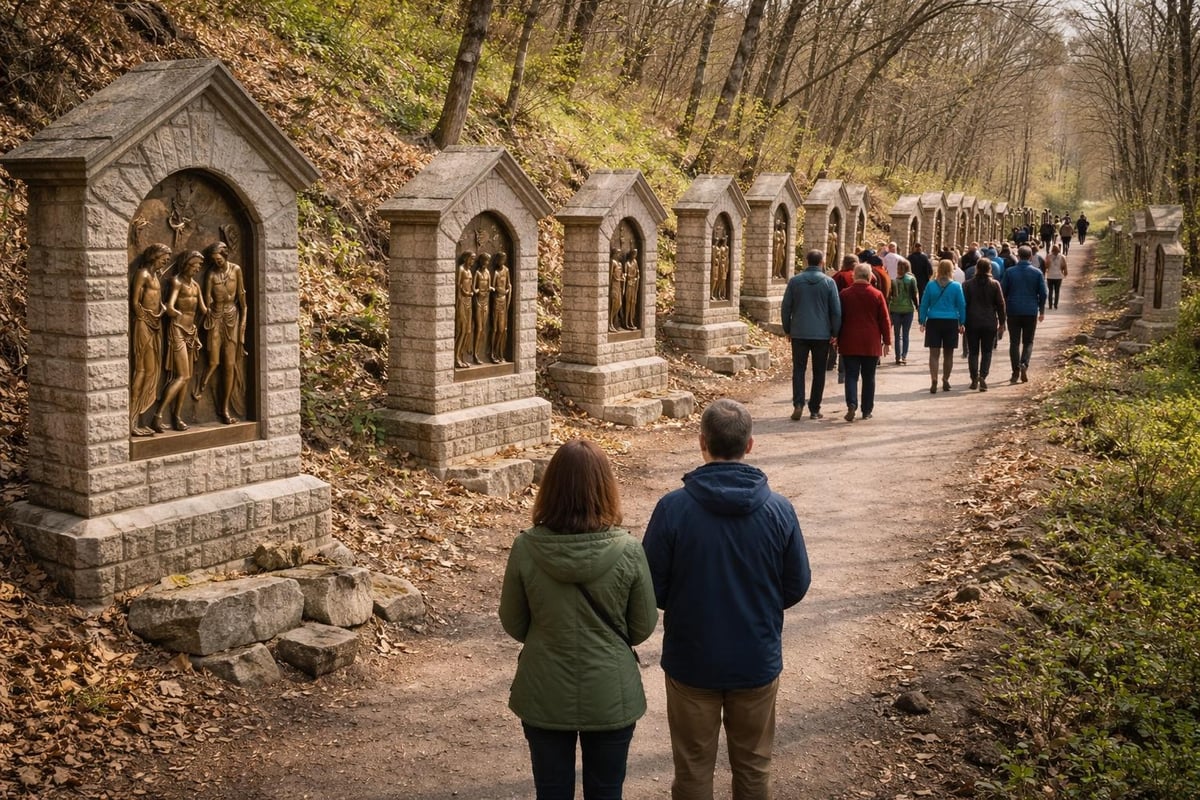
Many Catholics observe Good Friday with fasting and abstinence, participating in the Stations of the Cross, and spending time in prayer before the cross. The EWTN historical analysis provides valuable context for understanding how these practices developed and their theological significance.
Holy Saturday: Silence and Anticipation
Holy Saturday occupies a unique space within holy week. It is simultaneously a day of mourning and anticipation, commemorating Christ's descent to the dead while awaiting His glorious Resurrection. The Church maintains a profound silence on this day, with no Mass celebrated until the Easter Vigil after sundown.
This day invites believers into a spirituality of waiting and trust. Just as the disciples waited in fear and uncertainty after Christ's death, so the faithful on Holy Saturday enter into that liminal space between death and new life. Many parishes hold services of Tenebrae or maintain prayer vigils, keeping watch with Mary and the disciples who waited for God's promise to be fulfilled.
The Easter Vigil, beginning after nightfall on Holy Saturday, represents the "mother of all vigils." This longest and most elaborate liturgy of the year includes:
- Service of Light with the blessing of the new fire and Paschal candle
- Liturgy of the Word with up to nine readings tracing salvation history
- Baptismal Liturgy where catechumens enter the Church
- Liturgy of the Eucharist celebrating Christ's Resurrection
Holy Week Practices and Traditions Worldwide
Processions and Public Witness
Holy week processions serve as powerful public witnesses to faith, transforming streets and squares into sacred spaces. Spain's Holy Week traditions exemplify this practice, with elaborate processions featuring ornate floats, penitents in traditional robes, and entire communities participating in outdoor liturgical dramas.
Common elements in Holy Week processions include:
- Religious statues and images depicting scenes from the Passion
- Candles and torches symbolizing Christ as the Light of the World
- Music and hymns appropriate to the solemnity of the day
- Community participation across all age groups and social classes
The Philippines' intense Holy Week rituals demonstrate how cultural context shapes religious expression. While some practices like actual crucifixion reenactments remain controversial, they reveal the depth of devotion many believers bring to commemorating Christ's Passion.
Home Observances and Family Traditions
Holy week offers families unique opportunities to create sacred domestic spaces and traditions. Many Catholic households establish home altars, remove bright decorations, and maintain a more contemplative atmosphere throughout the week.
Family-friendly Holy Week practices:
- Creating a prayer corner with purple cloth and simple cross
- Reading daily Passion narratives together
- Making hot cross buns on Good Friday
- Dyeing Easter eggs with Christian symbols
- Participating in parish services as a family unit
Parents can introduce children to holy week through age-appropriate activities that make abstract theological concepts tangible. Simple acts like covering mirrors, limiting entertainment, and increasing prayer time help young people understand the solemnity of these days.
The resources available at Journeys of Faith include numerous materials designed to support family observance of holy week, from prayer cards to books explaining the significance of each day's commemoration.
Spiritual Dimensions of Holy Week
Prayer and Contemplation
Holy week calls believers to intensified prayer and spiritual discipline. The Church's liturgies during these days provide structured opportunities for communal worship, but personal prayer remains equally essential. Many Catholics adopt special prayer practices during holy week, such as praying the Stations of the Cross daily, reading through the Passion narratives, or maintaining extended periods of silence.
The practice of Lectio Divina, or sacred reading, takes on particular power during holy week. Slowly meditating on the Scripture readings appointed for each day allows the Word of God to penetrate hearts and transform minds. This ancient monastic practice requires no special training, only willingness to listen deeply to God's voice in Scripture.
Fasting and Abstinence
The Church requires fasting on Good Friday, but many Catholics extend this discipline throughout holy week. Fasting serves multiple spiritual purposes: it sharpens spiritual senses, builds solidarity with those who hunger, and participates in Christ's sacrifice through voluntary self-denial.
Traditional fasting practices during Holy Week:
| Practice | Description | Spiritual Purpose |
|---|---|---|
| Complete Fast | Only water permitted | Radical identification with Christ's suffering |
| Bread and Water | Minimal sustenance | Simplicity and discipline |
| One Full Meal | With two small meals that together don't equal one | Church's minimum requirement |
| Abstinence from Meat | No meat on Fridays | Penitential remembrance of Christ's flesh |
Beyond required fasts, many believers voluntarily abstain from entertainment, social media, or other habitual pleasures during holy week. These practices create interior space for God's grace and heighten awareness of Christ's Passion.
Sacramental Life
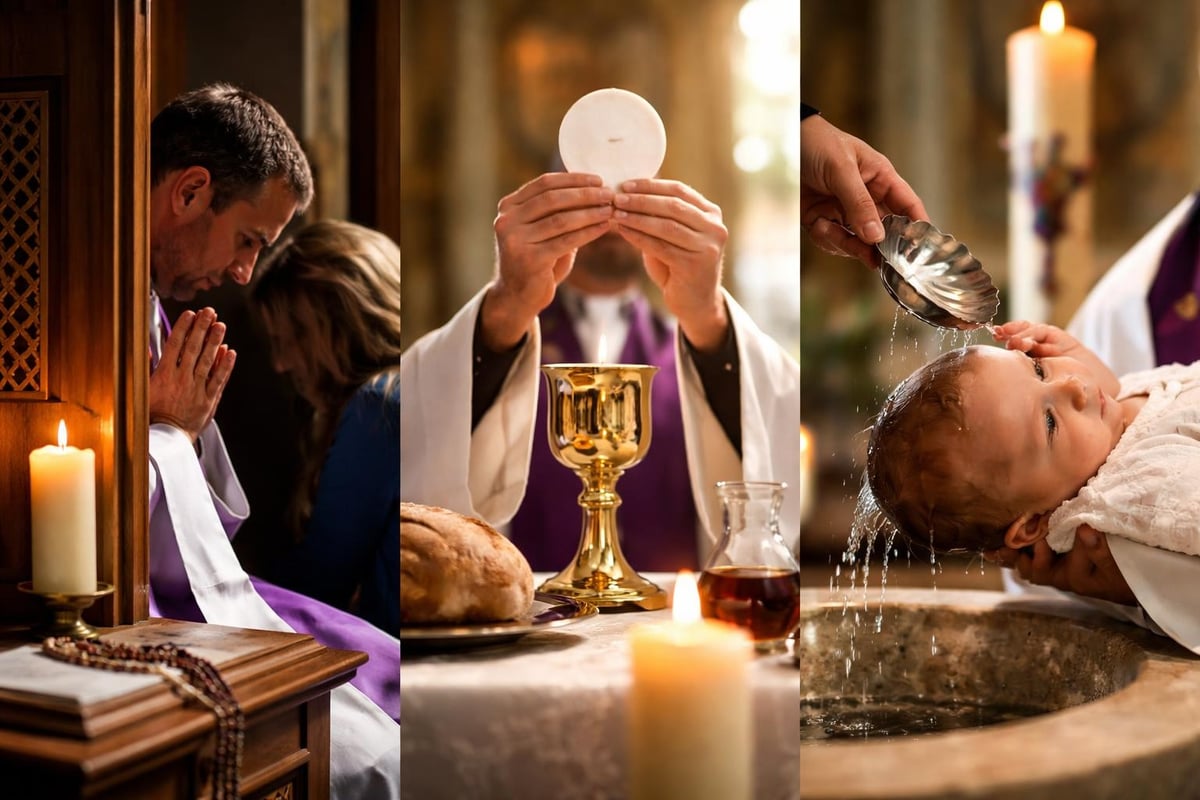
Holy week invites Catholics to engage more deeply with the sacramental life of the Church. Many parishes offer extended hours for the Sacrament of Reconciliation during holy week, recognizing that Easter should be celebrated with purified hearts. The practice of making a good confession before Easter has deep roots in Catholic tradition and remains spiritually fruitful.
The liturgies of the Triduum themselves function as extended sacramental celebrations, immersing participants in the Paschal Mystery. Each ritual action, from the washing of feet to the veneration of the cross to the baptismal promises renewed at the Easter Vigil, serves as a visible sign of invisible grace.
Contemporary Challenges and Opportunities
Maintaining Sacred Time in a Secular World
Modern culture presents unique challenges to observing holy week with appropriate reverence. The secular calendar recognizes only Good Friday and Easter Sunday, if at all, treating the intervening days as ordinary time. Many Catholics struggle to balance work obligations, family responsibilities, and cultural expectations with their desire to fully participate in holy week observances.
Strategies for protecting holy week as sacred time:
- Requesting time off work for Holy Thursday evening and Good Friday services
- Limiting social commitments during the week to prioritize liturgical participation
- Creating boundaries around entertainment and media consumption
- Explaining to children why these days differ from ordinary time
- Finding creative ways to bring holy week observance into daily routines
Some Catholic employers and schools have begun acknowledging holy week more intentionally, allowing employees and students to participate in services or maintaining a more subdued atmosphere during these days. Such institutional recognition supports individual efforts to honor the sacred character of this week.
Ecumenical Dimensions
While holy week holds particular significance for Catholics, these days unite Christians across denominational lines. Eastern Orthodox Christians celebrate a parallel "Passion Week" or "Great Week" with their own rich liturgical traditions. Protestant communities, while varying in their observances, increasingly recognize the value of marking these days with special services and devotions.
Ecumenical Holy Week services have become more common in recent decades, allowing Christians to witness together to the central mysteries of faith. Joint Stations of the Cross, shared Good Friday services, and collaborative community outreach during these days demonstrate Christian unity rooted in shared belief in Christ's redemptive sacrifice.
Digital Age Adaptations
Technology offers both challenges and opportunities for holy week observance. While digital distractions can pull attention away from sacred realities, online resources also make holy week liturgies and teachings more accessible than ever before. Live-streamed Masses allow homebound Catholics to participate in the Triduum liturgies. Podcast series and video teachings help believers prepare for and reflect on these sacred days.
Social media can become a tool for evangelization during holy week, as believers share reflections, images, and invitations to liturgical services. However, maintaining appropriate boundaries remains important. Some Catholics adopt "digital fasts" during holy week, stepping away from social media and entertainment platforms to create space for prayer and contemplation.
Living Holy Week's Meaning Year-Round
Carrying Holy Week into Easter Season and Beyond
The graces received during holy week should extend far beyond Easter Sunday. The fifty days of Easter season provide an extended period to integrate the lessons of Christ's Passion into daily life. The call to die to self and rise with Christ becomes not merely an annual commemoration but a daily spiritual practice.
Ways to extend Holy Week's impact:
- Maintaining increased prayer time established during holy week
- Continuing regular reception of the Sacrament of Reconciliation
- Practicing the works of mercy in response to Christ's self-giving love
- Studying Scripture more deeply, particularly the Passion narratives
- Sharing holy week experiences and insights with others
The transformation holy week invites cannot be confined to one week annually. Instead, these days function as an intense spiritual immersion that equips believers for ongoing conversion and growth in holiness.
The Call to Witness
Holy week concludes with the Easter mandate to "go and announce the Gospel." The experience of walking with Christ through His Passion and celebrating His Resurrection should overflow into witness. This witness takes many forms: verbal proclamation, charitable service, artistic expression, and the simple example of a life transformed by Christ's love.
Catholics who deeply enter into holy week emerge with renewed conviction about the truth of the Gospel and the reality of Christ's victory over death. This conviction naturally seeks expression, drawing others toward the source of hope and life. The witness born from holy week carries particular authenticity because it emerges from personal encounter with the Paschal Mystery.
Holy week stands as the annual summit of Catholic liturgical life, inviting believers into the heart of the Christian mystery through its sacred observances and profound spiritual opportunities. Whether you are seeking to deepen your understanding of these holy days, looking for resources to support your family's observance, or hoping to share the richness of holy week with others, Journeys of Faith offers extensive materials to guide your journey. Explore our collection of books, prayer cards, and devotional items, or connect with our community through our app and online resources to make this holy week your most spiritually fruitful yet.
Resources for Your Holy Week Journey:
- Explore Journeys of Faith online store with thousands of Catholic items at https://journeysoffaith.com/collections
- Our unique Mega Search Engine at https://journeysoffaith.com/search is linked to hundreds of Catholic shops and stores
- Get the Journeys of Faith NEW App for iPhone or Android. Search for Journeys of Faith or go to https://journeysoffaith.com/pages/download-our-app
- Chat with us anytime at https://chatting.page/mjxs9aerrtgm3lmpndlcepmbyosntrjn
- We need your help to reach more souls. Please make a donation at https://journeysoffaith.com/pages/donate