

The Catholic Church recognizes thousands of saints, each representing unique paths to holiness and inspiring examples for the faithful. When we list saints Catholic, we're exploring more than names and dates-we're discovering intercessors, role models, and companions on our spiritual journey. Understanding how to access and utilize these comprehensive lists helps believers connect with the communion of saints and deepen their relationship with God through the examples of those who have gone before us.
Understanding the Catholic Saints List
The process of creating an official list saints Catholic involves centuries of tradition, rigorous investigation, and formal recognition by the Church. The Catholic Church maintains detailed records of recognized saints, beginning with the early martyrs and continuing through modern canonizations. This comprehensive catalog serves as both a historical document and a living testament to God's grace working through ordinary people who achieved extraordinary holiness.
The Church's official list includes saints from every era, culture, and walk of life. From the apostles who walked with Christ to recent canonizations like Carlo Acutis, each addition to the list saints Catholic undergoes careful scrutiny. The Congregation for the Causes of Saints oversees this process, ensuring that those elevated to sainthood truly embody the virtues and holiness worthy of universal veneration.
Categories Within the Saints List
Catholic saints fall into several distinct categories that help organize the extensive roster. Martyrs gave their lives for the faith, confessors lived holy lives without dying for their beliefs, virgins maintained consecrated celibacy, and doctors of the Church contributed significantly to theological understanding. Each category provides different models of sanctity for believers to study and emulate.
When we list saints Catholic by category, we also find patron saints assigned to specific professions, causes, and situations. This system helps believers identify saints who understand their particular circumstances and can intercede for specific needs. For example, Saint Joseph serves as patron of workers, while Saint Monica intercedes for those with wayward children.
Brought to you by Journeys of Faith, founded by Bob and Penny Lord. We are an Augustinian Secular Institute and Cyber Apostles. Our mission is evangelization through media, sharing the stories of saints, the Eucharist, and Mother Mary with believers worldwide.
How the Church Creates the Official List
The canonization process represents one of the most thorough investigative procedures in existence. Before a name appears on any official list saints Catholic, the candidate must pass through multiple stages of verification. The process typically begins at the diocesan level, where local bishops gather testimony and documentation about the person's life, virtues, and reputation for holiness.
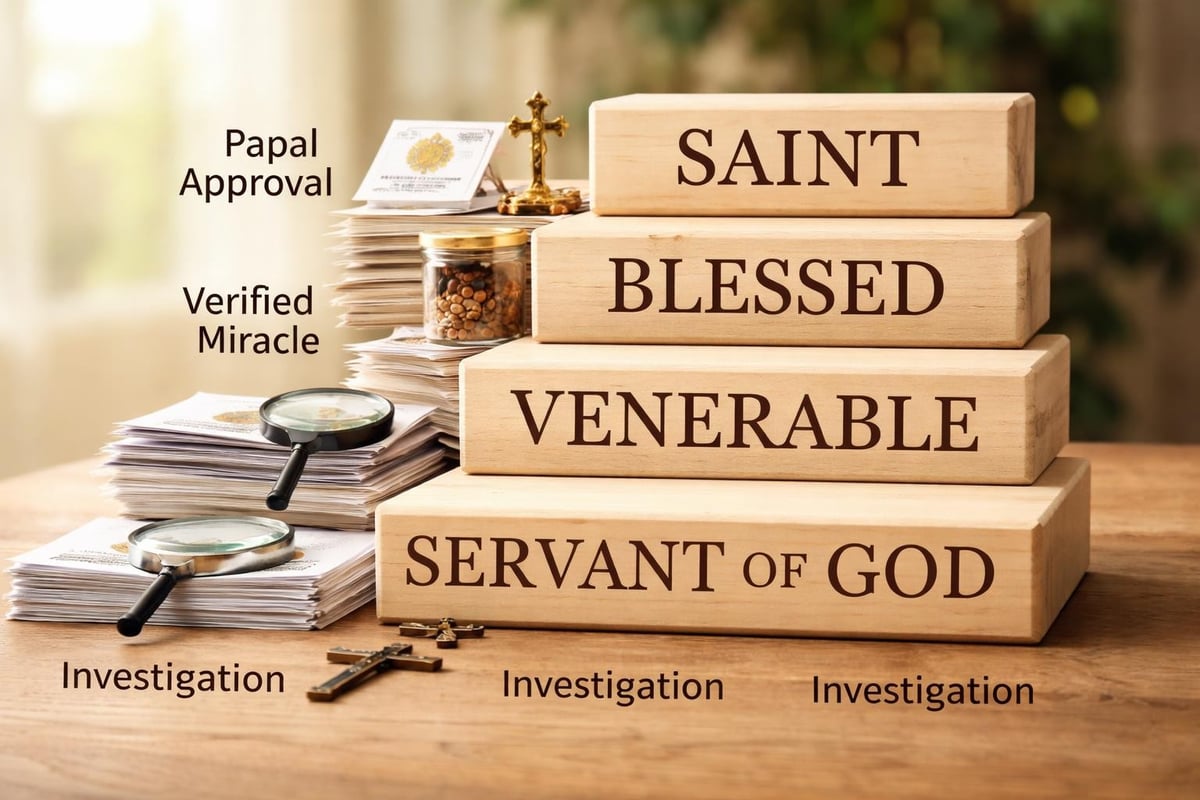
After diocesan investigation, the cause moves to Rome where the Congregation for the Causes of Saints conducts extensive research. Theological experts, known as postulators, present evidence of heroic virtue or martyrdom. The candidate receives the title "Venerable" once the Pope confirms their heroic virtue, marking the first formal step toward inclusion in the list saints Catholic.
Miracle Verification Requirements
The Church requires documented miracles for most canonizations, serving as divine confirmation of the candidate's holiness. For beatification (becoming "Blessed"), one verified miracle is typically necessary. For canonization to sainthood, a second miracle must occur after beatification. Medical boards and theological commissions examine these miracles with scientific rigor before accepting them as supernatural interventions.
Recent canonizations demonstrate how the Church continues to add new names to the list saints Catholic. Carlo Acutis, who became the first millennial saint, shows that holiness remains accessible in every generation. His canonization required verification of miracles attributed to his intercession, following the same rigorous standards applied to saints throughout history.
Major Saints Lists and Their Organization
Several major compilations help believers navigate the extensive list saints Catholic. The Roman Martyrology serves as the official liturgical book containing the Church's complete catalog of saints, organized by feast days throughout the calendar year. This daily listing allows Catholics to commemorate different saints each day, creating a rhythm of remembrance and intercession throughout the liturgical calendar.
The General Roman Calendar identifies saints whose feasts the universal Church celebrates. This more selective list saints Catholic includes major figures like the Blessed Virgin Mary, the apostles, and significant doctors and martyrs. Individual countries and religious orders maintain supplemental calendars featuring saints particularly significant to their regions or charisms.
| List Type | Scope | Primary Use | Update Frequency |
|---|---|---|---|
| Roman Martyrology | Complete catalog | Official reference | Regularly updated |
| General Roman Calendar | Universal celebrations | Liturgical planning | Periodic revisions |
| National Calendars | Regional saints | Local devotion | As needed |
| Order Calendars | Religious communities | Community celebrations | Varies by order |
Digital resources have revolutionized access to the list saints Catholic. Online databases allow searching by name, feast day, patronage, or other criteria. Journeys of Faith provides extensive resources for learning about Catholic saints, making these holy men and women accessible to modern believers seeking inspiration and intercession.
Popular Saints Across the Centuries
Certain saints appear consistently on every list saints Catholic due to their universal appeal and significance. Saint Peter and Saint Paul, the pillars of the early Church, remain foundational figures. Saint Francis of Assisi continues to inspire with his radical poverty and love of creation, while Saint Therese of Lisieux draws believers with her "little way" of spiritual childhood.
Saints for Modern Challenges
The contemporary list saints Catholic includes figures who faced modern dilemmas. Saint Maximilian Kolbe demonstrated heroic charity in a Nazi concentration camp, while Saint Teresa of Calcutta served the poorest of the poor in urban India. These saints show that holiness adapts to every era's unique challenges.
- Saint Gianna Beretta Molla - Modern wife, mother, and physician who sacrificed her life for her unborn child
- Saint John Paul II - Contemporary pope who transformed the papacy through global outreach
- Saint Josephine Bakhita - Former slave who became a religious sister and symbol of freedom
- Saint Oscar Romero - Archbishop martyred while defending the poor in El Salvador
When we study the broader list saints Catholic, we find that teaching children about saints creates lasting spiritual foundations. Children connect with saints who performed miracles, showed courage, or lived joyful lives despite hardships. This early exposure helps young Catholics understand that holiness is achievable for everyone.
Regional and Cultural Diversity
The global list saints Catholic reflects the Church's universal reach across continents and cultures. Every nation contributes unique voices to the communion of saints, from the ancient martyrs of Rome to contemporary witnesses in Asia, Africa, and the Americas. This diversity demonstrates that sanctity transcends cultural boundaries while respecting and incorporating local expressions of faith.
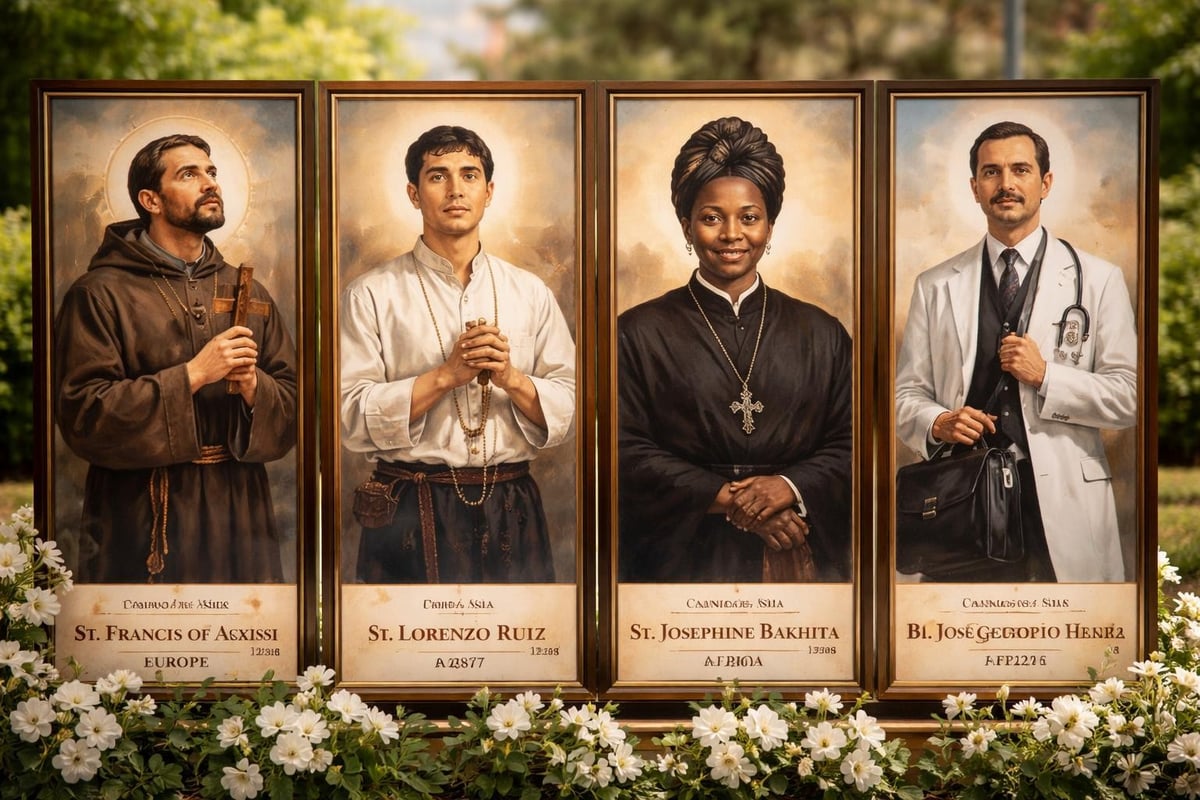
Latin American saints have enriched the list saints Catholic significantly in recent decades. María Carmen Rendiles, Venezuela's first female saint, exemplifies this regional contribution. Her canonization in 2026 highlights how the Church continues recognizing holiness in diverse contexts and cultures.
Notable Saints by Region
European saints dominate historical lists due to Christianity's early concentration there, but modern canonizations demonstrate increasing geographic diversity. African saints like Saint Charles Lwanga and his companions, Asian saints including Saint Andrew Kim Taegon, and Oceanic saints such as Saint Peter Chanel represent the Church's expanding recognition of universal holiness.
Resources for Studying Saints
Accessing accurate information when you list saints Catholic requires reliable resources. The Vatican's official website provides authoritative information about recently canonized saints and ongoing causes. Academic databases like the Bibliotheca Sanctorum offer scholarly depth for serious study, while popular devotional resources make saints accessible to everyday believers.
Bob and Penny Lord discovered that one of the secrets of the Roman Catholic Saints was they studied the lives of other saints before them. The Catholic Saints Books collection provides comprehensive resources for understanding how saints achieved holiness by learning from their predecessors. This pattern of studying earlier saints created a continuous chain of holiness throughout Church history.
Print resources remain valuable despite digital alternatives. Traditional hagiographies, modern biographies, and liturgical calendars each serve different purposes when exploring the list saints Catholic. Many Catholics maintain personal collections of saint books, prayer cards, and images to support their devotional practices and deepen their knowledge of specific saints.
Digital Tools and Databases
Modern technology enables sophisticated searching through the extensive list saints Catholic. Mobile applications provide daily saint information, searchable databases allow filtering by multiple criteria, and social media accounts share bite-sized saint stories. These tools make encountering saints easier than ever, supporting both casual learning and serious study.
- Saint of the Day apps deliver daily notifications with feast day information and brief biographies
- Searchable online databases enable filtering by patronage, feast date, religious order, or time period
- Podcast series explore saints' lives in narrative depth
- Video documentaries provide visual engagement with sacred sites and historical context
The Journeys of Faith app offers convenient access to saint resources wherever you are. This mobile platform brings stories of faith, testimonies, and educational content directly to your smartphone or tablet, supporting ongoing learning about the communion of saints.
Saints as Intercessors and Models
The practical purpose of maintaining a list saints Catholic extends beyond historical interest. Saints serve as powerful intercessors before God's throne, bringing our petitions to the divine presence. Catholic theology teaches that saints in heaven remain intimately connected with believers on earth, forming the mystical body of Christ that transcends death.
Each saint on the list saints Catholic offers a unique model of how to live Christian virtue in specific circumstances. Parents look to the Holy Family for guidance in family life, while those facing persecution find courage in the martyrs' examples. This variety ensures every believer can find relevant models for their particular vocation and challenges.
Patron Saint Traditions
The tradition of patron saints creates practical connections between the heavenly list saints Catholic and earthly needs. Patron saints watch over professions, illnesses, countries, and countless other concerns. Builders invoke Saint Joseph, travelers seek Saint Christopher's protection, and students pray to Saint Thomas Aquinas for wisdom.
| Patronage | Saint | Why This Connection |
|---|---|---|
| Lost Causes | Saint Jude | His intercession in desperate situations |
| Animals | Saint Francis | His love for all creatures |
| Travelers | Saint Christopher | Traditional bearer of Christ across waters |
| Students | Saint Thomas Aquinas | Great scholar and teacher |
| Mothers | Saint Monica | Prayerful mother of Saint Augustine |
Contemporary Canonizations and Future Saints
The list saints Catholic continues growing as the Church recognizes new examples of holiness. Recent canonizations attract massive crowds to the Vatican, demonstrating continued interest in the communion of saints. These celebrations unite believers worldwide in honoring those who have achieved the ultimate Christian goal of union with God.
Pending causes represent potential future additions to the list saints Catholic. Hundreds of servants of God currently undergo investigation at various stages. These candidates include martyrs from recent persecutions, founders of religious communities, lay people who lived heroic virtue in ordinary circumstances, and clergy who served with exceptional holiness.
Characteristics of Modern Saints
Contemporary additions to the list saints Catholic often share certain characteristics that speak to modern believers. Many lived in the 20th or 21st centuries, faced challenges recognizable to current generations, and used technology or modern institutions to serve God's kingdom. Carlo Acutis, for instance, used his computer skills to create websites promoting Eucharistic miracles.
The canonization of young saints like Carlo Acutis and Pier Giorgio Frassati demonstrates that holiness doesn't require old age or formal religious life. Their presence on the list saints Catholic inspires youth to pursue sanctity in their own circumstances, using contemporary means to serve timeless spiritual ends.
Utilizing Saints Lists in Spiritual Life
Incorporating the list saints Catholic into personal devotion enriches prayer life and spiritual growth. Many Catholics choose patron saints for themselves, their families, or their endeavors. Studying a saint's life provides practical wisdom for navigating similar challenges and inspiration for maintaining faith during difficulties.
Liturgical living according to the Church calendar creates natural opportunities to encounter the list saints Catholic. Celebrating feast days with special prayers, meals, or family activities brings saints into daily life. Some families adopt the tradition of naming children after saints, creating lifelong connections with particular intercessors and role models.
- Choose a patron saint based on your name, profession, or personal needs
- Study their biography to understand their path to holiness
- Pray their associated prayers or novenas for specific intentions
- Celebrate their feast day with special devotions or family traditions
- Imitate their virtues in daily life circumstances
- Ask their intercession for particular needs or challenges
The online store at Journeys of Faith offers thousands of Catholic items including books, prayer cards, and devotional materials related to the saints. These resources support deeper engagement with the communion of saints through images, prayers, and educational content.

Educational Applications of Saints Lists
Catholic education at every level benefits from systematic study of the list saints Catholic. Elementary programs introduce children to saints through age-appropriate stories emphasizing virtue and courage. Secondary students explore saints' historical contexts and theological contributions. Adult education examines how saints addressed perennial questions and contemporary issues.
Religious education curricula often organize lessons around the liturgical year, naturally incorporating the list saints Catholic through feast day celebrations. This approach connects abstract theological concepts with concrete examples from saints' lives. Students learn that doctrine isn't merely theoretical but lived reality demonstrated by real people throughout history.
Saints in Sacramental Preparation
Preparation for Confirmation traditionally includes choosing a saint's name, prompting candidates to research the list saints Catholic and select a personal patron. This practice encourages young people to study saints' lives, identify with particular examples of holiness, and understand the communion of saints more deeply. Similar practices surrounding other sacraments create repeated opportunities for engaging with saintly examples.
Special Lists Within the Catholic Tradition
Beyond the general list saints Catholic, specialized compilations serve particular purposes. The Doctors of the Church, numbering 37 as of 2026, represents saints whose theological writings significantly shaped Catholic doctrine. This selective list includes ancient figures like Saint Augustine alongside modern additions like Saint Thérèse of Lisieux and Saint John Paul II.
Incorrupt saints form another notable subset-those whose bodies remain unusually preserved after death. While incorruption isn't required for canonization, many on the list saints Catholic exhibit this phenomenon. Pilgrims visit these saints' shrines worldwide, encountering tangible connections to the communion of saints.
Religious orders maintain their own specialized lists within the broader list saints Catholic. Franciscans particularly honor their saint founders and notable members, Dominicans celebrate their order's contributors to theology and evangelization, and Jesuits recognize their missionaries and martyrs. These lists help communities remember their spiritual heritage and maintain distinct charisms.
Connecting with Saints Through Pilgrimage
The list saints Catholic gains new dimensions when believers visit locations associated with particular saints. Pilgrimage to saints' shrines, birthplaces, or ministry sites creates personal encounters with their legacy. Rome attracts millions seeking connection with the early martyrs, Lourdes draws pilgrims to Saint Bernadette's grotto, and Fatima commemorates the shepherd children who witnessed Mary's apparitions.
Each pilgrimage site offers unique insights into specific saints from the list saints Catholic. Museums display relics and artifacts from saints' lives, churches preserve locations where they prayed or ministered, and local traditions maintain cultural connections to their memory. These experiences transform names on a list into living presences that continue shaping believers' faith journeys.
Regional pilgrimages allow exploring the list saints Catholic closer to home. Every area has local saints, martyrs, or miracle sites worth visiting. These lesser-known destinations often provide more intimate encounters than major international shrines, while still connecting pilgrims with the universal communion of saints.
Resources Available Through Journeys of Faith
For those seeking to deepen their understanding of the list saints Catholic, comprehensive resources make all the difference. Journeys of Faith provides an extensive collection of materials supporting saint devotion and education:
- Explore the Journeys of Faith online store with thousands of Catholic items at https://journeysoffaith.com/collections
- Use the unique mega search engine at https://journeysoffaith.com/search, linked to hundreds of Catholic shops and stores
- Get the Journeys of Faith NEW app for iPhone or Android-search for Journeys of Faith or go to https://journeysoffaith.com/pages/download-our-app
- Support evangelization efforts-we need your help to reach more souls. Please make a donation at https://journeysoffaith.com/pages/donate
These resources include books, DVDs, prayer cards, and educational materials covering the breadth of the list saints Catholic. From ancient martyrs to contemporary witnesses, from popular devotions to obscure intercessors, comprehensive materials support every level of interest and study.
The list saints Catholic represents far more than historical documentation-it's a living testament to God's grace transforming ordinary people into extraordinary witnesses. Whether you're seeking intercessors for specific needs, role models for your vocation, or simply inspiration for your faith journey, the communion of saints offers abundant resources. Journeys of Faith stands ready to help you explore these holy men and women through books, media, and educational resources that bring their stories to life and make their wisdom accessible for modern believers seeking to follow their path to holiness.