

The story of our lady of pompeii continues to inspire millions, uniting Catholics worldwide in faith and hope. From humble beginnings to a beacon of miraculous devotion, her influence endures across generations and continents.
This guide offers a journey through the rich history, vibrant traditions, and lasting legacy of this beloved devotion as we approach 2026. Discover the origins and miracles, the evolution of the shrine, annual celebrations, and the global impact on Catholic life.
Whether you are drawn by curiosity or seeking spiritual renewal, let this exploration encourage deeper understanding and devotion. For further reading, consider Our Lady of Pompei.
The Origins of Our Lady of Pompeii
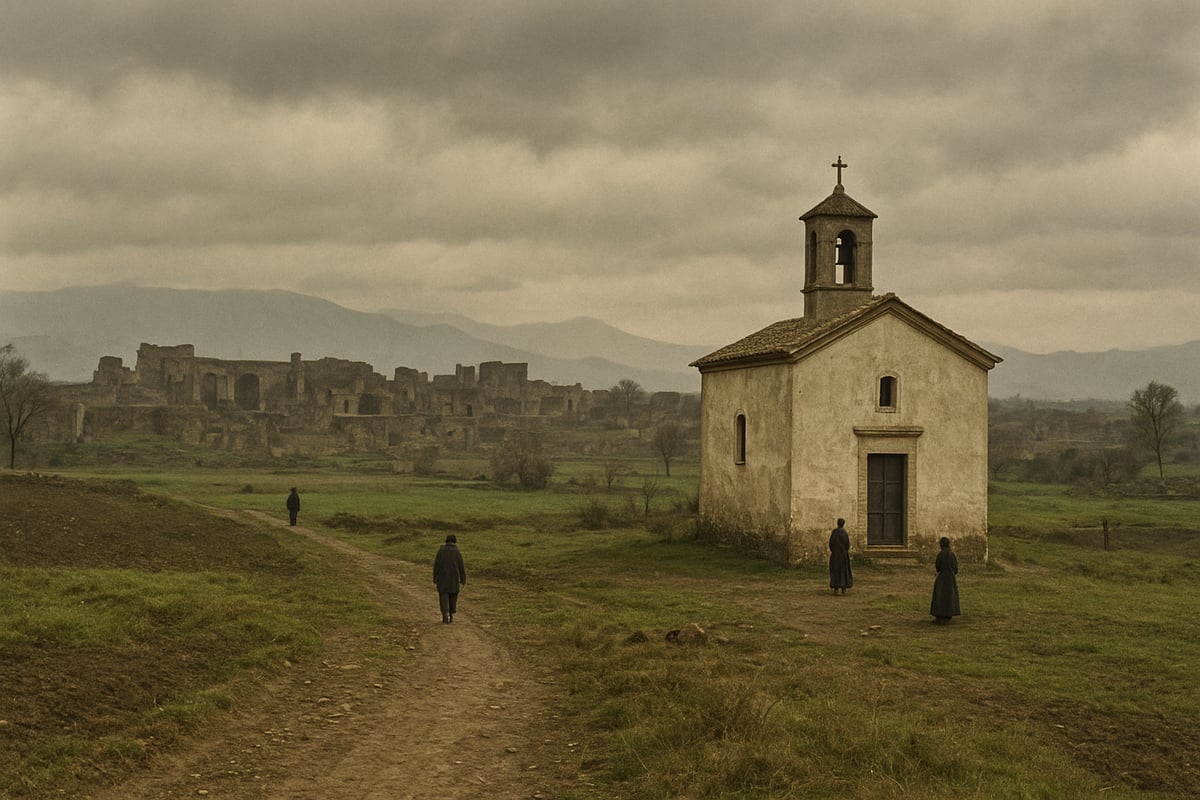
The story of our lady of pompeii begins in a landscape marked by loss and longing. In the late 19th century, the Valley of Pompeii was a place of desolation. The ancient city’s ruins stood as silent witnesses to past tragedy, while the surrounding countryside was sparsely populated and spiritually neglected. Following the unification of Italy, the region experienced social upheaval, with many people drifting away from religious life. Political tensions and anti-clerical sentiments left many communities in need of hope and renewal. The absence of spiritual guidance created a vacuum that would soon be filled by a remarkable movement of faith.
The Historical Context of Pompeii
In this climate of uncertainty, the seeds for the revival of faith were sown. The Valley of Pompeii, once a vibrant center of Roman life, had become a symbol of spiritual abandonment. Local families struggled with economic hardship, and the absence of organized religious activity left many without direction. The call for spiritual renewal echoed through the valley, setting the stage for the arrival of a transformative figure who would change the course of history for our lady of pompeii.
The Vision and Mission of Bartolo Longo
Bartolo Longo’s journey is central to the origins of our lady of pompeii. Born into a devout family, Longo’s early life was marked by skepticism and personal turmoil. After studying law in Naples, he became involved in spiritualism, which led to despair and a crisis of faith. A turning point came through the guidance of a Dominican priest, inspiring Longo’s conversion and devotion to the Rosary. Driven by a mystical experience, he dedicated his life to rekindling Catholic faith in Pompeii. Facing skepticism and resistance, Longo worked closely with the Countess of Fusco and local clergy, gradually earning the trust and support of the community. For those interested in learning more about his extraordinary life, the Lives of the Saints Collection provides further reading.
The Arrival of the Icon
A pivotal moment in the story of our lady of pompeii was the search for a suitable image of the Virgin Mary. Longo acquired a secondhand painting depicting Our Lady of the Rosary, which arrived in Pompeii under humble circumstances. The icon, although worn and simple, quickly became a focal point for devotion. Reports of miraculous healings and sudden conversions soon followed, drawing people from neighboring towns. The image’s humble origins and the miracles attributed to it reinforced a sense of divine intervention, deepening the community’s faith. For more resources and recommended reading, consider exploring our Lady of Pompei - https://amzn.to/4q4Zhxp.
The Foundation of the Shrine
With faith taking root, the foundation stone of the shrine was laid in 1876. The local bishop, clergy, and townspeople rallied behind the project, transforming a small chapel into what would become an internationally renowned basilica. Pilgrims began arriving in greater numbers, seeking spiritual renewal and healing through our lady of pompeii. The first documented miracles further fueled devotion, solidifying the shrine’s reputation as a place of grace. This early growth set the stage for the global influence that our lady of pompeii continues to hold today.
The Shrine of Our Lady of Pompeii: Architecture and Art
Nestled in the Valley of Pompeii, the shrine dedicated to our lady of pompeii stands as a testament to faith, artistry, and community. Its evolution from humble beginnings to a world-renowned basilica reflects the enduring devotion to the Virgin Mary. The story of this sacred place is woven through stone, canvas, and the hearts of millions who visit each year.
Construction and Expansion of the Basilica
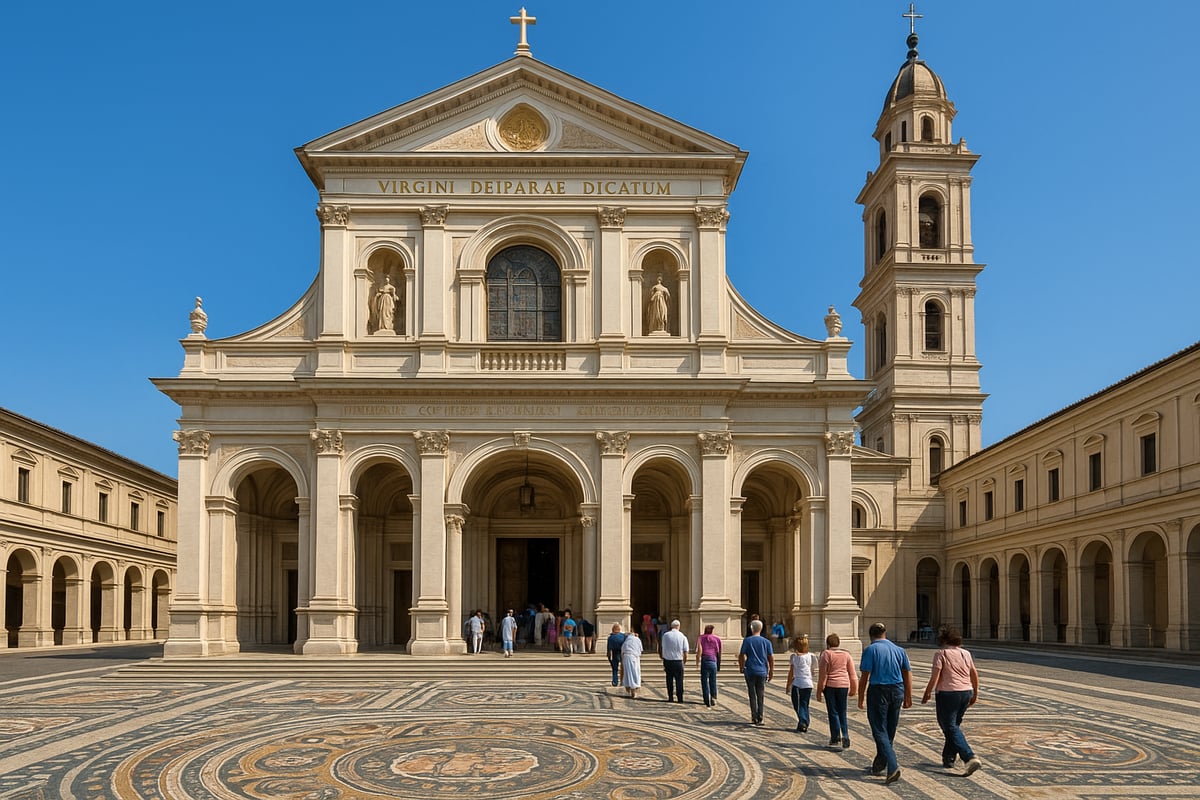
The journey of the shrine of our lady of pompeii began in 1876 with the laying of a single stone in a neglected valley. Bartolo Longo, inspired by his deep devotion, envisioned a sanctuary where faith could flourish. The original chapel was modest, but as miracles and pilgrimages multiplied, the need for a larger space became urgent.
Architects Giovanni Rispoli and Antonio Cua played pivotal roles in shaping the basilica's design, blending neo-classical and baroque elements. Over the decades, expansions included the majestic bell tower and spacious nave. Key milestones marked its growth, such as the basilica's consecration in 1891 and the visit of Pope John Paul II in 1979.
The basilica has become a beacon for pilgrims worldwide. Its architecture, detailed in the Shrine of the Virgin of the Rosary of Pompei, is admired for its harmonious proportions and sacred atmosphere. Each addition to the structure has honored the original mission of our lady of pompeii, making it a living symbol of hope and perseverance.
Artistic Highlights and Iconography
At the heart of the basilica lies the revered icon of our lady of pompeii, an artwork with humble origins yet profound impact. The painting, acquired secondhand, depicts the Virgin Mary presenting the Rosary to Saints Dominic and Catherine of Siena. Its style is simple but powerful, inviting contemplation and prayer.
Restorations over the years have preserved the icon’s vivid colors and delicate features. The basilica’s interior dazzles with mosaics, frescoes, and statues, each telling the story of Marian devotion. Scenes from the mysteries of the Rosary adorn the walls, encouraging visitors to reflect on their spiritual journey.
The visual narrative within the shrine highlights the centrality of the Rosary to the mission of our lady of pompeii. Art and architecture work together to create an environment where faith and beauty meet. For those interested in deeper study, "our Lady of Pompei - https://amzn.to/4q4Zhxp" offers a comprehensive exploration of the icon’s history and influence.
The Shrine’s Role in the Community
Beyond its architectural beauty, the shrine of our lady of pompeii serves as a hub for social outreach and spiritual renewal. From its earliest days, the basilica has supported orphanages, schools, and charitable organizations. These efforts reflect Bartolo Longo’s vision of a faith that transforms lives.
Art and faith are woven into the daily rhythm of the community. The basilica hosts educational programs, concerts, and exhibitions that celebrate both religious and cultural heritage. Annual pilgrimages draw over a million visitors, each seeking solace and inspiration in the presence of our lady of pompeii.
The shrine’s welcoming atmosphere fosters unity and compassion. Through its blend of sacred art, community service, and spiritual guidance, it remains a vibrant center of devotion and hope for generations to come.
Devotional Practices and Pilgrimages
Devotion to our lady of pompeii is at the heart of Catholic spirituality, drawing countless faithful through prayer, celebration, and pilgrimage. Across the world, believers unite in time-honored practices that nourish faith and community.
The Novena and Supplica
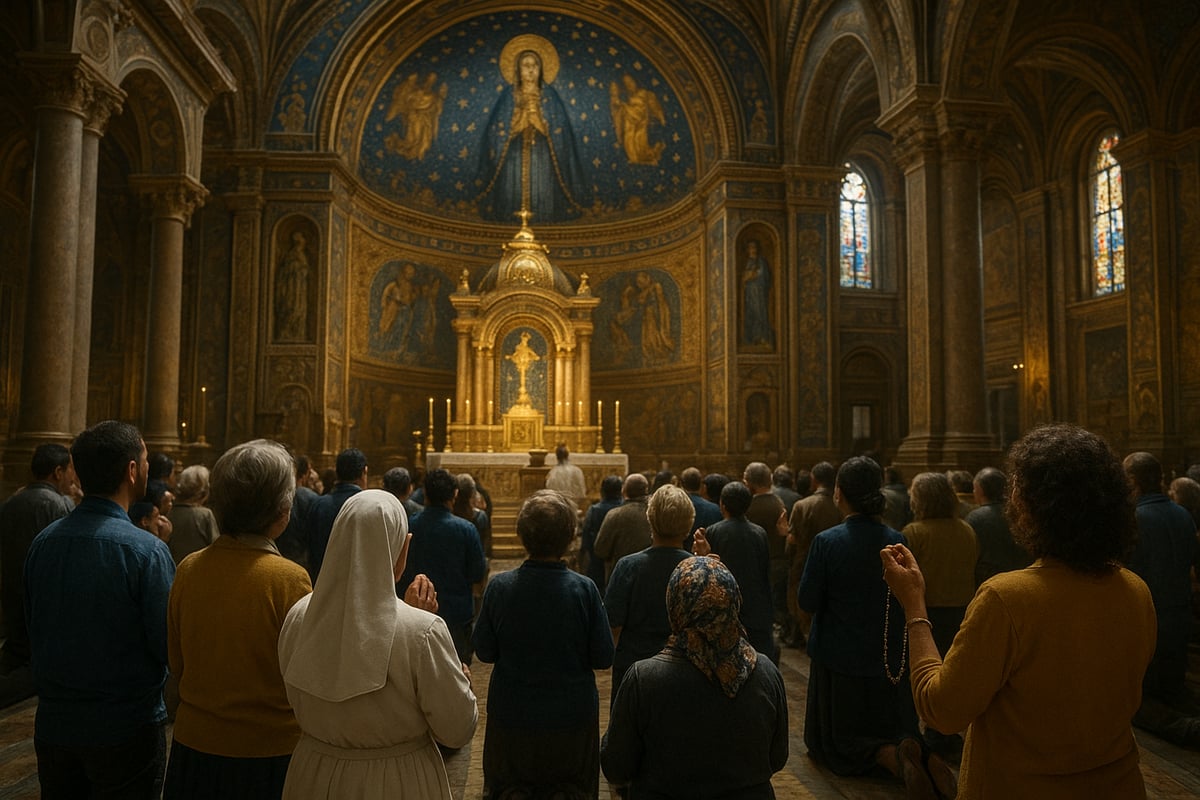
The Novena to our lady of pompeii is a cherished tradition that invites the faithful to nine days of prayerful reflection. Its origins trace back to the late 19th century, when Bartolo Longo encouraged renewed devotion through the Rosary. The structure of the Novena includes daily meditations, prayers, and petitions for intercession.
Central to this devotion is the Supplica, a powerful prayer recited worldwide each May 8 and on the first Sunday of October. The Supplica, composed by Longo himself, is a heartfelt plea for Mary’s help and protection. Over the years, countless testimonies have attributed miracles and spiritual renewal to these prayers. The global reach of the Supplica is evident, as communities from Rome to New York join in unison, echoing the same words of trust.
For those interested in exploring the wider context of Marian devotion, the Marian Apparitions Collection provides valuable insights into the history and meaning behind these sacred practices.
Annual Feasts and Celebrations
Every year, the faithful honor our lady of pompeii with vibrant feasts and celebrations. The most significant dates are May 8, commemorating the Supplica, and the first Sunday of October, marking the Rosary festivities. These occasions draw pilgrims and locals alike to participate in processions, solemn Masses, and special liturgies.
Music and art play a central role in these celebrations. Choirs perform hymns dedicated to the Virgin, while artists create banners and floral arrangements. Local culture infuses the festivities with unique customs, from traditional dress to communal meals. Participation continues to grow, as recent years have seen thousands gather in Pompeii and in diaspora communities worldwide.
Pilgrimage Experience
A pilgrimage to our lady of pompeii is a transformative journey for many Catholics. Planning begins with spiritual preparation, often involving confession and prayer. Pilgrims arrange travel to the basilica, located in the Valley of Pompeii, and are welcomed by a range of facilities, including guesthouses, chapels, and information centers.
Upon arrival, visitors can participate in daily Mass, venerate the miraculous icon, and join processions. The basilica staff provides guidance and support, ensuring a meaningful experience. Many pilgrims report a deepened faith and renewed sense of hope after their visit.
Steps for a successful pilgrimage:
- Prepare spiritually with prayer and reflection
- Plan travel and accommodations in advance
- Participate in liturgies and processions
- Take time for personal prayer before the icon
- Reflect on the experience and share with community
Global Spread of Devotion
The devotion to our lady of pompeii extends far beyond Italy. Churches and societies dedicated to her can be found in North and South America, Australia, and across Europe. International celebrations mirror those in Pompeii, with processions, Supplica recitations, and cultural festivities.
Diaspora communities play a vital role in sustaining these traditions. For example, the Our Lady of Pompeii Church in Manhattan serves as a spiritual home for Italian-Americans, while parishes in Malta and the Philippines organize annual feasts. Global participation continues to rise, with online broadcasts enabling millions to join in prayer from afar.
Statistics show that each year, tens of thousands take part in Pompeii-related devotions worldwide, reflecting the universal appeal of this Marian title.
Recommended Reading and Resources
To deepen your understanding of our lady of pompeii, consider these resources:
- Books: Our Lady of Pompei (Amazon link), “The History of the Shrine of Pompeii,” and biographies of Bartolo Longo.
- Online Resources: Official shrine website, virtual tours, and prayer guides.
- Prayers and Novenas: Access the full texts of the Novena and Supplica for personal devotion.
- Virtual Pilgrimages: Participate in online events and live-streamed liturgies for those unable to travel.
These materials help foster a richer connection to the spiritual legacy of our lady of pompeii and offer guidance for those embarking on a personal pilgrimage or seeking to join the global community of devotees.
Miracles, Testimonies, and the Power of the Rosary
The story of our lady of pompeii is woven with countless miracles, powerful testimonies, and a deep devotion to the Rosary. Throughout history, the shrine has witnessed remarkable events that have drawn pilgrims in search of hope, healing, and spiritual renewal. These stories continue to inspire the faithful and affirm the enduring significance of our lady of pompeii.
Documented Miracles and Healings
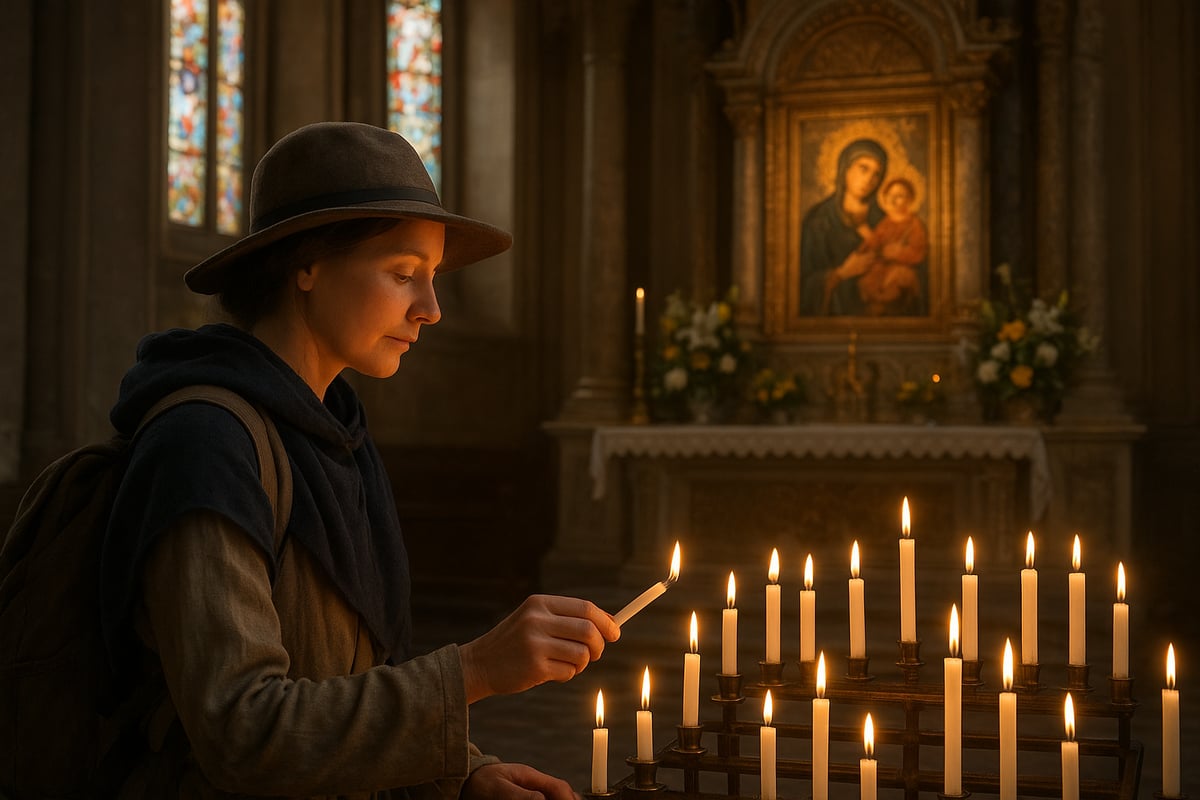
From its earliest days, our lady of pompeii has been associated with extraordinary miracles and healings. Pilgrims have reported physical cures, spiritual conversions, and unexpected blessings. Many of these events have been carefully documented, with some even recognized by the Vatican after thorough investigation.
A table below highlights some of the most notable miracles attributed to the intercession of our lady of pompeii:
| Year | Miracle Description | Recognition |
|---|---|---|
| 1884 | Healing of a young girl with polio | Local bishop, Vatican |
| 1891 | Restoration of sight to a blind man | Shrine documentation |
| 1906 | Mass conversions during a drought | Parish records |
| 1950 | Recovery from terminal illness | Testimonies, medical files |
Personal testimonies often speak of deep inner peace, renewed faith, and reconciliation within families. The Catholic Miracles Collection provides further examples of such events, underscoring the powerful legacy of our lady of pompeii.
Miracles are not limited to physical healings. Many visitors recount spiritual renewal and guidance during times of hardship. The shrine’s archives are filled with letters of gratitude, offering a window into the enduring hope brought by the Madonna of Pompeii.
Theological Significance of the Rosary
The Rosary stands at the very heart of devotion to our lady of pompeii. Bartolo Longo, the shrine’s founder, described the Rosary as a spiritual anchor and a pathway to conversion. His own life was transformed by this prayer, leading him from despair to deep faith and mission.
The structure of the Rosary, combining meditation on Christ’s life with repeated prayers, offers both protection and peace. In Catholic doctrine, the Rosary is seen as a powerful instrument for overcoming evil and fostering unity with God. Bartolo Longo’s writings emphasize the Rosary’s ability to bring about both personal and communal transformation.
The visual art within the basilica, including the central icon, continually points to the mysteries of the Rosary. This sacred practice is woven into the daily life of the shrine, and every year, millions participate in communal Rosary prayers, seeking the intercession of our lady of pompeii.
For those wishing to deepen their understanding, "our Lady of Pompei" is an excellent resource for exploring the historical and spiritual significance of the devotion.
Modern Testimonies and Contemporary Impact
In recent years, our lady of pompeii has remained a beacon of hope during times of crisis. During the pandemic, thousands turned to the shrine—both in person and virtually—seeking comfort and healing through prayer. The basilica received an unprecedented number of prayer requests, many of which were followed by reports of answered prayers and personal transformation.
Modern testimonies reveal how devotion to our lady of pompeii continues to inspire acts of charity and community solidarity. Families share stories of reconciliation, and individuals testify to overcoming despair through the power of the Rosary. The shrine’s outreach programs offer support to the sick, poor, and marginalized, extending the Madonna’s compassion far beyond the basilica walls.
The impact of our lady of pompeii is not confined to Italy. Global communities participate in novenas, supplicas, and feasts, united by faith and the hope of miracles. This ongoing legacy affirms the Madonna’s enduring role as a source of healing and renewal for generations to come.
Our Lady of Pompeii in Art, Literature, and Culture
The story and devotion to our lady of pompeii have inspired countless artists, writers, and communities worldwide. Through visual arts, literature, and cultural traditions, the legacy of our lady of pompeii continues to shape Catholic identity and foster a sense of shared faith. This section explores how her influence flourishes in creative expressions and community life, bridging past and present.
Representation in Visual Arts
Our lady of pompeii has been immortalized in stunning paintings, sculptures, and stained glass across Italy and beyond. The original icon, central to the shrine, showcases a classical Marian depiction with deep symbolism in every brushstroke. Over time, artists have created mosaics and frescoes that narrate key moments from the shrine's history, each contributing to the basilica’s unique visual identity.
The basilica itself is a living gallery. Its grand mosaics and intricate marble work reflect both local craftsmanship and international influence. Throughout the world, churches dedicated to our lady of pompeii display reproductions of the icon, reinforcing the connection between art and faith. Restoration projects, often highlighted in official Vatican communications such as the Pope Francis' Letter on 150th Anniversary of Pompeii Icon, ensure that these masterpieces endure for future generations.
Artistic representations not only honor the Madonna but also invite viewers into contemplation, making the story of our lady of pompeii accessible to all who enter these sacred spaces.
Literary Works and Popular Media
The devotion to our lady of pompeii has inspired a rich body of literature. Classic and contemporary authors have penned books, poems, and essays reflecting on her miracles and the transformative power of the Rosary. The acclaimed book Our Lady of Pompei offers a comprehensive look at her story, blending historical research with spiritual insight.
Modern media has expanded her reach even further. Documentaries, films, and online articles bring the story of our lady of pompeii to new audiences, weaving her legacy into the fabric of contemporary Catholic culture. Popular magazines frequently feature the shrine in travel and spirituality sections, while digital platforms host virtual tours and prayer communities.
Through these varied literary and media channels, the message of hope and intercession associated with our lady of pompeii continues to resonate, inspiring readers and viewers across generations and continents.
Cultural and Social Influence
The impact of our lady of pompeii extends far beyond religious art and literature, shaping cultural identity and community life. Annual feasts, such as those described in the Feast of Our Lady of Pompeii in Victoria, blend liturgical solemnity with vibrant local traditions. Processions, music, and festive gatherings draw people of all ages, reinforcing bonds of faith and heritage.
Communities worldwide celebrate her feast days with music, folk dances, and charitable works, inspired by the values she embodies. In many regions, the devotion to our lady of pompeii has sparked social initiatives, including support for schools, orphanages, and outreach programs.
This enduring cultural presence ensures that the story and spirit of our lady of pompeii remain woven into the daily lives of the faithful, fostering unity, compassion, and a living legacy of devotion.
The Enduring Legacy of Our Lady of Pompeii: Looking to 2026 and Beyond
The legacy of our lady of pompeii stands as a testament to faith’s power to renew communities, inspire hope, and bridge generations. As the shrine approaches its 150th anniversary, its influence continues to expand, adapting to new challenges while remaining rooted in tradition.
Continuing the Mission of Bartolo Longo
The mission that Bartolo Longo began endures through the shrine’s ongoing commitment to education, charity, and evangelization. Today, the basilica supports a range of initiatives that uplift families, youth, and marginalized groups.
Programs include scholarships for students, food and shelter for those in need, and spiritual outreach for the wider community. Partnerships with Catholic organizations and the Vatican ensure that the vision behind our lady of pompeii remains vibrant and relevant.
By nurturing faith and compassion, the shrine continues to serve as a beacon of hope for countless individuals seeking guidance and support.
Pilgrimage and Faith in a Digital Age
Modern technology has transformed how devotees engage with our lady of pompeii. Virtual pilgrimages, live-streamed liturgies, and online prayer communities allow people worldwide to participate in the shrine’s spiritual life.
Resources like the Mysteries of the Rosary Resources collection help deepen understanding and devotion even from afar. Social media platforms and digital forums foster connections, sharing testimonies, and encouraging prayer.
These innovations have increased global participation, making the legacy of our lady of pompeii accessible to new generations.
Preparing for Major Anniversaries and Future Growth
As the 150th anniversary of the shrine draws near, preparations are underway for significant celebrations, restoration projects, and international outreach. Special events will highlight both the history and the future of our lady of pompeii.
Key initiatives include:
- Commemorative liturgies and cultural festivals
- Renovation of sacred spaces and artworks
- Educational programs for visitors and pilgrims
For those seeking to explore the story in greater depth, resources like our Lady of Pompei - https://amzn.to/4q4Zhxp provide valuable insights into this enduring devotion.
The Universal Message of Hope and Renewal
At its core, the legacy of our lady of pompeii is a message of hope, healing, and unity. The shrine welcomes people from all walks of life, offering solace in times of crisis and inspiration for personal renewal.
Communities around the globe, including vibrant parishes such as the Our Lady of Pompeii Church in Manhattan, reflect the universal reach of this devotion. Through faith and service, countless lives continue to be transformed by the example set in Pompeii.
The enduring appeal of our lady of pompeii lies in its ability to unite hearts and inspire a future rooted in compassion and faith.
As we reflect on the rich history, inspiring miracles, and enduring devotion surrounding Our Lady of Pompeii, it’s natural to feel called to deepen your own connection to Mary. Whether you’re moved by the legacy of Bartolo Longo or the global impact of Marian devotion, you can take a meaningful next step in your own faith journey. I invite you to explore thoughtfully curated Marian books, devotional items, and resources that echo the spirit of Pompeii’s shrine. Discover treasures that nurture your relationship with Our Lady by visiting the Discover Virgin Mary Shop.