

In a world that shifts at lightning speed, prayer in the catholic church stands as a timeless anchor for millions. More than tradition, it is a living connection that shapes hearts and communities in 2026.
This guide unpacks the essence, forms, and modern practices of prayer, offering practical steps and spiritual insights. Whether you seek deeper faith or new ways to engage with God, you will find clarity and encouragement here.
Explore the foundations of catholic prayer, discover its diverse expressions, and learn how to nurture a meaningful prayer life amid today’s challenges. Begin your journey toward lasting spiritual growth.
Foundations of Prayer in the Catholic Church
Understanding the foundations of prayer in the catholic church is essential for anyone seeking a deeper spiritual life. These foundations are rooted in theology, history, daily practice, Church teaching, and the profound benefits prayer brings to individuals and communities.
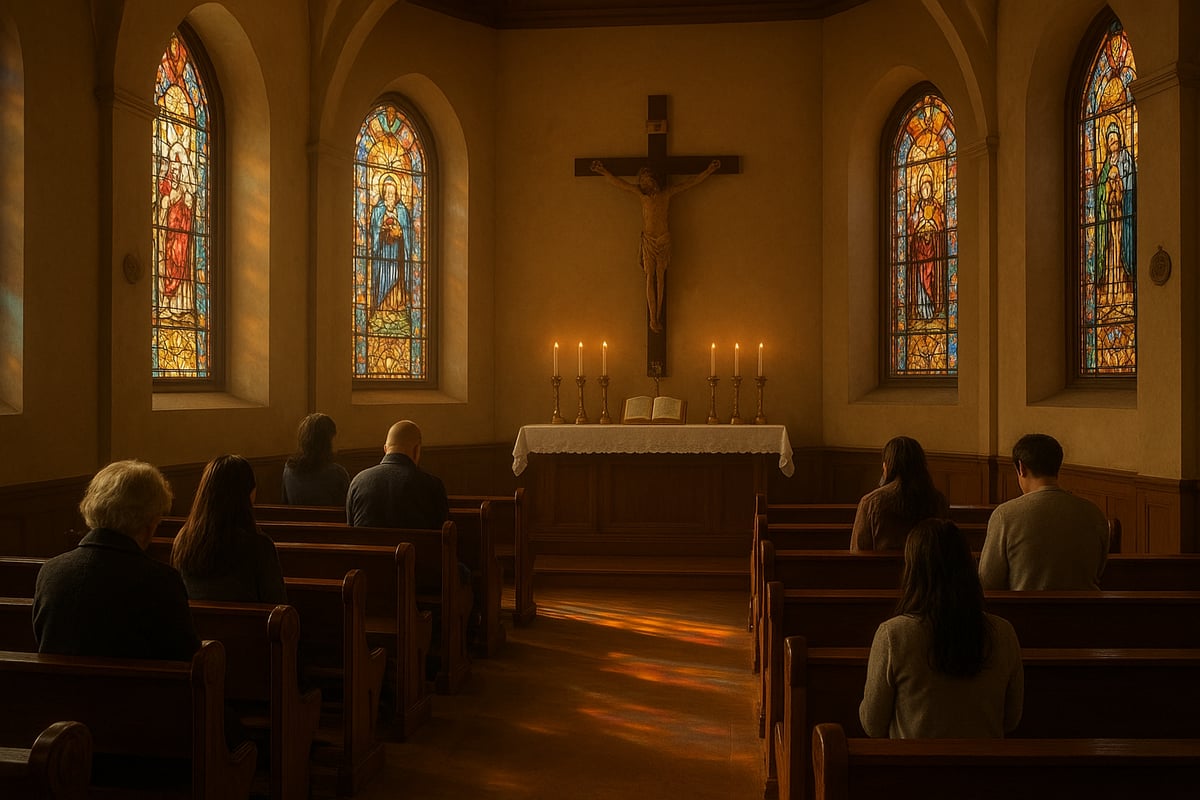
Theological Significance of Prayer
At its core, prayer in the catholic church is a living conversation with God. It is not only central to Catholic doctrine but also a vital expression of faith and trust. Jesus’s teachings on prayer, especially in the Gospels, reveal its importance—He prays before major events and instructs the faithful through the Lord’s Prayer.
Scripture, including the Psalms, offers countless examples of prayer as praise, lament, and thanksgiving. The sacraments and liturgy are deeply intertwined with prayer, making it both a personal and communal act. The Catechism emphasizes that prayer in the catholic church is necessary for a true relationship with God, linking it directly to faith and salvation. Saints throughout history, guided by Vatican documents and papal teachings, show how prayer transforms lives and communities.
Historical Development of Catholic Prayer
Prayer in the catholic church has deep roots in early Christian communities, drawing inspiration from Jewish prayer traditions. As Christianity spread, monastic movements shaped the daily rhythm of prayer, introducing structured practices like the Liturgy of the Hours.
Throughout the medieval period, new forms emerged—for example, the Rosary and novenas—shaped by saints such as St. Teresa of Avila and St. John of the Cross. Church councils clarified and encouraged these practices. Historical texts, including the Liturgy of the Hours and devotional prayers, remain central to Catholic spirituality today, illustrating the rich tapestry of prayer across centuries.
Role of Prayer in Catholic Life
For Catholics, prayer in the catholic church is woven into daily routines of laypeople, clergy, and religious. It provides guidance, comfort, and a path to transformation. Prayer is often integrated with moral teaching and inspires acts of charity and justice.
Examples abound: families gather for prayer, schools begin with morning prayers, and parishes foster prayer through liturgies and groups. According to recent data from Pew Research, regular prayer remains a defining feature for most Catholics, with a significant majority praying at least weekly. This ongoing commitment highlights its enduring place in Catholic life and culture.
The Church’s Teachings on Prayer
The Church’s wisdom on prayer in the catholic church is summarized in the four pillars: adoration, contrition, thanksgiving, and supplication. The Catechism teaches that humility, perseverance, and faith are essential for authentic prayer, echoing the writings of Church Fathers and Doctors.
Obstacles such as distraction or dryness are acknowledged, with guidance offered for overcoming them. Recent popes, including Pope Francis, have urged the faithful to root daily life in prayer. For a deeper understanding, readers can explore the Catechism of the Catholic Church on prayer, which provides a comprehensive foundation for prayer in the catholic church.
Spiritual Benefits of Prayer
Engaging in prayer in the catholic church leads to growth in virtue, holiness, and a personal relationship with God. It brings psychological and emotional benefits, such as peace and resilience, and strengthens social bonds within parish communities.
Many Catholics share testimonies of how prayer has helped them face challenges and find purpose. These benefits extend beyond the individual, fostering unity and hope among families and congregations. Today, the spiritual fruits of prayer remain as relevant and transformative as ever.
Forms and Expressions of Catholic Prayer
The forms and expressions of prayer in the catholic church are as varied as the faithful themselves. This diversity allows Catholics of every background and temperament to encounter God in ways that are meaningful and transformative. Understanding these forms helps foster a richer, more personal spiritual life.

Vocal Prayer
Vocal prayer is perhaps the most familiar form of prayer in the catholic church. It includes prayers spoken aloud or silently, whether alone or in a group. Classic examples are the Our Father, Hail Mary, and Glory Be.
These prayers are central to both liturgical worship and private devotion. Chanted prayers, such as Gregorian chant and traditional hymns, add beauty and solemnity to communal worship. For beginners and those seeking community, vocal prayer offers a foundation and a sense of unity.
- Common vocal prayers: Our Father, Hail Mary, Glory Be
- Used in Mass, rosaries, and personal prayer
- Accessible for all ages
Vocal prayer builds a bridge between the heart and the community, guiding Catholics into deeper participation in the life of the Church.
Mental Prayer: Meditation and Contemplation
Mental prayer in the catholic church involves engaging the mind and heart in reflection and silent communion with God. Meditation often centers on Scripture, the mysteries of faith, or spiritual truths. Popular techniques include Lectio Divina and Ignatian meditation.
Contemplation is a more profound, wordless gaze upon God, where one rests in His presence. Saints and mystics have described this as a taste of heaven on earth. Both forms help Catholics grow spiritually and discern God’s will, offering a pathway from knowledge to love.
- Meditation: Reflecting on Scripture or mysteries
- Contemplation: Silent presence with God
- Techniques: Lectio Divina, Ignatian meditation
Mental prayer leads to a deeper encounter with God beyond words.
Liturgical Prayer
Liturgical prayer is the heartbeat of prayer in the catholic church. The Mass, known as the highest form of prayer, unites the faithful in worship and thanksgiving. The Liturgy of the Hours, prayed throughout the day, sanctifies time itself.
Participation in liturgical prayer connects individuals to the broader Church and the unfolding liturgical calendar. Psalms, prayers of the faithful, and the celebration of feasts and seasons all belong to this category. Through liturgical prayer, Catholics enter more fully into the mysteries of faith.
- Mass: Central act of worship
- Liturgy of the Hours: Daily rhythm of prayer
- Use of psalms and set prayers
Liturgical prayer transforms routines into moments of grace.
Devotional Prayer
Devotional prayer in the catholic church encompasses beloved practices such as the Rosary, novenas, chaplets, and Marian devotions. These prayers nourish both personal and communal piety, offering Catholics ways to contemplate Christ’s life and seek the intercession of Mary and the saints.
The Rosary, in particular, invites meditation on the mysteries of Christ and Mary. For a deeper exploration, see The Rosary and its mysteries. Devotional practices often involve spiritual bouquets, acts of consecration, and prayers for special intentions, making them accessible and meaningful for all.
- Rosary, novenas, chaplets
- Marian and saint devotions
- Acts of consecration, spiritual bouquets
These prayers create a rhythm of faith that sustains Catholics in daily life.
Spontaneous and Personal Prayer
Spontaneous and personal prayer in the catholic church is encouraged for all believers. Unlike set prayers, these are unscripted and arise from the heart, expressing thanksgiving, petition, praise, or intercession.
Balancing formal and informal prayer is essential for a mature spiritual life. Spiritual directors often guide the faithful in developing this habit. Many Catholics share testimonies of finding peace and guidance through spontaneous prayer, especially during moments of need or gratitude.
- Prayers of thanksgiving, petition, intercession
- Guided by spiritual directors
- Adaptable to life’s circumstances
Spontaneous prayer keeps the relationship with God vibrant and personal.
Communal and Family Prayer
Communal and family prayer in the catholic church strengthens the bonds of faith and unity. Praying together as a parish, in small groups, or within families reinforces the Church’s communal identity.
Family rosaries, prayers before meals, and bedtime prayers help transmit faith across generations. Parish prayer groups, retreats, and even virtual prayer communities have grown, especially since the pandemic. These communal practices foster accountability, encouragement, and shared spiritual growth.
- Parish prayer groups and retreats
- Family rosary and meal prayers
- Virtual prayer communities
Communal and family prayer transforms households and parishes into living witnesses of faith.
The Four Pillars of Catholic Prayer
The four pillars of prayer in the catholic church form the essential structure for a vibrant spiritual life. These pillars—adoration, contrition, thanksgiving, and supplication—guide Catholics in deepening their relationship with God and living out their faith in daily practice.
Adoration and Blessing
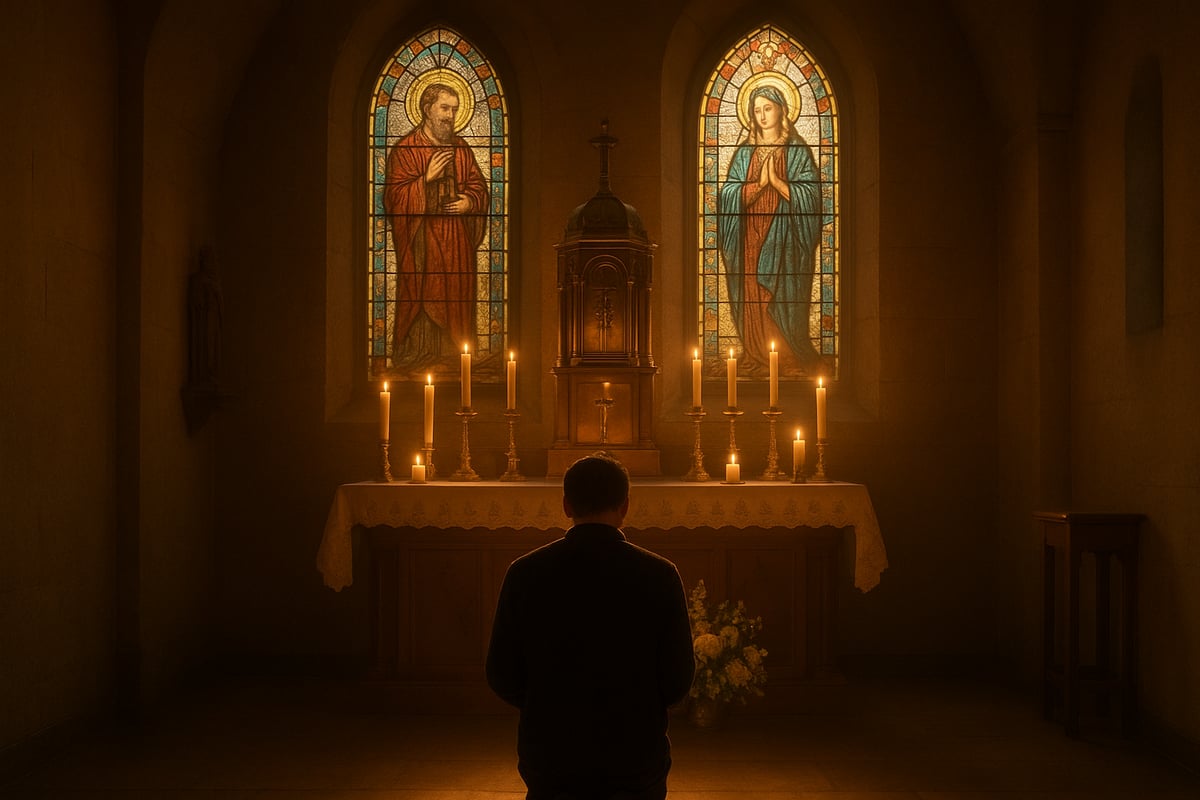
Adoration and blessing are foundational to prayer in the catholic church. In adoration, Catholics praise God for His greatness, recognizing Him as Creator and Lord.
This pillar is experienced profoundly in Eucharistic Adoration, where the faithful spend time in silent or spoken prayer before the Blessed Sacrament. The Gloria sung during Mass is another example, echoing the Psalms’ ancient hymns of praise.
Practices that foster adoration include:
- Attending Eucharistic Adoration regularly
- Praying the Psalms of praise
- Meditating on God’s attributes
For those interested in deepening this form of prayer, learning about Miracles of the Eucharist can inspire greater reverence and awe.
Adoration strengthens spiritual focus and nurtures a sense of wonder in the presence of God.
Contrition and Repentance
Contrition and repentance express sorrow for sin and the sincere desire for forgiveness. This pillar of prayer in the catholic church acknowledges human weakness and the need for God’s mercy.
Catholics practice contrition through:
- The Act of Contrition in personal prayer
- The Penitential Rite during Mass
- Participation in the Sacrament of Reconciliation
Frequent confession is encouraged, as it brings spiritual renewal and peace. According to recent studies, Catholics who regularly practice repentance report a deeper sense of freedom and joy.
Repentant prayer fosters humility and opens the heart to transformation.
Thanksgiving and Gratitude
Thanksgiving is central to prayer in the catholic church. Catholics give thanks for God’s blessings, both great and small, recognizing the source of all good.
The Eucharist itself means “thanksgiving” and is the highest prayer of gratitude. Personal prayers of thanks, such as gratitude journals or prayers after Communion, help cultivate a grateful heart.
Benefits of thanksgiving prayer include:
- Improved mental well-being
- Greater resilience in adversity
- Stronger relationships with others
Practicing gratitude daily enriches both spiritual and emotional health.
Supplication, Petition, and Intercession
Supplication is the act of asking God for one’s needs or the needs of others. Petition and intercession are vital aspects of prayer in the catholic church, reflecting trust in God’s providence.
These prayers can be:
- Prayers of the Faithful at Mass
- Novenas for special intentions
- Intercessory prayers for the world
Biblical examples, such as Jesus’ prayers in Gethsemane, inspire Catholics to bring all concerns before God. Community intercession during crises unites believers in hope and compassion.
Supplication builds faith and connects individuals to the broader Church.
Integration of the Four Pillars in Daily Life
Balancing all four pillars ensures a holistic practice of prayer in the catholic church. Many Catholics use structured routines or prayer journals to incorporate adoration, contrition, thanksgiving, and supplication each day.
| Pillar | Daily Practice Example |
|---|---|
| Adoration | Morning praise or Adoration visit |
| Contrition | Night examen or confession |
| Thanksgiving | Gratitude journal entry |
| Supplication | Prayer for loved ones |
Families and groups can rotate these pillars in shared prayer, drawing inspiration from the saints who modeled balanced prayer lives.
Integrating the pillars fosters spiritual maturity and lasting growth.
Common Challenges and Misconceptions
Many Catholics encounter obstacles in prayer in the catholic church, such as distractions, doubts, or misconceptions about “correct” prayer.
Common challenges include:
- Believing only formal prayers count
- Experiencing dryness or lack of focus
- Feeling unworthy or discouraged
The Church teaches that all sincere prayer is valuable. Spiritual writers encourage perseverance and patience, reminding the faithful that God welcomes every effort.
Clergy often answer questions and provide guidance to help overcome these challenges, ensuring that every Catholic can experience the true richness of prayer.
Practical Guide: How to Pray as a Catholic in 2026
Praying is at the core of spiritual life for Catholics today. This step-by-step guide offers clear, practical insights for anyone seeking to grow in prayer in the catholic church. Whether you are just beginning or looking to deepen your routine, these steps will help you build a meaningful and sustainable prayer practice.
Step 1: Preparing for Prayer
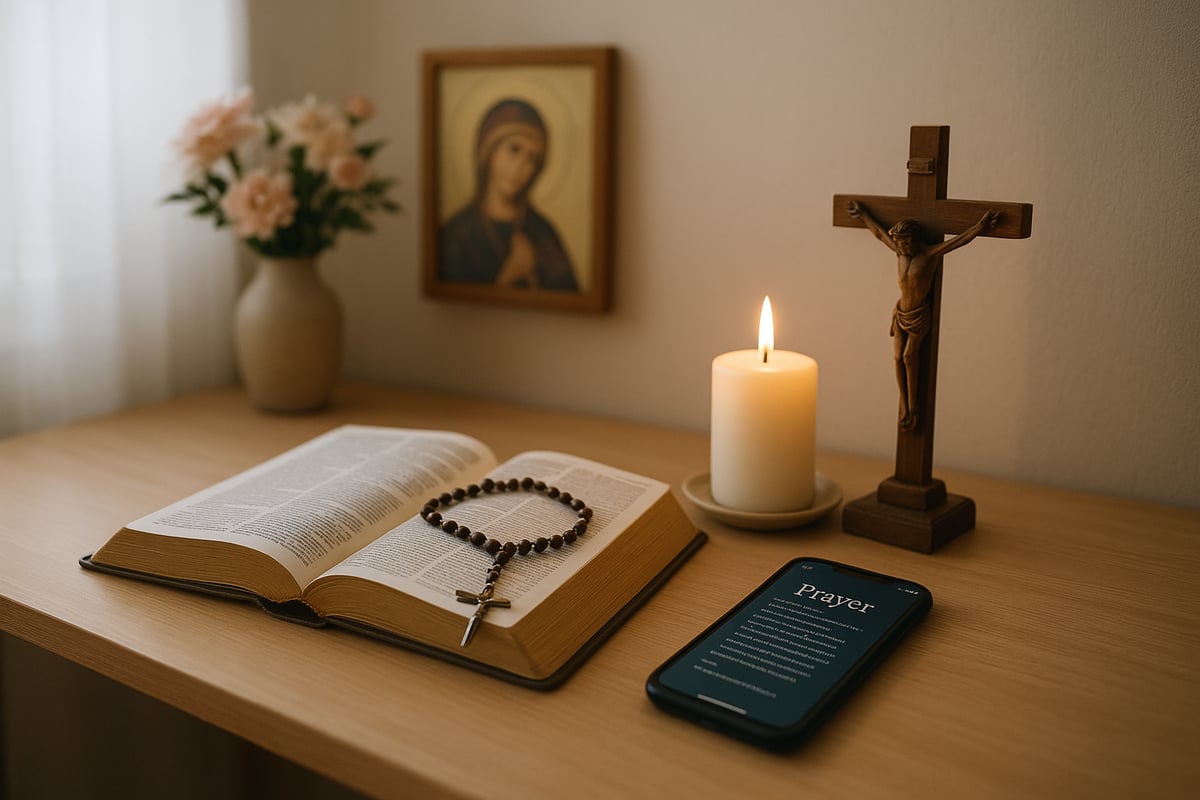
Begin your prayer in the catholic church by setting aside a dedicated time and space. Even a small corner can become a sacred spot with a crucifix, Bible, and a candle. Silence your phone and take a few deep breaths to center yourself.
Use sacramentals such as holy water or a rosary to help you focus. Many Catholics now use digital aids like prayer apps or online resources to create structure. For families, a shared prayer space encourages everyone to participate.
Step 2: Choosing the Form of Prayer
Selecting the right form of prayer in the catholic church depends on your needs and circumstances. You might choose liturgical prayer, such as attending Mass, or private devotions like the Rosary. Spontaneous prayer or meditation can also be powerful.
Blend traditional and contemporary forms to keep your prayer life fresh. Consider guidance from a spiritual director or use trusted prayer books and online guides. Find what fits best for your schedule and family life.
Step 3: Engaging the Heart and Mind
To fully benefit from prayer in the catholic church, engage both heart and mind. Focus your attention, set a clear intention, and choose a comfortable posture. Scripture, sacred images, or music can help draw your thoughts to God.
When distractions arise, gently return your focus without frustration. Guided meditations or music playlists can enhance your experience. Remember, prayer is a dialogue with God, not just a recitation of words.
Step 4: Praying with the Church
Participating in communal prayer in the catholic church strengthens your connection to the wider faith community. Attend Mass regularly and join parish or online prayer groups. Observing feasts, fasts, and the liturgical calendar helps you stay rooted in Church tradition.
Virtual participation, such as livestreamed liturgies or devotions, is now common. These opportunities allow you to join in prayer with Catholics around the world, even from home.
Step 5: Sustaining a Lifelong Prayer Life
Consistency is vital for lasting prayer in the catholic church. Establish daily routines, such as morning or evening prayers, and keep a prayer journal or gratitude log to track your growth. Seek regular spiritual direction to stay motivated and overcome challenges.
As your life changes, adapt your prayer habits accordingly. For more guidance and support, explore Divine Intimacy Guild resources, which provide practical tools for deepening your prayer journey.
Step 6: Teaching Prayer to Others
Passing on the tradition of prayer in the catholic church is a call for parents, catechists, and mentors. Teach children and teens using simple methods, such as short prayers, stories of saints, and interactive activities. Adults benefit from structured resources like catechisms or multimedia guides.
Lead by example and encourage open conversation about faith. Recent trends show a rise in family catechesis and online courses, making prayer education more accessible than ever.
Contemporary Trends and Challenges in Catholic Prayer
The landscape of prayer in the catholic church is evolving rapidly in response to cultural shifts, technological advancements, and global challenges. In this section, we examine how Catholics are adapting their prayer lives, the opportunities and obstacles they face, and resources available to support continued spiritual growth.
Digital Transformation of Prayer
Digital technology is reshaping prayer in the catholic church, making it more accessible than ever. Catholics now join virtual prayer groups, participate in livestreamed Masses, and use prayer apps for daily devotions. This digital shift fosters global connection and allows those who are homebound or traveling to remain engaged in parish life.
According to a Pew Research Center report on U.S. Catholics' prayer habits, a significant percentage of Catholics use online resources to support their spiritual practices. While technology enhances accessibility, it also poses risks of distraction or superficial engagement. The challenge is to harness digital tools thoughtfully, ensuring they deepen rather than dilute the experience of prayer in the catholic church.
Ecumenical and Interfaith Dimensions
Prayer in the catholic church increasingly reflects a spirit of ecumenism and interfaith dialogue. Catholics participate in joint prayer services with other Christian denominations and collaborate in interfaith initiatives for peace and justice. These shared moments of prayer foster mutual respect and highlight common values, especially in times of crisis.
The Church encourages such efforts through guidelines that honor Catholic identity while promoting unity. Recent papal initiatives, such as the World Day of Prayer, have brought together diverse faith communities. Engaging in ecumenical and interfaith prayer helps Catholics witness to Christ’s love and strengthens the church’s mission in a pluralistic world.
Addressing Modern Obstacles to Prayer
Modern life presents significant obstacles to maintaining a vibrant prayer life. Busyness, constant digital stimulation, and secular influences can make it difficult to prioritize prayer in the catholic church. Many Catholics struggle with distractions, spiritual dryness, or doubts about the value of prayer.
In response, the Church recommends simplicity, mindfulness, and regular routines. Pastoral letters emphasize setting aside dedicated time, even amid busy schedules. Mental health professionals increasingly recognize the benefits of prayer for coping with anxiety and stress. Testimonies from everyday Catholics reveal that perseverance and community support are key to overcoming these contemporary challenges.
The Role of Saints and Spiritual Role Models
Saints have always been central to prayer in the catholic church, serving as models of faith and powerful intercessors. From St. Thérèse of Lisieux’s “little way” to St. Padre Pio’s deep devotion, their lives inspire Catholics to deepen their own spiritual practices. Modern figures like Blessed Carlo Acutis demonstrate how holiness and prayer can flourish in today’s world.
For those seeking to learn more about the lives and prayers of saints, resources like Catholic saints and prayer offer valuable guidance. Their stories of answered prayers and perseverance continue to encourage Catholics to seek God in all circumstances.
Resources for Deepening Prayer Life
A wealth of resources supports prayer in the catholic church today. Books, online guides, and prayer apps provide practical tools for beginners and seasoned pray-ers alike. Many parishes offer retreats, workshops, and spiritual direction to help Catholics grow in their relationship with God.
Catholic media—TV, radio, and podcasts—bring inspiration and instruction directly to homes. Diocesan and parish websites share daily readings, reflections, and event calendars. Creating a regular routine, seeking guidance from a spiritual director, and participating in community events are all effective ways to enrich one’s prayer in the catholic church.
The Future of Prayer in the Catholic Church
Looking ahead, prayer in the catholic church is poised for both continuity and renewal. Emerging trends include greater youth engagement, innovative devotions, and creative use of technology. The Vatican’s introduction of new liturgical prayers, such as the Mass for the care of creation, shows how the Church responds to contemporary global concerns.
Ongoing challenges remain, including secularization and gaps in religious literacy. However, Church leaders express hope that these times will inspire Catholics to rediscover the richness of prayer in the catholic church, fostering deeper faith and stronger communities for years to come.
As you reflect on the many dimensions of Catholic prayer—its rich traditions, forms, and practical steps for daily life—you may feel inspired to deepen your own spiritual journey in new ways. Whether you are just beginning or looking to enrich your practice, learning from the lives of the saints can offer powerful guidance and encouragement. Their examples remind us that prayer is a living, evolving relationship with God, shaped by faith and perseverance. If you’d like to explore these holy witnesses further and find resources to support your journey, I invite you to Explore Catholic Saints.