

Stigmatists have long captured the imagination of both believers and skeptics, their lives marked by the mysterious appearance of wounds mirroring those of Christ. What draws so many to the story of a stigmatist is not just the physical phenomenon, but the profound questions it raises about faith, suffering, and spiritual transformation.
This comprehensive guide explores the meaning of a stigmatist, traces the phenomenon’s origins, and highlights extraordinary historical cases. Readers will also discover spiritual and psychological interpretations, modern debates, and the enduring relevance of stigmatists in 2026.
Prepare to delve into a world where the boundaries of the miraculous and the human spirit intertwine. Read on to uncover the deeper significance of stigmatists and their continuing impact on faith and spirituality.
What Is a Stigmatist? Meaning and Definitions
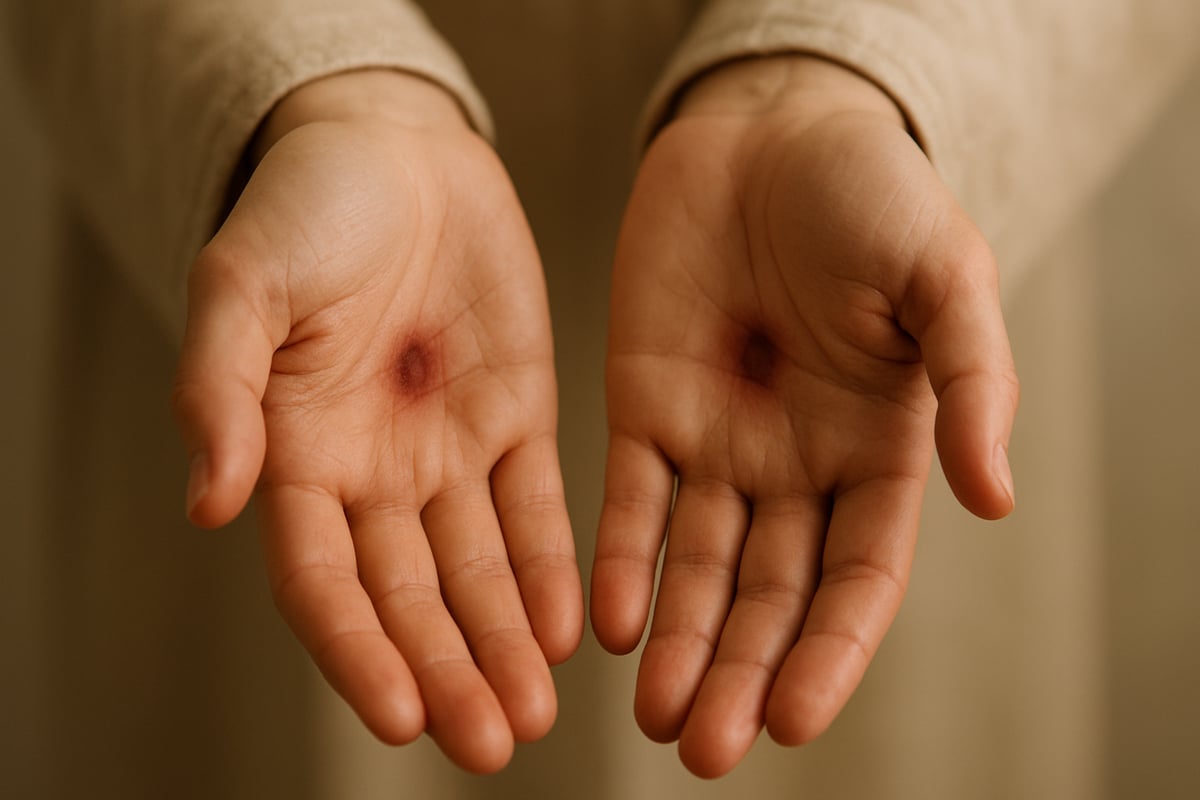
Understanding what a stigmatist is requires delving into both language and spiritual tradition. Simply put, a stigmatist is a person who mysteriously bears wounds or marks that correspond to those suffered by Jesus Christ during the crucifixion. These wounds, known as stigmata, can appear on the hands, feet, side, head, or back, mirroring the injuries described in the Gospels.
Defining “Stigmatist” and “Stigmata”
The term stigmatist comes from the Greek word “stigma,” meaning a mark or brand. In religious context, a stigmatist is someone who receives these sacred marks, often accompanied by pain and a profound spiritual experience. According to Collins Dictionary, a stigmatist is "a person who is marked by stigmata," while theological sources expand this to include the mystical aspect of sharing in Christ’s Passion.
It is important to distinguish between stigmatist and stigmatic. While both terms are used, “stigmatist” is more common for the individual, whereas “stigmatic” can refer to either the person or the marks themselves.
Types of stigmata observed in history:
- Visible stigmata: Wounds seen by others, often bleeding.
- Invisible stigmata: Physical pain or sensation without visible marks.
- Partial stigmata: Only some wounds are present.
- Full stigmata: All five wounds of Christ appear.
Core characteristics of a stigmatist include:
- Physical wounds that resist medical explanation.
- Suffering, often synchronized with church feasts or Fridays.
- A spiritual context, usually involving deep prayer or visions.
Theologically, the appearance of stigmata is viewed as a sign of mystical union with Christ’s suffering. For those interested in the lives and experiences of these remarkable individuals, the Catholic Saints Books Collection offers valuable biographies and insights into the world of stigmatists.
Stigmatist Phenomenon in Religious Context
The stigmatist phenomenon has been most prevalent within Catholicism, with cases outside this tradition being exceedingly rare. In Catholic theology, the wounds of a stigmatist are seen as a form of redemptive suffering, echoing the belief that suffering can have spiritual value. Scriptural passages, such as Galatians 6:17—where St. Paul says, “I bear on my body the marks of Jesus”—are often cited as early references to the phenomenon.
Historically, there have been between 400 and 500 documented stigmatists since the thirteenth century. Notably, almost 90 percent of these individuals have been women, a statistic that continues to intrigue scholars and theologians. The majority of stigmatists have emerged from Italy, but reports exist from various countries and centuries.
The frequency and characteristics of stigmata have prompted both devotion and skepticism. Some view the stigmatist as a living witness to Christ’s sacrifice, while others seek medical or psychological explanations. Regardless of perspective, the phenomenon remains a source of fascination and debate within and beyond the Church.
Historical Overview: Stigmatists Through the Ages
The history of the stigmatist phenomenon is a tapestry woven with faith, mystery, and transformation. Across centuries, these individuals have left an indelible mark on religious history, inviting both reverence and skepticism. To understand the stigmatist, it is vital to trace their origins, recognize remarkable lives, and examine the broader patterns that have shaped this enduring phenomenon.
Early Accounts and Origins
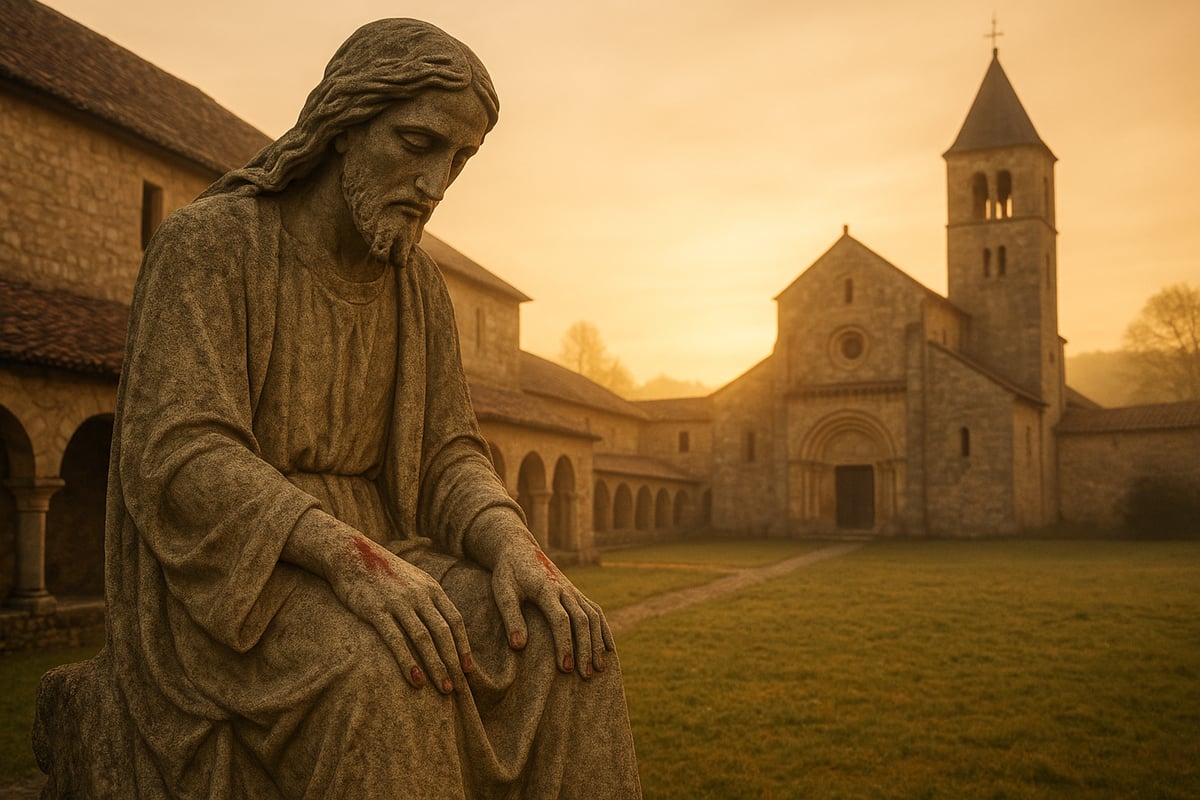
The earliest hints of the stigmatist phenomenon can be traced to the writings of St. Paul, who spoke of bearing the “marks of Jesus” in Galatians 6:17. While these references are open to interpretation, they laid the groundwork for later understanding of stigmata. The first widely recognized stigmatist in history is St. Francis of Assisi, who reportedly received the wounds of Christ during a mystical experience in 1224.
After St. Francis, the phenomenon gained traction, particularly within Catholic communities. Reports of individuals bearing Christ-like wounds spread throughout medieval Europe, sparking both devotion and debate. The stigmatist became a symbol of mystical union with Christ’s suffering, inspiring countless followers. For those seeking a deeper dive into the historical and theological study of stigmata, Introduction: The History and Historiography of Christian Stigmatization offers valuable insights into the evolution of this unique aspect of Christian spirituality.
These early accounts not only set the stage for future stigmatist cases but also highlighted the complex interplay between faith, culture, and personal experience. The legacy of St. Francis continues to influence how the phenomenon is perceived and investigated today.
Notable Stigmatists in History
Throughout history, several stigmatist figures have stood out for their profound influence and remarkable experiences. St. Catherine of Siena, a 14th-century mystic, is renowned for her hidden stigmata, which she reportedly bore in secret at her own request. Her spiritual depth and impact on the Church were immense.
In the 19th century, St. Gemma Galgani emerged as a prominent stigmatist, known for her intense suffering and mystical experiences. Padre Pio, perhaps the most famous modern stigmatist, bore visible stigmata for fifty years, drawing pilgrims from around the world and prompting rigorous Church investigations. St. Faustina Kowalska also reported hidden stigmata, combined with visions and messages that shaped the Divine Mercy devotion.
Other notable figures include Therese Neumann, a German mystic whose stigmata and fasting attracted widespread attention, as well as Wanda Boniszewska and Anna Schaffer, each contributing unique perspectives and spiritual missions. Every stigmatist in this lineage has deepened our understanding of mysticism and sacrifice, offering diverse examples of faith in action.
Patterns and Demographics
A closer examination of stigmatist cases reveals distinct patterns across geography, gender, and age. Historically, the vast majority—about 70 percent—have emerged in Italy, reflecting the country’s strong Catholic traditions and mystical heritage. Another striking pattern is the predominance of women among stigmatists, with nearly 90 percent of reported cases involving female individuals.
Many stigmatists began to exhibit signs at a young age, and some even died at 33, mirroring the age of Christ at crucifixion. Despite the frequency of reports, there is no official Vatican list of stigmatists, and each case requires careful investigation to rule out natural explanations and potential fraud.
The Church faces ongoing challenges in verifying the authenticity of each stigmatist. Medical, psychological, and spiritual factors all play a role in the discernment process. This complex landscape has ensured that the stigma surrounding stigmatists remains a subject of fascination, debate, and deep spiritual curiosity.
Characteristics and Signs of Stigmatists
The characteristics and signs of a stigmatist invite both awe and scrutiny. Throughout history, these individuals have displayed remarkable physical, spiritual, and mystical phenomena. Understanding these signs offers a window into the profound mysteries at the heart of the stigmatist experience.

Physical Manifestations
Physical signs are often the most striking aspect of a stigmatist. Typically, these include wounds located on the hands, feet, side, forehead, or back, mirroring the injuries suffered by Christ during the crucifixion. The wounds may bleed regularly or at specific times, such as during religious feasts or Fridays. Some cases involve chronic pain, which can last for years.
Medical professionals have examined stigmatists for centuries, often finding that the wounds resist natural healing and lack clear medical explanations. For a detailed medical perspective, see Religious stigmata: a dermato-psychiatric approach and differential diagnosis. Types of stigmata can be summarized as follows:
| Type | Location | Visibility | Frequency |
|---|---|---|---|
| Visible | Hands, feet, side, head, back | Obvious to all | Weekly, daily, or during feasts |
| Invisible | Internal pain only | Not outwardly visible | Variable |
| Partial | Only some wounds present | Visible or hidden | Intermittent |
| Full | All five wounds | Highly visible | Regular |
These physical signs often appear suddenly and can persist for decades, setting the stigmatist apart from others.
Spiritual and Psychological Traits
The life of a stigmatist is marked by intense spiritual and psychological experiences. Before the appearance of stigmata, many undergo long periods of suffering, both physical and internal. This preparation often includes deep prayer, fasting, and a desire to unite with Christ’s Passion.
Some stigmatists report inedia, surviving on little or no food, sometimes subsisting solely on the Eucharist. Others experience little need for sleep, sometimes resting only a few hours a night. Prophetic visions, spiritual revelations, and heightened states of ecstasy are frequently described. The stigmatist often speaks of feeling an overwhelming sense of peace or spiritual joy, even amid pain.
These psychological and spiritual traits are not only signs of mystical union but also serve as powerful testimonies of faith. The stigmatist’s journey can inspire others to seek deeper meaning in suffering and sacrifice.
Mystical Phenomena and Associated Signs
Mystical phenomena further distinguish the stigmatist. Some bear hidden or invisible wounds, known only to themselves and God, emphasizing humility and the inward nature of their calling. Others are said to exhibit incorruptibility, with bodies reportedly remaining uncorrupted long after death, as seen in saints like Padre Pio.
Stigmatists frequently face skepticism, persecution, or misunderstanding, even from within the Church. Despite this, their influence on the faithful is profound. Pilgrimages to the sites associated with a stigmatist, reports of miraculous healings, and a rise in conversions are common outcomes.
The presence of these signs deepens the mystery of the stigmatist, inviting both reverence and inquiry. For many, these characteristics point to a life profoundly shaped by spiritual purpose.
Spiritual Insights: Theological and Mystical Interpretations
The phenomenon of the stigmatist invites deep reflection on suffering, sacrifice, and the mysteries of faith. Throughout history, theologians and believers have sought to understand the spiritual insights behind stigmata, examining what these wounds reveal about the relationship between humanity and the divine.

The Meaning of Suffering and Sacrifice
For many, the stigmatist embodies a profound participation in Christ’s Passion. The wounds are not merely physical but are interpreted as signs of a spiritual calling to share in the suffering of Jesus. This understanding forms the heart of the stigmatist experience.
The concept of the “victim soul” is central here. These individuals willingly accept suffering, offering it as a prayer for others. For the stigmatist, pain becomes a means of drawing closer to God, transforming personal agony into an act of redemptive love.
- Suffering is seen as a gift, united with Christ’s own sacrifice.
- The stigmatist often experiences both physical and spiritual trials before the appearance of wounds.
- Many report a deep sense of peace, viewing their suffering as meaningful rather than senseless.
Deacon Albert Graham describes the stigmatist as a living crucifix for the world, bearing visible reminders of Christ’s love and sacrifice. This perspective encourages believers to see suffering not as punishment, but as an invitation to grow in compassion and faith.
Prophecy and Spiritual Warnings
A notable feature among stigmatists is their reception of prophetic messages and spiritual warnings. These messages often center on themes of mercy, repentance, and preparation for times of trial. For instance, St. Faustina Kowalska, a renowned stigmatist, shared visions urging humanity toward Divine Mercy.
Stigmatists frequently report:
- Visions of Christ, Mary, or angels delivering messages.
- Calls for prayer, penance, and devotion to the Eucharist.
- Urgent warnings about moral decline and the need for conversion.
These revelations have shaped Catholic devotion, inspiring practices such as Eucharistic adoration and spreading messages of hope. The stigmatist is thus seen as a spiritual messenger, guiding the faithful toward deeper commitment and vigilance in their lives.
The Role of Humility and Hiddenness
Humility is a defining mark of the stigmatist. Many receive hidden stigmata, wounds visible only to themselves and God. This hiddenness is considered a safeguard against pride and a way to focus attention on Christ rather than the individual.
The path of the stigmatist is often marked by:
- Reluctance to seek attention or recognition.
- Silent endurance of suffering, even in the face of skepticism or misunderstanding.
- A life dedicated to service, prayer, and charity.
Spiritual growth for the stigmatist often involves embracing obscurity and surrendering personal desires. This humility serves as a reminder that true sanctity is found not in fame, but in quiet fidelity and love.
Miracles and Signs
Miracles and extraordinary signs frequently accompany the lives of stigmatists. Reports of healings, conversions, and mystical experiences abound. In some cases, the bodies of stigmatists remain incorrupt after death, further fueling devotion among the faithful.
A table summarizing common miraculous phenomena:
| Phenomenon | Description |
|---|---|
| Healings | Unexplained cures attributed to the stigmatist |
| Eucharistic miracles | Mystical experiences during Communion |
| Incorruptibility | Bodies remain preserved after death |
| Prophetic visions | Accurate spiritual warnings |
Connections between stigmatists and Eucharistic miracles are particularly striking. Many report profound spiritual encounters during Communion, and some are even linked directly to Miracles of the Eucharist, deepening the Church’s reverence for this sacrament.
The process of canonization investigates these signs, seeking evidence of authenticity and spiritual impact. Through these miracles, the stigmatist continues to inspire faith and hope in the modern world.
Scientific, Medical, and Psychological Perspectives
Scientific investigation into the stigmatist phenomenon has intrigued both believers and skeptics for centuries. While the spiritual significance of stigmata is central to faith traditions, researchers have pursued medical, psychological, and sociological explanations to better understand these extraordinary cases.
Medical Investigations and Theories
Medical professionals have long examined stigmatist cases, seeking natural explanations for their wounds. Reports often describe lesions on the hands, feet, side, or forehead, with some wounds appearing suddenly and resisting conventional treatment.
In many instances, no clear medical cause is found. Some researchers note that a stigmatist may exhibit wounds that bleed at specific times, often coinciding with religious observances. Scientific examinations, especially in the 19th and 20th centuries, have produced mixed results. While some cases suggest possible self-infliction or rare skin disorders, others remain unexplained.
Theories proposed include psychosomatic origins, where intense religious devotion may trigger physical symptoms, as well as autosuggestion and rare psychological conditions. For a deeper scientific analysis, the study Religious stigmatization: an historical and psychophysiological enquiry reviews historical accounts and investigates potential psychophysiological processes involved in stigmatist phenomena.
Psychological and Sociological Analysis
Psychologists have explored how deep faith, trauma, or suggestion can manifest physically, especially in individuals with strong religious backgrounds. A stigmatist may experience wounds as a result of subconscious processes, influenced by meditative states or intense identification with Christ’s suffering.
Sociologists point to the cultural context surrounding stigmatist cases. Most instances arise within Catholic communities, where the symbolism of Christ’s wounds is deeply embedded in tradition. Social expectations, religious fervor, and the power of group belief can all influence the appearance and reception of stigmata.
Debate continues over whether the stigmatist’s experience is primarily a psychological response or a genuine mystical event. This tension shapes public and scholarly discussions, leaving the phenomenon open to interpretation.
Church’s Process of Authentication
The Catholic Church approaches stigmatist claims with caution, requiring thorough investigation before any recognition. Initial steps include ruling out natural explanations, such as medical conditions or self-inflicted wounds. Church-appointed experts may monitor the stigmatist over time, examining the timing, appearance, and persistence of the wounds.
In addition to medical assessment, the Church considers spiritual signs, including humility, obedience, and the presence of supernatural phenomena. Miraculous healings or conversions linked to the stigmatist can be important factors. However, the Church also rejects cases where evidence of fraud or psychological instability is found.
This rigorous process ensures that only the most credible stigmatist cases are acknowledged. The balance between faith, science, and discernment remains a defining feature of the Church’s response.
Stigmatists in the Modern Era: Ongoing Debates and Relevance
The stigmatist continues to intrigue people in the modern era, drawing attention from both believers and skeptics. Today, reports of new stigmatists still surface, though often under the scrutiny of medical and scientific experts. The story of Therese Neumann, a 20th-century stigmatist, showcases how these individuals remain a subject of fascination, especially as media coverage brings their experiences to a global audience.
Contemporary Cases and Media Coverage
In recent decades, the stigmatist phenomenon has not faded into obscurity. Instead, new cases are occasionally reported, prompting investigation by Church authorities and medical professionals. These modern stigmatists often face intense public attention, especially as documentaries and news outlets spotlight their stories.
Social media and online platforms have amplified awareness, allowing stories to reach a wider audience than ever before. This shift has also sparked greater skepticism, with debates about authenticity playing out in digital forums. Despite the scrutiny, the stigmatist continues to inspire curiosity and spiritual reflection, demonstrating the enduring power of the phenomenon.
Stigmatists’ Impact on Modern Faith
The presence of a stigmatist can have a profound effect on Catholic spirituality today. Many faithful are drawn to their stories, seeking deeper meaning in suffering and sacrifice. Stigmatists often become the focus of pilgrimages, prayer groups, and devotional practices.
Devotees may turn to resources like the Saint of the Day Feature to learn more about the lives of saints and stigmatists, finding inspiration for their own faith journeys. The influence of stigmatists is seen in renewed interest in Eucharistic adoration, Marian devotion, and a greater appreciation for the mysteries of the faith. In a world that often questions the supernatural, the stigmatist remains a living sign that challenges both doubt and belief.
Lessons and Insights for Today
What can a stigmatist teach us in the modern world? Above all, their lives invite us to reflect on the meaning of suffering, faith, and hope amid adversity. The persistence of the stigmatist phenomenon, even in an age of science and skepticism, reminds us that mystery still has a place in human experience.
For some, the stigmatist is a symbol of sacrificial love and spiritual resilience. For others, their stories prompt questions about authenticity and the boundaries between faith and reason. Regardless of one’s perspective, the stigmatist continues to offer lessons about humility, endurance, and the ongoing search for truth.
Explore Journeys of Faith Online store with thousands of Catholic Items at https://journeysoffaith.com/collections
Discover a world of faith-inspired resources at the Journeys of Faith Online store, where you can browse thousands of unique Catholic items curated for every stage of your spiritual journey.
Whether you are a stigmatist researcher, a devoted Catholic, or simply seeking deeper understanding, you will find an extensive selection of books, DVDs, devotional gifts, and educational materials. The store features resources on saints, miracles, the Eucharist, and a special Marian Apparitions and Miracles collection, perfect for exploring topics closely linked to stigmatists.
Enjoy exclusive content, special discounts, and free shipping options that make it easy to enrich your faith. Join a global community of believers and access unique Catholic media and tools designed to inspire and support your spiritual growth.
Now that you’ve explored the powerful stories and spiritual depth of stigmatists, you might feel inspired to learn more about the saints whose lives continue to shape our understanding of faith, sacrifice, and holiness. These remarkable individuals remind us of the enduring mysteries within Catholic tradition and invite us to deepen our own spiritual journeys. If you’re ready to discover more about their legacies or find resources that illuminate their impact, I encourage you to Explore Catholic Saints. You’ll find thoughtful materials to enrich your faith and connect with these extraordinary witnesses in meaningful ways.