

Across centuries, the idea of hell has haunted human imagination with its terrifying promise of punishment and eternal mystery. From ancient myths to modern revelations, few topics grip us so powerfully.
Our fascination with the darkest realms is matched only by our fear. Throughout history, countless cultures have shared their own visions of hell, each one more chilling than the last.
In this article, we journey through seven of the most striking visions of hell ever recorded. We will explore ancient texts, religious revelations, and legendary stories that have shaped our understanding of the afterlife.
Prepare to discover how artists, writers, and believers have depicted hell’s torments, and why these images continue to captivate and warn us. What secrets do these infernal visions hold, and what can they teach us about human nature?
This post is brought to by Journeys of Faith Founded and Bob and Penny Lord We are Cyber Apostles and a Augustinian Secular Institute of which we are members; the Evangelization arm of the group of Cloistered Augustinian Nuns in Montefalco Italy Our Mission is Evangelization through Media using the tools that God has allowed to be created.
The Power and Purpose of Hell Visions
From the dawn of civilization, humanity has grappled with the mysteries of the afterlife. Ancient Mesopotamians, Egyptians, and Greeks all crafted distinct visions of hell to explain what lies beyond death. These early depictions were not just stories, but vital tools that shaped their societies. The visions of hell evolved, reflecting shifting religious beliefs and societal needs. Over time, they became powerful narratives used to guide behavior, warn of consequences, and establish moral codes.
Why do these visions of hell continue to evoke such intense emotions? The answer lies in their profound psychological and cultural impact. Across cultures, hell serves as a canvas for our deepest fears and hopes about justice. Surveys reveal that belief in hell remains strong worldwide, influencing everything from daily choices to lifelong values. For many, visions of heaven, hell, and purgatory offer a lens to understand suffering and redemption, shaping not just individual faith but community identity.
This post is brought to you by Journeys of Faith Founded and Bob and Penny Lord. We are Cyber Apostles and a Augustinian Secular Institute of which we are members; the Evangelization arm of the group of Cloistered Augustinian Nuns in Montefalco Italy. Our Mission is Evangelization through Media using the tools that God has allowed to be created.
Visions of hell have also inspired some of history's most haunting art and literature. Medieval painters like Hieronymus Bosch filled canvases with bizarre, terrifying imagery, while writers such as Dante Alighieri mapped intricate infernos that still captivate readers. In each era, artists reimagined hell, using its imagery to provoke, instruct, and challenge their audiences.
In today's world, new visions of hell emerge through near-death experiences, personal testimonies, and viral videos. These contemporary accounts ignite debates about authenticity and meaning. Some view them as genuine glimpses into the afterlife, while skeptics argue they reflect psychological or cultural conditioning. Regardless of belief, the fascination endures.
What explains the lasting power of these visions of hell? Whether in religious or secular societies, they persist because they address universal questions about evil, punishment, and the possibility of redemption. By confronting the darkness within and around us, these visions continue to shape how we understand ourselves, others, and the world beyond.
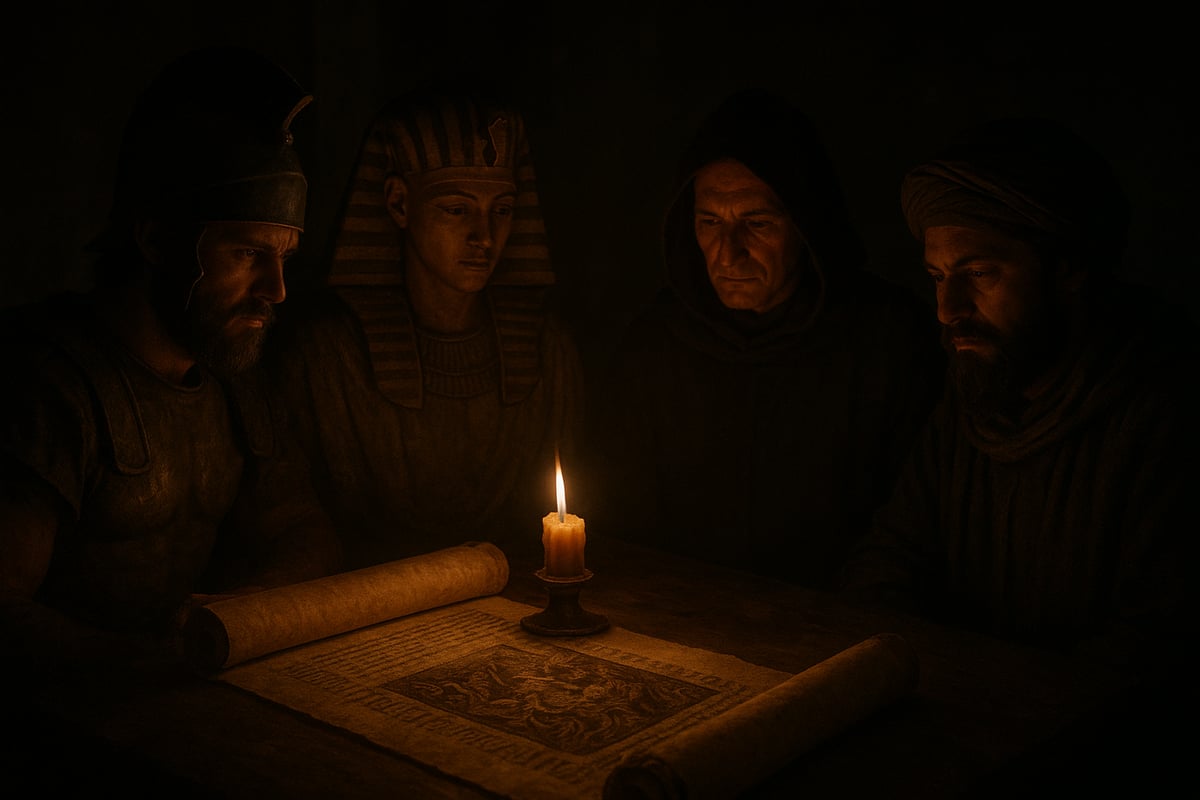
7 Chilling Visions of Hell from History and Myth
Across centuries, humanity has been captivated and terrified by vivid visions of hell. These stories, drawn from sacred texts, personal revelations, and cultural myths, reflect our deepest fears and moral anxieties. The seven visions of hell explored here reveal not only the diversity of imagination but also the universal human need to grapple with the unknown. Journey through these chilling accounts and discover how each vision shapes our understanding of punishment, redemption, and the afterlife.
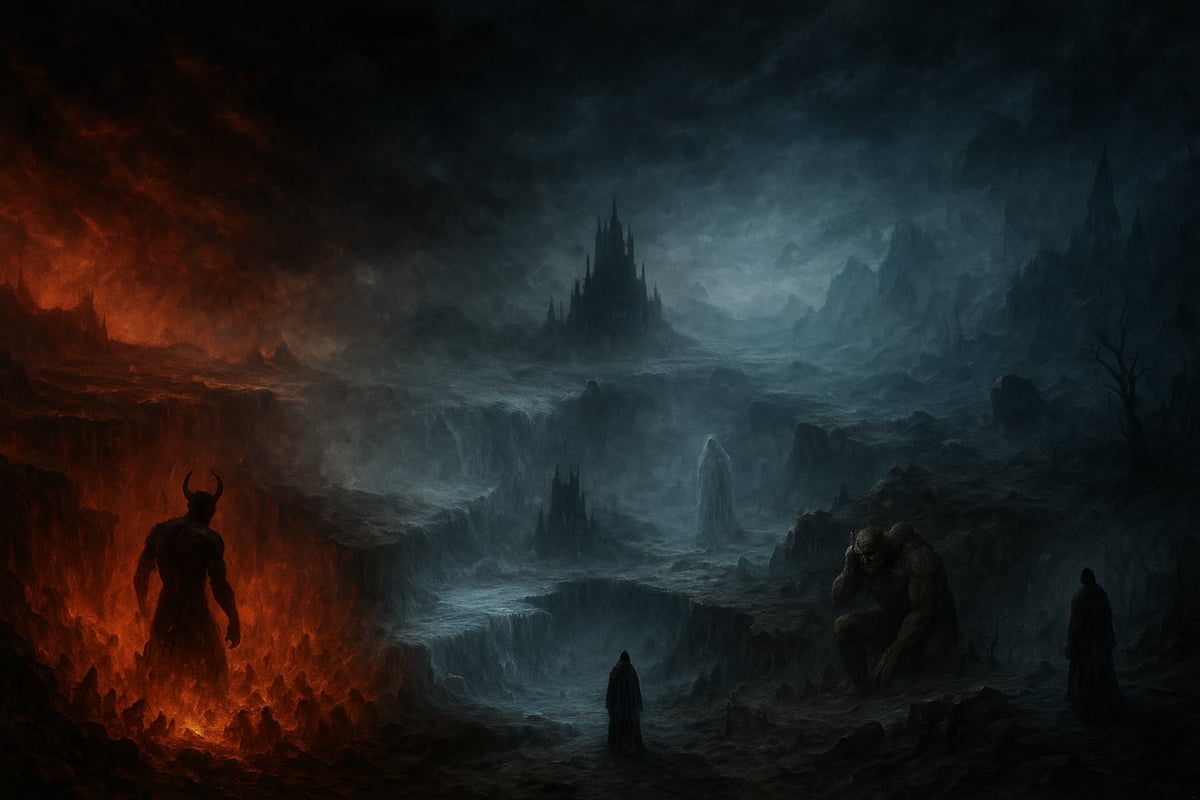
1. The Inferno of Dante Alighieri
Dante Alighieri’s “The Divine Comedy” stands as one of the most influential visions of hell in Western literature. Written in the early 14th century, Dante’s journey through the Inferno is a masterful blend of theology, personal vendetta, and poetic invention. His depiction of the underworld is meticulously structured, dividing hell into nine concentric circles, each reserved for a specific category of sin.
Each circle in Dante’s vision carries its own unique punishment, tailored to the sin committed. For example:
- The lustful are swept by endless storms.
- The gluttonous wallow in foul, freezing slush.
- The treacherous are encased in ice, forever isolated.
Dante’s visions of hell are not only gruesome but also deeply symbolic. Fire, ice, and grotesque transformations are used to mirror the moral consequences of earthly actions. The punishments are both physical and psychological, reflecting the medieval belief in divine justice.
What makes Dante’s vision especially chilling is its personalization. Famous figures from history, politics, and even the poet’s own life are depicted suffering eternal torment. This blend of the familiar and the infernal ensures the narrative’s lasting power.
Dante’s Inferno has inspired countless artists, writers, and filmmakers. Its influence is seen in paintings, operas, films, and even video games. The enduring fascination with Dante’s visions of hell continues to shape how the Western world imagines the afterlife.
2. Buddhist Naraka: The Hells of Karma
In Buddhist cosmology, Naraka represents a complex and terrifying vision of hell. Unlike the eternal damnation found in some traditions, Buddhist hells are places of intense suffering but serve as temporary realms for purification. Each Naraka corresponds to specific karmic offenses, ensuring that punishment fits the nature of one’s actions.
There are multiple hells within Naraka, each with its own unique horrors. Examples include:
- Rivers of fire that burn but never consume.
- Mountains of knives that souls must climb.
- Freezing realms where icy winds cut through flesh.
These visions of hell are vividly detailed in Buddhist scriptures. Suffering is excruciating and seemingly endless, yet it is ultimately purifying. Once the negative karma is exhausted, the soul is reborn into a new existence, offering hope for eventual liberation.
The purpose of Naraka is not simply to inflict pain, but to teach the consequences of harmful actions. This vision of hell plays a powerful role in shaping moral behavior and spiritual practice throughout Buddhist cultures.
Naraka’s imagery has deeply influenced Asian art, literature, and religious rituals. Temples across Asia display haunting murals and sculptures depicting these visions of hell, serving as a stark reminder of the law of karma and the importance of compassion.
3. The Vision of St. Faustina Kowalska
St. Faustina Kowalska, a Polish nun and mystic of the 20th century, recorded one of the most harrowing visions of hell in her diary, “Divine Mercy in My Soul.” In her account, Faustina describes being led by an angel through the infernal regions, witnessing torments reserved for souls who reject God’s mercy.
Her vision of hell is marked by:
- The loss of the presence of God, the greatest suffering.
- Perpetual remorse and a burning spiritual fire.
- Seven distinct tortures, including despair, hatred, and darkness.
- Unique punishments tailored to each soul’s sins.
Faustina’s visions of hell serve as both a warning and a call to trust in divine mercy. She emphasizes that many souls end up in hell because they refuse to believe it exists. Her account has had a profound impact on Catholic doctrine and devotion, inspiring the Divine Mercy movement.
For a deeper exploration of St. Faustina’s experience and its significance, see Saint Faustina Kowalska and Divine Mercy.
This post is brought to you by Journeys of Faith Founded and Bob and Penny Lord. We are Cyber Apostles and a Augustinian Secular Institute of which we are members; the Evangelization arm of the group of Cloistered Augustinian Nuns in Montefalco Italy. Our Mission is Evangelization through Media using the tools that God has allowed to be created.
Faustina’s visions of hell continue to challenge and inspire believers, reinforcing the importance of repentance, prayer, and trust in God’s mercy.
4. The Fatima Children’s Glimpse of Hell
In 1917, three shepherd children—Lucia, Jacinta, and Francisco—reported a vision of hell during the Marian apparitions at Fatima, Portugal. Their account is among the most famous modern visions of hell, striking fear and awe in millions.
The children described seeing:
- A vast sea of fire filled with demon-like creatures and tormented souls.
- Horrific shrieks and cries of agony, echoing through the flames.
- Faces twisted in pain, with some souls appearing transparent and ghostly.
This vision of hell left a lifelong mark on the children. Jacinta and Francisco committed themselves to acts of penance and prayer, while Lucia became a nun. Their testimony reinforced the Catholic teaching on the reality of hell and the necessity of conversion.
The Fatima visions of hell have played a significant role in Catholic devotion and teaching. They serve as a stern warning about the consequences of sin and the urgency of repentance. The message of Fatima continues to spark debate, with some emphasizing its call to mercy and others focusing on its warning against moral complacency.
The children’s experience remains a powerful example of how visions of hell can shape individual lives and wider communities.
5. Ancient Greek Hades and Tartarus
Ancient Greek mythology offers a distinctive vision of hell through its concepts of Hades and Tartarus. While Hades is the general realm of the dead, Tartarus is reserved for the worst offenders—those who defied the gods or committed grave crimes.
In these visions of hell, punishments are both creative and symbolic:
- Sisyphus is forced to roll a boulder uphill for eternity, only to watch it roll back down.
- Tantalus suffers unending thirst and hunger, with water and fruit forever just out of reach.
- The Danaids endlessly fill a leaky vessel, never able to complete their task.
The gods preside over Tartarus, ensuring that punishments reflect the nature of each crime. These stories, found in works by Homer, Hesiod, and later classical authors, highlight the Greek focus on justice and cosmic order.
Greek visions of hell have left a lasting mark on Western culture. The themes of endless punishment, poetic justice, and the role of divine retribution echo in later religious and literary visions of hell. The myths remind us that actions have consequences, both in this life and beyond.
6. Islamic Jahannam: The Fire Below
In Islamic tradition, Jahannam is the vivid and terrifying vision of hell described in the Quran and Hadith. Jahannam is portrayed as a multi-layered abyss, each level reserved for specific types of sinners, from disbelievers to hypocrites and oppressors.
Key features of Jahannam’s visions of hell include:
- Rivers of boiling water and molten metal.
- Iron collars and chains binding the damned.
- Skins burned off and miraculously restored for further torment.
Jahannam is guarded by fierce angels and serves both as a place of punishment and, for some, eventual purification. While some souls remain forever, others may be released after serving their sentence, reflecting the balance between justice and mercy.
These visions of hell play a crucial role in shaping Muslim beliefs about accountability and the afterlife. They underscore the seriousness of moral choices and the hope that repentance can lead to forgiveness.
Islamic art and literature depict Jahannam with striking imagery, reinforcing its place in religious consciousness. The continued relevance of these visions of hell reflects their power to inspire, warn, and guide believers.
7. The Norse Realm of Hel
Norse mythology presents a vision of hell that is starkly different from the fiery infernos of other traditions. Hel is a cold, misty, and desolate realm ruled by the goddess Hel, daughter of Loki. Unlike Valhalla, which welcomes fallen warriors, Hel is the destination for those who die of sickness, old age, or without heroism.
Descriptions of Hel’s visions of hell are chilling:
- Endless cold and darkness, with no warmth or comfort.
- Shadows drift through bleak landscapes, deprived of joy or purpose.
- The greatest torment is isolation and forgetfulness, rather than physical pain.
Punishments in Hel are less about fire and more about deprivation. The absence of light, company, and hope creates a sense of existential despair. This vision of hell reflects the harsh environment of the Norse world and their stoic acceptance of fate.
Norse visions of hell have influenced modern fantasy and popular culture. The imagery of icy wastelands and the goddess Hel appears in literature, comics, and films, shaping new interpretations of the afterlife.
Each of these visions of hell offers a window into the fears, hopes, and moral values of different cultures. From Dante’s poetic justice to the Buddhist promise of rebirth, these stories continue to haunt, warn, and inspire us.
Common Themes and Contrasts Across Hell Visions
Across cultures and centuries, visions of hell have offered humanity a powerful mirror to its deepest fears and hopes. Despite their diverse origins, these depictions share striking motifs and serve similar functions, inviting us to reflect on justice, morality, and the boundaries of human experience.
Universal Motifs and Symbolism
Fire, darkness, and isolation are universal motifs found in many visions of hell. Across traditions, these elements symbolize both physical pain and spiritual desolation. Whether it is Dante’s frozen lake or Buddhist rivers of fire, the environment reflects the nature of punishment. Cold and heat, light and shadow, all serve as reminders of the consequences awaiting the wicked in these visions of hell.
Punishment is typically portrayed as both a form of justice and a dire warning. The torments are not random but fit the sins committed, connecting morality with cosmic order. Some traditions focus on spiritual anguish, such as separation from the divine, while others emphasize relentless physical suffering. This duality highlights the complexity and depth of visions of hell across the world.
Differences in Duration and Redemption
Not all visions of hell are created equal when it comes to duration and the hope of escape. In some religious beliefs, hell is a place of eternal damnation, a final destination for the unrepentant. Others, like the Buddhist Naraka or certain Christian teachings, view hell as a temporary state of purification, where souls may eventually be reborn or redeemed.
The presence or absence of mercy shapes how communities interpret the afterlife. Some traditions stress the possibility of repentance and transformation, while others underscore the finality of divine judgment. These contrasting views on redemption reveal much about the societies that produced these visions of hell, and how they balance justice with forgiveness.
Moral and Social Functions
Visions of hell have long been tools for shaping behavior and reinforcing societal values. Through vivid warnings of torment and loss, religious leaders and storytellers have used these images to promote obedience, discourage vice, and uphold communal norms. Even in modern times, surveys show that belief in hell remains significant across cultures, influencing attitudes toward morality and justice (Belief in hell among U.S. adults).
These depictions are not just about punishment but also about hope and reform. They offer communities a framework for understanding suffering, encouraging individuals to seek virtue and avoid wrongdoing. In this way, visions of hell serve both as cautionary tales and as calls to higher ethical standards.
Gender, Power, and the Politics of Hell
The politics embedded in visions of hell reveal much about historical anxieties and power structures. In many texts, the damned include not only sinners but also those who challenge authority or deviate from social norms. Women, rulers, and marginalized groups are sometimes depicted as especially vulnerable or responsible for certain transgressions.
Such portrayals reflect deeper cultural anxieties and reinforce existing hierarchies. By examining who is punished and why, we gain insight into the values and fears of the societies that created these powerful visions of hell.
This post is brought to you by Journeys of Faith Founded and Bob and Penny Lord We are Cyber Apostles and a Augustinian Secular Institute of which we are members; the Evangelization arm of the group of Cloistered Augustinian Nuns in Montefalco Italy Our Mission is Evangelization through Media using the tools that God has allowed to be created.
Influence on Modern Culture
The enduring appeal of visions of hell is evident in literature, film, and visual art. From Dante’s nine circles to modern horror movies, these images continue to captivate audiences. Artists like Hieronymus Bosch and countless filmmakers have drawn inspiration from infernal landscapes, translating ancient fears into new forms (Depictions of hell in art).
In recent years, there has been a shift from strictly religious interpretations to more psychological or existential readings of hell. For many, these visions of hell now symbolize personal struggles, guilt, or the battle between good and evil within the human soul. The transformation of hell’s imagery demonstrates its flexibility and lasting relevance in the modern world.
Why Hell Still Haunts Us: The Modern Relevance of Ancient Visions
Why do visions of hell continue to grip our imagination, even in a world increasingly shaped by science and secular ideas? Despite shifts in culture, surveys consistently reveal that a significant portion of people around the globe still believe in some form of hell. The persistence of these beliefs hints at something deeper: a universal human need to make sense of suffering, justice, and the unknown.
In today’s society, visions of hell play a powerful role in discussions about morality and justice. The imagery of punishment, torment, and redemption is often invoked in debates on the nature of evil and forgiveness. For many, hell is more than a distant threat—it is a metaphor for the consequences of one’s choices, a way to frame the battle between good and evil in personal and global contexts.
Personal accounts of the afterlife, including near-death experiences and mystical revelations, continue to surface across cultures. These modern visions of hell echo ancient descriptions, reinforcing the idea that such experiences are not relics of the past. Many saints and visionaries have recorded their encounters with the infernal, as explored in Catholic Saints' Visions of Heaven, which offers a fascinating look at how these stories influence belief and devotion today.
This post is brought to you by Journeys of Faith Founded and Bob and Penny Lord. We are Cyber Apostles and a Augustinian Secular Institute of which we are members; the Evangelization arm of the group of Cloistered Augustinian Nuns in Montefalco Italy. Our Mission is Evangelization through Media using the tools that God has allowed to be created.
Psychologically, the concept of hell serves as a potent symbol for inner turmoil and conscience. Visions of hell often act as a mirror, reflecting our deepest fears, regrets, and hopes for redemption. Whether interpreted literally or metaphorically, they offer a language for expressing suffering and the longing for transformation.
Ultimately, ancient myths and modern testimonies ensure that visions of hell remain relevant. They continue to shape our collective fears and aspirations, reminding us that the struggle with good and evil is timeless. As long as humanity seeks meaning in suffering and hope in forgiveness, the allure of the infernal will never fade.
Explore Journeys of Faith Online store with thousands of Catholic Items at https://journeysoffaith.com/collections Get the Journeys of Faith NEW App. https://apps.apple.com/us/app/journeys-of-faith/id6757635073
As we’ve journeyed together through some of history’s most haunting visions of hell, it’s clear how deeply these stories have shaped faith, art, and our collective imagination. If you’re inspired to learn more about the holy men and women who have confronted evil, sought redemption, or shared their own visions, I invite you to keep exploring. Dive deeper into the remarkable lives and testimonies of saints whose courage and faith continue to guide us today by visiting the Explore Catholic Saints collection. Their stories offer hope, wisdom, and a powerful reminder of God’s mercy.