

The relationship between augustine and monica stands as one of the most profound mother-son stories in Christian history. Monica's relentless prayers and unwavering faith ultimately transformed her wayward son into Saint Augustine of Hippo, one of the Church's greatest theologians and Doctors. Their journey together reveals timeless truths about maternal love, persistent prayer, the power of tears, and God's patient work in human hearts. For those seeking to understand the depths of Catholic devotion and the efficacy of intercessory prayer, the story of augustine and monica offers both inspiration and instruction for our own spiritual journeys.
The Early Years of Augustine and Monica
Monica was born around 331 AD in Tagaste, North Africa, into a Christian family. She married Patricius, a pagan Roman official with a volatile temperament, and bore three children, with Augustine being the eldest. From his birth, Monica dedicated her son to God, yet Augustine's early years would test her faith repeatedly.
Augustine showed brilliant intellectual promise from childhood, but his moral life took troubling turns. He rejected his mother's Christian faith, embraced Manichaeism (a dualistic religious system), and lived with a concubine for fifteen years, fathering a son named Adeodatus. Each of these choices brought Monica profound grief.
Brought to you by Journeys of Faith Founded by Bob and Penny Lord - We are an Augustinian Secular Institute - Cyber Apostles - Our Mission is Evangelization through Media.
Monica's Response to Heartbreak
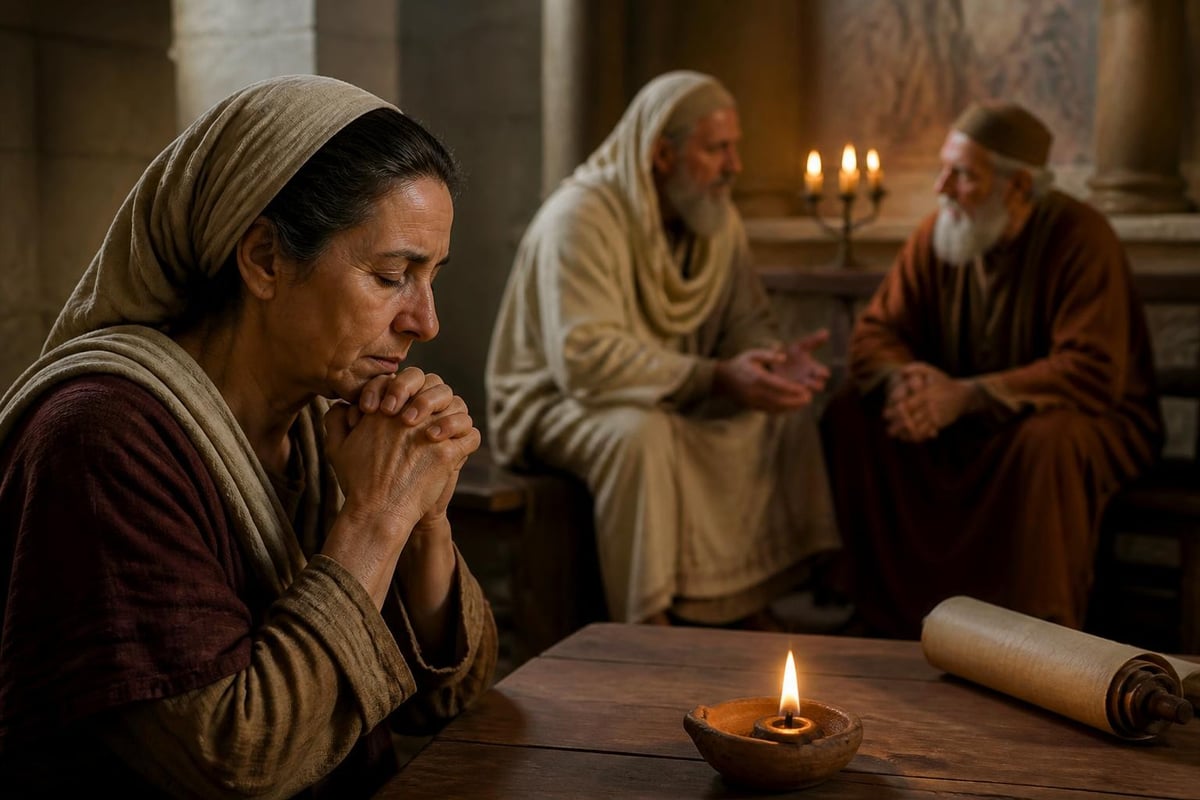
Rather than abandoning hope, Monica intensified her spiritual warfare. Historical accounts describe her as a woman of constant tears and unceasing prayer. The Stanford Encyclopedia of Philosophy's comprehensive entry on Augustine details how Monica's persistence became legendary, with bishops and priests offering her comfort by saying, "the son of so many tears cannot be lost."
Monica's approach combined several elements:
- Daily prayer and fasting for Augustine's conversion
- Seeking counsel from Church leaders and holy men
- Physical pursuit of her son, following him from North Africa to Rome and Milan
- Strategic positioning to place Augustine near influential Christian teachers
- Unwavering confidence in God's mercy despite years without visible results
The Turning Point in Milan
The relationship between augustine and monica reached its critical phase in Milan during 384-386 AD. Monica had followed Augustine to this northern Italian city, where he held a prestigious position as a rhetoric professor. Providence placed them in the sphere of Saint Ambrose, the brilliant Bishop of Milan.
Saint Ambrose's Influence
Monica attended Ambrose's sermons faithfully, and Augustine initially came to hear the bishop's renowned eloquence. The Church Life Journal from the University of Notre Dame emphasizes how Ambrose's intellectual presentation of Christianity challenged Augustine's misconceptions about the faith.
| Monica's Actions | Augustine's Response | Divine Providence |
|---|---|---|
| Prayed unceasingly | Attended Ambrose's sermons | Ambrose's intellectual depth |
| Built relationship with Ambrose | Questioned Manichaeism | Conversion of Augustine's friend Alypius |
| Fasted and wept | Read Scripture seriously | Reading of Saint Antony's life |
| Arranged advantageous marriage | Sent concubine away | Garden conversion experience |
The convergence of Monica's prayers, Ambrose's teaching, and Augustine's own intellectual hunger created the conditions for transformation. Augustine began reading the Scriptures, particularly the epistles of Saint Paul, with new eyes.
The Garden Conversion Experience
In the summer of 386 AD, augustine and monica's story reached its climax. Augustine experienced his famous conversion in a Milan garden, documented in his masterwork, the Confessions. Hearing a child's voice chanting "Take up and read," Augustine opened Paul's epistles and read Romans 13:13-14.
The words struck his heart with divine force. All doubts vanished. The intellectual and moral struggles that had tormented him for years dissolved in a moment of grace. Augustine immediately informed Monica, who rejoiced beyond measure, seeing the fulfillment of decades of prayer.
The Baptism at Easter Vigil
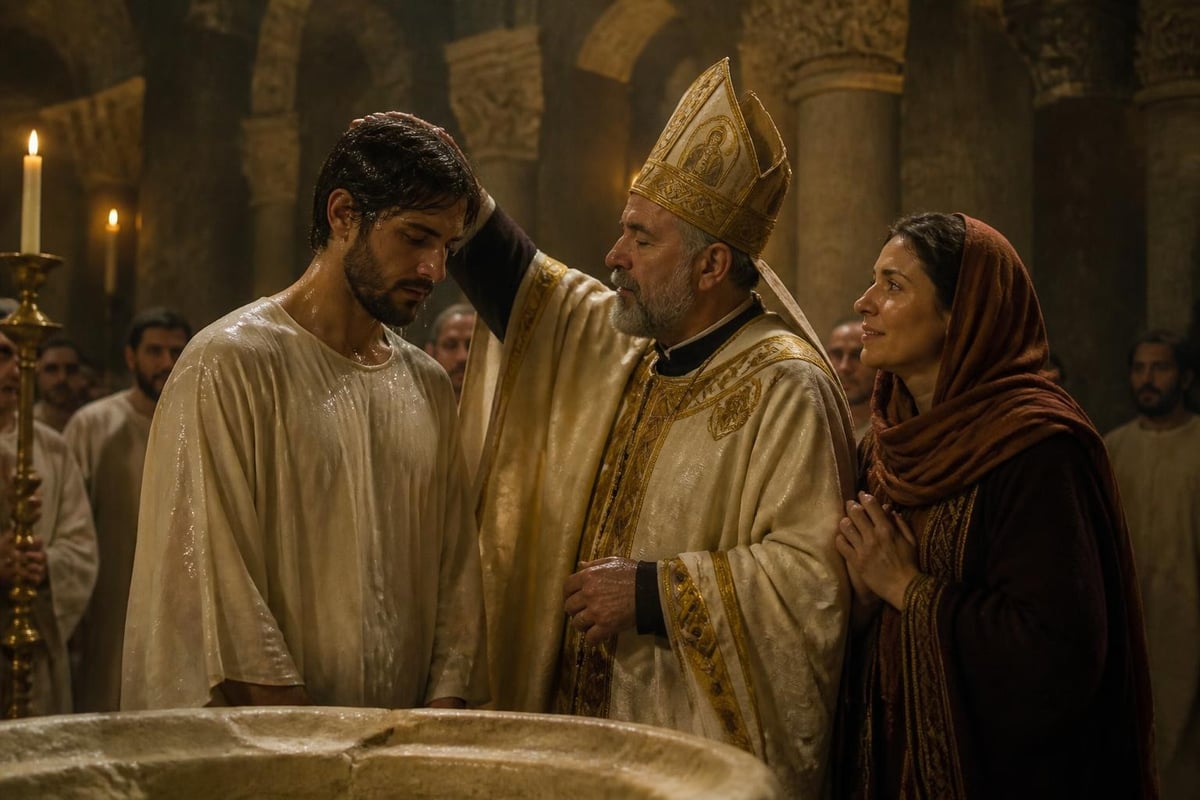
On the night of April 24-25, 387 AD, Bishop Ambrose baptized Augustine, along with his son Adeodatus and his friend Alypius, during the Easter Vigil. Monica stood as witness to the sacramental moment she had prayed for throughout Augustine's thirty-three years.
The official Vatican profile of Saint Monica describes this moment as the apex of her earthly mission, the visible answer to prayers that had seemed, at times, to go unheard.
The Vision at Ostia
Following Augustine's baptism, augustine and monica prepared to return to Africa. They stopped at Ostia, the port city near Rome, where they shared a mystical experience that Augustine later described in the Confessions.
A Shared Contemplation
Mother and son stood by a window overlooking a garden, discussing eternal life and the nature of heaven. As research published in the Journal of Psychology and Theology examines, their conversation elevated into a state of contemplative prayer where both experienced a momentary union with divine wisdom.
Augustine wrote that they "touched it in some small degree by a moment of total concentration of the heart." Monica then revealed that her earthly purpose was complete. Having seen her son baptized and united with her in faith, she had nothing left to desire in this life.
Monica's Death and Legacy
Nine days after the vision at Ostia, Monica fell ill with fever. She died at approximately fifty-six years of age, far from her African homeland. Her last words to Augustine reflected her transformation from a woman attached to earthly things to one focused entirely on eternal realities: "Lay this body anywhere, let not the care of it trouble you at all. This only I ask, that you will remember me at the Lord's altar, wherever you are."
The Vatican News report on the translation of Saint Monica's relics traces how her remains were moved from Ostia to Rome in 1430, eventually finding their permanent home in the Church of Sant'Agostino in Rome, where they remain today as objects of veneration.
Augustine's Grief and Gratitude
Augustine's account of Monica's death in the Confessions reveals the depth of their bond. He struggled initially to weep, holding back tears in the presence of others. Later, in private prayer, he gave full expression to his grief, crying out to God about the loss of his mother.
Yet Augustine's grief was tempered by gratitude. He recognized Monica as the instrument of his salvation, the persistent pray-er whose faith never wavered. The Cambridge University Press article analyzing Monica as a historical figure examines how Augustine's portrayal of his mother established a model of Christian motherhood that would influence Western culture for centuries.
Lessons from Augustine and Monica for Modern Catholics
The story of augustine and monica offers practical wisdom for contemporary believers facing similar challenges with loved ones who have drifted from the faith.
The Power of Persistent Prayer
Monica prayed for Augustine's conversion for approximately seventeen years before seeing results. Her example teaches that God's timeline differs from our own. The efficacy of prayer is not measured in immediate outcomes but in faithful persistence aligned with divine will.
Modern Catholics can draw encouragement from Monica's example when:
- Children abandon their faith
- Spouses show no interest in spiritual matters
- Friends embrace philosophies contrary to Catholic teaching
- Family members live in situations contrary to Church teaching
Monica's tears and prayers demonstrate that no one is beyond God's reach, and no prayer offered in faith is wasted.
Strategic Spiritual Motherhood
Monica didn't simply pray; she acted strategically. She sought wise counsel from bishops, positioned Augustine to encounter excellent teachers, and followed him physically across the Mediterranean. Her active engagement with Augustine's life, combined with prayer, created opportunities for grace to work.

For those seeking to deepen their prayer life and intercession for loved ones, the Prayer Cards and Novenas collection from Journeys of Faith offers tangible aids for building a disciplined prayer practice. These resources help Catholics maintain focus and consistency in their intercession, much as Monica maintained her prayer discipline across decades.
The Role of Suffering in Sanctification
Monica's suffering-her tears, her grief, her anxiety over Augustine-became sanctified through union with Christ's suffering. She didn't waste her pain but offered it as intercession. Catholic tradition recognizes this "redemptive suffering" as a powerful spiritual reality.
The Encyclopedia.com entry on Saint Monica notes that she is invoked as the patron saint of:
- Mothers
- Wives with difficult marriages
- Victims of verbal abuse
- Alcoholics and their families
- Disappointing children
Each of these patronages reflects aspects of Monica's own trials, transformed through grace into sources of help for others.
The Theological Significance of Their Relationship
The relationship between augustine and monica holds theological importance beyond its biographical interest. Augustine himself became one of the Church's most influential theologians, shaping Western Christianity's understanding of grace, original sin, the Trinity, and the nature of time.
Augustine's Doctrine of Grace
Augustine's theological writings on grace-the understanding that salvation comes entirely through God's unmerited favor rather than human effort-were profoundly influenced by his own conversion experience. He had tried through intellectual effort and moral willpower to find truth and peace, failing repeatedly until grace broke through.
Monica's prayers illustrated the Catholic understanding of cooperative grace: God's sovereign action working through human intercession. She couldn't save Augustine, but her prayers participated in the divine work of his salvation.
Influence on Sacramental Theology
Augustine's experience of baptism at the Easter Vigil, with Monica as witness, shaped his later sacramental theology. He emphasized baptism as the moment of regeneration, the washing away of original sin, and incorporation into Christ's mystical body.
The baptism of augustine and monica's grandson Adeodatus alongside his father demonstrates the generational impact of one person's conversion, a theme Augustine would develop in his theological writings.
Monica's Continued Intercession
Saint Monica's feast day is celebrated on August 27, the day before Saint Augustine's feast on August 28. This liturgical pairing reminds the faithful of their intertwined stories and continued heavenly intercession.
Devotion to Saint Monica Today
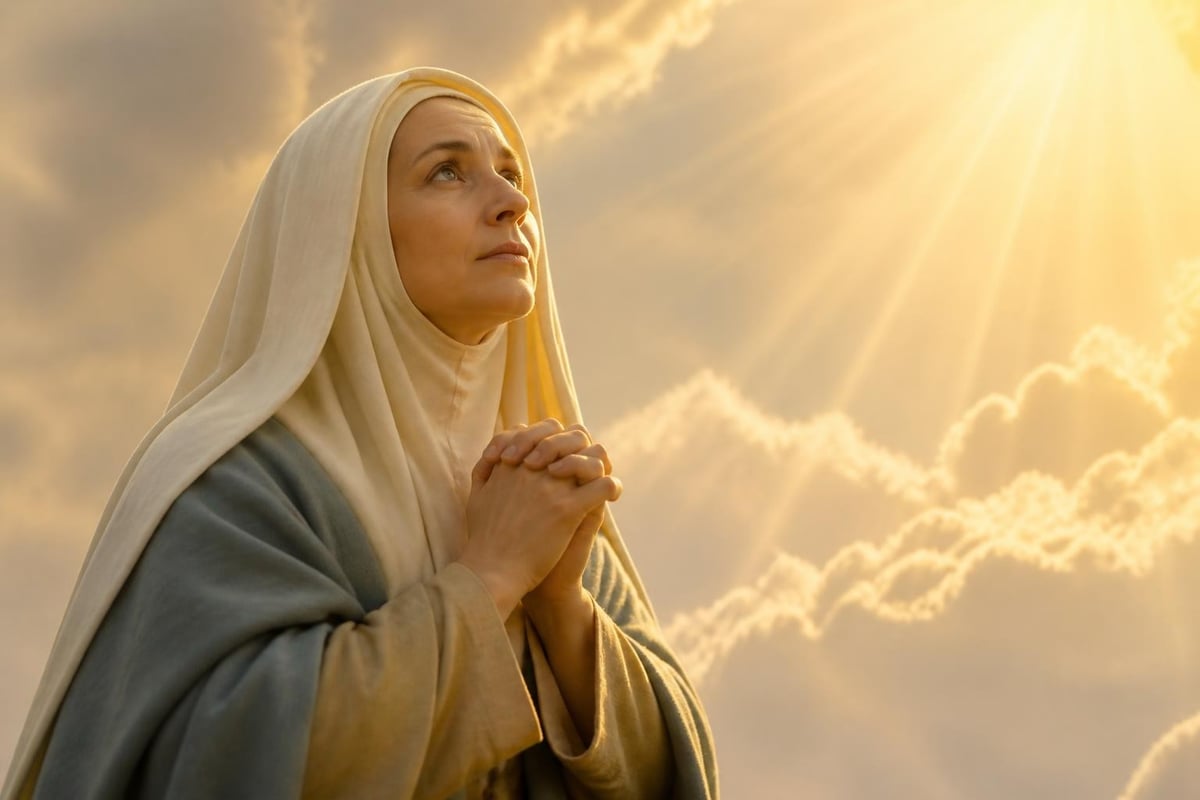
Modern Catholic devotion to Saint Monica remains vibrant. The Wellcome Collection's iconographic study documents artistic representations of Monica across centuries, typically showing her in prayer or tears, emphasizing her role as intercessor.
Prayer groups dedicated to Saint Monica exist in parishes worldwide, where mothers and fathers gather to pray for children who have left the faith. These groups mirror Monica's own practice, combining:
- Regular communal prayer for specific intentions
- Sharing of burdens and mutual encouragement
- Study of Scripture and spiritual reading
- Sacramental participation, especially Eucharist and Reconciliation
- Practical support and accountability
Those interested in learning more about the saints and their ongoing relevance can explore resources on the lives of Catholic saints available through Journeys of Faith, which offers books, videos, and other media examining how saints like Monica continue to inspire and guide believers today.
Academic Study of Monica
Contemporary scholarship continues examining augustine and monica through various lenses. The student theological paper from Loyola Marymount University analyzes Monica as an exemplar figure whose portrayal in the Confessions serves both historical and rhetorical purposes in Augustine's narrative.
Modern scholars debate:
- The historical accuracy of Augustine's portrayal versus his literary construction
- Monica's agency and intelligence, sometimes overlooked in traditional accounts
- Her influence on Augustine's theological development
- The cultural context of fourth-century North African Christianity
- Feminist readings of Monica's story
These scholarly discussions enrich rather than diminish Monica's significance, revealing layers of meaning in her story for contemporary readers.
Practical Applications for Catholic Families
The witness of augustine and monica provides actionable guidance for Catholic families navigating modern challenges.
For Parents of Struggling Adult Children
Never underestimate prayer's power. Monica's example demonstrates that faithful intercession, even when circumstances appear hopeless, participates in God's salvific work. Parents should:
- Maintain daily prayer for wayward children by name
- Fast periodically for their intentions
- Attend Mass and receive Eucharist with these intentions
- Seek intercession of saints, especially Monica
- Trust God's timeline rather than demanding immediate results
For Those in Difficult Marriages
Monica endured a difficult marriage to Patricius, a pagan with a violent temper. Yet her prayers and patient witness eventually led to his conversion and baptism shortly before his death. Her example offers hope that:
- Spousal conversion is possible through prayer and witness
- Patience and gentleness can soften hardened hearts
- Living the faith authentically speaks louder than arguments
- God works in His time, not ours
For Evangelization Efforts
The story of augustine and monica illustrates effective evangelization principles:
| Monica's Method | Modern Application | Expected Outcome |
|---|---|---|
| Prayer foundation | Begin with intercession | Supernatural grace |
| Relationship building | Maintain loving connection | Open doors for dialogue |
| Strategic positioning | Create opportunities for encounter | Exposure to truth |
| Intellectual engagement | Address real questions | Remove intellectual barriers |
| Patient persistence | Don't give up | Long-term conversion |
The Augustinian Charism in Catholic Life
Augustine's conversion through Monica's prayers established a spiritual lineage that continues today. The Augustinian order, secular institutes, and lay associations all draw inspiration from their story.
Secular Augustinians Today
Journeys of Faith, founded by Bob and Penny Lord, operates as an Augustinian Secular Institute, embodying the charism of Augustine in modern media evangelization. Like augustine and monica's relationship demonstrated the power of persistent faith, Journeys of Faith's mission centers on using contemporary media platforms to share the beauty of Catholic truth, just as Monica positioned Augustine to encounter Ambrose's eloquent preaching.
The Augustinian charism emphasizes:
- Restless seeking until finding rest in God
- Community life centered on prayer and Scripture
- Intellectual engagement with culture
- Conversion of heart as ongoing process
- Maternal love of the Church
These principles guide Augustinian communities and inspire lay Catholics seeking to live deeply rooted spiritual lives.
The Universal Message of Hope
At its core, the story of augustine and monica proclaims universal hope: no one is beyond redemption, and faithful prayer is never in vain. Monica's tears watered the ground where grace would eventually break through in Augustine's heart.
This message resonates across centuries because every generation includes:
- Parents grieving over lost children
- Spouses praying for conversion
- Friends interceding for those in darkness
- Pastors caring for struggling sheep
Monica's example assures them that their prayers matter, their tears are seen, and their faith will be vindicated-if not in this life, then certainly in eternity.
For those seeking to deepen their prayer life and commitment to intercession, exploring resources on prayer and devotion can provide practical tools and inspiration. The story of augustine and monica reminds us that evangelization begins on our knees, in tearful prayer, trusting that God's grace will accomplish what human effort cannot.
The remarkable journey of augustine and monica reveals how persistent, faithful prayer can transform even the most wayward heart and how a mother's tears can water the seeds of sanctity. Their story continues to inspire millions of Catholics who struggle with loved ones distant from the faith, offering hope that no prayer is wasted and no one is beyond God's merciful reach. Whether you're seeking inspiration through the lives of the saints, looking for prayer resources to sustain your intercession, or exploring the depths of Catholic teaching, Journeys of Faith provides books, media, and materials to support your spiritual journey. Explore the Journeys of Faith online store with thousands of Catholic items at https://journeysoffaith.com/collections. Journeys of Faith is blessed to provide Catholic media, including podcasts and inspirational content, free of charge across multiple media platforms for viewers and listeners around the world. While access to this content remains free, there are significant and continually increasing costs associated with producing, hosting, and distributing these programs. Your support helps us continue sharing the beauty of the Catholic faith with souls everywhere. Please make a donation at https://journeysoffaith.com/pages/donate to help us continue this vital mission of evangelization through media.
