

The beginning of Catholic religion represents one of the most significant developments in human spiritual history, tracing its roots to first-century Judea and the ministry of Jesus Christ. Understanding this foundational period illuminates how a small group of followers transformed into a global institution that has shaped Western civilization for two millennia. The Catholic Church's origins intertwine divine mission with human history, apostolic witness with institutional development, and theological conviction with cultural adaptation.
The Foundation Laid by Jesus Christ
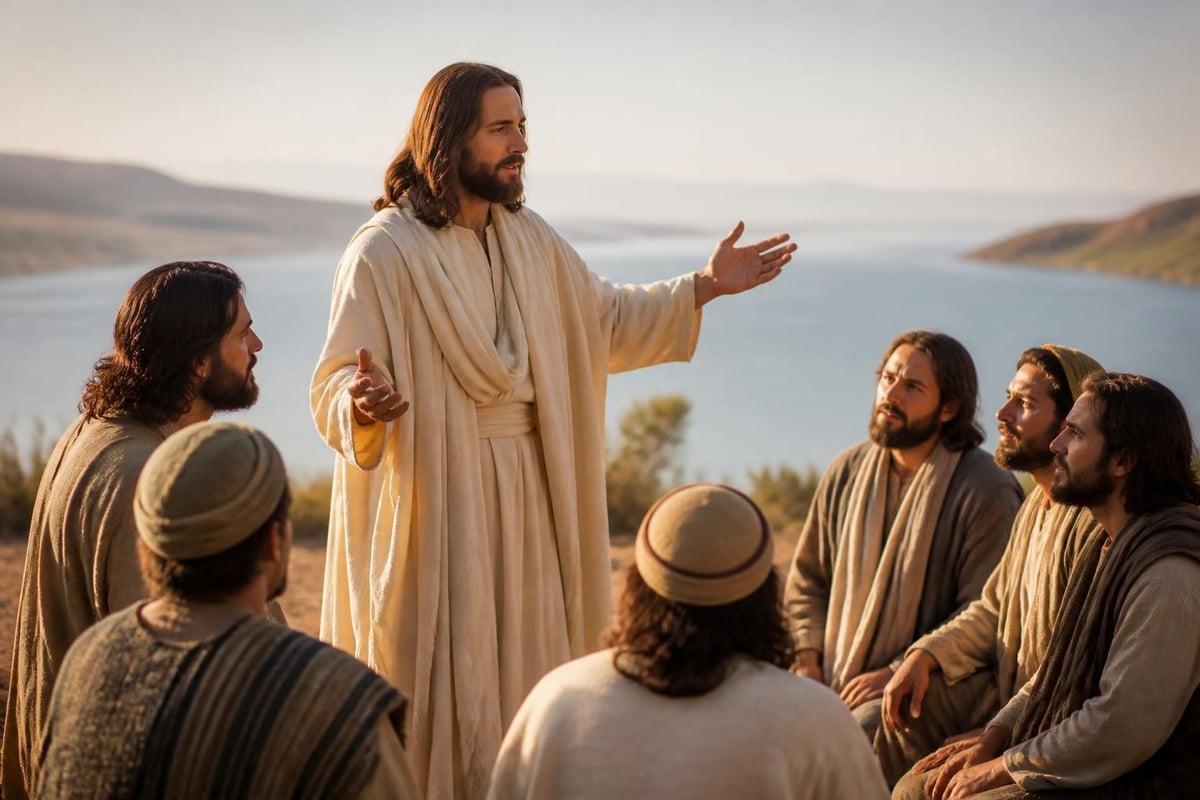
The beginning of Catholic religion starts with Jesus Christ himself, who established his Church upon the apostles, specifically conferring primacy upon Simon Peter. According to Gospel accounts, Christ declared to Peter, "You are rock, and upon this rock I will build my Church" (Matthew 16:18), establishing both the Church's foundation and its leadership structure. This moment represents the theological cornerstone of Catholic ecclesiology.
Jesus spent three years teaching, performing miracles, and gathering disciples who would become the Church's first leaders. His public ministry focused on proclaiming the Kingdom of God while establishing sacramental practices that would define Catholic worship for centuries to come. The institution of the Eucharist at the Last Supper provided the central act of Catholic liturgy.
The Apostolic Commission
Before his ascension, Christ commissioned his apostles with explicit authority and mission. He instructed them to "make disciples of all nations, baptizing them in the name of the Father, and of the Son, and of the Holy Spirit" (Matthew 28:19). This Great Commission established the Church's evangelical mandate and sacramental practice.
The apostles received not merely a teaching role but specific powers:
- Authority to forgive sins
- Ability to consecrate bread and wine
- Power to heal and perform miracles
- Responsibility to teach authentically
- Mission to establish communities worldwide
Christ's promise to send the Holy Spirit completed the foundational structure, ensuring divine guidance for the emerging Church.
Pentecost and the Birth of the Church
The beginning of Catholic religion reached its public manifestation at Pentecost, approximately fifty days after Christ's resurrection. The descent of the Holy Spirit upon the apostles and Mary in Jerusalem transformed fearful disciples into bold evangelists. This event, described in Acts 2, marks the Church's birthday and the commencement of its missionary activity.
Peter's sermon at Pentecost resulted in three thousand conversions, establishing the first significant Christian community. This community practiced distinctive characteristics that would define Catholic life:
| Early Church Practice | Description | Modern Parallel |
|---|---|---|
| Teaching of Apostles | Authoritative instruction | Magisterium |
| Breaking of Bread | Eucharistic celebration | Mass |
| Communal Prayer | Liturgical worship | Divine Office |
| Fellowship | Community life | Parish communities |
The Jerusalem Church
The Jerusalem community served as the mother church, with Peter and the apostles providing leadership. History shows that this community maintained Jewish practices while embracing Christ's new covenant. The apostles met regularly in the temple while celebrating the Eucharist in homes.
Brought to you by Journeys of Faith, founded by Bob and Penny Lord. We are an Augustinian Secular Institute, Cyber Apostles. Our Mission is Evangelization through Media.
James the Just, Jesus's relative, eventually led the Jerusalem church as its first bishop. This pattern of episcopal leadership became standard as the Church expanded. The Council of Jerusalem (circa 50 AD) demonstrated the Church's emerging authority structure, with apostles and elders making binding decisions about doctrine and practice.
Expansion Throughout the Roman Empire
The beginning of Catholic religion's geographical expansion followed major Roman trade routes and urban centers. Paul of Tarsus, converted from persecutor to apostle, became the primary missionary to Gentiles. His journeys established churches in Asia Minor, Greece, and eventually Rome itself.
Strategic Urban Centers
The apostles strategically targeted major cities:
- Antioch: First called "Christians" here, became major missionary hub
- Ephesus: Paul's extensive ministry, later home to John the Apostle
- Corinth: Commercial center with diverse Christian community
- Rome: Imperial capital, eventual center of Western Christianity
- Alexandria: Intellectual center, home to influential theologians
Each community developed under apostolic authority, maintaining unity through shared beliefs, practices, and connection to the apostolic college. Letters from Paul and other apostles addressed theological questions and practical issues, forming the New Testament corpus.
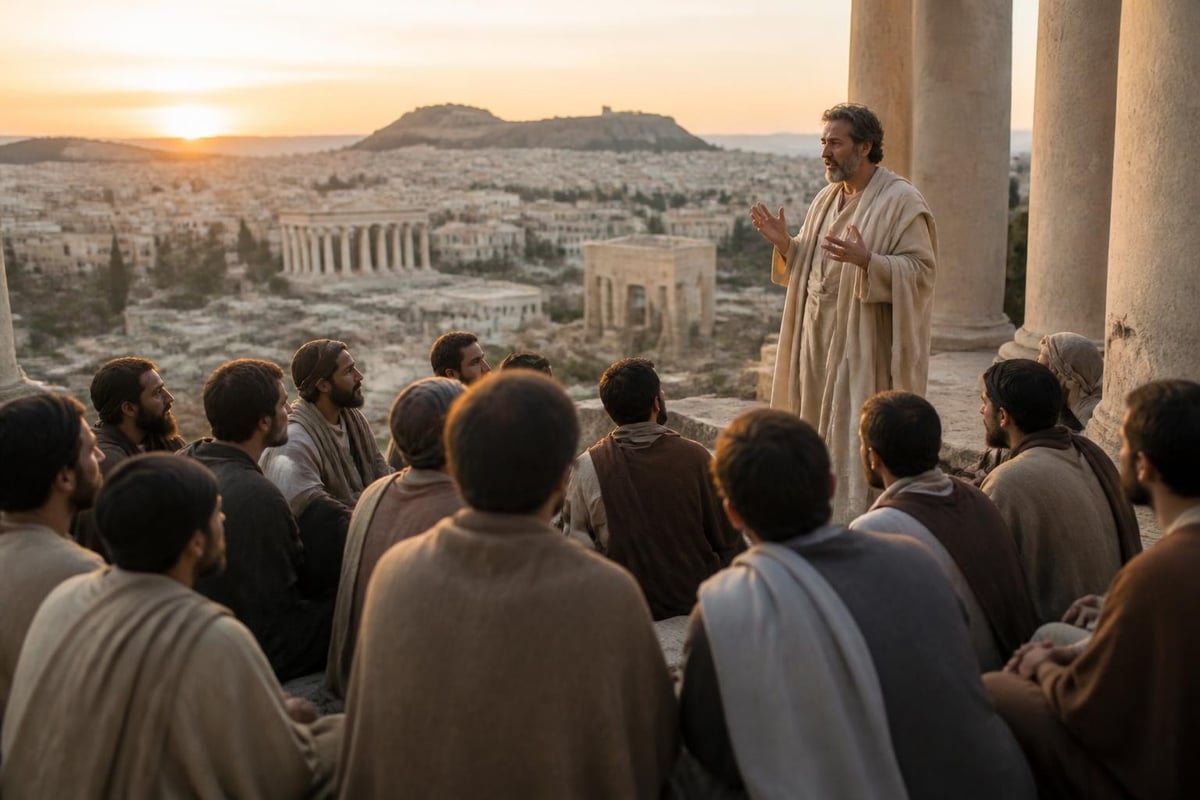
The emergence of Roman Catholicism as a distinct entity occurred gradually as the Church developed institutional structures. Peter's eventual arrival and martyrdom in Rome established that city's special significance. The church in Rome came to be recognized as having unique authority due to its connection to both Peter and Paul.
Early Organizational Structure
The beginning of Catholic religion's hierarchical structure emerged organically during the apostolic age. Three distinct orders of ministry developed:
- Bishops (Episcopoi): Successors to the apostles, overseeing local churches
- Presbyters (Priests): Assistants to bishops, leading liturgical celebrations
- Deacons (Diakonoi): Ministers of charity and liturgical assistants
This three-tiered structure provided stability and continuity as the apostolic generation passed away. Bishops traced their authority through apostolic succession, maintaining doctrinal unity across geographical distances.
Apostolic Succession
The concept of apostolic succession became crucial for preserving authentic teaching. Bishops received their authority through laying on of hands by previously ordained bishops, creating an unbroken chain to the apostles themselves. This practice ensured both sacramental validity and doctrinal continuity.
Ignatius of Antioch (d. 107 AD) wrote extensively about episcopal authority, insisting that legitimate Christian practice required unity with the bishop. His letters demonstrate how quickly the Church's hierarchical structure became normative.
Development of Doctrine and Worship
The beginning of Catholic religion's theological development occurred through several channels. Apostolic teaching, liturgical practice, and responses to heresies shaped Catholic doctrine during the first centuries.
Liturgical Foundations
Early Christian worship centered on the Eucharist, celebrated weekly on Sunday (the Lord's Day). The liturgy incorporated:
- Scripture readings from Old Testament and apostolic writings
- Homily explaining the readings
- Prayers of intercession
- Eucharistic prayer (anaphora)
- Reception of consecrated bread and wine
The Didache, an early Christian manual (late first century), provides glimpses of liturgical practices and community regulations. Baptism required preparation, fasting, and Trinitarian formula. The Catholic Saints of this period demonstrated how faith was lived through martyrdom and witness.
Challenges and Persecution
The beginning of Catholic religion occurred amid intense persecution. Roman authorities viewed Christianity as threatening to social order and imperial cult. Christians faced sporadic persecutions that tested and refined the Church's identity.
The Witness of Martyrs
Martyrdom became the supreme witness to faith. Early martyrs included:
- Stephen, the first martyr (stoned in Jerusalem)
- James the Greater (executed by Herod Agrippa)
- Peter (crucified in Rome under Nero)
- Paul (beheaded in Rome)
- Ignatius of Antioch (fed to beasts)
These deaths, rather than destroying the Church, strengthened it. Tertullian famously observed that "the blood of martyrs is the seed of the Church." Persecution forced Christians to articulate their beliefs more clearly and demonstrate their commitment publicly.
| Persecution Period | Emperor(s) | Impact on Church |
|---|---|---|
| 64-68 AD | Nero | First imperial persecution; Peter and Paul martyred |
| 81-96 AD | Domitian | Sporadic persecution; John exiled to Patmos |
| 249-251 AD | Decius | Systematic empire-wide persecution |
| 303-313 AD | Diocletian | Great Persecution; ended by Constantine |
The beginning of Catholic religion's response to persecution included developing catacomb worship spaces, using symbols for recognition (fish, anchor, good shepherd), and establishing procedures for reconciling those who had lapsed under pressure.
Theological Controversies and Councils
Early theological disputes prompted the Church to define doctrines more precisely. The early Church faced questions about Christ's nature, the Trinity, and salvation that required authoritative resolution.
Gnosticism and Early Heresies
Gnostic movements challenged fundamental Christian teachings by claiming special knowledge (gnosis) was necessary for salvation. They typically denied the goodness of material creation and Christ's true humanity. Church fathers like Irenaeus of Lyons combated these teachings by emphasizing:
- Apostolic tradition's authority
- Goodness of creation
- Reality of Christ's incarnation
- Unity of Old and New Testaments
- Role of the physical Church
These controversies clarified Catholic teaching and established principles for identifying authentic doctrine. The Church recognized that maintaining apostolic teaching required clear authority structures and defined creeds.
The Canon of Scripture
The beginning of Catholic religion included determining which writings constituted Sacred Scripture. While Old Testament books were inherited from Judaism, New Testament canonization required discernment. The Church evaluated writings based on:
- Apostolic authorship or connection
- Use in liturgy across multiple churches
- Conformity to apostolic teaching
- Spiritual edification
- Universal acceptance
By the late second century, the four Gospels, Acts, Paul's letters, and most other New Testament books were widely accepted. Final confirmation came through conciliar decisions in the fourth century, though consensus existed much earlier.
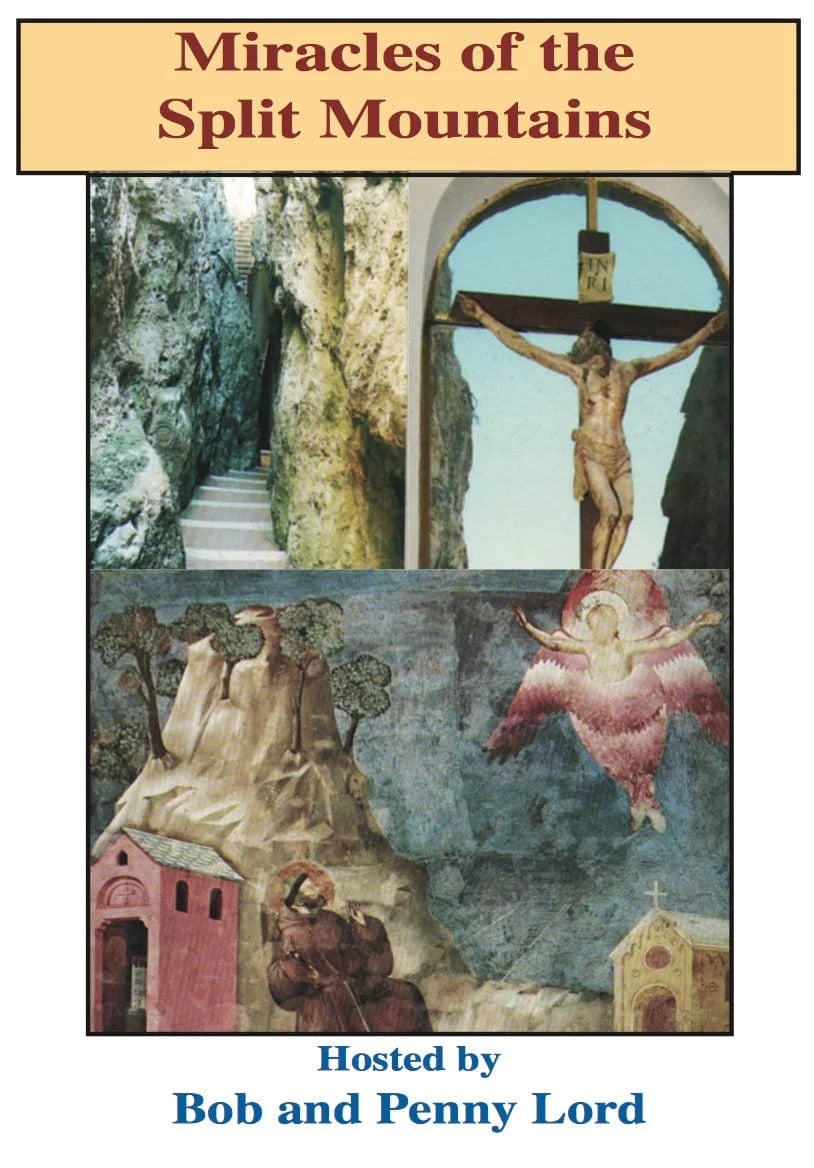
The Miracles of the Cross book explores how the Cross became Christianity's central symbol from the earliest days, connecting believers to Christ's sacrifice and victory. Understanding these early devotions to the Cross reveals how Catholics have always found spiritual power in physical symbols and sacramental realities.
Patristic Writings and Theology
The Church Fathers (Patristics) developed systematic theology during the first several centuries. These bishops and theologians articulated Catholic doctrine in increasingly sophisticated ways. Key figures included:
Eastern Fathers
- Ignatius of Antioch: Episcopal authority, Real Presence in Eucharist
- Justin Martyr: Apologetics, liturgical descriptions
- Irenaeus of Lyons: Apostolic succession, recapitulation theory
- Athanasius of Alexandria: Divinity of Christ, Nicene theology
- Basil the Great: Trinitarian theology, monasticism
Western Fathers
- Tertullian: Trinitarian terminology, sacramental theology
- Cyprian of Carthage: Church unity, episcopal authority
- Ambrose of Milan: Sacramental mysticism, church-state relations
- Jerome: Biblical scholarship, Vulgate translation
- Augustine of Hippo: Grace, original sin, City of God
These theologians ensured that the history of Christianity maintained intellectual rigor while preserving apostolic faith. Their writings remain authoritative sources for Catholic theology today.
Constantine and Official Recognition
The beginning of Catholic religion's public acceptance came under Emperor Constantine. The Edict of Milan (313 AD) granted religious tolerance, ending systematic persecution. Constantine's conversion and support transformed Christianity's status within the Roman Empire.
Institutional Development
Official recognition enabled:
- Construction of churches and basilicas
- Public celebration of liturgy
- Development of church property laws
- Imperial support for councils
- Integration with Roman administrative structures
However, this new relationship created challenges. The Church had to navigate political pressures while maintaining spiritual independence. Bishops became influential public figures, sometimes wielding considerable temporal power.
The First Ecumenical Councils
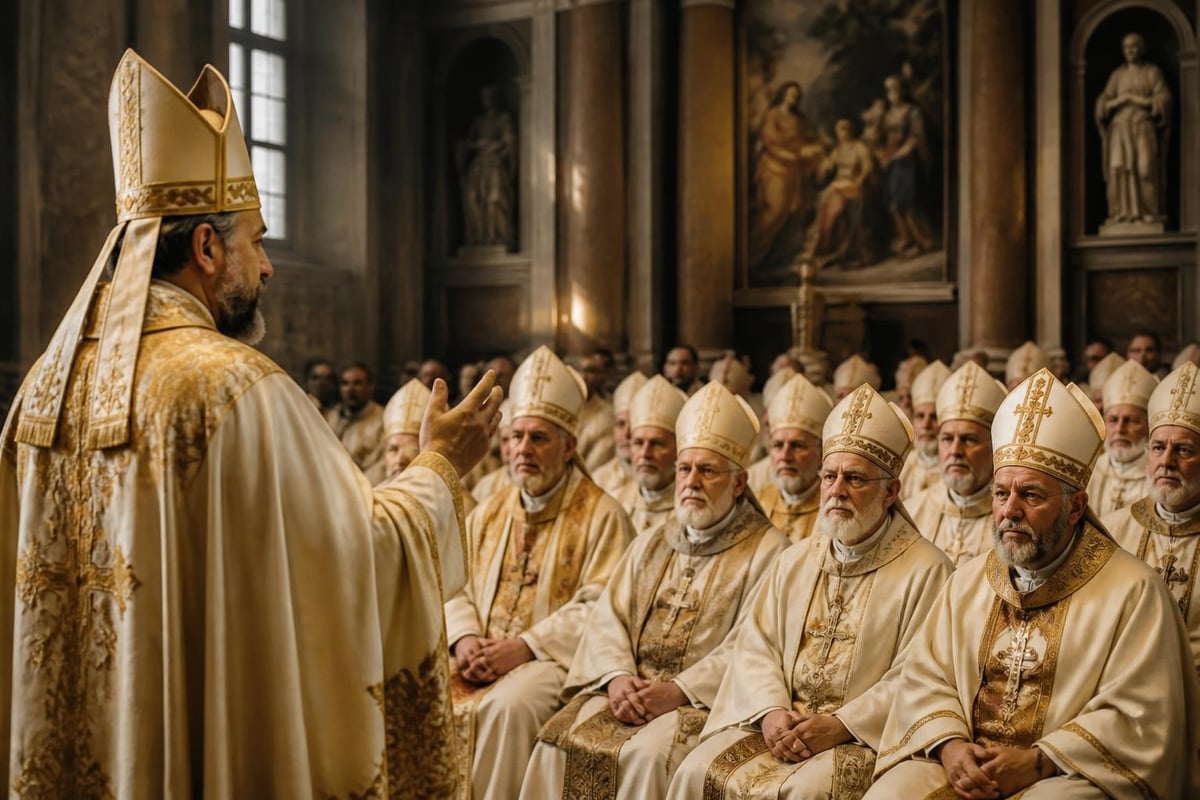
The beginning of Catholic religion's conciliar tradition addressed major theological controversies through ecumenical councils. These gatherings of bishops from across the Christian world defined orthodox doctrine.
Council of Nicaea (325 AD)
The first ecumenical council addressed Arianism, which denied Christ's full divinity. The council:
- Affirmed Christ as "consubstantial with the Father"
- Produced the Nicene Creed
- Established Easter date calculation
- Defined church order and discipline
This council established the pattern for resolving doctrinal disputes through episcopal consensus under papal authority.
Council of Constantinople (381 AD)
This council:
- Reaffirmed Nicene teaching
- Defined the Holy Spirit's divinity
- Expanded the Creed
- Condemned various heresies
These early councils demonstrated the Church's commitment to preserving apostolic teaching through collective episcopal discernment. The church of the early Middle Ages built upon these foundations, further developing institutional structures and missionary activity.
Monasticism and Spiritual Life
The beginning of Catholic religion's monastic tradition emerged in the third and fourth centuries. Desert fathers and mothers in Egypt pioneered contemplative life devoted entirely to prayer and asceticism.
Development of Religious Life
Key developments included:
- Anthony of Egypt: Eremitical (hermit) monasticism
- Pachomius: Cenobitic (communal) monasticism
- Basil of Caesarea: Regulated community life
- Benedict of Nursia: Benedictine Rule (later period)
Monasticism preserved learning, copied manuscripts, and maintained spiritual intensity during periods of political instability. Monks and nuns became the Church's prayer warriors and intellectual preservers.
The Role of Mary and the Saints
From its beginning, Catholic religion honored Mary as Theotokos (God-bearer) and venerated martyrs and saints. Early Christians prayed for the intercession of those who had died in faith, particularly martyrs. Shrines developed at martyrs' tombs, and their feast days were celebrated liturgically.
The veneration of Mary developed naturally from her role in salvation history. Early Christians recognized her unique cooperation with God's plan and her continued maternal care for the Church. The inspiring stories from lives of the saints continue to guide Catholic spirituality today.
Missionary Expansion Beyond the Empire
The beginning of Catholic religion's global reach extended beyond Roman borders. Missionaries brought the faith to:
- Armenia: First Christian nation (early fourth century)
- Ethiopia: Converted through contact with Egyptian Christians
- Persia: Despite persecution, churches established
- Ireland: Patrick's mission (fifth century)
- India: Tradition of Thomas the Apostle
Each region adapted liturgical expressions while maintaining doctrinal unity with the broader Church. This inculturation demonstrated Catholicism's universal character.
Sacramental System Development
The beginning of Catholic religion established seven sacraments as normative, though formal codification came later. Early Church practice included:
Sacraments of Initiation
- Baptism (with extensive catechumenate)
- Confirmation (chrismation)
- Eucharist (first communion)
Sacraments of Healing
- Reconciliation (penance)
- Anointing of the sick
Sacraments of Service
- Holy Orders
- Matrimony
Each sacrament combined physical elements with spiritual reality, reflecting the Catholic understanding of God working through material creation. Liturgical development varied regionally while maintaining essential unity.
Theological Synthesis and Identity
By the fifth century, the beginning of Catholic religion had evolved into a recognizable institution with defined characteristics. Who founded Roman Catholicism is ultimately Jesus Christ, but the Church's institutional form developed through centuries of apostolic leadership, theological reflection, and liturgical practice.
Catholic identity crystallized around:
- Apostolic succession ensuring legitimate authority
- Sacramental worship centered on the Eucharist
- Scripture interpreted through apostolic tradition
- Episcopal structure with papal primacy
- Universal (catholic) mission to all peoples
- Integration of faith and reason
- Veneration of Mary and the saints
These elements distinguished Catholic Christianity from emerging heresies and later from other Christian traditions. The history of the Catholic Church demonstrates remarkable continuity from apostolic origins to the present day.
Cultural and Intellectual Contributions
The beginning of Catholic religion included significant cultural achievements. Early Christians:
- Developed philosophical theology integrating faith and reason
- Created artistic traditions in iconography and architecture
- Established charitable institutions (hospitals, orphanages)
- Preserved classical learning through copying manuscripts
- Developed musical traditions (chant, hymns)
- Created educational systems
These contributions shaped Western civilization profoundly, demonstrating that Catholic faith engaged culture rather than withdrawing from it.
The beginning of Catholic religion from Christ's ministry through the patristic age established foundations that endure today-apostolic authority, sacramental worship, and universal mission. This rich heritage offers modern Catholics deep roots and clear direction for living faith authentically.
Journeys of Faith helps you explore this magnificent heritage through books, media, and resources that bring Catholic history alive. Whether you're discovering the saints, understanding the Eucharist, or deepening your prayer life, we provide tools for authentic Catholic evangelization and spiritual growth.
Resources for Continued Learning:
-
Explore Journeys of Faith online store with thousands of Catholic items at https://journeysoffaith.com/collections
-
Journeys of Faith is blessed to provide Catholic media, including podcasts and inspirational content, free of charge across multiple media platforms for viewers and listeners around the world. While access to this content remains free, there are significant and continually increasing costs associated with producing, hosting, and distributing these programs. Your support helps us continue sharing the beauty of the Catholic faith with souls. Please make a donation at https://journeysoffaith.com/pages/donate