

The life of Blessed Margaret of Castello stands as one of the most powerful testimonies to faith, perseverance, and divine grace in Catholic history. Born into nobility in 14th-century Italy with severe physical disabilities, Margaret was abandoned by her parents yet became a beacon of holiness through her unwavering devotion to Christ and service to the poor. Her story challenges modern perceptions of worth and beauty, revealing how God's power manifests perfectly through human weakness. After centuries of veneration, Pope Francis authorized her canonization in 2021, recognizing her as a saint for the universal Church.
The Early Years of Blessed Margaret of Castello
Blessed Margaret of Castello was born in 1287 in Metola, Italy, to noble parents who expected a perfect heir to their family legacy. Instead, they received a daughter who was blind, dwarfed, and physically disabled from birth. The shock and shame her parents experienced led them to hide their daughter from society, keeping her confined within the walls of their castle for years.
When Margaret was six years old, her parents made a pilgrimage to a Franciscan shrine, hoping for a miraculous cure. They brought Margaret with them, but when no healing occurred, they made the devastating decision to abandon their daughter in the town of Castello. This act of rejection would become the crucible through which Margaret's extraordinary sanctity would emerge.
Abandoned but Not Alone
The experience of abandonment could have destroyed Margaret's spirit, but instead it became the foundation of her spiritual strength. A group of charitable women in Castello took pity on the blind, disabled child and provided her with shelter. These early benefactors recognized something special in Margaret despite her physical limitations.
Key aspects of her early development included:
- Learning to navigate Castello's streets despite her blindness
- Developing a profound prayer life at a young age
- Embracing her suffering as participation in Christ's passion
- Refusing to become bitter toward her parents
Margaret's acceptance by the local community proved temporary. After wearing out her welcome with various families, she found herself truly homeless, dependent on the charity of others for survival.
Life as a Dominican Tertiary
Blessed Margaret of Castello found her spiritual home with the Dominican Order, becoming a Third Order Dominican (a lay member of the order). This affiliation shaped her spirituality and gave structure to her intense prayer life. The Dominicans recognized in Margaret a soul of exceptional virtue despite her worldly disadvantages.
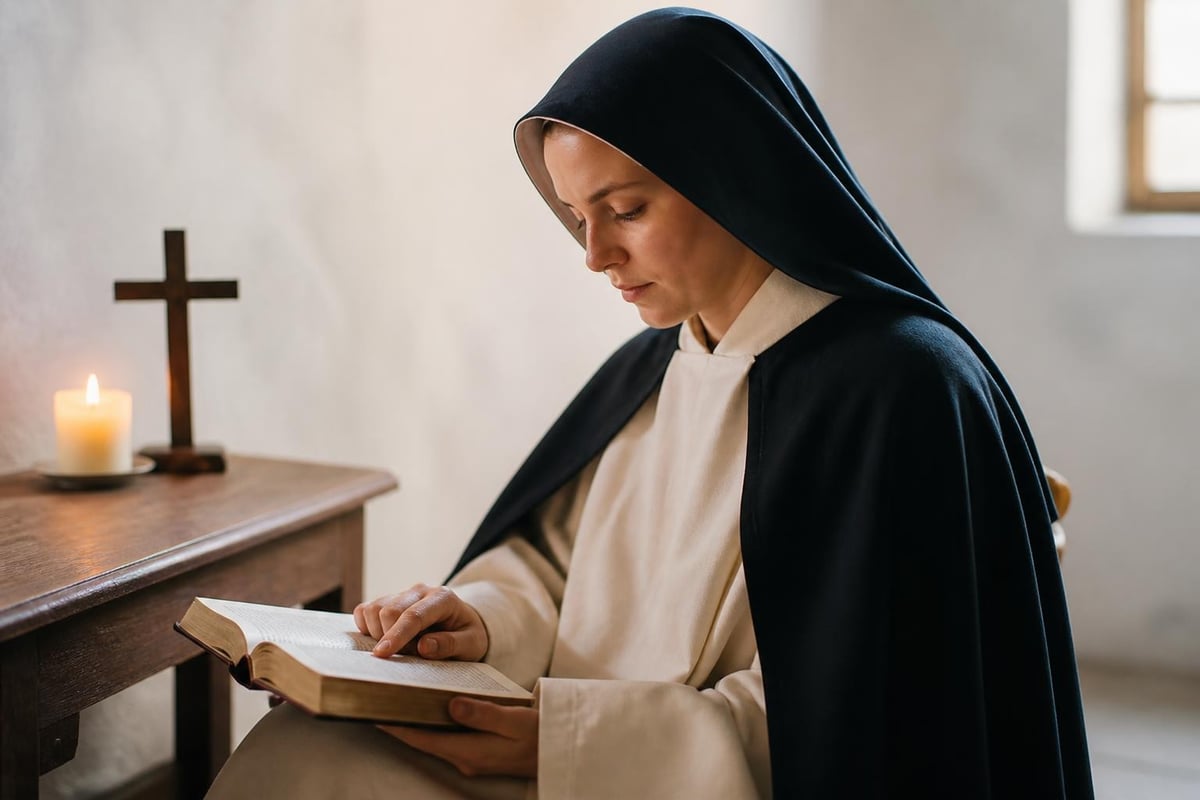
Her Dominican formation emphasized contemplation and action, study and service. Margaret embodied this balance perfectly, spending hours in prayer before the Blessed Sacrament while also serving the sick and imprisoned in Castello's most desperate situations.
Daily Spiritual Practices
| Practice | Description | Frequency |
|---|---|---|
| Mass Attendance | Daily participation in the Eucharist | Every morning |
| Rosary Prayer | Devoted meditation on Christ's mysteries | Multiple times daily |
| Contemplative Prayer | Silent adoration before the tabernacle | Several hours daily |
| Charitable Service | Visiting prisoners and the sick | Daily afternoon |
| Penance | Fasting and mortification | Regular practice |
Margaret's spiritual directors marveled at her theological insights despite having no formal education. She possessed an intuitive understanding of Scripture and theology that could only be attributed to divine infusion of knowledge.
Brought to you by Journeys of Faith, founded by Bob and Penny Lord. We are an Augustinian Secular Institute, Cyber Apostles. Our mission is evangelization through media.
Miraculous Works and Holiness
Throughout her life, Blessed Margaret of Castello became known for extraordinary spiritual gifts and miraculous interventions. Though she herself remained physically disabled, God worked through her to heal others both spiritually and physically. Witnesses reported that her prayers resulted in conversions of hardened sinners and physical healings of the sick.
Her reputation for holiness spread throughout the region. People sought her counsel on spiritual matters, and many experienced profound conversions after encountering her. Margaret never claimed credit for these graces, always directing attention to Christ and His mercy.
Notable Characteristics of Her Holiness
The sanctity of Blessed Margaret of Castello manifested in distinctive ways:
- Heroic charity toward those society rejected
- Prophetic insight into souls and future events
- Miraculous knowledge of hidden sins during confession preparation
- Physical phenomena including mystical experiences
- Intercessory power evidenced by answered prayers
Margaret particularly devoted herself to prisoners, many of whom were hardened criminals. She would visit the dungeons of Castello, bringing food, comfort, and the message of God's mercy. Several prisoners experienced profound conversions through her ministry, transforming their lives before execution or release.
Death and Immediate Veneration
When Blessed Margaret of Castello died on April 13, 1320, at approximately 33 years old, the entire town of Castello mourned. The funeral procession revealed the depth of her impact on the community. Instead of being buried in a pauper's grave as might be expected for someone who owned nothing, the people demanded she be buried in the Church of San Domenico.
Children playing near her tomb reported miracles occurring through her intercession almost immediately after her death. A young girl who was blind from birth received her sight. A boy crippled from childhood walked normally. These early miracles sparked intense devotion to Margaret's memory.
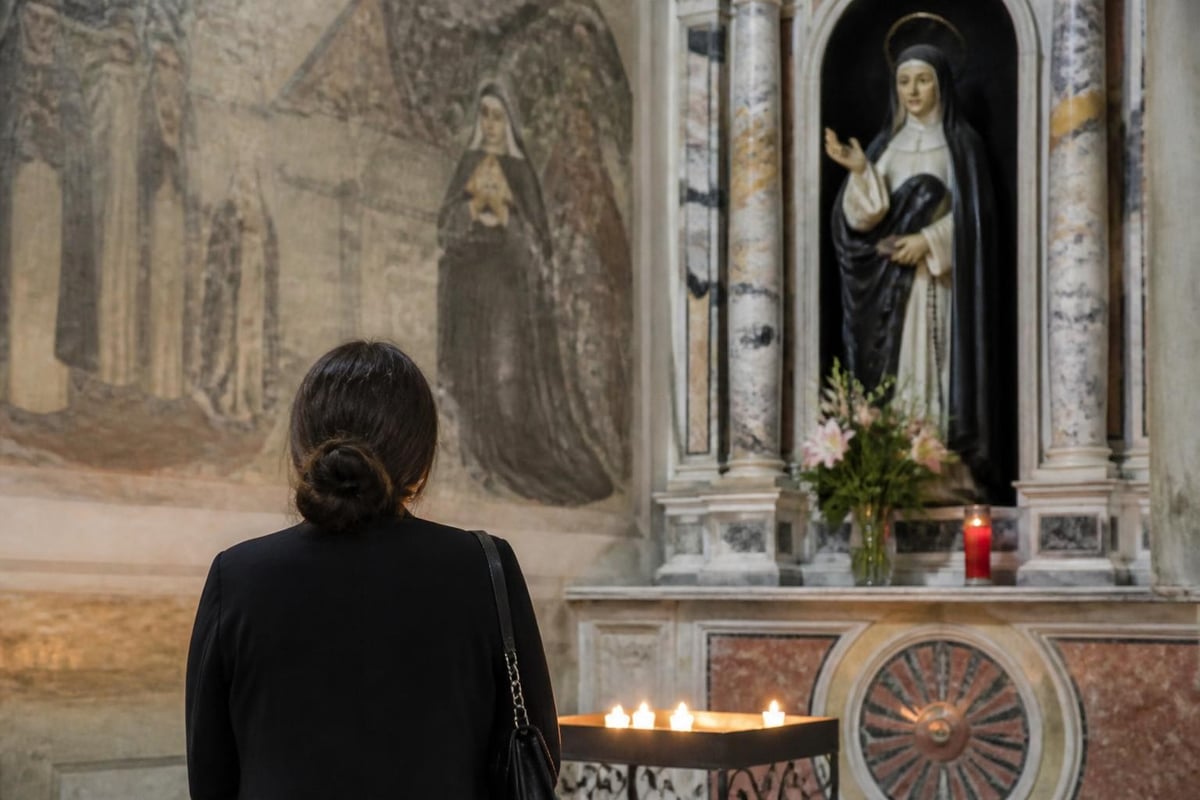
Her body was exhumed in 1558 and found to be incorrupt, a sign the Church has traditionally associated with sanctity. The discovery intensified devotion to her memory and prompted formal investigation into her life and miracles.
The Path to Canonization
The journey of Blessed Margaret of Castello from local holy woman to officially recognized saint took seven centuries. Her cause for canonization faced numerous delays and complications throughout Church history, yet devotion to her never waned completely.
Timeline of Recognition
| Year | Event | Significance |
|---|---|---|
| 1609 | Beatification process begins | First formal recognition of sanctity |
| 1847 | Pope Pius IX grants permission for liturgical veneration | Expanded devotion allowed |
| 1983 | Little Margaret Guild founded | Modern advocacy for canonization |
| 2021 | Pope Francis authorizes canonization decree | Final approval for sainthood |
The Dominican Friars celebrated the canonization as recognition of a sister who embodied their charism in extraordinary circumstances. For laypeople, especially those with disabilities, Margaret's canonization carried profound significance.
The canonization through equipollent process meant the Pope recognized centuries of veneration and miracles as sufficient proof of Margaret's sanctity without requiring the typical formal process. This unusual path to sainthood honored both Margaret's historical importance and the consistent testimony of the faithful throughout generations.
Patronage and Modern Relevance
Blessed Margaret of Castello serves as patron saint of the unwanted, the disabled, and those facing abandonment. Her patronage extends particularly to:
- Children with disabilities
- Those experiencing parental rejection
- Individuals suffering from blindness or dwarfism
- Parents of disabled children seeking faith perspective
- Prison ministers and those working with the incarcerated
Modern advocacy for her recognition came significantly through the Little Margaret Guild, an organization dedicated to promoting her cause and supporting families affected by disability. Their efforts contributed to renewed interest in her story and helped prepare the ground for her eventual canonization.
Lessons for Contemporary Catholics
The witness of Blessed Margaret of Castello speaks powerfully to contemporary issues. In a culture that often measures worth by physical perfection, productivity, and social status, Margaret's life proclaims the infinite dignity of every human person.
Her example challenges us to:
- Recognize Christ in the marginalized and vulnerable
- Embrace suffering as participation in redemption
- Prioritize spiritual beauty over physical appearance
- Practice radical charity toward society's outcasts
- Trust God's providence in life's greatest trials
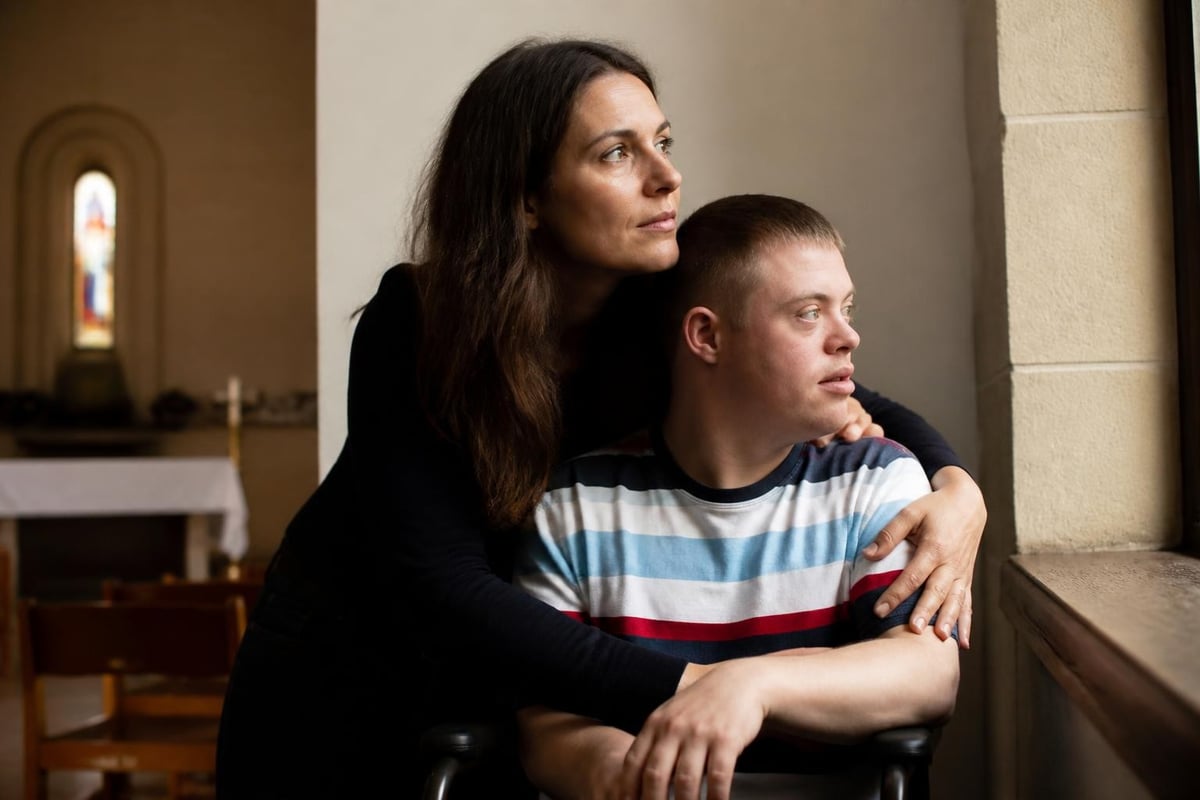
Parents of children with disabilities find particular comfort in Margaret's story. While her own parents failed dramatically, Margaret's life demonstrates that disability does not diminish human dignity or limit God's purposes for a soul.
Devotion and Prayer
Catholics seeking Blessed Margaret of Castello's intercession find inspiration in her unwavering trust in divine providence despite extraordinary hardship. Prayer cards, novenas, and devotional materials help the faithful connect with her powerful intercession. Many who venerate Margaret and the saints find that resources like Catholic prayer cards and novenas from trusted Catholic publishers deepen their prayer life and provide tangible reminders of these holy witnesses.
Specific intentions commonly brought to Blessed Margaret of Castello include:
- Healing from disabilities or chronic illness
- Strength for parents of special needs children
- Conversion of family members estranged from faith
- Grace to forgive those who have caused abandonment
- Protection for the unborn and vulnerable
Her intercession has been credited with numerous miracles in recent decades. Families report unexpected healings, conversions, and graces received through her prayers. Resources available from organizations dedicated to her memory provide prayers, biographical materials, and testimonies of answered intercessions.
Margaret's Influence on Dominican Spirituality
Within the Dominican Order, Blessed Margaret of Castello holds special importance as an exemplar of lay Dominican life. She never entered a convent or took formal vows, yet she lived the Dominican charism of contemplation and preaching with exceptional fidelity.
Her influence demonstrates that sanctity does not require monastic walls or clerical ordination. The Third Order Dominican tradition Margaret embodied allows laypeople to integrate Dominican spirituality into ordinary life. She proved that profound mystical prayer and active charity can coexist even in circumstances of poverty and disability.
Dominican Virtues Exemplified
Margaret's life showcased core Dominican values:
- Veritas (Truth) - Living authentic holiness despite worldly rejection
- Caritas (Charity) - Loving service to the most marginalized
- Contemplari et contemplata aliis tradere - Sharing fruits of contemplation with others
- Studium (Study) - Deep theological understanding through prayer
- Community - Building relationships within the Body of Christ
Dominican saints and scholars throughout history have pointed to Margaret as proof that Dominican spirituality transcends education, social class, and physical ability. Her theological insights, received through prayer rather than formal study, demonstrated the Holy Spirit's role in illuminating truth.
Cultural Impact and Artistic Representation
Through the centuries, artists have depicted Blessed Margaret of Castello in various forms, though her representation poses unique challenges. How does one portray a saint whose very sanctity challenged conventional concepts of beauty and worth?
Traditional images show Margaret in Dominican habit, often with symbols of her life: a rosary, a church (representing her devotion to the Eucharist), or prison bars (honoring her ministry to prisoners). Some artists emphasize her disabilities, while others spiritualize her appearance, reflecting tensions in how disability is perceived.
Modern advocates for disability rights appreciate when Margaret is portrayed authentically, disability and all, as this honors the truth of her incarnational witness. Her holiness did not erase her physical reality but transfigured it through grace.
Theological Significance
The canonization of Blessed Margaret of Castello carries profound theological weight. The Church's recognition of her sanctity affirms several critical truths:
Human dignity is intrinsic, not earned through ability or appearance. Margaret's life proclaims that every person bears the image of God regardless of physical or mental capacity.
Suffering united with Christ becomes redemptive. Rather than viewing her disabilities as divine punishment or meaningless tragedy, Margaret embraced them as participation in Christ's passion, allowing God to work through her weakness.
God's power perfects itself in human weakness. The miracles worked through Margaret's intercession demonstrate divine strength manifesting precisely where human strength fails.
Holiness is accessible to all. Despite lacking education, wealth, family support, or physical abilities, Margaret achieved heroic sanctity through cooperation with grace.
These theological principles challenge modern tendencies toward utilitarianism and the cult of physical perfection. Margaret's witness calls the Church to defend human dignity from conception to natural death, regardless of ability.
Resources for Learning More
Catholics interested in deepening their knowledge of Blessed Margaret of Castello have access to various resources. Biographical works by Dominican Father William Bonniwell provide detailed historical accounts based on early sources. Modern biographies make her story accessible to contemporary readers while maintaining historical accuracy.
The Catholic media landscape offers documentaries, podcasts, and articles exploring her life and spirituality. Organizations like Journeys of Faith provide educational content about saints and their relevance to modern Catholic life, helping believers connect with these powerful witnesses to Christ.
Parish communities can incorporate Margaret's feast day (April 13) into their liturgical calendar, celebrating Mass in her honor and offering catechesis about her witness. Schools can introduce students to her story as part of disability awareness education and Catholic social teaching.
Living Margaret's Legacy Today
The canonization of Blessed Margaret of Castello invites Catholics in 2026 to examine how they respond to disability, poverty, and marginalization. Her example challenges comfortable Christianity that measures worth by worldly standards.
Practical ways to honor her legacy include:
- Supporting ministries that serve people with disabilities
- Advocating for the dignity of life at all stages and abilities
- Volunteering in prison ministry or visiting the homebound
- Examining personal attitudes toward physical appearance and ability
- Teaching children about saints who challenge worldly values
Pro-life ministries find powerful advocacy in Margaret's witness. Her life demonstrates that prenatal diagnosis of disability should never justify ending a life. The gifts Margaret brought to the Church and world would have been lost if her parents' initial impulse to hide or eliminate her had succeeded.
Margaret's Message for Families
Families facing disability find hope and guidance in the story of Blessed Margaret of Castello. While her parents' abandonment represents catastrophic failure, Margaret's subsequent life reveals God's faithful providence even when human support fails.
Modern parents of children with disabilities can draw strength from Margaret's example. Her sanctity emerged not despite disability but through embracing her unique path to holiness. Disability did not limit God's purpose for her life but became the very means through which she glorified Him.
The Church's recognition of Margaret as saint validates what faithful parents already know: their children with disabilities possess infinite worth and unique vocations within God's plan. Margaret demonstrates that limitations perceived by society do not constrain divine purposes.
Support groups and ministries serving families affected by disability often invoke Margaret's intercession. Her prayers accompany parents through difficult diagnoses, challenging therapies, and societal misunderstanding. She understands their struggles intimately and intercedes powerfully on their behalf.
The life and canonization of Blessed Margaret of Castello remind us that God's definition of success differs radically from worldly standards. Her journey from abandoned child to recognized saint demonstrates divine providence working through human weakness to accomplish eternal purposes. At Journeys of Faith, we continue the mission of Bob and Penny Lord to share these powerful testimonies of faith through Catholic media, books, and resources. Explore thousands of Catholic items including prayer cards, books, and devotional materials at our online store. Journeys of Faith is blessed to provide Catholic media, including podcasts and inspirational content, free of charge across multiple media platforms for viewers and listeners around the world. While access to this content remains free, there are significant and continually increasing costs associated with producing, hosting, and distributing these programs. Your support helps us continue sharing the beauty of the Catholic faith with souls. Please make a donation to support our evangelization mission and access our extensive library of resources about the saints, the Eucharist, and Mother Mary.
