

The written word has always held a sacred place in Catholic tradition, from Scripture itself to the countless volumes exploring Church history, theology, and spiritual practice. Books about Catholic Church topics serve as bridges between the faithful and the profound mysteries of their faith, offering insights that range from scholarly theological analysis to personal testimonies of conversion and sanctity. Whether you're a lifelong Catholic seeking deeper understanding or someone exploring the Church's rich intellectual heritage, the right books can transform your spiritual journey and equip you with knowledge that strengthens both faith and understanding.
Understanding the Breadth of Catholic Literature
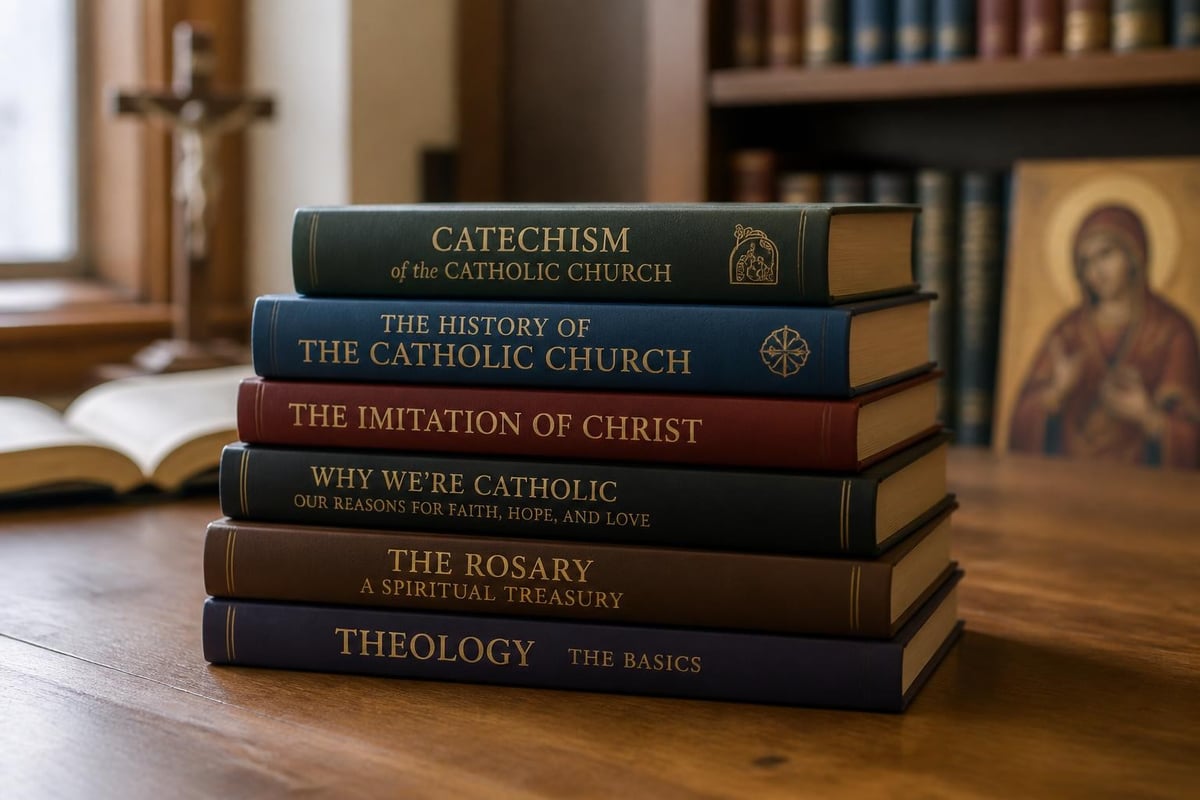
Books about Catholic Church subjects encompass an extraordinary range of genres and purposes. Theological treatises, historical analyses, devotional guides, and biographical accounts of saints all contribute to a comprehensive library of Catholic thought. This diversity reflects the Church's two-thousand-year history and its engagement with every aspect of human experience.
The Youth Catechism of the Catholic Church, commonly known as Youcat, demonstrates how Catholic teaching adapts to different audiences while maintaining doctrinal integrity. Its question-and-answer format makes complex theology accessible to younger readers, proving that books about Catholic Church teachings need not sacrifice depth for clarity.
Categories of Catholic Books
Different readers seek different approaches to understanding the faith. Consider these primary categories:
- Catechetical works that systematically explain Church doctrine
- Historical narratives tracing the Church's development through centuries
- Spiritual memoirs sharing personal encounters with grace
- Apologetic texts defending and explaining Catholic beliefs
- Devotional literature focused on prayer and sacramental life
- Scholarly theology exploring deep doctrinal questions
Each category serves distinct purposes, and many readers build personal libraries that span multiple genres. A comprehensive understanding of Catholicism benefits from exposure to various perspectives and writing styles.
Historical Perspectives on the Church
Historical books about Catholic Church development provide essential context for understanding contemporary Catholicism. Hans Küng's comprehensive examination of Church history addresses schisms, papal evolution, and global influence with scholarly rigor. Such works reveal how theological positions developed over time and how the Church navigated challenges across different eras.
Paul Johnson's "A History of Christianity" offers another invaluable perspective, praised for combining meticulous scholarship with engaging narrative style. According to historical analysis, Johnson's one-volume approach makes centuries of Christian development accessible without oversimplification.
The Value of Historical Context
Understanding Church history illuminates present-day practices and beliefs. When readers grasp why certain doctrines emerged or how particular devotions spread, they develop richer appreciation for their faith tradition. Books about Catholic Church history often reveal unexpected connections between seemingly disparate elements of Catholic life.
Brought to you by Journeys of Faith Founded by Bob and Penny Lord - We are an Augustinian Secular Institute - Cyber Apostles - Our Mission is Evangelization through Media.
Historical research also demonstrates the Church's consistent core teachings amid changing cultural contexts. The Twentieth Century Encyclopedia of Catholicism, a 150-volume series by prominent Catholic scholars, exemplifies comprehensive historical documentation translated across languages to reach global audiences.
Doctrinal and Catechetical Resources
For those seeking systematic understanding of Catholic teaching, catechetical books about Catholic Church doctrine remain indispensable. John Hardon's "The Catholic Catechism" consolidated modern Vatican II teachings into a single authoritative volume, serving as a precursor to the official Catechism released later.
| Resource Type | Primary Audience | Key Strength | Best Use Case |
|---|---|---|---|
| Official Catechism | All Catholics | Comprehensive authority | Reference and study |
| Youth Catechism (Youcat) | Young adults | Accessible Q&A format | Initial learning |
| Theological commentaries | Advanced students | Scholarly depth | Academic understanding |
| Simplified guides | New Catholics | Clear explanations | RCIA preparation |
These resources serve different learning styles and knowledge levels. New converts might start with accessible introductions before progressing to more complex theological works.
Building a Foundation of Understanding
Doctrinal books provide the intellectual framework for living Catholic faith authentically. They answer fundamental questions about the Trinity, sacraments, moral teaching, and Church authority. Without this foundation, Catholics may struggle to articulate why they believe what they profess.
Many parishes and study groups use these resources for adult faith formation. The structured approach of catechetical texts facilitates group discussion while ensuring accurate transmission of Church teaching. Books about Catholic Church doctrine thus serve both individual study and communal learning.
Apologetics and Defending the Faith
Apologetic books about Catholic Church teachings equip readers to explain and defend their faith with clarity and charity. Catholic Answers Magazine identifies ten essential tools for understanding and defending Catholicism, emphasizing resources that address common questions and objections.
These works typically address:
- Biblical foundations for Catholic practices
- Historical evidence supporting Church claims
- Philosophical arguments for Catholic positions
- Responses to common objections from other traditions
- Practical guidance for charitable dialogue
The Art of Charitable Apologetics
Effective apologetic literature balances intellectual rigor with pastoral sensitivity. The best books about Catholic Church defense avoid condescension while presenting compelling arguments. They recognize that people often hold different views for sincere reasons and approach disagreement with respect.
Contemporary apologetics increasingly addresses secular challenges alongside Protestant objections. Books exploring faith's relationship with science, reason, and modern culture demonstrate Catholicism's intellectual vitality and relevance to contemporary questions.
Spiritual Growth and Devotional Literature
Devotional books about Catholic Church spirituality nourish the interior life and deepen relationship with God. These works range from classic mystical writings to contemporary reflections on prayer, suffering, and divine providence. They transform abstract theology into lived experience.
The Saints provide particularly powerful testimonies through their writings. Exploring the lives and teachings of canonized saints reveals diverse paths to holiness and varied expressions of Catholic spirituality. Each saint's unique charism offers different insights into living the Gospel.
Marian Devotion in Catholic Literature
Books exploring devotion to Mary occupy a significant place in Catholic spiritual literature. From theological examinations of Marian doctrine to personal accounts of miraculous intervention, these works demonstrate the Mother of God's role in Catholic life. Understanding Marian apparitions and their historical context enriches appreciation for this dimension of faith.
Devotional resources often include practical elements like prayers, novenas, and meditation guides. Some readers might incorporate prayer cards and structured devotions into their spiritual practice, finding that physical reminders enhance consistent prayer habits.
Books on the Eucharist and Sacramental Life
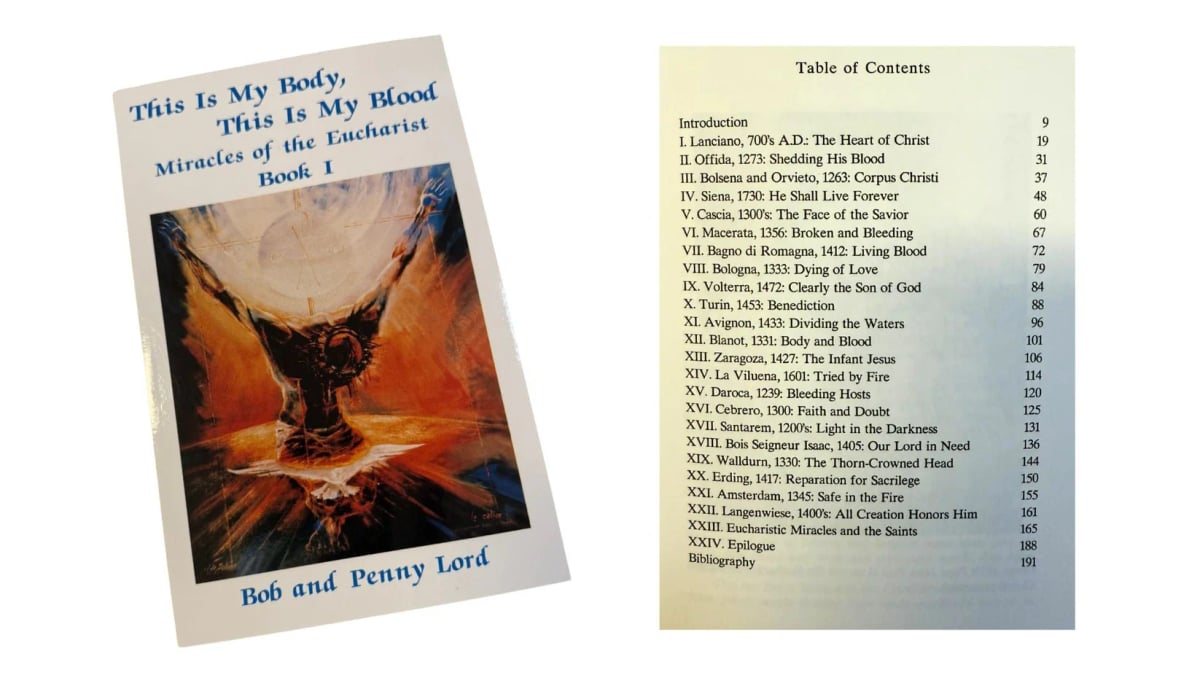
The Eucharist stands at the heart of Catholic worship, and books about Catholic Church understanding of this sacrament explore both theological depth and miraculous confirmation. Works documenting Eucharistic miracles provide tangible evidence of Christ's Real Presence, strengthening faith through historical testimony.
Bob and Penny Lord's extensive research into Eucharistic miracles demonstrates how these extraordinary events confirm Catholic teaching across centuries. Their books combine meticulous documentation with accessible writing, making complex historical events understandable for general readers.
Beyond the Eucharist, books exploring all seven sacraments help Catholics understand these channels of grace more fully. Sacramental theology connects liturgical practice with spiritual reality, revealing how visible signs convey invisible grace. Comprehensive understanding of sacramental life transforms how believers approach these sacred moments.
The Intersection of Faith and Reason
Modern books about Catholic Church teaching increasingly address scientific and mathematical dimensions of faith. Recent research into liturgical calculations demonstrates how the Church employed sophisticated mathematical methods for determining liturgical dates, revealing the historical intersection of faith and rigorous intellectual work.
This integration of faith and reason characterizes authentic Catholic thought. Books exploring this relationship demonstrate that Catholicism welcomes intellectual inquiry rather than fearing it. The Church's long tradition of scholarship, preserved in countless volumes, proves that deep faith and serious thinking complement rather than contradict each other.
Contemporary Challenges and Church Analysis
Modern books about Catholic Church structure and challenges examine contemporary issues with scholarly rigor. Academic analysis of Church social networks provides insights into institutional dynamics, power relationships, and organizational culture within the Church hierarchy.
These analytical works serve important purposes:
- Transparency regarding institutional challenges
- Scholarly examination of Church governance
- Historical context for contemporary debates
- Sociological insights into Catholic communities
- Critical assessment promoting necessary reforms
While some readers prefer purely devotional or theological content, understanding institutional realities helps Catholics engage more thoughtfully with their Church. Balanced perspectives acknowledge both divine foundation and human administration.
Must-Read Collections for Catholic Formation
Curated lists of essential Catholic books provide valuable starting points for readers building their libraries. These collections typically balance different genres, ensuring exposure to history, theology, spirituality, and practical application.
Creating a personal reading plan might involve:
- Starting with foundational catechetical texts
- Adding biographical works on favorite saints
- Exploring historical periods of particular interest
- Incorporating contemporary theological discussions
- Including spiritual classics for ongoing formation
Building Your Catholic Library
Assembling a collection of books about Catholic Church topics requires intentionality and discernment. Quality matters more than quantity, and certain works prove valuable for repeated reading throughout life. Core texts deserve permanent places on shelves, while other volumes serve specific temporary purposes.
Essential Categories for Every Catholic Library
| Category | Recommended Number | Purpose | Examples |
|---|---|---|---|
| Catechetical | 2-3 core texts | Doctrinal reference | Official Catechism, study guides |
| Historical | 3-5 volumes | Context and development | Church history surveys, period studies |
| Spiritual classics | 5-10 books | Ongoing formation | Saints' writings, mystical works |
| Apologetics | 2-4 resources | Defense preparation | Q&A guides, theological responses |
| Contemporary theology | 3-5 titles | Current engagement | Modern theological reflections |
This framework ensures breadth without overwhelming beginning readers. As knowledge deepens, collectors naturally identify areas deserving expanded attention.
Evaluating Book Quality and Orthodoxy
Not all books labeled "Catholic" maintain fidelity to Church teaching. Readers should verify:
- Author credentials and ecclesial approval
- Publisher reputation for orthodox content
- Nihil obstat and imprimatur for older works
- Citations and sources demonstrating scholarship
- Alignment with the Catechism and Magisterial teaching
Discernment protects against confusion and ensures reading time contributes to authentic Catholic formation. When uncertain about a book's orthodoxy, consulting trusted priests or theologians provides helpful guidance.
Specialized Topics and Deep Dives
Beyond general Catholic reading, specialized books about Catholic Church topics allow exploration of particular interests. Some Catholics develop expertise in Marian studies, others in liturgical history, patristics, moral theology, or canon law. These focused investigations enrich both personal knowledge and potential service to the broader Church community.
Biographical collections examining specific religious orders or historical periods reveal patterns of sanctity within particular contexts. Understanding Franciscan spirituality differs from grasping Benedictine monasticism or Jesuit intellectual traditions, yet all represent authentic Catholic charisms.
Regional and Cultural Perspectives
The universal Church expresses itself through diverse cultural lenses. Books exploring Catholicism in specific regions reveal how the same faith adapts to different contexts while maintaining doctrinal unity. Asian Catholicism, African expressions, Latin American liberation theology, and European intellectual traditions each contribute unique insights.
This global perspective prevents narrow parochialism and demonstrates the Church's true catholicity. Reading widely across cultures enriches understanding and appreciation for the faith's remarkable adaptability and enduring essence.
Practical Application and Living the Faith
The ultimate purpose of books about Catholic Church teaching extends beyond intellectual knowledge to transformed lives. Study serves prayer, and understanding deepens worship. The best Catholic reading generates both enlightened minds and converted hearts, producing fruit in daily Christian living.
Readers should regularly assess how their reading influences:
- Prayer life and sacramental participation
- Moral decisions and conscience formation
- Charitable works and social justice engagement
- Family relationships and domestic church
- Evangelization efforts and witness to others
Books that fail to produce practical fruit, regardless of intellectual sophistication, miss their essential purpose. Catholic literature ultimately exists to draw readers closer to Christ and His Church.
Integration with Other Formation Methods
Reading complements but cannot replace other formation elements. Books work best alongside:
- Regular Mass attendance and sacramental life
- Participation in parish community
- Spiritual direction or confession
- Retreats and periods of silent prayer
- Service to those in need
This holistic approach ensures balanced Catholic formation. Knowledge, worship, community, and service together create mature disciples capable of living and sharing the faith authentically.
Resources for Continued Learning
Beyond individual books, Catholics benefit from ongoing engagement with quality Catholic media and educational resources. Many organizations provide free content alongside their published works, expanding access to formation materials.
Journeys of Faith offers extensive resources supporting Catholic formation, including materials on the Eucharist, Mary, and the Saints. Their comprehensive approach to evangelization through media demonstrates how various formats work together to deepen faith and spread the Gospel message.
Books about Catholic Church history, theology, and spirituality provide indispensable resources for anyone seeking to understand and live the Catholic faith more fully. Whether you're beginning your Catholic journey or deepening decades of practice, quality literature offers guidance, inspiration, and intellectual formation that transforms both understanding and daily living. Journeys of Faith supports your spiritual growth through carefully curated Catholic resources, from books and prayer materials to devotional items that keep faith central in daily life.
Explore Journeys of Faith online store with thousands of Catholic items at https://journeysoffaith.com/collections
Journeys of Faith is blessed to provide Catholic media, including podcasts and inspirational content, free of charge across multiple media platforms for viewers and listeners around the world. While access to this content remains free, there are significant and continually increasing costs associated with producing, hosting, and distributing these programs. Your support helps us continue sharing the beauty of the Catholic faith with souls. Please make a donation at https://journeysoffaith.com/pages/donate
