

Catholic saint medals have accompanied the faithful for centuries, serving as portable reminders of God's grace and the intercession of the saints. These small metal tokens carry profound spiritual significance, connecting believers to the lives of holy men and women who walked before us. Whether worn on a chain, carried in a pocket, or placed in a home, these sacramentals offer tangible expressions of faith that transcend time and culture.
The Sacred Origins of Catholic Saint Medals
The tradition of wearing catholic saint medals dates back to the early Church, though the practice evolved significantly over time. Early Christians used symbols like the fish (ichthys) and the chi-rho to identify themselves during periods of persecution. As the Church emerged from the catacombs, devotional items became more elaborate and specific to individual saints.
The medieval period witnessed an explosion in the production and distribution of religious medals. Pilgrims traveling to holy sites sought these tokens as proof of their journey and as protective amulets for the road home. Museums like the Fitzwilliam hold collections of medieval devotional medals that reveal intricate craftsmanship and deep spiritual symbolism.
Brought to you by Journeys of Faith, founded by Bob and Penny Lord. We are an Augustinian Secular Institute and Cyber Apostles. Our mission is evangelization through media.
Understanding Sacramentals in Church Teaching
Catholic saint medals fall under the category of sacramentals, which the Church defines as sacred signs instituted by the Church that prepare believers to receive the grace of the sacraments and sanctify various circumstances of life. Unlike sacraments instituted by Christ, sacramentals gain their power through the prayer of the Church and the faith of those who use them.
Key characteristics of sacramentals include:
- They dispose believers to receive God's grace
- They sanctify different moments and situations
- They require faith and proper disposition
- They do not work automatically but through the Church's intercession
The Directory on Popular Piety and the Liturgy provides pastoral guidance on how catholic saint medals should be understood within the broader context of Catholic devotion, emphasizing that they should lead believers toward deeper participation in the liturgy and growth in holiness.
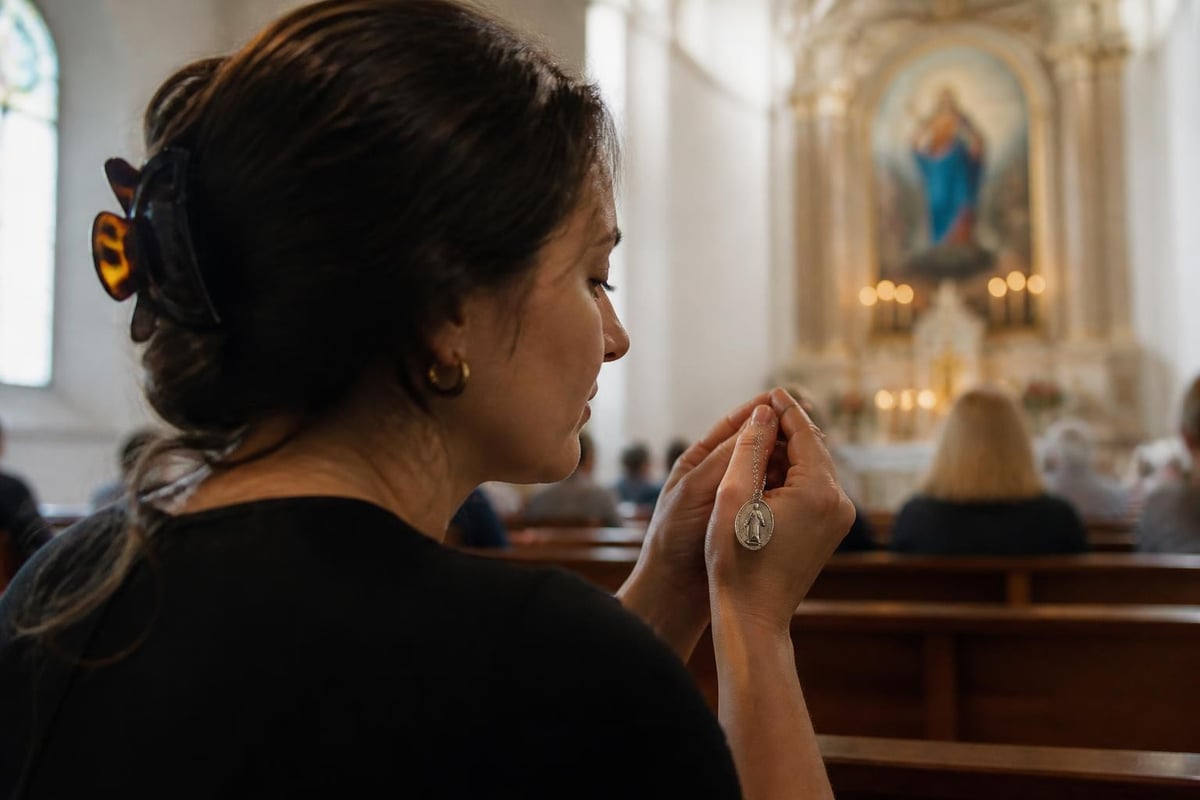
Popular Catholic Saint Medals and Their Meanings
Different medals honor specific saints and carry unique spiritual associations. Understanding the symbolism behind each medal enriches the devotional experience and helps believers connect with particular aspects of holiness.
The Miraculous Medal
Perhaps the most widely recognized of all catholic saint medals, the Miraculous Medal emerged from the 1830 apparitions of Our Lady to St. Catherine Labouré in Paris. This medal's history reveals how a simple vision transformed into one of the most beloved Marian devotions worldwide.
The medal's design carries profound symbolism:
| Side | Elements | Meaning |
|---|---|---|
| Obverse | Mary standing on globe, crushing serpent | Victory over evil, universal mediation |
| Obverse | Rays from Mary's hands | Graces flowing to those who ask |
| Reverse | Letter M with cross | Mary united with Christ's sacrifice |
| Reverse | Two hearts | Sacred Heart of Jesus, Immaculate Heart of Mary |
The St. Benedict Medal
This powerful medal dates to the eleventh century and contains Latin inscriptions invoking protection against evil. The St. Benedict medal has become especially popular among those seeking spiritual protection and deliverance from temptation.
The medal features detailed abbreviations that form prayers:
- C.S.P.B. (Crux Sancti Patris Benedicti): The Cross of our Holy Father Benedict
- V.R.S. (Vade Retro Satana): Begone Satan
- N.S.M.V. (Non Suade Mihi Vana): Do not suggest vain things to me
- S.M.Q.L. (Sunt Mala Quae Libas): What you offer is evil
St. Christopher Medal
Travelers have carried St. Christopher medals for generations, invoking the patronage of the legendary figure who carried Christ across a river. While the historical existence of St. Christopher remains debated, the devotion represents trust in divine protection during journeys.
Modern catholic saint medals of St. Christopher often depict him carrying the Christ child across water, symbolizing both physical and spiritual journeys. Many families place these medals in vehicles or give them to loved ones embarking on travels.
How Catholic Saint Medals Strengthen Personal Devotion
Wearing or carrying catholic saint medals creates tangible connections to the invisible realities of faith. These physical objects serve as anchors during prayer and reminders of spiritual commitments throughout daily life.
Daily Reminders of Heavenly Friendship
Saints represent more than historical figures. They are living members of the Church Triumphant who intercede for us before God's throne. A medal worn close to the heart becomes a constant reminder of this friendship across the veil between heaven and earth.
When facing challenges, believers can:
- Touch their medal as a physical prayer gesture
- Recall the saint's life example and virtues
- Ask for specific intercession related to the saint's patronage
- Renew their commitment to follow Christ as the saint did
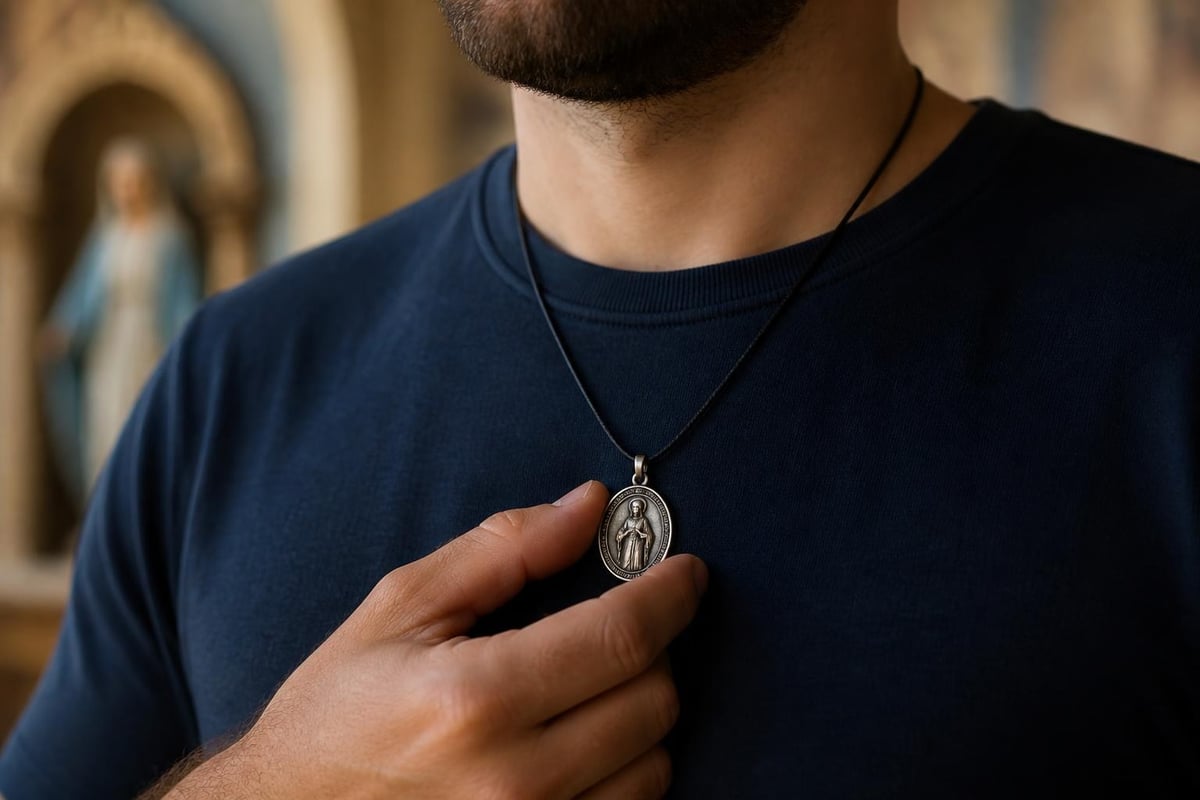
Building Devotional Relationships Through Study
Simply wearing a medal offers limited spiritual benefit without knowing the saint's story. Deepening one's understanding of a particular saint's life, struggles, and holiness transforms a medal from mere jewelry into a doorway to friendship.
Resources for learning about saints include:
- Traditional hagiographies that recount lives in inspiring detail
- Historical biographies that examine saints in their cultural context
- Liturgical readings from the saint's feast day
- Devotional literature like novenas and prayers specific to each saint
Many believers find that reading about saints like St. Anthony of Padua or St. Clare of Assisi deepens their appreciation for the medals they carry.
Blessing and Proper Use of Catholic Saint Medals
The Church recommends that catholic saint medals receive formal blessing before use. This blessing does not imbue the metal with magical properties but rather sets the object apart for sacred purpose and invokes God's blessing upon those who use it reverently.
The Blessing Ceremony
Priests can bless medals using approved liturgical formulas. The United States Conference of Catholic Bishops provides resources on sacramental catechesis that explain the proper understanding and use of blessed objects.
The blessing typically includes:
- Invocation of the Holy Trinity
- Prayer for the faithful who will use the medal
- Sprinkling with holy water
- Sign of the cross over the objects
Common Misconceptions to Avoid
Catholic saint medals are not good luck charms, magical talismans, or guarantees against harm. The Church explicitly teaches against superstitious use of sacramentals. Proper understanding includes:
What medals ARE:
- Signs of faith and devotion
- Reminders to pray and trust God
- Expressions of love for particular saints
- Means of seeking intercessory prayer
What medals are NOT:
- Protective magic independent of faith
- Automatic solutions to problems
- Substitutes for sacraments or moral living
- Objects that work mechanically without prayer
For those seeking catholic saint medals and related devotional items, collections like crucifixes, rosaries and medals offer various options for personal devotion and gift-giving.
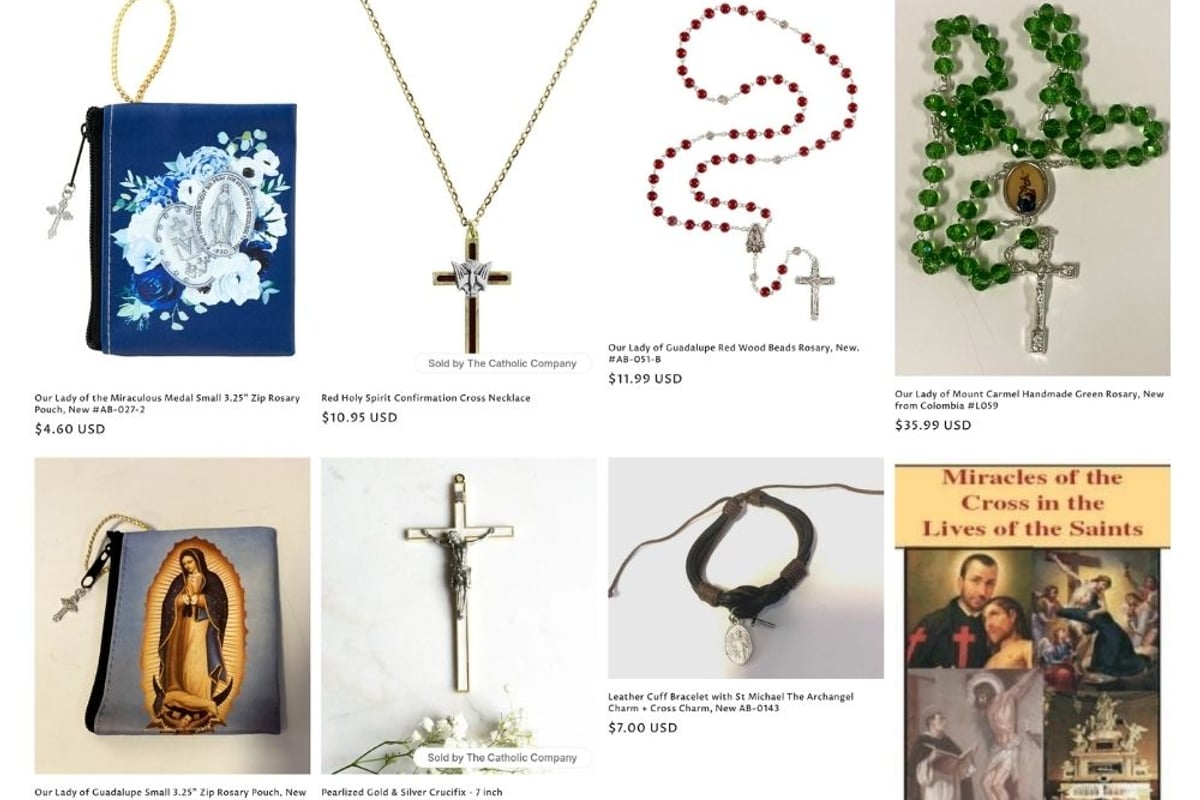
Choosing Catholic Saint Medals for Specific Intentions
The communion of saints includes patrons for virtually every human situation, profession, and need. Selecting appropriate catholic saint medals often depends on personal circumstances, devotional preferences, or particular intercessions being sought.
Patron Saints for Common Needs
Different saints have traditionally been invoked for specific intentions based on their life experiences or legendary associations:
| Need | Patron Saint | Medal Significance |
|---|---|---|
| Healing | St. Raphael, St. Peregrine | Medical intercession, cancer patients |
| Lost items | St. Anthony of Padua | Finding what is lost, physical or spiritual |
| Students | St. Thomas Aquinas, St. Joseph of Cupertino | Academic success, learning |
| Workers | St. Joseph | Laborers, employment, fathers |
| Hopeless cases | St. Jude Thaddeus | Desperate situations, final hope |
Personal Connection and Devotion
Beyond patronages, many Catholics choose medals based on personal connection. A medal might commemorate:
- Baptismal or confirmation names honoring one's patron saint
- Family traditions passed down through generations
- Conversion experiences tied to a particular saint's intercession
- Admiration for specific virtues exemplified in a saint's life
Catholic Saint Medals in Family and Sacramental Life
These sacramentals play important roles in marking significant moments and strengthening family spirituality. Parents often introduce children to the saints through medals given at baptisms, first communions, and confirmations.
Medals as Sacramental Gifts
Catholic saint medals make meaningful gifts for sacramental occasions because they connect the recipient to heavenly companions who can guide their spiritual journey. Traditional occasions include:
- Baptism: Guardian angel or patron saint medals
- First Communion: Eucharistic saints like St. Tarcisius
- Confirmation: Medal of chosen confirmation saint
- Marriage: St. Joseph and Mary medals for the couple
- Religious profession: Medals of order founders or relevant saints
Teaching Children Through Medals
Young Catholics often learn about the saints through the physical presence of medals in their lives. Parents and catechists can use these objects as teaching tools by:
- Telling age-appropriate stories of the saint's life
- Explaining the images and symbols on the medal
- Encouraging children to pray to their patron saint
- Creating family traditions around feast days
The Catholic Encyclopedia entry on devotional medals provides historical context for how these practices developed and spread throughout the Church.
Regional and Cultural Variations in Catholic Saint Medals
Different cultures and regions have developed unique relationships with particular saints, reflected in the popularity and design of their medals. Understanding these variations enriches appreciation for the universal yet diverse nature of Catholic devotion.
European Traditions
European Catholics maintain strong devotions to local saints whose relics and shrines dot the continent. Medals of St. Benedict remain especially popular in German-speaking regions, while Spanish Catholics often wear medals of St. James (Santiago) or St. Teresa of Ávila.
Italian devotion includes:
- St. Anthony of Padua for finding lost items and safe travel
- St. Francis of Assisi for peace and care of creation
- St. Rita of Cascia for impossible cases and difficult marriages
Latin American Expressions
Latin American Catholicism features vibrant devotion to saints, often blending indigenous and European traditions. Popular medals include Our Lady of Guadalupe, St. Juan Diego, and St. Martin de Porres, reflecting the region's unique spiritual heritage.
North American Practices
In the United States and Canada, catholic saint medals often reflect immigrant heritage, with Irish Catholics honoring St. Patrick, Polish Catholics venerating St. Stanislaus, and Italian communities maintaining devotion to St. Anthony and the Madonna.
Contemporary North American Catholics increasingly discover saints from diverse backgrounds, seeking medals of St. Kateri Tekakwitha (first Native American saint), St. Katharine Drexel, or St. Junipero Serra.
Caring for and Respecting Catholic Saint Medals
As blessed sacramentals, catholic saint medals deserve respectful treatment. While not worship objects themselves, they represent sacred realities and should be handled with appropriate reverence.
Proper Handling and Storage
When not being worn, medals should be kept in appropriate places:
- Home prayer spaces alongside scripture, crucifix, and candles
- Clean, dedicated drawers separate from ordinary jewelry
- Prayer books or missals as bookmarks and reminders
- Gift boxes when preparing them for others
Avoid placing blessed medals:
- On the floor or ground
- In bathrooms or other inappropriate locations
- Mixed carelessly with costume jewelry
- In circumstances that show disrespect
What to Do With Damaged Medals
Blessed objects that become broken or badly worn should not be simply discarded in regular trash. The Church recommends:
- Burial in the ground, preferably in a church garden or Catholic cemetery
- Burning and burying the ashes (for metal medals, this may not be practical)
- Return to church where sacristans can dispose of them properly
- Respectful disposal in flowing water as a last resort
These practices acknowledge the blessed nature of the objects while recognizing that the blessing resided in the use rather than the material itself.
The Spiritual Dimension of Wearing Catholic Saint Medals
Beyond the physical act of carrying or wearing these sacramentals, the spiritual benefits emerge through faith, prayer, and proper understanding. Catholic saint medals function most powerfully when integrated into broader devotional life.
Integration with Prayer Life
Medals work best alongside, not instead of, regular prayer. Effective integration includes:
- Morning offering touching the medal while consecrating the day
- Examination of conscience using the saint's virtues as a mirror
- Intercessory prayer asking the saint's help for specific needs
- Gratitude thanking the saint for answered prayers
Medals and the Liturgical Year
The Church's liturgical calendar provides natural opportunities to deepen devotion to saints whose medals we wear. On a saint's feast day, believers can:
- Attend Mass in honor of the saint
- Read the Office of Readings for biographical details
- Pray the saint's litany or novena
- Share the saint's story with family members
- Perform acts of charity reflecting the saint's charisms
Exploring resources from Journeys of Faith can provide additional context about the lives of the saints we honor through our medals, deepening our understanding of their witness and strengthening our devotional relationships with these heavenly friends.
Catholic saint medals offer believers tangible connections to the communion of saints and powerful reminders of God's grace working through holy lives throughout history. Whether you're deepening your devotion to a particular saint, seeking intercessory prayer for specific needs, or introducing your family to the riches of Catholic tradition, these blessed sacramentals serve as companions on the spiritual journey.
Additional Resources:
- Explore the Journeys of Faith online store with thousands of Catholic items at https://journeysoffaith.com/collections
- Journeys of Faith is blessed to provide Catholic media, including podcasts and inspirational content, free of charge across multiple media platforms for viewers and listeners around the world. While access to this content remains free, there are significant and continually increasing costs associated with producing, hosting, and distributing these programs. Your support helps us continue sharing the beauty of the Catholic faith with souls. Please make a donation at https://journeysoffaith.com/pages/donate
For more inspiration about living the faith and learning from the saints, visit Journeys of Faith, where Bob and Penny Lord's legacy of evangelization continues through books, media, and resources that bring the stories of saints and the treasures of Catholic tradition to life for believers seeking to grow closer to Christ.
