

Catholic saint statues have served as powerful visual expressions of faith for centuries, bridging the earthly and divine through sacred art. These sculptural representations stand as more than decorative elements within churches and homes; they function as tangible reminders of the saints' holiness and their continued intercession for believers. From the grand marble sculptures adorning European cathedrals to the modest plaster figures in family prayer corners, catholic saint statues inspire devotion and contemplation across generations of the faithful.
The Sacred Purpose of Catholic Saint Statues
The presence of catholic saint statues in churches and Catholic homes reflects a deeply rooted tradition that extends back to the earliest centuries of Christianity. These sacred images serve multiple spiritual functions that enhance the prayer life of believers and strengthen their connection to the communion of saints.
Veneration Versus Worship
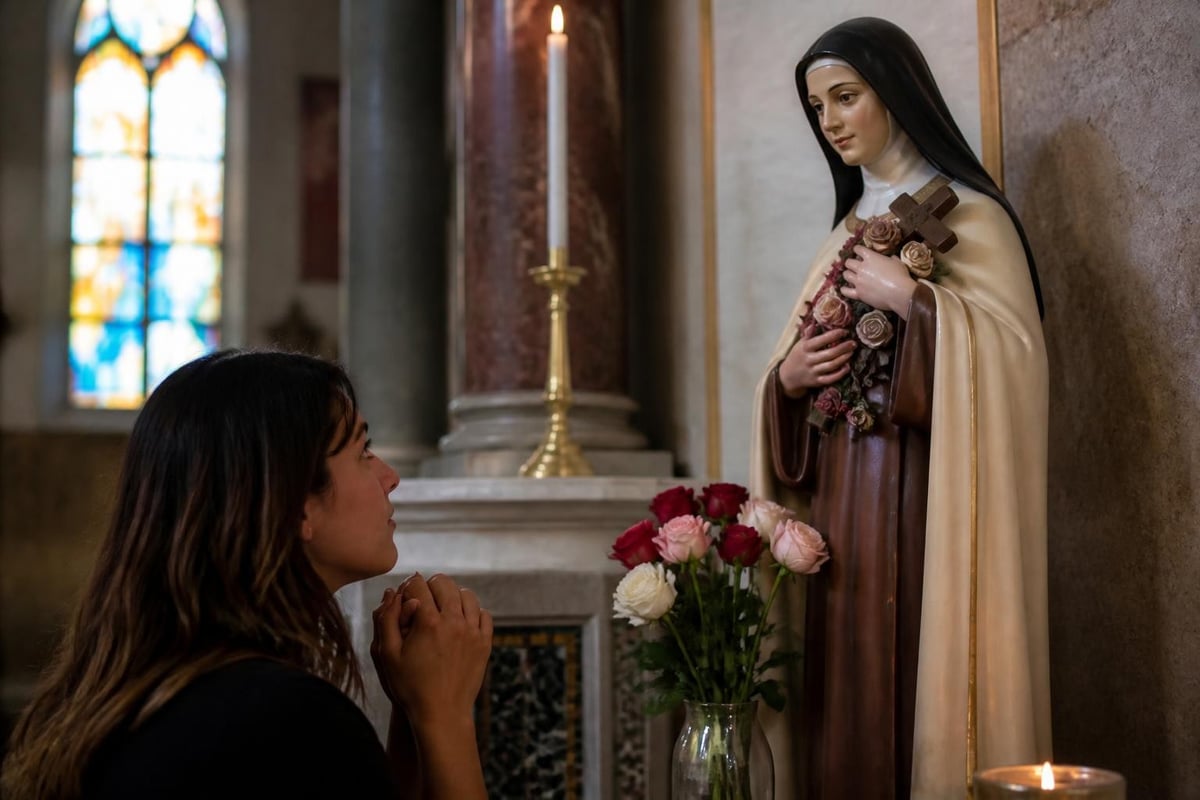
A common misconception requires immediate clarification: Catholics do not worship statues. The distinction between veneration and worship remains fundamental to understanding Catholic practice. Worship, known as latria, belongs exclusively to God. Veneration, or dulia, represents the honor and respect shown to the saints as holy friends of God who can intercede on our behalf.
When Catholics pray before a statue, they direct their prayers through the saint to God, not to the statue itself. The physical representation serves as a visual aid, much like a photograph of a loved one helps us remember them during their absence.
Biblical and Historical Foundations
The use of sacred images finds support in Scripture itself. God commanded Moses to create images of angels for the Ark of the Covenant (Exodus 25:18-20), and Solomon's temple featured numerous carved figures (1 Kings 6:23-35). These biblical precedents demonstrate that God does not prohibit all religious imagery, but rather idolatry-the worship of created things instead of the Creator.
Early Christians adorned catacombs with paintings and carvings depicting saints and biblical scenes. This practice evolved through the centuries, culminating in the magnificent sculptural programs of medieval and Renaissance churches.
Materials and Craftsmanship in Sacred Sculpture
The creation of catholic saint statues involves specialized artistic knowledge, spiritual sensitivity, and technical mastery. Contemporary artisans and restoration experts continue traditions that span millennia while incorporating modern conservation techniques.
Traditional Materials
| Material | Characteristics | Common Uses | Longevity |
|---|---|---|---|
| Marble | Durable, elegant, expensive | Cathedral sculptures, outdoor monuments | Centuries with proper care |
| Wood | Versatile, traditional, warm appearance | Church interiors, processional figures | Decades to centuries |
| Plaster | Affordable, detailed, fragile | Home devotions, smaller churches | 20-50 years |
| Bronze | Weather-resistant, prestigious | Outdoor statues, memorial pieces | Indefinite |
| Resin/Composite | Modern, affordable, durable | Contemporary production, reproductions | 50+ years |
Different materials suit different purposes and environments. Marble and bronze withstand outdoor exposure, making them ideal for church facades and garden grottos. Wood and plaster serve beautifully in climate-controlled interiors where their delicate details can be preserved.
The Art of Restoration
Restoring damaged or vandalized statues requires both artistic skill and reverence for sacred objects. Restoration specialists must balance historical authenticity with structural integrity, often working on pieces centuries old.
Brought to you by Journeys of Faith, founded by Bob and Penny Lord. We are an Augustinian Secular Institute and Cyber Apostles. Our mission is evangelization through media.
Specialized studios like those featured in art conservation programs employ techniques including:
- Structural stabilization of cracked or broken elements
- Surface cleaning using pH-neutral solutions
- Pigment analysis and color matching for repainting
- Documentation of original features before intervention
- Climate control recommendations for long-term preservation
The Milan Cathedral's innovative "Adopt a Statue" program demonstrates how communities can participate in preserving their sacred heritage. Donors fund the restoration of specific statues, creating personal connections between the faithful and these artistic treasures.
Popular Saints and Their Iconographic Representations
Catholic saint statues follow established iconographic traditions that help believers identify specific saints through visual symbols and attributes. Understanding these conventions enriches appreciation of sacred art.
Recognizing Saints by Their Attributes
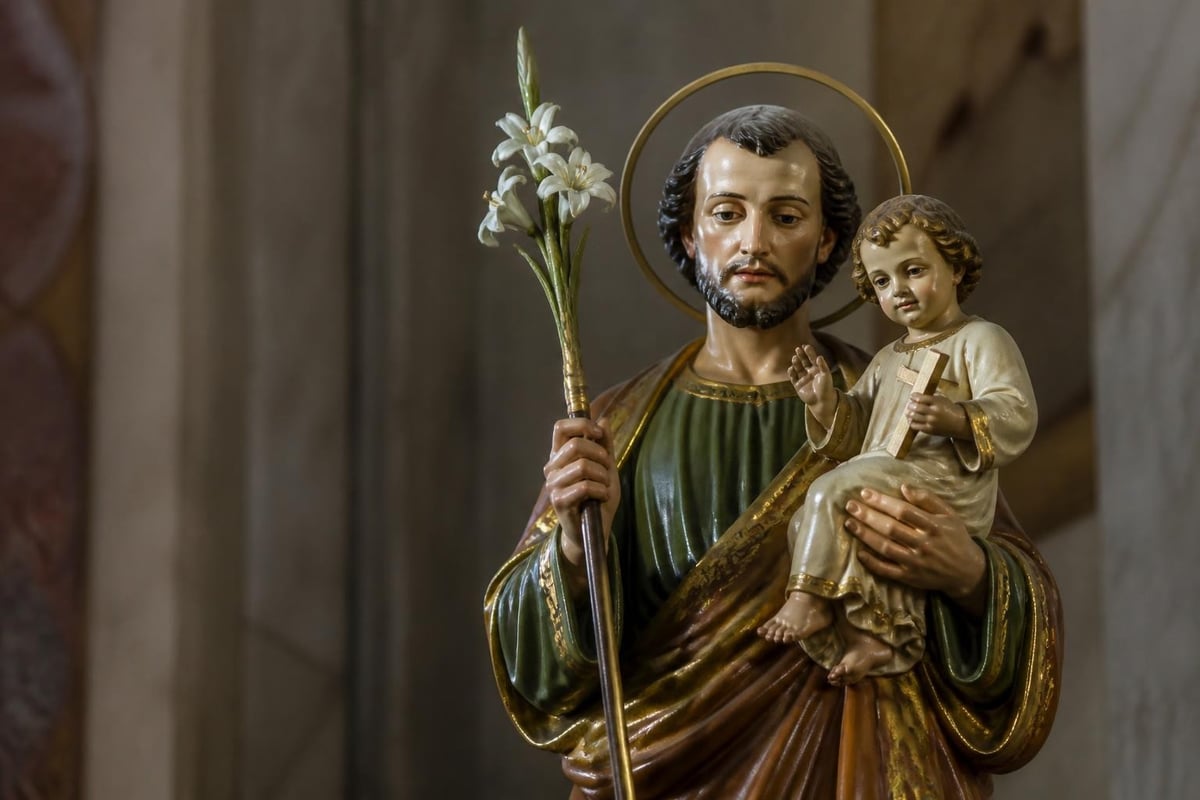
Saint Joseph typically appears as a mature man holding a carpenter's square or lily, often with the Child Jesus. His humble dignity reflects his role as foster father and protector.
Saint Francis of Assisi wears the brown Franciscan habit, frequently depicted with birds, wolves, or the stigmata wounds. Some statues show him holding a crucifix or skull, symbols of meditation on Christ's passion.
Saint Anthony of Padua holds the Infant Jesus and a book, representing his powerful preaching and his vision of the Christ Child. He's among the most popular saints for statuary in homes and churches.
Marian Statues
Statues of the Blessed Virgin Mary constitute a special category within catholic saint statues. Various titles and apparitions inspire distinct representations:
- Our Lady of Grace: Arms extended with rays of light emanating from her hands
- Our Lady of Lourdes: White and blue robes, hands joined in prayer, yellow roses at her feet
- Our Lady of Fatima: Crown, white robes, heart visible on chest
- Our Lady of Guadalupe: Rose-colored robe, starry mantle, standing on crescent moon
Each Marian statue tells a specific story of heavenly intervention and maternal care for God's people.
Placement and Devotional Practices
The location and use of catholic saint statues significantly impact their devotional effectiveness. Thoughtful placement creates sacred spaces that invite prayer and contemplation.
Church Settings
Within church architecture, statues occupy strategic positions that support liturgical life and private devotion:
- Main altar areas: Christ and patron saints receive prominent placement
- Side chapels: Individual saints with dedicated devotional spaces
- Entrance niches: Guardian figures welcoming the faithful
- Outdoor grottos: Weatherproof statues creating prayer gardens
- Processional routes: Stations of the Cross and seasonal displays
Notre-Dame Cathedral's statues, including Saint Joan of Arc and Saint Thérèse of Lisieux, exemplify how sacred sculpture enhances cathedral worship spaces while honoring French spiritual heritage.
Home Devotions
Catholic families incorporate statues into domestic spirituality through various practices. A prayer corner or home altar might feature:
- A central crucifix flanked by statues of Mary and Joseph
- Patron saints relevant to family members' names or vocations
- Regional devotions reflecting cultural heritage
- Seasonal rotations highlighting liturgical celebrations
Many families position statues where they naturally gather for prayer-dining rooms, bedrooms, or dedicated prayer spaces. The physical presence of these images creates visual anchors for family devotions and individual meditation.
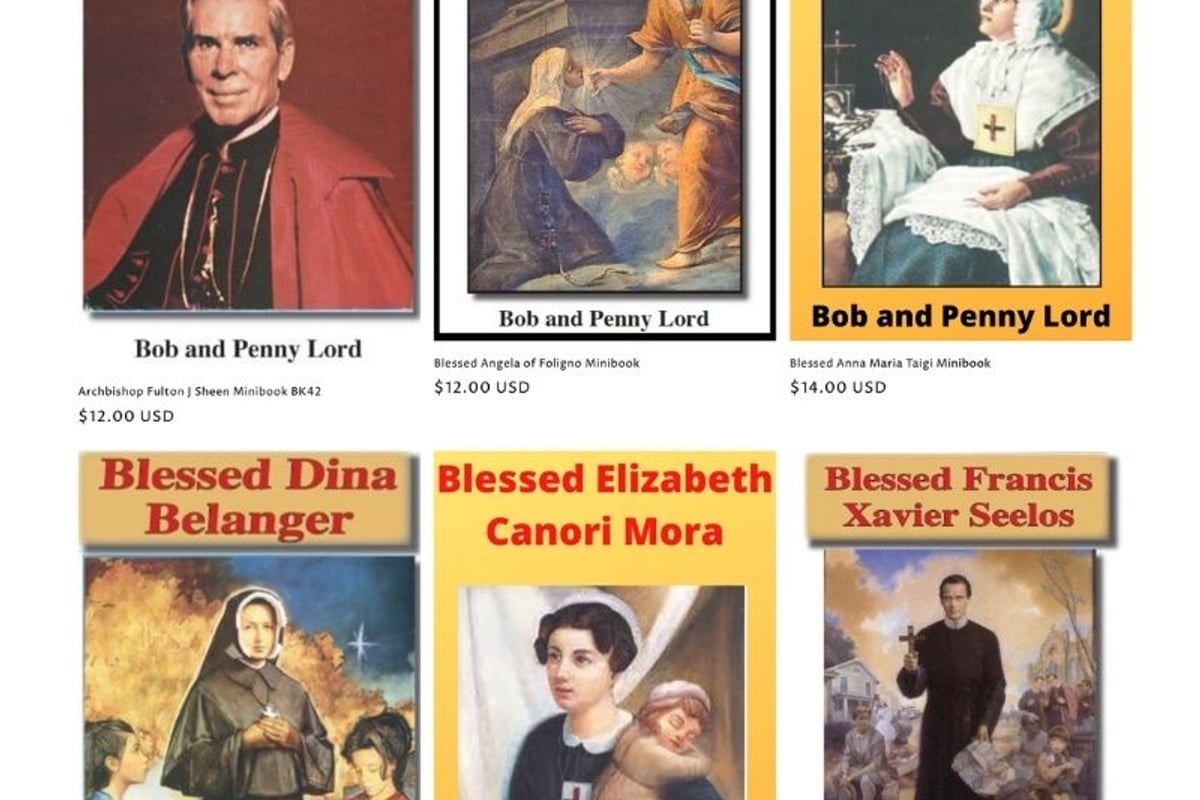
For those seeking to deepen their knowledge of the saints, Catholic Saints minibooks provide accessible companions to saint statues, offering historical context and spiritual insights into the lives of these holy men and women.
Contemporary Challenges and Opportunities
Modern catholic saint statues face both threats and renewed appreciation in 2026. Understanding current trends helps the faithful engage meaningfully with this sacred art form.
Vandalism and Protection
Unfortunately, deliberate damage to religious statues has increased in recent years. Churches and communities respond through:
- Enhanced security systems and lighting
- Community watch programs involving parishioners
- Quick restoration responses that deny vandals lasting impact
- Educational outreach explaining statues' cultural and spiritual significance
Despite these challenges, faith communities demonstrate resilience in protecting and restoring their sacred art.
Artistic Revival
Simultaneously, a renaissance in sacred art brings new energy to statue creation and restoration. Contemporary Catholic artists blend traditional iconography with fresh artistic vision, producing statues that speak to modern sensibilities while honoring centuries of tradition.
Workshops and studios like Indweller Artistic specialize in creating new pieces and restoring damaged statues for churches and institutions. Their work demonstrates how craftsmanship and faith intersect in service of evangelization through beauty.
Caring for Catholic Saint Statues
Proper maintenance ensures that catholic saint statues remain beautiful and structurally sound for generations. Whether caring for a centuries-old marble sculpture or a recent plaster statue, certain principles apply universally.
Regular Maintenance Tasks
For Indoor Statues:
- Dust weekly with soft, dry cloths or feather dusters
- Avoid harsh chemicals or abrasive cleaners
- Maintain stable humidity levels (45-55% ideal)
- Keep away from direct sunlight to prevent fading
- Check annually for cracks, chips, or paint deterioration
For Outdoor Statues:
- Inspect seasonally for weather damage
- Remove debris, leaves, and bird droppings promptly
- Apply protective coatings as recommended for specific materials
- Ensure proper drainage around bases to prevent water damage
- Consider winter protection in harsh climates
When to Seek Professional Help
Certain situations require expert intervention rather than home remedies. Consult professional conservators for:
- Structural cracks or instability
- Significant paint loss or flaking
- Water damage or mold growth
- Historical or artistically significant pieces
- Insurance-related documentation needs
Organizations like Sacred Statues showcase before-and-after restoration work, illustrating what professional care can accomplish in returning damaged statues to their original beauty.
Selecting Catholic Saint Statues for Meaningful Devotion
Choosing statues for personal or parish use involves both practical and spiritual considerations. The right statue enhances prayer life and creates lasting connections with the communion of saints.
Factors to Consider
| Factor | Considerations | Impact on Selection |
|---|---|---|
| Size | Available space, visibility, proportionality | Determines placement options and visual impact |
| Material | Indoor/outdoor use, budget, maintenance capacity | Affects longevity and care requirements |
| Saint | Personal devotion, patronage, family heritage | Influences spiritual connection and prayer focus |
| Artistic Style | Traditional vs. contemporary, realism vs. stylization | Shapes aesthetic integration with existing décor |
| Budget | Initial cost, long-term value, restoration needs | Determines quality and material options |
Quality Indicators
Discerning quality in catholic saint statues protects against disappointment and ensures lasting value:
- Proportional accuracy: Features should reflect human anatomy naturally
- Detailed iconography: Attributes and symbols should be clearly recognizable
- Finish quality: Paint application or surface treatment should appear professional
- Structural integrity: No cracks, chips, or weak points in construction
- Documentation: Reputable makers provide information about materials and origin
The saints themselves offer guidance in this selection process through prayer. Asking a particular saint for intercession in finding their representation often yields surprising results.
Educational Value and Catechetical Applications
Catholic saint statues serve powerful teaching functions, especially for visual learners and children. Religious education programs effectively incorporate statues to bring Church history alive.
Teaching Through Visual Aids
Statues help catechists illustrate important concepts:
- The Communion of Saints: Physical representations make this mystical reality concrete
- Virtues in Action: Saints' lives demonstrate holiness in diverse circumstances
- Church History: Statues connect learners with different eras and cultures
- Intercessory Prayer: Visual focus assists in directing prayers through the saints
- Cultural Diversity: Saints from various nations show Catholicism's universal reach
Many Catholic families and educators discover valuable resources through Journeys of Faith, which provides media and materials that complement visual learning through statues. Their extensive collection of books, videos, and educational resources helps believers grow in knowledge and love of the saints.
Children and Saint Statues
Young Catholics often form their earliest spiritual impressions through interaction with statues. Parents and teachers can foster healthy devotion by:
- Telling stories about the saints represented
- Explaining symbols and attributes children observe
- Encouraging respectful handling and care
- Modeling appropriate veneration practices
- Creating positive associations through gentle guidance
These early experiences with catholic saint statues frequently blossom into lifelong devotional relationships that sustain faith through all seasons.
Global Traditions and Regional Variations
Catholic saint statues reflect remarkable cultural diversity while maintaining theological unity. Different regions have developed distinct styles and devotional customs around sacred sculpture.
European Classical Tradition
Italian, Spanish, and French churches showcase elaborate baroque and renaissance statues characterized by:
- Dramatic poses and emotional expression
- Rich polychrome painting and gilding
- Life-sized or larger-than-life scale
- Integration with architectural elements
- Processional figures for feast day celebrations
These European masterpieces set standards that influenced Catholic art worldwide, though local traditions always added unique flavors.
Latin American Folk Art
Mexican, Central American, and South American statuary often features:
- Vibrant colors and decorative elaboration
- Integration of indigenous artistic elements
- Emphasis on Our Lady of Guadalupe and regional apparitions
- Use of local materials like carved wood
- Strong connection to popular religiosity and festivals
Asian Adaptations
Catholic communities in the Philippines, Vietnam, and other Asian nations create statues reflecting their cultural contexts:
- Facial features and clothing adapted to local populations
- Incorporation of traditional artistic techniques
- Emphasis on saints particularly relevant to mission history
- Balance between European traditions and indigenous expression
This global diversity demonstrates how catholic saint statues successfully inculturation while maintaining Catholic identity and teaching.
Catholic saint statues connect believers across time and space with the communion of saints, offering tangible focal points for prayer, veneration, and spiritual growth. Whether you're seeking to deepen your devotional life, restore cherished sacred art, or educate the next generation in Catholic tradition, these sacred images provide powerful means of encountering holiness. Journeys of Faith supports your spiritual journey through extensive resources including books, videos, and religious items that complement and deepen understanding of the saints. Explore their online store with thousands of Catholic items at https://journeysoffaith.com/collections, and consider supporting their mission of evangelization through media with a donation at https://journeysoffaith.com/pages/donate, helping them continue providing free Catholic content to souls worldwide.
