

The celtic cross catholic tradition represents one of the most distinctive and recognizable symbols in Christian heritage, blending ancient Celtic artistry with profound theological meaning. Standing tall across Ireland, Scotland, and Wales, these majestic stone monuments serve as enduring testaments to faith, combining the traditional Latin cross with a distinctive circular ring. For Catholics worldwide, the celtic cross catholic heritage offers a unique window into how the Gospel message was embraced and expressed through indigenous cultural forms, creating a powerful symbol that continues to inspire devotion and reverence in 2026.
Origins and Historical Development of the Celtic Cross Catholic Symbol
The celtic cross catholic symbol emerged during the early medieval period when Christianity spread throughout the Celtic regions of Ireland, Scotland, Wales, and parts of Britain. While the exact origins remain debated among historians, most scholars place the development of this distinctive cross design between the 5th and 9th centuries AD.
Saint Patrick and Early Christian Missionaries
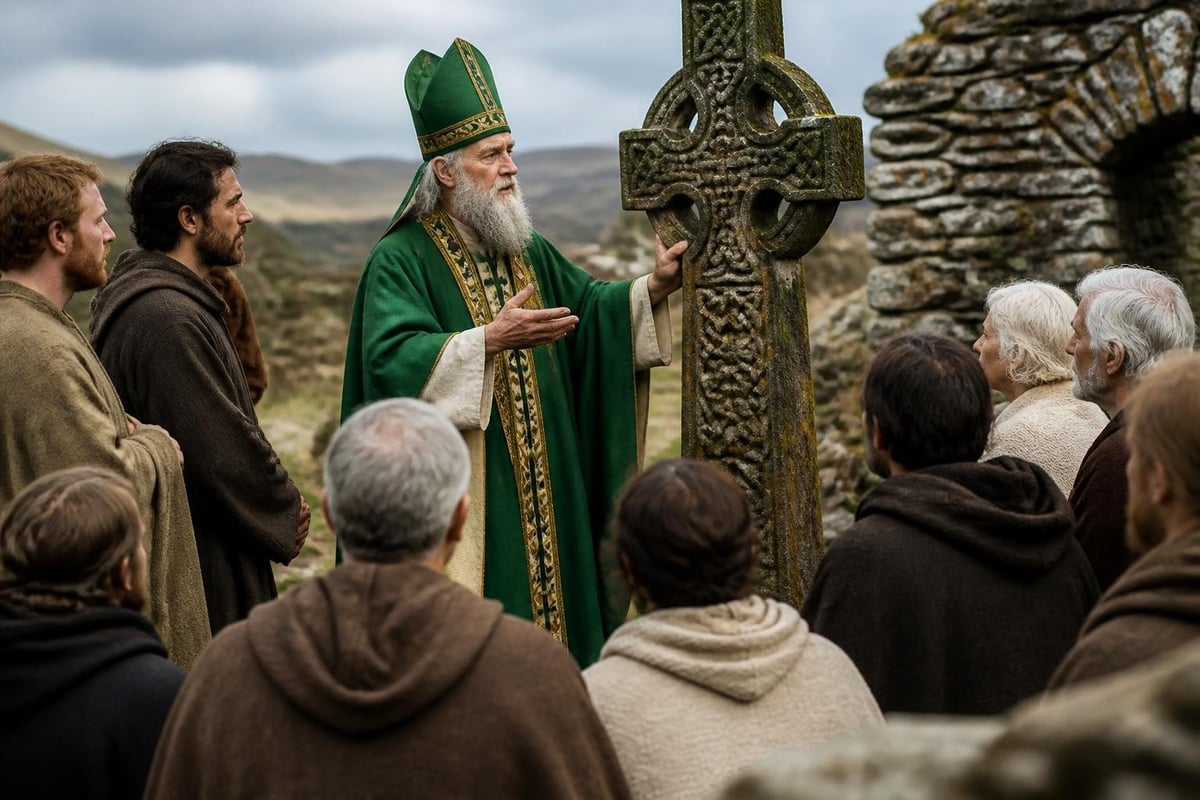
Traditional accounts attribute the creation of the celtic cross catholic design to Saint Patrick, Ireland's patron saint, who arrived in Ireland around 432 AD. According to legend, Patrick combined the Christian cross with the circular symbol representing the sun, which held significant meaning in Celtic pagan worship. This strategic blending helped ease the transition for Celtic peoples from their traditional beliefs to Christianity.
The missionaries who followed Patrick continued this approach, creating sacred art and symbols that honored both the new Christian faith and the existing cultural heritage. This missionary strategy proved remarkably effective in establishing Christianity throughout the Celtic lands.
Archaeological Evidence and Stone Monuments
Physical evidence of high crosses appears throughout Ireland and Scotland, with some of the most impressive examples dating to the 8th and 9th centuries. These monumental crosses served multiple purposes:
- Marking sacred spaces and territorial boundaries
- Teaching biblical narratives through carved scenes
- Commemorating significant events or individuals
- Serving as gathering places for prayer and worship
- Demonstrating religious devotion and community faith
Brought to you by Journeys of Faith. Founded by Bob and Penny Lord, we are an Augustinian Secular Institute-Cyber Apostles. Our mission is evangelization through media.
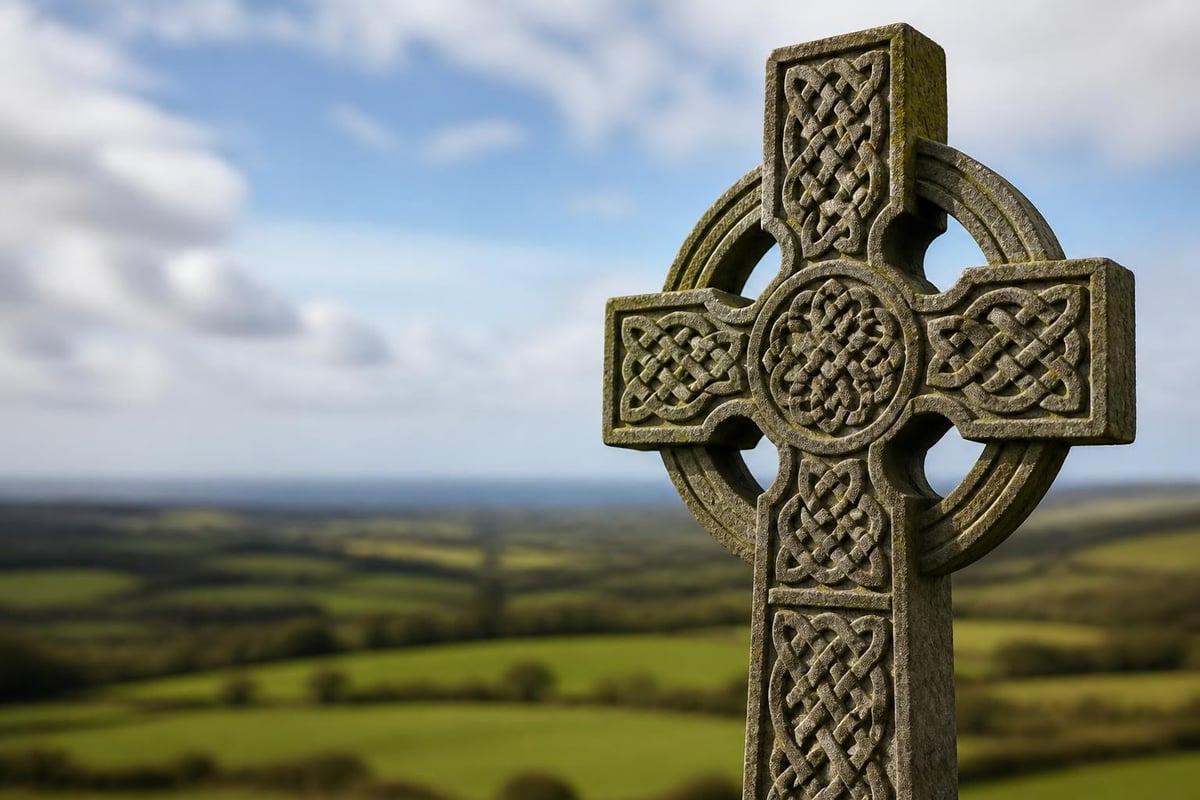
The craftsmanship evident in these ancient celtic cross catholic monuments reveals sophisticated theological understanding. Intricate knotwork patterns, biblical scenes, and inscriptions demonstrate how Celtic artisans transformed stone into profound expressions of faith.
Theological Symbolism and Catholic Meaning
The celtic cross catholic design incorporates rich layers of theological symbolism that resonate deeply with Catholic doctrine and spirituality. Each element of the cross carries specific meaning, creating a comprehensive visual theology.
The Circle: Eternity and Divine Love
The distinctive circular ring that surrounds the intersection of the cross arms represents several interconnected theological concepts:
| Symbolic Meaning | Catholic Interpretation |
|---|---|
| Eternal Life | God's promise of resurrection and immortality |
| Divine Love | The infinite, boundless nature of God's love |
| Unity | The wholeness and completeness of God |
| Halo | Christ's divinity and holiness |
| Creation | The cosmos and God's ongoing creative power |
This circular element distinguishes the celtic cross catholic symbol from other cross variations, emphasizing the eternal nature of God's covenant with humanity. The cross as a religious symbol has taken many forms throughout Christian history, but the Celtic version uniquely emphasizes perpetual divine presence.
The Cross Arms: Redemption and Sacrifice
The four arms of the cross within the celtic cross catholic design point to the cardinal directions, symbolizing Christ's universal mission to all peoples and nations. These arms represent:
- Christ's sacrifice on Calvary for human redemption
- The four Gospels spreading throughout the world
- Divine reach extending to all corners of creation
- Intersection of divine and human nature in Christ
Intricate Knotwork and Patterns
Many celtic cross catholic monuments feature elaborate interlacing patterns known as Celtic knots. These continuous, unbroken designs symbolize the eternal nature of God's love and the interconnectedness of all creation. The complexity of these patterns reflects the mystery and depth of Catholic faith, inviting contemplation and meditation.
Regional Variations and Cultural Expressions
The celtic cross catholic tradition manifested differently across various Celtic regions, each adding distinctive cultural elements while maintaining core theological principles.
Irish High Crosses
Ireland boasts the most extensive collection of ancient celtic cross catholic monuments. Notable examples include:
- Cross of the Scriptures at Clonmacnoise - Features detailed biblical scenes
- Muiredach's High Cross at Monasterboice - Displays exceptional craftsmanship
- The Cross of Patrick and Columba at Kells - Showcases intricate geometric patterns
- Ahenny High Crosses - Demonstrates early design development
- Durrow High Cross - Exhibits classic proportions and symbolism
These Irish Celtic crosses served as outdoor teaching tools when few people could read, using carved images to communicate biblical stories and Catholic doctrine.
Scottish and Welsh Traditions
Scottish celtic cross catholic designs often feature different proportions and carving styles. The standing stones of Iona and other Scottish islands demonstrate unique artistic interpretations. Welsh crosses incorporate distinctive local elements while maintaining connection to broader Celtic Christian heritage.
The diversity across regions shows how the celtic cross catholic symbol adapted to local artistic traditions while preserving universal Christian meaning. This flexibility helped the symbol remain relevant across centuries and cultures.
The Celtic Cross in Contemporary Catholic Practice
In 2026, the celtic cross catholic symbol continues to hold profound significance for Catholics worldwide, extending far beyond its historical Celtic origins.
Personal Devotional Use
Modern Catholics incorporate celtic cross catholic imagery into personal spiritual practices through:
- Jewelry and wearable crosses as faith testimonies
- Home altar decorations creating sacred spaces
- Prayer cards and bookmarks supporting daily devotion
- Rosary centerpieces connecting prayer to heritage
- Memorial markers honoring deceased loved ones
Many Catholics find that the celtic cross catholic design helps them connect with the historical depth of their faith while expressing personal devotion in culturally meaningful ways. The symbolism resonates across generations, bridging ancient tradition with contemporary spirituality.
Liturgical and Parish Applications
Catholic churches and institutions worldwide utilize celtic cross catholic imagery in various liturgical contexts:
| Application | Purpose |
|---|---|
| Processional Crosses | Leading worship processions |
| Altar Decorations | Focusing attention during Mass |
| Stained Glass Windows | Teaching through sacred art |
| Church Architecture | Expressing Catholic identity |
| Cemetery Monuments | Marking sacred burial grounds |
The enduring appeal of the celtic cross catholic tradition reflects its ability to communicate timeless theological truths through beautiful, accessible visual language. Catholic parishes often choose Celtic cross designs when commissioning new sacred art or renovating worship spaces.
Educational and Catechetical Resources
Understanding the celtic cross catholic heritage enriches faith formation for Catholics of all ages. Educational programs explore how early missionaries contextualized the Gospel message within Celtic culture, offering valuable lessons for contemporary evangelization efforts.
The lives of male saints who served as pillars of faith during the Celtic Christian period provide inspiring examples of holy living. Studying these saints alongside the celtic cross catholic tradition creates a comprehensive understanding of how faith took root in challenging circumstances.
Catholic families and educators can use the celtic cross catholic symbol to discuss important theological concepts with children and youth. The visual nature of the symbol makes abstract doctrines more concrete and memorable.
Spiritual Dimensions and Mystical Interpretations
The celtic cross catholic tradition connects to broader themes of Catholic mysticism and contemplative spirituality that have flourished throughout Church history.
Celtic Christian Spirituality
Celtic Christianity developed distinctive spiritual characteristics that complemented universal Catholic teaching:
- Deep connection to creation as God's revelation
- Emphasis on the Trinity in daily life and prayer
- Integration of faith with ordinary activities
- Appreciation for sacred places and thin spaces
- Communal living centered on monastic communities
These spiritual themes find expression in the celtic cross catholic design itself. The interweaving patterns suggest the integration of all life aspects under God's sovereignty. The circle's embrace of the cross arms illustrates how divine love encompasses human suffering and triumph.
Contemplative Prayer and Meditation
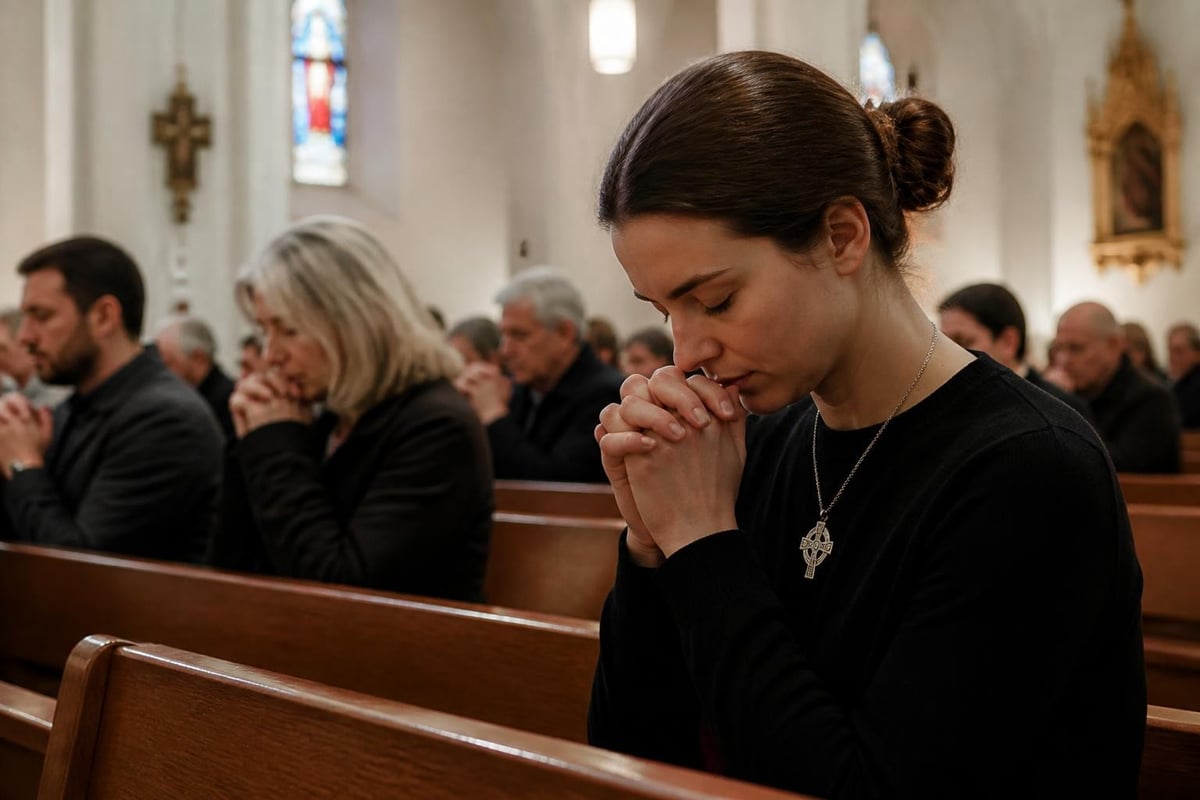
Many Catholics use the celtic cross catholic symbol as a focus for contemplative prayer. Tracing the continuous knotwork patterns with eyes or fingers can facilitate meditative states, quieting the mind to receive God's presence. This practice aligns with ancient traditions of using visual aids to deepen prayer.
The four arms of the cross provide natural stations for meditative reflection, inviting prayer for the four corners of the earth, the four seasons, or personal intentions organized by life areas. This structured yet flexible approach helps maintain focus during extended prayer periods.
Artistic Craftsmanship and Sacred Making
Creating celtic cross catholic art involves both technical skill and spiritual intention, transforming raw materials into vessels of grace and beauty.
Traditional Stone Carving Techniques
Ancient Celtic artisans developed sophisticated methods for carving intricate designs into hard stone. These techniques required:
- Careful stone selection for durability and workability
- Precise measurement and layout ensuring balanced proportions
- Patient carving of detailed patterns and images
- Protection against weather through design considerations
- Integration of inscriptions in Latin or Celtic languages
Modern craftspeople continue these traditions, creating new celtic cross catholic monuments that honor historical methods while incorporating contemporary tools. The act of creating sacred art becomes itself a form of prayer and service.
Metalwork and Jewelry Design
Celtic cross catholic jewelry has become increasingly popular among faithful Catholics seeking meaningful symbols of their faith. Skilled metalworkers craft crosses in various materials:
| Material | Characteristics | Symbolism |
|---|---|---|
| Gold | Precious, lasting | Divine glory and majesty |
| Silver | Pure, reflective | Purity and truth |
| Bronze | Durable, ancient | Historical continuity |
| Wood | Natural, humble | Connection to creation |
| Stone | Solid, enduring | Foundation of faith |
These portable expressions of the celtic cross catholic tradition allow individuals to carry their faith symbolically throughout daily activities, serving as conversation starters and witnesses to belief.
Theological Connections to Catholic Doctrine
The celtic cross catholic symbol embodies several core Catholic theological principles, making it a rich source for doctrinal reflection and teaching.
The Paschal Mystery
Central to Catholic faith is the Paschal Mystery-Christ's passion, death, and resurrection. The celtic cross catholic design emphasizes this mystery through its very structure. The vertical beam represents Christ's descent from heaven and ascent to the Father, while the horizontal beam symbolizes his arms stretched out to embrace all humanity.
The circle surrounding this intersection points to the eternal dimension of Christ's sacrifice, which transcends time and continually offers salvation to every generation. This visual theology helps Catholics grasp the timeless nature of redemption.
Ecclesiology and Universal Church
The four arms extending to cardinal directions in the celtic cross catholic design beautifully illustrate Catholic ecclesiology-the understanding of the Church as universal and missionary. Just as Celtic missionaries carried the Gospel to remote regions, the Church continues its mission to all nations.
This missionary dimension connects to how mystics in the Catholic Church received divine inspiration to spread faith through their unique charisms and callings. The celtic cross catholic heritage demonstrates how cultural adaptation serves evangelization without compromising doctrinal integrity.
Sacramental Theology
Catholic sacramental theology teaches that visible signs communicate invisible grace. The celtic cross catholic symbol functions sacramentally in this broad sense, pointing beyond itself to divine realities. While not a sacrament proper, it serves as a sacramental-a sacred sign that prepares hearts for grace.
When Catholics venerate the celtic cross catholic image, they direct their devotion not to the physical object but to the sacred mysteries it represents. This proper understanding of religious imagery has been consistently taught throughout Catholic tradition.
Preserving and Promoting Celtic Cross Catholic Heritage
In 2026, efforts to preserve ancient celtic cross catholic monuments and promote understanding of their significance continue through various initiatives.
Conservation and Restoration Projects
Many original celtic cross catholic monuments face degradation from centuries of weather exposure and environmental factors. Conservation experts employ specialized techniques to:
- Stabilize deteriorating stone without altering original appearance
- Document existing conditions through detailed photography and measurements
- Research historical contexts to inform restoration decisions
- Protect sites from vandalism and environmental damage
- Create replica casts preserving details if originals deteriorate
These efforts ensure future generations can experience authentic celtic cross catholic heritage and draw inspiration from the faith of their ancestors.
Educational Programs and Resources
Museums, parishes, and Catholic organizations develop educational resources exploring celtic cross catholic history and meaning. Programs include:
- Guided tours of ancient cross sites in Ireland and Scotland
- Online courses examining Celtic Christian spirituality
- Documentary films showcasing craftsmanship and symbolism
- Academic research published in theological journals
- Parish study groups discussing integration of heritage and faith
Understanding the lives of the saints who lived during this period enriches appreciation for the celtic cross catholic tradition. Many resources connect the symbols to the actual people who created and used them in daily worship.
Modern Artistic Interpretations
Contemporary Catholic artists continue exploring celtic cross catholic themes through various media. Painters, sculptors, graphic designers, and digital artists create new interpretations that respect traditional symbolism while engaging modern aesthetics.
These fresh artistic expressions help younger generations connect with celtic cross catholic heritage in culturally relevant ways. The timeless truths embodied in the symbol find new voice through contemporary creative vision.
The Celtic Cross in Interfaith and Ecumenical Contexts
While deeply rooted in Catholic tradition, the celtic cross catholic symbol also plays roles in broader Christian and interfaith conversations.
Ecumenical Significance
Many Protestant and Orthodox Christians also value celtic cross catholic heritage, seeing it as part of shared early Christian history. The symbol serves as common ground for ecumenical dialogue, representing unity in essential Christian beliefs despite denominational differences.
Celtic cross designs appear in Anglican, Presbyterian, and other Protestant churches, particularly in regions with Celtic heritage. This shared appreciation fosters mutual respect and understanding across Christian traditions.
Respectful Engagement with Celtic Paganism
Some contemporary pagans who identify with Celtic heritage also use cross-like symbols, creating occasional confusion. Catholic understanding of the celtic cross catholic tradition emphasizes its distinctly Christian theology while acknowledging historical cultural contexts.
Respectful dialogue helps clarify that while early missionaries may have incorporated familiar visual elements to aid conversion, the celtic cross catholic symbol represents thoroughly Christian content. The circle doesn't continue pagan sun worship but transforms that imagery to proclaim Christ as the true light of the world.
Practical Guidance for Catholics Today
Catholics in 2026 seeking to incorporate celtic cross catholic devotion into their spiritual lives can draw from rich historical and theological resources.
Choosing Celtic Cross Items for Personal Use
When selecting celtic cross catholic jewelry, art, or devotional items, consider:
- Authenticity of symbolism - Does the design respect traditional meanings?
- Quality of craftsmanship - Is it well-made and durable?
- Personal connection - Does it resonate with your spiritual journey?
- Educational value - Can it help teach others about Catholic faith?
- Ethical sourcing - Was it produced justly and sustainably?
Many Catholics find that researching the specific meanings of different celtic cross catholic design elements deepens their appreciation and enhances devotional use. Understanding what you're displaying or wearing transforms objects into genuine aids to prayer.
Incorporating Celtic Spirituality into Prayer Life
The broader Celtic Christian spiritual tradition offers valuable practices for contemporary Catholics:
- Morning and evening prayers marking natural rhythms
- Blessing prayers for ordinary activities and objects
- Nature contemplation recognizing God's presence in creation
- Scriptural meditation on Gospel passages
- Intercessory prayer for family, community, and world
These practices align beautifully with Catholic liturgical life and sacramental spirituality. The celtic cross catholic symbol can serve as a visual reminder to maintain these disciplined prayer patterns.
Teaching Children About Celtic Cross Catholic Heritage
Parents and catechists can help children understand celtic cross catholic traditions through:
| Method | Activity Example |
|---|---|
| Storytelling | Share Saint Patrick's legends and missionary adventures |
| Art Projects | Create Celtic cross drawings or clay models |
| Field Trips | Visit museums or churches with Celtic crosses |
| Prayer Practice | Use Celtic prayers and blessings at meals |
| Music | Learn traditional Celtic Christian hymns |
Making the celtic cross catholic heritage tangible and experiential helps children develop lasting connections to their faith tradition. These childhood experiences often shape lifelong Catholic identity and practice.
Global Reach and Contemporary Relevance
The celtic cross catholic tradition, while originating in specific geographic regions, has achieved worldwide recognition and adoption among Catholics globally.
Celtic Heritage in the Americas
Catholic immigrants from Ireland, Scotland, and Wales brought celtic cross catholic devotion to the Americas, establishing parishes, schools, and institutions that maintained these traditions. Today, major cities throughout North and South America feature celtic cross catholic imagery in churches and Catholic communities.
Saint Patrick's Day celebrations, while often secularized, provide opportunities for Catholics to educate others about authentic celtic cross catholic heritage and the deeper spiritual meanings behind cultural symbols. These occasions become moments for evangelization and witness.
Asian and African Catholic Communities
Interestingly, some Asian and African Catholic communities have adopted celtic cross catholic imagery despite lacking direct Celtic ancestry. They recognize the symbol's effectiveness in communicating universal Christian truths through culturally distinctive forms.
This global embrace demonstrates how the celtic cross catholic tradition exemplifies successful inculturation-the process by which the Gospel takes root in diverse cultures while maintaining doctrinal integrity. The Celtic missionaries' example inspires contemporary efforts to share faith across cultural boundaries.
Digital Age Presence
In 2026, the celtic cross catholic symbol flourishes in digital environments. Catholics share images on social media, use celtic cross catholic graphics in online ministry, and discover historical information through digital archives and virtual museum tours.
This digital presence introduces new generations to ancient traditions, proving that timeless truths remain relevant regardless of technological advancement. The symbolic meaning of the Celtic cross continues resonating with contemporary seekers of spiritual depth.
Living the Celtic Cross Catholic Tradition
Beyond appreciating the celtic cross catholic symbol aesthetically or intellectually, Catholics are called to embody its meaning through lived faith.
Missionary Discipleship
The celtic cross catholic heritage reminds contemporary Catholics of their missionary vocation. Just as Celtic monks traveled throughout Europe establishing monasteries and sharing the Gospel, today's Catholics are called to evangelize their own contexts through word and witness.
This missionary spirit doesn't require dramatic geographical relocations. It manifests through:
- Authentic Christian living in workplaces and communities
- Charitable service addressing practical needs
- Prayerful intercession for those who don't know Christ
- Patient dialogue explaining faith to curious inquirers
- Generous hospitality welcoming seekers into Catholic communities
The celtic cross catholic tradition teaches that effective evangelization respects cultural contexts while faithfully proclaiming unchanging truth.
Integrated Spirituality
Celtic Christian spirituality emphasized integrating faith with every life aspect rather than compartmentalizing religion. This holistic approach remains vital for Catholics navigating secular cultures that privatize faith.
The celtic cross catholic symbol, with its interweaving patterns and comprehensive design, visually expresses this integrated spirituality. Faith isn't one life segment among others but the organizing principle connecting all aspects into coherent, meaningful whole.
Eternal Perspective
Finally, the circular ring in the celtic cross catholic design calls Catholics to maintain eternal perspective amid temporal concerns. While engaging fully with present realities, the symbol reminds believers that earthly existence points toward eternal communion with God.
This eschatological dimension-the theological understanding of final things-prevents both unhealthy escapism from current responsibilities and excessive anxiety about temporary troubles. The celtic cross catholic tradition balances engagement and detachment, action and contemplation, temporal and eternal.
The celtic cross catholic tradition offers contemporary believers a rich heritage of faith, artistry, and theological depth. From its origins in early medieval Celtic lands to its global presence in 2026, this distinctive symbol continues communicating timeless Christian truths through culturally resonant forms. Whether displayed in ancient stone monuments, worn as personal jewelry, or contemplated in prayer, the celtic cross catholic design invites deeper understanding of God's eternal love manifest in Christ's redemptive sacrifice. Journeys of Faith provides extensive resources exploring Catholic heritage through books, media, and devotional materials that help believers connect with the rich traditions of their faith. Explore the Journeys of Faith online store with thousands of Catholic items at https://journeysoffaith.com/collections. Journeys of Faith is blessed to provide Catholic media, including podcasts and inspirational content, free of charge across multiple media platforms for viewers and listeners around the world. While access to this content remains free, there are significant and continually increasing costs associated with producing, hosting, and distributing these programs. Your support helps us continue sharing the beauty of the Catholic faith with souls. Please make a donation at https://journeysoffaith.com/pages/donate.
