

The divine mercy novena stands as one of the most powerful devotions in the Catholic Church, offering believers a profound spiritual journey through nine days of prayer and reflection. This sacred practice, dictated by Jesus Christ Himself to St. Maria Faustina Kowalska in the 1930s, invites the faithful to immerse themselves in God's infinite mercy while interceding for souls across the world. As we approach Divine Mercy Sunday in 2026, understanding this novena's structure, intentions, and promises becomes essential for those seeking to deepen their relationship with Christ and participate in this transformative devotion.
The Origins and Historical Context of the Divine Mercy Novena
The divine mercy novena emerged from the mystical experiences of St. Faustina Kowalska, a Polish nun who received direct revelations from Jesus between 1931 and 1938. During these visions, Our Lord requested that a special novena be prayed during the nine days leading up to Divine Mercy Sunday, the first Sunday after Easter. This timing carries profound significance within the liturgical calendar, connecting Christ's Resurrection with His boundless compassion for humanity.
Jesus's Specific Instructions to St. Faustina
Jesus provided detailed guidance about this devotion, promising extraordinary graces to those who would embrace it with sincere hearts. The Savior told St. Faustina that He desired souls to approach His mercy with complete trust, particularly during these nine days of preparation. The novena was not merely a suggestion but a divine request, one that carried with it promises of conversion, peace, and spiritual protection.
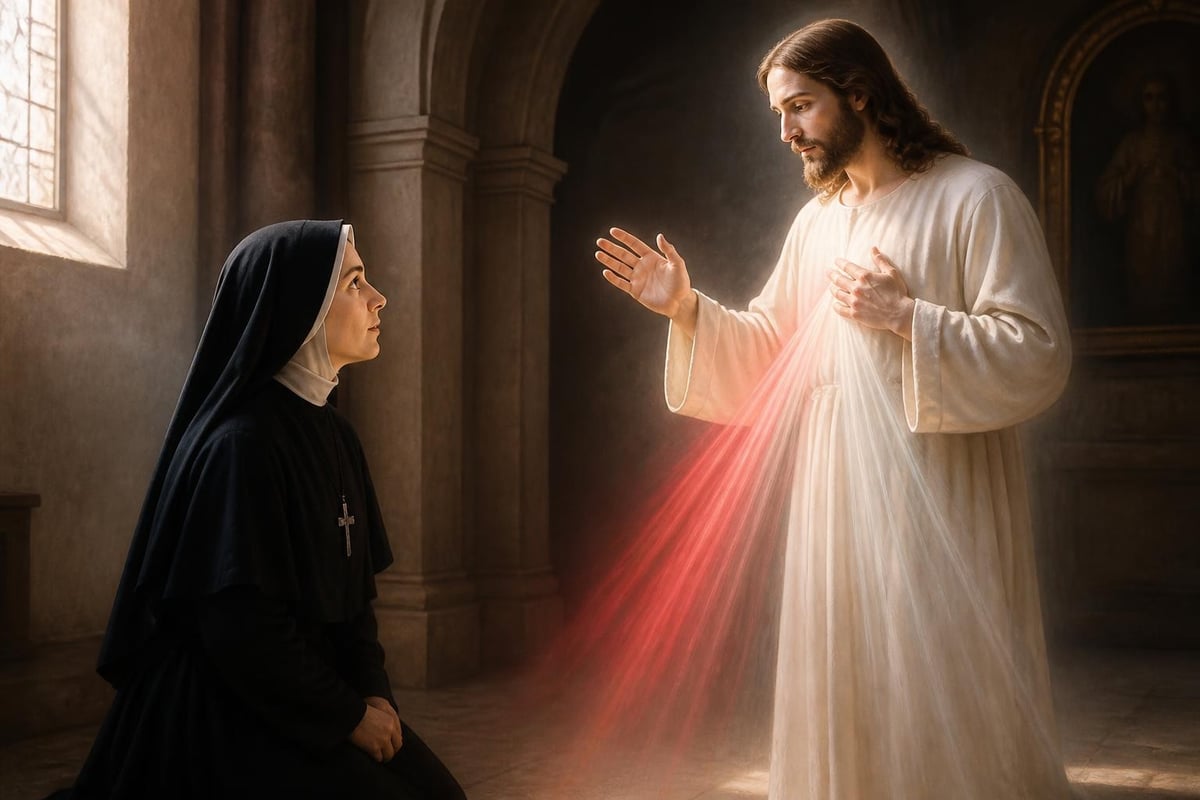
The historical significance of this devotion extends beyond personal piety. St. Faustina recorded Jesus's words in her diary, which later became the foundational text for understanding Divine Mercy spirituality. Her writings detail not only the prayers but also the reasoning behind each day's specific intention, creating a comprehensive spiritual framework that has guided millions of Catholics worldwide.
Understanding the Structure and Daily Intentions
The divine mercy novena follows a precise nine-day pattern, with each day dedicated to a different group of souls. This structure reflects Christ's universal love and His desire that no one be excluded from His mercy. The novena begins on Good Friday and culminates on Divine Mercy Sunday, though it can be prayed at any time throughout the year when special graces are needed.
Brought to you by Journeys of Faith, Founded by Bob and Penny Lord. We are an Augustinian Secular Institute - Cyber Apostles. Our Mission is Evangelization through Media.
The Nine Daily Intentions Explained
| Day | Intention | Focus Group |
|---|---|---|
| Day 1 | All Mankind | Especially sinners |
| Day 2 | Priests and Religious | Those who offer sacrifices |
| Day 3 | Devout and Faithful Souls | Those already walking with Christ |
| Day 4 | Those Who Do Not Believe | Pagans and those yet to know God |
| Day 5 | Souls of Separated Brethren | Those divided from the Church |
| Day 6 | Meek and Humble Souls | Children and the pure of heart |
| Day 7 | Souls Who Venerate Divine Mercy | Those spreading this devotion |
| Day 8 | Souls in Purgatory | Those awaiting heaven |
| Day 9 | Souls Who Are Lukewarm | Those spiritually indifferent |
Each day's prayer follows a consistent pattern that begins with reflection on the specific intention, followed by the Divine Mercy Chaplet. This combination creates a powerful spiritual rhythm that builds momentum throughout the nine days, preparing hearts to receive the extraordinary graces promised for Divine Mercy Sunday.
The daily structure provides clear direction for those new to this practice while offering depth for experienced practitioners. Many Catholics find that maintaining a journal during the novena helps them track insights, graces received, and personal growth throughout the nine-day journey.
How to Pray the Divine Mercy Novena Effectively
Praying the divine mercy novena requires both proper form and heartfelt intention. While the prayers themselves hold power, Jesus emphasized to St. Faustina that trust in His mercy constitutes the essential element. Without genuine faith in God's boundless compassion, the words remain hollow formalities rather than transformative spiritual encounters.
Essential Components of Daily Prayer
The novena combines several prayer elements that work together to create a complete devotional experience:
- Opening prayer acknowledging God's mercy
- Daily intention specific to that day
- Divine Mercy Chaplet prayed on rosary beads
- Closing prayer of thanksgiving
- Personal petitions and reflections
Begin each day by reading the specific intention carefully. Reflect on why Jesus chose this particular group of souls and how you might be called to serve or pray for them beyond the novena. This contemplative approach transforms the practice from mere recitation into genuine intercession.
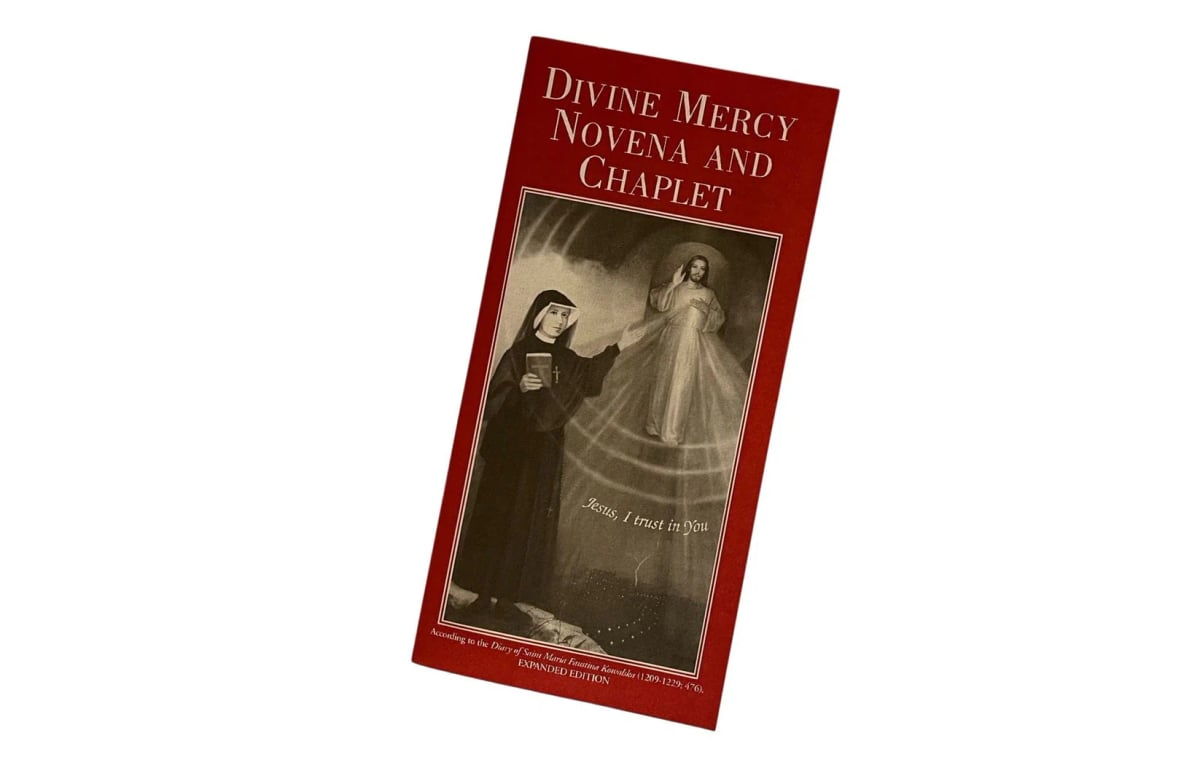
For those seeking structured guidance and professionally printed materials, the Divine Mercy Novena and Chaplet packages offer complete instructions and prayers in a convenient format ideal for personal use or parish distribution.
Timing and Frequency Considerations
While the official divine mercy novena occurs before Divine Mercy Sunday, this powerful devotion can be prayed throughout the year whenever extraordinary graces are needed. Many Catholics pray it during times of personal crisis, for family members in need, or when seeking direction for major life decisions. The flexibility allows believers to access Christ's mercy continually rather than limiting this grace to once annually.
Consistent daily prayer time enhances the novena's effectiveness. Choose a specific time each day when you can pray without interruption, whether early morning, during lunch, or before bed. This regularity creates spiritual discipline and signals to God your serious commitment to the devotion.
The Promises and Graces Associated with This Devotion
Jesus made specific promises to those who would faithfully pray the divine mercy novena and venerate His mercy. These assurances, recorded in St. Faustina's diary, offer profound hope to believers seeking transformation, healing, and salvation. Understanding these promises helps practitioners approach the novena with appropriate faith and expectation.
Extraordinary Graces for Novena Participants
The Savior told St. Faustina that He would grant special graces to souls who pray this novena with sincere devotion. These graces include conversion of hardened sinners, peace for troubled souls, and protection from God's just anger. For those who complete the novena and receive Holy Communion on Divine Mercy Sunday, Jesus promised complete forgiveness of sins and punishment, a grace comparable to a second baptism.
According to the original Divine Mercy message, Jesus desires that souls not be afraid to approach His mercy, regardless of how far they have wandered from grace. This radical message of unconditional love challenges believers to trust completely in God's willingness to forgive and restore.
The promises extend beyond personal benefit to include efficacy in praying for others. Jesus assured St. Faustina that prayers offered during this novena for specific souls would be particularly powerful, even for those who seem most resistant to grace. This makes the divine mercy novena an ideal time to intercede for family members, friends, or acquaintances who have drifted from their faith.
Combining the Novena with the Divine Mercy Chaplet
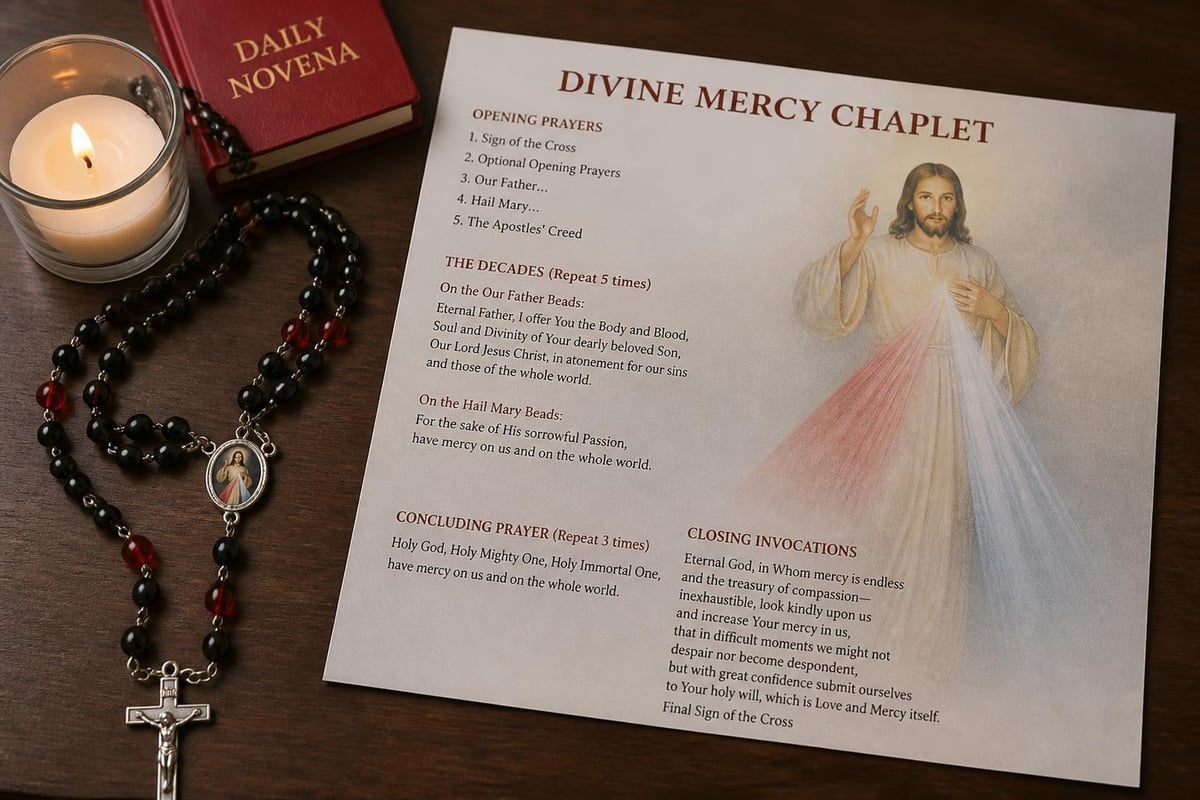
The Divine Mercy Chaplet serves as the central prayer component of each day's novena devotion. Prayed on ordinary rosary beads, this chaplet offers a simple yet profound meditation on Christ's Passion and the infinite value of His sacrifice. Understanding how to integrate the chaplet properly into the novena structure ensures the complete spiritual benefit of this combined devotion.
Step-by-Step Chaplet Instructions
Praying the Divine Mercy Chaplet involves specific prayers repeated in a pattern across the rosary beads:
- Begin with the Sign of the Cross
- Pray one Our Father, one Hail Mary, and the Apostles' Creed on the first three beads
- On the Our Father beads, pray: "Eternal Father, I offer You the Body and Blood, Soul and Divinity of Your dearly beloved Son, Our Lord Jesus Christ, in atonement for our sins and those of the whole world"
- On the Hail Mary beads, pray: "For the sake of His sorrowful Passion, have mercy on us and on the whole world"
- Conclude with: "Holy God, Holy Mighty One, Holy Immortal One, have mercy on us and on the whole world" (repeated three times)
The complete instructions for the chaplet provide both the prayers and helpful context for understanding their theological significance. Many practitioners find that praying slowly and meditating on each phrase deepens their experience rather than rushing through the words.
Integrating Meditation and Contemplation
Transform the divine mercy novena from routine recitation into genuine prayer by incorporating periods of silent meditation between prayers. After completing the chaplet each day, spend several minutes in quiet reflection on the day's intention. Consider how you might actively serve the souls you've prayed for or what changes God might be calling you to make in your own life.
This contemplative dimension distinguishes authentic devotion from mere external practice. Jesus told St. Faustina that He desires hearts transformed by His mercy, not just lips reciting prayers. The combination of structured prayer and open-hearted meditation creates space for genuine encounter with the Divine.
Preparing Your Heart for Divine Mercy Sunday
The divine mercy novena builds toward Divine Mercy Sunday, the culmination of this devotional period and the day when Jesus promised the greatest graces. Proper preparation for this feast day enhances the spiritual fruits of the entire nine-day journey and positions believers to receive the extraordinary gifts Christ desires to bestow.
Sacramental Preparation Requirements
To receive the full indulgence promised for Divine Mercy Sunday, specific conditions must be met:
- Complete the nine-day novena with sincere devotion
- Receive the Sacrament of Reconciliation (Confession) within about twenty days before or after
- Receive Holy Communion on Divine Mercy Sunday
- Pray for the Holy Father's intentions
- Be free from all attachment to sin, even venial sin
These requirements aren't arbitrary legalism but rather practical steps that dispose the soul to receive grace. The Church's guidance on Divine Mercy devotions emphasizes that these conditions help believers approach God with properly prepared hearts, free from obstacles that might impede the flow of divine mercy.
Creating a Conducive Prayer Environment
Consider designating a specific prayer space in your home for the novena period. Set up a small table or shelf with a Divine Mercy image, candles, and perhaps flowers. This physical space serves as a visual reminder of your commitment and creates an atmosphere conducive to prayer. Many families pray the novena together, strengthening both their faith and family bonds through shared devotion.
For those exploring various Catholic devotional practices, Journeys of Faith offers extensive resources on prayer, saints, and spiritual growth that complement the divine mercy novena beautifully.
The Global Impact and Continued Relevance
Since St. Faustina's death in 1938, the divine mercy novena has spread throughout the Catholic world, touching millions of lives and transforming countless souls. Pope John Paul II, who canonized St. Faustina in 2000 and established Divine Mercy Sunday as a universal feast, had a personal devotion to this practice. His papal endorsement brought renewed attention and credibility to the message of Divine Mercy.
Modern Testimonies and Conversions
Contemporary accounts of graces received through the divine mercy novena continue to emerge from every continent. Families report healing of relationships thought irreparable, individuals describe sudden conversions after years of resistance, and parishes witness renewed spiritual vitality when communities embrace this devotion together. These testimonies confirm Jesus's promises to St. Faustina and demonstrate the timeless power of His mercy.
The novena's relevance extends beyond personal piety to address global concerns. In an era marked by division, violence, and spiritual confusion, the message of Divine Mercy offers hope and healing. Many Catholics pray the novena specifically for world peace, for the conversion of nations, and for protection from the consequences of widespread moral decline.
Spreading the Devotion to Others
Jesus told St. Faustina that souls who spread devotion to His Divine Mercy would be especially blessed. This creates both opportunity and responsibility for those who have experienced the novena's power. Practical ways to share this devotion include:
- Teaching family members and friends how to pray the novena
- Distributing prayer cards or booklets explaining the devotion
- Organizing parish-wide novena prayer groups
- Sharing personal testimonies of graces received
- Supporting organizations dedicated to Divine Mercy evangelization
The act of sharing multiplies the grace. When you introduce someone to the divine mercy novena, you participate in Christ's salvific work, potentially changing an eternal destiny. This evangelistic dimension transforms personal devotion into apostolic mission, aligning individual prayer with the Church's universal calling to spread the Gospel.
Resources and Materials for Deeper Engagement
Numerous resources exist to support those committed to making the divine mercy novena a regular part of their spiritual life. From printed materials to digital apps, believers in 2026 have unprecedented access to tools that facilitate consistent, informed practice of this powerful devotion.
Recommended Books and Study Materials
For comprehensive understanding of Divine Mercy spirituality, St. Faustina's diary remains the primary source. This lengthy work provides context for all the revelations and demonstrates how the novena fits within the broader message of God's mercy. Many editions include helpful annotations and explanations that make the dense spiritual content more accessible to modern readers.
Beyond the diary itself, numerous theological works explore Divine Mercy themes, offering insights for both beginners and advanced practitioners. Catholic publishers and stores provide curated selections of these materials, helping readers find resources appropriate to their current spiritual level.
The spiritual direction offered through Catholic classic books can deepen understanding of mercy themes and help integrate this devotion with other aspects of Catholic spirituality. Reading broadly while maintaining focus on Divine Mercy creates a rich spiritual foundation.
Digital Tools and Prayer Apps
Technology offers convenient ways to maintain novena consistency. Numerous Catholic prayer apps include Divine Mercy novena guides with daily reminders, audio prayers, and tracking features. These tools prove especially valuable for busy individuals who struggle to remember daily prayers or for those new to the practice who benefit from guided instruction.
Video resources and podcasts exploring Divine Mercy theology provide additional learning opportunities. Many feature testimonies, theological discussions, and practical advice for making the novena more fruitful. Engaging with these materials during the novena period itself can enhance understanding and deepen the spiritual experience.
Common Questions and Practical Challenges
Even committed Catholics sometimes encounter obstacles when attempting to pray the divine mercy novena consistently. Understanding common challenges and their solutions helps ensure successful completion of the nine days and positions practitioners to make this a sustainable long-term practice.
Handling Missed Days and Interruptions
Life's unpredictability occasionally interferes with planned prayer times. If you miss a day of the novena, simply continue the next day rather than abandoning the effort entirely. While ideally prayed consecutively, God values our sincere effort more than perfect execution. Some spiritual directors recommend restarting if multiple days are missed, while others encourage completion even if the sequence is broken.
Travel, illness, family emergencies, and work demands represent common interruptions. Planning ahead helps minimize these disruptions. For travel, pack prayer materials or download digital resources to your phone. When illness strikes, pray what you can, trusting that God honors your intention even if physical limitations prevent full participation.
Maintaining Focus and Avoiding Routine
The repetitive nature of the divine mercy novena can lead to distraction or mechanical recitation without genuine engagement. Combat this tendency through varied approaches:
- Pray in different locations throughout the nine days
- Alternate between praying aloud and silently
- Journal about each day's intention and your reflections
- Research the particular group of souls each day focuses on
- Invite different family members or friends to join specific days
These variations maintain freshness while preserving the novena's essential structure. The goal is heartfelt prayer, not mere completion of a religious obligation.
The Connection to Other Marian and Eucharistic Devotions
The divine mercy novena exists within the broader context of Catholic devotional life and connects beautifully with veneration of Mary and the Eucharist. Understanding these connections enriches the novena experience and helps integrate Divine Mercy spirituality into comprehensive Catholic practice.
Mary as Mother of Mercy
Our Lady plays a crucial role in Divine Mercy spirituality. St. Faustina reported that Mary herself encouraged devotion to Jesus's mercy and serves as the channel through which many graces flow. Praying a Rosary alongside the daily Divine Mercy Chaplet creates a powerful combination that honors both Christ's mercy and Mary's maternal intercession.
The many faces of Mary through Marian apparitions reveal consistent themes of God's mercy and the call to conversion. Whether at Fatima, Lourdes, or Guadalupe, Mary's message aligns with the Divine Mercy revelations, creating a unified call to trust in God's love and turn from sin.
Eucharistic Connection and Weekly Practice
Jesus requested that Divine Mercy Sunday include reception of Holy Communion, highlighting the Eucharist's central role in accessing divine grace. The miracles of the Eucharist throughout Church history demonstrate Christ's real presence and His desire for intimate communion with believers. Regular Eucharistic adoration complements the divine mercy novena, creating opportunities for silent contemplation of God's merciful love.
Many Catholics adopt weekly practices that maintain Divine Mercy themes throughout the year. Praying the Divine Mercy Chaplet every afternoon at 3:00 PM (the hour of Christ's death) or attending Mass on the first Sunday of each month creates rhythm and consistency that keeps mercy at the forefront of spiritual consciousness.
Teaching the Novena to Children and Youth
Introducing young people to the divine mercy novena plants seeds that can bear fruit throughout their lives. Age-appropriate adaptations make this powerful devotion accessible to children while maintaining its essential character and spiritual depth.
Simplifying for Different Age Groups
For young children (ages 5-8), focus on the basic concept that Jesus loves everyone and wants to forgive our mistakes. Simplify the daily intentions to relatable terms: "Today we pray for all the kids in the world," or "Today we pray for our teachers and priests." Use picture books depicting the Divine Mercy image to make abstract concepts more concrete.
Older children and teenagers can engage more fully with the novena's structure while still benefiting from practical explanations. Connect each day's intention to their lived experience: friends who don't believe in God, family divisions, or their own struggles with lukewarmness. Homeschooling resources can supplement novena practice with stories of St. Faustina and explanations of mercy themes.
Creating Family Traditions
Establishing family rituals around the divine mercy novena creates lasting memories and spiritual formation. Consider these approaches:
- Assign each family member a specific day to lead the prayers
- Create artwork depicting the day's intention
- Research together about the souls you're praying for
- Plan a special meal or activity for Divine Mercy Sunday
- Invite extended family or friends to join certain days
These traditions transform the novena from individual obligation into shared family experience, strengthening both faith and relationships. Children who grow up praying the novena with their families often continue the practice into adulthood and pass it to their own children.
The divine mercy novena offers a structured pathway into God's infinite compassion, providing specific intentions that encompass all humanity while promising extraordinary graces to faithful practitioners. Whether you're new to this devotion or have prayed it for years, each nine-day journey presents fresh opportunities for transformation, healing, and deeper trust in Christ's merciful love.
For those seeking to deepen their understanding of Divine Mercy and Catholic devotional practices, Journeys of Faith provides comprehensive resources through books, prayer materials, and media content. Explore the full collection of Catholic materials at Journeys of Faith, where you'll find resources to support your spiritual journey. Journeys of Faith is blessed to provide Catholic media, including podcasts and inspirational content, free of charge across multiple media platforms for viewers and listeners around the world. While access to this content remains free, there are significant and continually increasing costs associated with producing, hosting, and distributing these programs. Your support helps us continue sharing the beauty of the Catholic faith with souls. Please make a donation at https://journeysoffaith.com/pages/donate to support this vital evangelization work.
