

Throughout Scripture and Catholic tradition, the heavenly army of angels represents one of the most powerful manifestations of God's sovereign authority and protective care for His creation. These celestial beings serve as divine warriors, messengers, and guardians who execute God's will across the cosmos and throughout human history. From the dramatic battles described in the Book of Revelation to the quiet presence of guardian angels walking beside believers, the angelic hosts demonstrate heaven's commitment to the ongoing spiritual warfare that shapes our world. Understanding the nature, purpose, and organization of this heavenly army of angels offers profound insights into God's providential care and the invisible realities that surround our daily lives.
Biblical Foundations of the Heavenly Army of Angels
The concept of angelic armies appears throughout Scripture, beginning with the earliest books of the Bible and extending through the New Testament's apocalyptic visions. The phrase "host of heaven" recurs across biblical texts, describing organized companies of spiritual beings who serve under divine command. According to biblical scholarship on the host of heaven, this terminology encompasses not only angelic beings but also reflects the military organization and purposeful deployment of these celestial warriors.
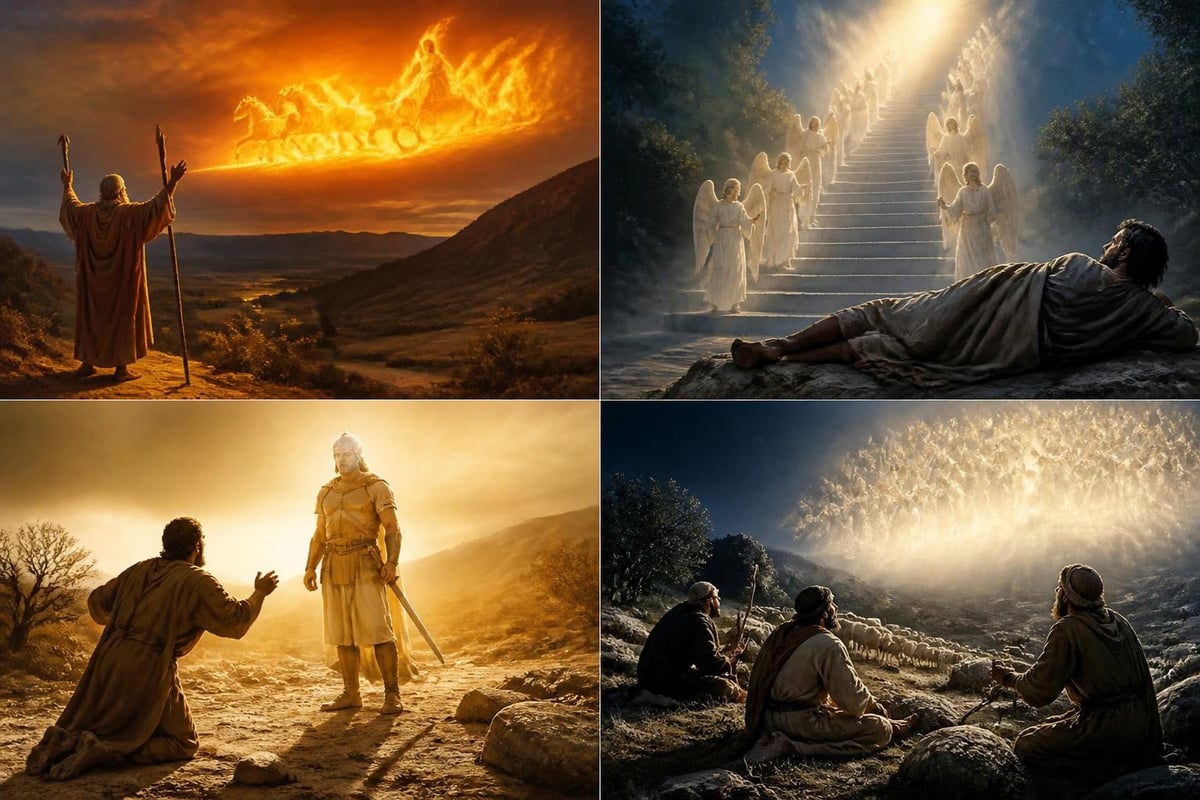
The Old Testament provides numerous glimpses of this heavenly army of angels in action. When Elisha's servant feared the Syrian army surrounding them, the prophet prayed for his eyes to be opened, revealing mountains filled with horses and chariots of fire-the heavenly army protecting God's prophet. Joshua encountered the commander of the Lord's army before the Battle of Jericho, a mysterious figure identified as an angelic prince leading celestial forces. These encounters reveal that spiritual warfare operates on a plane invisible to natural human perception.
New Testament Revelations About Angelic Hosts
The New Testament presents expanded revelations about the organization and activity of the heavenly army of angels. At Christ's nativity, a multitude of the heavenly host appeared to shepherds, praising God and announcing salvation's arrival. This moment demonstrated how angelic armies participate in God's redemptive plan, actively engaging in the announcement and celebration of divine interventions in human history.
Christ Himself referenced twelve legions of angels available at His command during His arrest in Gethsemane. This statement reveals the vast numerical strength of heaven's forces and their readiness to serve according to divine will. The Book of Revelation provides the most detailed apocalyptic vision of angelic warfare, describing Michael and his angels battling against the dragon and his demonic forces-a cosmic conflict that continues throughout the age.
Brought to you by Journeys of Faith, founded by Bob and Penny Lord. We are an Augustinian Secular Institute and Cyber Apostles. Our mission is evangelization through media.
The Nine Choirs: Hierarchical Organization
Catholic tradition, drawing from Scripture and the insights of theologians like Pseudo-Dionysius the Areopagite, recognizes a hierarchical organization within the heavenly army of angels. This structure consists of nine choirs arranged in three triads, each serving distinct functions within God's cosmic government.
The first triad encompasses Seraphim, Cherubim, and Thrones-angelic beings who stand closest to God's throne in perpetual worship and contemplation. The second triad includes Dominions, Virtues, and Powers, who govern cosmic order and execute divine decrees across creation. The third triad comprises Principalities, Archangels, and Angels, who interact more directly with human affairs and nations.
| Choir | Primary Function | Biblical Reference |
|---|---|---|
| Seraphim | Worship and adoration of God | Isaiah 6:2-3 |
| Cherubim | Guardians of divine holiness | Genesis 3:24 |
| Thrones | Divine justice and authority | Colossians 1:16 |
| Dominions | Regulation of angelic duties | Ephesians 1:21 |
| Virtues | Miracles and strengthening | 2 Peter 2:11 |
| Powers | Spiritual warfare against evil | Ephesians 6:12 |
This organizational structure demonstrates that the heavenly army of angels operates with military precision and clear chains of command. Each choir possesses distinct responsibilities, yet all work in perfect harmony to accomplish God's purposes.
Understanding Angelic Ranks and Responsibilities
The Powers particularly deserve attention within discussions of the heavenly army of angels, as they specialize in combating demonic forces and maintaining spiritual order. These warrior angels engage directly in the ongoing battle against fallen angels who seek to disrupt God's plans. Their role encompasses both defensive protection of believers and offensive operations against strongholds of darkness.
Principalities govern nations and geographical regions, overseeing the spiritual climate of territories and peoples. The Book of Daniel reveals glimpses of this operation when the angel Gabriel explains that the prince of Persia (a demonic principality) delayed him for twenty-one days until Michael, one of the chief princes, came to assist. This passage illuminates the reality of spiritual conflict operating above and around earthly nations.
Archangel Michael: Commander of the Heavenly Forces
Among all angelic beings, Archangel Michael stands preeminent as the chief commander of the heavenly army of angels. His name, meaning "Who is like God?" functions as both a battle cry and a theological statement affirming God's incomparable supremacy. Scripture identifies Michael specifically as a warrior angel who defends God's people and battles satanic forces.
The Book of Jude describes Michael contending with the devil over Moses' body, refusing to pronounce a reviling judgment but instead declaring "The Lord rebuke you." This account demonstrates both Michael's power and his submission to divine authority rather than personal vindictiveness. Revelation 12 portrays Michael leading angelic forces against the dragon and his angels, resulting in Satan's expulsion from heaven.
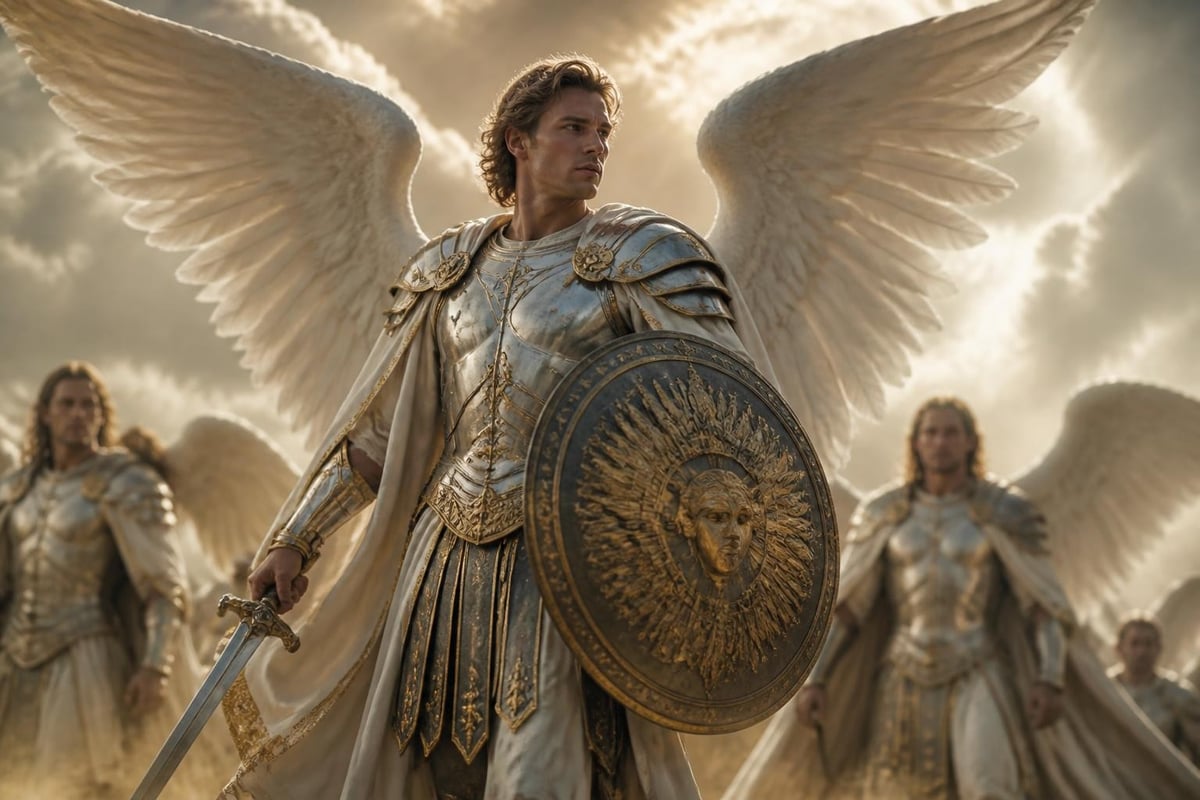
Catholic tradition assigns multiple roles to Michael beyond military leadership. He serves as the guardian of the Church, the angel of death who escorts souls to judgment, and the divine advocate who weighs souls at the particular judgment. These diverse responsibilities position him as perhaps the most active angelic being in ongoing salvation history.
Other Named Archangels and Their Missions
While Michael commands military operations, Gabriel serves as God's chief messenger, delivering announcements of profound theological significance. Gabriel appeared to Daniel, Zechariah, and Mary, each time bringing revelations about God's redemptive plans. His role within the heavenly army of angels focuses on communication and revelation rather than combat.
Raphael, revealed in the Book of Tobit, demonstrates healing and protective functions. He guided Tobias on his journey, bound the demon Asmodeus, and facilitated multiple miracles of provision and restoration. Though Catholic tradition recognizes primarily these three named archangels officially, Jewish angelology discusses additional named angels including Uriel, though these remain outside official Catholic doctrine.
Spiritual Warfare and Angelic Protection
The heavenly army of angels engages continuously in spiritual warfare, a reality often invisible to human perception yet profoundly affecting earthly events. Saint Paul's declaration that "we wrestle not against flesh and blood, but against principalities, against powers, against the rulers of the darkness of this world" acknowledges this cosmic conflict. Angelic forces combat demonic powers who seek to deceive, destroy, and separate humanity from God.
Guardian angels represent perhaps the most personal manifestation of this angelic protection. Catholic teaching affirms that each person receives a guardian angel from conception to death, accompanying them through every moment of life. These celestial companions serve within the broader structure of the heavenly army of angels, executing their protective mission as part of heaven's comprehensive care for souls.
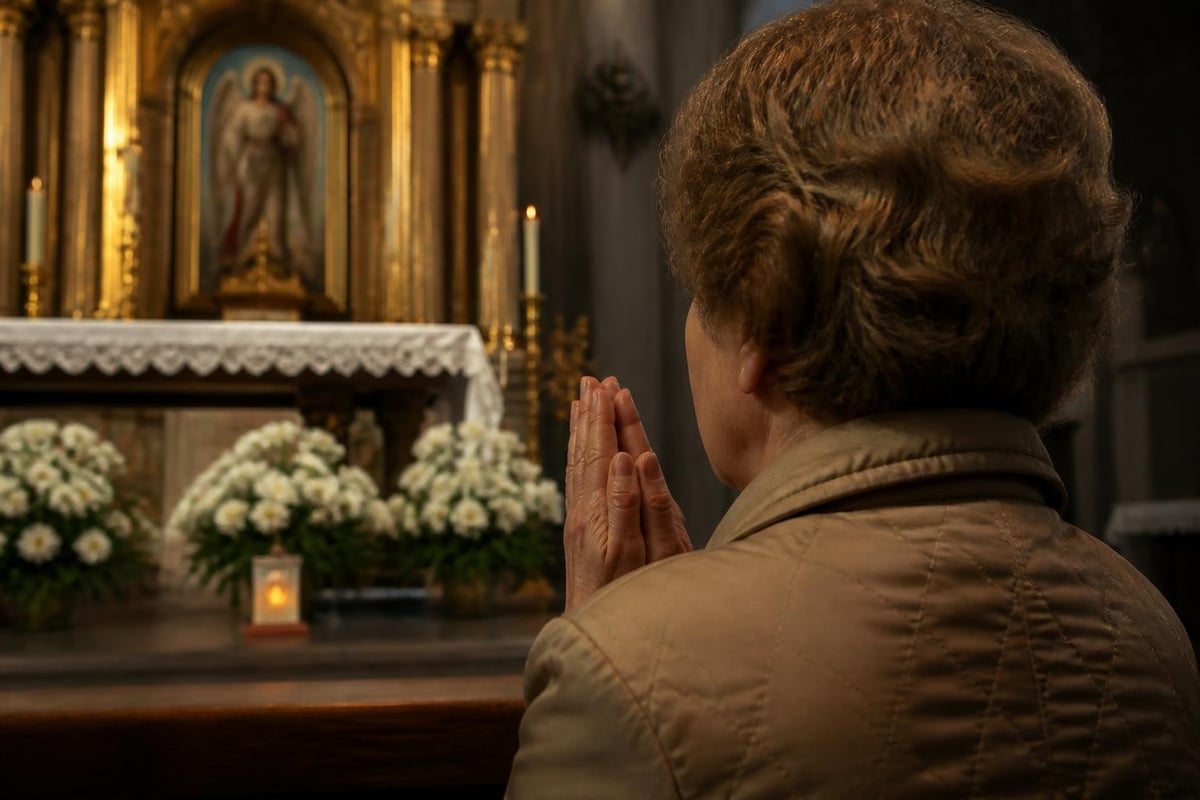
The reality of spiritual warfare means believers can call upon angelic assistance through prayer. While angels serve God's will rather than human commands, intercessory prayer invites divine intervention that often manifests through angelic agency. Throughout the lives of the saints, countless testimonies describe angelic protection, guidance, and deliverance in response to faithful prayer.
Modern Spiritual Battle and Angelic Assistance
In contemporary times, the heavenly army of angels continues its mission against spiritual forces that manifest through materialism, secularism, and moral relativism. These philosophical and cultural movements represent strategic attacks against faith, family, and human dignity. Angelic forces combat these influences in the spiritual realm, supporting believers who resist cultural pressures through faithful witness.
Prayer remains the primary means by which Christians cooperate with angelic protection. The Saint Michael Prayer, composed by Pope Leo XIII after a vision of demonic assault against the Church, specifically invokes the archangel's defense against spiritual wickedness. This prayer acknowledges the ongoing reality of cosmic conflict and the availability of heavenly assistance through the heavenly army of angels.
Those seeking to deepen their spiritual life often turn to devotional practices that strengthen awareness of angelic presence and protection. Prayer cards and novenas provide accessible tools for invoking angelic intercession and maintaining spiritual vigilance against unseen enemies.
Artistic and Liturgical Representations
Throughout Church history, artists have attempted to depict the majesty and power of the heavenly army of angels through various media. Fra Angelico's masterpiece "Christ Glorified in the Court of Heaven" presents a magnificent vision of angelic hosts surrounding the risen Christ, conveying both their worship and their organized assembly. Such artistic representations serve important theological and devotional purposes, making invisible realities accessible to human contemplation.
Byzantine iconography particularly emphasizes Archangel Michael's military role, depicting him in armor with sword and scales, trampling demonic forces underfoot. These images communicate theological truths about spiritual warfare and divine victory over evil. Icons serve as windows into spiritual reality, inviting believers to perceive the angelic world's participation in redemptive history.
Liturgical celebrations also honor the heavenly army of angels, particularly the Feast of Saints Michael, Gabriel, and Raphael on September 29th, and the Feast of the Guardian Angels on October 2nd. These celebrations acknowledge angelic ministry and encourage devotion to these powerful spiritual allies.
Angels in Catholic Devotion and Teaching
Catholic theology maintains careful balance regarding angelic devotion. While venerating angels as creatures who perfectly fulfill God's will, the Church prohibits worshipping them, reserving worship exclusively for the Trinity. Angels receive veneration (dulia) rather than adoration (latria), honoring their holiness and service without attributing divine nature to them.
The Catechism of the Catholic Church dedicates significant attention to angelic existence and activity. It affirms angels as personal, immortal, purely spiritual creatures who possess intelligence and will exceeding human capacity. Their existence constitutes an article of faith, revealed throughout Scripture and consistently taught by Church tradition.
Understanding the heavenly army of angels enriches appreciation for God's comprehensive care extending beyond visible reality. Resources exploring Catholic teaching on angels help believers develop appropriate devotion while avoiding superstition or excessive preoccupation with angelic phenomena.
Practical Implications for Daily Faith
Awareness of angelic presence should inspire confidence rather than fear. The heavenly army of angels operates under divine authority, serving God's loving purposes for humanity. Believers can approach each day knowing they walk accompanied by celestial guardians who desire their spiritual welfare and eternal salvation.
This awareness also encourages spiritual vigilance. Recognizing ongoing spiritual warfare motivates believers to maintain prayer disciplines, receive sacraments regularly, and resist temptation with determination. The heavenly army of angels supports these efforts, but human cooperation through grace remains essential for spiritual victory.
Invoking angelic assistance through prayer demonstrates humility and wisdom. The Flame of Love Unity Prayer Card Packages offer a powerful devotional tool given by Jesus Christ to Elizabeth Kindelmann, providing believers with prayers that invite divine grace and angelic protection against spiritual darkness. These prayer cards facilitate regular invocation of heavenly assistance in the ongoing spiritual battle.
Theological Debates and Scholarly Perspectives
Scholarly examination of angels and monotheism reveals how angelology developed within Jewish and Christian traditions while maintaining strict monotheistic theology. Unlike polytheistic systems where angelic-type beings might function as lesser deities, biblical angelology presents the heavenly army of angels as created servants utterly dependent upon and submissive to the one true God.
Theological discussions address questions about angelic nature, operation, and limitations. While angels possess superior intelligence and power compared to humans, they remain finite creatures incapable of omnipresence, omniscience, or omnipotence. Each angel exists as a distinct person with individual identity, yet they operate in perfect unity of will aligned with divine purposes.
Medieval theologians like Thomas Aquinas dedicated extensive treatises to angelic nature and operation. Aquinas argued that angels exist as pure forms without matter, occupying a metaphysical position between God's infinite perfection and material creation's limitations. His systematic theology of angels continues influencing Catholic teaching about the heavenly army of angels.
Contemporary Relevance and Application
Modern skepticism regarding supernatural realities challenges belief in angelic existence. Yet Catholic teaching remains firm: angels constitute revealed truth confirmed by Scripture, Tradition, and consistent magisterial teaching. Dismissing angelic reality impoverishes theological understanding and diminishes appreciation for God's comprehensive providence.
The heavenly army of angels demonstrates God's desire to engage creation through multiple agents and means. Rather than directly intervening in all situations, God frequently employs angelic ministry to accomplish His purposes. This approach respects created freedom while ensuring divine will ultimately prevails.
Understanding angelic ministry also illuminates the communion of saints, where all God's faithful servants-earthly and celestial-cooperate in advancing His kingdom. The heavenly army of angels allies with the Church Militant on earth and the Church Triumphant in heaven, forming a comprehensive spiritual reality transcending visible boundaries.
Angelic Encounters in Saints' Lives
Throughout Catholic history, saints have reported profound encounters with the heavenly army of angels, providing testimonies that edify and inspire believers. Saint Padre Pio maintained constant communication with his guardian angel, who translated foreign languages, delivered messages, and awakened him for prayer. Saint Gemma Galgani experienced frequent visions of her guardian angel, who instructed her in spiritual matters and consoled her during suffering.
Saint Joan of Arc received strategic military guidance from Saints Michael, Catherine, and Margaret, demonstrating how the heavenly army of angels actively participates in earthly affairs according to God's providence. Her visions led to French military victories and the coronation of Charles VII, profoundly affecting European history. Though eventually martyred, Joan's angelic encounters validated her divine mission and inspired countless believers.
Saint Faustina Kowalska described visions of guardian angels accompanying souls and protecting them from demonic attack. Her diary entries reveal the constant spiritual warfare surrounding human souls and the vigilant protection offered by the heavenly army of angels. These testimonies encourage believers to trust in angelic assistance while maintaining focus on God as the ultimate source of protection.
| Saint | Angelic Encounter | Spiritual Significance |
|---|---|---|
| Padre Pio | Daily guardian angel communication | Angels assist prayer and ministry |
| Joan of Arc | Saints Michael, Catherine, Margaret | Angels guide divine missions |
| Faustina Kowalska | Visions of guardian angels | Angels protect souls from evil |
| Thomas Aquinas | Angels preserved his purity | Angels defend virtue and holiness |
These encounters demonstrate that the heavenly army of angels remains actively engaged in supporting believers, particularly those pursuing holiness with determination. While not everyone experiences dramatic angelic manifestations, the consistent testimony of saints confirms their constant, loving presence.
Guardian Angels: Personal Protection From Heaven's Army
The doctrine of guardian angels represents perhaps the most personally meaningful aspect of teaching about the heavenly army of angels. From the moment of conception, each person receives an angelic companion assigned specifically to guide, protect, and inspire them toward salvation. This belief, rooted in Scripture and developed through Tradition, provides profound comfort and encouragement throughout life's journey.
Jesus Himself referenced guardian angels when warning against despising children, noting that "their angels always behold the face of my Father who is in heaven" (Matthew 18:10). This passage reveals both the existence of guardian angels and their privileged access to God's presence, where they intercede for their charges and receive divine direction.
Guardian angels exercise their protective ministry through multiple means. They inspire good thoughts, warn against danger, repel demonic temptations, and present prayers before God's throne. While respecting human free will, they work tirelessly to draw souls toward grace and away from sin. Their mission continues from life's first moment until death, when they escort the soul to judgment.
Cultivating Relationship With Your Guardian Angel
Developing conscious relationship with one's guardian angel enhances spiritual life and provides practical assistance in daily challenges. Simple prayers acknowledging angelic presence, requesting guidance, and expressing gratitude strengthen this relationship. The traditional Guardian Angel Prayer learned in childhood remains powerful throughout life: "Angel of God, my guardian dear, to whom God's love commits me here, ever this day be at my side, to light and guard, to rule and guide."
Many saints recommended conversing with guardian angels throughout the day, seeking their assistance in temptations, decisions, and dangers. This practice recognizes that believers never walk alone-a member of the heavenly army of angels accompanies each person constantly, devoted exclusively to their eternal welfare.
Parents can teach children awareness of guardian angels, helping them develop early habits of invoking angelic protection and guidance. This formation cultivates spiritual awareness and provides comfort during fearful situations. Understanding that a powerful celestial warrior protects them empowers children to face challenges with confidence rooted in divine providence.
The Eschaton: Angels in the Final Battle
Apocalyptic literature presents the heavenly army of angels as central participants in history's final chapter. The Book of Revelation describes escalating spiritual warfare culminating in Satan's ultimate defeat and the establishment of God's eternal kingdom. Angels execute divine judgments, gather the elect, bind demonic forces, and herald Christ's triumphant return.
Revelation's imagery of Michael and his angels battling the dragon symbolizes the cosmic conflict between good and evil that has raged since Lucifer's rebellion. This battle's outcome remains certain-heaven's forces will prevail completely, vindicating God's justice and establishing perpetual peace. The heavenly army of angels serves as divine instruments ensuring evil's ultimate destruction.
Seven angels with seven trumpets announce successive judgments upon rebellious humanity and demonic forces. Other angels pour out bowls of wrath, execute specific judgments, and deliver messages to John the Revelator. This organized deployment demonstrates the military precision characterizing heaven's forces and their perfect obedience to divine commands.
At Christ's return, angels will accompany Him in glory, gathering His elect from earth's four corners and separating righteous from wicked. This final harvest demonstrates angelic participation in redemption's completion and judgment's execution. The heavenly army of angels will witness and celebrate God's definitive victory over all opposition.
Living With Eschatological Awareness
Understanding angels' eschatological role should inspire holy living and watchful anticipation. The heavenly army of angels observes human behavior, witnesses to faithfulness or unfaithfulness, and will participate in final judgment. This awareness motivates believers toward perseverance in grace and resistance against compromise.
Yet this knowledge should produce hope rather than fear. For those united with Christ through faith and sacramental life, angelic forces function as allies ensuring ultimate victory. The heavenly army of angels fights for believers, not against them, securing their inheritance and defending their souls against demonic assault.
This perspective transforms daily life into spiritual preparation for eternity. Each choice, prayer, and action participates in the cosmic drama between light and darkness. The heavenly army of angels supports those who choose God's will, providing strength for spiritual combat and perseverance until death or Christ's return.
The heavenly army of angels reveals God's magnificent provision for His people, demonstrating divine care that transcends human understanding. These celestial warriors, organized in hierarchies and deployed with precision, engage continuously in spiritual warfare while serving individual believers through guardian angels assigned from conception to death.
For those seeking to deepen their understanding of Catholic teaching and devotion, Journeys of Faith offers extensive resources exploring angels, saints, and spiritual realities. Whether through books, prayer cards, or other Catholic items, these materials provide tools for growing in faith and awareness of heaven's active presence in daily life. Journeys of Faith is blessed to provide Catholic media, including podcasts and inspirational content, free of charge across multiple platforms for viewers and listeners worldwide. While access remains free, significant and continually increasing costs accompany producing, hosting, and distributing these programs. Your support helps us continue sharing the beauty of Catholic faith with souls. Please make a donation to sustain this vital evangelization mission.
