

The holy queen prayer holds a special place in Catholic tradition as one of the most beloved and enduring prayers to the Blessed Virgin Mary. Known formally as the Salve Regina, this ancient hymn has comforted countless souls for nearly a thousand years, offering hope during times of trial and expressing profound trust in Mary's maternal intercession. Whether sung in Gregorian chant or recited quietly in personal devotion, this prayer continues to draw Catholics closer to the Mother of God.
Understanding the Holy Queen Prayer's Origins
The holy queen prayer emerged during the medieval period, with historical accounts suggesting its composition between the 11th and 12th centuries. Several saints have been credited with authoring this magnificent prayer, though the true origin remains a subject of scholarly discussion.
Traditional attributions include:
- Hermann of Reichenau (Blessed Hermann the Crippled), a Benedictine monk who lived from 1013 to 1054
- Peter of Compostela, Bishop of Compostela around 1065
- Saint Bernard of Clairvaux, the great Cistercian reformer
- Adhémar de Monteil, Bishop of Le Puy
The prayer's Latin title, "Salve Regina," translates to "Hail, Holy Queen" in English, establishing its identity as a royal salutation to Mary. This majestic address reflects the Catholic understanding of Mary as Queen of Heaven, a title rooted in both Scripture and Tradition.
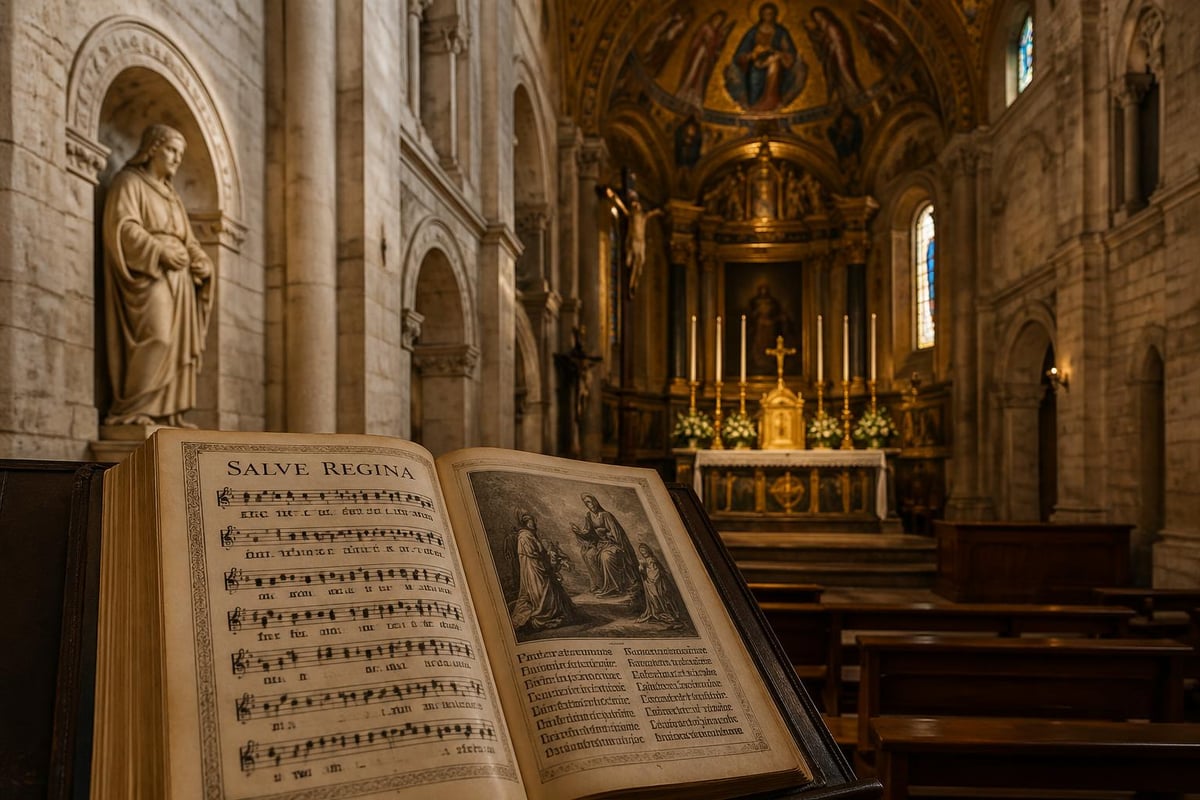
The Prayer's Integration into Catholic Liturgy
The Salve Regina became one of the four Marian antiphons used in the Liturgy of the Hours, traditionally sung or recited at Compline (Night Prayer) from the Saturday before Trinity Sunday until Advent. This liturgical placement emphasizes the prayer's role as a nighttime petition, asking Mary to watch over the faithful during the hours of darkness both literal and spiritual.
Brought to you by Journeys of Faith, founded by Bob and Penny Lord. We are an Augustinian Secular Institute, Cyber Apostles. Our Mission is Evangelization through Media.
The Dominican Order adopted the holy queen prayer with particular devotion, incorporating it into their daily routine after the recitation of the Rosary. This practice spread throughout the Catholic world, cementing the prayer's position as a cornerstone of Marian devotion. Many Catholics today maintain this tradition, finding that the Salve Regina provides a beautiful conclusion to their Rosary prayers.
The Full Text and Translation
The holy queen prayer in its traditional English translation reads:
Hail, Holy Queen, Mother of Mercy, our life, our sweetness and our hope. To thee do we cry, poor banished children of Eve; to thee do we send up our sighs, mourning and weeping in this valley of tears. Turn then, most gracious advocate, thine eyes of mercy toward us, and after this our exile, show unto us the blessed fruit of thy womb, Jesus. O clement, O loving, O sweet Virgin Mary.
Response: Pray for us, O Holy Mother of God. Versicle: That we may be made worthy of the promises of Christ.
| Latin Text | English Translation | Theological Significance |
|---|---|---|
| Salve Regina | Hail, Holy Queen | Recognition of Mary's queenship |
| Mater misericordiae | Mother of Mercy | Mary's maternal compassion |
| Vita, dulcedo, et spes nostra | Our life, sweetness, and hope | Mary as source of spiritual sustenance |
| Ad te clamamus exsules filii Hevae | To you we cry, banished children of Eve | Acknowledgment of humanity's fallen state |
The poetic beauty of this prayer resonates across languages and cultures, maintaining its power whether chanted in Gregorian melody or spoken in simple recitation.
Theological Depth Within Each Phrase
The opening salutation "Hail, Holy Queen" immediately establishes Mary's exalted position in salvation history. This royal title doesn't diminish Christ's kingship but rather reflects the honor given to the Mother of the King. The term "Mother of Mercy" acknowledges Mary's unique role in bringing Jesus, who is Divine Mercy incarnate, into the world.
When we address Mary as "our life, our sweetness and our hope," we recognize her maternal care for all believers. She sustained the physical life of Jesus and continues to nurture our spiritual lives through her intercession. The sweetness refers to the consolation she brings to troubled souls, while hope points toward eternal salvation.
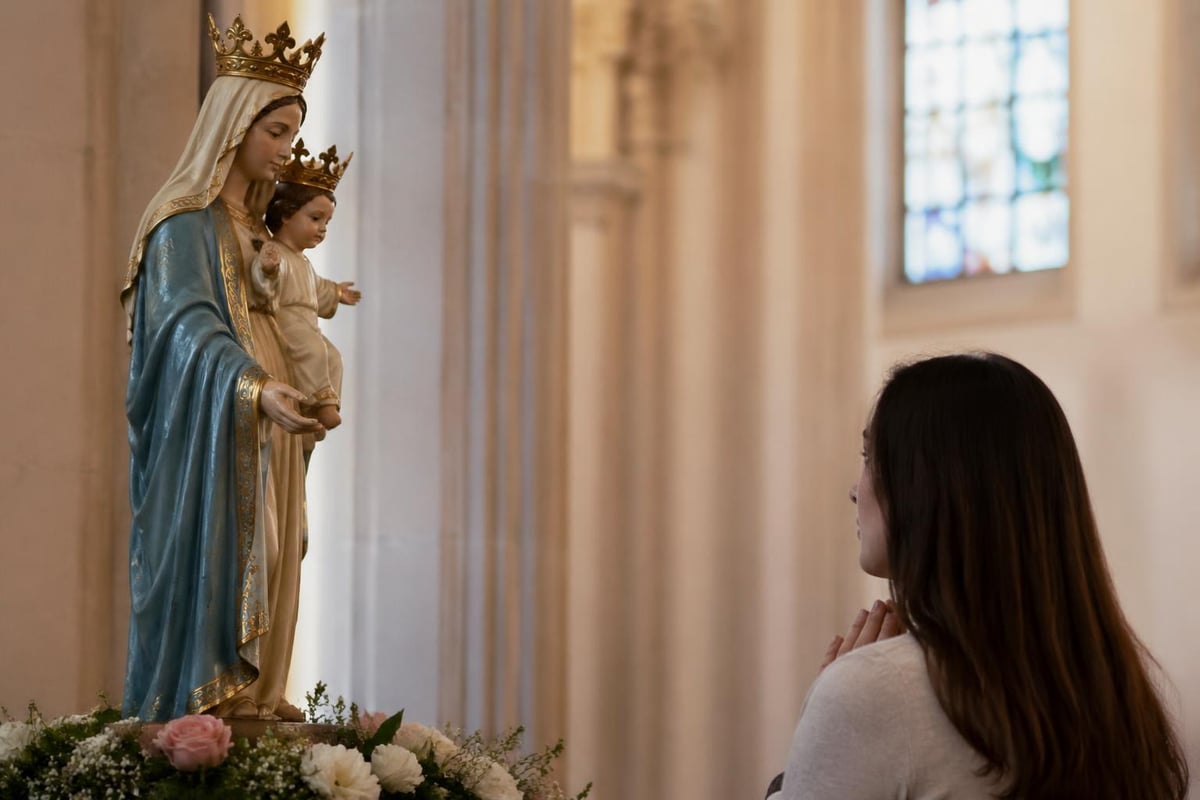
Praying the Holy Queen Prayer with Intention
The holy queen prayer invites contemplative meditation on our earthly condition and heavenly destiny. The phrase "poor banished children of Eve" reminds us of original sin and our exile from Paradise, while simultaneously expressing trust that Mary intercedes for our return to God.
Ways to incorporate this prayer into daily devotion:
- After the Rosary - Following the traditional Dominican practice
- At bedtime - As part of evening prayers or Compline
- During Marian feast days - With special reverence on solemnities
- In times of difficulty - Seeking Mary's maternal comfort
- As a family prayer - Teaching children this timeless devotion
The "valley of tears" metaphor acknowledges life's sufferings while maintaining confidence in Mary's advocacy. This realistic yet hopeful perspective characterizes authentic Catholic spirituality, which neither denies hardship nor surrenders to despair.
Musical Expressions of the Salve Regina
Throughout history, countless composers have set the holy queen prayer to music, from simple Gregorian chant to elaborate polyphonic settings. These musical interpretations enhance the prayer's emotional and spiritual impact, creating sacred beauty that lifts hearts toward heaven.
Medieval monks chanted the Salve Regina in its original Gregorian melody, which remains widely used today. Renaissance composers like Palestrina created intricate polyphonic versions, while modern composers continue to find inspiration in these ancient words. Even contemporary Catholic musicians have crafted new melodies, ensuring the prayer remains accessible to current generations.
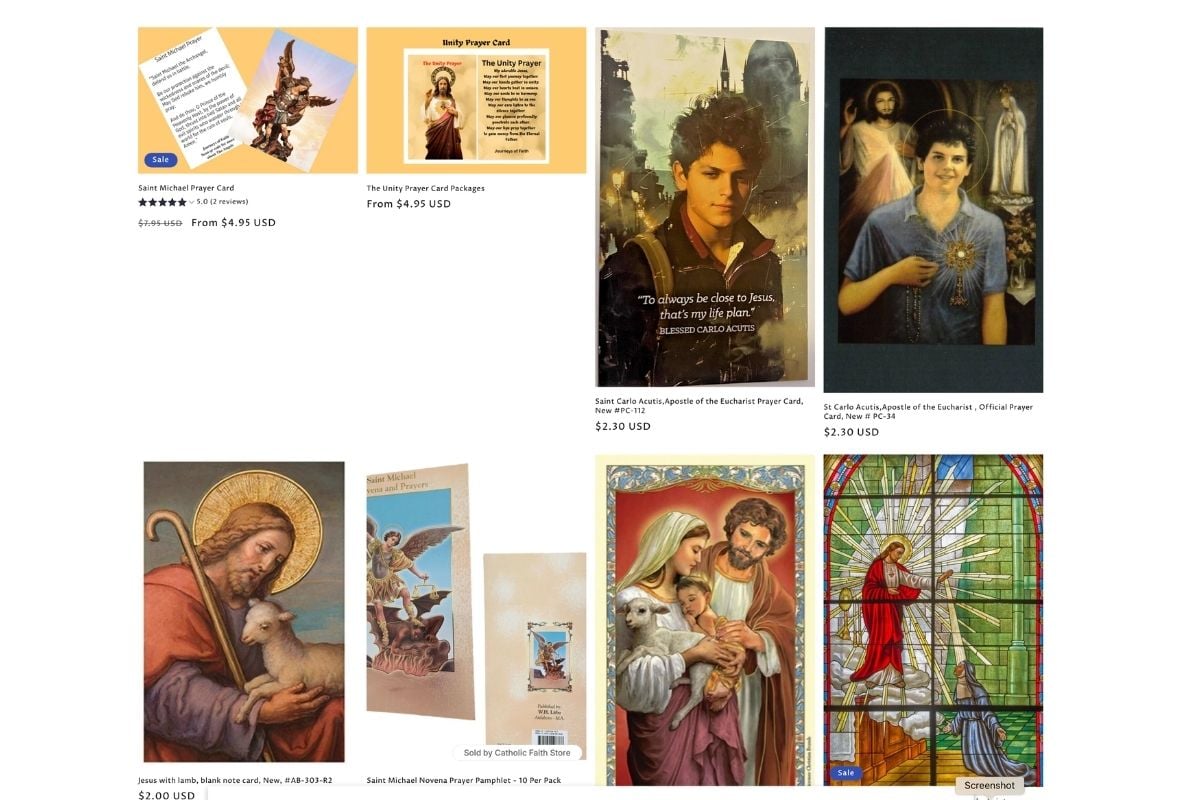
For those seeking to deepen their connection to traditional Catholic prayers, resources such as prayer cards and novenas provide portable aids for regular recitation. Many faithful Catholics carry these cards as tangible reminders of their devotion to the Blessed Mother.
The Holy Queen Prayer in Contemporary Catholic Life
Modern Catholics continue to find profound meaning in the holy queen prayer, recognizing its relevance across changing times and circumstances. The prayer's themes of exile, advocacy, and hope resonate particularly during periods of personal or collective trial.
Parish communities often incorporate the Salve Regina into:
- Benediction of the Blessed Sacrament
- May Crowning ceremonies
- October Rosary devotions
- Funeral liturgies and memorial services
- Marian pilgrimage gatherings
The prayer's universality transcends cultural boundaries, uniting Catholics worldwide in common devotion. Whether recited in Latin, English, Spanish, or countless other languages, the holy queen prayer maintains its essential character as a heartfelt appeal to Mary's maternal care.
Personal Testimonies of the Prayer's Power
Many Catholics report experiencing special graces through regular recitation of the Salve Regina. These testimonies often describe feelings of peace during anxiety, clarity during confusion, or strength during temptation. While such experiences remain subjective, they reflect the prayer's capacity to focus hearts on Mary's intercessory role.
The prayer's petition to "turn thine eyes of mercy toward us" expresses confidence in Mary's attentiveness to her spiritual children. This trust stems from Scripture's witness to Mary's concern for others' needs, demonstrated most clearly at the Wedding of Cana where she noticed the wine shortage and prompted Jesus to perform His first public miracle.
Connecting the Holy Queen Prayer to Church Teaching
The holy queen prayer reflects core Catholic doctrines regarding Mary's role in salvation history. The Second Vatican Council's document *Lumen Gentium* affirmed Mary's position as Mother of the Church, a teaching that illuminates the Salve Regina's addressing her as "Mother of Mercy."
Key doctrinal foundations:
- The Assumption - Mary's assumption into heaven establishes her queenship
- Perpetual Virginity - Honored in the address "O sweet Virgin Mary"
- Mother of God - The foundation for her maternal advocacy
- Mediatrix of Graces - Reflected in our appeals for her intercession
The prayer's concluding petition, "show unto us the blessed fruit of thy womb, Jesus," clarifies that all Marian devotion ultimately directs us toward Christ. Mary's purpose has always been to lead souls to her Son, making authentic Marian prayer inherently Christocentric.
| Marian Doctrine | Prayer Reference | Practical Application |
|---|---|---|
| Assumption/Queenship | "Hail, Holy Queen" | Confidence in her heavenly power |
| Spiritual Motherhood | "Mother of Mercy" | Trust in her maternal care |
| Advocacy | "Most gracious advocate" | Reliance on her intercession |
| Christ-centered | "Blessed fruit of thy womb" | All devotion leads to Jesus |
Historical Impact and Cultural Influence
The holy queen prayer has shaped Catholic culture profoundly over the centuries. Monasteries structured their daily schedules around its recitation, while popular devotion brought it into homes and personal prayer routines. This dual presence in both liturgical and private prayer demonstrates the prayer's versatility and universal appeal.
The Salve Regina influenced:
- Sacred music composition across centuries
- Artistic representations of Mary as Queen
- Naming of churches and institutions
- Formation of religious orders' spirituality
- Development of Marian theology
Catholic educational institutions, including Salve Regina University in Rhode Island, bear the prayer's name, acknowledging its formative influence on Catholic intellectual tradition. These institutions recognize that authentic education involves not merely intellectual formation but spiritual development under Mary's maternal guidance.
The Prayer's Role During Historical Challenges
Throughout Church history, Catholics have turned to the holy queen prayer during persecution, plague, and war. The prayer's acknowledgment of life as a "valley of tears" provided solace to those facing genuine tribulation, while its hopeful conclusion sustained faith in God's ultimate providence.
During the Protestant Reformation, Catholics maintained devotion to the Salve Regina despite challenges to Marian prayer. This persistence reflected deep conviction regarding Mary's intercessory role and the prayer's scriptural foundations. Today, as Catholics navigate modern secularism's challenges, the ancient words continue offering strength and direction.
Practical Guide for Daily Recitation
Establishing a practice of praying the holy queen prayer regularly can deepen Marian devotion and strengthen spiritual life. The prayer's relatively brief length makes it accessible even during busy schedules, while its profound content rewards prolonged meditation.
Recommended practices for meaningful recitation:
- Begin with the Sign of the Cross to focus your attention
- Speak slowly and deliberately rather than rushing through words
- Pause between phrases to reflect on their meaning
- Visualize Mary's maternal presence as you pray
- Conclude with a moment of silence before returning to activities
Some Catholics find benefit in memorizing the holy queen prayer, allowing them to pray it anywhere without written aids. This internalization enables the prayer to arise spontaneously during moments of need, providing immediate access to Mary's comfort and intercession.
Combining the Salve Regina with Other Devotions
The holy queen prayer integrates beautifully with various Catholic devotional practices. Many faithful Catholics include it as part of morning offerings, grace before meals, or bedtime prayers. Its traditional placement after the Rosary remains particularly common, creating a smooth transition from meditation on the mysteries to direct petition.
The prayer also complements devotion to specific titles of Mary, such as Our Lady of Guadalupe or Our Lady of Lourdes. When praying at Marian shrines or before images of the Blessed Mother, the Salve Regina provides appropriate words for expressing reverence and requesting help. Saints throughout history have demonstrated deep attachment to this prayer, modeling its integration into comprehensive spiritual lives.
Teaching the Holy Queen Prayer to Children
Passing the holy queen prayer to younger generations ensures this treasured tradition continues enriching Catholic life. While the prayer's language may initially seem complex for children, patient explanation and regular practice make it accessible and meaningful.
Age-appropriate approaches include:
- Young children (ages 4-7) - Learning one phrase at a time, explaining "Mary is our heavenly mother"
- Elementary age (8-11) - Memorizing the full prayer, discussing the "valley of tears" as life's difficulties
- Teens (12-18) - Exploring theological depth, connecting prayer to Church teaching
- Family practice - Praying together daily, creating lasting memories and shared devotion
Many Catholic families incorporate the Salve Regina into bedtime routines, finding its themes of protection and hope particularly fitting for evening prayer. Children who learn this prayer early often maintain the practice throughout life, drawing strength from familiar words during adult challenges.
Creating a Marian Prayer Environment
Supporting children's prayer life involves more than verbal instruction. Creating a home environment that honors Mary through images, statues, or flowers near a prayer space reinforces devotional practice. Many families designate a small altar or prayer corner where they gather for the holy queen prayer and other devotions.
This physical space serves as a visual reminder of spiritual priorities and provides a focal point for family prayer. Including children in maintaining this space-refreshing flowers, lighting candles (with supervision), or selecting seasonal decorations-helps them develop ownership of their faith practice.
The holy queen prayer remains a powerful expression of Catholic devotion to Mary, offering comfort, hope, and direction to believers navigating life's challenges. Through regular recitation and sincere meditation on its profound words, this ancient prayer continues transforming hearts and drawing souls closer to Jesus through His mother's intercession. Whether you're discovering the Salve Regina for the first time or renewing a lifelong devotion, Journeys of Faith provides resources to deepen your Catholic faith journey through prayer cards, books, and educational materials that bring the richness of our tradition into your daily life.
Resources:
- Explore Journeys of Faith Online store with thousands of Catholic Items at https://journeysoffaith.com/collections
- Our Unique Mega Search Engine https://journeysoffaith.com/search is linked to hundreds of Catholic Shops and Stores
- Get the Journeys of Faith NEW App for iPhone or Android. Search for Journeys of Faith or go to https://journeysoffaith.com/pages/download-our-app
- Chat with us anytime https://chatting.page/mjxs9aerrtgm3lmpndlcepmbyosntrjn
- We need your help to reach more souls. Please Make a Donation https://journeysoffaith.com/pages/donate
