

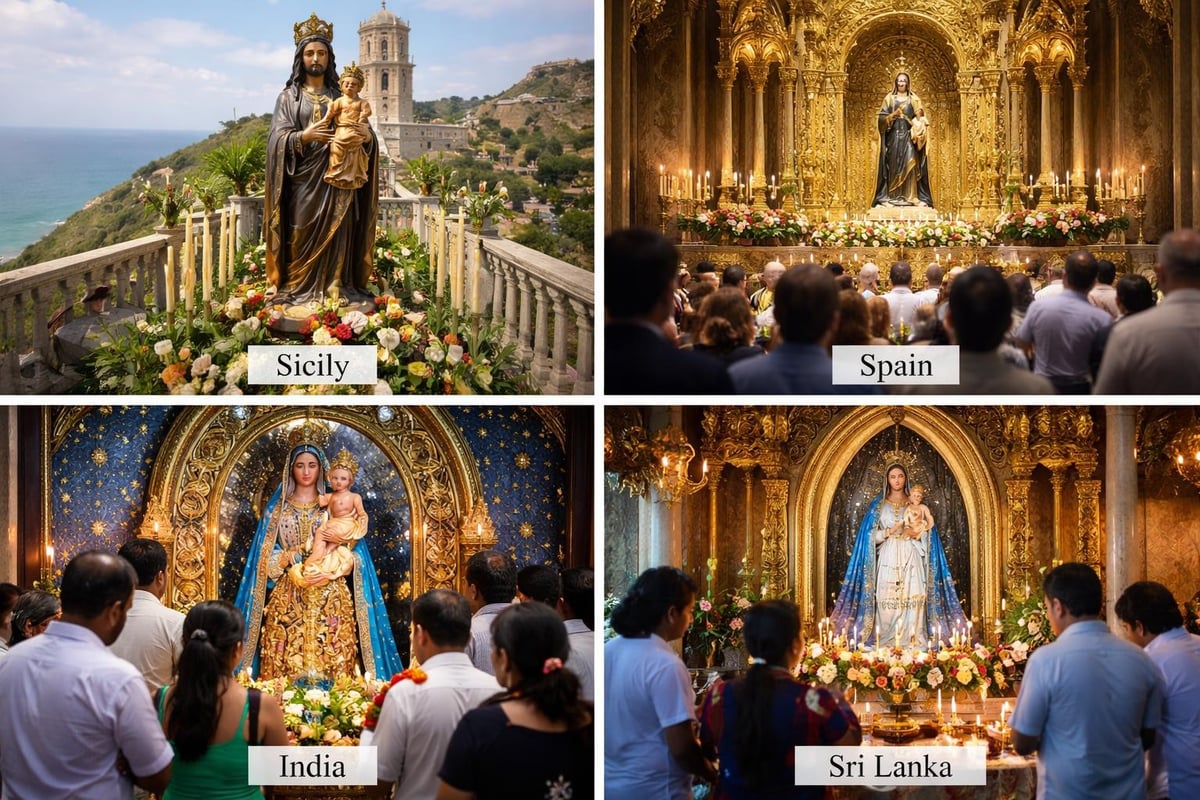
The devotion to the lady of miracles represents one of the most profound and enduring expressions of Marian veneration in the Catholic Church. Across continents and centuries, faithful Catholics have turned to Mary under this beautiful title, witnessing extraordinary graces, healings, and spiritual transformations. From the sun-drenched shores of Sicily to the tropical landscapes of Sri Lanka, from the historic churches of Spain to the vibrant communities of Goa, the lady of miracles has become a beacon of hope for millions seeking divine intervention through the Blessed Mother's powerful intercession.
Origins and Historical Significance of the Lady of Miracles
The title "lady of miracles" encompasses several distinct Marian devotions that developed independently across the Catholic world. Each manifestation carries unique historical circumstances, yet all share the common thread of miraculous events attributed to Mary's maternal care for her spiritual children.
The Sicilian Tradition
In Sicily, particularly in Alcamo and Mussomeli, the devotion to the lady of miracles dates back several centuries. The faithful preserve detailed accounts of Mary's interventions during times of plague, drought, and social upheaval. These historical records demonstrate how communities relied upon the Blessed Mother's protection during their darkest hours.
The Sicilian celebrations typically feature:
- Elaborate processions through ancient city streets
- Traditional prayers passed down through generations
- Community gatherings that strengthen parish bonds
- Artistic representations of miraculous events
- Special Masses honoring the Blessed Virgin Mary
Historical documentation reveals that entire cities credited their survival to the lady of miracles. When disease threatened to decimate populations in the medieval period, communities consecrated themselves to Mary and experienced unexplained recoveries that defied medical understanding of the time.
Spanish Devotional Centers
The Basilica of Our Lady of Miracles in El Puerto de Santa María, Spain, stands as an architectural testament to centuries of Marian devotion. This magnificent structure houses sacred images that have become pilgrimage destinations for Catholics seeking healing and spiritual renewal.
Brought to you by Journeys of Faith, founded by Bob and Penny Lord. We are an Augustinian Secular Institute - Cyber Apostles. Our mission is evangelization through media.
Spanish maritime traditions particularly connected sailors and their families to the lady of miracles. Before embarking on dangerous ocean voyages, crews would seek Mary's protection, and countless testimonies describe miraculous rescues at sea attributed to her intervention.
Miraculous Events and Documented Interventions
The designation "lady of miracles" arises from specific, documented supernatural occurrences that Church authorities investigated and, in many cases, validated. These miracles range from physical healings to protection from natural disasters, each strengthening the faith of local communities.
Categories of Recorded Miracles
| Type of Miracle | Description | Historical Evidence |
|---|---|---|
| Physical Healings | Cures of terminal illnesses and chronic conditions | Medical records and witness testimonies |
| Protection from Disasters | Communities spared from earthquakes, floods, and epidemores | Municipal archives and church documents |
| Spiritual Conversions | Profound transformations in individuals' faith lives | Personal testimonies and ecclesiastical records |
| Multiplication of Resources | Food and supplies appearing during famine | Community records and oral traditions |
The Church maintains rigorous standards when investigating alleged miracles. Medical professionals, theologians, and historians collaborate to verify claims before official recognition. This careful discernment process ensures that devotion to the lady of miracles rests on solid foundations rather than superstition or exaggeration.
The Jaffna Patao Sanctuary
In Sri Lanka, the shrine at Jaffna Patao became a center for miraculous healings beginning in the colonial period. Portuguese sailors brought their Marian devotion to the island, and local populations quickly embraced this powerful spiritual resource. The sanctuary's history includes accounts of the blind receiving sight, the lame walking, and the terminally ill experiencing complete recovery.
What distinguishes these miracles is their consistency across centuries. Generation after generation reports similar extraordinary graces, suggesting genuine supernatural intervention rather than isolated coincidences.
The Feast of Our Lady of Miracles: Celebrations Across Cultures
Annual feast days honoring the lady of miracles serve as powerful expressions of communal faith and cultural identity. These celebrations blend sacred liturgy with local traditions, creating unique observances that reflect both universal Catholic devotion and regional customs.
Goa's Model of Interfaith Harmony
The feast in Goa, India, demonstrates remarkable interfaith cooperation. Hindu and Catholic communities jointly celebrate, sharing in the preparations, processions, and festivities. This beautiful example of religious harmony stems from historical accounts of Mary's miracles benefiting people regardless of their faith background.
Key elements of Goan celebrations include:
- Joint preparation committees with Hindu and Catholic members
- Shared funding and organization responsibilities
- Mutual respect during religious ceremonies
- Community meals bringing diverse groups together
- Cultural performances celebrating local heritage
This interfaith dimension reminds Catholics that Mary's maternal love extends to all humanity. While maintaining the distinctly Catholic theological understanding of Mary's role, communities can witness to her universal care through inclusive celebrations.
Sicilian Processional Traditions
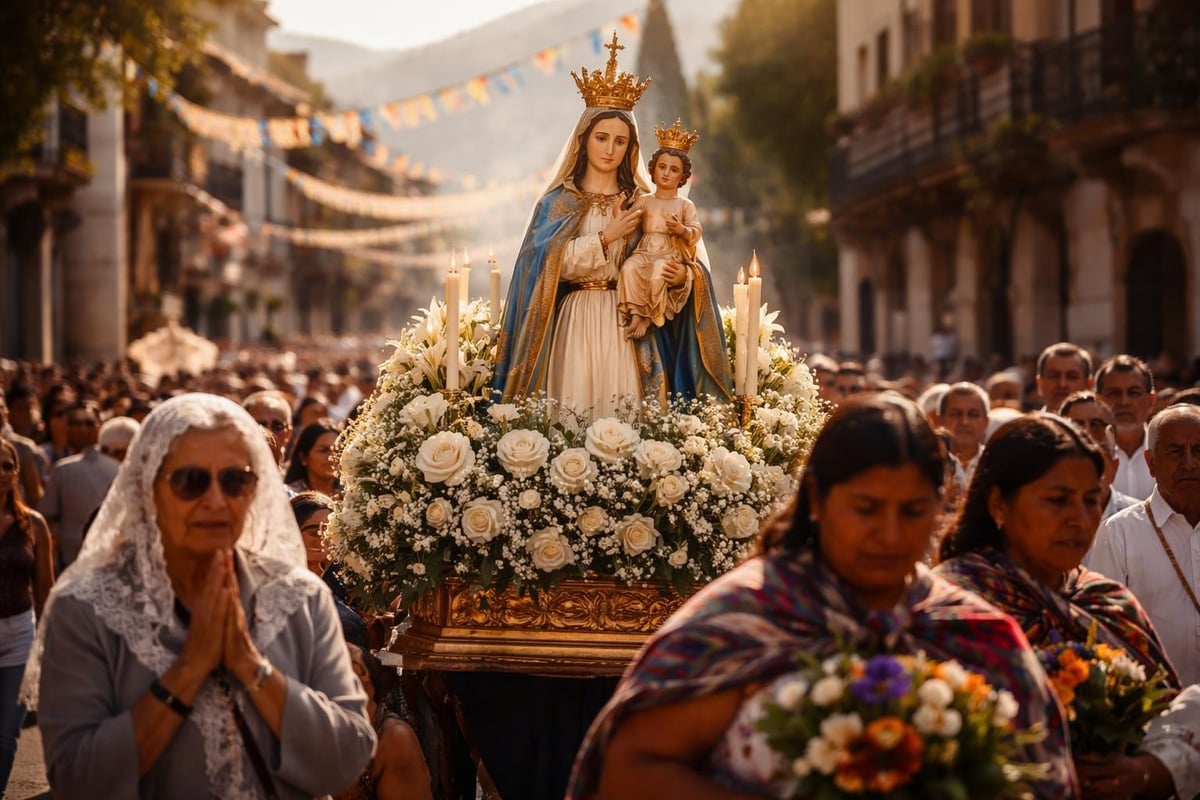
In Sicily, the feast days feature elaborate processions where statues of the lady of miracles traverse city streets. Thousands of candles illuminate evening processions, creating an atmosphere of sacred beauty. Families pass down the honor of carrying the statue from generation to generation, viewing it as both privilege and responsibility.
The procession route typically includes:
- The main cathedral or shrine where the image resides
- Historically significant locations where miracles occurred
- Homes of the sick and elderly who cannot attend Mass
- Public squares for communal prayers and blessings
- Return to the church for solemn benediction
These processional traditions connect modern Catholics with centuries of faithful predecessors who walked the same paths seeking Mary's intercession.
Theological Foundations of Marian Intercession
Understanding the devotion to the lady of miracles requires grounding in Catholic teaching about Mary's unique role in salvation history. The Church has consistently taught that while Mary herself possesses no divine power, her prayers are particularly efficacious because of her singular relationship with Jesus Christ.
Mary as Mediatrix of Grace
Catholic theology recognizes Mary as the Mediatrix of all graces, meaning that God has chosen to distribute His gifts through her maternal intercession. This doesn't diminish Christ's role as the one Mediator between God and humanity; rather, it acknowledges how God honors His mother by associating her with His redemptive work.
When Catholics invoke the lady of miracles, they're not asking Mary to work miracles independently. Instead, they're requesting that she bring their needs to her Son, confident that Jesus honors His mother's requests. This understanding appears throughout Scripture, most notably at the Wedding of Cana where Mary's simple request moved Jesus to perform His first public miracle.
The Power of Maternal Intercession
Mary's maternal heart perfectly aligns with God's will for humanity. As the Mother of the Church, she desires the salvation and sanctification of all souls. Her intercession carries particular weight because she never asks for anything contrary to God's plan.
The lady of miracles responds to:
- Prayers for physical healing and restoration
- Petitions for spiritual conversion and growth
- Requests for protection from danger
- Supplications for family unity and peace
- Intercession for the dying and deceased
Pilgrimage Sites and Sacred Shrines
Major shrines dedicated to the lady of miracles attract pilgrims from around the world. These sacred spaces offer opportunities for deeper prayer, sacramental encounter, and spiritual renewal. Each location carries its unique charism while maintaining the universal elements of Catholic devotion.
The Collesano Sanctuary
The Sanctuary of Our Lady of Miracles in Collesano, Sicily, houses a miraculous painting that has become the focus of intense devotion. Art historians and theologians have studied this sacred image, noting features that appear to change or emanate light during prayer vigils. While maintaining healthy skepticism about subjective experiences, the Church recognizes that God can use sacred art to inspire faith and devotion.
Pilgrims visiting Collesano often report:
- Profound peace during prayer before the miraculous image
- Clarity about life decisions and vocational discernment
- Physical healings or improvements in chronic conditions
- Renewed commitment to sacramental life
- Deeper understanding of Mary's role in salvation
Preparation for Pilgrimage
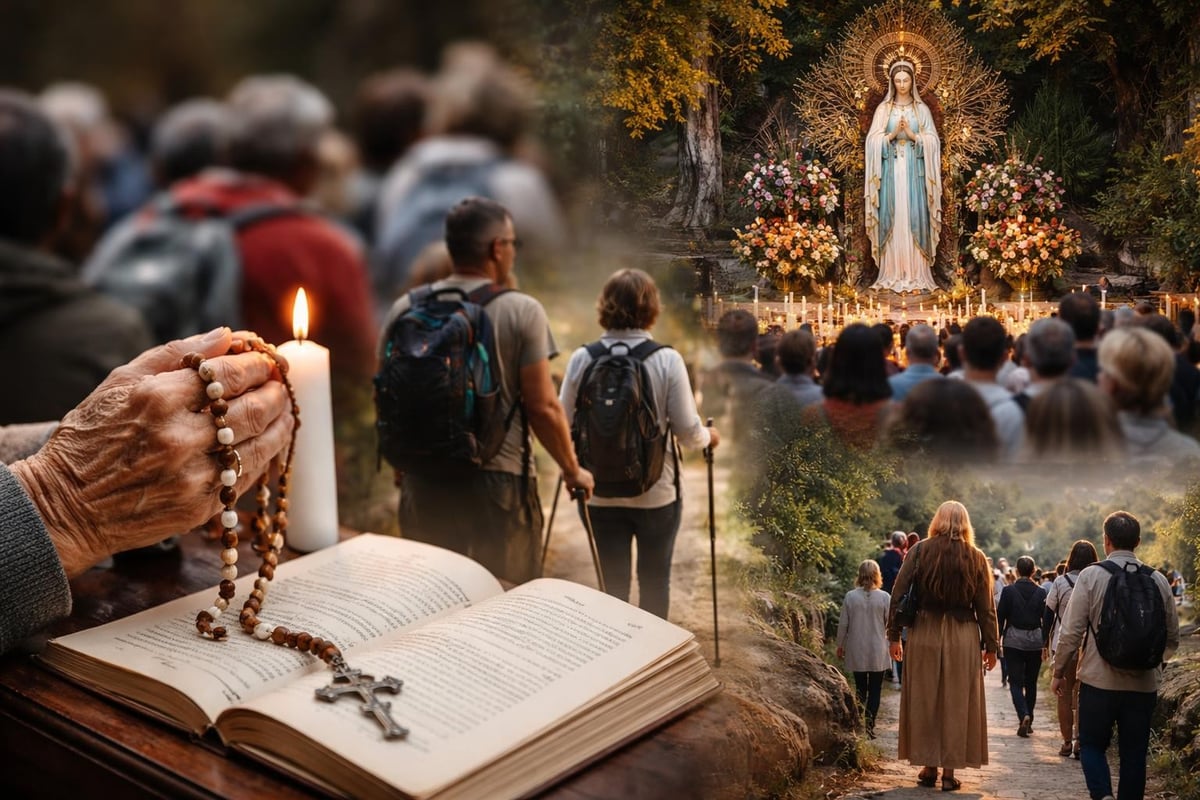
Catholics planning pilgrimage to lady of miracles shrines benefit from spiritual preparation. This might include sacramental confession, reading Scripture passages about Mary, studying the shrine's history, and establishing specific prayer intentions. The journey itself becomes a prayer, with each step representing movement toward deeper union with Christ through Mary's intercession.
| Preparation Element | Purpose | Recommended Timeline |
|---|---|---|
| Sacramental Confession | Spiritual cleansing and grace | Within one week of departure |
| Scripture Reading | Biblical foundation for Marian devotion | Two weeks before pilgrimage |
| Historical Study | Understanding the shrine's significance | One month before travel |
| Prayer Intentions | Focused intercession during visit | Ongoing throughout preparation |
Devotional Practices and Prayer Traditions
Catholics honor the lady of miracles through various devotional practices that strengthen faith and maintain connection with this powerful Marian title. These practices range from simple daily prayers to elaborate novenas and special observances.
Novenas to Our Lady of Miracles
Nine-day prayer cycles specifically honoring the lady of miracles appear in various prayer books and devotional guides. These novenas typically include scriptural readings, meditations on Mary's role in salvation history, specific petitions, and acts of consecration. Many prayer resources, including those available through Catholic prayer cards and novenas collections, offer structured approaches to this devotion.
A typical novena structure includes:
- Opening prayers invoking the Holy Spirit
- Scripture reading focusing on Mary's faith
- Meditation on a specific mystery or miracle
- Personal petitions and intercessions
- Concluding prayers of thanksgiving
- Daily commitment to virtue or service
- Examination of conscience
- Acts of faith, hope, and charity
- Final blessing and dismissal
Integration with Rosary Devotion
Many Catholics combine their devotion to the lady of miracles with the traditional rosary. This practice makes sense given Mary's own encouragement of rosary prayer at approved apparition sites. Meditating on the mysteries while seeking specific miraculous interventions deepens both devotions simultaneously.
The connection between rosary prayer and miraculous graces appears throughout Church history. Saints and mystics consistently report that regular rosary recitation opens channels for extraordinary divine intervention. When Catholics seek the lady of miracles' intercession, the rosary becomes a powerful companion practice.
Contemporary Relevance and Modern Miracles
The devotion to the lady of miracles remains vibrantly alive in 2026, with contemporary accounts of miraculous interventions continuing to strengthen faith communities worldwide. Modern medical documentation and communication technology allow for more thorough investigation and wider dissemination of these accounts.
Medical Verification in Modern Context
Twenty-first-century medicine provides tools for rigorously documenting alleged miracles. When someone claims healing through the lady of miracles' intercession, medical professionals can compare before-and-after diagnostic tests, review treatment histories, and determine whether natural explanations exist for the recovery.
Several recent cases have passed this rigorous scrutiny:
- Terminal cancer patients experiencing complete remission after pilgrimages
- Neurological conditions improving beyond medical expectations
- Genetic disorders showing unexpected reversals
- Chronic pain syndromes disappearing after prayer campaigns
- Fertility miracles for couples told they could never conceive
The Church doesn't rush to declare miracles, recognizing that doing so carelessly undermines credibility. However, when proper investigation confirms that natural explanation cannot account for a healing, these events powerfully testify to God's ongoing work through Mary's intercession.
Digital Age Devotion
Modern technology has transformed how Catholics engage with devotion to the lady of miracles. Virtual pilgrimages allow homebound individuals to participate in shrine Masses. Social media communities share testimonies and prayer requests. Mobile applications provide access to novenas, feast day information, and shrine histories.
This digital dimension doesn't replace physical pilgrimage or community worship but supplements traditional practices. A Catholic in rural America can now join real-time prayer at a Sicilian shrine, participating in centuries-old traditions despite geographic barriers.
Artistic Representations and Sacred Images
Throughout Catholic tradition, sacred art has served evangelization and devotion. Images of the lady of miracles appear in various artistic styles, each reflecting cultural aesthetics while maintaining theological accuracy and devotional purpose.
Traditional Iconography
Classical representations of the lady of miracles typically show Mary holding the Christ Child, often with symbolic elements indicating her miraculous power. Common features include:
| Artistic Element | Symbolic Meaning | Historical Origin |
|---|---|---|
| Crown of stars | Queenship and celestial glory | Revelation 12:1 |
| Rays of light | Grace flowing to petitioners | Medieval mysticism |
| Protective mantle | Maternal care and intercession | Cistercian devotion |
| Miraculous medal | Connection to Paris apparition | 19th century France |
Artists balance beauty with theological truth, ensuring images inspire genuine devotion rather than mere aesthetic appreciation. The greatest sacred art draws viewers into prayer, facilitating encounter with the divine realities depicted.
Modern Artistic Expressions
Contemporary artists continue creating new representations of the lady of miracles, incorporating modern materials and techniques while respecting traditional iconographic principles. Some parishes commission original works that reflect their community's cultural heritage, creating unique expressions of universal Marian devotion.
These modern works sometimes spark controversy, as Catholics debate appropriate boundaries for sacred art. The Church provides guidelines emphasizing that sacred images should promote orthodox theology, avoid sentimentality, and facilitate prayer rather than distraction.
The Role of Testimony in Strengthening Faith
Personal testimonies of miracles received through the lady of miracles' intercession serve crucial evangelistic and catechetical functions. These accounts make abstract theological concepts concrete, showing how divine grace operates in real human lives.
Collecting and Sharing Testimonies
Major shrines maintain archives of written testimonies, medical documentation, and ex-votos (thanksgiving offerings) left by grateful pilgrims. These collections serve multiple purposes:
- Historical record of Mary's ongoing intercession
- Encouragement for current pilgrims facing similar struggles
- Evidence for Church investigators examining miracle claims
- Catechetical resources demonstrating active faith
- Evangelistic tools for outreach to skeptics
Modern Catholics can contribute their own testimonies through shrine websites, social media platforms, and Catholic media organizations like Journeys of Faith that document and share these powerful stories of grace.
Authentic Versus Exaggerated Claims
Discernment remains essential when evaluating miracle testimonies. Not every positive outcome represents a supernatural miracle. Natural explanations, coincidence, or misremembered details can account for some claimed miracles. The Church encourages healthy skepticism alongside openness to genuine divine intervention.
Characteristics of credible testimonies include:
- Specific, verifiable details about the situation
- Medical or other professional documentation
- Multiple witnesses to the event
- Absence of financial or fame-seeking motives
- Theological orthodoxy in describing the experience
- Attribution of glory to God rather than self
- Ongoing faith commitment after the miracle
Connecting Marian Devotion to Eucharistic Life
The lady of miracles devotion should never exist in isolation from sacramental life, particularly the Eucharist. Mary consistently points believers toward her Son, and authentic Marian spirituality always leads to deeper Eucharistic devotion. This connection appears prominently in how Journeys of Faith approaches evangelization, linking devotion to Mary with promotion of Eucharistic adoration and Mass attendance.
Mary's Eucharistic Presence
Theological reflection reveals profound connections between Mary and the Eucharist. Just as Mary's body formed Jesus' human flesh, the Eucharist transforms bread and wine into Christ's Body and Blood. Mary's "yes" at the Annunciation made the Incarnation possible; our "amen" at Communion receives that same incarnate Lord.
When Catholics invoke the lady of miracles, they're ultimately seeking deeper union with Jesus. Mary's intercession aims to bring souls to the Eucharist, where Christ offers Himself completely for our salvation and sanctification.
Practical Integration
Catholics can integrate these devotions by:
- Attending Mass on feast days of the lady of miracles
- Receiving Communion with intentions related to Marian petitions
- Spending time in Eucharistic adoration while praying Marian prayers
- Studying connections between Mary and the Eucharist in Church teaching
- Participating in parishes that actively promote both devotions
Formation and Education for Deeper Understanding
Authentic devotion to the lady of miracles requires solid catechetical formation. Catholics benefit from understanding the theological, historical, and spiritual dimensions of this title rather than approaching it superficially or superstitiously.
Educational Resources
Numerous resources support Catholics seeking deeper understanding of Marian devotion. Books, documentaries, podcast series, and online courses explore Mary's role in salvation history, approved apparitions, miraculous interventions, and proper devotional practices. Organizations like Journeys of Faith offer educational materials that connect Marian theology with personal spiritual growth.
Recommended study areas include:
- Scripture passages featuring Mary's faith and intercession
- Church documents on Marian theology and devotion
- Lives of saints with strong Marian devotion
- History of major Marian shrines and apparitions
- Theological reflection on Mary's queenship and mediation
- Practical guides for Marian consecration and devotion
Parish-Level Formation
Parishes strengthen Marian devotion through regular educational opportunities. Monthly talks, book studies, pilgrimages to local shrines, and special liturgies for Marian feast days all contribute to robust formation. Pastors who personally model Marian devotion inspire parishioners to develop their own relationship with the Blessed Mother.
Youth formation particularly benefits from age-appropriate introduction to the lady of miracles and other Marian titles. Young Catholics who develop authentic Marian devotion in childhood often maintain this spiritual anchor throughout life's challenges and transitions.
Challenges and Misconceptions
Like all popular devotions, the veneration of the lady of miracles sometimes faces challenges and misconceptions that require pastoral attention and theological clarification.
Common Misunderstandings
Some Catholics and non-Catholics misunderstand Marian devotion as worshiping Mary rather than honoring her as the greatest of saints. This confusion arises from misinterpreting the reverence Catholics show Mary, mistaking it for the adoration due to God alone.
Clarifying distinctions:
| Term | Meaning | Direction |
|---|---|---|
| Latria | Worship and adoration | God alone |
| Hyperdulia | Special veneration | Mary exclusively |
| Dulia | Veneration and honor | All saints and angels |
Education about these distinctions helps Catholics explain their devotion to skeptics while ensuring their own practice remains theologically sound.
Avoiding Superstition
Another challenge involves preventing devotion from degenerating into superstition. Authentic Catholic practice recognizes that Mary has no independent power; she intercedes for us before God, who freely chooses to grant or withhold specific graces according to His perfect wisdom and timing.
Superstitious approaches treat prayer like magic formulas, expecting automatic results regardless of one's spiritual state or God's will. Mature faith recognizes that "no" sometimes represents God's most loving answer, as He knows better than we do what truly serves our eternal good.
Impact on Personal Holiness and Community Life
Devotion to the lady of miracles profoundly impacts both individual spiritual growth and communal faith life when practiced authentically within the Church's sacramental framework.
Personal Transformation
Individuals who develop consistent devotion to the lady of miracles often report significant spiritual growth. Regular prayer to Mary cultivates humility, trust, and abandonment to divine providence. Meditating on her "yes" to God's plan inspires greater openness to God's will in one's own life.
Mary's example teaches practical virtues:
- Faith that trusts despite not understanding completely
- Hope that perseveres through darkness and difficulty
- Love that sacrifices personal comfort for others' good
- Purity that consecrates every aspect of life to God
- Obedience that submits to legitimate authority
- Patience that waits for God's perfect timing
Strengthening Parish Communities
Parishes that actively promote devotion to the lady of miracles often experience strengthened community bonds. Shared Marian devotions create connections between parishioners, particularly when organizing pilgrimages, novenas, or feast day celebrations together.
These communal activities build social capital within parishes, creating networks of support that extend beyond religious activities. Families who pray together at Marian shrines often develop lasting friendships, supporting one another through life's joys and sorrows.
The devotion to the lady of miracles continues inspiring Catholics worldwide to deepen their faith through Mary's powerful intercession. This rich spiritual tradition connects contemporary believers with centuries of faithful witnesses who experienced God's transforming grace through the Blessed Mother's maternal care. Whether you're drawn to explore Marian devotion more deeply, seek specific miraculous intervention, or strengthen your prayer life, Journeys of Faith offers extensive resources to support your spiritual journey.
Resources to Deepen Your Faith:
- Explore the Journeys of Faith online store with thousands of Catholic items at https://journeysoffaith.com/collections
- Use our unique mega search engine at https://journeysoffaith.com/search linked to hundreds of Catholic shops and stores
- Get the Journeys of Faith NEW App for iPhone or Android by searching for "Journeys of Faith" or visiting https://journeysoffaith.com/pages/download-our-app
- Chat with us anytime at https://chatting.page/mjxs9aerrtgm3lmpndlcepmbyosntrjn
- We need your help to reach more souls. Please make a donation at https://journeysoffaith.com/pages/donate