

The litany of the saints rosary represents a profound convergence of two ancient Catholic prayer traditions that have shaped devotional life for centuries. While the Rosary meditates on the mysteries of Christ's life through repetitive Hail Marys, the Litany of the Saints invokes the communion of heaven through a rhythmic procession of holy names. When these practices intersect, they create a powerful spiritual experience that connects believers to both the earthly life of Christ and the heavenly triumph of His saints. Understanding how to integrate these devotions enriches personal prayer and deepens one's participation in the Church's living tradition.
Historical Foundations of the Litany and Rosary
The Litany of the Saints emerged from early Christian liturgical worship, with roots traceable to the fourth and fifth centuries. The Catholic Encyclopedia's comprehensive entry documents how these invocations evolved from simple congregational responses into the structured format we recognize today. Medieval manuscripts, including those examined in scholarly research on English monastic litanies, reveal how different religious communities adapted saint lists to reflect regional devotions and newly canonized holy men and women.
The Rosary developed later, solidifying its current form in the fifteenth and sixteenth centuries through Dominican influence. The Vatican's official overview of Rosary mysteries explains how Marian meditation became central to Catholic spiritual practice. These two prayer forms share common characteristics: repetitive structure, rhythmic recitation, and communal participation that creates a contemplative atmosphere.
Theological Significance of Combined Prayer
When believers pray the litany of the saints rosary, they engage multiple dimensions of Catholic theology simultaneously. The Rosary focuses attention on the Incarnation and Redemption through Mary's eyes, while the Litany reminds us that we pray surrounded by a "great cloud of witnesses" (Hebrews 12:1). This combination emphasizes the Church as both earthly and heavenly, temporal and eternal.
Key theological benefits include:
- Recognition of the Mystical Body of Christ uniting earth and heaven
- Acknowledgment of saintly intercession as biblical and efficacious
- Meditation on Christ's mysteries alongside celebration of His saints
- Humility in seeking help from those who walked the faith before us
The practice reinforces that Christian prayer is never solitary. Even in private devotion, Catholics join the eternal liturgy where angels and saints perpetually worship God.
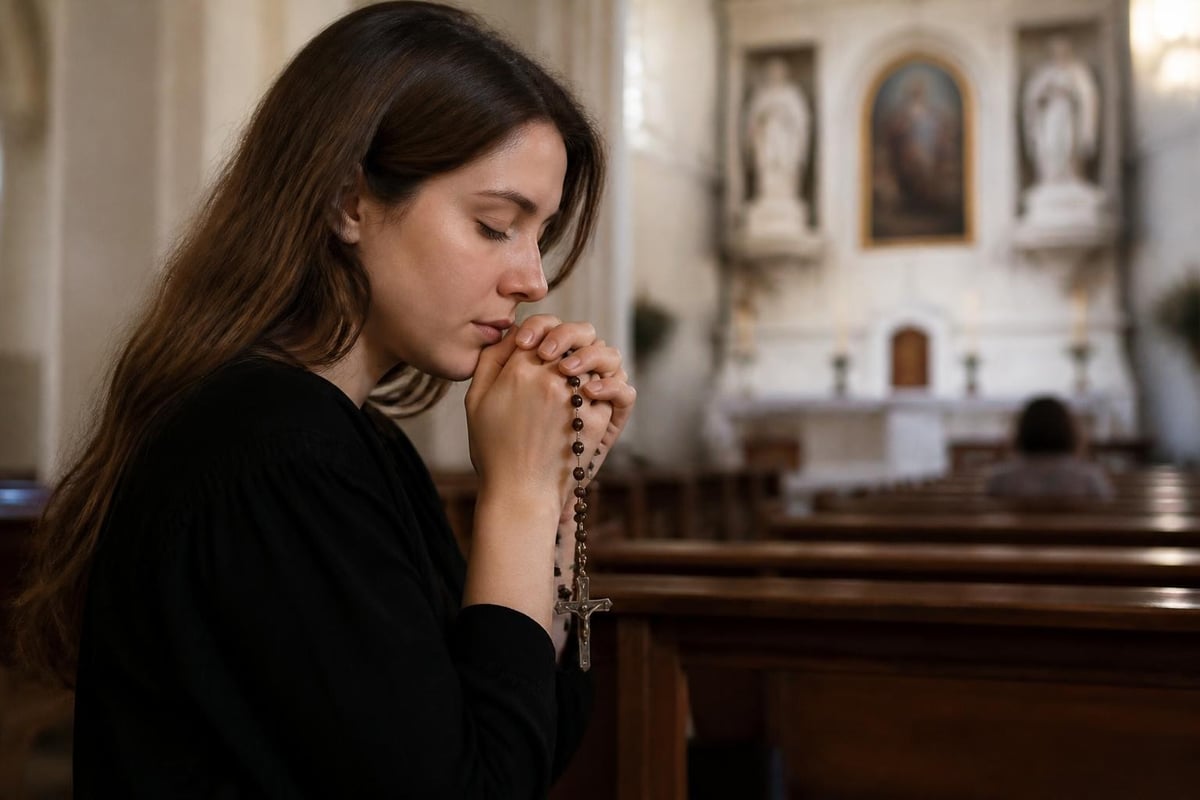
Methods for Praying the Litany of Saints Rosary
Several approaches exist for combining these devotions, each offering distinct spiritual advantages. Some practitioners pray a complete Rosary followed by the full Litany of the Saints, creating an extended meditation perfect for feast days or special intentions. Others integrate litany invocations between Rosary decades, pausing after each mystery to call upon saints particularly associated with that event in Christ's life.
Decade-by-Decade Integration Method
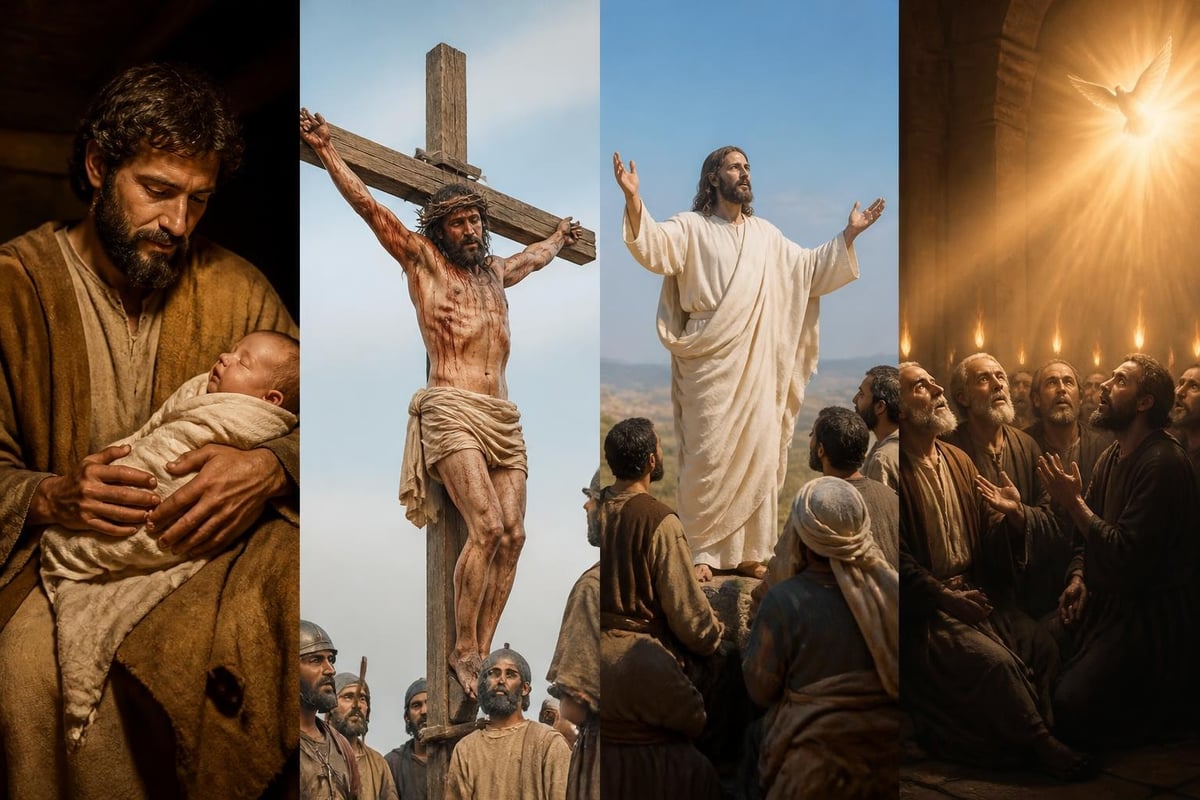
This popular method structures the litany of the saints rosary by linking specific saints to each mystery:
- Joyful Mysteries – Invoke prophets and patriarchs (Isaiah, Abraham, Moses)
- Luminous Mysteries – Call upon apostles and evangelists (Peter, Paul, John, Mark)
- Sorrowful Mysteries – Petition martyrs and those who suffered (Stephen, Lawrence, Perpetua)
- Glorious Mysteries – Seek intercession of doctors and confessors (Augustine, Francis, Teresa)
Between each decade, recite the traditional response: "Pray for us." This creates a natural rhythm that maintains focus while honoring the communion of saints.
Full Litany After Rosary Completion
A more traditional approach completes the standard five-decade Rosary before beginning the Litany of the Saints. This method works particularly well during:
- Vigils before major feast days
- Preparation for sacramental celebrations
- Group prayer in parishes or religious communities
- Personal discernment periods requiring concentrated intercession
The Vatican's liturgical resources demonstrate how the Litany of the Saints functions in solemn Church ceremonies, providing a model for private adaptation. The musical notation available through GregoBase chant resources offers another dimension for those interested in chanting the litany.
Brought to you by Journeys of Faith, founded by Bob and Penny Lord. We are an Augustinian Secular Institute – Cyber Apostles. Our mission is Evangelization through Media.
Spiritual Benefits and Graces
The litany of the saints rosary opens channels of grace precisely because it activates faith in God's power working through His saints. Scripture affirms that "the prayer of a righteous person has great power" (James 5:16), and the saints possess righteousness perfected through Christ. By invoking their names while meditating on Gospel mysteries, believers access intercession from those who lived these truths most authentically.
| Spiritual Benefit | Rosary Component | Litany Component | Combined Effect |
|---|---|---|---|
| Christocentric Focus | Meditation on Christ's life | Saints as Christ's followers | Deeper understanding of discipleship |
| Intercessory Power | Mary's maternal intercession | Multitude of heavenly advocates | Comprehensive spiritual support |
| Historical Connection | Scriptural mysteries | Saints across all eras | Timeless Church unity |
| Personal Identification | Universal mysteries | Patron saints for specific needs | Customized spiritual assistance |
This structure reveals why the combined devotion proves so effective for those facing serious challenges. Whether seeking healing, vocational clarity, protection from evil, or growth in virtue, the litany of the saints rosary marshals heaven's full attention toward the petitioner's needs.
Contemporary Applications in Parish Life
Modern Catholic communities have rediscovered the litany of the saints rosary as a unifying devotional practice. Parish groups gather monthly for extended prayer sessions, often preceding important liturgical seasons. The U.S. Conference of Catholic Bishops' liturgical music resources provide musical settings that enable congregational participation, transforming individual devotion into communal worship.
Youth groups report particular success using abbreviated versions that introduce teenagers to saints their own age. Young people connect powerfully with martyrs like Saint Maria Goretti, modern witnesses like Saint Kateri Tekakwitha, or contemporary examples such as Blessed Carlo Acutis. Learning about Saint Anthony of Padua's miracles or Saint Clare of Assisi's dedication provides concrete role models for Christian living.
Selecting Saints for Personal Litanies
While the official Litany of the Saints maintains a traditional structure, personal adaptations allow individuals to emphasize saints relevant to their circumstances. This customization makes the litany of the saints rosary particularly powerful for specific intentions.
Categories for saint selection:
- Patron saints of your occupation, country, or diocese
- Name saints sharing your baptismal or confirmation name
- Calendar saints whose feast days fall during current seasons
- Devotional saints to whom you feel particular spiritual attraction
- Necessity saints known for intercession in your current needs
For example, a teacher might invoke Saint John Baptist de la Salle, while a physician calls upon Saints Luke and Cosmas and Damian. Parents frequently petition Saint Monica when praying for wayward children. This personalization doesn't diminish the prayer's universality but rather demonstrates faith that God works through specific friendships across the eternal divide.
Structure of a Personalized Litany
Creating a personal litany for use with the Rosary requires balancing tradition with relevance. Begin with the Trinitarian invocations that open the traditional litany:
- Lord, have mercy (Christ, have mercy; Lord, have mercy)
- Holy Trinity, one God (Have mercy on us)
- Mary, Mother of God (Pray for us)
Follow with your selected saints, organized logically: angels, prophets, apostles, martyrs, bishops, doctors, priests, religious, laity. Conclude with the traditional petitions ("From all evil, deliver us, O Lord") before transitioning back to Rosary prayers or finishing with the Our Father and closing prayers.
The scholarly examination of medieval litany evolution reveals that saint lists have always adapted to local needs while maintaining structural integrity. Your personalized litany of the saints rosary continues this ancient tradition.
Integration with Liturgical Seasons
The Church calendar provides natural opportunities for emphasizing the litany of the saints rosary throughout the year. Different seasons call forth different emphases in saintly intercession, enriching how we approach familiar Rosary mysteries.
Advent and Christmas
During Advent, the litany focuses on Old Testament prophets and patriarchs who prepared for Christ's coming. Invoke Isaiah, Jeremiah, Abraham, Moses, and David while praying the Joyful Mysteries. Christmas itself expands to include Saint Joseph, the shepherds as representatives of simple faith, and the Magi as symbols of Gentile conversion. The dedication many Catholics have to learning about the lives of the saints deepens these seasonal connections.
| Liturgical Season | Featured Saints | Relevant Mysteries | Petition Focus |
|---|---|---|---|
| Advent | Prophets, John Baptist | Joyful (especially Visitation) | Preparation, watchfulness |
| Christmas | Joseph, Stephen, Holy Innocents | Joyful, Glorious (Nativity connections) | Family protection, innocence |
| Lent | Desert fathers, penitents | Sorrowful | Repentance, conversion |
| Easter | Apostles, martyrs | Glorious | Victory over sin, resurrection hope |
Lent and Easter
Lenten practice intensifies the litany of the saints rosary by focusing on penitential saints and those who endured great sufferings. Saint Mary Magdalene, the penitent thief, Saints Peter and Paul (for their conversions), and desert fathers like Saint Anthony model the self-denial Lent requires. The Sorrowful Mysteries naturally align with martyrs who shared Christ's passion through their deaths.
Easter explodes with invocations of apostles, early martyrs, and all those whose witness testified to Resurrection power. The Glorious Mysteries shine with renewed meaning when prayed alongside saints who now enjoy the beatific vision these mysteries promise.
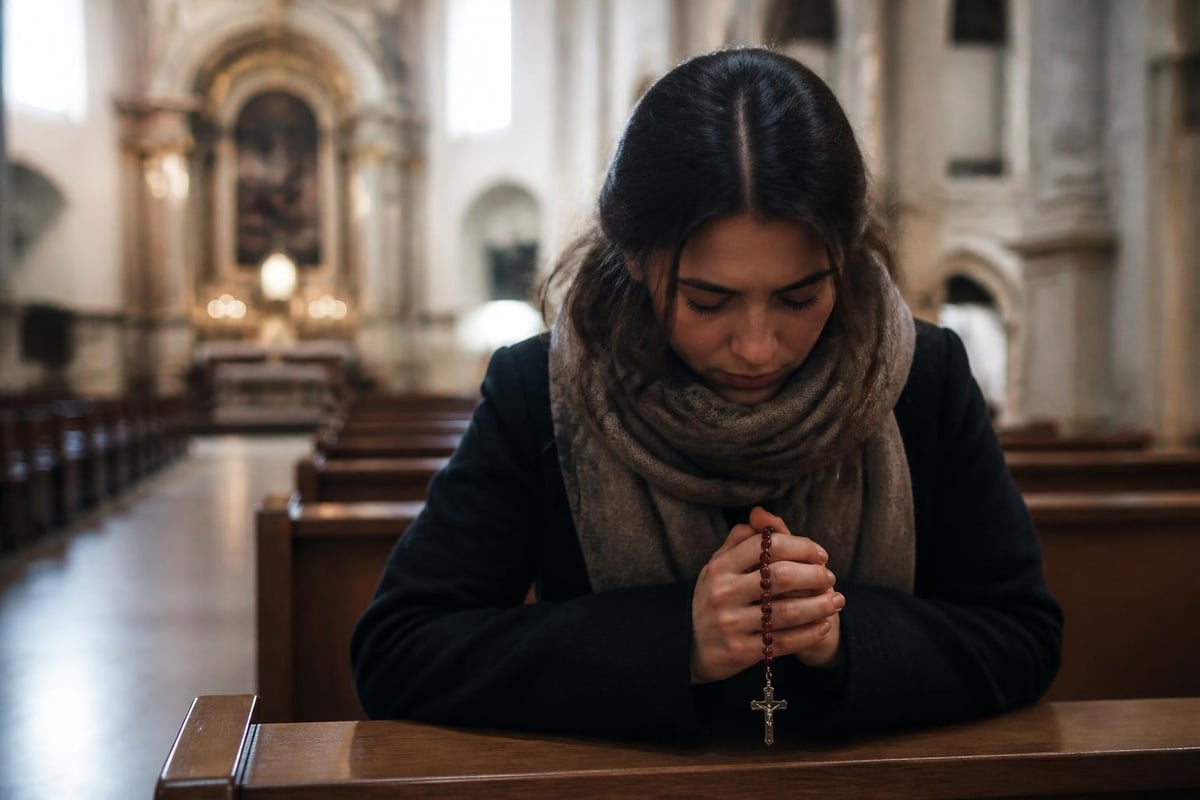
Teaching the Devotion to Children and New Catholics
Introducing the litany of the saints rosary to beginners requires patience and creativity. Children especially benefit from storytelling approaches that make saints vivid and relatable. Rather than merely reciting names, share brief narratives about each saint invoked. "Saint Nicholas, who secretly gave gifts to poor children, pray for us" transforms an abstract name into a concrete friend.
Effective teaching methods include:
- Visual aids showing saint images during litany recitation
- Age-appropriate hagiographies read before prayer sessions
- Action connections linking saint virtues to children's daily choices
- Calendar coordination highlighting feast days and their associated saints
New Catholics often appreciate written guides that explain both the Rosary structure and litany responses. Simple one-page references listing your regular litany saints with brief identifying phrases ("Thomas Aquinas, great teacher" or "Joan of Arc, brave warrior") help newcomers remember who they're invoking. The Prayer Cards and Novenas available through Catholic media resources provide portable references ideal for learning.
Family Rosary with Litany
The litany of the saints rosary offers families an excellent tool for collective prayer that accommodates different age levels. Assign each child responsibility for specific saints – perhaps their baptismal patrons or favorites from recent reading. During the litany portion, that child leads the invocation while others respond. This participation increases attention and investment while teaching liturgical leadership.
Parents report that rotating mystery assignments keeps family Rosary fresh. One week, the oldest child selects mysteries and corresponding saints; the next week, a younger sibling chooses. This variation prevents rote recitation from becoming mechanical while building each family member's knowledge of Catholic women saints and Catholic men saints across Church history.
Advanced Practices and Extended Litanies
Experienced practitioners sometimes expand the litany of the saints rosary into marathon prayer sessions lasting several hours. These extended devotions work powerfully during retreat weekends, vigils before major sacramental events, or when facing community crises requiring intensive intercession. The full traditional Litany of the Saints contains dozens of invocations; adding a complete fifteen-decade Rosary creates a comprehensive prayer experience.
Monastic Adaptations
Religious communities have developed sophisticated variations incorporating liturgical chant, processional movement, and coordinated vocal responses. Some monasteries assign different choir sections to lead specific litany portions, creating antiphonal effects that heighten the sense of dialogue between earth and heaven. The comparative liturgical perspective examining Orthodox Slavic usage reveals fascinating parallel developments in Eastern Christian traditions.
Lay people can adapt these monastic practices for home use. Playing recorded Gregorian chant versions of the Litany of the Saints while praying the Rosary silently creates an immersive environment. Alternately, joining online communities for synchronized virtual prayer combines ancient devotion with modern technology, enabling the litany of the saints rosary to unite believers across geographic distances.
Contemplative Silence Integration
Some spiritual directors recommend incorporating silent pauses into the litany of the saints rosary for deeper contemplative absorption. After completing a Rosary decade and its associated litany invocations, rest in silence for two to three minutes. This rhythm-vocal prayer, saintly invocation, contemplative rest-mirrors the threefold pattern of purgation, illumination, and union traditional in Catholic mysticism.
Suggested silence pattern:
- Pray one Rosary decade (vocal prayer)
- Invoke 5-7 relevant saints (intercessory prayer)
- Sit in silent receptivity (contemplative prayer)
- Repeat with next decade
This approach transforms the litany of the saints rosary from petition-focused devotion into contemplative practice that opens consciousness to divine presence mediated through the communion of saints.
Common Questions and Pastoral Guidance
Pastors and spiritual directors frequently address questions about properly integrating these devotions. The most common concern involves whether combining prayers dilutes their individual effectiveness. Catholic theology affirms that authentic prayer always strengthens rather than weakens other prayer. The litany of the saints rosary doesn't compete with either devotion separately but rather creates synergy where each enhances the other.
Frequently asked questions:
- Can I substitute litany invocations for Rosary decades? No, the Rosary structure should remain intact; the litany supplements rather than replaces.
- How many saints should I invoke? Anywhere from five to fifty, depending on time and intention.
- Must I use the official Litany of the Saints text? The official version is recommended, but personal additions are permissible in private devotion.
- Is this practice approved by the Church? Yes, combining devotions is encouraged when done reverently and according to proper form.
Spiritual directors note that the litany of the saints rosary proves especially fruitful during vocational discernment. Young adults exploring religious life benefit from invoking founders of religious orders while meditating on Christ's call to discipleship. Similarly, those discerning marriage invoke holy spouses like Saints Louis and Zelie Martin while contemplating the Joyful and Glorious Mysteries' family dimensions.
Resources for Deepening the Practice
Numerous tools exist for Catholics seeking to enrich their litany of the saints rosary devotion. Prayer cards listing favorite saints provide portable references for spontaneous invocations. Audio recordings of chanted litanies offer models for pronunciation and rhythm. Books exploring saintly lives transform abstract names into vivid personalities whose friendship becomes real. The extensive Catholic media resources available today make deepening this practice more accessible than ever.
The Saint Philomena Novena Packages offered by Journeys of Faith exemplify how traditional novena prayers complement the litany of the saints rosary. Saint Philomena's intercession, particularly powerful for desperate causes, adds urgency to Rosary meditation when facing seemingly impossible situations. Combining her novena with litany invocations creates layered intercession drawing on multiple heavenly advocates.
Monthly devotional calendars help practitioners rotate through different saint emphases, preventing the litany from becoming repetitive. January might focus on early Church martyrs, February on doctors of the Church, March on Franciscan saints, and so forth. This systematic approach gradually builds comprehensive knowledge of the communion of saints while keeping the litany of the saints rosary fresh and engaging year after year.
The litany of the saints rosary unites two pillars of Catholic devotional life into a practice that engages mind, heart, and will while surrounding believers with heavenly intercession. By invoking the communion of saints alongside meditation on Christ's mysteries, this combined devotion deepens our participation in the Church's eternal liturgy and strengthens our confidence in prayer's power.
Explore Journeys of Faith's online store with thousands of Catholic items at https://journeysoffaith.com/collections. Journeys of Faith is blessed to provide Catholic media, including podcasts and inspirational content, free of charge across multiple media platforms for viewers and listeners around the world. While access to this content remains free, there are significant and continually increasing costs associated with producing, hosting, and distributing these programs. Your support helps us continue sharing the beauty of the Catholic faith with souls. Please make a donation at https://journeysoffaith.com/pages/donate.
Whether you're seeking resources for family prayer, parish groups, or personal spiritual growth, Journeys of Faith offers books, prayer cards, and media that bring the saints to life and make the litany of the saints rosary a transformative encounter with the communion of heaven.
