

The life of margaret of castello stands as one of the most compelling testimonies of faith triumphing over adversity in Catholic history. Born in 1287 with severe physical disabilities, abandoned by her noble parents, and rejected by society, Margaret transformed her suffering into a powerful witness of God's love. Her journey from a despised child to a venerated saint demonstrates how divine grace can work through the most unlikely vessels to inspire generations of believers.
A Life Marked by Rejection and Divine Purpose
Margaret of castello entered the world in Metola, a castle town in the Italian region of Umbria, under circumstances that would define her earthly existence. Born to noble parents who expected a healthy heir, the infant arrived blind, with a severe spinal deformity, dwarfism, and a limp. Her father, Parisio, and mother, Emilia, chose to hide their daughter from society, imprisoning her in a small cell adjacent to the castle chapel.
For the first six years of her life, margaret of castello lived in isolation, with only a maid to care for her basic needs. Her parents' shame over her appearance drove them to conceal her existence from the world. Despite this cruel treatment, Margaret developed a profound prayer life, spending hours before the Blessed Sacrament accessible through a small window in her cell.
The Journey to Città di Castello
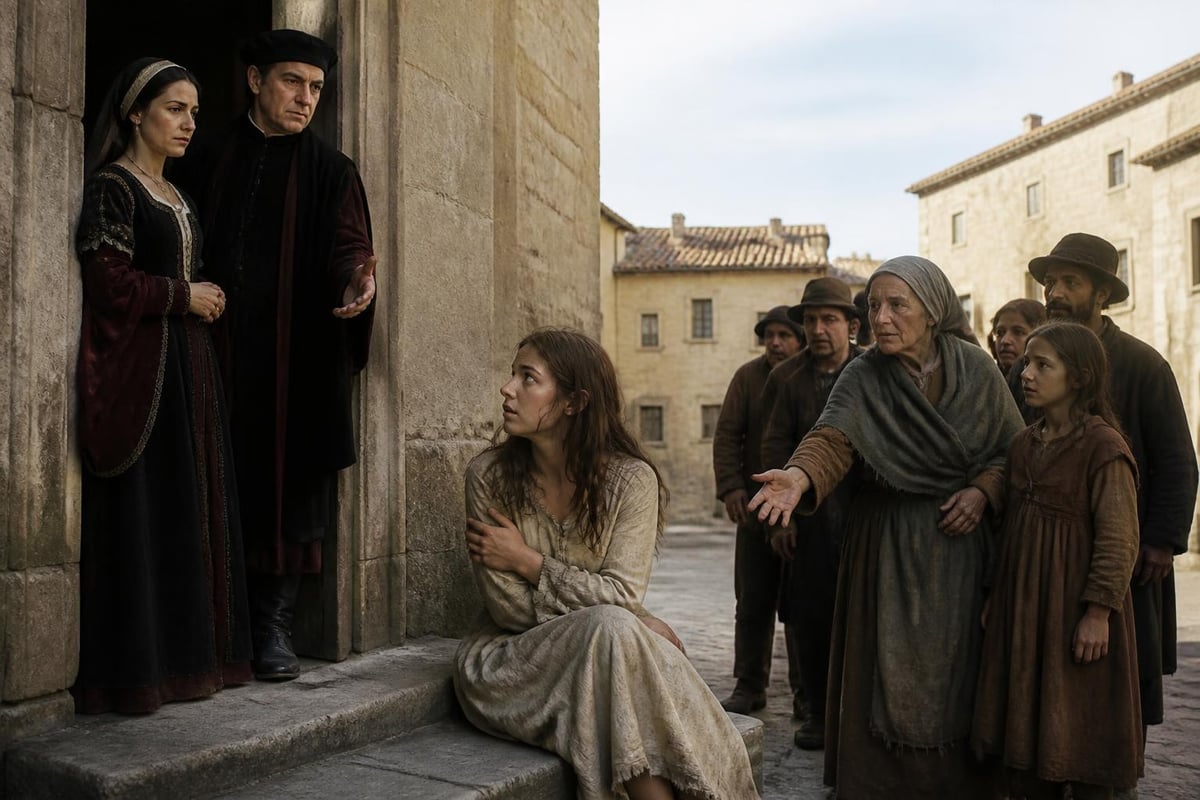
When Margaret reached adolescence, her parents learned of a Franciscan shrine in Città di Castello where miraculous healings reportedly occurred. Motivated by hope for a cure that would restore their family's honor rather than genuine concern for their daughter, they undertook the journey. The pilgrimage proved devastating for Margaret when no miracle manifested.
Her parents' response revealed the depth of their rejection:
- They abandoned margaret of castello in the city streets
- They provided no means of support or shelter
- They returned to Metola without looking back
- They never attempted contact with their daughter again
The teenage girl, blind and disabled, found herself alone in an unfamiliar city with no resources. This abandonment, however, became the catalyst for her transformation into a beacon of Christian charity and faith.
Finding Community Among the Marginalized
Margaret of castello discovered that poverty and disability created an unexpected fellowship. Beggars and outcasts in Città di Castello welcomed her into their community, sharing what little they possessed. Rather than succumbing to bitterness over her circumstances, Margaret embraced this opportunity to serve others who suffered.
She joined the Third Order of Saint Dominic, dedicating herself to prayer and charitable works. Despite her blindness and physical limitations, margaret of castello became known throughout the city for her tireless service to the sick and dying. She spent countless hours at bedsides, offering spiritual comfort and practical assistance to those in their final moments.
Spiritual Gifts and Daily Miracles
Those who knew Margaret reported extraordinary spiritual insights that seemed to transcend her physical blindness. She possessed an uncanny ability to discern the spiritual state of those she encountered, offering precisely the words of counsel or comfort they needed. Her reputation for holiness grew throughout the region.
| Aspect of Service | Margaret's Approach | Impact on Community |
|---|---|---|
| Care for the Dying | Personal presence and prayer | Peaceful deaths, reconciliation |
| Ministry to Children | Teaching catechism through storytelling | Deep faith formation |
| Service to the Poor | Sharing her meager resources | Model of Christian charity |
| Prayer Ministry | Constant intercession for others | Reported conversions and healings |
Brought to you by Journeys of Faith Founded by Bob and Penny Lord - We are an Augustinian Secular Institute - Cyber Apostles - Our Mission is Evangelization through Media.
The Power of Suffering United to Christ
Margaret of castello understood suffering not as a curse but as a profound participation in Christ's redemptive work. Her physical disabilities, rather than limiting her spiritual capacity, seemed to enhance her ability to console others who suffered. She frequently reminded those she served that Christ himself was rejected, mocked, and tortured.
Her approach to suffering influenced countless individuals in medieval Città di Castello. Margaret taught that accepting one's cross with patience and love transformed pain into a powerful form of prayer. This theology of suffering, deeply rooted in Pauline teaching, became her most lasting spiritual legacy.
Daily Life of Prayer and Service
Despite her poverty, margaret of castello maintained a rigorous prayer schedule that began before dawn and continued throughout the day. She attended Mass daily, spent hours in Eucharistic adoration, and prayed the Divine Office with other Third Order Dominicans. Between these formal prayers, she visited the sick and instructed children in the faith.
Her spiritual director marveled at her ability to memorize Scripture and theological teachings despite her inability to read. Margaret compensated for her blindness by developing an extraordinary memory, reciting lengthy passages from the Gospels and the writings of the Church Fathers with perfect accuracy.
Recognition and Veneration
When margaret of castello died on April 13, 1320, at approximately 33 years of age, the entire city mourned. The poor and disabled whom she had served gathered in unprecedented numbers for her funeral. Within hours of her death, reports of miracles at her intercession began circulating through Città di Castello.
Church authorities initially buried her in the common grave for the poor, but public devotion demanded a more appropriate resting place. Her body was exhumed and found to be incorrupt, which the faithful interpreted as a sign of her sanctity. She was reinterred in the Church of San Domenico, where her relics remain enshrined today.
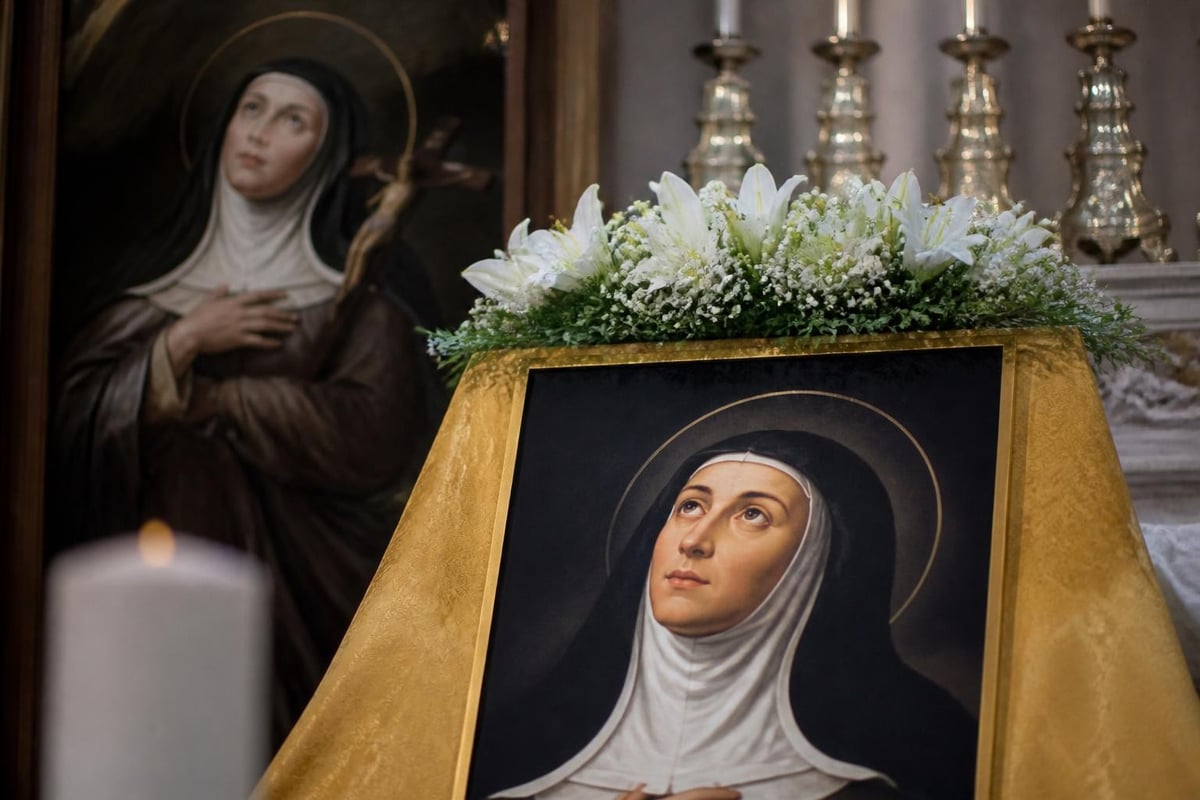
The progression of her recognition unfolded over seven centuries:
- Immediate popular veneration following her death in 1320
- Official recognition of her cult by local ecclesiastical authorities
- Beatification process begun in the 17th century
- Formal beatification by Pope Paul V
- Equipollent canonization authorized by Pope Francis in 2021
Margaret's Relevance in Modern Catholic Life
The witness of margaret of castello speaks powerfully to contemporary challenges regarding disability, human dignity, and the value of every human life. In an era when prenatal testing often leads to the abortion of children with disabilities, Margaret's life proclaims that physical perfection does not determine human worth.
Her story resonates particularly with Catholics engaged in pro-life ministry and disability advocacy. Margaret demonstrates that what the world considers weakness, God transforms into strength. Her life challenges cultural assumptions about productivity, beauty, and the meaning of a successful life.
Lessons for Today's Church
Margaret of castello offers several critical insights for modern Catholics seeking to deepen their faith and service. Her radical acceptance of God's will in her circumstances provides a model for dealing with life's inevitable disappointments and sufferings. She shows that holiness does not require extraordinary opportunities but rather extraordinary fidelity in ordinary circumstances.
For those struggling with prayer during difficult times, Margaret's example proves that suffering can become a doorway to profound intimacy with Christ. Her ability to find joy despite constant pain and rejection demonstrates that Christian joy originates not in circumstances but in relationship with God.
Catholics seeking to grow in their devotion to the saints often find prayer cards and devotional resources helpful in maintaining daily connection with holy men and women like Margaret. These tangible reminders of the saints' intercession can strengthen our resolve to imitate their virtues in our own struggles.
The Shrine and Devotion Today
The official shrine of margaret of castello in Città di Castello continues to attract pilgrims from around the world. Her incorrupt body remains visible for veneration, and visitors report experiencing profound spiritual consolation in her presence. The Dominican friars who maintain the shrine document ongoing reports of miracles and favors received through her intercession.
| Pilgrimage Element | Details | Spiritual Benefit |
|---|---|---|
| Veneration of Relics | Incorrupt body in glass reliquary | Physical connection to her holiness |
| Shrine Mass | Daily celebration at her altar | Eucharistic grace united to her intercession |
| Historical Exhibits | Medieval artifacts and documents | Understanding her historical context |
| Prayer Room | Space for personal devotion | Quiet encounter with God through her example |
The Diocese of Città di Castello actively promotes devotion to margaret of castello, organizing annual celebrations on her feast day and maintaining the church where her relics rest. Recent restoration projects have preserved medieval artwork depicting her life and miracles, ensuring future generations can access this visual catechesis.
Her Place Among the Saints
Margaret of castello occupies a unique position in the communion of saints as a patron of the unwanted, the disabled, and those rejected by society. While the Church venerates many saints who overcame physical challenges, few experienced the total abandonment and social rejection that marked Margaret's entire life.
Her canonization process, though lengthy, reflects the Church's careful discernment in recognizing sanctity. The Congregation for the Causes of Saints conducted thorough investigations of her life, miracles, and the consistency of devotion to her over seven centuries before Pope Francis authorized her equipollent canonization.
Comparing margaret of castello with other medieval saints reveals her distinctive witness:
- Unlike Catherine of Siena, she never counseled popes or influenced politics
- Unlike Clare of Assisi, she founded no religious order
- Unlike Teresa of Avila, she wrote no mystical treatises
- Yet her simple life of prayer and charity achieved profound spiritual impact
Her inclusion in the catalog of saints affirms that the Church recognizes holiness in its humblest expressions. Margaret never performed dramatic public miracles during her lifetime, never held positions of authority, and never gained fame beyond her small city. Yet her faithful response to grace in extraordinarily difficult circumstances merited eternal recognition.
Theological Significance of Her Witness
The life of margaret of castello illuminates several crucial theological truths that Catholic teaching emphasizes. First, her experience demonstrates the doctrine of redemptive suffering-that human pain, when united to Christ's passion, gains salvific value. Margaret's physical disabilities became the very instrument of her sanctification and her service to others.
Second, her story exemplifies the preferential option for the poor that runs throughout Scripture and Catholic social teaching. Christ consistently identified with the marginalized, promising that what we do for "the least of these" we do for Him. Margaret embodied this teaching by serving those society deemed worthless.
The Universal Call to Holiness
Margaret of castello proves that sanctity is accessible to everyone, regardless of social status, education, physical ability, or circumstance. The Second Vatican Council's teaching on the universal call to holiness finds a perfect historical exemplar in this abandoned, disabled woman who became a saint through simple fidelity to her vocation.
Modern Catholics sometimes imagine that holiness requires extraordinary mystical experiences, theological brilliance, or opportunities for dramatic service. Margaret's example corrects this misconception. She achieved sanctity through daily prayer, patient acceptance of suffering, and humble service to her neighbors-activities available to every baptized Christian.
Those interested in exploring more stories of holy men and women who lived extraordinary lives of faith can find resources through Catholic media dedicated to sharing the lives of the saints, which help us understand how diverse paths lead to the same heavenly destination.
Impact on Disability Ministry
Margaret of castello has become an important figure in Catholic ministry to persons with disabilities. Her feast day, April 13, often occasions special Masses and events celebrating the gifts that individuals with disabilities bring to the Church. Disability advocacy groups cite her life as evidence that the Church has always recognized the full humanity and spiritual capacity of persons with disabilities.
Modern applications of her witness include:
- Catechetical programs designed for persons with intellectual disabilities
- Accessibility improvements in churches and Catholic institutions
- Advocacy against prenatal testing aimed at eliminating disabled children
- Support groups for parents of children with disabilities
- Training programs helping able-bodied Catholics interact respectfully with disabled parishioners
Her canonization in 2021 brought renewed attention to these ministries and sparked conversations about how Catholic parishes can better welcome and serve individuals with disabilities. Margaret's own ability to serve others despite her limitations challenges assumptions about who can contribute to the Church's mission.
Devotional Practices and Intercession
Catholics seeking margaret of castello's intercession typically pray for assistance with disabilities, chronic illness, abandonment, rejection, and difficult family situations. Her particular patronage extends to the unborn, especially those diagnosed with disabilities, and to parents facing difficult prenatal diagnoses.
Traditional prayers to Saint Margaret emphasize her patience in suffering, her charity toward the poor, and her intimate relationship with Christ. Novenas in her honor often focus on nine days of meditation on different aspects of her life and virtues.
The restoration work at the Church of San Domenico where her relics rest has uncovered medieval artwork depicting scenes from her life, providing visual focal points for prayer and meditation. These images help contemporary Catholics connect with the historical reality of her existence and witness.
Literary and Historical Sources
Primary sources for margaret of castello's life include medieval Dominican records, canonization testimonies, and local Città di Castello chronicles. While these documents reflect the hagiographical style of medieval writing, historians have verified the essential facts of her biography through multiple independent sources.
Modern biographies have made her story accessible to English-speaking audiences, though some details remain disputed among scholars. The reference literature on various saints named Margaret helps distinguish her from other medieval Margarets and establishes her unique identity in Catholic hagiography.
Academic interest in margaret of castello has increased since her canonization, with historians examining her life for insights into medieval attitudes toward disability, the role of lay Dominican tertiaries, and the intersection of popular piety and official Church recognition. Her story contributes to our understanding of how ordinary Christians lived their faith in the Middle Ages.
The extraordinary journey of margaret of castello from abandoned child to canonized saint demonstrates that God's grace transforms every limitation into opportunity for witness. Her life challenges us to recognize human dignity in unexpected places and to trust that suffering united to Christ bears eternal fruit. Whether you're discovering her story for the first time or deepening your devotion to this remarkable saint, Journeys of Faith offers resources to help you explore the lives of the saints and strengthen your Catholic faith. Explore the Journeys of Faith online store with thousands of Catholic items at https://journeysoffaith.com/collections. Journeys of Faith is blessed to provide Catholic media, including podcasts and inspirational content, free of charge across multiple media platforms for viewers and listeners around the world. While access to this content remains free, there are significant and continually increasing costs associated with producing, hosting, and distributing these programs. Your support helps us continue sharing the beauty of the Catholic faith with souls. Please make a donation at https://journeysoffaith.com/pages/donate to support this vital evangelization work and access additional resources that bring the witness of the saints into your daily life.
