

The name of Jesus carries extraordinary weight in Catholic tradition, Scripture, and spiritual practice. Far beyond a simple identifier, this sacred name represents the very essence of God's saving action in human history. For Catholics and Christians worldwide, invoking the name of Jesus brings comfort, healing, authority over evil, and direct communion with the Divine. Understanding the depth of this name enriches prayer life, strengthens faith, and connects believers to centuries of sacred tradition. This exploration examines the origins, meanings, scriptural significance, and practical applications of the name of Jesus in contemporary Catholic spirituality.
Biblical Origins and Hebrew Roots
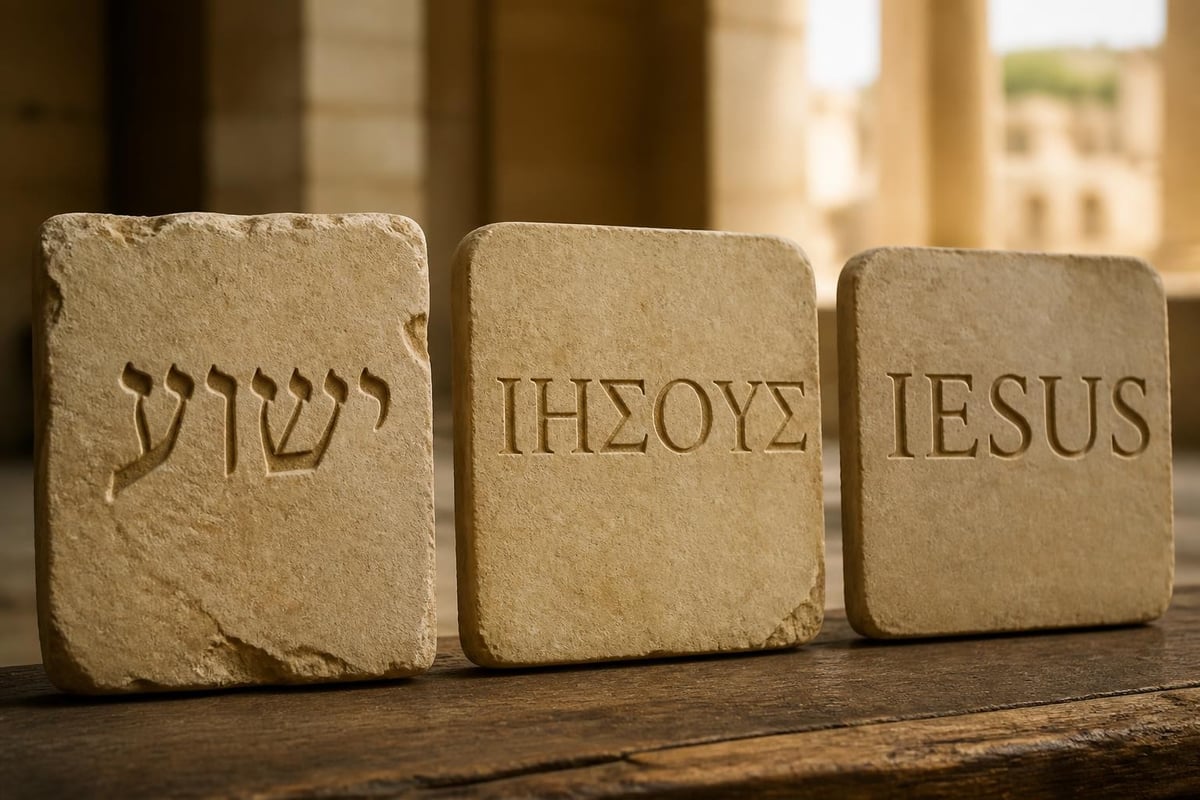
The name of Jesus originates from the Hebrew name Yeshua, a shortened form of Yehoshua (Joshua), which means "Yahweh is salvation" or "the Lord saves." This connection reveals the profound theological truth embedded in the very name given to Christ by divine instruction. When the angel Gabriel appeared to Mary, he specifically commanded that the child be named Jesus, establishing a direct connection between His identity and His mission.
Divine Instruction and Prophetic Fulfillment
The angel's message to Joseph further clarified this divine naming: "She will bear a son, and you shall call his name Jesus, for he will save his people from their sins" (Matthew 1:21). This declaration transforms the name from a common Hebrew designation into a prophetic statement of purpose. The various names and titles attributed to Jesus throughout Scripture each reveal different aspects of His divine nature and earthly mission.
Key aspects of the Hebrew roots:
- Yeshua directly connects to salvation history
- The name appears throughout Old Testament prophecy
- Ancient rabbinical texts reference the Messiah's name
- Hebrew linguistics reveal layered theological meanings
- The name bridges Old and New Covenant promises
Brought to you by Journeys of Faith, founded by Bob and Penny Lord. We are an Augustinian Secular Institute and Cyber Apostles. Our mission is evangelization through media.
Theological Significance in Catholic Teaching
Catholic theology places immense emphasis on the name of Jesus as more than a linguistic designation. The Catechism of the Catholic Church teaches that this name contains the very presence of the person it signifies. When Catholics invoke the name of Jesus, they call upon His divine power, mercy, and saving grace. This understanding transforms simple utterance into a sacramental encounter with the living God.
Power and Authority in the Sacred Name
The Acts of the Apostles records numerous miracles performed through invocation of the name of Jesus. Peter declared, "There is salvation in no one else, for there is no other name under heaven given among men by which we must be saved" (Acts 4:12). This exclusivity establishes the name of Jesus as the singular point of access to divine redemption. Early Church Fathers understood this power as intrinsic to the name itself, not merely symbolic.
Saint Bernard of Clairvaux wrote extensively about the sweetness and power found in the name of Jesus. His devotional writings inspired generations of Catholics to meditate upon this sacred name as a source of consolation and strength. The tradition of the Holy Name of Jesus became a distinct devotion within Catholic spirituality, celebrated liturgically and practiced through specific prayers.
| Theological Aspect | Scriptural Foundation | Practical Application |
|---|---|---|
| Salvific Power | Acts 4:12 | Baptism in His name |
| Healing Authority | Mark 16:17-18 | Prayers for the sick |
| Exorcistic Force | Luke 10:17 | Deliverance ministry |
| Worship Focus | Philippians 2:10 | Liturgical invocation |
| Divine Presence | Matthew 18:20 | Community prayer |
Cultural and Linguistic Variations
The name of Jesus appears differently across languages and cultures, yet maintains its essential meaning and sacred character. Understanding Jesus in different languages demonstrates the universal reach of Christian faith while respecting cultural linguistic patterns. From Spanish "Jesús" to Arabic "Yasu" to Chinese "Yesu," each variation carries the same theological weight and devotional significance.
Global Recognition and Local Expression
In Romance languages, the name closely resembles the Latin "Iesus," while Germanic languages adopted forms closer to the Greek "Iesous." Slavic traditions use variations like "Iisus" in Russian, reflecting Eastern Orthodox influence alongside Catholic practice. These linguistic adaptations never diminish the name's power; rather, they demonstrate how divine truth transcends cultural barriers.
Common variations worldwide:
- Spanish: Jesús
- French: Jésus
- Italian: Gesù
- Portuguese: Jesus
- German: Jesus
- Russian: Иисус (Iisus)
- Arabic: يسوع (Yasu)
- Chinese: 耶稣 (Yesu)
- Korean: 예수 (Yesu)
- Japanese: イエス (Iesu)
Research on the real name of Jesus reveals fascinating insights into how first-century Palestinians would have pronounced His name versus modern linguistic conventions. The journey from Aramaic Yeshua through Greek translation to worldwide adoption illustrates the intersection of divine revelation and human language.

Prayer and Devotional Practices
The name of Jesus forms the foundation of numerous Catholic prayers and devotions. The Jesus Prayer, inherited from Eastern Christian tradition but widely practiced in Catholicism, consists simply of repeating "Lord Jesus Christ, Son of God, have mercy on me, a sinner." This ancient practice, dating to the Desert Fathers, demonstrates the contemplative power contained in the sacred name.
The Litany of the Holy Name
This traditional Catholic prayer invokes various titles and aspects of Jesus, each beginning with His sacred name. The repetitive structure creates a meditative rhythm that draws the pray-er deeper into communion with Christ. Praying through these invocations-"Jesus, Son of the Living God," "Jesus, Splendor of the Father," "Jesus, King of Glory"-cultivates both theological understanding and personal devotion.
Many Catholics incorporate the name of Jesus into their daily prayer routines through ejaculatory prayers. These short invocations, spoken throughout the day, transform ordinary moments into opportunities for divine encounter. Simple phrases like "Jesus, I trust in You" or "Jesus, mercy" become spiritual anchors during challenging circumstances.
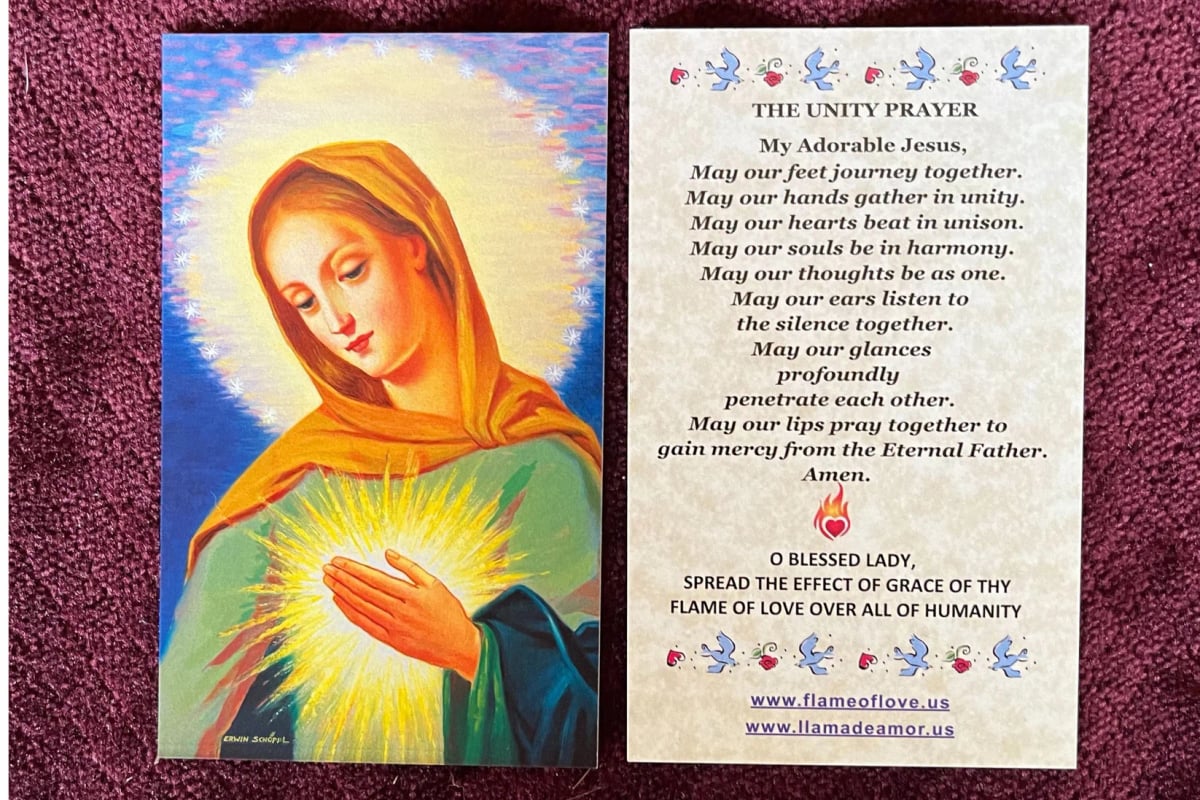
For those seeking to deepen their prayer life with traditional Catholic devotions, resources such as the Flame of Love Unity Prayer Card provide structured approaches to invoking the name of Jesus within specific spiritual movements. These prayer cards offer accessible formats for both personal meditation and group devotion.
Sacramental and Liturgical Usage
Every Catholic sacrament invokes the name of Jesus as part of its essential form. Baptism occurs "in the name of the Father, and of the Son, and of the Holy Spirit," with explicit reference to Jesus Christ. The Eucharistic consecration calls upon Jesus' words at the Last Supper, transforming bread and wine through invocation of His saving actions. This liturgical usage reinforces the name's intrinsic connection to divine grace.
Historical Development of Holy Name Devotion
The formal devotion to the Holy Name of Jesus emerged prominently in the late Middle Ages, though reverence for the name itself dates to apostolic times. Saint Bernardino of Siena popularized the IHS monogram in the fifteenth century, creating a visual representation of the sacred name. This symbol, derived from the first three letters of Jesus' name in Greek (ΙΗΣΟΥΣ), appeared on banners, church decorations, and personal devotional objects.
Major historical developments:
- 3rd century: Early Christians use Christograms
- 11th century: Eastern Jesus Prayer spreads westward
- 15th century: Saint Bernardino promotes Holy Name devotion
- 1530: Pope Clement VII establishes Holy Name feast
- 16th century: Jesuit order adopts IHS as official symbol
- 20th century: Renewed emphasis through Catholic renewal movements
The Franciscan order particularly championed devotion to the name of Jesus, establishing confraternities dedicated to honoring it. These societies promoted reverent use of the sacred name in speech, condemned blasphemy, and encouraged frequent invocation during prayer. Their influence spread throughout Europe and eventually to the Americas through missionary work.
Spiritual Warfare and Protection
Catholic tradition recognizes unique spiritual authority in the name of Jesus when confronting evil. Exorcism rituals formally invoke this name as the primary source of power over demonic forces. Saint Paul's letter to the Philippians declares that "at the name of Jesus every knee should bow, in heaven and on earth and under the earth" (Philippians 2:10), establishing cosmic authority.
Practical Application in Daily Life
Believers throughout history have testified to protection and deliverance experienced through invoking the name of Jesus. This practice extends beyond formal exorcism to everyday spiritual struggles. When facing temptation, fear, or spiritual oppression, Catholics traditionally call upon the sacred name for immediate divine assistance.
| Spiritual Challenge | Invocation Practice | Expected Outcome |
|---|---|---|
| Temptation | "Jesus, strengthen me" | Moral fortitude |
| Fear | "Jesus, I trust in You" | Peace, courage |
| Illness | "Jesus, heal me" | Physical/spiritual healing |
| Demonic oppression | "In the name of Jesus, depart" | Spiritual liberation |
| Doubt | "Jesus, increase my faith" | Renewed conviction |
The name of Jesus functions as spiritual armor in Catholic understanding. Medieval mystics wrote of surrounding themselves with this name as protection against nocturnal attacks from evil spirits. Modern Catholics continue this practice, beginning and ending each day with invocation of Jesus' name as a protective seal.
Reverence and Respect in Speech
The Second Commandment's prohibition against taking the Lord's name in vain applies directly to the name of Jesus. Catholic teaching emphasizes that this sacred name deserves utmost reverence in speech and writing. Casual or disrespectful usage constitutes not merely poor etiquette but actual sin against the Divine Person Himself.
Cultural Challenges in Contemporary Society
Modern secular culture frequently uses the name of Jesus as an exclamation or expletive, stripping it of sacred meaning. Catholics face the challenge of maintaining reverence while navigating environments where this name receives casual treatment. Teaching children proper respect for the sacred name becomes an important aspect of faith formation.
Guidelines for reverent usage:
- Bow your head when speaking or hearing the name
- Never use the name in anger or frustration
- Correct disrespectful usage gently when appropriate
- Teach children early about the name's sacred character
- Use the name primarily in prayer and worship contexts
Some Catholic traditions include making the Sign of the Cross when hearing the name of Jesus, particularly during liturgy or Scripture reading. This physical gesture reinforces internal reverence and creates mindful awareness of the sacred reality being invoked.
The Name in Scripture and Prophecy
Exploring the name origin and meaning reveals layers of prophetic significance woven throughout salvation history. Isaiah's prophecy that "his name shall be called Wonderful Counselor, Mighty God, Everlasting Father, Prince of Peace" (Isaiah 9:6) anticipates the multifaceted nature of Jesus' identity. Each title expands understanding of what the name represents.
Messianic Fulfillment
The angel's instruction to name Mary's son Jesus directly fulfilled Old Testament prophecy about the Messiah's saving mission. This name choice wasn't arbitrary but divinely orchestrated to encapsulate Jesus' entire purpose. The Hebrew verb "yasha" (to save) embedded within "Yeshua" makes the name itself a proclamation of Gospel truth.
New Testament writers emphasized the name's significance repeatedly. The Gospel of John records Jesus praying, "Holy Father, keep them in your name, which you have given me" (John 17:11). This prayer reveals the name as both identity and protection for believers. Early Christians understood that baptism into the name of Jesus transferred them from darkness to light, from death to life.
Contemporary Catholic Practice
Modern Catholic spirituality continues to emphasize the name of Jesus through various movements and devotions. The Divine Mercy devotion, promoted by Saint Faustina Kowalska, centers prayer life on Jesus' mercy and encourages frequent invocation of His name. Charismatic renewal movements emphasize the power of Jesus' name in healing, deliverance, and worship.
Many Catholics maintain prayer journals where they document answered prayers offered in the name of Jesus. This practice builds faith through tangible evidence of divine response to invocation. Recording specific requests made and outcomes received creates a personal testimony of the name's effectiveness.
Modern applications include:
- Incorporating the name into breath prayer
- Using the name during centering prayer practice
- Invoking the name during Eucharistic adoration
- Beginning meetings and gatherings with invocation
- Creating artwork and home decor featuring the sacred name
- Teaching children songs that honor Jesus' name
The Catholic store resources available through Journeys of Faith provide materials for deepening devotion to the name of Jesus. Prayer cards, books, and devotional guides offer structured approaches to this ancient yet ever-relevant practice.
Educational and Catechetical Approaches
Teaching children about the name of Jesus forms a crucial element of Catholic faith formation. Religious education programs introduce young Catholics to proper reverence while explaining the name's meaning and power. Age-appropriate catechesis helps children understand why this name differs from all others and deserves special honor.
Family Prayer and Home Practice
Catholic families can cultivate reverence for the name of Jesus through consistent home practices. Establishing traditions like blessing children with the Sign of the Cross while invoking Jesus' name, praying grace before meals that specifically mentions Jesus, and incorporating the Jesus Prayer into bedtime routines all reinforce the name's centrality.
Parents serve as primary teachers of reverence through their own example. Children who observe adults treating the name of Jesus with consistent respect naturally develop similar attitudes. Conversely, casual or irreverent usage by parents undermines formal catechetical instruction.
Family formation strategies:
- Model reverent speech patterns
- Gently correct disrespectful usage
- Explain the name's meaning during teachable moments
- Incorporate the name into family prayer rituals
- Read Scripture passages about Jesus' name together
- Create visual reminders (artwork, crosses) in the home
- Celebrate the Feast of the Holy Name together
Ecumenical and Interfaith Perspectives
While Catholic teaching emphasizes unique aspects of devotion to the name of Jesus, this reverence creates common ground with other Christian traditions. Protestant Christians equally honor Jesus' name, though specific devotional practices may differ. Orthodox Christianity maintains the ancient Jesus Prayer as a central contemplative practice, sharing this spiritual treasure with Catholics.
Respectful Dialogue and Witness
Understanding how to say Jesus in different languages facilitates interfaith conversations and cross-cultural ministry. Catholics engaging in evangelization or dialogue benefit from knowing local linguistic conventions while maintaining the theological truths the name represents. This cultural sensitivity demonstrates respect without compromising doctrinal clarity.
Jewish-Christian dialogue requires particular sensitivity regarding the name of Jesus, as this remains a point of theological divergence. Catholics can acknowledge shared reverence for God's holy name while respectfully presenting Christian belief in Jesus as the fulfillment of messianic prophecy. Translation of Christ across languages illustrates the global reach of Christian proclamation.
Artistic and Cultural Expression
Throughout Christian history, artists have sought to honor the name of Jesus through visual representation. The IHS monogram appears in countless churches, sculptures, paintings, and religious objects. Gothic cathedrals incorporated the sacred name into stained glass windows, creating spaces where light itself seemed to proclaim Jesus' glory.
Forms of artistic expression:
- Calligraphy and illuminated manuscripts
- Church architecture and design elements
- Liturgical vestments and altar cloths
- Sacred music compositions
- Contemporary digital art and media
- Jewelry and personal devotional items
Renaissance masters painted scenes of Jesus' naming ceremony, capturing the moment when Joseph fulfilled the angel's command. These artworks serve both aesthetic and catechetical purposes, teaching theology through beauty. Modern Catholic artists continue this tradition, creating works that honor the sacred name while speaking to contemporary sensibilities.
Liturgical Celebrations and Feasts
The Catholic Church celebrates the Feast of the Holy Name of Jesus, traditionally observed on January 3rd in the current liturgical calendar. This feast day focuses attention specifically on devotion to Jesus' name, with special prayers and Scripture readings that explore its significance. Many parishes organize special services or devotional activities around this celebration.
Seasonal and Devotional Observances
Beyond the specific feast day, the name of Jesus appears prominently throughout the liturgical year. Christmas celebrations emphasize the naming of the infant Christ eight days after His birth, following Jewish custom. Passion Sunday and Good Friday liturgies invoke Jesus' name in contexts of suffering and redemption. Easter's triumphant "Alleluia" proclamations celebrate the name above all names.
The Litany of the Holy Name finds use during various liturgical seasons and private devotions. Its meditative structure allows congregations to contemplate Jesus' many titles and attributes systematically. Religious communities sometimes pray this litany daily as part of their communal prayer life.
The name of Jesus carries profound theological weight, spiritual power, and devotional richness that continues to nourish Catholic faith in 2026. From its Hebrew origins meaning "God saves" to its global recognition across cultures and languages, this sacred name remains central to Christian identity and practice. Whether invoked in formal liturgy, personal prayer, or moments of spiritual need, the name of Jesus connects believers to divine presence and saving grace. Journeys of Faith offers extensive resources to deepen your understanding and devotion to Jesus Christ through books, prayer cards, and media that illuminate Catholic tradition and strengthen your spiritual journey.
Resources:
- Explore Journeys of Faith online store with thousands of Catholic items at https://journeysoffaith.com/collections
- Journeys of Faith is blessed to provide Catholic media, including podcasts and inspirational content, free of charge across multiple media platforms for viewers and listeners around the world. While access to this content remains free, there are significant and continually increasing costs associated with producing, hosting, and distributing these programs. Your support helps us continue sharing the beauty of the Catholic faith with souls. Please make a donation at https://journeysoffaith.com/pages/donate
