

The name of Mary carries profound spiritual weight within Catholic tradition, representing far more than a simple identifier for the Mother of God. This sacred name connects believers to centuries of devotion, theological reflection, and divine mystery. Understanding the depth and significance of the name of Mary enriches our faith journey and strengthens our relationship with the woman who bore Christ into the world.
The Biblical Origins and Linguistic Roots
The name of Mary finds its origins in the Hebrew name "Miryam," which appears throughout the Old Testament. Biblical scholars and theologians have proposed multiple interpretations of this ancient name, each revealing different facets of Mary's role in salvation history. The most commonly accepted meanings include "bitter sea," "rebelliousness," "wished-for child," and "beloved."
When we examine the Hebrew etymology, the connection between the name of Mary and the concept of bitterness takes on redemptive significance. Just as the Israelites experienced bitter waters at Marah before God made them sweet, Mary experienced the bitterness of watching her Son's crucifixion, which brought forth the sweetness of humanity's redemption.
Understanding the Greek Translation
The transition from Hebrew Miryam to the Greek "Mariam" or "Maria" occurred during the Septuagint translation and became standard in New Testament writings. This linguistic evolution demonstrates how the name of Mary transcended cultural boundaries while maintaining its sacred essence.
The Catholic Encyclopedia provides detailed insights into how early Church fathers interpreted the various meanings attributed to Mary's name, connecting them to her unique role in salvation history.
Brought to you by Journeys of Faith, founded by Bob and Penny Lord. We are an Augustinian Secular Institute and Cyber Apostles. Our mission is evangelization through media.
The Feast of the Holy Name of Mary
Historical Development and Papal Recognition
The liturgical celebration honoring the name of Mary emerged from both devotional practices and historical events. Pope Innocent XI established the feast in 1683 following the Christian victory at the Battle of Vienna on September 12, 1683, when King John Sobieski of Poland defeated Ottoman forces threatening Christian Europe.
This military triumph, achieved through fervent prayers invoking Mary's intercession, led to the formal recognition of September 12 as the Feast of the Most Holy Name of Mary. The historical significance of this feast day demonstrates how Catholics have long understood the power inherent in calling upon the name of Mary.
Liturgical Celebrations and Traditions
The feast day underwent various modifications throughout Church history. While temporarily suppressed during calendar reforms, Pope St. Pius X restored it in 1907, and it remains part of the General Roman Calendar today as an optional memorial.
| Period | Status | Significance |
|---|---|---|
| 1683-1690s | Local celebration | Spanish dioceses and Poland |
| 1907 | Universal Church | Restored by Pius X |
| 1970 | Optional memorial | Post-Vatican II calendar |
| Present day | Global devotion | Celebrated worldwide |
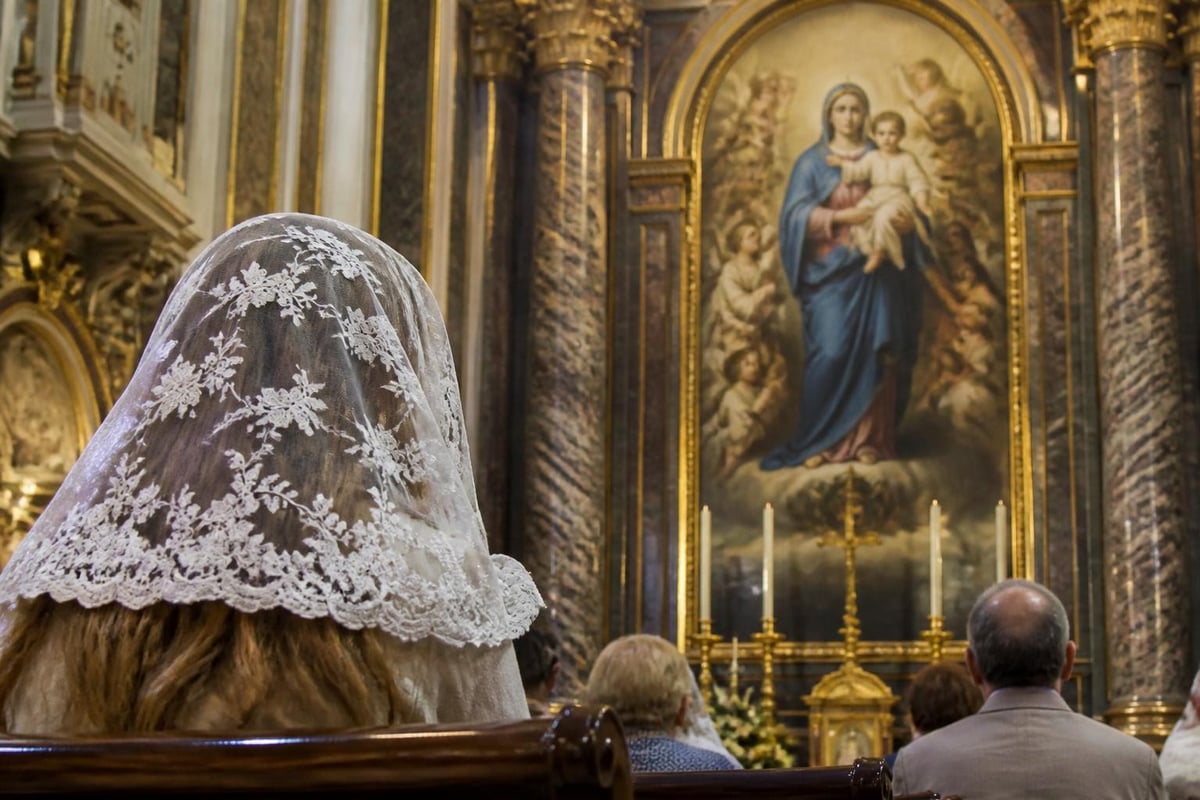
Catholics observe this feast through special Masses, novenas, and devotional prayers that emphasize the sweetness and power found in the name of Mary. Many parishes organize processions and special devotions that highlight Mary's maternal intercession.
Theological Significance in Catholic Doctrine
The Power of Mary's Name in Prayer
The invocation of the name of Mary holds particular efficacy in Catholic spirituality. St. Bernard of Clairvaux taught that Mary's name should be on our lips and in our hearts, comparing it to honey for its sweetness and a star for its light. This medieval understanding continues to inform contemporary devotional practices.
When Catholics invoke the name of Mary, they access the intercessory power of the Mother of God. The practice appears throughout traditional prayers including the Hail Mary, the Angelus, and the Litany of Loreto. Each repetition strengthens our spiritual bond with the woman who brought forth our Savior.
Connection to Christ's Redemptive Mission
The name of Mary cannot be separated from the mission of Christ. Her very name prophetically points toward her unique role in the Incarnation and redemption. As the New Eve, Mary's "yes" reversed the original disobedience, making possible humanity's restoration.
The theological foundations of Marian devotion reveal how honoring the name of Mary ultimately directs us toward deeper love for Jesus Christ. This Christocentric focus distinguishes authentic Catholic Marian devotion from excessive sentimentality.
Devotional Practices Honoring Mary's Name
Traditional Prayers and Novenas
Catholics express devotion to the name of Mary through various prayer forms. The most common include:
- Daily invocations at morning and evening prayer
- Novenas specifically dedicated to Mary's titles and attributes
- Litanies that call upon Mary under multiple names
- Consecration prayers that entrust ourselves to her maternal care
- Emergency invocations in times of temptation or danger
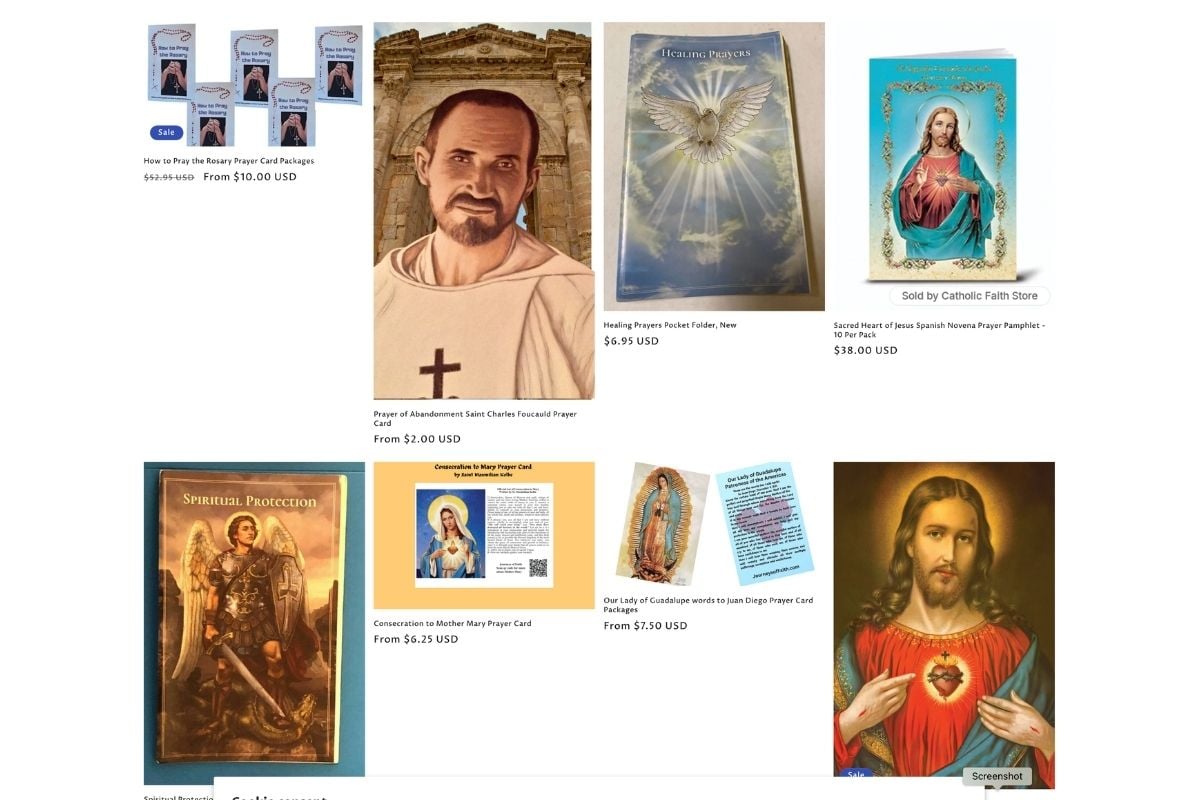
Many Catholics find strength in carrying prayer cards that feature the name of Mary alongside traditional images. These tangible reminders help maintain constant awareness of Mary's presence and protection throughout daily activities.
For those seeking structured prayer support, the Prayer Cards and Novenas collection offers professionally printed materials that facilitate deeper devotion to Mary through various titles and invocations.
Modern Applications of Ancient Devotions
Contemporary Catholics continue discovering new ways to honor the name of Mary while maintaining fidelity to tradition. Digital prayer apps, social media devotion groups, and online rosary communities demonstrate how timeless practices adapt to modern communication methods.
The name of Mary appears in countless hymns, sacred music compositions, and liturgical texts. From Gregorian chant to contemporary praise music, musicians across centuries have sought to capture the beauty and power inherent in her name.
Mary's Name Across Different Cultures
Linguistic Variations and Universal Recognition
The name of Mary transcends linguistic boundaries while maintaining its essential character across languages. Each translation carries unique cultural nuances that enrich our understanding of Mary's universal motherhood:
| Language | Translation | Cultural Context |
|---|---|---|
| Spanish | María | Strong devotional tradition in Latin America |
| French | Marie | Associated with French Marian shrines |
| Italian | Maria | Closely tied to Vatican and Italian piety |
| Polish | Maryja | Deep connection to national identity |
| Arabic | Maryam | Used by Middle Eastern Christians |
This linguistic diversity reflects Mary's role as Mother of all peoples. Whether pronounced as María, Marie, or Maryam, the name of Mary unites Catholics across continents in common devotion.
Cultural Expressions of Marian Devotion
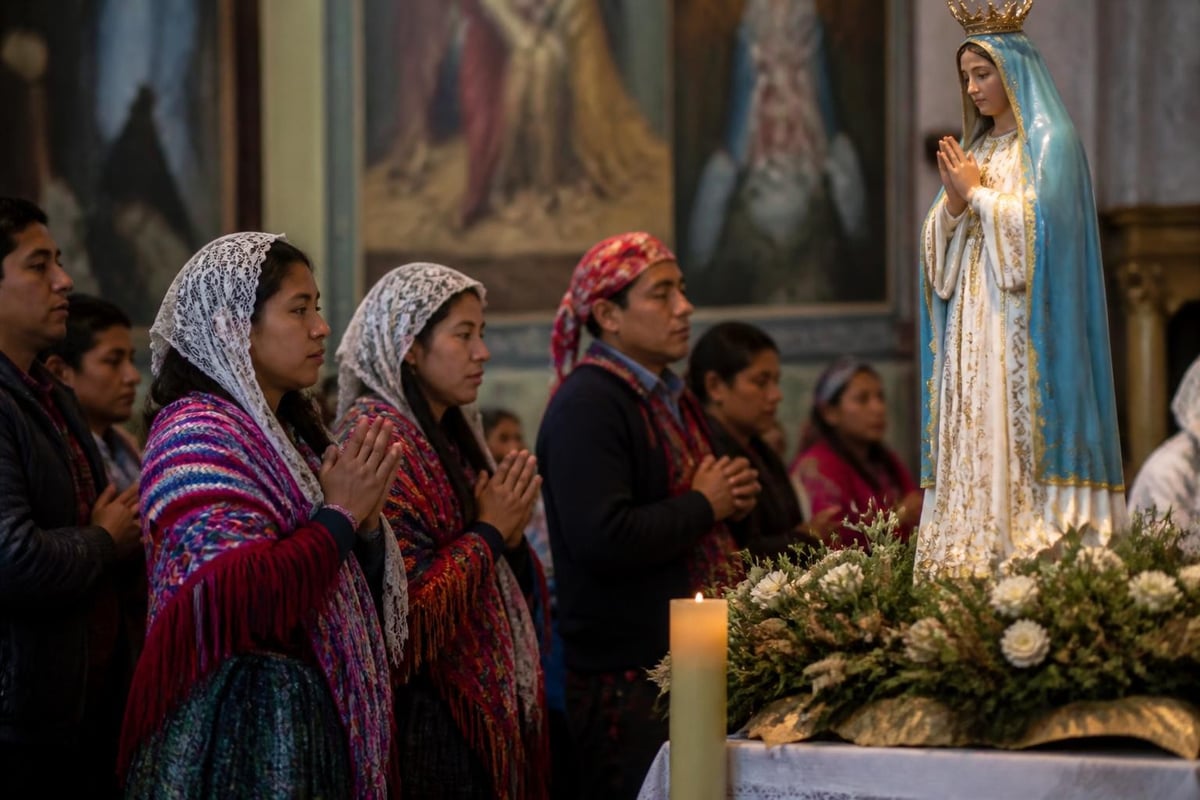
Different cultures emphasize particular aspects of the name of Mary through unique devotional practices. Mexican Catholics celebrate Our Lady of Guadalupe, while Polish Catholics have special devotion to Our Lady of Częstochowa. Filipino Catholics honor the Santo Niño traditions that prominently feature Mary's maternal role.
The Marian apparitions recognized by the Church often emphasize Mary's desire for her children to call upon her name with confidence and trust. From Lourdes to Fatima, Mary invites believers to approach her as a loving mother who never refuses her children's pleas.
The Name of Mary in Sacred Scripture
Old Testament Prefigurements
While the name of Mary appears primarily in New Testament accounts, Old Testament figures and symbols prefigure her role. Miriam, the sister of Moses, shares the same Hebrew name and demonstrates leadership, courage, and prophetic gifts that foreshadow Mary's own characteristics.
The name itself connects to various Old Testament themes:
- The bitter waters of Marah transformed to sweetness (Exodus 15:23-25)
- The tower of strength protecting God's people
- The star of the sea guiding travelers to safety
- The exalted one chosen for divine purposes
These typological connections deepen our appreciation for how God prepared salvation history to receive the woman whose name would become synonymous with maternal intercession.
New Testament Foundations
The Gospel accounts present the name of Mary with reverence and significance. Luke's Gospel particularly emphasizes Mary's role through the Annunciation, Visitation, and Magnificat passages. Each mention of her name carries weight within the narrative of salvation.
The Wikisource Catholic Encyclopedia entry provides historical perspective on how early Christians understood and venerated the name of Mary based on scriptural foundations.
Saints and Doctors on Mary's Name
Patristic Teachings
The Church Fathers wrote extensively about the name of Mary and its spiritual significance. St. Jerome connected Mary's name to various Hebrew meanings, exploring how each interpretation revealed aspects of her character and mission. St. Ambrose emphasized the name's connection to virginity and purity.
These early theological reflections established foundations for subsequent Marian theology and devotion. The name of Mary became a focal point for understanding the Incarnation's mystery and Mary's unique cooperation with divine grace.
Medieval and Modern Insights
Medieval mystics and theologians expanded upon patristic foundations. St. Bernard of Clairvaux famously proclaimed that Mary's name was like honey on the lips and melody in the ears. St. Louis de Montfort taught that true devotion to Mary, expressed partly through frequent invocation of her name, leads inevitably to Jesus.
Modern saints continue this tradition. St. Teresa of Calcutta frequently invoked the name of Mary during her work among the poorest of the poor. St. John Paul II's papal motto "Totus Tuus" (Totally Yours) expressed his complete consecration to Mary, whose name he invoked constantly.
Practical Ways to Honor Mary's Name Today
Daily Integration of Marian Devotion
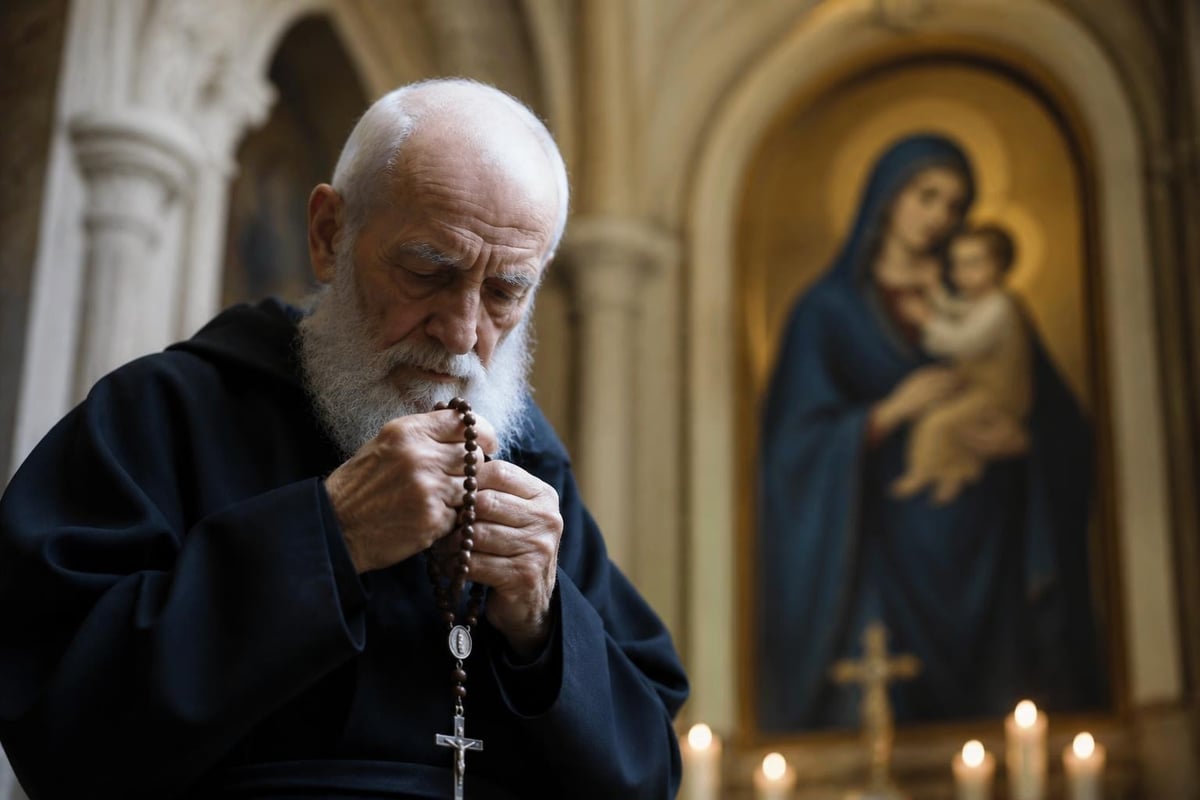
Modern Catholics can honor the name of Mary through simple yet profound daily practices. Begin each day by invoking her name, asking for her maternal guidance and protection. End each day by thanking Mary for her intercession and entrusting the night to her care.
Integrate the name of Mary into family prayer routines:
- Morning offering that includes Mary's name
- Meal prayers acknowledging Mary's maternal provision
- Bedtime routines invoking Mary's protection
- Family rosary meditating on Mary's role in salvation
- Special intentions presented through Mary's intercession
Using Sacred Objects and Sacramentals
Physical reminders help maintain awareness of Mary's presence. Wearing medals bearing her name, displaying images in homes, and carrying prayer cards creates an environment saturated with Marian devotion. These sacramentals serve as tangible connections to spiritual realities.
The practice of keeping a prayer card featuring the name of Mary in a wallet, purse, or pocket provides comfort during challenging moments. When temptation arises or difficulties mount, simply touching this reminder and invoking Mary's name can restore peace and spiritual focus.
The Name of Mary in Crisis and Celebration
Spiritual Warfare and Protection
Catholic tradition recognizes the name of Mary as powerful protection against spiritual attacks. Demons flee at the sound of her name because it reminds them of their defeat through Christ, whom Mary brought into the world. When facing temptation, invoking the name of Mary provides immediate spiritual reinforcement.
The National Catholic Register explores how Mary's name functions as both shield and weapon in spiritual combat, offering believers confidence when confronting evil's various manifestations.
Moments of Joy and Gratitude
The name of Mary also accompanies celebrations and thanksgiving. When prayers are answered, Catholics naturally thank both Jesus and Mary for their intercession. Wedding ceremonies, baptisms, and other sacramental celebrations often include special invocations of Mary's name.
During times of personal triumph or family joy, acknowledging Mary's maternal care by invoking her name expresses proper gratitude for her constant intercession. This practice trains believers to recognize Mary's hidden hand in life's blessings.
Teaching Children About Mary's Name
Age-Appropriate Instruction
Parents and educators bear responsibility for transmitting devotion to the name of Mary to younger generations. Begin with simple explanations appropriate to children's developmental stages. Young children can learn that Mary is Jesus's mother and our mother too. Older children can explore the name's meanings and historical significance.
Educational approaches include:
- Story-telling about Mary's life and apparitions
- Art projects creating images featuring Mary's name
- Memory work learning traditional Marian prayers
- Family pilgrimages to Marian shrines and churches
- Service projects performed in Mary's honor
Creating Family Traditions
Establishing family traditions around the name of Mary creates lasting spiritual memories. Celebrate September 12 as a special family feast day with traditional foods, prayers, and activities focused on Mary. Create annual traditions like family consecration to Mary or special devotions during Marian months (May and October).
The Catholic resources available through Journeys of Faith provide families with tools for building strong Marian devotion that centers on honoring the name of Mary through various practices and materials.
Contemporary Challenges and Opportunities
Addressing Misunderstandings
Modern Catholics sometimes encounter confusion about proper Marian devotion. Some misunderstand devotion to the name of Mary as worship, failing to recognize that all authentic Marian devotion ultimately points toward Christ. Clear catechesis helps believers understand that honoring Mary's name honors the God who chose her for unique graces.
The comprehensive overview provided by Wikipedia offers historical and theological context that helps address common misconceptions about venerating Mary's name versus worshiping her.
Opportunities for Evangelization
The name of Mary provides powerful evangelization opportunities in 2026's secular culture. Many non-Catholics maintain positive associations with Mary even when rejecting other Church teachings. This natural affinity creates openings for sharing the Gospel through Marian devotion.
When discussing faith with seekers, introducing them to the name of Mary and its significance can open hearts to deeper truths. Mary's maternal nature appeals to fundamental human needs for unconditional love and acceptance.
Resources for Deepening Devotion
Books and Media
Extensive Catholic literature explores the name of Mary from various angles. Theological treatises, devotional guides, and historical studies provide multiple entry points for deeper understanding. The works of St. Louis de Montfort, especially "True Devotion to Mary," remain essential reading.
Modern media formats make Marian content accessible through:
- Podcasts discussing Mary's role and titles
- Video series exploring Marian apparitions and devotions
- Online courses teaching proper Marian theology
- Mobile apps facilitating daily Marian prayer
- Audio books bringing classic Marian texts to new audiences
Community and Shared Devotion
Individual devotion to the name of Mary flourishes within community contexts. Parish Marian sodalities, prayer groups, and pilgrimage opportunities strengthen collective devotion while supporting individual spiritual growth. The communal dimension of Catholic faith enhances personal relationship with Mary.
Consider joining or forming:
- Legion of Mary chapters serving local communities
- Rosary prayer groups meeting regularly
- Marian consecration groups preparing together
- Pilgrimage groups visiting Marian shrines
- Study groups exploring Marian theology
Online Communities and Digital Resources
The digital age offers unprecedented access to Marian resources. Virtual communities connect devotees across geographical boundaries, enabling shared prayer, discussion, and mutual encouragement. Social media groups dedicated to the name of Mary create spaces for contemporary expressions of ancient devotion.
The Catholic.org resource on Mary's feast demonstrates how digital platforms preserve and propagate traditional teachings while making them accessible to modern seekers.
The name of Mary resonates through Catholic tradition as a source of comfort, protection, and spiritual strength that connects believers across centuries and cultures. Whether invoking her name in daily prayer, celebrating her feast day, or teaching children about her maternal care, Catholics honor the woman whose faithful "yes" made possible our redemption. Journeys of Faith provides extensive resources for deepening your devotion to Mary through books, prayer cards, media content, and educational materials that bring her presence closer to your daily life. Explore thousands of Catholic items in the Journeys of Faith online store to find resources that strengthen your relationship with Mary. Journeys of Faith is blessed to provide Catholic media, including podcasts and inspirational content, free of charge across multiple media platforms for viewers and listeners around the world, and while access to this content remains free, there are significant and continually increasing costs associated with producing, hosting, and distributing these programs. Your support through donations helps continue sharing the beauty of the Catholic faith with souls seeking to honor the name of Mary and grow in holiness.
