

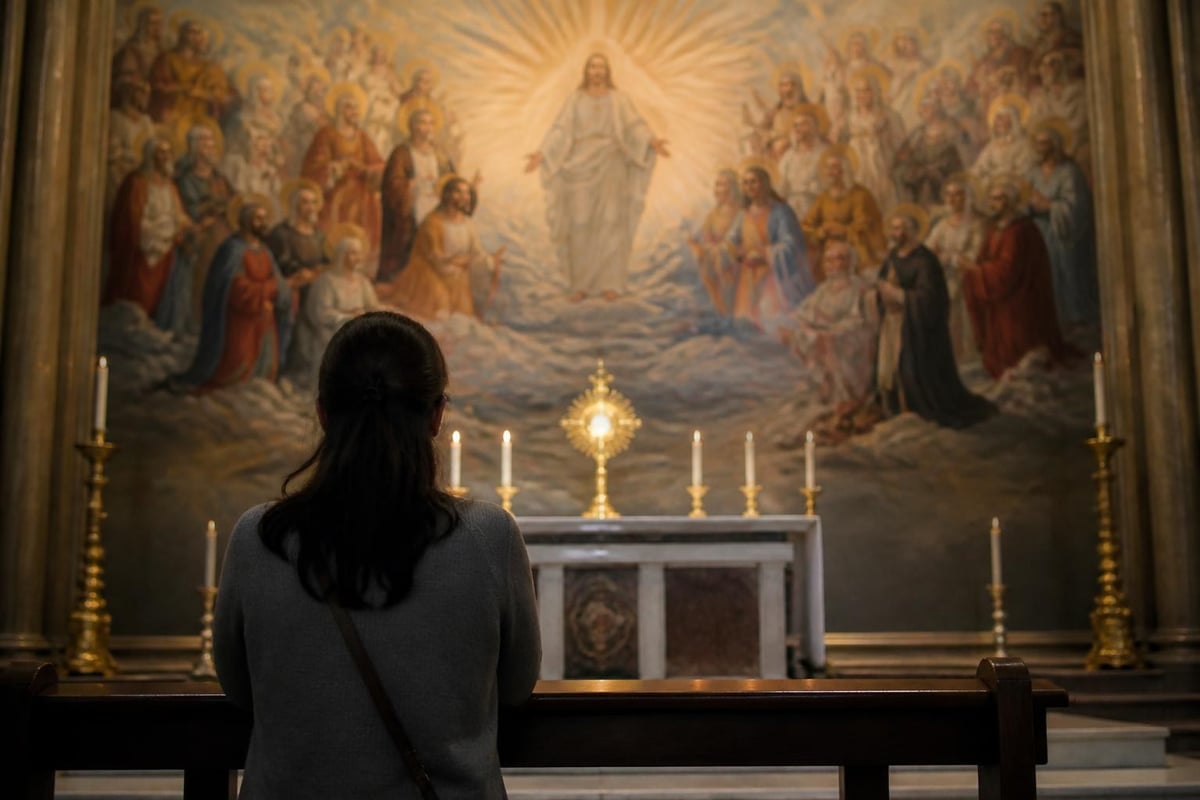
The Catholic tradition offers countless pathways to deepen our relationship with God, and among the most beloved is the practice of praying novenas. When we turn our hearts toward the entire communion of saints through the novena of all saints, we embrace a powerful spiritual practice that connects us with the complete assembly of holy men and women who now dwell in heaven's glory. This nine-day devotion invites us to seek the collective intercession of all the canonized and uncanonized saints, creating a tapestry of prayer that spans across centuries of faith and countless lives transformed by God's grace.
Understanding the Novena of All Saints
The novena of all saints represents a unique form of devotional prayer that honors the entire heavenly court rather than focusing on a single saint. This practice acknowledges the vast multitude of holy souls who have achieved eternal union with God, many of whose names we may never know but whose prayers remain powerful before the throne of the Almighty.
A novena is a nine-day period of prayer, a tradition deeply rooted in Scripture and the early Church's practice. The nine days mirror the period between Christ's Ascension and the descent of the Holy Spirit at Pentecost, when the apostles and Mary gathered in the Upper Room in continuous prayer. The Church has formally encouraged novena devotions as a means of fostering devotion and spiritual growth among the faithful.
Historical Development of the Feast and Devotion
The celebration of All Saints' Day on November 1 has ancient roots in Christian tradition. Historical records show that the feast began as early as the fourth century in the Eastern Church, initially celebrated on the first Sunday after Pentecost. Pope Gregory III later established November 1 as the date for the Western Church in the eighth century when he consecrated a chapel in St. Peter's Basilica to all the saints.
The novena of all saints typically begins on October 24 and concludes on November 1, the solemnity itself. This timing allows the faithful to prepare their hearts for the great feast through sustained prayer and meditation. The development of this specific novena emerged from the broader Catholic practice of preparing for major feast days through extended periods of prayer.
Brought to you by Journeys of Faith, founded by Bob and Penny Lord. We are an Augustinian Secular Institute, Cyber Apostles, and our mission is evangelization through media.
The Theological Foundation
The communion of saints represents one of the most beautiful doctrines of Catholic faith. When we pray the novena of all saints, we acknowledge that death does not separate the members of Christ's body. The saints in heaven remain intimately connected with us, able to intercede on our behalf before God.
This belief rests on several scriptural foundations:
- The Book of Revelation depicts the saints offering prayers as incense before God's throne
- Hebrews describes a "great cloud of witnesses" surrounding the faithful
- The early Church Fathers consistently taught the intercessory role of the saints
- The practice of seeking saintly intercession appears in Christian writings from the second century
The scholarly examination of canonization processes reveals how the Church's understanding of sainthood and the communion of saints has developed over centuries while maintaining core theological principles.
Praying the Novena of All Saints
The structure of the novena of all saints can vary, but most versions include specific prayers recited each day along with personal petitions. The beauty of this devotion lies in its flexibility, allowing individuals to adapt the prayers while maintaining the essential nine-day commitment.
Daily Prayer Structure
A traditional novena of all saints might include the following elements each day:
- Opening Sign of the Cross and invocation
- Reflection on a particular category of saints (martyrs, confessors, virgins, etc.)
- Specific novena prayer to all the saints
- Personal petitions and intentions
- Closing prayers (Our Father, Hail Mary, Glory Be)
Many Catholics incorporate the Prayer Cards and Novenas available through dedicated Catholic resources to guide their daily prayers and maintain consistency throughout the nine days.
| Day | Focus | Saint Categories |
|---|---|---|
| 1 | Foundation | Apostles and Evangelists |
| 2 | Witness | Martyrs and Confessors |
| 3 | Holiness | Virgins and Holy Women |
| 4 | Wisdom | Doctors of the Church |
| 5 | Service | Religious Founders |
| 6 | Humility | Hermits and Monastics |
| 7 | Charity | Servants of the Poor |
| 8 | Faith | Missionaries and Converts |
| 9 | Unity | All Saints Known and Unknown |
Sample Novena Prayer
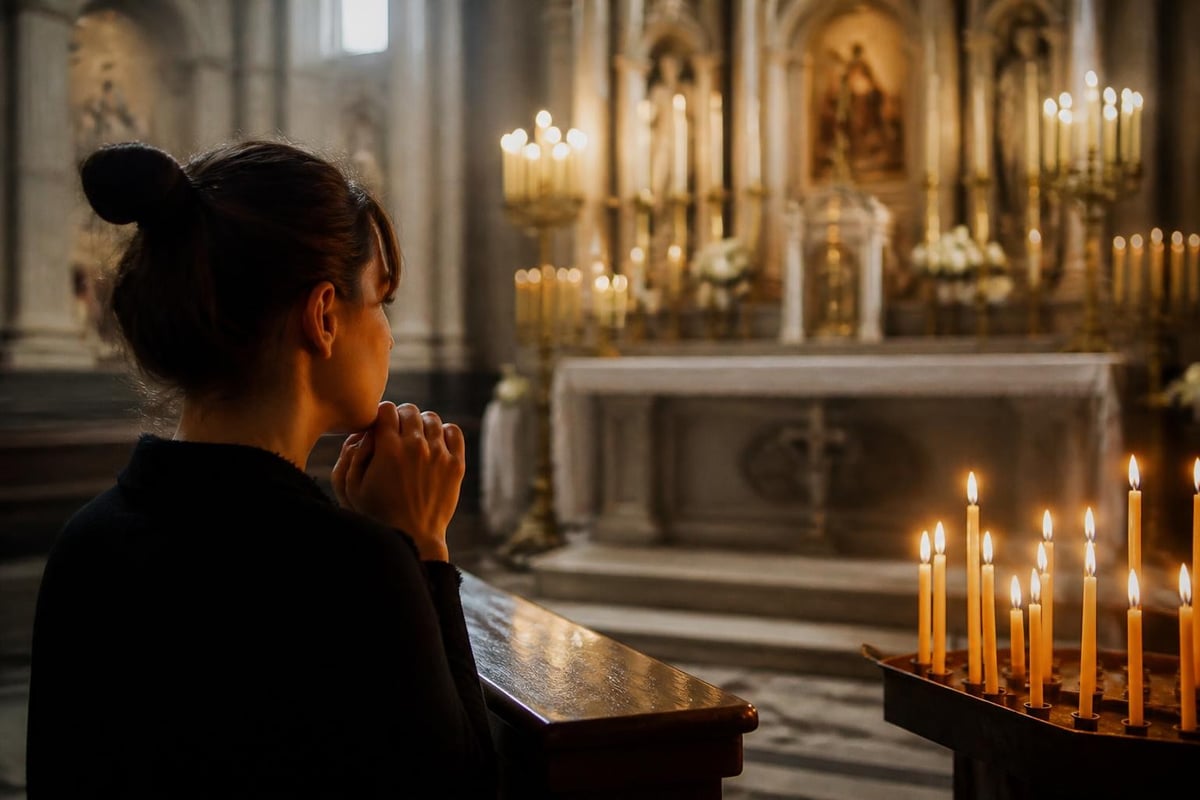
While various formulations exist, a common prayer for the novena of all saints might read:
"O glorious saints of God, who have fought the good fight and won the crown of eternal life, we honor you today and seek your powerful intercession. You who now see God face to face and enjoy the fullness of His love, remember us who still struggle in this valley of tears. Present our petitions before the throne of the Most High, that through your prayers united with those of Mary, Queen of All Saints, we may receive the graces necessary for our salvation and sanctification."
The novena of all saints encourages personal adaptation. Families might add specific intentions, while individuals could focus on particular virtues exemplified by different categories of saints each day. This flexibility makes the devotion accessible to Catholics at every stage of their spiritual journey.
Spiritual Benefits and Graces
Dedicating nine consecutive days to prayer in communion with all the saints yields profound spiritual benefits. This sustained period of devotion transforms our perspective and deepens our relationship with the entire Church, both visible and invisible.
Strengthening Faith Through Example
The lives of the saints provide concrete examples of faith lived heroically. When we pray the novena of all saints, we're not merely asking for favors but immersing ourselves in the witness of countless holy lives. Each saint conquered different challenges, from persecution to personal vice, from poverty to privilege, demonstrating that holiness is possible in every circumstance.
The novena reminds us that sanctity takes countless forms. We encounter saints who were:
- Kings and beggars
- Scholars and simple laborers
- Young martyrs and elderly confessors
- Contemplatives and active servants
This diversity reveals God's creative power in sanctifying souls and encourages us that our own path to holiness, however unique, is valid and supported by heaven's prayers.
Building Community Across Time
One of the most beautiful aspects of the novena of all saints is how it connects us with believers across all ages. Cultural expressions of this communion vary worldwide, with traditions like Día de los Muertos reflecting deep Catholic roots in honoring the faithful departed and the saints who guide us.
The novena creates spiritual solidarity. We pray alongside Christians who prayed these same intentions centuries ago and alongside those who will pray them centuries hence. This temporal unity reflects the eternal nature of the Church, which transcends time and space.
Obtaining Specific Graces
While the novena of all saints can be prayed at any time, many choose to pray it leading up to All Saints' Day with specific intentions in mind. Common petitions include:
- Conversion of loved ones who have fallen away from the faith
- Strength during trials of illness, unemployment, or relationship difficulties
- Guidance in vocational discernment for young people
- Peace and unity within families and communities
- Protection from spiritual and physical dangers
The collective power of all the saints' intercession makes this novena particularly effective for difficult or long-standing prayer intentions. When individual saints' patronages might seem limited, the entire heavenly court united in prayer becomes an irresistible force before God's throne.
Historical Practice and Liturgical Context
The novena of all saints must be understood within the broader context of Catholic liturgical and devotional life. Medieval devotional practices show that collective commemorations of saints developed alongside the Church's calendar, with communities gathering to honor the full assembly of the blessed.
Manuscript and Liturgical Evidence
Early liturgical manuscripts contain evidence of special prayers and offices dedicated to all the saints collectively. These historical sources reveal that the Church has long understood the value of invoking the entire communion of saints rather than focusing solely on individual holy men and women.
The development of hagiography and saints' calendars throughout Church history shows increasing appreciation for the vast number of saints, both recognized and unknown, who populate heaven. This growing awareness naturally led to devotions like the novena of all saints that embrace this fullness.
Indulgences and Church Endorsement
The Catholic Church has attached indulgences to various prayers connected with All Saints' Day and related devotions. The official Enchiridion of Indulgences outlines the conditions under which the faithful can gain these spiritual benefits, encouraging proper devotion to the saints.
Indulgences are not automatic but require proper disposition, including freedom from attachment to sin, sacramental confession when needed, reception of Holy Communion, and prayer for the Pope's intentions. The Church's provision of indulgences for All Saints' Day observances underscores the importance of this feast and related devotions like the novena of all saints.
Practical Guidance for Praying the Novena
Beginning any novena requires commitment and planning. The novena of all saints offers an excellent entry point for those new to this form of prayer while providing depth for experienced spiritual practitioners.
Creating Sacred Space and Time
Consistency matters more than duration. Set aside a specific time each day for the novena prayers, even if only fifteen minutes. Morning prayer connects the day's activities with saintly intercession, while evening prayer reviews the day's challenges in light of the saints' examples.
Consider creating a small prayer corner with:
- Images or statues representing different categories of saints
- Candles to create a prayerful atmosphere
- A journal for recording intentions and graces received
- Holy cards or prayer resources to guide daily devotions
Incorporating Scripture and Meditation
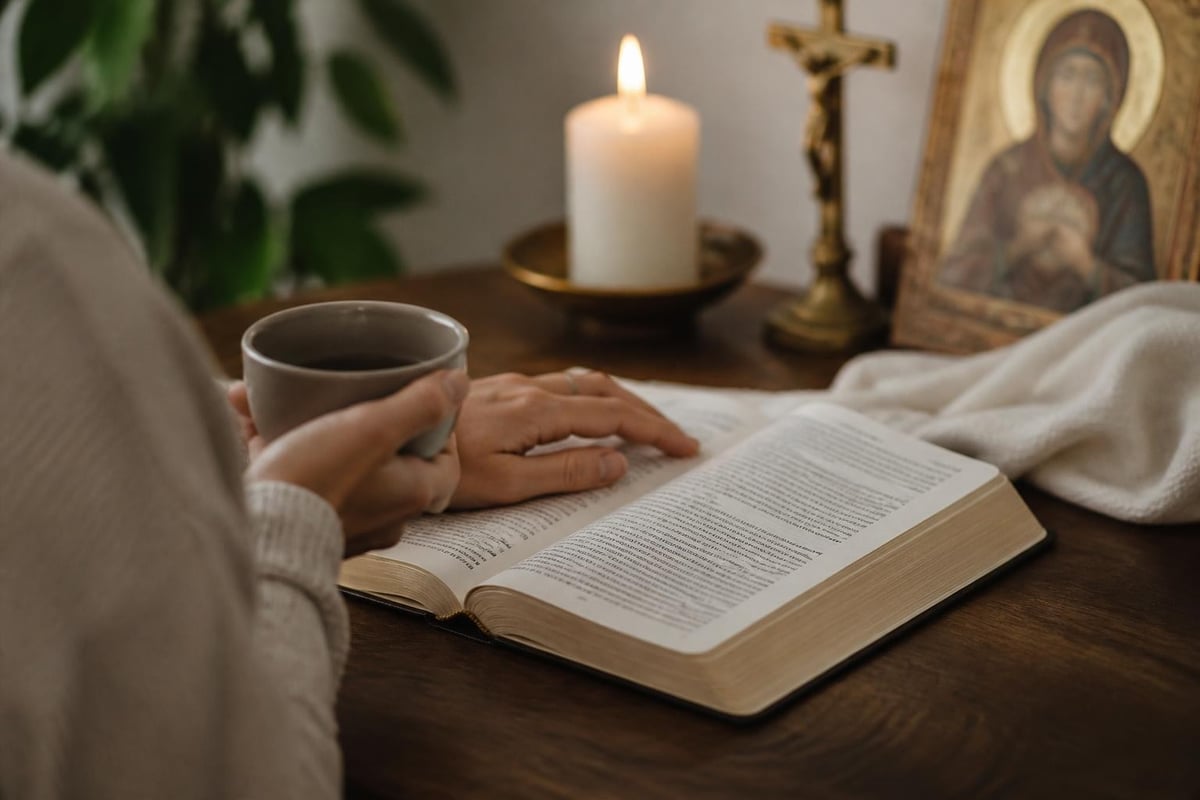
Each day of the novena of all saints can be enriched by reading Scripture passages that reflect the day's theme. For example:
- When focusing on martyrs, read passages about bearing witness to Christ
- When honoring doctors of the Church, meditate on wisdom literature
- When remembering servants of the poor, study Christ's teachings on charity
This integration of Scripture deepens understanding and prevents the novena from becoming merely rote recitation.
Involving Family and Community
The novena of all saints works beautifully as a family devotion. Children learn about different saints each day, discovering heroes of faith who can inspire their own spiritual growth. Families might choose a different saint each evening to research and discuss, learning about diverse paths to holiness.
Parish communities can also organize group novenas leading up to All Saints' Day, with daily Mass intentions offered for the novena participants' prayers. This communal dimension reflects the nature of the communion of saints itself, a corporate body united in love and prayer.
Those seeking to deepen their prayer life often find Catholic minibooks about the saints helpful companions during novena periods, offering brief but substantial reflections on saintly lives and virtues.
Extending the Devotion Beyond Nine Days
While the novena of all saints traditionally lasts nine days, the spiritual fruits of this devotion can and should extend throughout the year. The connection with the saints forged during the novena becomes a permanent feature of our prayer life.
Monthly Remembrance
Many Catholics adopt the practice of dedicating one day each month to honoring all the saints collectively. This monthly observance maintains the awareness cultivated during the novena and creates regular opportunities to seek the saints' intercession.
Seasonal Observances
The liturgical year provides natural moments to reconnect with the novena of all saints:
| Season | Connection | Practice |
|---|---|---|
| Advent | Saints who awaited the Messiah | Reflect on Old Testament saints |
| Christmas | Saints of the Nativity | Honor Joseph, shepherds, Magi |
| Lent | Saints who embraced penance | Meditate on desert fathers, ascetics |
| Easter | Saints of the Resurrection | Celebrate martyrs, confessors |
| Ordinary Time | All categories of saints | Systematic study of different saint types |
Personal Patronage and Devotions
The novena of all saints often leads individuals to discover particular saints with whom they feel special affinity. This personal connection enriches rather than replaces devotion to all the saints collectively. A person might maintain annual novenas to all the saints while also developing special devotions to individual patrons.
Exploring resources about individual saints can deepen appreciation for the diversity of holiness within the communion of saints, making future celebrations of the novena of all saints even more meaningful.
The Role of Mary, Queen of All Saints
No discussion of the novena of all saints would be complete without acknowledging Mary's unique position as Queen of All Saints. She holds the highest place among the blessed, not as a goddess but as the most perfect human response to God's grace.
Mary's Leadership in the Communion
During the novena of all saints, Catholics rightly turn to Mary as the one who leads all other saints in prayer. Her intercession carries special weight because:
- She cooperated most fully with God's plan
- She maintained perfect faith even at the foot of the Cross
- She was assumed body and soul into heaven
- Christ entrusted all humanity to her maternal care
Including Marian prayers within the novena enhances the devotion. The Memorare, the Hail Holy Queen, or the Rosary can be prayed alongside the daily novena prayers, acknowledging Mary's role as intercessor and mother of the Church.
Following Mary's Example
Mary's life provides the pattern for all sanctity. She shows us that holiness consists fundamentally in saying "yes" to God's will, even when we don't fully understand His plans. Each day of the novena of all saints can include reflection on how Mary's virtues appear in different categories of saints: her faith in the confessors, her purity in the virgins, her courage in the martyrs, her wisdom in the doctors.
Theological Reflections on Universal Sanctity
The novena of all saints invites profound theological reflection on God's plan for universal holiness. Every person is called to become a saint, though few achieve formal canonization. This devotion honors both the recognized and the anonymous holy ones.
The Unknown Saints
Millions of souls dwell in heaven whose names appear in no martyrology, whose feast days fill no calendar, yet who shine with God's glory. The novena of all saints embraces these unknown holy ones, the faithful grandparents, the patient sufferers, the quiet servants who lived heroic virtue without fanfare.
This inclusive vision of sanctity encourages us. We need not perform miracles or found religious orders to achieve holiness. Faithfulness in our ordinary duties, love in our daily relationships, and perseverance through our particular trials constitute the path to sainthood for most believers.
Cultural Expressions of the Faith
The communion of saints transcends cultural boundaries while embracing cultural distinctiveness. Saints from every nation, ethnicity, and era populate heaven, each bringing their unique cultural gifts transformed by grace. The novena of all saints celebrates this beautiful diversity.
When we invoke all the saints together, we acknowledge that holiness flourishes in Japanese martyrs and Irish monks, African converts and European mystics, ancient confessors and modern witnesses. This universal vision challenges any narrow conception of what sanctity looks like.
Answering Common Questions
Can I Pray the Novena of All Saints at Any Time?
While traditionally prayed leading up to November 1, the novena of all saints can be prayed whenever you feel called to seek the collective intercession of all the blessed. Some pray it before major life decisions, during times of particular trial, or as part of regular spiritual practice throughout the year.
The key is maintaining the nine consecutive days of prayer with sincere devotion and specific intentions. The timing matters less than the commitment and openness to grace.
What If I Miss a Day?
Life's demands sometimes interfere with our best intentions. If you miss a day of the novena of all saints, simply continue where you left off or start over, depending on your circumstances and conscience. God values our sincere effort more than perfect execution. The saints themselves had to persevere through difficulties and setbacks in their prayer lives.
How Do I Choose Intentions?
The novena of all saints accommodates both general and specific intentions. You might pray for:
- Broad concerns like world peace or the conversion of sinners
- Personal needs such as health, employment, or relationships
- Spiritual growth in particular virtues
- The needs of others who have requested your prayers
Write your intentions down at the start of the novena and review them each day, allowing the Holy Spirit to refine or add to them as the nine days progress.
The novena of all saints opens a window into the magnificent reality of the communion of saints, inviting us to join our prayers with the entire heavenly court. This powerful devotion strengthens our faith, encourages our spiritual journey, and connects us with the Church across time and eternity. Whether you're new to Catholic devotional practices or seeking to deepen your prayer life, Journeys of Faith offers resources, books, and prayer materials to support your spiritual growth and help you discover the rich treasury of Catholic tradition.
Explore Journeys of Faith Online store with thousands of Catholic items at https://journeysoffaith.com/collections. Journeys of Faith is blessed to provide Catholic media, including podcasts and inspirational content, free of charge across multiple media platforms for viewers and listeners around the world. While access to this content remains free, there are significant and continually increasing costs associated with producing, hosting, and distributing these programs. Your support helps us continue sharing the beauty of the Catholic faith with souls. Please make a donation at https://journeysoffaith.com/pages/donate.
