

Living with depression and anxiety can feel isolating, overwhelming, and relentless. In these moments of profound struggle, many Catholics turn to the communion of saints for comfort, intercession, and understanding. The patron saint of depression and anxiety offers a powerful spiritual companion for those navigating mental health challenges. Understanding who this saint is, her story, and how to seek her intercession can provide meaningful support alongside professional treatment and community care.
Who Is the Patron Saint of Depression and Anxiety?
St. Dymphna is widely recognized as the patron saint of depression and anxiety, as well as those experiencing other mental health conditions. This young Irish princess from the seventh century has become a beacon of hope for millions struggling with psychological distress. Her story combines tragedy, faith, and miraculous healing in ways that have resonated across centuries.
Born around 620 AD in Ireland, Dymphna was the daughter of a pagan Irish king and a devout Christian mother. According to Catholic Encyclopedia tradition, her mother died when Dymphna was still a teenager. The king, grief-stricken and mentally unstable after his wife's death, developed an unhealthy obsession with his daughter because of her striking resemblance to her mother.
The Flight to Belgium and Martyrdom
When Dymphna refused her father's demands and fled Ireland with her confessor, Father Gerebernus, they sought refuge in Geel, Belgium. The king pursued them relentlessly, eventually discovering their location. When Dymphna again refused his commands, the king beheaded both her and her priest companion. She was approximately fifteen years old at the time of her martyrdom.
Key aspects of St. Dymphna's patronage include:
- Mental illness and psychological disorders
- Depression and anxiety conditions
- Nervous disorders and emotional distress
- Family dysfunction and abuse survivors
- Therapists, counselors, and mental health professionals

The Historical Connection Between St. Dymphna and Mental Health
The association between the patron saint of depression and anxiety and mental health conditions emerged soon after her death. According to historical accounts, pilgrims visiting her tomb in Geel began experiencing relief from mental afflictions. The shrine became renowned throughout medieval Europe as a place of healing for those with psychological distress.
Brought to you by Journeys of Faith, founded by Bob and Penny Lord. We are an Augustinian Secular Institute-Cyber Apostles. Our mission is evangelization through media.
What makes St. Dymphna's story particularly compelling is the development of the Geel community care model, which emerged around her shrine. For over 700 years, the town of Geel has welcomed individuals with mental health conditions into family homes, providing community-based care that predates modern psychiatric treatment by centuries. This progressive approach reflected the compassion and dignity that St. Dymphna's intercession seemed to inspire.
| Historical Period | Development in St. Dymphna Devotion |
|---|---|
| 7th Century | Martyrdom of St. Dymphna in Geel, Belgium |
| 13th Century | First church dedicated to St. Dymphna; formal recognition of healing miracles |
| 15th Century | Establishment of Geel's family-care system for mentally ill pilgrims |
| 19th Century | Medical community recognition of Geel model; international interest |
| 21st Century | Renewed devotion amid mental health awareness movements |
The scientific and medical communities have studied Geel's unique approach, recognizing how the integration of spiritual care, community support, and family-based treatment created remarkably positive outcomes for individuals experiencing mental distress.
Why Turn to a Patron Saint for Depression and Anxiety?
In 2026, mental health conditions affect hundreds of millions globally, with depression and anxiety among the most prevalent. The patron saint of depression and anxiety doesn't replace professional mental health treatment, but rather complements it through spiritual support and intercession.
The Intersection of Faith and Mental Health Care
Research increasingly recognizes how spirituality shapes mental health journeys for many patients. Prayer, religious community, and devotional practices can provide:
- Meaning and purpose during dark periods
- Community connection that reduces isolation
- Hope and resilience through faith traditions
- Coping mechanisms rooted in spiritual practices
- Complementary support alongside therapy and medication
Seeking the intercession of the patron saint of depression and anxiety represents one way Catholics integrate their faith with mental health care. This spiritual dimension doesn't minimize the importance of professional treatment but acknowledges the whole person, including their spiritual needs and religious identity.
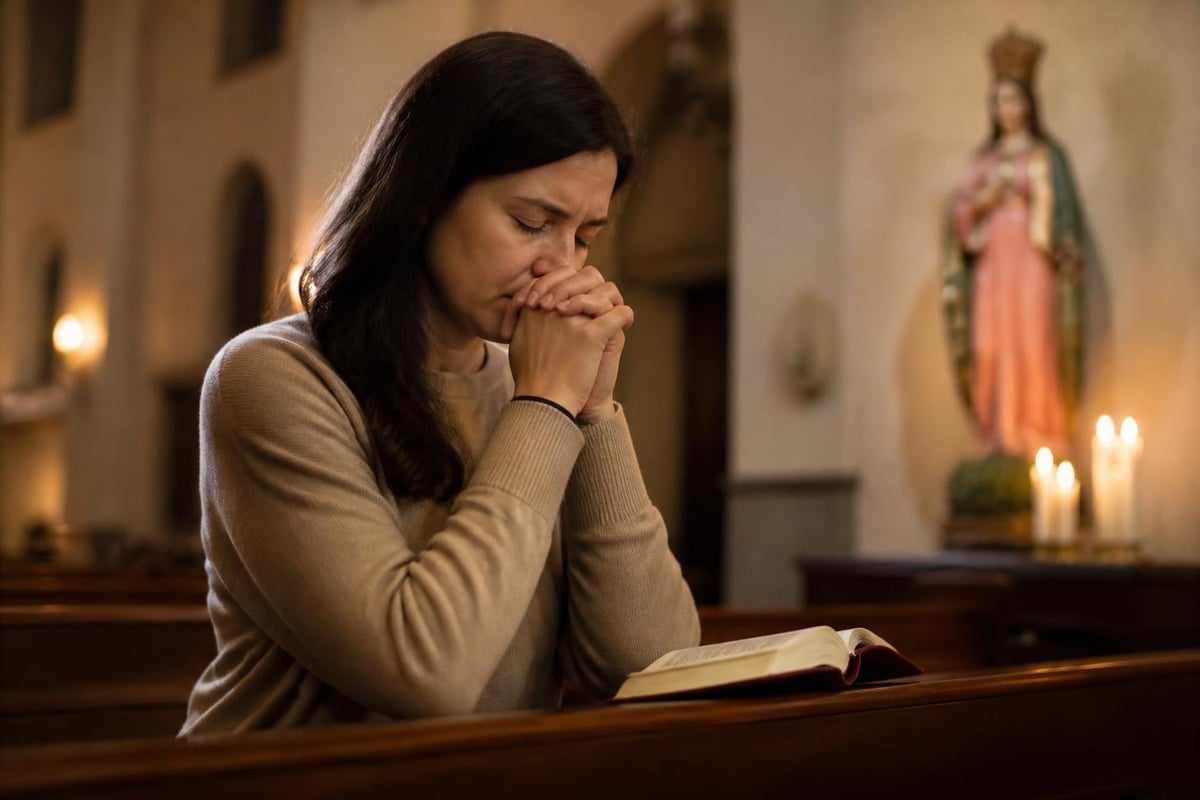
How to Pray to St. Dymphna for Depression and Anxiety
Developing a prayer practice centered on the patron saint of depression and anxiety can provide daily spiritual support. Catholics have created various prayers, novenas, and devotions specifically invoking St. Dymphna's intercession for those struggling with mental health challenges.
Traditional Prayer to St. Dymphna
The most commonly recited prayer asks St. Dymphna to intercede for peace of mind, emotional healing, and strength during mental health struggles. Here's the traditional format:
"Good St. Dymphna, great wonder-worker in every affliction of mind and body, I humbly implore your powerful intercession with Jesus through Mary, the Health of the Sick. Please obtain for me (mention your specific intention). Be pleased to console me in my difficulties and intercede for me, that I may participate in the blessings you have gained through Jesus Christ."
Creating a Daily Devotional Practice
Many who turn to the patron saint of depression and anxiety establish consistent prayer routines:
- Morning invocation - Begin each day requesting St. Dymphna's intercession
- Midday reflection - Pause during anxious moments to pray briefly
- Evening gratitude - Thank St. Dymphna for her intercession, noting small improvements
- Weekly novena - Dedicate specific days to extended prayer periods
- Monthly intentions - Bring specific mental health goals before St. Dymphna
The United States National Shrine of St. Dymphna offers additional resources, prayer cards, and support for those seeking her intercession. Many parishes also maintain devotions to this beloved saint, creating community prayer opportunities.
Other Saints Associated with Mental Health and Emotional Wellness
While St. Dymphna remains the primary patron saint of depression and anxiety, the Catholic tradition honors several other saints who offer intercession for related struggles. Understanding this broader communion of saints provides additional spiritual resources.
St. Benedict Joseph Labre
Known for his own struggles with what modern observers might recognize as mental health challenges, St. Benedict Joseph Labre (1748-1783) experienced profound social anxiety and what appeared to be obsessive-compulsive tendencies. His life as a homeless pilgrim demonstrated holiness amid psychological suffering.
Blessed Bartolo Longo
Before his conversion, Bartolo Longo experienced severe depression and spiritual darkness after involvement with spiritualism. His eventual recovery and founding of charitable works make him a powerful intercessor for those experiencing depression related to spiritual crisis.
St. Rita of Cascia
Often invoked for impossible cases and difficult situations, St. Rita provides spiritual support for those whose depression and anxiety stem from seemingly insurmountable life circumstances, family dysfunction, or chronic suffering.
| Saint | Primary Patronage | Specific Mental Health Connection |
|---|---|---|
| St. Dymphna | Mental illness, depression, anxiety | Direct patronage; own traumatic experience |
| St. Benedict Joseph Labre | Mental disorders, homeless | Personal experience with anxiety-like symptoms |
| Blessed Bartolo Longo | Desperate situations, depression | Recovered from severe spiritual depression |
| St. Rita of Cascia | Impossible cases, abuse survivors | Intercession for trauma-related mental distress |
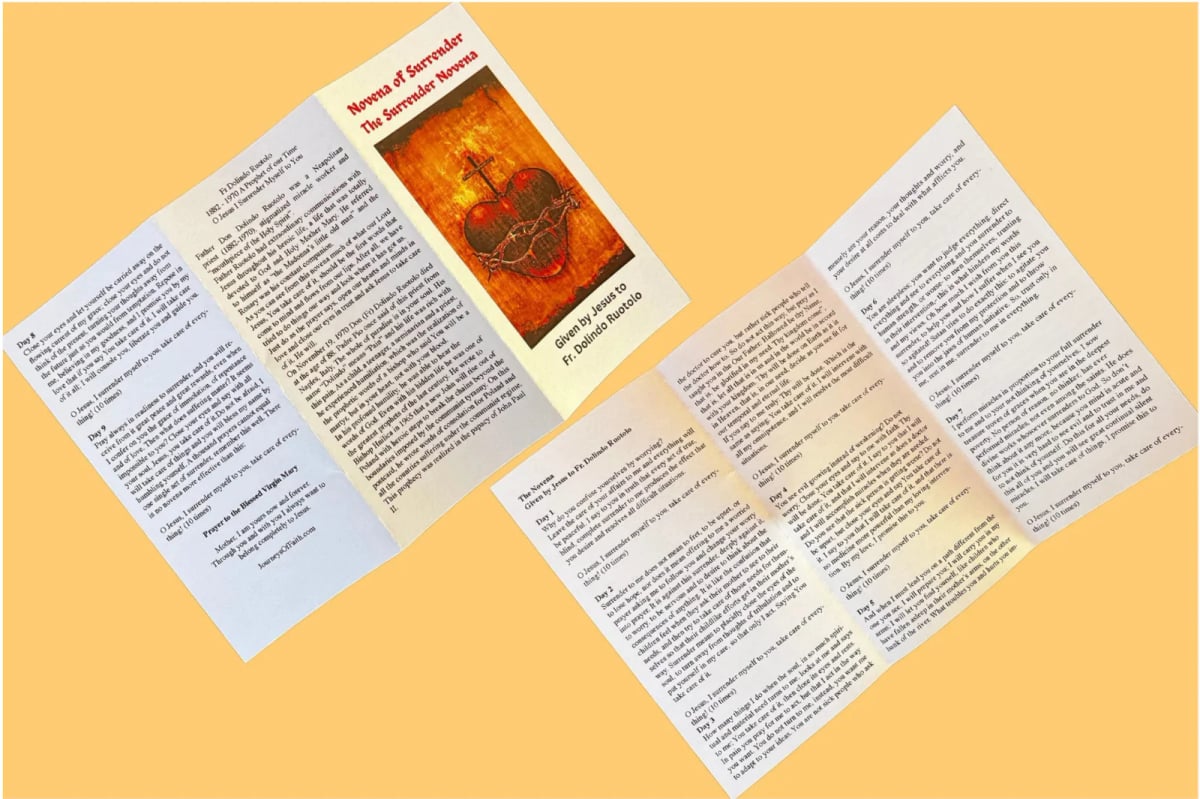
The devotional life of Journeys of Faith includes resources honoring many saints who provide spiritual support during difficult times. For those seeking tangible reminders of saintly intercession, prayer cards can serve as daily companions. For example, the Surrender Novena, attributed to Father Dolindo Ruotolo, offers powerful prayers for those learning to release anxiety and trust in divine providence during mental health struggles.
Contemporary Devotion to the Patron Saint of Depression and Anxiety
Modern Catholic communities have experienced renewed interest in the patron saint of depression and anxiety as mental health awareness has grown. Media coverage of St. Dymphna's relevance highlights how ancient devotions address contemporary needs.
Social Media and Digital Devotion
In 2026, Catholics share their experiences with St. Dymphna through various digital platforms:
- Instagram prayer communities dedicated to mental health and saintly intercession
- Podcast episodes exploring her story and relevance for modern struggles
- YouTube testimonials from individuals who experienced help through her prayers
- Facebook groups offering peer support rooted in Catholic spirituality
- Mental health ministry websites providing St. Dymphna resources
This digital expansion has made devotion to the patron saint of depression and anxiety more accessible, particularly for those unable to visit physical shrines or participate in parish communities due to their mental health conditions.
Integration with Professional Mental Health Support
Progressive Catholic mental health ministries emphasize that praying to the patron saint of depression and anxiety should complement, not replace, professional care. This integrated approach recognizes:
The value of both spiritual and clinical interventions:
- Psychiatrists and psychologists as instruments of God's healing
- Medication as a legitimate tool for managing chemical imbalances
- Therapy as a space for processing trauma and developing skills
- Prayer as a source of comfort, meaning, and spiritual strength
- Community support from both parish and treatment settings
Many Catholic therapists recommend combining St. Dymphna devotions with evidence-based treatments, creating a holistic approach that respects both medical science and spiritual tradition.
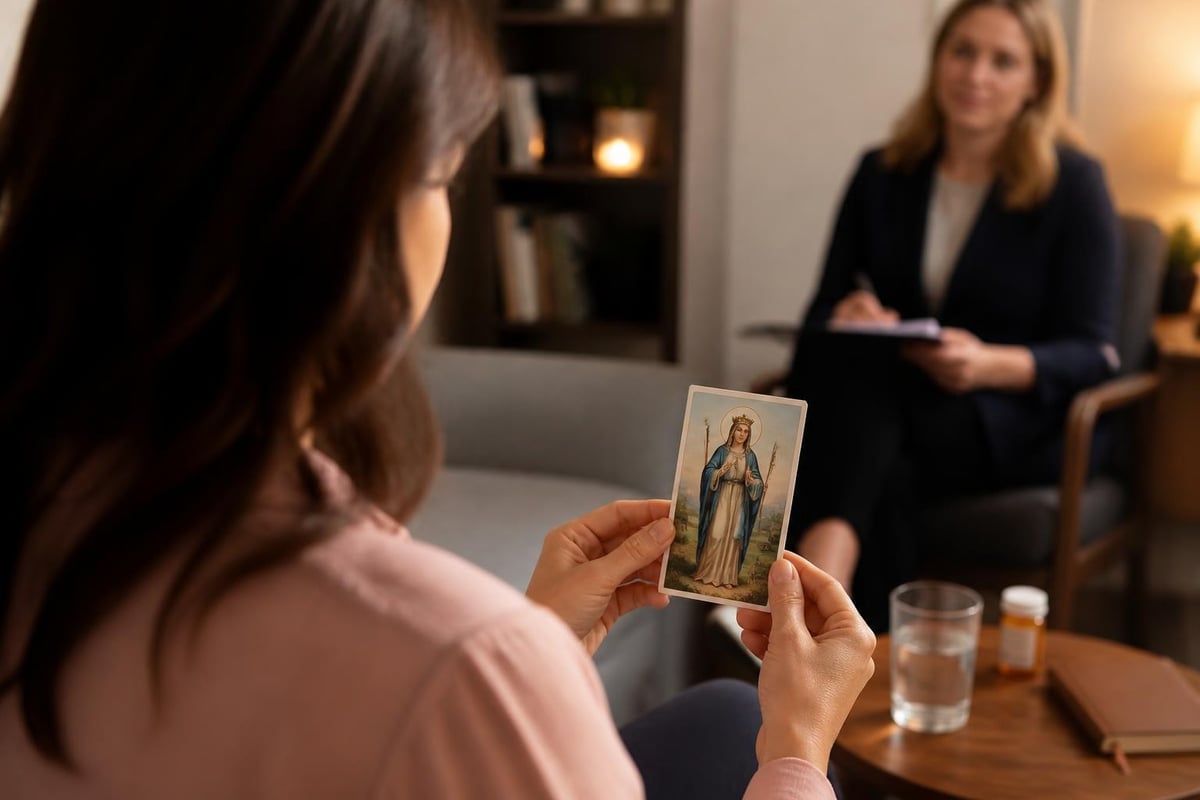
Practical Ways to Honor the Patron Saint of Depression and Anxiety
Beyond prayer, Catholics can honor the patron saint of depression and anxiety through actions that support mental health awareness and help those struggling with psychological distress.
Establishing St. Dymphna Ministries
Many parishes have created mental health ministries under St. Dymphna's patronage:
- Support groups for those with depression, anxiety, or other conditions
- Educational programs reducing stigma around mental illness
- Prayer vigils on St. Dymphna's feast day (May 15)
- Resource libraries with Catholic mental health materials
- Referral networks connecting parishioners with Catholic therapists
Personal Devotional Practices
Individuals can deepen their relationship with the patron saint of depression and anxiety through:
- Wearing a St. Dymphna medal as a daily reminder of her intercession
- Keeping prayer cards in accessible locations for anxious moments
- Reading her biography to understand her life and witness
- Sharing her story with others struggling with mental health
- Making charitable donations to mental health ministries in her name
The vast collection of Catholic devotional items at Journeys of Faith includes various ways to keep St. Dymphna's intercession present in daily life, from medals to prayer cards to books exploring the lives of saints who suffered.
The Feast Day and Special Observances
The liturgical celebration of the patron saint of depression and anxiety occurs annually on May 15, providing opportunities for special observance and communal prayer. This feast day has gained particular significance as mental health awareness has expanded within Catholic communities.
Ways to Observe St. Dymphna's Feast Day
Liturgical celebrations:
- Attend Mass with intentions for those with mental illness
- Request St. Dymphna be mentioned in the Prayers of the Faithful
- Organize special blessings for mental health professionals
- Schedule confession focusing on healing from anxiety and fear
Community activities:
- Host educational events about mental health and Catholic teaching
- Organize fundraisers for Catholic mental health ministries
- Create care packages for those in psychiatric treatment
- Share testimonies of healing through St. Dymphna's intercession
Personal observances:
- Begin or complete a nine-day novena ending on May 15
- Make a pilgrimage to a St. Dymphna shrine or church
- Perform acts of service for those with mental health conditions
- Commit to new spiritual practices supporting emotional wellness
Understanding Mental Health Through a Catholic Lens
The patron saint of depression and anxiety reminds Catholics that mental health struggles are not signs of spiritual failure or insufficient faith. Church teaching increasingly recognizes psychological conditions as legitimate health concerns requiring compassionate, comprehensive care.
Catholic Teaching on Mental Illness
The Catechism of the Catholic Church acknowledges that imputability and culpability can be diminished by various factors, including psychological illness. This recognition validates that mental health conditions affect cognition, emotion, and behavior in ways that require medical intervention and spiritual understanding rather than judgment.
Key principles include:
- Human dignity - Every person retains inherent worth regardless of mental health status
- Incarnational theology - God enters into human suffering, including psychological pain
- Sacramental support - The sacraments provide grace for those with mental illness
- Community responsibility - The Church is called to support vulnerable members
- Holistic healing - Treatment addresses body, mind, and spirit together
Combating Stigma Within Faith Communities
Devotion to the patron saint of depression and anxiety can help reduce mental health stigma in Catholic settings. When communities openly pray for those with psychological conditions and honor a saint who represents their struggles, it normalizes mental health conversations and encourages help-seeking.
Progressive parishes integrate mental health awareness into their ministry by:
- Training clergy to recognize signs of mental distress
- Establishing protocols for crisis intervention and referrals
- Creating welcoming environments for those with conditions
- Speaking openly about mental health from the pulpit
- Connecting spiritual direction with professional treatment
Resources for Those Seeking St. Dymphna's Intercession
Catholics struggling with depression and anxiety can access numerous resources focused on the patron saint of depression and anxiety and mental health support within the faith tradition.
Books and Publications
Recommended reading includes:
- Troubled Souls: A Guide to Depression and Anxiety in Catholic Spirituality
- St. Dymphna: Patron Saint of Mental Illness by hagiographic authors
- Catholic Guide to Depression integrating medical and spiritual perspectives
- Praying Through Anxiety with St. Dymphna devotions included
- Medieval hagiographic texts available through academic collections
Online Communities and Support
Digital resources have expanded significantly:
- Catholic mental health forums and discussion groups
- Virtual novenas and prayer communities
- Webinars on faith and mental wellness
- Podcasts featuring Catholic therapists and spiritual directors
- Online directories of Catholic mental health professionals
Physical Devotional Items
Many find comfort in tangible reminders of the patron saint of depression and anxiety through medals, prayer cards, statues, and holy cards featuring St. Dymphna's image and prayers.
Living with Hope Through St. Dymphna's Example
The story of the patron saint of depression and anxiety ultimately offers profound hope. St. Dymphna faced unimaginable trauma, family dysfunction, and life-threatening danger. Yet her faith remained steadfast, and her witness continues to provide comfort centuries later.
For those struggling with depression and anxiety in 2026, her intercession reminds us:
- You are not alone - Millions share similar struggles, and saints understand suffering
- Faith and treatment work together - Spiritual support complements professional care
- Healing takes many forms - Recovery may be gradual, incomplete, or ongoing
- Your worth is unchanged - Mental illness doesn't diminish your dignity or God's love
- Community matters - Support from both faith and clinical communities aids recovery
The patron saint of depression and anxiety stands as a powerful advocate before God for all who struggle with mental health challenges. Her example encourages both seeking appropriate treatment and maintaining spiritual practices that provide meaning, connection, and hope during difficult seasons.
The patron saint of depression and anxiety, St. Dymphna, offers profound spiritual support for those navigating mental health challenges, reminding us that faith and professional treatment work together in the healing journey. Whether you're seeking prayer resources, devotional items, or educational materials about the saints, Journeys of Faith provides a comprehensive collection to support your spiritual life and deepen your understanding of Catholic tradition.
Resources:
-
Explore Journeys of Faith Online store with thousands of Catholic items at https://journeysoffaith.com/collections
-
Journeys of Faith is blessed to provide Catholic media, including podcasts and inspirational content, free of charge across multiple media platforms for viewers and listeners around the world. While access to this content remains free, there are significant and continually increasing costs associated with producing, hosting, and distributing these programs. Your support helps us continue sharing the beauty of the Catholic faith with souls. Please make a donation at https://journeysoffaith.com/pages/donate
