

Throughout Catholic tradition, believers have turned to heaven's most powerful intercessors for guidance, strength, and safety. The patron saint of protection represents a vital aspect of this devotional practice, offering spiritual shelter and intercession during times of danger, uncertainty, and need. These sacred guardians stand as testament to God's providence and the communion of saints that connects the Church Militant on earth with the Church Triumphant in heaven.
Understanding Patron Saints and Their Protective Role
The concept of a patron saint of protection emerges from the ancient Christian practice of seeking intercession from holy men and women who have demonstrated extraordinary virtue and closeness to God. Patron saints serve as spiritual advocates, presenting our prayers and petitions before the throne of the Almighty. The Oxford dictionary defines patron saint as a saint regarded as the protecting guardian of a particular person, place, occupation, or activity.
Historical Development of Protective Patronage
The veneration of saints for protection dates back to the earliest centuries of Christianity, when martyrs and confessors were honored for their courageous witness to faith. Scholarly research on the cult of saints demonstrates how early Christians invoked these holy figures for healing, safety, and divine assistance. This practice evolved organically as communities recognized particular saints' effectiveness in specific areas of need.
Medieval Christians developed elaborate systems of patronage, associating saints with everything from occupations to illnesses. Relics became powerful symbols of saintly protection, and manuscript evidence from the British Library shows how believers treasured these sacred objects as conduits of divine grace.
The Church's formal process of canonization and designation of patron saints ensures theological integrity while acknowledging popular devotion. As the Vatican's official communications demonstrate, this tradition continues robustly in contemporary Catholic practice.
Primary Patron Saints of Protection
Saint Michael the Archangel
Saint Michael the Archangel stands as the preeminent patron saint of protection in Catholic tradition. As commander of heaven's armies, Michael's very name means "Who is like God?" This powerful archangel defeated Satan and his rebellious angels, earning his position as protector of God's people.
Catholics invoke Saint Michael's protection through the famous prayer composed by Pope Leo XIII:
- Protection against spiritual warfare and demonic attack
- Defense of the Church and faithful believers
- Safety for military personnel and law enforcement
- Intercession at the hour of death
Saint Michael's feast day on September 29 (Michaelmas) provides an annual opportunity to renew devotion to this mighty protector. His image-typically showing him trampling a serpent or dragon-appears on medals, holy cards, and artwork worldwide.
Saint Christopher
Traditionally recognized as patron of travelers, Saint Christopher offers protection to those on journeys. Legend holds that Christopher carried the Christ child across a dangerous river, bearing the weight of the world's sins. Although historical details remain uncertain, devotion to Saint Christopher as protector has endured for centuries.
Modern travelers still carry Saint Christopher medals and seek his intercession for:
- Safe passage during road trips, flights, and voyages
- Protection from accidents and natural disasters
- Guidance through life's spiritual journey
- Strength to carry daily burdens
Brought to you by Journeys of Faith, founded by Bob and Penny Lord. We are an Augustinian Secular Institute, Cyber Apostles, with our mission being Evangelization through Media.
Saint Joseph
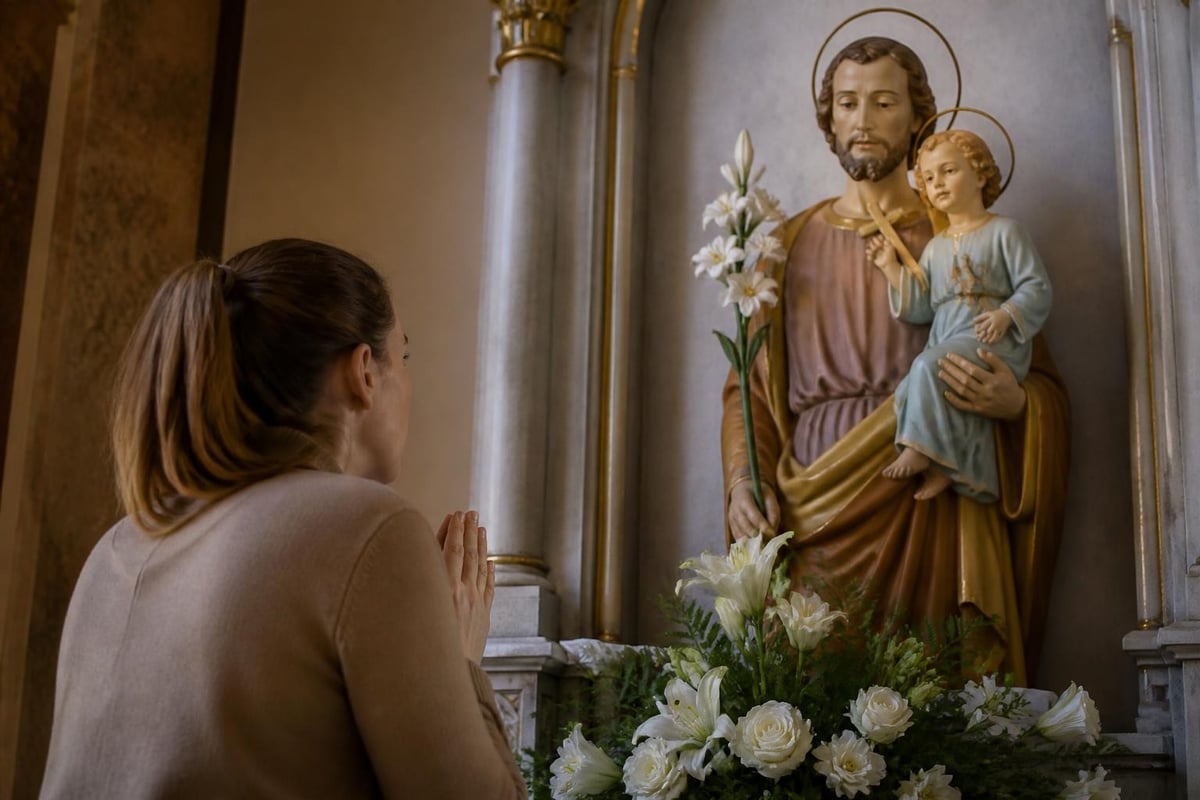
As foster father of Jesus and spouse of the Blessed Virgin Mary, Saint Joseph serves as powerful protector of families, children, and the Universal Church. Pope Pius IX declared him Patron of the Universal Church in 1870, recognizing his unique role in salvation history.
Saint Joseph's protective patronage extends to:
- Fathers seeking to lead their families in faith
- Workers needing employment or workplace safety
- Those facing difficult decisions or life transitions
- The dying, as patron of a happy death
- Homes and families threatened by spiritual or physical dangers
| Protection Area | How Saint Joseph Intercedes | Feast Days |
|---|---|---|
| Universal Church | Spiritual guardian and defender | March 19 (main feast) |
| Workers | Model of diligence and integrity | May 1 (St. Joseph the Worker) |
| Families | Protector of home and children | Solemnity of Saint Joseph |
| Holy Death | Guide in final moments | Throughout the year |
Female Patron Saints of Protection
Our Lady of Good Remedy
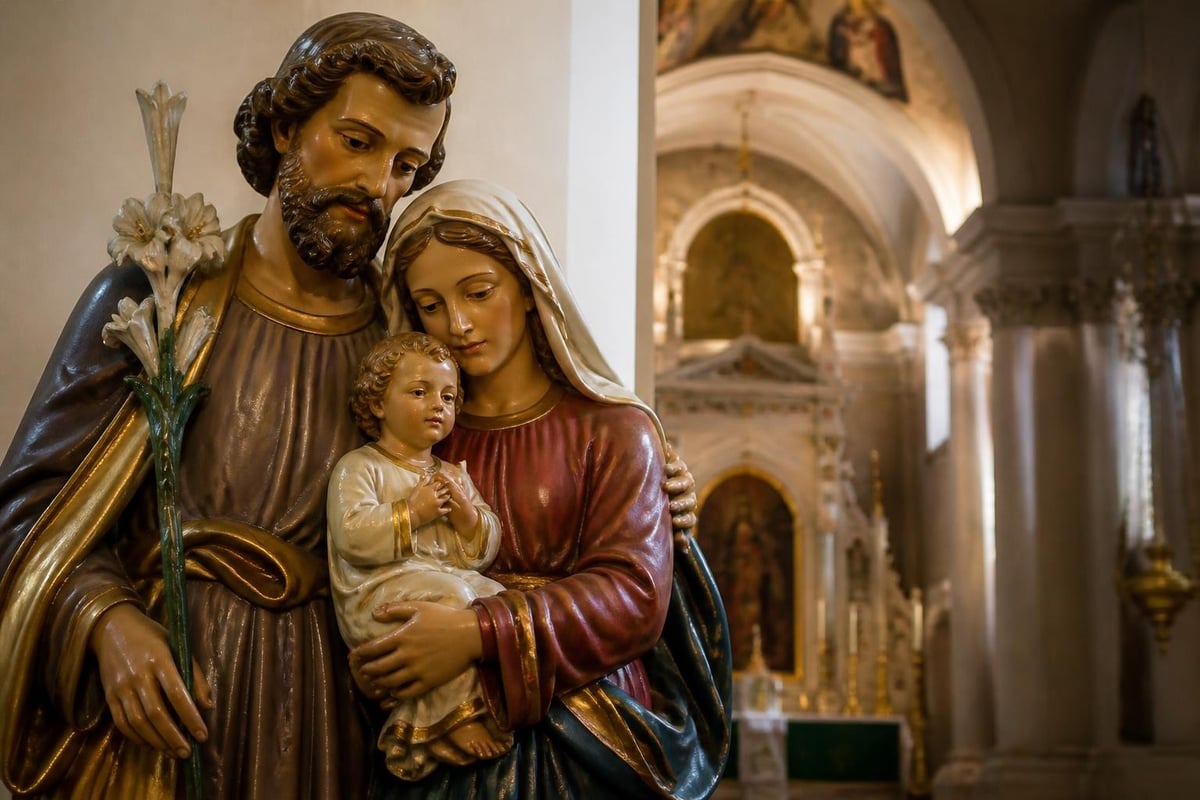
The Blessed Virgin Mary, under various titles, serves as the most powerful human intercessor and protector. Our Lady of Good Remedy specifically addresses those seeking solutions to difficult problems and protection from spiritual harm. This Marian devotion originated with the Trinitarian Order, founded to ransom Christian captives from persecution.
Catholics seeking Mary's protection through this title pray for assistance with seemingly impossible situations, spiritual bondage, and protection from evil. The prayer cards dedicated to Our Lady of Good Remedy provide a tangible connection to this powerful patronage, offering words of petition and trust. Those looking to deepen their devotion might explore prayer cards and novenas that honor Mary's protective intercession.
Saint Philomena
Though her historical details remain mysterious, Saint Philomena has earned recognition as powerful patron of protection, especially for desperate causes and those suffering persecution. The Cure of Ars, Saint Jean Vianney, attributed numerous miracles to her intercession and called her "my dear little saint."
Devotees seek Saint Philomena's protection for:
- Children and young people facing danger
- Those suffering from chronic illness
- Families experiencing crisis
- Individuals persecuted for their faith
Saint Rita of Cascia
Known as patron of impossible causes, Saint Rita offers protection to those in abusive situations, difficult marriages, and seemingly hopeless circumstances. Her own life included an abusive husband who later converted, children who died young, and her eventual embrace of religious life.
Saint Rita's intercession provides:
- Protection from domestic violence and family conflict
- Hope during seasons of grief and loss
- Strength to forgive those who cause harm
- Peace in accepting God's will during trials
Invoking Patron Saints for Protection
Prayer and Devotional Practices
Developing a relationship with a patron saint of protection requires more than occasional crisis prayers. Consistent devotional practice strengthens the spiritual bond and opens channels of grace.
Effective devotional practices include:
- Daily prayer: Reciting specific prayers or novenas dedicated to your patron saint
- Medal wearing: Carrying blessed medals as reminders of saintly protection
- Feast day observance: Celebrating your patron's feast with Mass attendance and special prayers
- Scripture reading: Studying biblical passages related to your patron's virtues
- Imitation: Striving to embody the virtues your patron saint demonstrated
Novenas and Litanies
Novenas-nine days of focused prayer-represent powerful tools for invoking saintly protection. These structured prayers combine petition, praise, and meditation on the saint's life and virtues. Traditional novenas exist for nearly every major patron saint of protection.
Litanies offer another format, presenting a series of invocations and responses that highlight various aspects of a saint's patronage. The Litany of Saint Joseph and various Marian litanies provide beautiful expressions of trust in heavenly protection.
Protection for Specific Needs
Physical Safety and Health
Different patron saints offer protection for specific physical dangers and health concerns. Understanding these specialized patronages helps believers direct their prayers appropriately.
| Danger/Need | Patron Saint | Specific Protection |
|---|---|---|
| Plague/Pandemic | Saint Roch | Infectious disease protection |
| Cancer | Saint Peregrine | Healing from malignant illness |
| Storms | Saint Barbara | Lightning and sudden death |
| Fire | Saint Florian | Firefighters and burn victims |
| Animals | Saint Francis | Pets and wildlife encounters |
Spiritual Warfare
The patron saint of protection takes on heightened importance in the realm of spiritual warfare. Catholic teaching acknowledges real demonic activity and the need for divine protection against evil forces.
Saint Michael the Archangel leads this protective defense, but other saints contribute their intercession:
- Saint Benedict: Protection through his medal against evil spirits
- Saint Anthony of Padua: Recovery of grace lost to sin
- Saint Padre Pio: Victory over temptation and spiritual assault
- Saint Dymphna: Mental and emotional stability against spiritual oppression
Regular reception of sacraments-especially Confession and Holy Eucharist-provides the strongest protection against spiritual attack. Patron saints support and amplify these graces through their intercession.
Professional and Occupational Safety
Workers facing dangerous occupations or challenging professional environments can invoke appropriate patron saints for protection. This tradition recognizes that God's care extends to every aspect of human life, including our labor.
Modern applications include:
- Healthcare workers: Saints Cosmas and Damian, Saint Luke
- Military personnel: Saint Michael, Saint Joan of Arc, Saint Martin of Tours
- Police officers: Saint Michael, Saint Sebastian
- Firefighters: Saint Florian, Saint Barbara
- Pilots and aviation: Our Lady of Loreto, Saint Joseph of Cupertino
Teaching Children About Protective Patronage
Age-Appropriate Introduction
Introducing children to the concept of a patron saint of protection provides comfort, builds faith, and establishes lifelong devotional habits. Guardian angels often serve as the first introduction to heavenly protection for young Catholics.
Progressive teaching methods include:
- Preschool (ages 3-5): Guardian angel prayers and simple saint stories
- Elementary (ages 6-10): Choosing a patron saint at baptism or confirmation
- Middle school (ages 11-13): Understanding intercession theology and prayer practices
- High school (ages 14-18): Deep study of saints' lives and application to modern challenges
Practical Family Devotions
Families can integrate patron saint devotion into daily life through accessible practices:
- Bedtime prayers including a family patron saint
- Mealtime blessing invoking Saint Joseph or household patron
- Travel prayers to Saint Christopher before car trips
- Medal blessing and wearing for children starting school or new activities
- Name day celebrations honoring each family member's patron saint
Creating a home altar with images or statues of family patron saints reinforces their protective presence in daily life.
Contemporary Relevance of Patron Saints
Modern Threats and Ancient Protectors
Twenty-first-century Catholics face dangers unknown to medieval believers-cyberattacks, identity theft, environmental disasters, pandemic disease-yet the patron saint of protection remains profoundly relevant. Timeless spiritual principles apply to contemporary challenges.
The Encyclopedia.com overview of patron saints explains how new patronages develop as society identifies emerging needs. While formal designation requires Vatican approval, popular devotion often precedes official recognition.
Current examples include:
- Internet safety: Proposed patron Saint Isidore of Seville
- Environmental protection: Saint Francis of Assisi (declared by Pope John Paul II)
- Unborn children: Various Marian titles and Saint Gerard Majella
- Mental health: Saint Dymphna (traditional) gaining renewed attention
Cultural Adaptation and Universal Truth
While devotional expressions vary across cultures, the fundamental theology of saintly intercession and protection remains constant. Hispanic communities maintain vibrant traditions of patron saint veneration, often blending cultural heritage with Catholic orthodoxy. Resources available through platforms like Journeys of Faith help preserve these traditions while ensuring theological accuracy.
The communion of saints transcends cultural boundaries, offering protection to all who seek it with sincere faith. Whether through formal novenas, spontaneous prayers, or quiet meditation on a saint's example, believers access the same divine assistance.
Theological Foundation of Protective Intercession
Biblical Basis
Scripture provides firm foundation for seeking saintly protection through intercession. Revelation 5:8 describes the twenty-four elders holding "golden bowls full of incense, which are the prayers of the saints." This imagery demonstrates heavenly awareness of earthly prayers and active participation in presenting them to God.
The Letter to the Hebrews speaks of the "great cloud of witnesses" (Hebrews 12:1) surrounding believers, suggesting ongoing connection between heaven and earth. While Christ remains the sole mediator between God and humanity (1 Timothy 2:5), saints participate in His mediation through their prayers, just as Christians pray for one another on earth.
Magisterial Teaching
The Catholic Church's official teaching on patron saints balances theological precision with pastoral sensitivity. The Catechism of the Catholic Church affirms: "The witnesses who have preceded us into the kingdom, especially those whom the Church recognizes as saints, share in the living tradition of prayer by the example of their lives" (CCC 2683).
This teaching distinguishes between:
- Adoration (latria): Due to God alone
- Veneration (dulia): Appropriate honor for saints
- Hyperdulia: Special veneration for Mary as Mother of God
Understanding these distinctions prevents misunderstanding while encouraging healthy devotion to a patron saint of protection.
Choosing Your Personal Patron Saint of Protection
Discernment Process
Selecting a personal patron saint of protection involves prayer, research, and attention to interior movements. Many Catholics choose based on:
- Baptismal or confirmation name: Taking a saint's name creates natural patronal relationship
- Life circumstances: Matching current needs with a saint's particular patronage
- Personal attraction: Feeling drawn to a specific saint's story or virtues
- Cultural heritage: Honoring ethnic or national patron saints
- Spiritual gifts: Aligning with a saint who demonstrated similar charisms
The discernment process should include prayer to the Holy Spirit for guidance, discussion with a spiritual director or priest, and reading about various saints' lives.
Multiple Patrons for Different Needs
Catholics need not limit themselves to a single patron saint of protection. The Church encourages devotion to multiple saints whose patronages address various life areas:
- One primary patron saint (often based on baptismal name)
- Occupational patron for professional life
- Family patron for household protection
- Special intention patrons for particular ongoing needs
This multi-faceted approach reflects the reality that human life encompasses many dimensions, each benefiting from heavenly intercession.
Resources for Deepening Devotion
Books and Media
Catholic publishers offer extensive resources for learning about patron saints and developing devotional practices. Organizations dedicated to evangelization provide accessible materials for believers at every level of spiritual maturity.
Quality resources combine:
- Historical accuracy about saints' lives
- Theological soundness in explaining intercession
- Practical application for daily prayer
- Inspirational presentation that motivates deeper faith
Prayer Cards and Devotional Items
Physical objects facilitate devotion by engaging the senses and providing tangible reminders of spiritual realities. Blessed medals, holy cards, statues, and other sacramentals serve as "matter" through which grace flows, similar to how Christ used mud to heal the blind man.
These items work not through magic but through the faith they inspire and the prayers they prompt. Carrying a medal of your patron saint of protection throughout the day creates opportunities for brief prayers and conscious awareness of God's care.
Community and Shared Devotion
While personal devotion remains important, communal celebration of patron saints enriches faith through shared experience. Parish patronal feasts, ethnic festivals honoring cultural patron saints, and family traditions all strengthen the bonds of faith community.
Participating in these celebrations:
- Reinforces Catholic identity and belonging
- Teaches children through experience and observation
- Builds relationships with fellow parishioners
- Provides witness to the broader community
- Creates joyful associations with faith practice
The patron saint of protection represents far more than superstitious charm or outdated tradition; these powerful intercessors embody the Church's living faith in the communion of saints and God's providential care for His children. Whether facing physical danger, spiritual attack, occupational hazards, or family crises, Catholics can confidently turn to these heavenly advocates for assistance and protection. For those seeking to deepen their devotion through quality Catholic resources, books, prayer materials, and sacramentals, Journeys of Faith offers thousands of items to support your spiritual journey. Explore the Journeys of Faith online store with extensive Catholic selections. Journeys of Faith is blessed to provide Catholic media, including podcasts and inspirational content, free of charge across multiple platforms for viewers and listeners worldwide. While access remains free, significant costs accompany producing, hosting, and distributing these programs. Your support helps us continue sharing the beauty of Catholic faith. Please consider making a donation to support this vital evangelization mission.
