

When Catholics ask "saint michael saint of" what exactly, they're inquiring about one of the most powerful spiritual beings in Christian tradition. Saint Michael the Archangel stands as the Church's premier defender against evil, the protector of those in spiritual and physical danger, and the patron of numerous vocations and causes. His name, meaning "Who is like God?" poses a rhetorical question that affirms God's supremacy while highlighting Michael's role as heaven's champion. Understanding what Saint Michael is the saint of reveals not just historical devotion, but a living relationship millions of Catholics maintain with this celestial warrior in their daily struggles against darkness, doubt, and danger.
Understanding Saint Michael's Primary Patronages
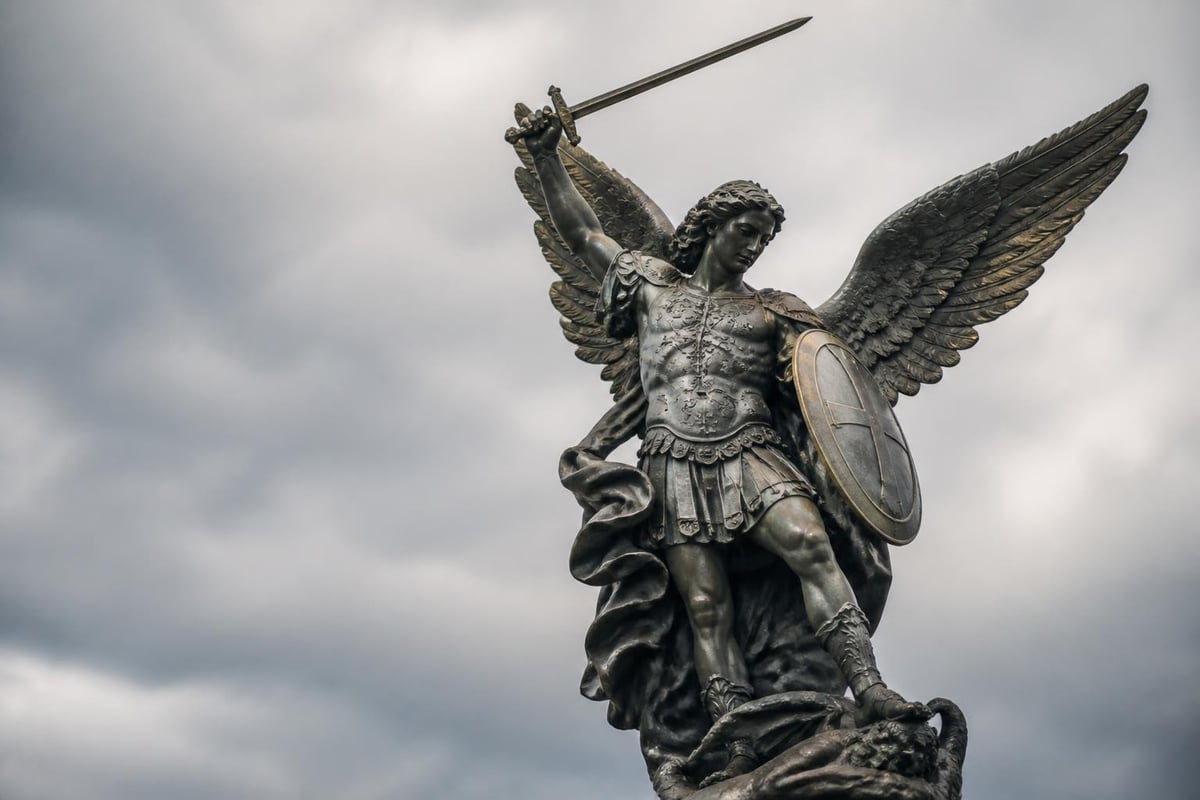
Saint Michael holds the unique distinction of being called an archangel rather than simply a saint, yet Catholic tradition honors him with patronages that extend across spiritual and temporal realms. The question of "saint michael saint of" encompasses his role as patron of the Universal Church itself, a title that underscores his cosmic importance in the battle between good and evil.
The archangel's scriptural foundation appears throughout both Old and New Testaments, where he emerges as protector of God's people. The Catholic Encyclopedia provides comprehensive documentation of these biblical appearances, from Daniel's visions to Revelation's apocalyptic battle. In each instance, Michael functions as heaven's military commander, defending believers against demonic forces.
Brought to you by Journeys of Faith, founded by Bob and Penny Lord. We are an Augustinian Secular Institute - Cyber Apostles - Our Mission is Evangelization through Media.
Spiritual Warfare and Protection
At the heart of understanding what saint michael saint of reveals, we find his primary role as defender against Satan and all evil spirits. This patronage isn't merely symbolic. Catholics invoke Saint Michael when facing:
- Demonic oppression or spiritual attack
- Temptation and moral struggles
- Protection of homes and families from evil influence
- Deliverance from addiction and destructive patterns
- Safeguarding of the Church from internal and external threats
The famous Prayer to Saint Michael, composed by Pope Leo XIII in 1886, directly addresses this protective function. The prayer asks Michael to "defend us in battle" and "thrust into hell Satan and all evil spirits who prowl about the world seeking the ruin of souls." This invocation has become standard in Catholic devotional practice, particularly after Mass in many traditional communities.
Vocational Patronages of Saint Michael
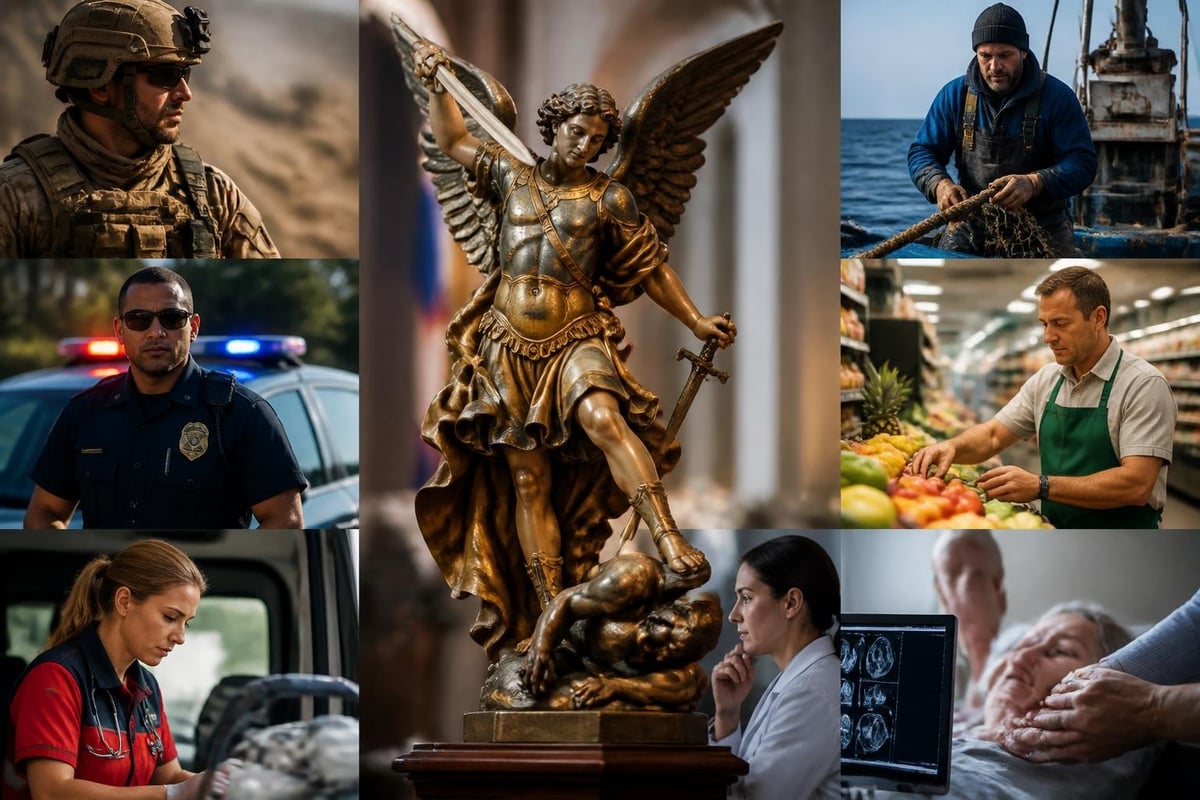
Beyond spiritual warfare, the question "saint michael saint of" extends to numerous earthly professions, particularly those involving danger, protection, or service. Saint Michael serves as patron saint of warriors, police officers, paramedics, and all those who risk their lives protecting others.
| Profession | Connection to Saint Michael | Traditional Observance |
|---|---|---|
| Military Personnel | Heavenly warrior and commander | Unit blessings, medals |
| Police Officers | Protector against evil and violence | Badge blessings, patron prayers |
| Paramedics/EMTs | Guardian of those facing death | Vehicle blessings, shift prayers |
| Firefighters | Courage in facing danger | Station dedications |
| Security Professionals | Vigilant protector | Daily invocations |
The Feast of Saints Michael, Gabriel, and Raphael on September 29 provides an annual opportunity for these professions to honor their patron. Many police and fire departments hold special Masses and blessing ceremonies on this date, recognizing Saint Michael's intercession in their dangerous work.
Grocers, Mariners, and Radiologists
Surprisingly, when exploring what saint michael saint of encompasses, we discover unexpected patronages. Saint Michael protects grocers and merchants, a tradition stemming from his role as keeper of heaven's scales, weighing souls at judgment. This association with just measurement and honest commerce made him a natural patron for those in trade.
Mariners and sailors also claim Saint Michael as protector, invoking his help against storms and maritime dangers. The famous Mont-Saint-Michel Abbey in Normandy stands as testament to this devotion, built on a tidal island where legend says the archangel appeared to Saint Aubert in 708. The abbey became one of medieval Christianity's most important pilgrimage sites, drawing sailors and landlubbers alike to venerate the archangel.
Radiologists count Saint Michael among their patrons, a modern addition based on his role bringing light into darkness and revealing what is hidden, paralleling how radiological imaging exposes internal conditions.
Saint Michael and the Dying Soul
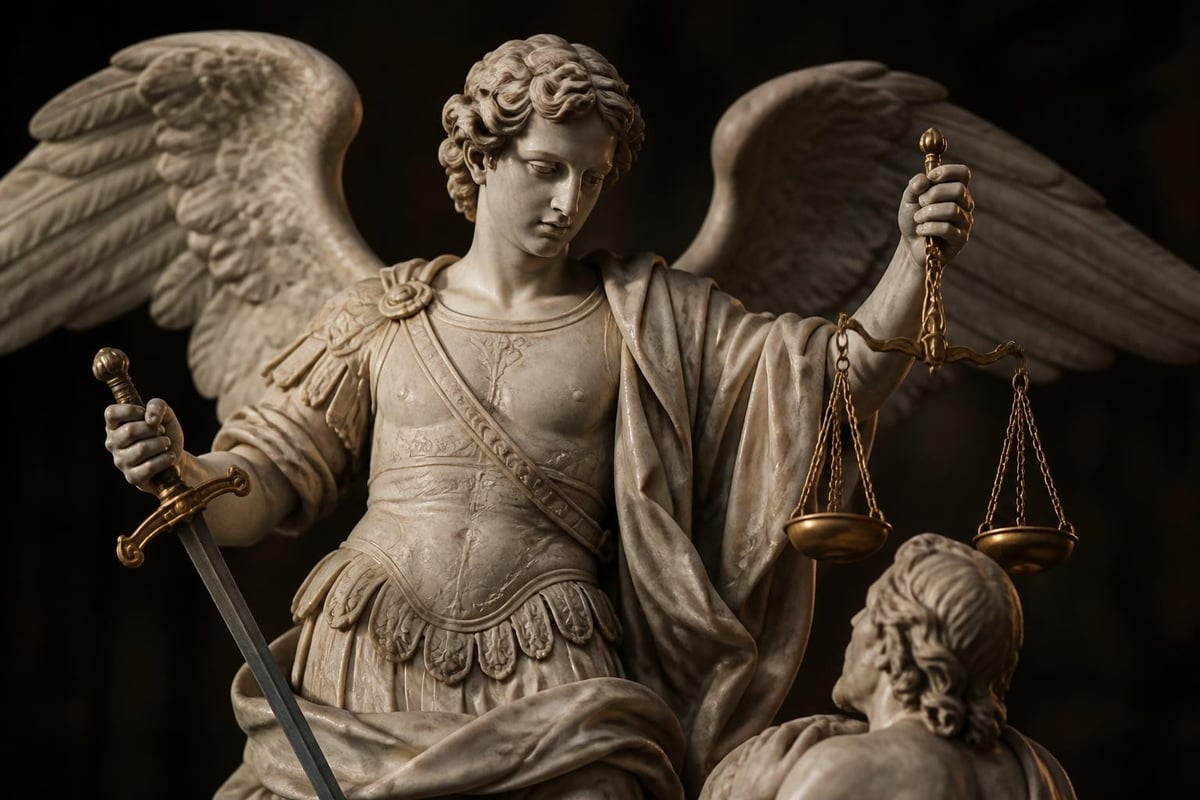
Perhaps the most profound answer to "saint michael saint of" concerns his role as patron of the dying and psychopomp (soul conductor). Catholic tradition holds that Saint Michael escorts souls to judgment, appearing at the moment of death to defend the departing soul against demonic accusations and guide them safely through the particular judgment.
This patronage finds expression in the Prayer for the Dying, which explicitly asks: "Holy Michael the Archangel, defend us in battle, that we may not perish in the dreadful judgment." The imagery of Michael holding scales appears throughout Christian art, showing him weighing souls while Satan attempts to tip the balance with accusations of sin.
Many Catholics carry Prayer Cards and Novenas featuring Saint Michael as spiritual protection. These pocket-sized reminders serve as tangible connections to the archangel's protective intercession, offering prayers specifically for strength in facing life's spiritual battles and preparation for the final journey.
The Last Battle
The dying patronage extends logically from Michael's role in Revelation 12:7-9, where he leads heaven's armies against the dragon (Satan) and casts him from heaven. This final cosmic battle prefigures the individual battle each soul faces at death, when Michael again confronts the ancient enemy to secure safe passage for the faithful.
Traditional Catholic practice encouraged invoking Saint Michael's protection throughout life, but especially:
- During serious illness when death approaches
- In dangerous situations where life hangs in balance
- At the hour of death for oneself or loved ones
- For souls in purgatory awaiting final purification
- Against sudden or unprovided death without sacraments
Geographic and National Patronages
The question "saint michael saint of" also encompasses entire nations and cities. Germany claims Saint Michael as its principal patron saint, with devotion dating to the Christianization of Germanic tribes. The Michaelskirchen (Churches of Saint Michael) dot the German landscape, often positioned on hilltops echoing the archangel's mountain-top apparition sites.
France similarly venerates Michael, largely due to the influence of Mont-Saint-Michel. During the Hundred Years' War, Saint Joan of Arc reported hearing Saint Michael's voice among those guiding her military campaigns, cementing his role as France's heavenly protector. The abbey's detailed historical documentation reveals how the cult of Saint Michael shaped medieval French spirituality and pilgrimage patterns.
City and Diocesan Patronages
Numerous cities worldwide claim Saint Michael as patron, including:
- Brussels, Belgium
- Kiev, Ukraine
- Dumaguete, Philippines
- Arkhangelsk, Russia (named for the archangel)
These patronages typically originated from miraculous interventions attributed to Saint Michael, military victories won under his banner, or strategic hilltop locations associated with his apparitions. The pattern reflects medieval understanding that spiritual protection required spiritual defenders, and no defender surpassed the archangel who defeated Satan himself.
Medieval Devotion and Cultural Impact
Medieval English legend particularly emphasized Saint Michael's role in spiritual warfare and protection. Churches dedicated to the archangel often occupied defensive positions or replaced pagan sacred sites, symbolizing Christianity's triumph over older beliefs through Michael's power.
The positioning of Saint Michael churches on elevated locations served both practical and symbolic purposes. Practically, hilltop churches served as landmarks and gathering points; symbolically, they represented Michael's heavenly realm and his role standing above earthly concerns, ever vigilant against spiritual enemies below.
| Aspect | Medieval Practice | Modern Continuation |
|---|---|---|
| Church Placement | Hilltops, former pagan sites | Mountaintop shrines, high altitudes |
| Feast Celebration | September 29, Michaelmas | Continued liturgical observance |
| Artistic Depiction | Warrior trampling dragon | Same iconography maintained |
| Popular Devotion | Pilgrimages, local festivals | Prayer cards, novenas, medals |
Michaelmas (September 29) became a quarter day in England, marking seasonal transitions and legal obligations. The date's civic importance reflected how deeply Saint Michael's patronage penetrated medieval society beyond purely religious spheres.
Understanding Archangelic Intercession
When Catholics investigate what saint michael saint of means theologically, they encounter the doctrine of angelic intercession. Unlike human saints who once walked the earth, Michael exists as pure spirit, created before humanity, whose entire existence focuses on serving and glorifying God. His "sainthood" differs from human canonization, representing instead recognition of his confirmed heavenly status and willingness to aid believers.
The Church teaches that angels, including archangels like Michael, possess:
- Perfect knowledge of their purpose
- Unwavering commitment to God's will
- Ability to interact with material creation
- Authority to combat demonic forces
- Assigned roles in salvation history
Saint Michael's specific role as protector distinguishes him from Gabriel (messenger) and Raphael (healer), though all three archangels work in harmony serving God's salvific plan. This specialization helps Catholics understand which archangel to invoke for particular needs.
Practical Devotion Today
Modern Catholic devotion to Saint Michael remains vibrant, manifested through:
- Daily recitation of the Prayer to Saint Michael
- Wearing Saint Michael medals for protection
- Novenas before his feast day (September 29)
- Enrollment in Saint Michael chaplets and confraternities
- Enthronement of Saint Michael images in homes
- Professional blessings invoking his patronage
Many families have rediscovered traditional practices like placing Saint Michael statues near doors for household protection or teaching children to invoke the archangel before sleep. These practices connect contemporary Catholics with centuries of devotional tradition, as explored in resources available at Journeys of Faith.
Saint Michael in Contemporary Spiritual Warfare
Twenty-first century Catholics face spiritual battles that, while taking different forms than medieval conflicts, require the same angelic protection. Understanding what saint michael saint of means today involves recognizing modern spiritual threats: digital temptations, cultural relativism, persecution of religious freedom, and sophisticated attacks on faith and family.
Pope Francis has repeatedly emphasized spiritual warfare's reality, encouraging Catholics to invoke Saint Michael against contemporary evils. The Pope's 2018 call for renewed recitation of the Saint Michael prayer after Mass responded to clerical abuse scandals, recognizing that institutional purification requires spiritual intervention against evil's infiltration.
Digital Age Dangers
Modern devotees invoke Saint Michael's protection against:
- Online pornography and digital addiction
- Social media manipulation and spiritual confusion
- Cyber predators targeting youth
- Technology's erosion of family prayer and presence
- Digital echo chambers reinforcing error
This adaptation of traditional patronage demonstrates how saint michael saint of remains dynamically relevant. The same archangel who defended Israel in Daniel's visions now defends believers scrolling through smartphones, his essential protective function unchanged even as threats evolve.
Saint Michael and Eucharistic Protection
Catholic theology connects Saint Michael intimately with Eucharistic adoration and protection of the Blessed Sacrament. Tradition holds that angels perpetually adore Christ's Real Presence in the Eucharist, with Saint Michael leading this celestial worship. Many churches position Saint Michael statues or images near tabernacles, symbolizing his guardianship of Christ's sacramental presence.
This connection enriches understanding of what saint michael saint of encompasses. He protects not only individual believers but the very source of Catholic spiritual life, the Eucharistic Lord. Those devoted to Eucharistic miracles and the Real Presence naturally invoke Saint Michael's protection of this supreme mystery, as documented in resources exploring Eucharistic miracles and Catholic devotion.
During Eucharistic processions, benedictions, and perpetual adoration, Catholics often pray for Saint Michael's protection against sacrilege and disbelief. This practice acknowledges that spiritual warfare centers ultimately on Christ himself, making the Eucharist both the prize Satan seeks to destroy and the source of power Michael defends.
Marian Connection and Shared Victory
Saint Michael's relationship with the Blessed Virgin Mary adds another dimension to understanding what saint michael saint of represents. In Genesis 3:15, God promises that the woman's offspring will crush the serpent's head, a prophecy Catholics see fulfilled in both Christ's victory over death and Mary's triumph over Satan through her Son.
Tradition identifies the "woman clothed with the sun" in Revelation 12 as both Mary and the Church, with Saint Michael defending this woman and her offspring against the dragon. This imagery unites Michael's protective patronage with Marian intercession, showing how heaven's defenders work together for believers' salvation.
Many Catholics pair devotion to Saint Michael with Marian consecration, recognizing that:
- Mary crushes the serpent while Michael casts him from heaven
- Both protect the Church from spiritual enemies
- Together they model total commitment to God's will
- Their intercession complements rather than competes
This complementary devotion strengthens spiritual protection, invoking both the Queen of Heaven and the Prince of the Heavenly Hosts against evil's machinations.
Answering "Saint Michael Saint Of" Comprehensively
The complete answer to "saint michael saint of" reveals a tapestry of patronages spanning spiritual and temporal realms. Saint Michael stands as:
Primary Patronages:
- The Universal Church and all Christians
- Those engaged in spiritual warfare
- Souls at the hour of death
- Just causes and righteousness
Vocational Patronages:
- Military personnel, police, and first responders
- Mariners and aviators
- Grocers and merchants
- Radiologists and medical technicians
- Paramedics and emergency workers
National and Geographic Patronages:
- Germany, France, and numerous other nations
- Cities worldwide, particularly those on elevated locations
- The Jewish people (from Daniel's prophecies)
Spiritual Functions:
- Defender against Satan and demons
- Conductor of souls to judgment
- Protector of the Eucharist
- Guardian of the Church's purity
This comprehensive patronage reflects Saint Michael's unique position as pure spirit dedicated entirely to God's service, never distracted by earthly concerns or limited by bodily constraints. His effectiveness as patron stems from his perfect alignment with divine will.
Living Under Saint Michael's Protection
Contemporary Catholics seeking to benefit from understanding what saint michael saint of encompasses should cultivate active relationship with the archangel through concrete practices. Regular prayer, particularly the Saint Michael Prayer, establishes ongoing spiritual protection. Many find wearing a Saint Michael medal provides tangible reminder of his intercession throughout daily activities.
Families can consecrate their homes to Saint Michael's protection, formally enthroning an image or statue while praying for the archangel's guardianship over all who enter. This practice, popular in earlier Catholic generations, deserves renewed attention given contemporary spiritual threats to family unity and faith transmission.
Professional groups benefit from organizing around their patron saint. Police officers, firefighters, and military personnel who gather for prayer before shifts, invoking Saint Michael's protection, report strengthened brotherhood and spiritual awareness. These corporate devotions honor centuries of tradition while addressing modern vocational challenges.
Saint Michael the Archangel's patronages extend from heaven's throne room to earth's most dangerous professions, from the moment of death to protection of daily commerce. Understanding what Saint Michael is the saint of opens pathways to powerful intercession against spiritual and physical dangers threatening contemporary believers. Whether you seek protection for yourself, your family, your profession, or your soul's eternal destiny, devotion to Saint Michael provides access to heaven's most powerful created defender. Journeys of Faith offers extensive resources for deepening your relationship with the saints, including Saint Michael, through books, prayer cards, and devotional materials that connect you with centuries of Catholic wisdom and practice.
Explore Journeys of Faith online store with thousands of Catholic items at https://journeysoffaith.com/collections. Journeys of Faith is blessed to provide Catholic media, including podcasts and inspirational content, free of charge across multiple media platforms for viewers and listeners around the world. While access to this content remains free, there are significant and continually increasing costs associated with producing, hosting, and distributing these programs. Your support helps us continue sharing the beauty of the Catholic faith with souls. Please make a donation at https://journeysoffaith.com/pages/donate.
