

The story of saint peter claver stands as one of the most powerful testimonies of radical Christian charity in Church history. This Spanish Jesuit priest spent nearly four decades in the brutal environment of colonial Cartagena, Colombia, ministering to enslaved Africans who arrived in chains from the Middle Passage. His unwavering commitment to human dignity, despite the horrific conditions of the transatlantic slave trade, earned him the title "Apostle of Slaves" and continues to inspire Catholics worldwide in 2026.
The Early Formation of a Future Saint
Born in 1581 in Verdú, Catalonia, Spain, saint peter claver entered the Jesuit order at the age of twenty. His path to sainthood began not with dramatic visions, but through faithful formation and an encounter with a humble porter named Brother Alphonsus Rodriguez. This lay brother, who would also be canonized, recognized the young Jesuit's potential for missionary work and encouraged him to serve in the Americas.
Claver's education at the University of Barcelona and later theological studies in Palma de Mallorca prepared him intellectually for ministry. However, it was Brother Alphonsus's persistent spiritual direction that shaped his missionary vocation. The Vatican News profile notes that this relationship became pivotal in directing the young priest toward what would become his life's work.
The Call to Cartagena
In 1610, saint peter claver arrived in Cartagena de Indias, a major port city in what is now Colombia. Cartagena served as one of the primary entry points for enslaved Africans being brought to South America. The city's economy depended heavily on the slave trade, with approximately 10,000 enslaved people passing through annually during Claver's ministry.
Upon arrival, Claver came under the mentorship of Father Alonso de Sandoval, a fellow Jesuit who had already begun ministering to enslaved Africans. Sandoval had written extensively about this ministry and the conditions enslaved people endured. Under his guidance, the younger priest learned the practical skills necessary for this challenging apostolate.
A Ministry of Radical Compassion
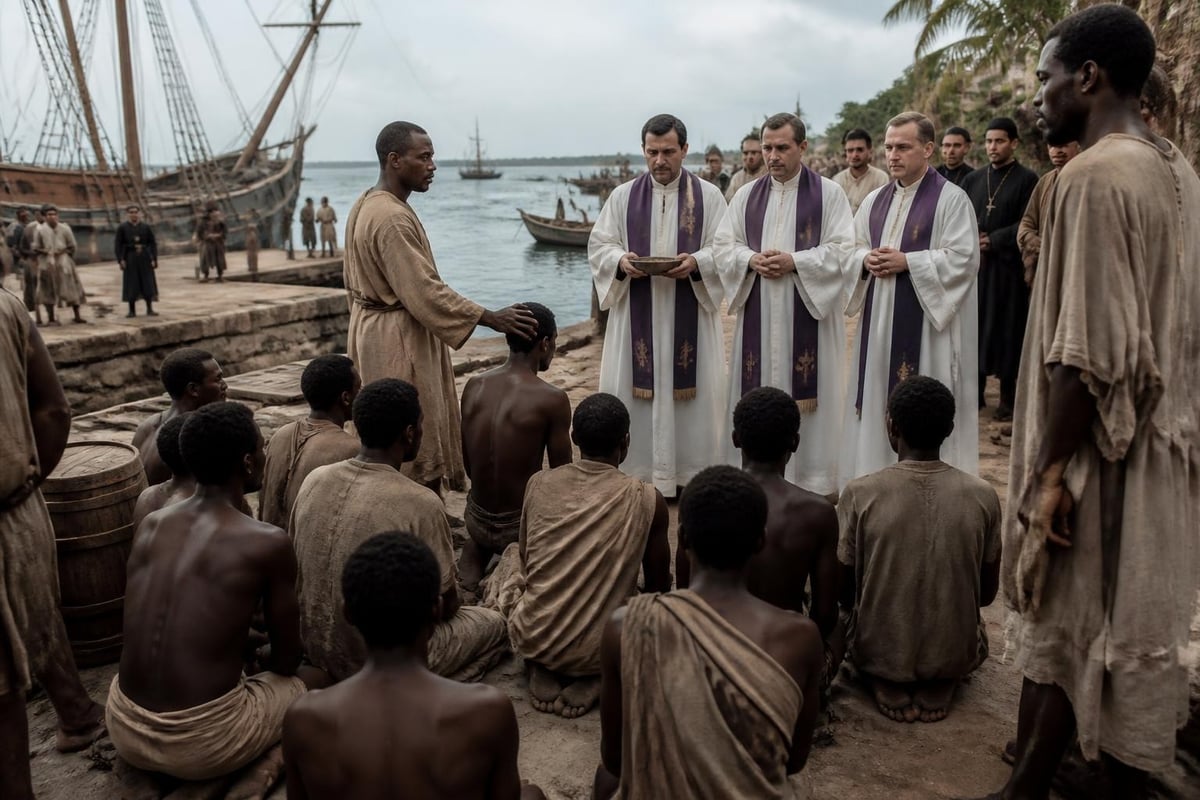
When saint peter claver took his final vows as a Jesuit in 1622, he added an extraordinary personal commitment, signing his profession document as "Peter Claver, slave of the slaves forever." This declaration defined his ministry for the next thirty-two years. According to historical records from Encyclopaedia Britannica, he personally baptized and catechized an estimated 300,000 enslaved people during his lifetime.
His methodology combined spiritual care with practical assistance:
- Immediate physical relief: Bringing food, water, and medicine to newly arrived captives still confined in ships' holds
- Medical attention: Treating wounds, diseases, and injuries from the Middle Passage
- Emotional comfort: Offering human touch and dignity to people treated as cargo
- Spiritual instruction: Teaching the Catholic faith through interpreters who spoke various African languages
- Sacramental ministry: Baptizing, hearing confessions, and witnessing marriages
The Challenge of Language and Culture
One of saint peter claver's remarkable innovations involved assembling a team of interpreters from different African ethnic groups. Since enslaved people came from diverse regions including modern-day Angola, Congo, Guinea, and other West African territories, effective communication required multiple languages. Claver trained catechists who could translate not just words but theological concepts into cultural contexts the enslaved could understand.
| Ministry Component | Practical Implementation | Spiritual Impact |
|---|---|---|
| Initial Contact | Boarding ships before unloading | Restored human dignity |
| Physical Care | Food, medicine, clean water | Demonstrated Christ's love |
| Catechesis | Multi-language instruction | Foundation for faith |
| Sacraments | Baptism, marriage, confession | Full incorporation into Church |
This systematic approach demonstrated how evangelization must address the whole person. Brought to you by Journeys of Faith, founded by Bob and Penny Lord. We are an Augustinian Secular Institute and Cyber Apostles. Our mission is evangelization through media.
Confronting Institutional Evil
Saint peter claver operated within a society that viewed slavery as economically necessary and morally acceptable. His ministry did not directly challenge the institution of slavery itself, a fact that requires honest historical examination. However, his actions proclaimed a counter-cultural message: that enslaved Africans possessed inherent dignity as children of God, worthy of the same sacraments, pastoral care, and respect as any Spanish nobleman.
The USCCB memorial resources for his feast day on September 9th emphasize how his ministry witnessed to the equality of all people before God. While later generations would recognize the sinfulness of slavery itself, Claver's insistence on treating enslaved people as fully human challenged the dehumanizing logic that sustained the trade.
Daily Routine and Personal Sacrifice
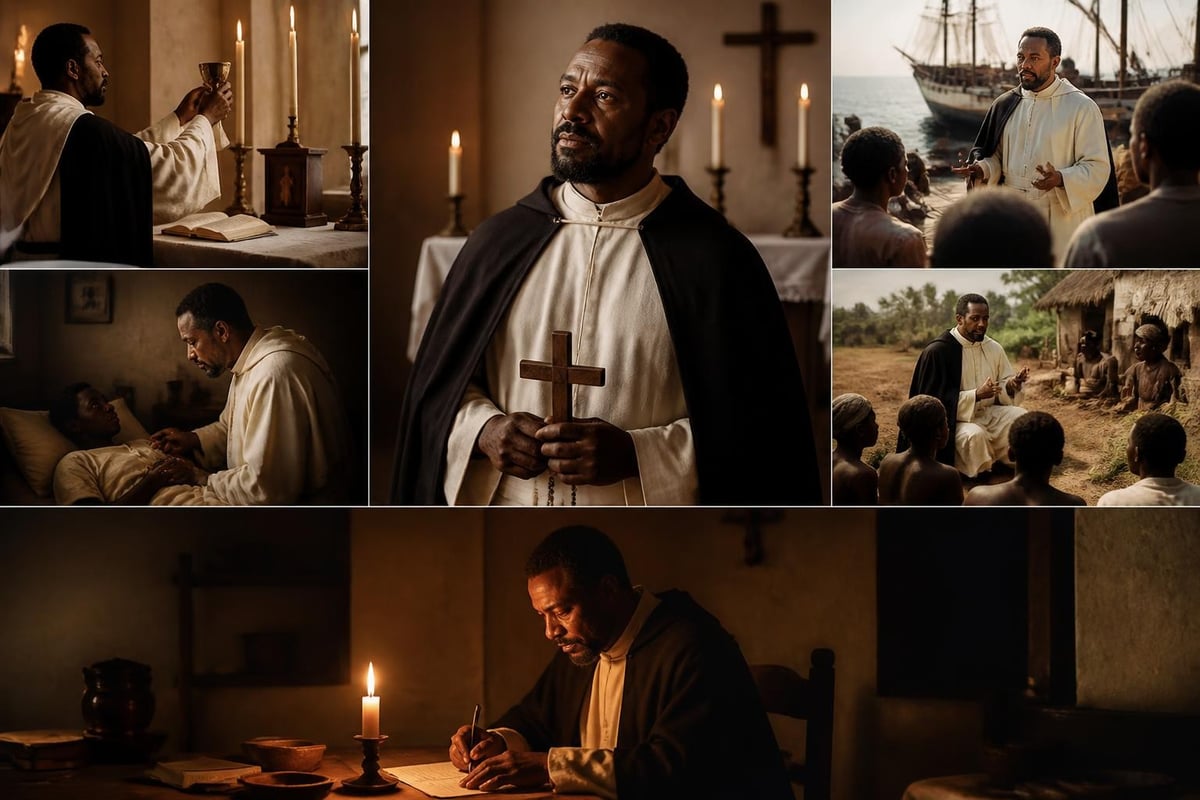
The saint's daily schedule reflected extraordinary physical and emotional demands. He would rise before dawn to celebrate Mass, then proceed to the docks to await incoming ships. The conditions he encountered in the slave ships' holds tested human endurance with their combination of disease, filth, and despair.
Contemporary accounts describe how saint peter claver descended into these hellish spaces, embracing the sick and dying whom even slave traders avoided. He brought not only sacramental grace but also basic necessities: fruit, bread, brandy for the weak, and medicines for those suffering from dysentery, smallpox, and other diseases contracted during the voyage.
Ministry Beyond the Docks
While ministry to newly arrived enslaved people formed the core of his work, saint peter claver's apostolate extended throughout Cartagena. He regularly visited the city's hospitals, where he cared for sick enslaved people often abandoned by their owners. He also traveled to nearby plantations and rural areas, providing ongoing catechesis and sacramental ministry to those who had been baptized but received little follow-up instruction.
His ministry included:
- Hospital visitation: Daily rounds at Cartagena's hospitals serving enslaved populations
- Plantation ministry: Regular circuits to rural estates for confession and instruction
- Prison chaplaincy: Spiritual care for condemned criminals, including enslaved people
- Marriage preparation: Catechesis for couples and witnessing of marriages
- Feast day celebrations: Organizing special celebrations for major liturgical occasions
Spiritual Resources for Understanding the Saints
Those seeking to deepen their understanding of saint peter claver and other remarkable witnesses to faith can explore the resources at Journeys of Faith. The company's extensive collection includes books, videos, and prayer materials that bring the lives of the saints into contemporary focus. These materials help Catholics connect historical sanctity with present-day discipleship challenges.
The Final Years and Death
In 1650, saint peter claver contracted a severe illness that left him partially paralyzed and largely confined to his room for the final four years of his life. This period revealed both the depth of devotion he had inspired and the cruel indifference of some who had tolerated rather than embraced his ministry. His primary caretaker treated him harshly, and many who had witnessed his work now neglected him.
Yet when news of his impending death spread in September 1654, massive crowds gathered. Both enslaved and free people, whom he had served for decades, came to pay their respects. The Catholic Encyclopedia account describes how city officials, clergy, and those he had baptized all sought to honor him before his death on September 8, 1654.
Canonization and Legacy
The Church recognized saint peter claver's extraordinary holiness through a lengthy canonization process. Pope Pius IX beatified him in 1851, and Pope Leo XIII canonized him in 1888, alongside Alphonsus Rodriguez, the brother who had first inspired his missionary vocation. In 1896, Pope Leo XIII declared Claver the patron saint of missionary work among African peoples.
| Canonization Milestone | Date | Significance |
|---|---|---|
| Death | September 8, 1654 | End of earthly ministry |
| Beatification | July 21, 1851 | Recognition as Blessed |
| Canonization | January 15, 1888 | Universal recognition as Saint |
| Patron Declaration | 1896 | Formal association with African missions |
Relevance for Contemporary Catholics
In 2026, saint peter claver's witness speaks powerfully to several contemporary concerns. His ministry demonstrates that authentic evangelization must address both spiritual and material needs, recognizing the full humanity of those being served. His willingness to enter into the suffering of others, literally descending into the slave ships' holds, models the incarnational approach Christ himself took.
The Santuario Museo San Pedro Claver in Cartagena preserves his memory and ministry through exhibits, artifacts, and educational programs. Visitors to this sanctuary can see the room where he lived, artifacts from his ministry, and gain deeper understanding of both his work and the historical context of colonial Cartagena.
Lessons for Modern Discipleship
Saint peter claver's life offers several enduring lessons for Catholics committed to evangelization and social justice:
- Human dignity is non-negotiable: Every person possesses inherent worth regardless of circumstances
- Actions speak louder than words: Physical acts of mercy authenticated his verbal proclamation
- Cultural sensitivity matters: Using interpreters and respecting cultural contexts enhanced effectiveness
- Consistency builds credibility: Four decades of faithful service demonstrated authentic commitment
- Sacramental life sustains mission: Daily Mass and prayer provided strength for difficult ministry
The saint's example challenges comfortable Christianity. He chose the most difficult, most despised, and least rewarding (by worldly standards) ministry available. His life asks contemporary believers what uncomfortable places God might be calling them to serve.
Commemorating Saint Peter Claver Today
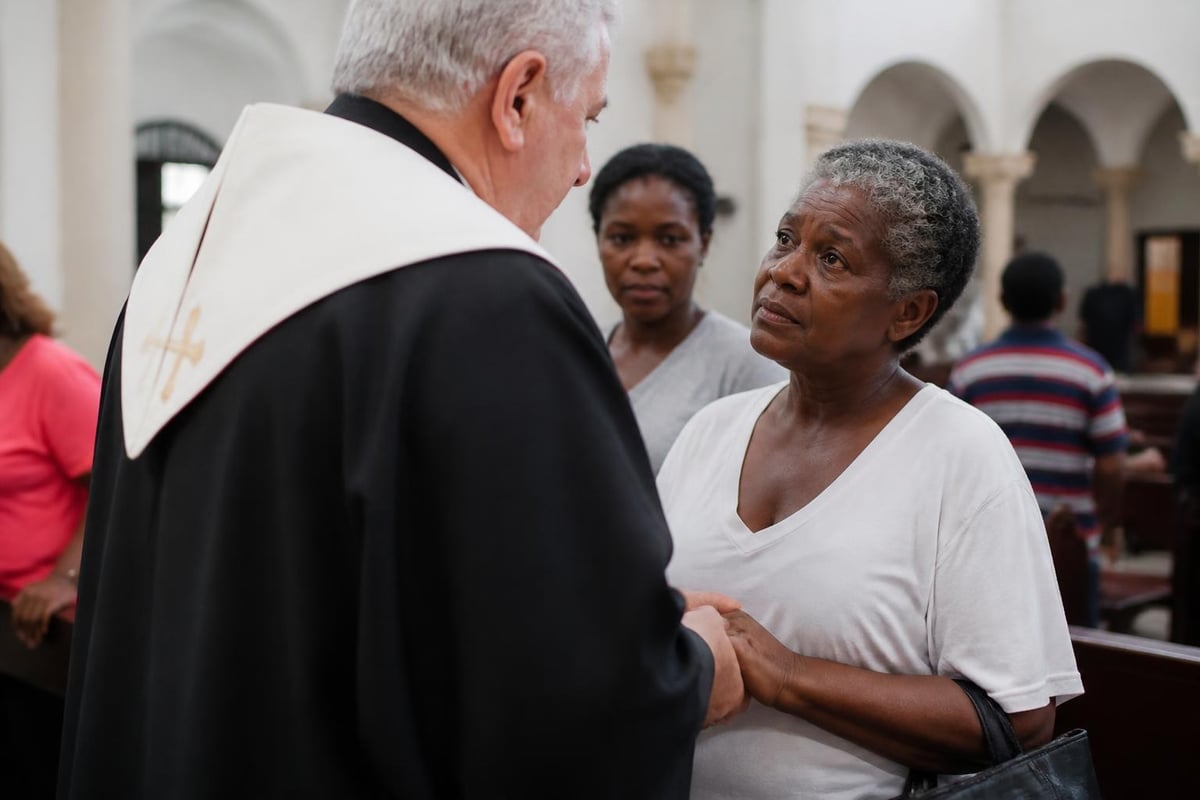
The Church celebrates saint peter claver's feast day annually on September 9th. Many parishes, especially those with diverse or predominantly African American congregations, mark this day with special Masses, educational programs, and service projects. The feast provides an opportunity to reflect on the Church's complicated relationship with slavery and racism while celebrating those who witnessed to human dignity even in oppressive systems.
Resources from the Jesuit Archives & Research Center provide primary source materials for those conducting deeper research into Claver's life and the Jesuit missions in colonial South America. These archives include correspondence, mission reports, and other documents that illuminate both individual sanctity and institutional complexities.
Prayer and Devotion
Catholics seeking to honor saint peter claver can incorporate his example into their spiritual lives through several practices:
- Studying his life story to understand historical context
- Praying for his intercession, especially regarding racial justice
- Supporting contemporary ministries serving marginalized populations
- Examining personal attitudes toward dignity and worth
- Advocating for systemic changes that protect human rights
Those looking to grow in their knowledge of the saints and deepen their prayer life can explore educational resources and materials that make Catholic tradition accessible and applicable to daily life.
The Challenge to Action
Saint peter claver's witness ultimately demands more than admiration; it requires response. His life confronts believers with uncomfortable questions about how they engage systems of injustice, serve marginalized populations, and witness to human dignity in concrete circumstances. The Google Arts & Culture platform's digital collection from the Cartagena sanctuary offers visual and interpretive materials that make his ministry tangible for contemporary audiences.
In an era marked by refugee crises, human trafficking, and persistent racism, the example of saint peter claver remains urgently relevant. His practical combination of sacramental ministry, corporal works of mercy, and personal sacrifice models holistic evangelization that addresses both eternal destiny and present suffering.
For those inspired to follow his example in whatever context God has placed them, the intercession of saint peter claver offers powerful spiritual support. His four decades of faithful service, maintained through difficulty, isolation, and physical hardship, testify to the sustaining grace available to those who commit themselves fully to Christ's mission.
Saint Peter Claver's extraordinary dedication to serving the most marginalized people of his time continues to challenge and inspire Catholics in 2026. His witness reminds us that evangelization must always respect human dignity and address both spiritual and physical needs. Journeys of Faith helps believers connect with the lives of the saints through books, videos, podcasts, and educational materials that make these powerful witnesses accessible for contemporary discipleship. Whether you're seeking to deepen your understanding of Catholic history, grow in prayer, or find inspiration for service, explore the resources available at Journeys of Faith online, where thousands of Catholic items support your spiritual journey. Journeys of Faith is blessed to provide Catholic media, including podcasts and inspirational content, free of charge across multiple media platforms for viewers and listeners around the world. While access to this content remains free, there are significant and continually increasing costs associated with producing, hosting, and distributing these programs. Your support helps us continue sharing the beauty of the Catholic faith with souls-please make a donation to support this vital work of evangelization through media.
✝️ Explore the Lives of the Saints
Inspired by Saint Peter Claver's radical holiness? Discover more remarkable witnesses to Christ through these resources from Journeys of Faith.
- 📖 Saints and Other Powerful Men in the Church — Book Classic — Compelling stories of men who changed the world through radical faith
- 📖 Saints Maligned, Misunderstood and Mistreated — Book — The stories of saints whose heroic witness was rejected or ignored in their own time
- 🎧 Saints Maligned, Misunderstood and Mistreated — Audiobook MP3 — Listen to these inspiring accounts of misunderstood holiness
- 📄 Saints Maligned, Misunderstood and Mistreated — eBook PDF — Instant digital access to this powerful series
- 🎧 Lives of the Saints — 84 Audiobooks MP3 Bundle — An extraordinary collection covering dozens of saints across Church history
- 📚 Books on the Saints — 9-Book Discounted Bundle — The complete library for every Catholic devoted to the saints
