

The story of st augustine st monica represents one of the most powerful mother-son relationships in Christian history. Monica's relentless prayers and unwavering faith ultimately led her wayward son Augustine from a life of philosophical confusion and moral struggle to become one of the Church's greatest theologians and saints. Their intertwined journey illuminates the transformative power of maternal devotion, persistent prayer, and divine grace working together across decades of apparent hopelessness. For modern Catholics seeking inspiration in their own family struggles, the relationship between st augustine st monica offers profound lessons about patience, faith, and the mysterious workings of God's timeline.
The Early Life and Struggles of Monica
Monica was born around 331 AD in Tagaste, North Africa, to a Christian family. Her arranged marriage to Patricius, a pagan Roman official with a volatile temperament, tested her faith from the beginning. Living in a household where she was the only Christian presented daily challenges that shaped her character and deepened her spiritual resilience.
Monica faced three primary sources of suffering in her marriage:
- A husband prone to anger and infidelity
- A critical mother-in-law who lived in their home
- The uncertainty of raising children in a pagan household
Despite these hardships, Monica never wavered in her Christian witness. She responded to Patricius's outbursts with patience rather than retaliation, demonstrating a faith that eventually converted both her husband and mother-in-law before Patricius's death. This early victory through persistent, quiet faith would become her template for the greater battle ahead with her son Augustine.
Brought to you by Journeys of Faith, founded by Bob and Penny Lord. We are an Augustinian Secular Institute and Cyber Apostles. Our mission is evangelization through media.
Monica's Parenting Challenges
When Augustine was born in 354 AD, Monica's joy was tempered by her husband's insistence that the boy not be baptized immediately. This decision haunted Monica as she watched her brilliant son grow intellectually while drifting spiritually. Augustine's exceptional intellect became both a source of maternal pride and deep concern as he used his gifts to pursue philosophies that led him away from Christianity.
Augustine's academic success in rhetoric took him to Carthage, where he embraced Manichaeism, a dualistic religion that Monica viewed as heretical. The discovery that her son had also taken a concubine and fathered a child out of wedlock devastated her. For a devout Christian mother in fourth-century North Africa, these choices represented not just moral failures but eternal dangers.
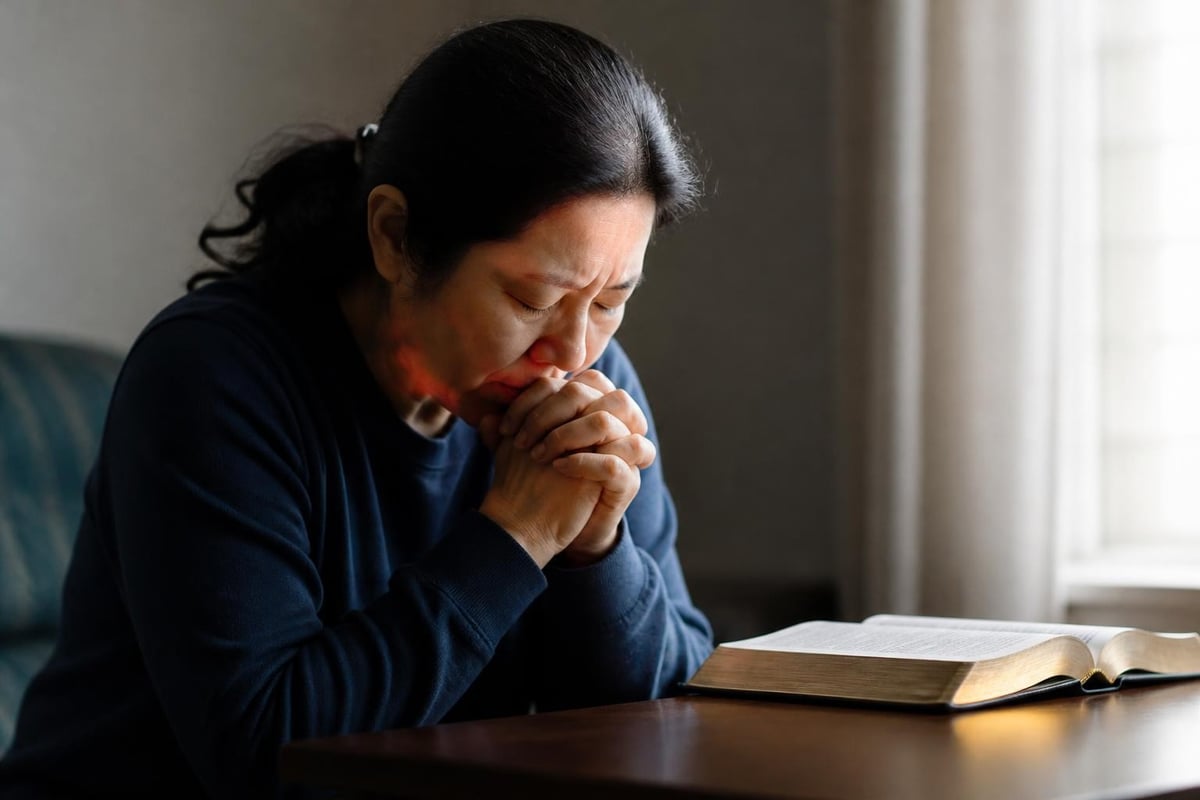
The Confessions: Augustine's Testament to His Mother
Augustine's masterwork, *Confessions*, provides the most detailed account we have of the st augustine st monica relationship. Written after Monica's death, Book IX contains some of the most moving passages about maternal love in all of Christian literature. Augustine doesn't simply chronicle facts; he reveals the spiritual and emotional depth of their bond.
In the Confessions, Augustine recounts how Monica pursued him across the Mediterranean, physically following him from North Africa to Rome and then to Milan. When Augustine secretly boarded a ship to escape her influence, Monica's response exemplified her character: she didn't give up but intensified her prayers instead.
The Bishop's Prophecy
During Monica's darkest hours of despair over Augustine's embrace of Manichaeism, she sought counsel from a local bishop. The account preserved in Book III reveals a turning point in Monica's journey. The bishop, himself a former Manichaean, refused to debate Augustine directly but offered Monica words that sustained her for years: "It cannot be that the son of these tears should perish."
This prophecy became Monica's anchor during the long years of waiting. The concept that persistent, tearful prayer could ultimately triumph over intellectual pride and moral waywardness has inspired countless Catholic mothers facing similar struggles with their children.
| Monica's Persistent Efforts | Augustine's Resistance | Divine Timeline |
|---|---|---|
| Constant prayer and fasting | Philosophical arguments | 17 years from Manichaeism to conversion |
| Physical pursuit across provinces | Secret departure to Rome | Multiple failed attempts at persuasion |
| Seeking episcopal counsel | Intellectual pride in rhetoric | Gradual softening through Ambrose's preaching |
The Milan Conversion Experience
The climax of the st augustine st monica story occurred in Milan in 386 AD. Augustine, now 32 years old, had abandoned Manichaeism but still resisted full Christian commitment. He attended the preaching of Bishop Ambrose, initially to study his rhetorical techniques, but gradually found himself moved by the content as well as the style.
Monica had strategically positioned herself in Milan, maintaining her prayer vigil while Augustine wrestled with philosophical questions about Neo-Platonism and Christianity. The emotional and spiritual pressure on Augustine intensified as he recognized the truth of Christianity intellectually but struggled to accept its moral demands, particularly regarding chastity.
The Garden Conversion
The famous garden scene at Milan represents the culmination of Monica's decades of prayer. Augustine heard a child's voice chanting "tolle lege" (take and read), picked up the Epistles of Paul, and read Romans 13:13-14. As Catholic scholars have noted, this moment was simultaneously Augustine's breakthrough and Monica's triumph.
The conversion had immediate effects:
- Augustine resolved to embrace celibacy
- He resigned his rhetoric professorship
- He prepared for baptism under Bishop Ambrose
- He began the theological journey that would make him a Doctor of the Church
Monica's response to the news reveals her character. According to Augustine's account, she received the confirmation of his conversion with quiet joy rather than triumphant vindication, immediately thanking God for exceeding even her persistent prayers.
The Ostia Vision: A Shared Mystical Experience
Shortly before Monica's death, mother and son shared a profound mystical experience at Ostia, the port city near Rome. Augustine describes this event in Book IX of the Confessions as a moment when they jointly contemplated eternal wisdom, their souls ascending through levels of created reality to touch briefly upon the divine.
This mystical encounter represents the full flowering of the st augustine st monica relationship. No longer adversaries in a spiritual struggle, they had become companions in contemplation. The woman who had pursued her son with tears now stood beside him as an equal in their shared vision of God's eternal truth.

Monica's Final Days and Death
According to Vatican News, Monica died at Ostia in 387 AD at approximately 56 years of age. After the mystical experience, she told Augustine that her life's purpose had been fulfilled. Her son was not only baptized but dedicated to God's service; she had nothing more to desire on earth.
Monica's final illness lasted nine days. During this time, she expressed a remarkable indifference to where she would be buried, a significant statement for someone of her era who typically desired burial in their homeland. When her sons expressed concern about her dying far from Africa, she replied: "Nothing is far from God, nor need I fear that He will not know where to find me at the resurrection."
The Theological Legacy of St Augustine St Monica
The relationship between st augustine st monica has influenced Catholic theology, particularly regarding the efficacy of persistent prayer and the role of mothers in their children's spiritual formation. Augustine's own theological developments bear Monica's imprint in subtle but significant ways.
Monica's influence appears in Augustine's theological framework:
- His emphasis on God's grace overcoming human resistance
- His understanding of prayer as transformation rather than transaction
- His recognition of women's spiritual authority and wisdom
- His appreciation for maternal love as an image of divine love
Psychological analyses of Augustine's conversion often note Monica's crucial role not as manipulation but as consistent, loving presence that created space for grace to work. Modern readers sometimes misinterpret Monica's pursuit as controlling behavior, but within the context of fourth-century Christianity and the eternal stakes she believed were at risk, her actions reflected deep maternal love rather than unhealthy attachment.
Prayer as Monica's Primary Weapon
Monica's approach to prayer deserves special attention. She didn't pray occasionally or casually; she made intercession for Augustine's conversion the central focus of her spiritual life for nearly two decades. Her tears became legendary, referenced by Augustine multiple times in the Confessions and remembered in tradition.
The story of st augustine st monica teaches that effective intercessory prayer often requires:
- Persistence over years or decades rather than quick results
- Emotional investment that manifests in tears and fasting
- Strategic positioning such as Monica's move to Milan
- Submission to God's timing rather than demanding immediate answers
- Faith in divine promises like the bishop's prophecy
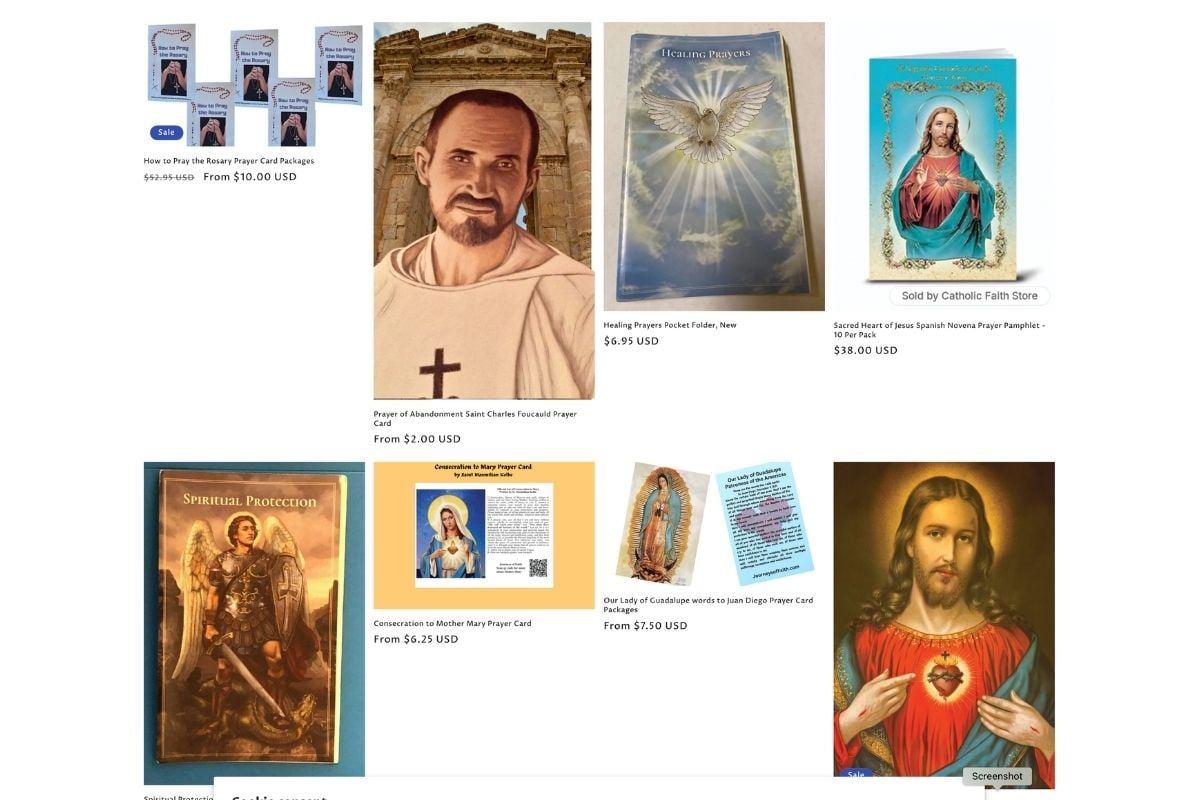
For Catholics seeking to deepen their own prayer practice in interceding for family members, Prayer Cards and Novenas offer structured approaches that echo Monica's dedicated intercession. These tangible tools help maintain focus during long seasons of prayer, just as Monica maintained her focus across the years of Augustine's wandering.
Monica as Patron Saint
The Catholic Church canonized Monica and designated her feast day as August 27, the day before Augustine's feast on August 28. This liturgical proximity symbolizes their inseparable spiritual bond and the fruit of Monica's prayers.
Monica serves as patron saint of:
- Mothers, especially those with difficult children
- Wives enduring difficult marriages
- Those struggling with alcoholism (based on her own youthful temptation)
- Victims of abuse and unfaithfulness
- Widows seeking to raise their children in faith
The University of Notre Dame's Church Life Journal emphasizes Monica's relevance for contemporary Catholics facing family crises. Her example provides hope that no situation is beyond God's redemptive reach and that faithful prayer can outlast even decades of apparent failure.
The Relics and Veneration
Monica was initially buried at Ostia, but her relics were transferred to Rome during the Middle Ages. According to Britannica's account, her remains rest in the Church of Sant'Agostino in Rome, near the tomb of her son. This physical proximity in death mirrors their spiritual unity in life.
Pilgrims visiting Rome often pray at Monica's tomb before proceeding to Augustine's, seeking her intercession for their own family struggles. The artistic representations of st augustine st monica typically show Monica in tears or prayer, often with her son either turning away or, in later depictions, turning toward her in conversion.
Modern Applications of Monica's Example
Contemporary Catholic families face challenges that Monica never imagined, yet the fundamental spiritual dynamics remain remarkably similar. Children may not embrace Manichaeism, but they drift toward secular philosophies, lifestyle choices contrary to Church teaching, or simple indifference to faith formation.
Monica's approach offers a template for modern parents:
- Maintain personal holiness regardless of family circumstances
- Pray persistently without demanding specific timelines
- Seek wise counsel from spiritual directors and clergy
- Position yourself strategically in your children's lives
- Trust divine timing rather than your own schedule
- Never surrender hope even after years of apparent failure
The story also challenges modern Catholic culture's emphasis on quick fixes and immediate results. Monica's seventeen-year prayer journey contradicts contemporary expectations of rapid spiritual transformation through the right program, retreat, or intervention.
The Literary and Cultural Impact
Beyond theology, the st augustine st monica relationship has inspired countless works of art, literature, and devotional writing. Renaissance and Baroque artists frequently depicted Monica, often showing the moment of Augustine's conversion or their shared mystical vision at Ostia.
Literary treatments of Monica range from hagiographical accounts emphasizing her sanctity to more critical modern analyses examining the psychological dynamics of their relationship. Some feminist scholars have explored Monica as a complex figure who exercised power and influence in a patriarchal society through specifically maternal and religious channels.
| Artistic Medium | Common Themes | Notable Examples |
|---|---|---|
| Painting | Monica in prayer, the garden conversion, Ostia vision | Works by Ary Scheffer, Benozzo Gozzoli |
| Sculpture | Monica and Augustine together, Monica weeping | Various church statuary in Italy and Africa |
| Literature | Maternal persistence, conversion narratives | References in Catholic devotional works |
| Music | Hymns about persistence in prayer | Various liturgical compositions |
The Confessions itself stands as the ultimate artistic monument to the st augustine st monica relationship. Augustine's transparent account of his mother's influence, written years after her death, reveals both his gratitude and his recognition of her spiritual wisdom.
Lessons for Spiritual Formation
Monica's approach to her son's spiritual crisis offers insights for anyone involved in faith formation, whether as parents, catechists, or pastoral ministers. Her method combined what might seem like contradictory elements: intense emotional investment and patient detachment, active pursuit and prayerful surrender.
The bishop who counseled Monica understood something crucial: direct argumentation would only strengthen Augustine's intellectual resistance. Monica's tears and prayers created a different kind of pressure, one that worked on Augustine's heart rather than his head. When he finally encountered truth through Ambrose's preaching and Paul's epistles, the ground had been prepared through years of intercession.
Key principles from Monica's spiritual formation approach include:
- Prayer prepares hearts that argumentation cannot reach
- Emotional authenticity (her tears) communicates deeper than theological debate
- Physical presence matters (her move to Milan) in spiritual influence
- Patience with divine timing respects God's sovereignty in conversion
- Strategic withdrawal (accepting the bishop's advice not to debate) can be more effective than confrontation
For Catholic educators and parents today, these principles challenge the tendency to rely solely on intellectual instruction or emotional manipulation. Monica's example suggests a both-and approach: provide truth when possible, but recognize that prayer and presence often accomplish what words cannot.
The Augustinian Charism in Modern Religious Life
The spiritual legacy of st augustine st monica continues through Augustinian religious communities worldwide. These communities, following the Rule of St. Augustine, often emphasize community life, intellectual pursuit balanced with devotion, and recognition of God's grace as the foundation of all spiritual progress.
Augustinian communities demonstrate Monica's influence through:
- Emphasis on communal prayer
- Recognition of diverse paths to holiness
- Balance between active ministry and contemplation
- Commitment to education and intellectual formation
- Special devotion to Mary and maternal figures
Secular Augustinians, like those at Journeys of Faith, bring this charism into lay life, recognizing that Monica's example of faith in the midst of family struggles speaks powerfully to contemporary challenges. Her witness shows that sanctity doesn't require withdrawal from messy family dynamics but can emerge through faithful engagement with them.
The Intercessory Power of Tears
One of the most striking elements of the st augustine st monica narrative is the repeated emphasis on Monica's tears. These weren't merely emotional displays but a form of prayer that Catholic tradition has long recognized as particularly powerful. The bishop's prophecy specifically referenced "these tears," suggesting that tearful prayer carries special weight in God's sight.
The theology of tears in Catholic spirituality includes:
- Tears as authentic prayer beyond mere words
- Compunction (holy sorrow) as a gift of the Holy Spirit
- Tears for others as participation in Christ's intercession
- Persistent weeping as evidence of deep love and faith
Modern Catholics, especially in cultures that discourage emotional expression, may struggle to understand Monica's tears. Yet her example suggests that bringing our whole selves, including our emotions, into prayer demonstrates the kind of authenticity God honors. Her tears weren't weakness but strength, not manipulation but genuine anguish over her son's eternal destiny.
Many Catholic mothers today find comfort in knowing that their own tears over wayward children stand in a long tradition exemplified by Monica. Resources for sustaining this kind of persistent, emotional intercession can support those walking Monica's path in the twenty-first century.
Persistence in Apparent Failure
Perhaps the most challenging aspect of the st augustine st monica story for modern readers is the sheer length of Monica's wait. Seventeen years of apparently unanswered prayer tests any faith, yet Monica persisted without visible evidence that her prayers were having any effect. Augustine continued in his errors, took a concubine, pursued heretical philosophies, and actively avoided his mother's influence.
During these years, Monica had to live with what appeared to be complete failure. Friends and relatives likely questioned her methods. Even she must have wondered whether her approach was correct or whether she should try something different. The bishop's prophecy sustained her, but even that assurance didn't specify when or how her prayers would be answered.
This dimension of Monica's experience speaks powerfully to anyone facing long-term struggles where God seems silent. Her example teaches that:
- Faithful prayer continues even without visible results
- God's timeline differs from human expectations
- Apparent failure may be preparation for eventual triumph
- Persistence itself demonstrates and deepens faith
- The wait is part of the spiritual formation process
Monica's story challenges the prosperity gospel mentality that expects immediate divine response to faithful prayer. Instead, she exemplifies a mature faith that continues to trust even when understanding fails and evidence seems to contradict hope.
The profound relationship between St Augustine and St Monica reveals how persistent prayer, unwavering faith, and maternal love can transform even the most resistant hearts over time. Their intertwined journey from struggle to shared mystical vision demonstrates that no spiritual battle is lost while faithful intercession continues.
Explore Journeys of Faith online store with thousands of Catholic items that support your spiritual journey. Journeys of Faith is blessed to provide Catholic media, including podcasts and inspirational content, free of charge across multiple media platforms for viewers and listeners around the world. While access to this content remains free, there are significant and continually increasing costs associated with producing, hosting, and distributing these programs. Your support helps us continue sharing the beauty of the Catholic faith with souls. Please make a donation to support these resources. Whether you're seeking prayer tools, devotional materials, or educational resources about the saints, Journeys of Faith offers materials to deepen your Catholic faith and support your family's spiritual formation.
