

The st rita biography reveals one of the most beloved yet profoundly tested saints in Catholic history. Born in 1381 in Roccaporena, a village near Cascia in central Italy, Margherita Lotti-known to millions as Saint Rita-lived a life marked by extraordinary suffering, radical forgiveness, and miraculous intervention. Her story resonates deeply with those facing impossible circumstances, broken relationships, and seemingly hopeless situations. From her forced marriage to a violent husband through her eventual life as an Augustinian nun, Rita's sanctity emerged not from avoiding hardship but from transforming it through faith, prayer, and radical trust in God's providence.
Early Life and Forced Marriage
Rita's childhood in the mountainous region of Umbria was characterized by deep piety and an early desire for religious life. Her parents, Antonio and Amata Lotti, were known for their peacemaking efforts in a region torn by feuds between Guelphs and Ghibellines-political factions that divided Italian cities throughout the Middle Ages. This environment of violence and reconciliation would shape Rita's later spiritual mission.
Despite her fervent wish to enter religious life, Rita's parents arranged her marriage to Paolo Mancini, a man known for his harsh temperament and violent behavior. The st rita biography found in traditional hagiographic sources indicates she was approximately twelve years old at the time, though some scholars suggest she may have been older. This forced union represented the first of many sacrifices that would define her sanctity.
Marriage to a Violent Husband
Paolo Mancini's reputation as a brutal, quarrelsome man proved accurate. For eighteen years, Rita endured physical abuse, infidelity, and the constant threat of violence. Yet rather than responding with bitterness or retaliation, she demonstrated extraordinary patience and prayer.
The transformation Rita sought came gradually:
- She prayed constantly for her husband's conversion
- She responded to cruelty with kindness and gentleness
- She maintained her spiritual practices despite opposition
- She raised their twin sons with Christian values
Her persistent intercession eventually bore fruit. Historical accounts suggest that Paolo experienced a genuine conversion shortly before his death, though the exact circumstances vary across different versions of the st rita biography. What remains consistent is Rita's role in this transformation through prayer and patient endurance.

Widowhood and Family Tragedy
Paolo's murder by political enemies around 1400 thrust Rita into widowhood with two teenage sons. The vendetta culture of medieval Italy demanded blood revenge, and her sons were expected to avenge their father's death. This expectation represented perhaps Rita's greatest spiritual trial.
Brought to you by Journeys of Faith, founded by Bob and Penny Lord - We are an Augustinian Secular Institute - Cyber Apostles - Our Mission is Evangelization through Media.
According to the detailed st rita biography preserved at Encyclopedia.com, Rita faced an impossible choice between her sons' lives and their souls. She reportedly prayed that God would take her sons rather than allow them to commit murder and endanger their eternal salvation. Both young men died within a year, possibly from plague, before they could execute revenge.
| Challenge | Rita's Response | Spiritual Lesson |
|---|---|---|
| Violent husband | Prayer and patience | Suffering can transform hearts |
| Sons' desire for revenge | Prayer for their souls over lives | Eternal perspective matters most |
| Complete isolation | Pursuit of religious life | God provides new purpose |
| Rejection by convent | Persistent petition | Faith overcomes obstacles |
This devastating loss-losing her entire immediate family within a short period-might have destroyed a lesser soul. Instead, Rita saw it as divine providence opening a path to her original calling: religious life.
Entry into Augustinian Life
Free from family obligations, Rita sought admission to the Augustinian monastery of Saint Mary Magdalene in Cascia. Her petition faced immediate rejection. The convent accepted only virgins, and Rita's status as a widow and mother of murdered men connected to local feuds made her an unsuitable candidate in the eyes of the community.
The miracle of entry represents a crucial element in the st rita biography. According to tradition preserved by the Augustinian Order, Rita's patron saints-John the Baptist, Augustine of Hippo, and Nicholas of Tolentino-miraculously transported her inside the locked convent one night. The nuns, discovering her inside their cloistered space, interpreted this supernatural event as divine approval of her vocation.
Religious Life and the Thorn
Rita's life as an Augustinian nun demonstrated heroic obedience and humility. One famous story tells of a superior ordering her to water a dead stick daily. Rita complied for months until the stick miraculously sprouted leaves and grew into a vine-still preserved at the monastery in Cascia today.
Her most famous mystical experience occurred around 1442, during a sermon on Christ's Passion. Rita begged to share in Christ's suffering, and a thorn from His crown reportedly detached and embedded itself in her forehead, creating a wound that remained for the final fifteen years of her life.
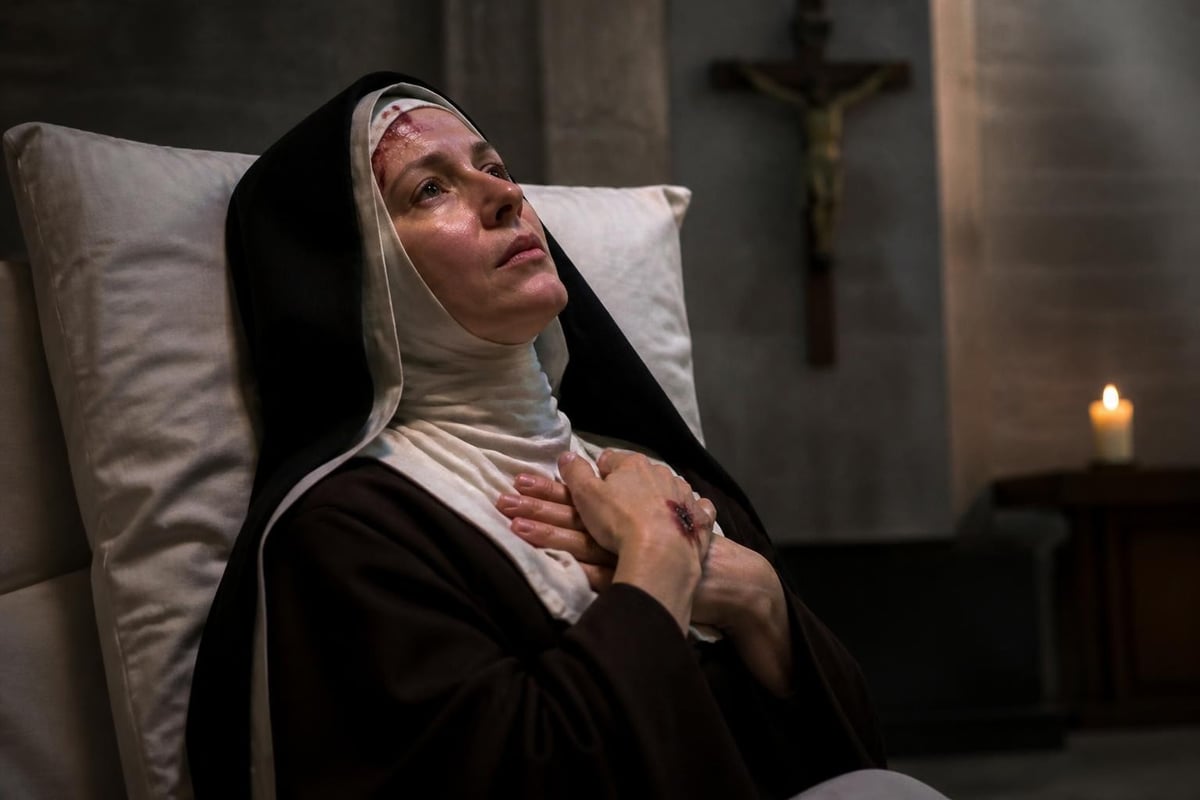
The wound's characteristics included:
- Visible depression or mark on her forehead
- Persistent pain that Rita bore with joy
- Offensive odor that isolated her from community
- Miraculous temporary healing for the Jubilee pilgrimage to Rome
- Resumption of the wound after her return
This suffering aligned Rita with Christ's Passion in a tangible way, transforming her into what Pope Leo XIII would later call "the saint of the impossible." Her willingness to embrace suffering for love of Christ established her as a powerful intercessor for those facing seemingly hopeless situations.
Miracles and Intercession
The st rita biography documents numerous miraculous interventions both during her life and after her death on May 22, 1457. The incorrupt state of her body, preserved in a crystal casket at the Basilica in Cascia, has drawn pilgrims for over five centuries.
Pre-mortem miracles included:
- Healing of physical ailments through her prayers
- Reconciliation of feuding families in the Cascia region
- Provision of food during times of scarcity
- Protection of the monastery from various dangers
- Conversions of hardened sinners through her intercession
Her death itself was marked by supernatural phenomena. Historical accounts from the Sanctuary of Saint Rita describe bells ringing without human agency and a brilliant light surrounding her cell. The rose and fig that appeared in her family's winter garden-brought to her deathbed as a final comfort-became symbols associated with her feast day.
Patronage and Cultural Impact
Rita's designation as patroness of impossible causes, difficult marriages, and abuse victims reflects the challenges she overcame through faith. Her cult spread rapidly throughout Italy and eventually worldwide, with particular devotion in:
- Latin America, where she remains among the most popular saints
- The Philippines, with numerous churches dedicated to her
- Brazil, where academic studies document the spread of devotion
- Ireland, where she became a beloved figure among Catholic communities
The academic examination of Rita's pilgrimage sites demonstrates how medieval saints continue to inspire contemporary devotion. Millions visit Cascia annually, seeking her intercession for marriages, health concerns, financial troubles, and family reconciliations.
Canonization and Recognition
Rita's formal recognition by the Church came gradually. Beatified by Pope Urban VIII in 1627, she waited nearly three centuries for full canonization, which Pope Leo XIII granted on May 24, 1900. This long process reflected the Church's careful examination of her life, virtues, and miraculous intercessions.
The canonization process required:
- Documentation of heroic virtue throughout her life
- Verification of miracles attributed to her intercession
- Testimony from witnesses and historical sources
- Confirmation of sustained popular devotion
- Theological examination of her spiritual writings and reported mystical experiences
Vatican News presents Rita's official liturgical celebration on May 22, commemorating the date of her death in 1457. The Augustinian Order, which Rita joined during her widowhood, particularly promotes her memory and continues her charism of reconciliation and peace.
| Aspect | Details | Significance |
|---|---|---|
| Birth | c. 1381, Roccaporena | Tumultuous political period |
| Marriage | c. 1393, to Paolo Mancini | 18 years of suffering |
| Widowhood | c. 1400 | Loss of husband and sons |
| Religious profession | c. 1407, Augustinian convent | Fulfillment of early vocation |
| Stigmatic wound | c. 1442 | 15 years bearing Christ's mark |
| Death | May 22, 1457 | Beginning of miraculous intercession |
| Beatification | 1627 | Official Church recognition |
| Canonization | May 24, 1900 | Universal veneration approved |
Devotional Practices and Prayer
Modern devotion to Saint Rita includes specific prayers, novenas, and liturgical celebrations. Many Catholics seeking her intercession for impossible situations turn to structured prayer practices that have developed over centuries. The devotion to Rita shares similarities with other beloved saint devotions found among Catholics dedicated to the saints.
Common devotional practices include:
- Nine-day novenas for specific intentions
- Blessing of roses on her feast day
- Prayers for troubled marriages and family reconciliation
- Intercession for abuse victims and those in violent situations
- Petitions for healing of chronic illnesses
Those seeking to deepen their understanding of Rita's life often benefit from reading comprehensive biographies. R. Hugh Connolly's classic life of St. Rita offers an accessible English-language narrative that captures both the historical details and spiritual depth of her sanctity. This work, combined with contemporary scholarly examinations, provides a fuller picture of Rita's extraordinary witness.

The symbols associated with Rita carry deep meaning. The rose represents the miraculous provision during her final illness, when winter roses bloomed impossibly in her family garden. The fig similarly points to divine intervention in natural processes. The thorn or wound on her forehead identifies her participation in Christ's Passion. The bee, according to legend, visited her as an infant without harming her-a prophecy of her sweet disposition despite life's bitterness.
Artistic Representations and Iconography
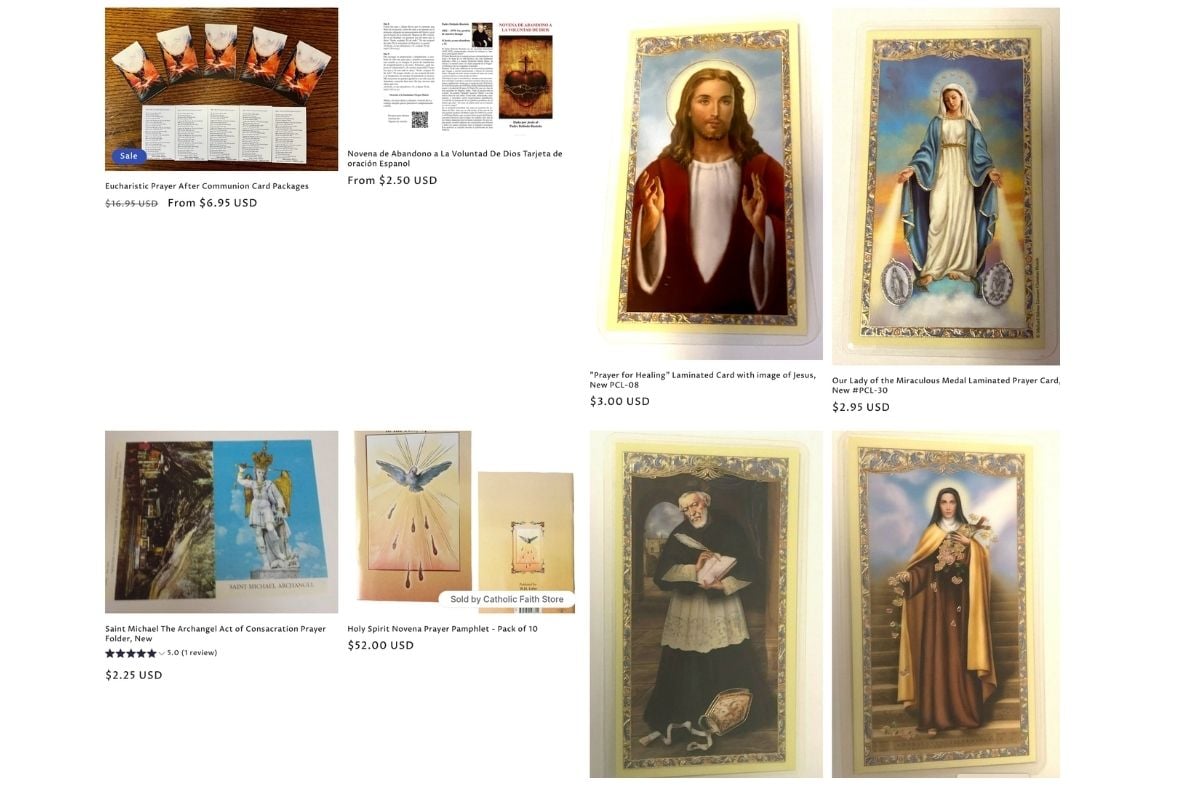
Visual depictions of Rita in churches, prayer cards, and devotional art typically include specific identifying elements. Scholarly examination of her iconography in Italian churches reveals consistent patterns that help the faithful recognize her immediately.
She appears most commonly in the black habit of the Augustinian nuns, often with:
- A visible wound or mark on her forehead
- A crucifix, emphasizing her mystical union with Christ's Passion
- Roses or a rose wreath, recalling the miraculous winter bloom
- A book, indicating her wisdom and learning
- Bees, referencing the childhood miracle
These visual elements communicate the essential aspects of the st rita biography to viewers, even those unfamiliar with her detailed life story. For Catholic media companies like Journeys of Faith, dedicated to sharing the lives of saints through various formats, Rita's rich iconographic tradition provides powerful visual teaching tools. Similar devotional resources can be found among the prayer cards and novenas that help Catholics maintain daily connection with the saints.
Legacy for Contemporary Catholics
The st rita biography speaks powerfully to modern situations that mirror her medieval struggles. Domestic violence, difficult marriages, family estrangement, and seemingly impossible circumstances remain persistent human challenges. Rita's sanctity emerged precisely from her response to these trials rather than from their absence.
Contemporary relevance includes:
- Validation of suffering - Rita's canonization affirms that God works through, not despite, our pain
- Hope for conversion - Her husband's transformation encourages prayer for difficult family members
- Empowerment for victims - Her holiness despite abuse offers dignity to those in violent situations
- Intercession for the impossible - Her patronage provides hope when human solutions fail
- Model of forgiveness - Her choice of reconciliation over revenge speaks to cycles of violence
Much like Saint Clare of Assisi, who pursued religious life against family opposition, Rita demonstrates that sanctity often requires courage to follow God's call despite external resistance. Both women's lives remind contemporary Catholics that holiness develops through faithfulness in difficult circumstances rather than through perfect conditions.
The Augustinian Context
Understanding Rita's st rita biography requires recognizing her Augustinian identity. Saint Augustine's spiritual theology, emphasizing God's grace transforming human weakness, perfectly aligns with Rita's experience. Her religious formation in an Augustinian monastery shaped her response to suffering and her radical trust in divine providence.
The Augustinian charism Rita embodied includes:
- Community life balanced with contemplative prayer
- Intellectual engagement with faith
- Service to those in need
- Pursuit of peace and reconciliation
- Recognition of human frailty and dependence on grace
Her connection to other Augustinian saints like Saint Anthony of Padua, though he belonged to the Franciscan tradition, reflects the broader medieval spiritual culture that valued miraculous intercession and practical holiness. The Augustinian Order's continued promotion of Rita's legacy ensures her witness reaches new generations seeking hope amid contemporary challenges.
Resources for Deeper Study
Those wishing to explore the st rita biography more thoroughly can access numerous resources spanning academic scholarship, devotional literature, and liturgical materials. Modern technology makes these materials more accessible than ever, allowing Catholics worldwide to encounter Rita's witness.
Recommended approaches for deeper study:
- Read primary biographical sources alongside scholarly analyses
- Visit the Basilica in Cascia virtually or in person
- Engage with novenas and prayers to experience her intercession personally
- Study the historical context of medieval Italian politics and religious life
- Examine artistic representations to understand cultural transmission of her story
- Connect with Augustinian communities who preserve her charism
The wealth of resources available through Journeys of Faith and similar Catholic media ministries makes saint biographies accessible to audiences seeking to deepen their faith through these powerful witnesses. From podcasts to books, DVDs to prayer cards, multiple formats serve different learning styles and devotional preferences.
Rita's Message of Hope
The enduring appeal of the st rita biography rests on its fundamental message: no situation lies beyond God's redemptive power. Rita's transformation from abused wife to beloved saint demonstrates that suffering, when united to Christ, becomes redemptive rather than merely destructive.
Her life proclaims several essential truths:
- Prayer changes everything - Rita's persistent intercession transformed her husband, protected her sons' souls, and opened her path to religious life
- Suffering has meaning - United to Christ's Passion, her trials became sources of grace rather than mere misery
- Forgiveness liberates - Her refusal to seek revenge freed her from bitterness and opened space for divine action
- Impossible situations invite miracles - When human solutions fail, supernatural intervention becomes possible
- Perseverance matters - Rita's repeated petitions to enter religious life eventually succeeded through divine assistance
This message resonates particularly strongly in 2026, when many Catholics face challenges to family life, pressure to abandon traditional values, and temptations to despair over cultural trends. Rita's witness reminds believers that sanctity remains possible in every era, regardless of external circumstances.
The st rita biography offers profound inspiration for anyone facing difficult marriages, family conflicts, or seemingly impossible situations. Her journey from suffering wife to powerful intercessor demonstrates God's ability to transform every circumstance through grace. For those seeking to deepen their understanding of the saints and strengthen their faith through these powerful witnesses, Journeys of Faith provides comprehensive resources including books, prayer cards, and media content dedicated to sharing these transformative stories. Explore thousands of Catholic items at the Journeys of Faith online store, where you'll find devotional materials to support your spiritual journey. Journeys of Faith is blessed to provide Catholic media, including podcasts and inspirational content, free of charge across multiple platforms for viewers and listeners around the world-though producing, hosting, and distributing these programs involves significant ongoing costs. Your support helps continue sharing the beauty of the Catholic faith with souls everywhere. Please consider making a donation to support this vital evangelization mission.
