
Ir directamente a la informaciรณn del producto
1 de 1

Limpias Cross Miracle Book

Limpias Cross Miracle Book

Precio habitual $11.00 USD
Precio habitual Precio de oferta $11.00 USD
Oferta Agotado
Los gastos de envรญo se calculan en la pantalla de pago.

FREE Shipping for all orders over $50 -- We have graduated discounts automaticallyย  applied up to 67% when you add to cart. --- 20% off orders over $50 --- 25% off orders over $75 --- 30% off orders over $100 --- 35% off orders over $150 --- 5%Cash Back Store Credit on all orders

CHECKOUT TIPS 1. Discounts are applied automatically! 3. Pay with credit card or Express Pay

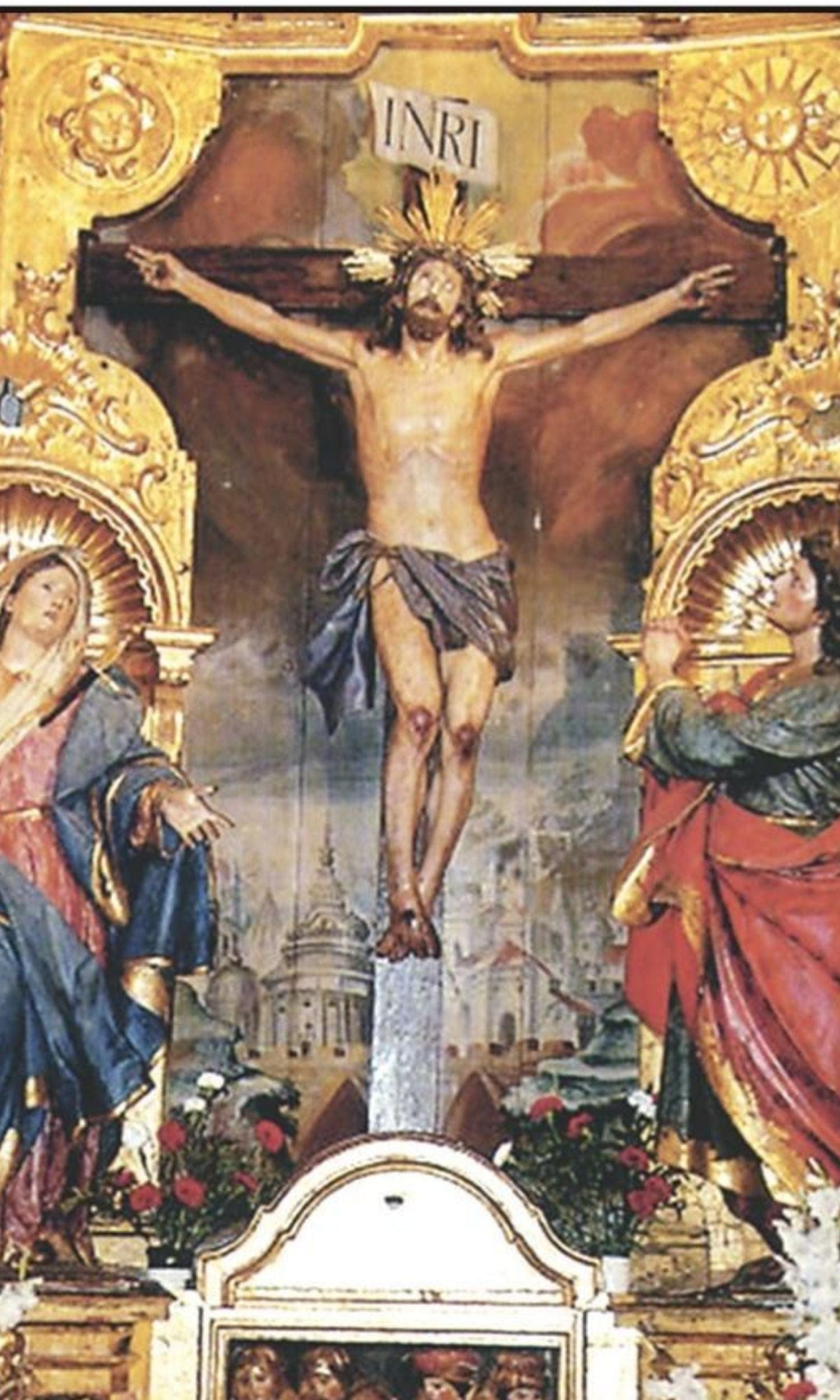
Miracle of the Cross of Limpias is a printed Catholic minibook by Bob and Penny Lord, published by Journeys of Faith. This compact devotional title documents reported events at the Church of the Living Cross in Limpias, Spain, during a 1919 Lenten Mission, giving readers a concise resource for prayer, study, and Catholic gift giving.

  • Printed minibook format for easy reading, travel, and prayer group use
  • Focuses on the Living Cross of Limpias and reported manifestations seen by different witnesses
  • Explains the suffering of Jesus during the Passion in a clear devotional context
  • Includes testimony-based discussion from a priest connected to the site and the growth of local devotion
  • Summarizes ongoing miracles attributed to Limpias and the steady return of pilgrims

Unlike a general Catholic prayer book or broad overview of Eucharistic miracles, this minibook centers on one Spanish devotion site and its history. Compared to longer Catholic books, the minibook format is easier to carry to Adoration, parish study, or personal reflection during Lent and Holy Week.

Readers often choose this title for confirmation saint study support, parish libraries, pilgrimage preparation, and faith-based gifts. It is a printed edition authored by well-known Catholic evangelists Bob and Penny Lord and published by Journeys of Faith, offering a clear, citable introduction to the Cross of Limpias devotion in Spain.
Ver todos los detalles

Frequently Asked Questions

A good Catholic minibook for this purpose is one that gives a focused account of a specific miracle or devotion in a short, readable format. Miracle of the Cross of Limpias Minibook is designed that way. It covers the events associated with the Church of the Living Cross in Limpias, Spain, including reports from a 1919 Lenten Mission, descriptions of Christ's suffering during the Passion, and the growth of devotion connected to the site. This type of minibook works well for readers who want more detail than a prayer card but less than a full-length Catholic book. It is especially useful for people interested in Eucharistic miracles, Passion devotion, pilgrimage stories, and Catholic history tied to a specific church or shrine. The main tradeoff is depth. Because it is a printed minibook, it is best for introductory learning, personal reflection, or parish sharing rather than academic study. If you want a concise Catholic resource that introduces a miracle account and the devotion surrounding it, this format is a practical choice.
This minibook is best for Catholic readers who want a short, focused introduction to the Cross of Limpias and the devotion connected to it. It is especially helpful for people drawn to the Passion of Christ, Eucharistic miracles, Marian apparitions, saints, and other signs of Catholic devotion that deepen prayer and reflection. Because it is a printed minibook, it suits readers who prefer something compact and approachable rather than a long theological volume. It can also be useful for prayer groups, parish study, RCIA participants, and pilgrims interested in miracle accounts from Spain. The content includes the reported events at the Church of the Living Cross, commentary on Christ's suffering during the Passion, and discussion of ongoing devotion and claimed miracles associated with Limpias. It may be less ideal for someone looking for a broad overview of all Eucharistic miracles or a heavily footnoted scholarly work. Its strength is that it gives a concentrated look at one devotion and why it has remained meaningful to many Catholic faithful.
The Miracle of the Cross of Limpias Minibook explains the devotion surrounding the Church of the Living Cross in Limpias, Spain. It describes reports that during a Lenten Mission in 1919, the crucifix appeared to come to life, with different people in the church perceiving different expressions or forms. The booklet also explores how this event led to lasting devotion, pilgrimage, and reports of further favors and miracles associated with the site. In addition to recounting the events, the minibook reflects on the suffering of Jesus during the Passion. That makes it especially relevant for readers seeking a devotional resource that combines miracle history with meditation on Christ's sacrifice. This is a good choice for someone who wants to understand why Limpias became an important place of Catholic devotion without committing to a long book. The limitation is that a minibook is naturally concise, so readers who want extensive historical sourcing or a broader survey of miracle traditions may want to use it as a starting point rather than a final reference.
A Catholic minibook sits between a prayer card and a full-length Catholic book in both depth and usability. A prayer card is usually very brief and centered on a single prayer, image, or devotion. A full-length Catholic book typically offers broader background, deeper theology, or more extensive documentation. A minibook gives a focused treatment of one subject in a concise printed format. The Miracle of the Cross of Limpias Minibook is a good example. Instead of only offering a prayer or a short summary, it presents the story of Limpias, the reported manifestations of the Living Cross, reflections on Christ's Passion, and the continuing devotion tied to the site. That gives readers enough context to understand why the devotion matters while keeping the reading manageable. This format is best for people who want quick learning, devotional reading, or a compact resource for travel or group discussion. The tradeoff is that it will not replace a comprehensive historical or theological study.
This minibook is best described as a blend of historical, devotional, and educational content, with a strong devotional emphasis. It recounts the reported events at the Church of the Living Cross in Limpias, Spain, including the 1919 Lenten Mission and the growth of devotion connected to the cross. That gives it a historical framework. At the same time, it reflects on the suffering of Jesus during the Passion, which makes it clearly devotional. It also explains what happened and why pilgrims continue to visit, which adds an educational dimension for readers who are unfamiliar with Limpias. This combination makes it useful for Catholics who want to learn about a specific miracle account while also deepening meditation on Christ's sacrifice. It is not primarily an academic text or a technical history, so readers seeking formal scholarly analysis may want additional sources. Its main value is helping readers understand the event and its spiritual significance in a compact, accessible format.
Yes, this minibook is a fitting choice for Lent or Passion meditation because its subject is closely tied to Christ's suffering and to a Lenten context. The booklet discusses the events at Limpias during a 1919 Lenten Mission and includes reflection on the agonizing suffering endured by Our Lord during the Passion. That makes it especially suitable for seasons when Catholics focus more intentionally on repentance, the Cross, and the sacrifice of Jesus. It is a practical option for people who want a short printed resource for personal prayer, holy hour preparation, or parish devotional reading. Readers interested in the mystery of the Crucifixion and miracle accounts connected to the Cross may find it especially meaningful. The tradeoff is that it is not a structured day-by-day Lenten devotional or prayer book. If someone wants a full seasonal program with daily reflections, this may work better as a supplemental reading. Its strength is concentrated reflection on one powerful Catholic devotion rather than a complete Lenten guide.
Readers looking for Catholic books about Limpias, Spain, are usually interested in miracle accounts connected to the Passion of Christ, devotional sites, and places of pilgrimage. Many are drawn to stories of crucifixes or Eucharistic miracles that have inspired prayer, conversion, and long-standing devotion. Others may be researching Spanish Catholic shrines or looking for material that supports meditation on the suffering of Jesus. The Miracle of the Cross of Limpias Minibook fits that interest well because it focuses on the Church of the Living Cross, the reported events during the 1919 Lenten Mission, and the continuing devotion and pilgrimages tied to the site. It is especially suited to readers who want a concise printed introduction rather than a large historical volume. This kind of title is often chosen by people building a small Catholic library on miracles, prayer, saints, or Eucharistic devotion. It may be less suited for someone who wants only general devotional prayers with no historical narrative, since the story of Limpias is central to the book.
Yes, this minibook can work well for parish groups, RCIA settings, or informal Catholic study discussions when the goal is to introduce a specific devotional topic in a manageable format. Because it is concise and focused on one subject, it is easier for group members to read and discuss than a full-length book. The Miracle of the Cross of Limpias Minibook offers several discussion points: the reported events in Limpias, the meaning of devotion to the Cross, how Catholics discern miracle claims, the role of pilgrimage, and meditation on Christ's Passion. That makes it useful for adult faith formation, prayer groups, and seasonal discussions during Lent. Its limitation is scope. Since it is a minibook, it is not a full curriculum or a broad introduction to all Eucharistic miracles or Church teaching on private revelations. Group leaders may want to pair it with Scripture, Catechism passages, or parish discussion questions. As a short printed resource, it is best used to spark reflection and conversation rather than serve as a complete course text.
This product is a printed Catholic minibook. That format makes it especially practical for everyday reading, devotional use, and gift giving. Because it is compact and focused, it can be read more easily than a large reference book and is simple to share with someone interested in Catholic miracles, the Passion, or Spanish devotional history. For gift giving, it is a thoughtful choice for people who appreciate Catholic books, prayer resources, and short works that support reflection. It can also appeal to collectors who enjoy building a library of Catholic minibooks on saints, miracles, apparitions, and devotional topics. Its strongest use is probably regular personal reading or spiritual enrichment rather than display. Readers who want portability and a straightforward introduction to the Cross of Limpias will likely value it most. The tradeoff is that a minibook format may not satisfy someone looking for a deluxe keepsake edition or an in-depth scholarly hardcover. It is best understood as a practical printed devotional resource.
A printed Catholic minibook offers a more focused and intentional reading experience than a quick digital summary. Online summaries can be useful for basic facts, but they are often fragmented, brief, or lacking devotional context. A printed minibook presents the subject as a complete narrative, which helps readers understand not only what happened but why the devotion matters. The Miracle of the Cross of Limpias Minibook brings together the reported events in Limpias, reflection on Christ's Passion, and the continuing devotion connected to the Living Cross. That combination can support prayerful reading in a way a short online article may not. It is also convenient for church, quiet prayer time, travel, or sharing with someone who prefers physical Catholic books. The tradeoff is that a printed resource is less instantly searchable than digital content. Still, for readers who want a dedicated Catholic devotional item with a coherent account of one miracle tradition, a printed minibook is often the better choice for reflection, rereading, and spiritual study.