

The first eucharist stands as a profound milestone in every Catholic’s spiritual journey, symbolizing unity with Christ and the Church. Preparing for this sacrament is both a joyful and sometimes daunting process for families, filled with anticipation and important questions.
This comprehensive guide is designed to walk you step by step through every stage of first eucharist preparation for 2026. Whether you are a parent, catechist, or candidate, you will find answers to common concerns and clear direction.
You will discover detailed explanations of the sacrament’s meaning, eligibility requirements, preparation steps, and the supportive roles of parents and catechists. Practical resources are included, along with insights on what to expect on the special day.
By following this guide, you can approach the first eucharist with clarity and confidence, ensuring a meaningful experience for your family.
This post is brought to by Journeys of Faith Founded and Bob and Penny Lord - We are Cyber Apostles and a Augustinian Secular Institute of which we are members; the Evangelization arm of the group of Cloistered Augustinian Nuns in Montefalco Italy Our Mission is Evangelization through Media using the tools that God has allowed to be created.
Understanding the First Eucharist: Meaning and Importance
The first eucharist is a cornerstone of Catholic life, marking a profound step in a person's spiritual journey. As one of the three Sacraments of Initiation, it brings young Catholics into deeper union with Christ and the Church community. The first eucharist is not only a rite of passage, but a sacred moment of grace.
At its heart, the first eucharist is the reception of Jesus Christ's Body and Blood under the appearance of bread and wine. This practice draws directly from the Last Supper, where Jesus instructed his disciples, "Do this in memory of me." The Church teaches that the Eucharist is both a memorial and a true participation in Christ's sacrifice.
The theological significance of the first eucharist cannot be overstated. Catholics believe in the Real Presence, meaning Christ is truly present in the consecrated elements. The Catechism of the Catholic Church (CCC 1322-1419) explains that through this sacrament, the faithful are nourished spiritually and strengthened for Christian life. For those seeking a deeper spiritual perspective, the Sacred Heart Devotion and Eucharist offers insight into the loving heart of Jesus present in the Eucharist.
The first eucharist is celebrated with great joy across the world. In many cultures, children wear special attire and parishes host festive gatherings. For example, in the United States, most children receive the first eucharist between ages 7 and 9, often in second grade. According to diocesan data, thousands of children participate each year, making it one of the most widely celebrated sacraments globally. In some countries, processions, music, and shared meals follow the Mass.
This post is brought to by Journeys of Faith Founded and Bob and Penny Lord. We are Cyber Apostles and a Augustinian Secular Institute of which we are members; the Evangelization arm of the group of Cloistered Augustinian Nuns in Montefalco Italy Our Mission is Evangelization through Media using the tools that God has allowed to be created.
The first eucharist is closely linked to Baptism and Confirmation. Together, these sacraments form the foundation of Christian life. Baptism initiates us into the faith, the first eucharist nourishes us, and Confirmation strengthens our commitment. Participating in the first eucharist is a sign of full membership in the Church and an invitation to ongoing growth in faith.
Through understanding the meaning, history, and traditions of the first eucharist, families and candidates can approach this sacrament with reverence and joy. Each celebration is a unique reflection of faith, community, and God’s enduring love.
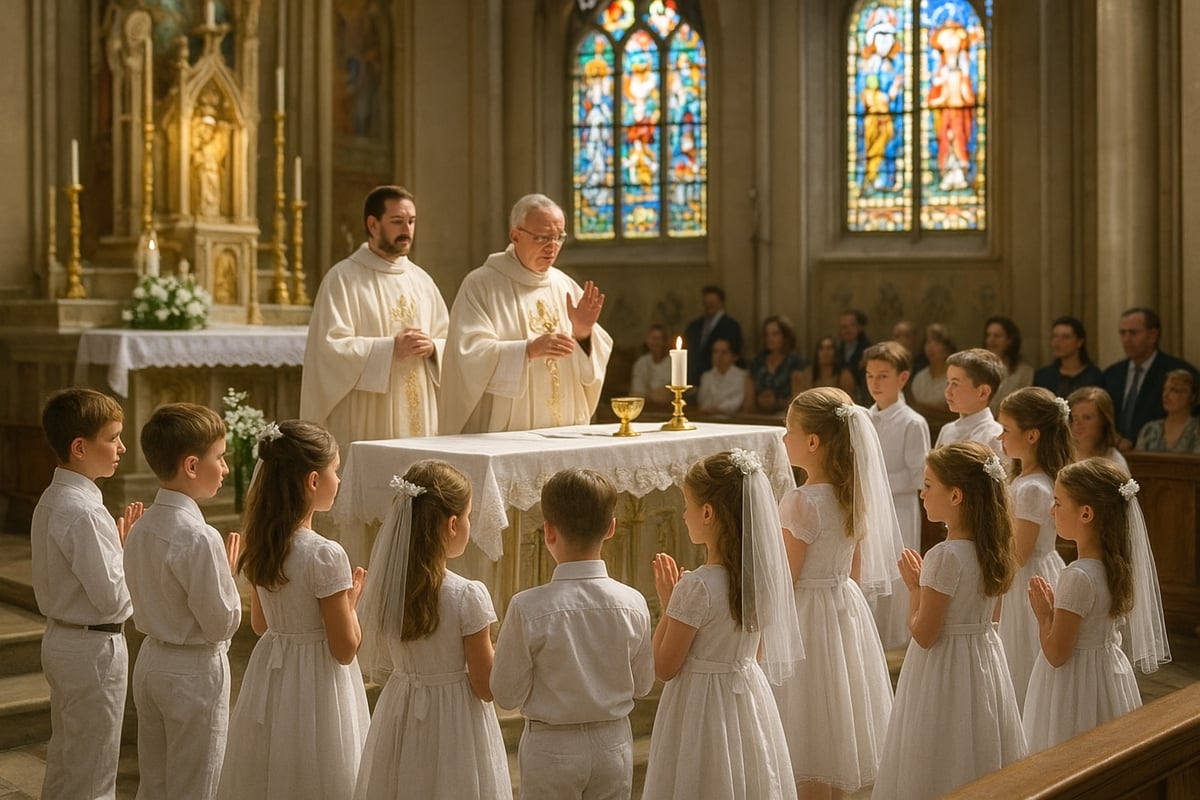
Requirements and Eligibility for First Eucharist in 2026
Preparing for the first eucharist is a significant milestone in a Catholic child's spiritual journey. Understanding the requirements and eligibility criteria ensures a smooth and meaningful experience for families.
Most parishes welcome children to receive the first eucharist around age seven or eight, typically in second or third grade. The Church requires that candidates be baptized Catholics. Before approaching the altar for the first eucharist, children must also participate in the sacrament of First Reconciliation, which fosters a spirit of reflection and forgiveness.
Each parish follows diocesan guidelines, which may include attending preparation classes, participating in Mass regularly, and demonstrating an understanding of the sacrament. Readiness for the first eucharist is not only about age but also about a child's grasp of Jesus' presence in the Eucharist and their willingness to receive Him with reverence.
Registration is an essential first step. Families usually need to complete forms, provide a copy of the baptismal certificate, and meet deadlines set by the parish. Some parishes outline their process in detail, such as the First Communion Preparation Process, which includes requirements, timelines, and contact information for further support.
This post is brought to by Journeys of Faith Founded and Bob and Penny Lord We are Cyber Apostles and a Augustinian Secular Institute of which we are members; the Evangelization arm of the group of Cloistered Augustinian Nuns in Montefalco Italy Our Mission is Evangelization through Media using the tools that God has allowed to be created.
Special circumstances are thoughtfully considered. Children with special needs, older candidates, or those joining the Church as converts may follow adapted preparation paths. Parishes often provide one-on-one meetings, tailored instruction, or additional resources to ensure every child is ready for the first eucharist. If questions arise about eligibility, parish staff and catechists are available to guide families and offer solutions based on compassion and Church teaching.
Catechists and parish coordinators assess readiness through interviews, class participation, and open communication with parents. For 2026, some dioceses have introduced new family workshops and digital resources to enhance understanding and involvement. It is important to check with your local parish for recent updates or changes to preparation requirements, as these may vary by location.
By staying informed about the steps and expectations, families can approach the first eucharist with confidence, knowing they are fulfilling the Church's call to nurture faith in the next generation.
Step-by-Step Preparation for First Eucharist
Preparing for the first eucharist is a journey that involves families, catechists, and the parish working together. Each step builds spiritual understanding and readiness, ensuring that every child approaches this sacrament with reverence and joy. The following guide breaks down the process into clear, manageable stages to help families feel confident and informed.
Throughout these steps, the first eucharist remains the central focus, guiding every decision and activity. By following this path, families can ensure a meaningful and memorable experience for their child.
This post is brought to by Journeys of Faith Founded and Bob and Penny Lord We are Cyber Apostles and a Augustinian Secular Institute of which we are members; the Evangelization arm of the group of Cloistered Augustinian Nuns in Montefalco Italy Our Mission is Evangelization through Media using the tools that God has allowed to be created.
Step 1: Initial Registration and Orientation
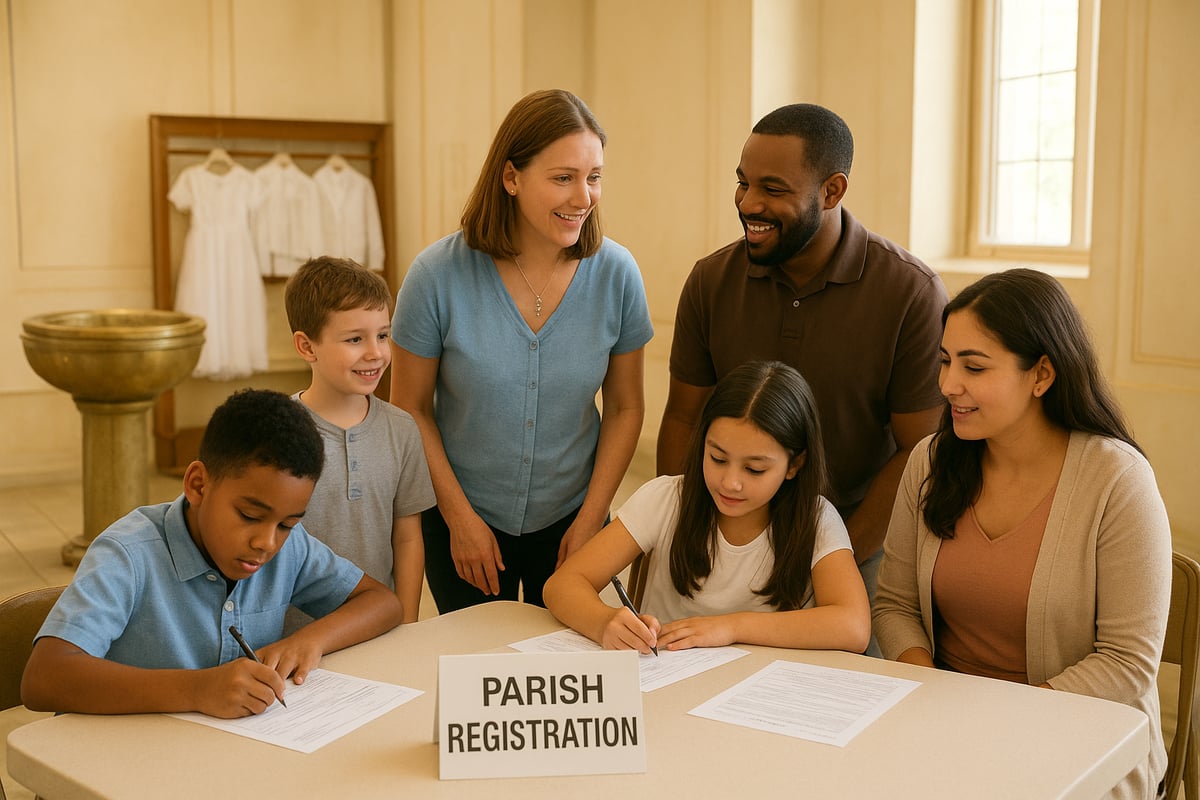
The first step in preparing for the first eucharist begins with parish registration. Families complete forms providing details about the child, including baptismal certificates and contact information. Parishes often offer an orientation session for both parents and candidates to explain the preparation process.
During orientation, families learn about schedules, expectations, and the importance of participation. Some parishes invite parents to choose sponsors or godparents at this stage, especially if the parish custom requires it. Orientation agendas typically include a welcome address, overview of the first eucharist program, and time for questions.
Deadlines are emphasized, ensuring families stay on track. At the first meeting, parents can expect introductions to catechists and a calendar of key dates.
Step 2: Catechetical Instruction and Faith Formation
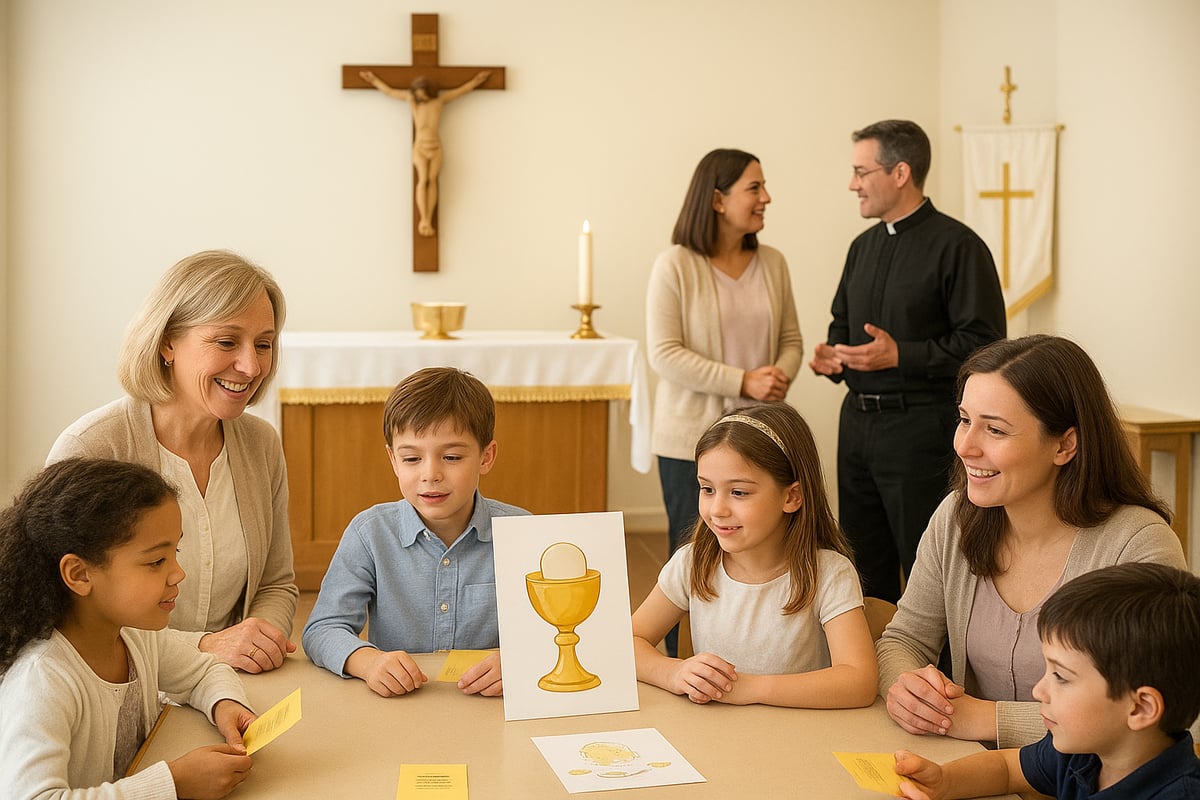
Catechetical instruction is the heart of first eucharist preparation. Classes are usually held weekly, sometimes supplemented by retreats or special events. The curriculum covers Bible stories, the structure of the Mass, and Eucharistic prayers, all designed to help children understand the real presence of Christ.
Interactive methods are used to make learning engaging. Activities may include crafts, music, and role-playing, allowing children to express their faith creatively. Preparation typically lasts six to nine months, with regular assessments to track progress.
Successful parishes incorporate group discussions, hands-on projects, and even short plays reenacting biblical scenes related to the first eucharist. These approaches foster a deeper connection to the sacrament.
Step 3: Parental Involvement and Family Preparation
Parents play a vital role in the first eucharist journey as the primary educators of faith. At home, families can reinforce what children learn in class by discussing lessons, practicing prayers, and attending Mass together.
Establishing family prayer routines, such as grace before meals or evening prayers, builds spiritual habits. Parishes often provide newsletters, workshops, and activity sheets for parents to use at home. Discussion prompts might include questions like, "What does receiving Jesus mean to you?"
Some families create special traditions, such as lighting a candle after each preparation class or keeping a journal of reflections. Parish resources support parents in guiding their child’s faith development throughout first eucharist preparation.
Step 4: First Reconciliation (Confession)
Before receiving the first eucharist, children must participate in the sacrament of Reconciliation. This step focuses on understanding forgiveness and God’s mercy. Preparation includes learning the Act of Contrition, examining conscience, and practicing how to confess.
Parishes schedule First Reconciliation ceremonies, often a few weeks before first eucharist. Catechists gently guide children through the process, offering reassurance and answering questions. Children are encouraged to see confession as a positive, healing experience.
Parents can support their child by practicing prayers together and sharing their own experiences of Reconciliation. The emphasis is always on spiritual growth, preparing hearts to receive the first eucharist with joy.
Step 5: Retreats, Rehearsals, and Final Preparation
Retreats and rehearsals are essential for deepening understanding and building excitement for the first eucharist. Retreats often include prayer, reflection, group activities, and a focus on the meaning of the sacrament. Rehearsals walk children through the order of the Mass, practicing how to receive Communion and participate reverently.
To ease nerves, catechists use role-playing and answer last-minute questions. Retreat themes may center on Jesus as the Bread of Life, helping children connect personally to the first eucharist. For comprehensive planning, families can refer to the First Communion Retreat Guide, which offers activities and reflections.
Final preparation often includes a Q&A session, where children and parents clarify any uncertainties. This step ensures everyone feels confident and ready for the first eucharist celebration.
Step 6: Dress Code, Photography, and Practical Details
Dress code guidelines for first eucharist typically include white attire for girls (dresses, veils, gloves) and suits or dress shirts for boys. Parishes may have specific requirements, so families should confirm details early. Some provide checklists to help families prepare clothing and accessories.
Photography and videography policies vary. Many parishes allow photos before or after Mass but restrict them during the ceremony to maintain reverence. Families often arrange for group photos and keepsake portraits.
On the day of first eucharist, children arrive early, are seated together, and participate in a special procession. Parishes provide instructions on arrival times, seating arrangements, and the flow of the liturgy. These guidelines help ensure a smooth and memorable first eucharist experience for all.
The Role of Parents, Catechists, and the Parish Community
Preparing for the first eucharist is a journey that thrives on collaboration. The combined efforts of parents, catechists, and the parish community create a nurturing environment where children can grow in faith and understanding. This unified approach ensures that every child receives the guidance and encouragement needed for meaningful first eucharist preparation.
Catechists play a pivotal role in this process. They provide structured instruction, lead engaging activities, and assess each child's readiness. Their expertise helps guide both children and families through the curriculum, making complex teachings accessible. Catechists also offer support by answering questions, facilitating discussions, and adapting lessons to meet diverse learning needs.
Parents are the primary faith educators in their children's lives. Their involvement is essential for reinforcing lessons learned during parish sessions. Simple acts like praying together, discussing the Mass, and sharing personal stories of faith can have a profound impact. For families seeking spiritual support, resources such as the Prayers for Parents and Grandparents can enrich the home environment and prepare hearts for the first eucharist.
The parish community provides a broader foundation of support. Prayer partners, group workshops, and faith-based events foster a sense of belonging for families. Many parishes offer mentoring programs where experienced parishioners guide new families through the first eucharist process. Community events, such as retreats and service projects, help children witness faith in action and build lasting connections.
This post is brought to by Journeys of Faith Founded and Bob and Penny Lord We are Cyber Apostles and a Augustinian Secular Institute of which we are members; the Evangelization arm of the group of Cloistered Augustinian Nuns in Montefalco Italy Our Mission is Evangelization through Media using the tools that God has allowed to be created.
Testimonials from families often highlight the transformative power of this shared journey. Catechists describe the joy of watching children gain confidence and deepen their love for the Eucharist. Families facing challenges like busy schedules or varied learning styles find solutions through open communication and parish resources. Successful parishes prioritize flexible meeting times, accessible materials, and ongoing encouragement.
By working together, parents, catechists, and parish communities create a supportive atmosphere. This partnership not only prepares children for their first eucharist but also strengthens the faith of the entire community.
Resources and Tools for Effective Preparation
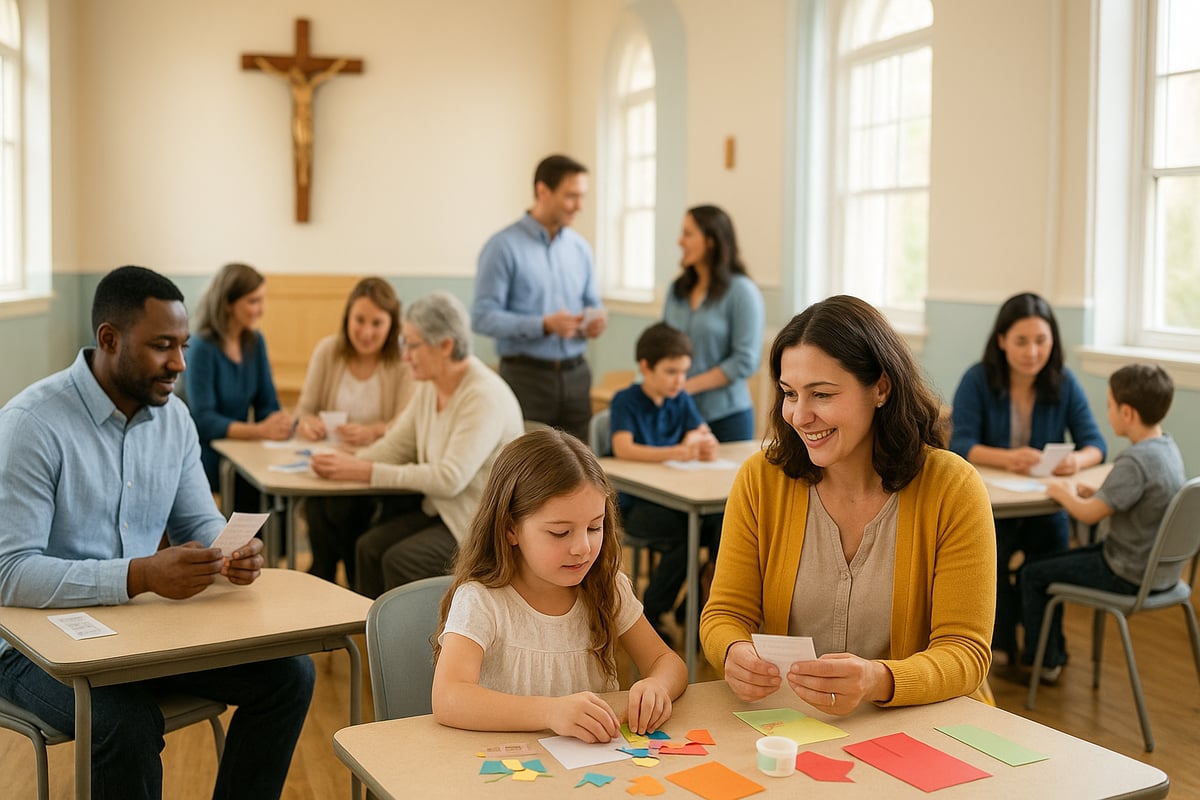
Preparing for first eucharist is a special journey, and having the right resources makes all the difference. Selecting quality materials ensures children, families, and catechists feel confident every step of the way. The following guide outlines key tools to enrich this sacred milestone and foster deeper understanding.
Recommended Catechetical Materials and Textbooks
Choosing the right curriculum is foundational for first eucharist preparation. Many parishes use tried and trusted series such as "Christ Our Life" or "Finding God," which present Scripture, Church teachings, and Eucharistic themes in age-appropriate ways. For a comprehensive approach, families can explore the First Communion Preparation Kit, which offers articles, invitations, and spiritual activities tailored to the needs of children and parents alike.
Multimedia and Digital Tools for First Eucharist
Interactive resources bring the first eucharist journey to life. Many dioceses and parishes now provide online lessons, engaging videos, and faith-based games that reinforce class learning at home. Apps, audio stories, and virtual tours of the Mass help children visualize and understand the significance of the sacrament. Using a blend of digital and print resources supports a variety of learning styles and keeps preparation engaging.
This post is brought to by Journeys of Faith Founded and Bob and Penny Lord We are Cyber Apostles and a Augustinian Secular Institute of which we are members the Evangelization arm of the group of Cloistered Augustinian Nuns in Montefalco Italy Our Mission is Evangelization through Media using the tools that God has allowed to be created.
Adaptive and Family Resources
Every child’s path to first eucharist is unique. Adaptive resources, such as large-print books, visual aids, and sensory-friendly prayer guides, ensure all children can participate fully. Family prayer booklets, storybooks about the Eucharist, and discussion prompts make it easy for parents to reinforce lessons at home. Many parishes provide newsletters, workshops, and recommended reading lists to support families throughout the preparation process.
Gifts, Keepsakes, and Measuring Preparation Effectiveness
Choosing meaningful gifts and keepsakes helps children remember their first eucharist for years to come. Popular options include rosaries, personalized Bibles, and prayer cards. Families often create scrapbooks or photo albums to commemorate the occasion. Research shows that using a mix of traditional and modern resources increases both engagement and retention, leading to greater confidence and joy on the day of the sacrament.
Whether you are a parent, catechist, or parish leader, equipping yourself with these tools ensures a smooth, joyful, and faith-filled first eucharist experience for every child.
What to Expect on the Day of First Eucharist
The day of first eucharist is a cherished milestone for Catholic families. Children prepare for months, and the church fills with excitement as the big moment draws near. Anticipation runs high, and both parents and children feel a mix of pride and joy. Families often arrive early, dressed in their finest, ready to witness a truly sacred event.
As the Mass begins, children usually process into the church with their classmates. The first eucharist Mass follows the familiar structure, including the Liturgy of the Word and the Liturgy of the Eucharist. Special music, readings, and prayers highlight the significance of this sacrament. Children may participate by reading, singing, or presenting the gifts, making the celebration deeply personal.
During Communion, each child approaches the altar to receive the Body and Blood of Christ for the first time. Catechists and parish staff guide the children, ensuring they feel confident and prepared. Emotions often range from nervousness to pure joy. Some parishes encourage reflection with prayers like the Litany of the Most Blessed Sacrament, helping children focus on the beauty of first eucharist.
Parents play a vital role throughout the ceremony. Offering reassurance, gentle reminders, and emotional support can help ease any nerves. Many parents pray quietly or offer a blessing before their child’s first eucharist. Photographs are typically taken after Mass to commemorate the occasion, capturing memories that families will treasure for years.
This post is brought to by Journeys of Faith Founded and Bob and Penny Lord We are Cyber Apostles and a Augustinian Secular Institute of which we are members; the Evangelization arm of the group of Cloistered Augustinian Nuns in Montefalco Italy Our Mission is Evangelization through Media using the tools that God has allowed to be created.
After Mass, parishes often host receptions or group celebrations. Children receive certificates, keepsakes, or prayer cards as reminders of their first eucharist. Some families mark the day with a special meal or by gifting a meaningful item, such as a rosary or prayer book. For additional inspiration and activities, explore First Communion Resources for Kids and Adults to enrich your family’s celebration.
The parish community warmly welcomes new communicants, often acknowledging them during announcements or group blessings. This sense of belonging reinforces the importance of first eucharist in a child’s spiritual journey. By participating in these traditions, families honor both the sacredness and the communal joy of the day.
Explore Journeys of Faith Online store with thousands of Catholic Items at https://journeysoffaith.com/collections Get the Journeys of Faith NEW App. https://apps.apple.com/us/app/journeys-of-faith/id6757635073
Frequently Asked Questions About First Eucharist Preparation
Preparing for the first eucharist often brings up many questions for both parents and children. This section addresses the most common concerns to help families approach this milestone with clarity and confidence.
What is the typical age for receiving the first eucharist?
Most children receive the first eucharist around ages 7 or 8, usually in second or third grade. Parishes may adjust this based on diocesan guidelines or individual readiness.
Are there prerequisites or special requirements?
Yes, children must be baptized and should complete preparation for the sacrament of reconciliation before their first eucharist. Registration, regular class attendance, and participation in retreats are often required. Dress codes typically call for white attire, reflecting purity and reverence for the sacrament.
What if my child misses a class or preparation session?
If a session is missed, contact your catechist or parish coordinator right away. Many parishes offer make-up sessions or alternative resources to ensure every child is fully prepared for the first eucharist.
How do parishes support children with special needs?
Parishes are committed to making the first eucharist accessible to all. Adapted materials, one-on-one instruction, and flexible preparation schedules are available. Families should communicate specific needs early in the process to receive the best support.
This post is brought to by Journeys of Faith Founded and Bob and Penny Lord We are Cyber Apostles and a Augustinian Secular Institute of which we are members; the Evangelization arm of the group of Cloistered Augustinian Nuns in Montefalco Italy Our Mission is Evangelization through Media using the tools that God has allowed to be created.
What if our family is new to the parish or the Catholic Church?
New families are warmly welcomed to participate in the first eucharist preparation. Speak with the parish office about registration, previous sacramental history, and any documentation needed. Catechists are experienced in guiding families through the process, even if you have recently joined the community.
How can I help my child prepare for the sacrament of reconciliation?
Encourage prayer at home and practice the steps of confession. Many families find it helpful to use resources like the Act of Contrition Prayer Card to build confidence before the first eucharist.
What is the timeline for first eucharist preparation?
Programs typically begin in the fall and conclude with the first eucharist celebration in the spring. Deadlines for registration, class schedules, and retreat dates are provided by your parish. Staying organized and attending all sessions ensures a smooth and meaningful journey.
Who can I contact for more information?
Reach out to your parish office, director of religious education, or catechist for details about first eucharist preparation. Diocesan websites and official Church resources also provide valuable guidance.
With thoughtful planning and active participation, families can help children experience the joy and significance of their first eucharist with confidence.
As you and your family journey through the sacred steps of First Eucharist preparation, remember that the experience is about deepening your faith and creating lasting memories. Having the right resources can make all the difference as you guide your child toward this milestone. If you’re looking for meaningful ways to enrich your preparation—whether through books, devotional items, or teaching tools—we invite you to Browse Our Store for Unique Items. You’ll find carefully selected Catholic resources to support your family’s spiritual growth and help make this special occasion truly unforgettable.
