

The diary of saint faustina stands as one of the most influential spiritual works of the twentieth century, touching millions and inspiring the global Divine Mercy movement. Penned by a humble Polish nun at the urging of Jesus himself, this diary captures powerful mystical encounters and teachings that continue to shape Catholic devotion today.
In this essential guide, you will discover the origins of the diary, Saint Faustina’s extraordinary spiritual experiences, the core message of Divine Mercy, and practical ways to apply its lessons. Ready to explore deeper? Access the Diary of Saint Faustina here for your own journey.
The Life and Mission of Saint Faustina Kowalska
Saint Faustina Kowalska’s life was marked by humble beginnings, extraordinary experiences, and a mission that changed the spiritual landscape of the modern world. To understand the diary of saint faustina and its enduring influence, it is essential to explore her early life, mystical encounters, trials, global recognition, and the legacy she left through her writings.

Early Life and Religious Vocation
Born in 1905 in the rural village of Głogowiec, Poland, Helena Kowalska grew up in a poor but devout Catholic family. Her parents, Stanisław and Marianna, instilled in her a deep sense of faith and compassion from a young age. As a child, she displayed remarkable sensitivity to prayer and a desire to serve God, often setting aside time for reflection and devotion.
Despite limited formal education, she was drawn to religious life early on. After years of discernment and overcoming obstacles, she entered the Congregation of the Sisters of Our Lady of Mercy in Warsaw. This step marked the beginning of her journey, which would eventually lead to the creation of the diary of saint faustina.
Mystical Experiences and Divine Encounters
From the time she entered the convent, Faustina’s spiritual life became marked by profound mystical experiences. She began to receive visions and interior messages from Jesus, who entrusted her with a unique mission of mercy. These encounters were both awe-inspiring and challenging, as she was instructed to record everything in the diary of saint faustina.
Key moments included the vision of the Divine Mercy image, where Jesus appeared with rays of light symbolizing blood and water. She was also taught the Chaplet of Divine Mercy and asked to promote a new feast in honor of God’s mercy. These revelations became the heart of her message to the world.
Challenges and Suffering
Saint Faustina’s path was far from easy. She endured significant physical suffering, including tuberculosis, which left her health fragile. Spiritually, she faced skepticism from some superiors and confessors who doubted her mystical experiences and the authenticity of her messages.
Despite these hardships, Faustina remained steadfast and obedient, continuing to fulfill her mission even when misunderstood. Her perseverance and courage are vividly documented in the diary of saint faustina, offering inspiration to those who also face misunderstanding or adversity in their faith journey.
Canonization and Global Recognition
After her death in 1938, Faustina’s writings and the message of Divine Mercy began to spread beyond Poland. The Church initially investigated her claims with caution, but over time her sanctity and the fruits of her mission became evident. She was beatified in 1993 and canonized as a saint in 2000 by Pope John Paul II, who called her the “Apostle of Divine Mercy.”
Saint Faustina’s influence is now felt worldwide, with millions embracing the devotion inspired by the diary of saint faustina. Her canonization affirmed her role as a spiritual guide and brought global attention to the power of God’s mercy.
The Diary’s Role in Her Legacy
The diary of saint faustina, titled “Divine Mercy in My Soul,” preserves her mystical experiences and the messages she received from Jesus. This remarkable text serves as the foundation for the Divine Mercy devotion, offering guidance, hope, and practical spiritual advice for readers today.
For those seeking to explore her life and message in depth, the Diary of Sister Faustina Kowalska provides access to her original writings and is a vital resource for personal study and devotion. Through her diary, Saint Faustina’s mission continues to inspire countless souls around the world.
Understanding the Diary of Saint Faustina: Structure, Themes, and Content
The diary of saint faustina is a remarkable spiritual document that continues to inspire millions worldwide. Written by a humble Polish nun, it captures her mystical encounters with Jesus and the profound message of Divine Mercy for the modern world.

Composition and Organization of the Diary
The diary of saint faustina was composed between 1934 and 1938. It fills over 600 pages and is arranged as a series of numbered entries. These entries are organized both chronologically and thematically, allowing readers to trace the unfolding of Faustina’s spiritual journey.
The language is simple, direct, and deeply personal. Faustina’s voice is evident throughout, making her mystical experiences accessible. She often shifts from narrating daily events to recording direct words from Jesus. This structure reflects the diary’s unique blend of autobiography, spiritual testimony, and divine revelation.
Each entry in the diary of saint faustina serves as a window into her soul, capturing her prayers, struggles, and moments of grace. The diary’s organization helps readers find specific themes or episodes, making it a valuable resource for meditation and study.
Major Themes and Messages
At the heart of the diary of saint faustina is the message of Divine Mercy. Jesus repeatedly calls humanity to trust in His mercy and to extend that mercy to others. Trust is a recurring theme, summed up in the phrase, “Jesus, I trust in You.”
Faustina records Jesus urging acts of mercy through deeds, words, and prayers. The diary highlights the importance of humility, obedience, and the transformative power of God’s love. Readers are invited to reflect on their own need for mercy and the call to become instruments of compassion.
Key themes include:
- Trust in Jesus
- The call to mercy in daily life
- Value of prayer and sacrifice
- Humility and surrender to God’s will
The diary of saint faustina makes these ideals practical, offering guidance for spiritual growth.
Mystical Revelations and Teachings
One of the most extraordinary aspects of the diary of saint faustina is its record of mystical revelations. Jesus refers to Faustina as the “Secretary of My Mercy,” entrusting her with messages meant for the entire world.
Among the most significant revelations are the Divine Mercy image, the Chaplet of Divine Mercy, and the institution of the Feast of Divine Mercy. Jesus explains the symbolism of the image—the rays of blood and water representing the sacraments of the Church and the outpouring of grace.
The chaplet, given as a prayer for mercy, is accompanied by promises for those who recite it with trust. The diary of saint faustina details the origins, purpose, and spiritual fruits of these devotions, making it a foundational text for anyone seeking to understand Divine Mercy.
Key Passages and Their Significance
Certain entries in the diary of saint faustina are especially notable for their spiritual impact. For example, entry 699 records Jesus’s promise: “On that day the very depths of My tender mercy are open.” This entry establishes the Feast of Divine Mercy and its unique graces.
Entry 476 introduces the Chaplet of Divine Mercy and the promises attached to its recitation. Entry 742 details the Hour of Mercy at 3 PM, inviting all to meditate on Christ’s Passion.
A selection of key passages:
| Entry | Theme | Significance |
|---|---|---|
| 699 | Feast of Divine Mercy | Promise of complete forgiveness and grace |
| 476 | Chaplet of Divine Mercy | Introduction and spiritual promises |
| 742 | Hour of Mercy (3 PM prayer) | Invitation to meditate on Christ’s Passion |
These passages from the diary of saint faustina provide practical ways for readers to deepen their spiritual lives.
Impact on Catholic Theology and Spirituality
The diary of saint faustina has had a profound influence on Catholic theology and spiritual practice. Its message of mercy has shaped Church teaching, especially regarding trust in God, the importance of forgiveness, and the call to sanctity.
Popes, theologians, and lay faithful have drawn on the diary’s insights to renew their understanding of God’s love. The diary of saint faustina has contributed to the integration of Divine Mercy into liturgy, catechesis, and daily devotion.
For those seeking to explore its message further, authorized print and digital editions are available. To experience the full depth of the diary of saint faustina, consider obtaining an official translation for personal study and prayer. You can find a trusted edition for purchase at Diary of Saint Faustina: Where to Find and Read.
The Divine Mercy Devotion: Practices and Promises
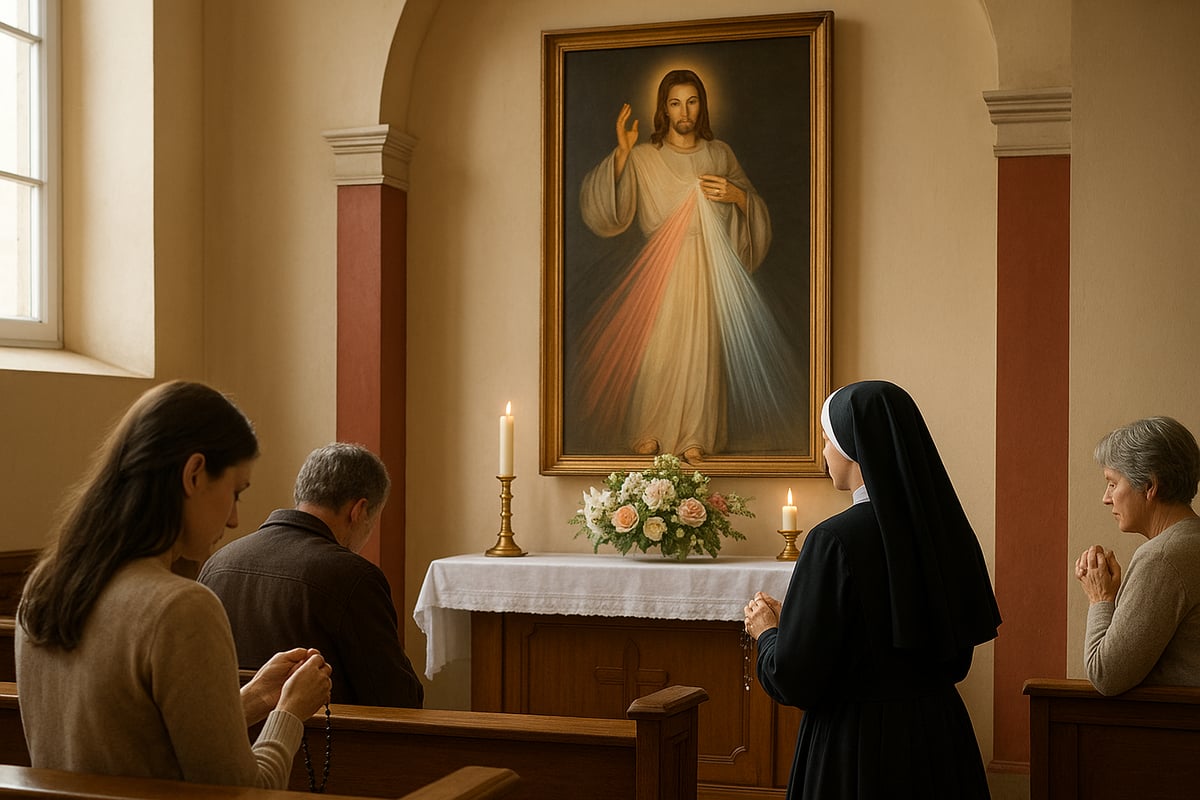
Shortly before World War II, Jesus appeared to a humble Polish nun, entrusting her with a message that would transform Catholic spirituality. The diary of saint faustina records these revelations, giving birth to the Divine Mercy devotion. This devotion rapidly spread from Poland to every continent, thanks to the efforts of spiritual directors and the Marian Fathers. The diary of saint faustina became the foundation, guiding millions in embracing mercy, trust, and prayer in their daily lives.
Origins and Spread of the Devotion
The Divine Mercy devotion originated from the visions and promptings recorded in the diary of saint faustina. Jesus instructed Faustina to promote the Feast of Divine Mercy, to be celebrated on the first Sunday after Easter. Early on, her spiritual directors and the Marian Fathers helped disseminate this message, despite initial skepticism. Over time, the devotion grew, drawing people from all walks of life to the message of mercy. Today, the diary of saint faustina is regarded as the spiritual blueprint for this global movement.
The Divine Mercy Image
One of the most recognizable aspects of the diary of saint faustina is the Divine Mercy image. Jesus appeared to Faustina, instructing her to have an image painted according to the vision she saw. The image shows Jesus with rays of red and pale light streaming from His heart, symbolizing blood and water. The inscription “Jesus, I trust in You” reflects the core invitation of the devotion. The diary of saint faustina explains the spiritual significance of this image and encourages its veneration as a channel of grace.
The Chaplet of Divine Mercy
Central to the diary of saint faustina is the Chaplet of Divine Mercy, a prayer Jesus gave to Faustina for the salvation of souls. Prayed using ordinary rosary beads, the chaplet includes specific prayers for mercy on the whole world. Jesus promised extraordinary graces to those who pray it with trust. For a practical guide to praying, consider the Chaplet of Divine Mercy Prayer Card, which offers the structure and words needed to participate fully in this devotion.
The Hour of Mercy (3 O’Clock Prayer)
In the diary of saint faustina, Jesus asks that special prayers be offered at 3 PM, the hour of His death on the cross. This “Hour of Mercy” is a time to reflect on Christ’s passion and implore His grace for oneself and the world. Devotees often pause at this hour, reciting the short prayer, “Jesus, I trust in You,” or meditating on Jesus’ suffering. The diary of saint faustina highlights this hour as a profound moment of mercy each day.
The Divine Mercy Novena
The Divine Mercy Novena is a nine-day prayer, revealed in the diary of saint faustina, leading up to Divine Mercy Sunday. Each day focuses on a different group of souls, as Jesus instructed Faustina. The novena is a spiritual journey of intercession and trust, inviting participants to offer prayers for the conversion of hearts and the world’s renewal. The diary of saint faustina provides the precise intentions and prayers for each day, making it a valuable resource for anyone seeking deeper devotion.
Promises and Graces
Throughout the diary of saint faustina, Jesus assures devotees of abundant graces and spiritual benefits. He promises mercy, especially at the hour of death, to those who venerate the image, pray the chaplet, and trust in His goodness. Many faithful have shared testimonies of healing, conversion, and peace attributed to these practices. The Divine Mercy devotion, rooted in the diary of saint faustina, continues to inspire hope and transformation for countless souls around the world.
The Diary in Historical and Cultural Context
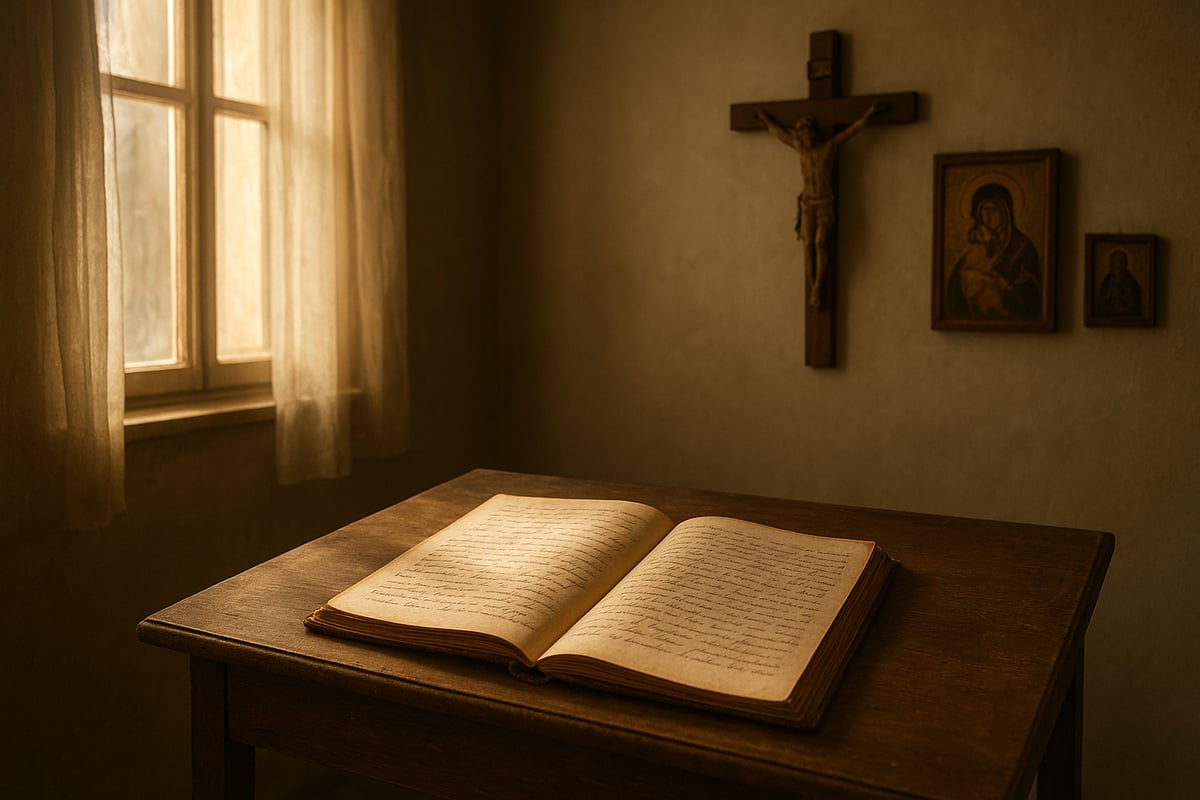
Shortly before World War II, Poland was a nation marked by deep faith and social upheaval. The diary of saint faustina emerged from this environment, reflecting the interplay between spiritual longing and the anxieties of a society on the brink of crisis. Catholicism shaped everyday life, offering hope as political tensions and economic struggles mounted. For many, the diary of saint faustina became a beacon, illuminating the path through uncertain times.
Poland in the 1930s: Social and Religious Landscape
In the 1930s, Poland was a nation recovering from partition and war, facing new threats from neighboring powers. The diary of saint faustina captures the spiritual resilience of the Polish people, who relied on faith amid political unrest and economic uncertainty.
Religious practice was central to Polish identity. Churches were filled, and Catholic traditions shaped both private and public life. The diary of saint faustina reflects this deep devotion, offering insights into a society where faith was a source of strength and unity.
The Diary’s Reception and Censorship
When the diary of saint faustina first circulated, it faced skepticism from both Church authorities and some within her own religious community. Concerns about the mystical nature of her experiences led to investigations and, for a time, an official ban on the spread of her writings.
Despite these challenges, the diary of saint faustina persisted. Scholars and theologians carefully examined its content, eventually recognizing its theological depth and authenticity. This period of scrutiny helped clarify the message and ensured the diary of saint faustina would become a trusted spiritual resource.
Postwar Spread and the Role of Pope John Paul II
After World War II, the diary of saint faustina gained new attention as Poland and the world sought healing. The translation and dissemination of her writings accelerated, reaching Catholics across continents. The devotion found particular support from Pope John Paul II, who saw in the diary of saint faustina a message urgently needed for a wounded world.
For a detailed account of this global expansion, see the History of the Divine Mercy Devotion. Pope John Paul II’s personal devotion and papal support were instrumental in bringing the diary of saint faustina to the heart of Catholic spirituality.
Divine Mercy and Modern Catholicism
The diary of saint faustina is now woven into the fabric of modern Catholicism. Its teachings have been integrated into liturgy, catechesis, and personal prayer. Divine Mercy Sunday, established by Pope John Paul II, is celebrated worldwide, with millions turning to the diary of saint faustina for guidance and inspiration.
Parishes and religious communities organize Divine Mercy devotions, reflecting the diary of saint faustina’s influence on contemporary spiritual practice. The message of trust, forgiveness, and hope continues to resonate, shaping the faith journeys of new generations.
Influence Beyond Catholicism
The reach of the diary of saint faustina extends beyond Catholicism, drawing interest from other Christian communities and even those of different faiths. The universal message of mercy and compassion speaks to a world seeking reconciliation and peace.
Scholars, theologians, and laypeople alike find value in the diary of saint faustina, studying its impact over the decades. For a broader perspective, the Divine Mercy Devotion's 90-Year Impact highlights its enduring significance and influence in shaping spiritual thought across boundaries.
Applying the Message of Divine Mercy Today
DIVINE MERCY IN MY SOUL DIARY OF SAINT MARIA FAUSTINA KOWALSKA A MYSTIC WITH A MESSAGE FOR THE NEW MILLENNIUM
Shortly before the outbreak of World War II, a simple, uneducated, young Polish nun receives a special call. Jesus tells her, "I am sending you with My mercy to the people of the whole world. I do not want to punish mankind, but I desire to heal it, pressing it to My merciful Heart." Jesus also tells her to record His message of mercy in a diary: "You are the secretary of My Mercy. I have chosen you for that office in this and the next life." These words of Jesus are found in the diary of saint faustina, which chronicles Sr. Faustina's great experience of Divine Mercy in her soul and her mission to share that mercy with the world.
Personal Spiritual Growth
The diary of saint faustina offers a deeply personal roadmap for spiritual growth. Readers are invited to trust in Jesus’s mercy, especially during moments of weakness or doubt. Daily reflection on her words and prayers can foster a heart open to forgiveness.
Simple practices drawn from the diary of saint faustina include reciting the Chaplet of Divine Mercy, setting aside a moment at 3 PM for the Hour of Mercy, and starting each day with a prayer for trust. By embracing these habits, believers experience transformation in their relationship with God.
The Diary as a Guide for Modern Christians
Modern Christians seeking direction in their spiritual journey find the diary of saint faustina an invaluable companion. Its pages reveal practical lessons on humility, obedience, and perseverance. Faustina’s struggles with doubt and suffering mirror the challenges faced by many today.
By meditating on her entries, readers can gain insight into handling adversity with faith. The diary of saint faustina also provides a template for honest prayer and self-examination, helping individuals discern God’s will in everyday life.
Divine Mercy in Family and Community Life
The diary of saint faustina encourages believers to extend mercy beyond personal devotion and into their families and communities. Practicing patience, forgiveness, and compassion at home creates an environment where love flourishes.
Organizing Divine Mercy prayer groups or participating in parish devotions, such as the Litany to the Divine Mercy, helps build a culture of mercy. These communal acts, rooted in the diary of saint faustina, strengthen bonds and inspire collective acts of kindness.
Responding to Suffering and Global Crises
In times of suffering, war, or social upheaval, the diary of saint faustina provides a message of hope and resilience. Faustina’s own trials remind readers that God’s mercy is present even in darkness. Her unwavering trust offers a model for facing uncertainty with courage.
Many have found comfort in her prayers during illness or loss. The diary of saint faustina assures that no pain is wasted when united with Christ’s merciful love, making it highly relevant in today’s world.
Resources for Further Study and Devotion
To deepen understanding, several resources complement the diary of saint faustina. These include books, online articles, and devotional aids. Pilgrims can visit the Shrine of Divine Mercy in Kraków, Poland, or join annual Divine Mercy Sunday celebrations.
| Resource Type | Example or Location |
|---|---|
| Book | Diary of Saint Faustina |
| Prayer Cards | Divine Mercy Chaplet, Litany to the Divine Mercy |
| Online Communities | Parish groups, global Divine Mercy forums |
| Pilgrimage Site | Shrine of Divine Mercy, Kraków |
Accessing an authorized edition of the diary of saint faustina ensures accurate study and authentic spiritual guidance.
The Diary’s Enduring Relevance
The diary of saint faustina continues to inspire millions across generations and cultures. Its message resonates with those seeking meaning in a rapidly changing world. Ongoing translations and scholarly attention keep the diary of saint faustina accessible and relevant.
By living out its teachings, individuals and communities become channels of mercy. The enduring legacy of the diary of saint faustina is a testament to the transformative power of Divine Mercy.
As you reflect on Saint Faustina’s incredible journey and the life changing message of Divine Mercy, you might feel inspired to deepen your own devotion or share it with others. Whether you are drawn to the Chaplet, the beautiful symbolism of the Divine Mercy image, or the powerful promises recorded in her Diary, there are meaningful ways to bring these graces into your daily life. To support you on this path, I encourage you to Explore Our Divine Mercy Collection for prayer aids, books, and devotional items that foster a deeper connection with God’s mercy.