

Have you ever wondered what draws thousands of pilgrims to Spain each year? The answer lies in the profound stories of eucharistic miracles -spain, where faith and history meet in unforgettable ways. These remarkable events, recognized by the Catholic Church, have left a lasting impact on communities and inspired devotion for centuries.
In this article, you will discover eight of Spain’s most astonishing eucharistic miracles -spain. We will explore their history, what makes each site unique, and offer practical insights for planning your own faith-filled journey in 2026. Let these miracles ignite your curiosity and inspire your next pilgrimage.
Understanding Eucharistic Miracles in Spain
Eucharistic miracles -spain are among the most compelling and faith-affirming occurrences in Catholic tradition. Spain, with its centuries-old devotion, is home to some of the world’s most respected and investigated miracle sites. Understanding their roots, cultural impact, and what makes these events extraordinary is essential for any faith-inspired journey.
Historical and Theological Background
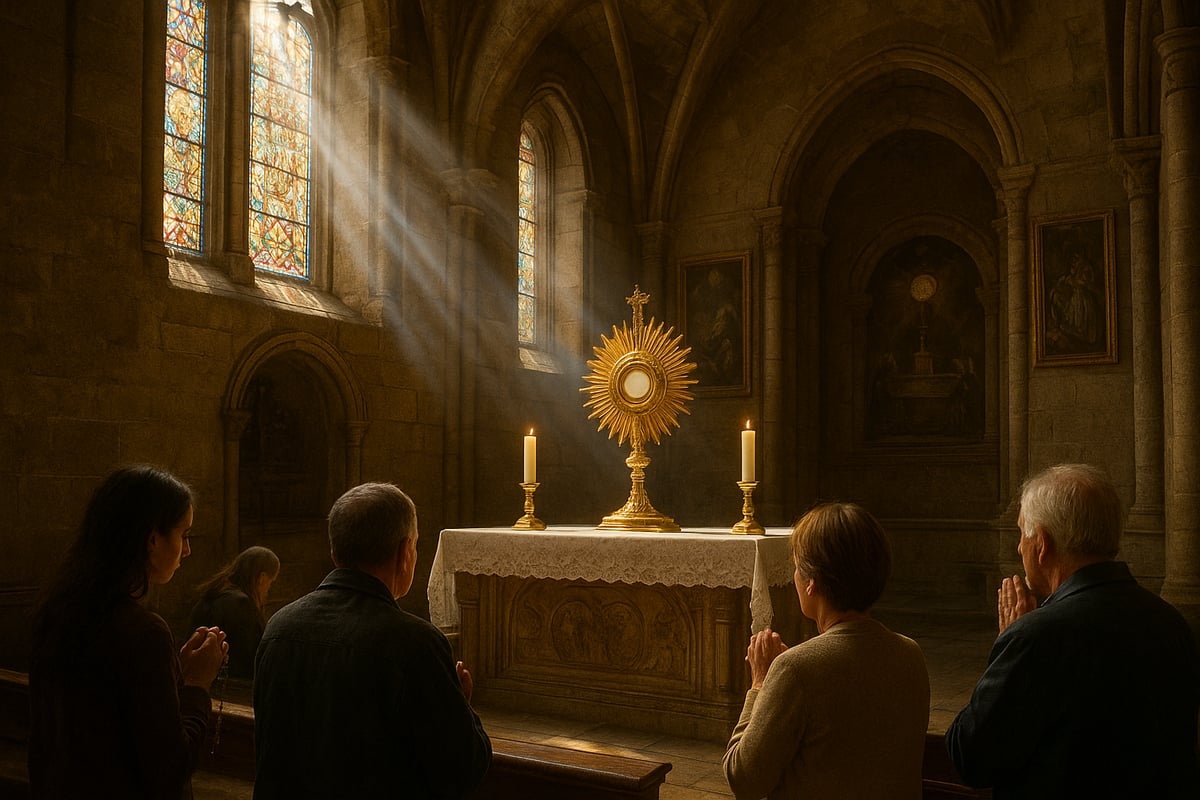
Eucharistic miracles -spain are defined as extraordinary events where the consecrated Host or wine visibly transforms or is preserved beyond natural explanation, affirming the doctrine of the Real Presence. Spain’s prominence in these miracles can be traced to pivotal periods such as the Middle Ages and Counter-Reformation, when faith was both challenged and defended.
The Catholic Church plays a crucial role in authenticating eucharistic miracles -spain, conducting thorough investigations and preserving evidence. Spanish theologians and historians highlight that these miracles shaped not just local devotion but also influenced global Catholicism. Notably, Spain has over a dozen officially recognized eucharistic miracles, placing it among the top countries worldwide. For those interested in theological perspectives, the Understanding Eucharistic adoration resource offers valuable insights into the reverence surrounding these events.
Pilgrimage Culture and Modern Interest
Pilgrimage has been central to Spanish religious life, with routes like the Camino de Santiago weaving through towns where eucharistic miracles -spain occurred. These miracle sites are now key destinations for spiritual travelers, drawing tens of thousands annually.
Local communities play a pivotal role in maintaining and sharing these sacred places. In recent years, there’s been a resurgence of interest in eucharistic miracles -spain, partly due to documentaries, media coverage, and online testimonies from pilgrims. Festivals and processions, often tied to the miracle’s anniversary, enrich the experience and foster a deep sense of tradition.
What Makes a Eucharistic Miracle “Amazing”?
Not all eucharistic miracles -spain are treated equally. The Church uses strict criteria for recognition, such as:
- Clear historical documentation
- Ongoing veneration
- Physical evidence or relics
Many Spanish miracles feature unique phenomena, including incorrupt Hosts or transformations witnessed by large crowds. Compared to other countries, eucharistic miracles -spain often involve artistic preservation and integration into local culture. The emotional and spiritual impact on witnesses is profound, with stories of healing and renewed faith. Occasionally, debates arise around authenticity, yet these miracles continue to inspire.
| Country | Recognized Miracles | Unique Features |
|---|---|---|
| Spain | 12+ | Incorrupt Hosts, relics |
| Italy | 20+ | Visible transformations |
| France | 8 | Processions, pilgrimages |
Planning Your 2026 Pilgrimage
To experience eucharistic miracles -spain firsthand, plan your pilgrimage for spring or early autumn when festivals are most vibrant and weather is pleasant. Consider these tips:
- Research accessibility and transportation to each site
- Respect local customs and participate in liturgical events
- Join guided tours for deeper context
Many sites offer Mass, adoration, and spiritual retreats for visitors. Prepare by learning basic Spanish phrases and reviewing etiquette for sacred spaces. For a seamless journey, consult trusted pilgrimage guides and check health and safety updates before traveling. These practical steps ensure a meaningful and respectful visit to eucharistic miracles -spain.
8 Amazing Eucharistic Miracles – Spain You Must See in 2026
Embarking on a journey to witness the most renowned eucharistic miracles -spain is both a spiritual and cultural adventure. Each site tells its own extraordinary story, inspiring faith and awe in countless pilgrims. From medieval legends to modern celebrations, these miracles form a tapestry of devotion that continues to draw the faithful to Spain’s heartlands.
1. The Miracle of the Eucharist in Alcalá de Henares
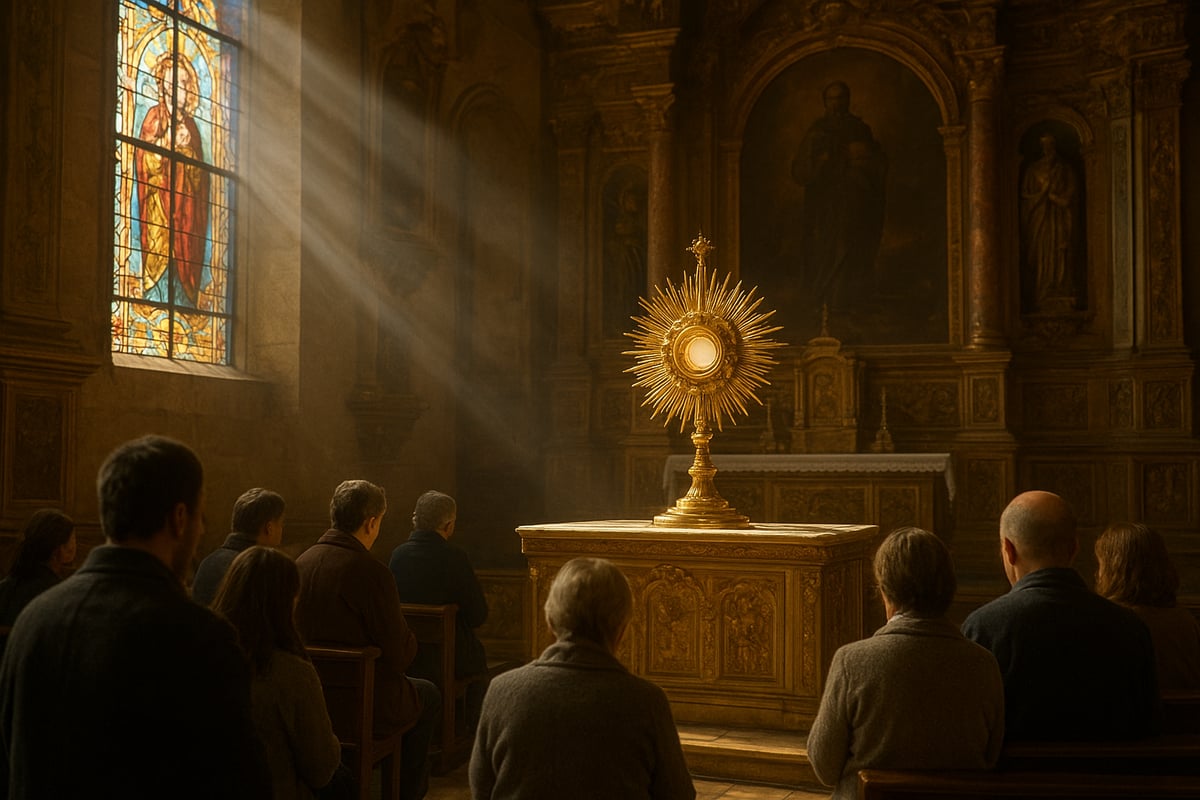
Alcalá de Henares, a historic city just outside Madrid, is home to a remarkable event often confused with its Italian counterpart. In the 16th century, during a period of religious tension, a priest doubted the Real Presence during Mass. Miraculously, the Host visibly transformed, reinforcing belief in eucharistic miracles -spain.
The local legend quickly spread, prompting an official investigation by the Church. Historical records and testimonies from clergy and lay witnesses were meticulously documented, leading to formal recognition. The relics, including the preserved Host, are displayed in a side chapel, drawing thousands each year.
Visitors can experience the miracle through guided tours, reflective prayer, and participation in the annual feast day. The site’s tranquil atmosphere invites contemplation, making it an essential stop for those seeking to connect with the living tradition of eucharistic miracles -spain.
Clergy often share moving testimonials, recounting personal moments of renewed faith and healing at this sacred site. The story continues to inspire both locals and international pilgrims.
2. The Miracle of Daroca
Daroca, set amid the rugged landscapes of Aragón, is famed for a 13th-century miracle that turned the tide of battle during the Reconquista. Soldiers carried consecrated Hosts into battle, and after a fierce skirmish, the Hosts were found bleeding, a clear sign for many of eucharistic miracles -spain.
The miraculous Hosts are enshrined in the Basilica of Santa María, where they have remained incorrupt for centuries. Church authorities conducted thorough investigations, ultimately authenticating the event and incorporating it into local liturgical celebrations.
Art and faith intertwine here, with stunning processional banners and intricate altarpieces depicting the event. Each year, the city comes alive with processions, music, and dramatic reenactments, inviting all to witness the legacy of eucharistic miracles -spain.
Guided tours provide insight into the miracle’s impact on Daroca’s identity, while visitor centers offer resources for deeper exploration. The town’s hospitality and vibrant traditions make it a memorable destination for faith travelers.
3. The Miracle of O’Cebreiro
Nestled in the misty hills of Galicia, O’Cebreiro is a legendary stop on the Camino de Santiago. Here, during a violent storm in the 14th century, a humble priest celebrated Mass for a solitary pilgrim. As the bread and wine were consecrated, they visibly transformed, leaving behind incorrupt relics that have fascinated seekers of eucharistic miracles -spain.
The Sanctuary of Santa María la Real preserves the sacred chalice and Host, both central to ongoing devotion. Pilgrims on the Camino find renewed strength and faith at this site, often sharing stories of personal transformation linked to eucharistic miracles -spain.
Annual feast days and special liturgies draw crowds, while local legends add depth to the experience. The village maintains its medieval charm, offering simple hospitality to those journeying on foot.
Accessibility is excellent for Camino travelers, with clear signage and support services. O’Cebreiro’s miracle continues to inspire faith and perseverance in the hearts of all who visit.
4. The Miracle of El Escorial
The grand Royal Monastery of San Lorenzo de El Escorial, near Madrid, is not only a marvel of architecture but also a site of profound spiritual significance. In the 17th century, monks and royalty witnessed a spectacular eucharistic phenomenon during adoration, reinforcing the importance of eucharistic miracles -spain.
Detailed records describe mysterious lights and the Host’s incorruptibility, leading to swift Church approval. The miracle is honored throughout the monastery’s chapels, blending seamlessly with its exquisite art and history.
Ongoing Eucharistic adoration and educational exhibits offer visitors a chance to reflect on the site’s legacy. The influence of this miracle extends to Spanish royalty, shaping national identity and devotion.
For travelers, El Escorial offers guided tours, serene gardens, and ample amenities. The experience is both uplifting and educational, providing a unique glimpse into the heart of eucharistic miracles -spain.
5. The Miracle of Silla
In the vibrant Valencia region, Silla stands out for a miracle that followed tragedy. After a Host was stolen and desecrated in the 15th century, it was later found incorrupt, radiating light. This event left a lasting mark on the community, forever linking it to eucharistic miracles -spain.
The local parish church proudly displays the relic, and each year, the town hosts processions and public celebrations that draw visitors from across Spain. Church investigations confirmed the miracle’s authenticity, strengthening communal faith and devotion.
Residents maintain a deep reverence for the event, integrating it into daily worship and annual festivals. For those exploring eucharistic miracles -spain, Silla offers a powerful example of resilience and grace.
The town is easily accessible by public transport, and visitor information centers provide helpful resources. Connections to other Valencian miracles enrich the pilgrimage experience.
6. The Miracle of Seville
Seville, a jewel of Andalusia, has long served as a spiritual center in Spain. During a period of intense persecution in the late Middle Ages, a Eucharistic miracle occurred within its cathedral walls. Witnesses reported the Host emitting a brilliant light, a sign that would become central to the history of eucharistic miracles -spain.
Today, the relic is enshrined in the Cathedral of Seville, displayed for veneration during special liturgies. The event influenced local art, inspiring masterpieces that adorn chapels and processional floats.
Integration into the city’s religious calendar ensures the miracle’s legacy endures, with clergy and pilgrims sharing stories of faith rekindled by eucharistic miracles -spain.
Guided tours provide access to the relic and offer historical context, making Seville a must-visit for those seeking spiritual enrichment and cultural discovery.
7. The Miracle of Santarém (Spanish Connection)
While the original miracle took place in Santarém, Portugal, its story and relics have deeply influenced Spanish eucharistic devotion. Over centuries, fragments of the miraculous Host were brought into Spain, where they became focal points for local veneration, further enriching the tradition of eucharistic miracles -spain.
Several Spanish churches commemorate the Santarém miracle with annual pilgrimages and cross-border celebrations. The Church carefully documents these connections, providing theological insights into the shared heritage.
Modern Spanish Catholics continue to draw inspiration from this miracle, organizing processions and special Masses. The event’s enduring presence in Spain highlights the transnational nature of eucharistic miracles -spain.
Travelers interested in exploring these connections can find commemorative sites in western Spain, often included in broader pilgrimage itineraries. Local guides offer valuable context for visitors.
8. The Miracle of Alboraya
Alboraya, near Valencia, is the setting for a 14th-century miracle that continues to amaze. According to historical accounts, a fire broke out in the local parish, yet the consecrated Host survived unharmed. This event has become a cornerstone of eucharistic miracles -spain, symbolizing divine protection and enduring faith.
The Host and associated relics are preserved and displayed, forming the centerpiece of local festivals and parish life. Church investigations affirmed the authenticity of the miracle, drawing pilgrims from near and far.
Modern visitors can access educational resources and participate in annual celebrations that keep the story alive. The miracle is so significant that it is featured in detailed accounts, such as the Eucharistic Miracle of Alboraya-Almácera, providing further insights for faith travelers seeking to understand eucharistic miracles -spain.
The site is easily accessible, with amenities for pilgrims and opportunities for prayer and reflection.
The Enduring Impact of Eucharistic Miracles on Spanish Faith and Culture
Shaping Spanish Catholic Identity
Eucharistic miracles -spain have profoundly shaped Catholic identity across the nation. These events have inspired generations, strengthening faith and influencing religious education, art, and literature. Many Spanish saints, such as St. Teresa of Ávila, referenced eucharistic miracles -spain as sources of hope during times of crisis.
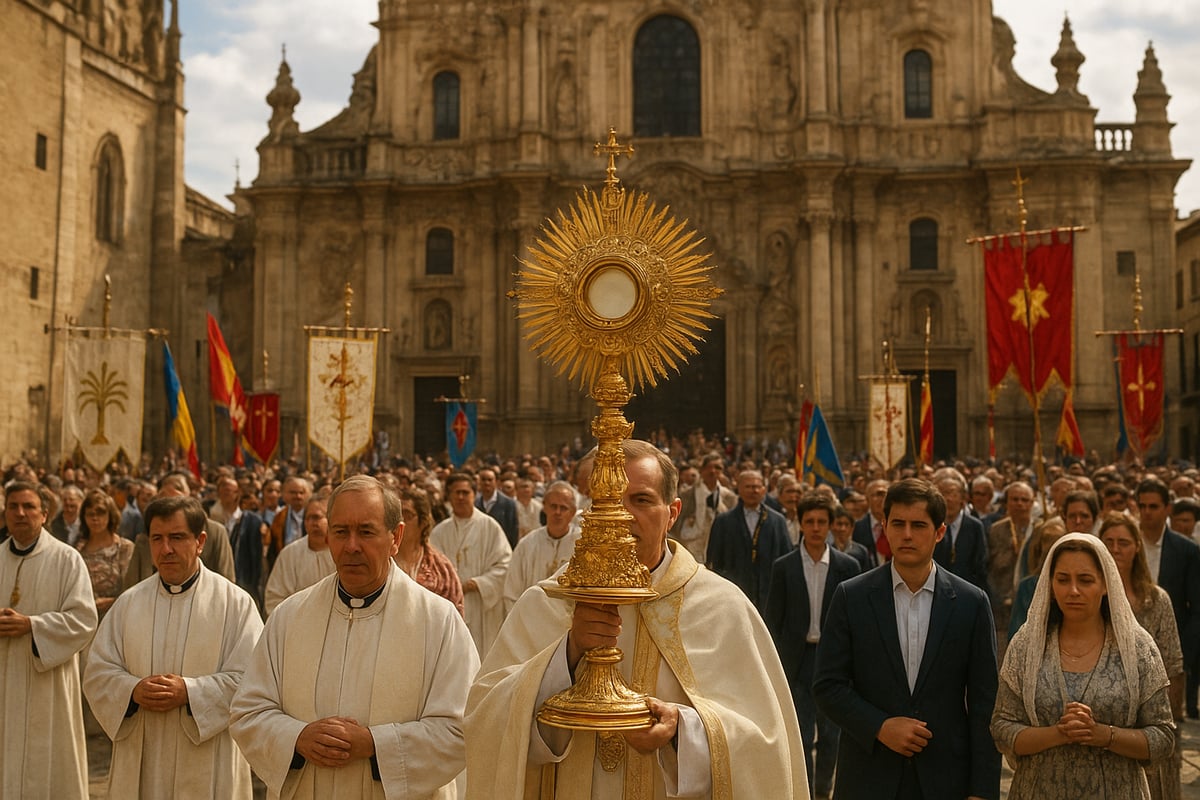
Festivals and processions, like the annual Corpus Christi celebration featuring the world's largest monstrance in Valencia, highlight the cultural integration of these miracles. Such traditions unite communities and foster a sense of belonging, making eucharistic miracles -spain a cornerstone of national and regional celebrations.
Eucharistic Miracles in Contemporary Spanish Society
Today, eucharistic miracles -spain remain relevant in both religious and secular spheres. They appear in school curricula, documentaries, and local news, sparking debate and dialogue. While some secular voices question their authenticity, many young people engage with eucharistic miracles -spain through parish initiatives and social media.
Recent Church statements and scientific studies of relics have renewed interest, and pilgrimage statistics show steady growth. These miracles also foster interfaith conversations, as their stories transcend borders. Ongoing research ensures that eucharistic miracles -spain continue to inspire and challenge contemporary Spanish society.
Inspiring a New Generation of Pilgrims
Personal stories of healing and transformation draw new pilgrims to eucharistic miracles -spain sites each year. Catholic schools and youth groups organize visits, often combining spiritual retreats with cultural exploration. Digital resources, including virtual tours and mobile apps, make eucharistic miracles -spain accessible to a global audience.
International partnerships and testimonials from recent pilgrims highlight opportunities for spiritual renewal in 2026. Programs for families and young people ensure that the legacy of eucharistic miracles -spain endures, inspiring faith journeys for generations to come.
Practical Guide: Visiting Eucharistic Miracle Sites in Spain
Planning a visit to eucharistic miracles -spain locations requires careful consideration. The best times to travel are during local festivals, when processions and devotions reach their peak. Pilgrims should respect local customs, dress modestly, and participate in Mass or adoration where possible.
For comprehensive travel tips, the Spanish Catholic pilgrimage guide offers resources on transportation, accommodations, and guided tours. Accessibility for visitors with disabilities is improving, and many sites provide educational materials in multiple languages. Preparing spiritually and culturally will enrich every visit to eucharistic miracles -spain.
As you reflect on these incredible Eucharistic miracles and consider your own journey of faith, remember that deepening your understanding can make your pilgrimage even more meaningful. Whether you’re planning to visit these sacred sites in Spain or simply wish to experience the wonder from home, there are resources that can inspire and prepare you. If you’d like to explore more stories, testimonies, and spiritual insights about the Eucharist, I invite you to Explore Eucharistic Miracles. This is a wonderful way to continue growing in faith and curiosity about these remarkable events.