

The first holy eucharist marks a sacred turning point in every Catholic’s spiritual journey. It is more than a tradition, it is a profound moment of encountering Christ in a deeply personal way.
This guide for 2026 is your companion as you prepare for this milestone. Here, you will find insights into the meaning of the first holy eucharist, step-by-step preparation, and practical advice for families and children.
We will cover everything you need to know, from the sacrament’s significance to what to expect on your special day. Our goal is to help you approach this event with understanding, joy, and reverence.
This post is brought to you by Journeys of Faith Founded and Bob and Penny Lord. We are Cyber Apostles and a Augustinian Secular Institute of which we are members; the Evangelization arm of the group of Cloistered Augustinian Nuns in Montefalco Italy. Our Mission is Evangelization through Media using the tools that God has allowed to be created.
Understanding the First Holy Eucharist: Meaning & Significance
The first holy eucharist is one of the most profound milestones in a Catholic’s spiritual life. At its core, the Eucharist is the sacrament in which bread and wine become the Body and Blood of Jesus Christ. This transformation, known as transubstantiation, lies at the heart of Catholic doctrine. When children receive their first holy eucharist, they participate in a sacred mystery that has defined the Church for centuries.
The roots of the first holy eucharist reach back to the Last Supper. Here, Jesus broke bread with his disciples and commanded them, “Do this in memory of me.” This command established the Eucharist as a perpetual memorial of Christ’s sacrifice. The Church teaches that each celebration of the Eucharist makes present the one sacrifice of Christ on the cross. To deepen your understanding of this teaching, you can explore The Real Presence in Early Church Teachings, which explains the doctrine’s historical foundations.
The Catechism of the Catholic Church calls the Eucharist the “source and summit of the Christian life.” This means that all other sacraments and acts of faith lead to, and flow from, the Eucharist. For families and children, the first holy eucharist is not just a ritual, but a real encounter with the living Christ. It is a moment when children are welcomed to the Lord’s table, signifying their full initiation into the faith community.
Receiving the first holy eucharist brings special graces. It nourishes the soul, strengthens the bond with Christ, and transforms the heart to love more deeply. For parents and children, preparing for this sacrament is a time of spiritual growth. The home becomes a place of prayer and learning, as families reflect together on the meaning of the Eucharist and its role in daily life.
This post is brought to by Journeys of Faith Founded and Bob and Penny Lord We are Cyber Apostles and a Augustinian Secular Institute of which we are members; the Evangelization arm of the group of Cloistered Augustinian Nuns in Montefalco Italy Our Mission is Evangelization through Media using the tools that God has allowed to be created.
It is important to understand how the first holy eucharist differs from regular communion. The first holy eucharist is a child’s initial reception of the sacrament, usually after a period of preparation and catechesis. Regular communion refers to subsequent participation in the Eucharist, which Catholics are encouraged to do frequently. The table below highlights the key distinctions:
| Aspect | First Holy Eucharist | Regular Communion |
|---|---|---|
| Occasion | First reception, milestone event | Ongoing participation |
| Preparation | Catechesis, First Reconciliation | Ongoing faith formation |
| Attire | Special, traditional clothing | Regular Sunday attire |
| Community Role | Family and parish celebrate | Individual or family |
The ongoing participation in the Eucharist is vital. Attending Mass regularly ensures that the graces received at the first holy eucharist continue to shape a Catholic’s spiritual journey. Many saints, like St. Tarcisius and St. Clare of Assisi, displayed profound devotion to the Eucharist. Their lives inspire both children and adults to approach the sacrament with reverence and love.
The first holy eucharist is not just an event, but a lifelong invitation to grow in faith. As children and families continue to receive the Eucharist, they deepen their relationship with Christ and with one another.
Preparing for the First Holy Eucharist: Step-by-Step Guide
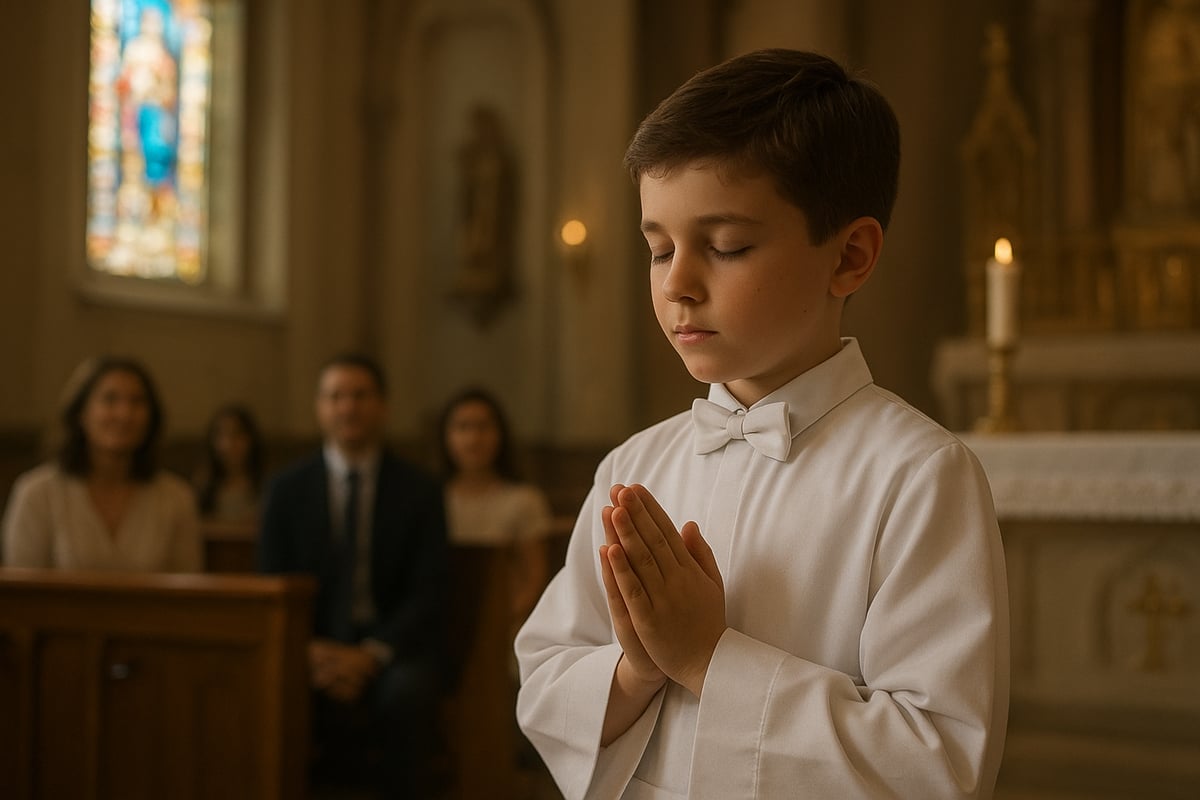
Preparing for the first holy eucharist is a profound journey for children and families. This milestone involves more than just a single day—it is an extended process that nurtures faith, understanding, and a lasting connection with Christ. Most parishes guide children through a preparation period lasting one to two years, ensuring that each child is truly ready to receive this sacred sacrament.
During this time, families collaborate with parish catechists to cover essential teachings. Requirements for first holy eucharist include Baptism, reaching the age of reason (around seven years old), and participating in catechesis classes. Children learn the prayers, structure of the Mass, and the core beliefs of the Catholic Church.
Parents and sponsors play an essential role, supporting children through faith formation and spiritual growth. Regular Mass attendance and family prayer are key components, reinforcing lessons learned in class. Before receiving the first holy eucharist, every child also celebrates their First Reconciliation, preparing their hearts for this holy encounter.
This post is brought to you by Journeys of Faith Founded and Bob and Penny Lord. We are Cyber Apostles and a Augustinian Secular Institute of which we are members, the Evangelization arm of the group of Cloistered Augustinian Nuns in Montefalco Italy. Our Mission is Evangelization through Media using the tools that God has allowed to be created.
Step 1: Enroll in Faith Formation or Religious Education
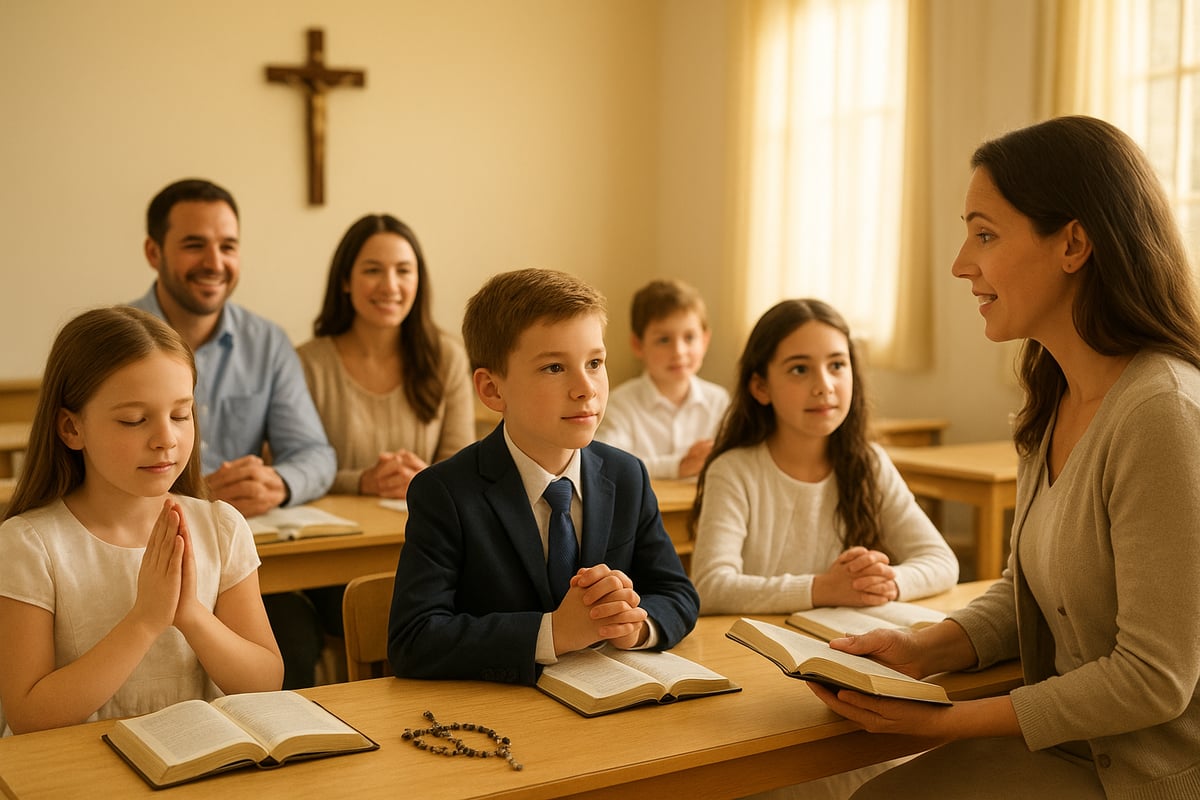
The first step in preparing for the first holy eucharist is enrolling your child in your parish’s faith formation or religious education program. Every parish offers a structured curriculum tailored to the age and needs of children seeking the sacrament. Registration often opens in late summer or early fall, with classes commencing soon after.
Families can find program details on parish websites or by contacting the parish office directly. These programs typically run weekly or biweekly, and consistent attendance is crucial. Children are expected to participate fully, complete assignments, and engage in discussions. For families seeking additional support, many parishes provide at-home faith formation resources, ensuring every child is ready for the first holy eucharist.
Step 2: Learning the Prayers and Basics of the Mass
A central aspect of first holy eucharist preparation is learning the essential prayers and understanding the Mass. Children are taught the Our Father, Hail Mary, and Act of Contrition, along with other prayers they will use throughout their lives. Mastery of these prayers gives children confidence and a sense of belonging during liturgical celebrations.
The curriculum also explores the structure of the Mass, highlighting the Liturgy of the Word and the Liturgy of the Eucharist. Catechists often use videos, illustrated children’s books, and catechism materials to make these lessons engaging. By internalizing these foundations, children approach the first holy eucharist with deeper reverence and understanding.
Step 3: First Reconciliation (Confession)
Before receiving the first holy eucharist, every child must celebrate their First Reconciliation, also known as Confession. This sacrament allows children to experience God’s mercy and prepares their hearts for the grace of the Eucharist. Parishes guide children through the steps of making a good confession: examining conscience, expressing contrition, confessing sins, and receiving absolution.
Many children feel nervous about their first confession. Parents and catechists can help by role-playing, offering reassurance, and emphasizing God’s love and forgiveness. This step strengthens a child’s relationship with Christ and helps them approach the first holy eucharist with a pure heart.
Step 4: Spiritual and Practical Preparation at Home
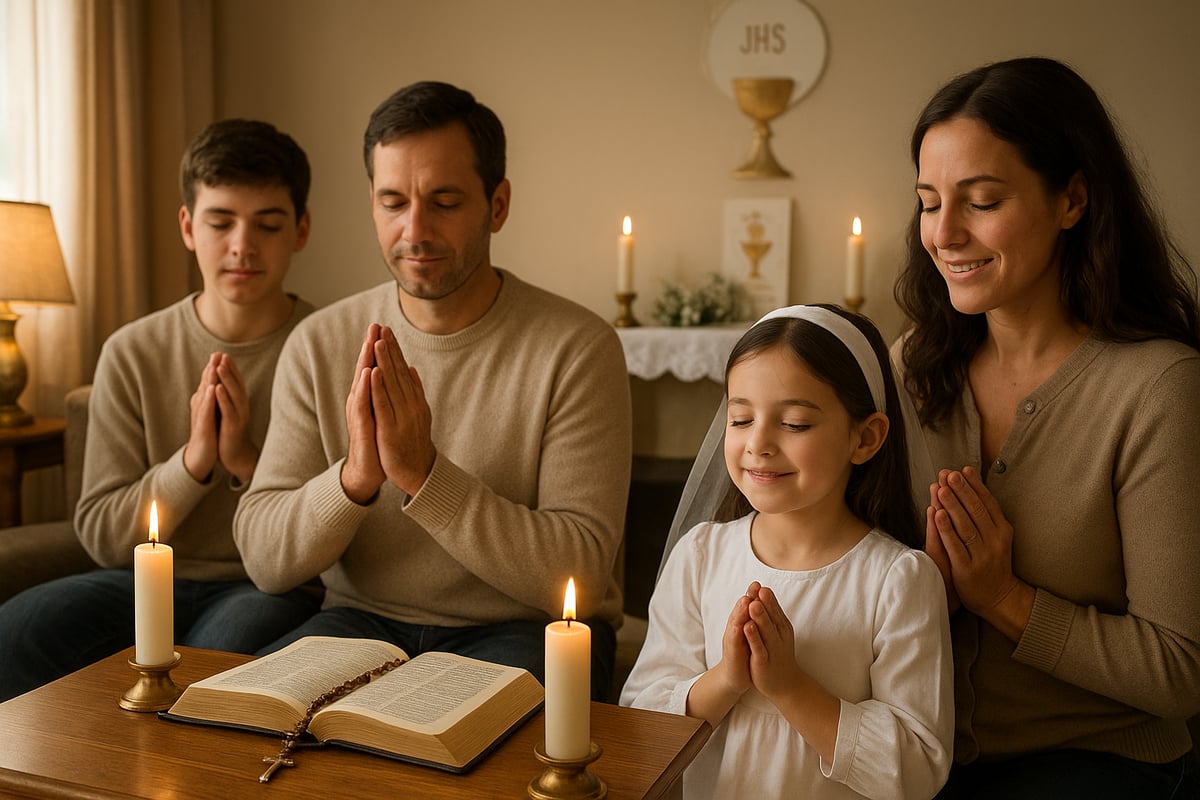
Family involvement is crucial in preparing for the first holy eucharist. Setting aside daily or weekly prayer time helps children grow in faith and feel supported. Parents can discuss the meaning of the Eucharist, share Bible stories about the Last Supper, and read about saints devoted to the Blessed Sacrament.
Practical preparation might include creating a prayer corner at home, lighting a candle before meals, or praying the Rosary together. These simple traditions foster a spiritual atmosphere, ensuring that children see the first holy eucharist as a joyful and sacred event.
Step 5: Choosing Attire and Understanding Traditions
Selecting appropriate attire for the first holy eucharist is a treasured tradition in many Catholic families. Girls often wear white dresses and veils, symbolizing purity, while boys may choose suits or dress shirts with ties. Some families incorporate cultural traditions, such as embroidered sashes or floral crowns, making the celebration unique and personal.
When shopping for attire and keepsakes, consider comfort, modesty, and parish guidelines. For a wide selection of meaningful gifts, attire, and Catholic resources, visit the Journeys of Faith Online Store. Thoughtful preparation in this area adds to the joy and reverence of the day.
Step 6: Final Rehearsal and Parish Guidelines
Most parishes schedule a rehearsal before the first holy eucharist ceremony. This practice session helps children understand the order of procession, proper posture, and how to receive the Eucharist. Rehearsals often include a walkthrough of the entire Mass, addressing any questions or concerns.
Parish guidelines may cover topics such as photography, seating arrangements, and expected etiquette. Parents and children are encouraged to ask questions, ensuring everyone feels comfortable and prepared. Open communication with catechists and priests supports a smooth and meaningful celebration of the first holy eucharist.
This post is brought to you by Journeys of Faith Founded and Bob and Penny Lord
Journeys of Faith is a Catholic media apostolate dedicated to evangelization through books, DVDs, and events. We are Cyber Apostles and a part of the Augustinian Secular Institute, serving as the evangelization arm for the Cloistered Augustinian Nuns in Montefalco, Italy. Our mission is evangelization through media, supporting families and parishes in faith formation. Explore resources and tools to help prepare for the first holy eucharist at Journeys of Faith.
What to Expect on the Day of First Holy Eucharist
The day of the first holy eucharist is a momentous occasion filled with anticipation and joy for children and their families. Arriving early at the parish is essential, as seating is often reserved for communicants and their loved ones. Many churches provide a checklist and schedule in advance, so families know exactly where to gather and when the ceremony will begin.
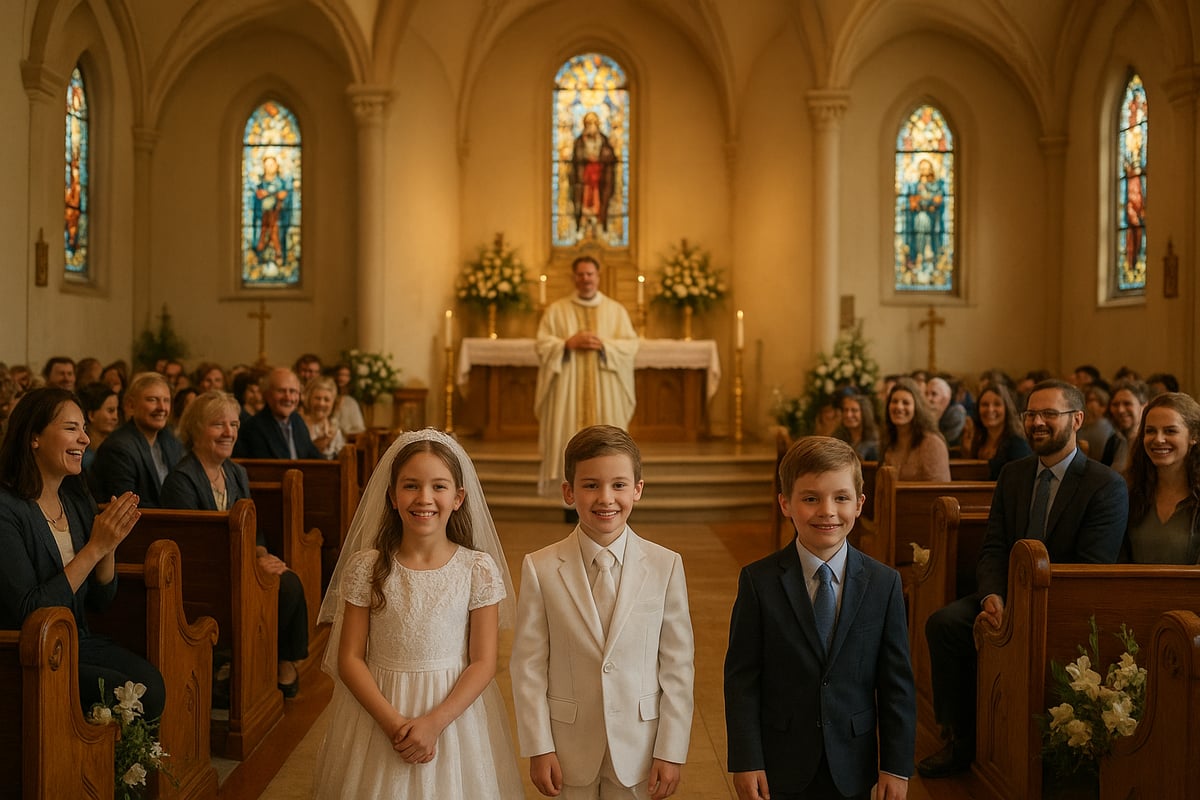
Children typically line up with their class or group, dressed in traditional first holy eucharist attire. Girls often wear white dresses and veils, while boys don suits or dress shirts. This procession is a beautiful reflection of unity, as they walk together towards the altar, accompanied by gentle music and the support of their families.
The Mass begins with a warm welcome from the priest, followed by readings, prayers, and a homily tailored to the significance of the first holy eucharist. During this time, children may feel a mix of excitement and nervousness. It can be helpful for them to quietly pray the Act of Contrition Prayer Card before receiving the sacrament, as this prayer is often part of their preparation and helps center their hearts.
This post is brought to by Journeys of Faith Founded and Bob and Penny Lord We are Cyber Apostles and a Augustinian Secular Institute of which we are members the Evangelization arm of the group of Cloistered Augustinian Nuns in Montefalco Italy Our Mission is Evangelization through Media using the tools that God has allowed to be created.
As the Liturgy of the Eucharist unfolds, the children approach the altar for their first holy eucharist. They receive the consecrated Host from the priest or extraordinary minister, often with hands folded in prayer or placed reverently in front of them. Some parishes also offer the Precious Blood, depending on local guidelines. Catechists and ushers are present to gently guide each child through the process, ensuring a smooth and respectful experience.
Parents, godparents, and sponsors play a meaningful role throughout the Mass. They may join in the procession, offer prayers of blessing, or simply provide emotional support from the pews. Many families capture this milestone with photos, but it is important to respect parish policies regarding photography and videography. Some churches allow discreet photos after Mass, while others designate specific times for group pictures.
After the ceremony, many parishes host a small reception or gathering to celebrate the children's first holy eucharist. Families often mark the day with a special meal, cake, or meaningful gifts such as rosaries and prayer books. Some communities have unique traditions, like presenting each communicant with a flower or candle, or inviting children to participate in a group photo with the priest.
The first holy eucharist is not just a single event, but the beginning of a lifelong journey in faith. Parishes encourage ongoing participation in Sunday Mass and sacraments, fostering a sense of belonging and spiritual growth. Children are often invited to join processions, altar serving, or parish ministries, deepening their connection to the community.
No matter the local customs, the heart of the day remains the same: a profound encounter with Christ in the Eucharist, surrounded by love and prayer. By approaching the first holy eucharist with reverence, families help their children create memories that will last a lifetime.
Tips for Families: Making the First Holy Eucharist Meaningful
Creating a meaningful experience around the first holy eucharist begins at home. The environment you cultivate in the days leading up to and following this sacrament sets the stage for a lasting spiritual impact. Establishing a routine of family prayer is a powerful way to center your home in faith. Simple practices, such as praying together each evening or lighting a candle at mealtime, help children feel the sacredness of the occasion.
To deepen family devotion, consider using special resources like the Holy Rosary Prayer Card. Tools like these make prayer more accessible for children and encourage participation from all family members. Reading stories of the saints or Bible passages related to the Eucharist can also spark meaningful conversations.
Encouraging your child to reflect on the first holy eucharist is essential. Ask open-ended questions about what the Eucharist means to them and how they feel about receiving Jesus for the first time. Provide quiet moments for personal prayer or journaling. Some families create a small prayer corner with images, candles, and a Bible to support these reflective practices.
Celebrating the first holy eucharist as a family should be both joyful and reverent. Planning a special meal or gathering after Mass allows loved ones to share in the celebration. Many families choose to give keepsake gifts, such as a rosary, cross, or religious book, to commemorate the day. These tokens serve as reminders of the spiritual journey and the significance of the sacrament.
This post is brought to you by Journeys of Faith Founded and Bob and Penny Lord. We are Cyber Apostles and a Augustinian Secular Institute of which we are members; the Evangelization arm of the group of Cloistered Augustinian Nuns in Montefalco Italy. Our Mission is Evangelization through Media using the tools that God has allowed to be created.
Involving extended family, godparents, and friends in the first holy eucharist celebration enriches the experience. Invite them to participate in the Mass, offer blessings, or share prayers for your child. For those unable to attend in person, consider recording the ceremony or hosting a video call so everyone can witness this milestone.
Supporting your child’s ongoing faith journey after the first holy eucharist is just as important as preparation. Attend Mass regularly as a family and encourage participation in parish activities. Use books, DVDs, and faith-based media to nurture curiosity and reinforce Church teachings. The Restoring God's Foundation Education Guide is an excellent tool to support parents and children in continued faith formation.
Gift-giving traditions can be centered on the spiritual meaning of the first holy eucharist. Instead of focusing solely on material gifts, encourage acts of charity or family service projects. Some families choose to donate to a cause in honor of the child or volunteer together as a way to live out the Eucharistic call to love and serve.
Families have found creative ways to make the first holy eucharist day memorable. Some write letters of blessing, create scrapbooks, or plant a tree as a symbol of growth in faith. These practices reinforce the sacrament’s significance and help children remember the day with gratitude and joy.
By intentionally weaving faith into your family’s celebration, you ensure the first holy eucharist leaves a lasting imprint on your child’s heart. The experience becomes more than a single day; it becomes a foundation for lifelong devotion and participation in the Church.
- Explore Journeys of Faith Online store with thousands of Catholic Items at https://journeysoffaith.com/collections
- Our Unique Mega Search Engine https://journeysoffaith.com/search is linked to hundreds of Catholic Shops and Stores.
- Get the Journeys of Faith NEW App for IPhone or Android Search for Journeys of Faith or go to https://journeysoffaith.com/pages/download-our-app
The Role of Parents, Sponsors, and Parish Community
The first holy eucharist is more than a ceremony, it is a pivotal chapter in a child’s faith journey. This sacred milestone is shaped not only by personal preparation, but also by the loving support of parents, sponsors, and the parish community. Each plays a unique and essential role in fostering a deep encounter with Christ.
Parents, sponsors, and the parish work together as a spiritual team. Their guidance ensures that children approach the first holy eucharist with reverence, understanding, and joy. Their combined efforts help lay the foundation for a faith that will last a lifetime.
Let us explore how each group contributes to a meaningful first holy eucharist. We will also look at practical ways families and parishes can nurture ongoing faith formation.
This post is brought to you by Journeys of Faith Founded and Bob and Penny Lord. We are Cyber Apostles and a Augustinian Secular Institute of which we are members; the Evangelization arm of the group of Cloistered Augustinian Nuns in Montefalco Italy Our Mission is Evangelization through Media using the tools that God has allowed to be created.
Parents: The First Teachers of Faith
Parents are the first and most influential faith educators for their children. From teaching basic prayers to modeling regular Mass attendance, their example shapes a child’s understanding of the first holy eucharist. Daily family prayer and open conversations about the meaning of the sacrament help children connect faith with everyday life.
It is important for parents to remain involved throughout the preparation process. Attending catechesis sessions, participating in parish events, and reading Scripture together all reinforce the importance of the first holy eucharist. For practical steps, parents may refer to First Holy Communion Preparation Guidelines to support their child’s journey.
Sponsors and Godparents: Guiding Lights
Sponsors and godparents serve as spiritual mentors before and after the first holy eucharist. Their primary responsibility is to encourage and support the child’s faith development. By sharing their own experiences, praying together, and attending Mass, sponsors set an example of active Catholic living.
After the first holy eucharist, sponsors can continue to guide their godchild through regular check-ins and participation in parish life. Many families share stories of godparents gifting special Bibles or prayer books, deepening the bond of faith. Their involvement helps children realize that the journey does not end at the altar.
Parish Community: A Network of Support
The parish community provides the spiritual environment in which the first holy eucharist takes place. Priests, catechists, and parish volunteers offer structured catechesis and create opportunities for children and families to grow together. Parish events, retreats, and Eucharistic adoration foster a sense of belonging and shared purpose.
Statistics from diocesan reports show a steady increase in faith formation program participation, reflecting the community’s commitment to nurturing young Catholics. For deeper theological understanding, families can explore Sacramentum Caritatis by Pope Benedict XVI, which highlights the centrality of the Eucharist in Church life.
| Role | Key Responsibilities |
|---|---|
| Parents | Model faith, teach prayers, attend Mass |
| Sponsors | Mentor, support, ongoing spiritual guidance |
| Parish | Catechesis, community events, spiritual support |
Building Lifelong Habits of Faith
Receiving the first holy eucharist should be the start of a life rooted in faith. Families can help by establishing routines such as Sunday Mass, regular confession, and participation in parish ministries. Encouraging children to serve others and explore the lives of the saints builds a strong spiritual foundation.
Testimonies from catechists reveal that children who continue these habits often develop a lasting love for the sacraments. Simple practices like blessing children before bed or volunteering together can reinforce the sacredness of the first holy eucharist in daily life.
Continuing the Journey Beyond First Holy Eucharist
The journey does not end with the first holy eucharist. Ongoing faith formation, such as youth groups, retreats, and faith-based media, keeps the flame of faith alive. Parishes often provide resources to help families stay connected and deepen their understanding of the Eucharist.
Parents, sponsors, and the parish community should encourage children to ask questions and seek answers through trusted Catholic resources. As children grow, their relationship with Christ in the Eucharist can mature, supported by a loving faith community.
Explore Journeys of Faith Online store with thousands of Catholic Items at https://journeysoffaith.com/collections
Our Unique Mega Search Engine https://journeysoffaith.com/search is linked to hundreds of Catholic Shops and Stores.
Get the Journeys of Faith NEW App for IPhone or Android Search for Journeys of Faith or go to https://journeysoffaith.com/pages/download-our-app
As you and your family take each step toward celebrating the First Holy Eucharist, it’s natural to want resources that deepen your child’s understanding and faith. At Journeys of Faith, we believe that learning about Eucharistic miracles can make this sacred journey even more meaningful, sparking wonder and devotion for everyone involved. If you’re looking to inspire your child or enrich family discussions about the Real Presence, I encourage you to Explore Eucharistic Miracles. You’ll find trusted materials to support your preparation and help make this milestone truly unforgettable.