

Good Friday stands as one of the most solemn and sacred days in the Christian calendar, commemorating the crucifixion of Jesus Christ and His death at Calvary. This day of profound mourning and reflection invites believers to contemplate the immense sacrifice made for humanity's redemption. As we approach Good Friday in 2026, understanding its historical roots, theological significance, and enduring traditions helps Catholics and Christians worldwide deepen their faith journey. The day's paradoxical name reminds us that through apparent tragedy came the greatest triumph: the promise of eternal salvation through Christ's willing sacrifice on the cross.
The Historical Origins of Good Friday
The commemoration of Good Friday traces back to the earliest Christian communities who gathered to remember Christ's passion and death. Historical evidence suggests that by the fourth century, Christians were observing this solemn day with fasting, prayer, and special liturgical services. The early Church Fathers documented elaborate ceremonies in Jerusalem, where pilgrims would walk the Via Dolorosa, retracing Christ's final steps to Golgotha.
The term "Good Friday" itself has sparked considerable debate among scholars and theologians. Some linguistic experts suggest it derives from "God's Friday," while others propose it stems from the Old English "gōd" meaning holy or pious. Regardless of its etymological origins, the designation reflects the Christian understanding that this day of apparent defeat became humanity's greatest victory over sin and death.
Ancient manuscripts reveal that early Christians observed this day with particular gravity, abstaining from work and dedicating themselves to prayer and meditation on Christ's passion. The Apostolic Constitutions, dating to the late fourth century, prescribed strict fasting on this day, a practice that continues in various forms across Christian denominations today.
Brought to you by Journeys of Faith Founded by Bob and Penny Lord - We are an Augustinian Secular Institute - Cyber Apostles - Our Mission is Evangelization through Media.
Why This Friday Is Called "Good"
The question of why a day commemorating Christ's crucifixion is termed "good" puzzles many newcomers to Christian faith. The answer lies in understanding the theological framework of redemption and salvation. Through Christ's willing sacrifice, humanity received the gift of reconciliation with God, liberation from sin's bondage, and the promise of eternal life.
The "goodness" of Good Friday encompasses several profound truths:
- The manifestation of God's infinite love for humanity
- The fulfillment of Old Testament prophecies regarding the Messiah
- The opening of heaven's gates, previously closed by original sin
- The demonstration of perfect obedience and sacrifice
- The defeat of death itself through apparent defeat
This paradoxical good emerging from tragedy reflects the mystery at Christianity's heart: that suffering accepted in love becomes redemptive, that death leads to resurrection, and that God's ways transcend human understanding.
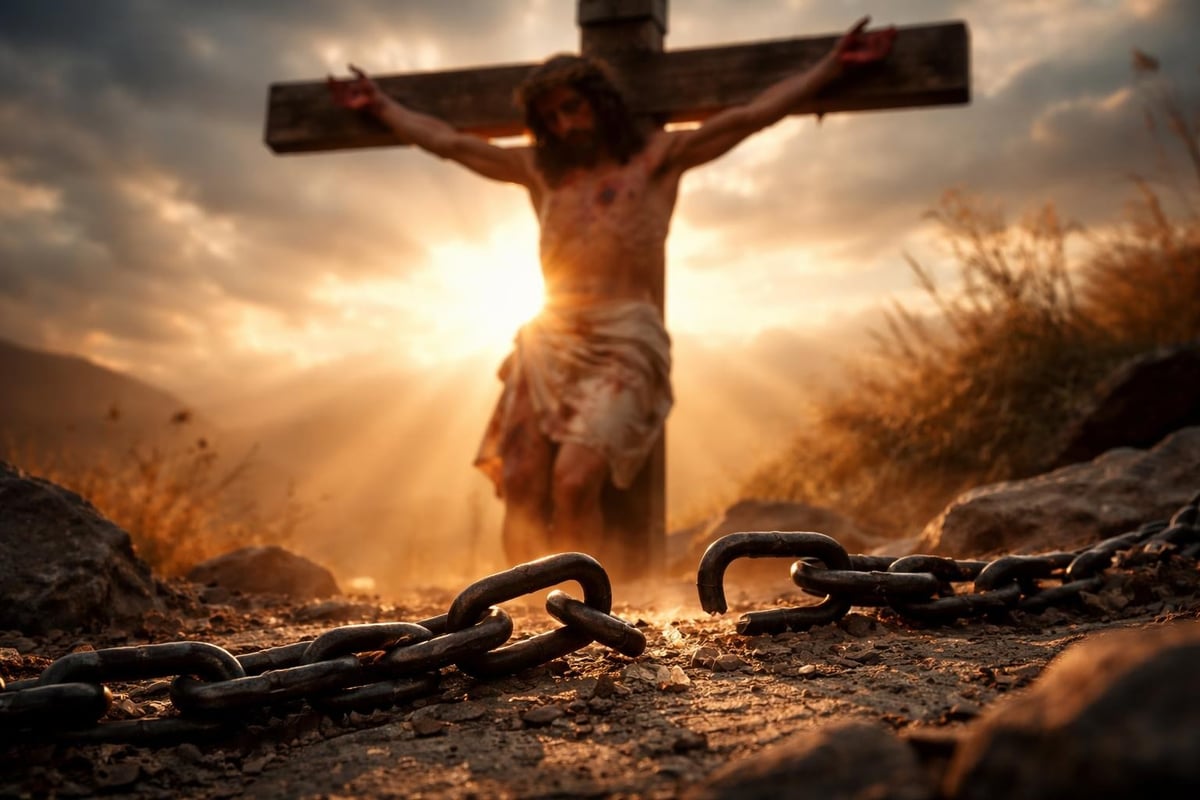
Sacred Traditions and Liturgical Practices
Catholic tradition observes Good Friday with distinctive liturgical celebrations that differ markedly from regular Mass. The principal service, typically held at 3:00 PM (the traditional hour of Christ's death), is called the Celebration of the Lord's Passion. This solemn ceremony includes the reading of the Passion narrative from John's Gospel, the veneration of the cross, and Holy Communion using hosts consecrated the previous day during Holy Thursday Mass.
The Veneration of the Cross
During the Good Friday service, the priest unveils a crucifix in three stages while chanting "Behold the wood of the Cross, on which hung the salvation of the world." Congregants then approach individually to honor the cross through genuflection, kissing, or touching. This intimate act of veneration allows believers to personally acknowledge Christ's sacrifice and express their gratitude.
The stations of the cross, a devotional practice particularly associated with Good Friday, invites participants to meditate on fourteen specific moments from Christ's condemnation to His burial. Many communities worldwide organize public processions that dramatize these stations, creating powerful visual representations of the passion narrative.
| Good Friday Liturgical Elements | Significance | Practice |
|---|---|---|
| Prostration | Humility before God's sacrifice | Priest lies face-down at altar |
| Passion Reading | Reliving Christ's final hours | Dramatic reading with multiple voices |
| Solemn Intercessions | Praying for Church and world | Ten universal prayers offered |
| Cross Veneration | Personal encounter with sacrifice | Individual reverence shown to crucifix |
| Holy Communion | Unity with Christ's offering | Reception without consecration |
Fasting, Abstinence, and Penitential Observance
The Catholic Church designates Good Friday as a day of obligatory fasting and abstinence for all Catholics between the ages of 18 and 59. Fasting means consuming only one full meal, with two smaller meals that together don't equal a full meal. Abstinence requires refraining from meat, a practice extending to all Catholics aged 14 and older.
These penitential practices serve multiple spiritual purposes. They unite believers with Christ's suffering, foster self-discipline, redirect attention from physical comforts to spiritual realities, and create solidarity with those who hunger physically or spiritually. The physical discomfort of fasting becomes a tangible reminder of Christ's far greater suffering on our behalf.
Beyond formal requirements, many Catholics adopt additional devotional practices during Good Friday:
- Maintaining silence for several hours
- Reading and meditating on the passion narratives
- Praying the Sorrowful Mysteries of the Rosary
- Visiting seven churches for prayer
- Participating in passion plays or dramatic presentations
For those seeking to deepen their Good Friday devotions, prayer cards like the Litany of the Passion Prayer Card offer structured ways to meditate on Christ's sacrifice throughout this sacred day.
Global Good Friday Observances
Christian communities around the world observe Good Friday with distinctive cultural expressions while maintaining the day's solemn character. In the Philippines, some penitents engage in actual crucifixions as extreme acts of devotion, though the Church neither endorses nor condemns these practices. Spain hosts elaborate processions featuring massive floats depicting passion scenes, carried by hooded penitents through narrow medieval streets.
In Jerusalem, thousands of pilgrims walk the Via Dolorosa on Good Friday, following the path Jesus walked carrying His cross. This powerful experience of retracing Christ's footsteps to Calvary creates profound spiritual impact for participants from every continent and Christian tradition.
The Seven Last Words From the Cross
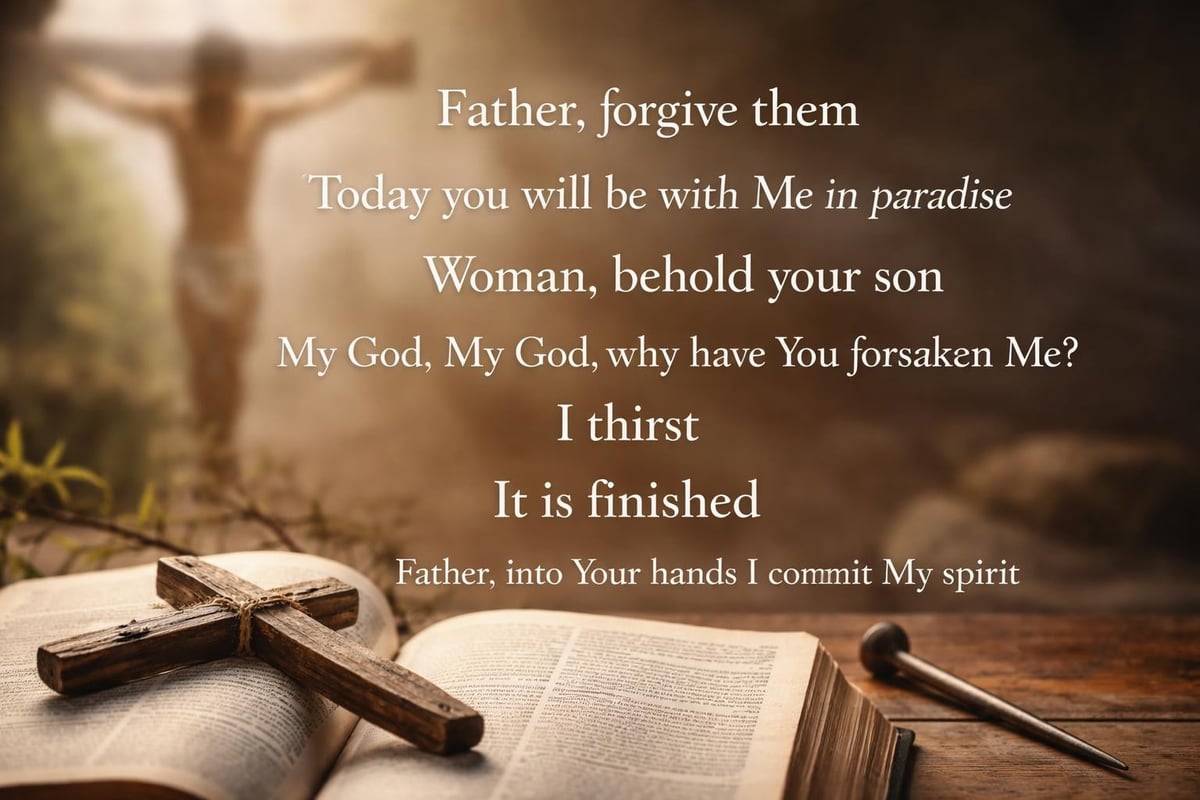
Catholic tradition places special emphasis on Christ's seven final statements from the cross, each revealing profound theological truths. These words, compiled from the four Gospel accounts, offer insight into Jesus' heart during His ultimate sacrifice:
- "Father, forgive them, for they know not what they do" – Demonstrating mercy toward His executioners
- "Today you will be with me in Paradise" – Offering salvation to the repentant thief
- "Woman, behold your son; son, behold your mother" – Entrusting Mary and humanity to each other
- "My God, my God, why have you forsaken me?" – Experiencing the depths of human abandonment
- "I thirst" – Revealing His physical suffering and spiritual longing
- "It is finished" – Proclaiming the completion of redemption's work
- "Father, into your hands I commend my spirit" – Surrendering completely to divine will
Many parishes conduct Three-Hour services from noon to 3:00 PM, with meditations on each of these seven words. These extended reflections allow believers to contemplate the full scope of Christ's passion and its meaning for contemporary life.
Good Friday in the Context of the Triduum
Understanding Good Friday requires viewing it within the broader context of the Easter Triduum-the three-day observance beginning with Holy Thursday evening and concluding with Easter Sunday. These three days form a unified liturgical celebration, not separate events, commemorating Christ's passage from death to life.
| Triduum Day | Focus | Key Observance |
|---|---|---|
| Holy Thursday | Last Supper, Eucharist institution | Mass of the Lord's Supper |
| Good Friday | Christ's passion and death | Celebration of the Lord's Passion |
| Holy Saturday | Christ's rest in tomb | Easter Vigil (begins after sunset) |
The liturgical calendar treats these three days as one extended celebration. Churches remain unadorned, bells stay silent, and the tabernacle stands empty from Good Friday until the Easter Vigil. This liturgical starkness creates appropriate atmosphere for contemplating the gravity of Christ's sacrifice and death's temporary victory before resurrection's triumph.
The Empty Cross and Sacred Silence
Catholic churches typically display crucifixes showing Christ's body throughout the year, but some traditions unveil the bare cross on Good Friday to emphasize the transition from suffering to glory. The period between Christ's death and resurrection becomes a time of sacred waiting, uncertainty, and darkness before the light of Easter dawn.
Holy Saturday, falling between Good Friday and Easter Sunday, represents this liminal space. Ancient tradition holds that Christ descended to the realm of the dead during this time, preaching to the souls awaiting redemption. This "harrowing of hell" completes Christ's salvific work, extending salvation's offer even to those who died before His earthly ministry.
Theological Significance and Modern Application
The theological implications of Good Friday extend far beyond historical commemoration. Christ's willing acceptance of crucifixion demonstrates several crucial Christian doctrines: the reality of human sin requiring divine intervention, God's unfathomable love willing to become human and suffer, the value of each human soul in God's eyes, and the transformative power of redemptive suffering.
Contemporary believers can apply Good Friday's lessons through:
- Recognizing suffering's potential for spiritual growth
- Practicing forgiveness toward those who cause harm
- Accepting God's will even when it differs from personal desires
- Offering personal sacrifices in union with Christ's offering
- Cultivating gratitude for salvation's gift
The cross, Christianity's central symbol, transforms from an instrument of Roman execution into an emblem of divine love and human hope. This transformation mirrors the Christian life itself: taking what appears broken, painful, or defeated and allowing God to redeem it for purposes beyond human imagination.
For Catholics seeking to deepen their understanding of Christ's passion, resources like Miracles of the Cross Book provide historical accounts and testimonies of the cross's enduring power throughout Christian history.
Good Friday and the Universal Call to Holiness
Good Friday challenges every Christian to examine their response to Christ's sacrifice. The day's observances aren't merely historical reenactments but invitations to personal transformation. When Catholics venerate the cross, they acknowledge that Christ died specifically for them, making His sacrifice personally relevant across twenty centuries.
The saints throughout history found in Good Friday a wellspring of spiritual inspiration. Saint Francis of Assisi received the stigmata while meditating on Christ's passion. Saint Teresa of Ávila wrote extensively about uniting one's sufferings with Christ's redemptive work. Saint Faustina Kowalska's visions of Divine Mercy flowed directly from contemplating Christ's merciful love displayed on the cross.
Practical Devotions for Good Friday 2026
Catholics planning their Good Friday observance in 2026 can structure the day around traditional devotions that have sustained believers for centuries. Beginning with morning prayer focused on Christ's agony in Gethsemane, continuing through midday meditation on the seven last words, and concluding with evening veneration of the cross creates a rhythm honoring the day's sacred nature.
Families can create domestic observances complementing church liturgies:
- Morning: Read the passion narrative from one Gospel
- Midday: Observe silence from noon to 3:00 PM
- Afternoon: Participate in parish Good Friday service
- Evening: Pray the Sorrowful Mysteries of the Rosary
- Night: Meditate on Christ's rest in the tomb
The Connection Between Good Friday and the Eucharist
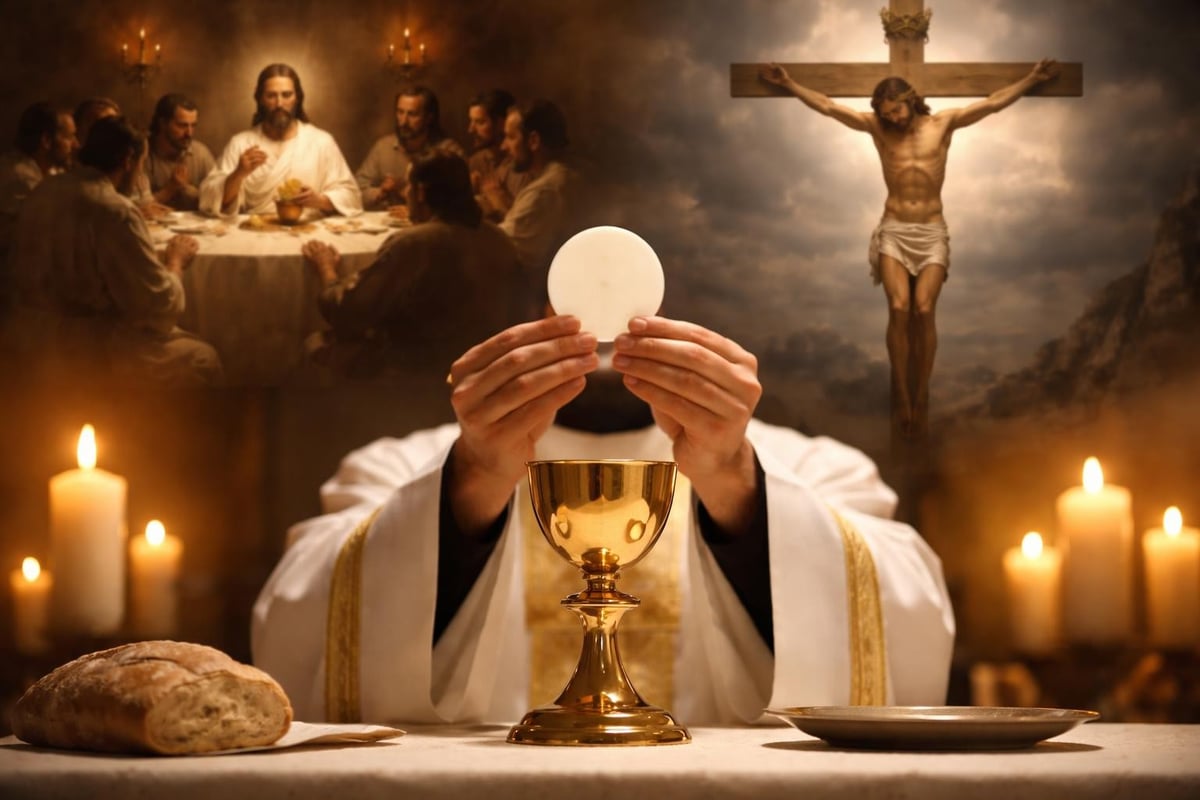
Catholic theology recognizes profound connections between Good Friday's sacrifice and the Eucharist celebrated at every Mass. The Last Supper on Holy Thursday, Christ's death on Good Friday, and His resurrection on Easter Sunday form an inseparable unity. At each Mass, Catholics participate in the same sacrifice offered once for all on Calvary, making present (not repeating) that unique redemptive event.
This understanding explains why Good Friday's liturgy includes Holy Communion but no consecration. The hosts distributed were consecrated during Holy Thursday's Mass of the Lord's Supper, symbolizing the unity between Christ's final meal with His disciples and His death the following day. The Church thus demonstrates that Eucharist and sacrifice are two dimensions of one mystery.
| Aspect | Last Supper | Good Friday | Mass |
|---|---|---|---|
| Nature | Anticipation | Accomplishment | Participation |
| Christ's Role | Priest offering sacrifice | Victim being offered | Both simultaneously |
| Time | Past event | Past event | Present making past present |
| Effect | Institution of Eucharist | Redemption achieved | Application of redemption |
Answering Common Questions About Good Friday
Many people, both within and outside Catholic tradition, raise questions about Good Friday observances and their meaning. Understanding the day's origins and significance helps address these queries and deepen appreciation for this sacred commemoration.
Why do Catholics call it "Good" Friday when Jesus died? The term reflects the ultimate good that emerged from apparent tragedy: humanity's redemption, salvation's availability, and the demonstration of divine love that willingly suffered for others.
Is Good Friday always the Friday before Easter? Yes, Good Friday falls on the Friday before Easter Sunday, which itself moves annually based on the lunar calendar. Easter occurs on the first Sunday following the first full moon after the spring equinox, causing Good Friday's date to vary between late March and late April.
What's forbidden on Good Friday? Catholic discipline requires fasting, abstinence from meat, and refraining from celebratory activities. Many Catholics additionally avoid unnecessary work, loud entertainment, and activities that distract from the day's solemn character.
Can Catholics receive communion on Good Friday? Yes, though only during the Celebration of the Lord's Passion, using hosts consecrated on Holy Thursday. No Mass is celebrated on Good Friday itself.
Resources for Deepening Your Good Friday Experience
Journeys of Faith offers numerous resources for enriching your Good Friday observance and understanding. Beyond attending parish liturgies, Catholics can benefit from personal study, prayer cards, and devotional materials that facilitate deeper meditation on Christ's passion.
Recommended resources for Good Friday preparation:
- Prayer cards focusing on Christ's passion and suffering
- Books exploring the theological meaning of the cross
- Rosaries for praying the Sorrowful Mysteries
- Crucifixes for personal veneration at home
- Stations of the Cross guides for private devotion
The practice of sacred reading (lectio divina) using passion narratives provides powerful encounters with Christ's sacrifice. Reading slowly, pausing for meditation, and allowing the text to speak personally transforms scripture from historical account to living word addressing today's challenges and opportunities.
For those seeking guidance in prayer during this sacred season, structured devotions like the Litany of the Sacred Heart of Jesus Prayer Card help focus meditation on Christ's love demonstrated through His passion.
Good Friday's profound message of sacrificial love, redemptive suffering, and divine mercy continues speaking powerfully to believers in 2026 and beyond, calling each person to embrace the cross's transforming power in their own lives. Whether you're seeking to deepen your understanding of Catholic tradition, enhance your family's observance of this sacred day, or discover resources for spiritual growth, Journeys of Faith provides books, prayer cards, devotional items, and educational materials that support authentic Catholic faith and evangelization through media.
Additional Resources:
- Explore Journeys of Faith Online store with thousands of Catholic Items at https://journeysoffaith.com/collections
- Our Unique Mega Search Engine https://journeysoffaith.com/search is linked to hundreds of Catholic Shops and Stores
- Get the Journeys of Faith NEW App for iPhone or Android - Search for Journeys of Faith or go to https://journeysoffaith.com/pages/download-our-app
- Chat with us anytime https://chatting.page/mjxs9aerrtgm3lmpndlcepmbyosntrjn
- We need your help to reach more souls. Please Make a Donation https://journeysoffaith.com/pages/donate
