

For centuries, Catholic prayer traditions have inspired hearts through their depth and beauty, with the litany to holy spirit standing as a timeless source of spiritual renewal. This guide offers a comprehensive journey into understanding, praying, and reflecting on the litany to holy spirit for 2026. Here, you will discover the prayer’s rich history, structure, and meaning, along with step-by-step guidance, theological insights, and practical reflection techniques. Ready to deepen your faith and embrace a transformative prayer experience? Let this guide lead you to a profound encounter with the Holy Spirit.
The Litany to the Holy Spirit: Origins and Historical Significance
The litany to holy spirit stands as a cherished tradition within the Catholic faith, tracing its roots deep into centuries of spiritual devotion. This prayer emerged as a way for believers to invoke the Holy Spirit’s presence, seeking wisdom, guidance, and renewal. Its origin is closely linked to the Church’s expanding understanding of the Holy Spirit’s role, especially during key moments such as Pentecost and the sacrament of confirmation.
From its earliest days, the litany to holy spirit has been integral to various forms of Catholic devotion. During the preparation for Marian consecration, particularly the 33-day spiritual journeys, this litany is often recited to foster openness to divine grace. Historical records show that by the late Middle Ages, litanies invoking the Holy Spirit were already included in prayer books and used in monasteries and cathedrals, especially leading up to Pentecost Sunday.
Communities like the Institute of the Incarnate Word have played a significant role in promoting the litany to holy spirit, encouraging both personal and communal use. This tradition is also embraced in retreats and spiritual programs, where participants reflect on each invocation to deepen their relationship with God. The connection to Pentecost and confirmation rites highlights its importance in moments of spiritual transformation.
Throughout the centuries, the litany to holy spirit has adapted to diverse cultures and languages, making it accessible to Catholics worldwide. At the National Shrine Grotto and in Marian consecration programs, the litany is recited as part of larger devotions, fostering unity and spiritual renewal. This adaptability explains the prayer’s enduring popularity among individuals, families, and religious communities.
In recent years, there has been a notable resurgence of interest in the litany to holy spirit. Online resources, digital prayer cards, and virtual retreats have made the prayer more accessible than ever. Many Catholic websites now feature the litany, and social media groups regularly organize communal recitations, especially during major liturgical seasons. According to some retreat organizers, participation in online prayer groups featuring the litany has increased by over 30% in the past five years.
The universal appeal of the litany to holy spirit lies in its simplicity and depth. Whether prayed in a grand cathedral or a quiet home, it offers a timeless way to seek the Holy Spirit’s gifts. Its adaptability allows people of all ages and backgrounds to participate fully, ensuring its continued relevance in the life of the Church.
For those interested in exploring more about this and similar prayers, the Catholic Litanies Collection provides a rich resource, offering context and additional litanies that complement the litany to holy spirit.
As the Church moves forward, the litany to holy spirit remains a powerful tool for spiritual growth, reflection, and communal unity, bridging generations and cultures in the shared pursuit of holiness.
Structure and Meaning of the Litany to the Holy Spirit
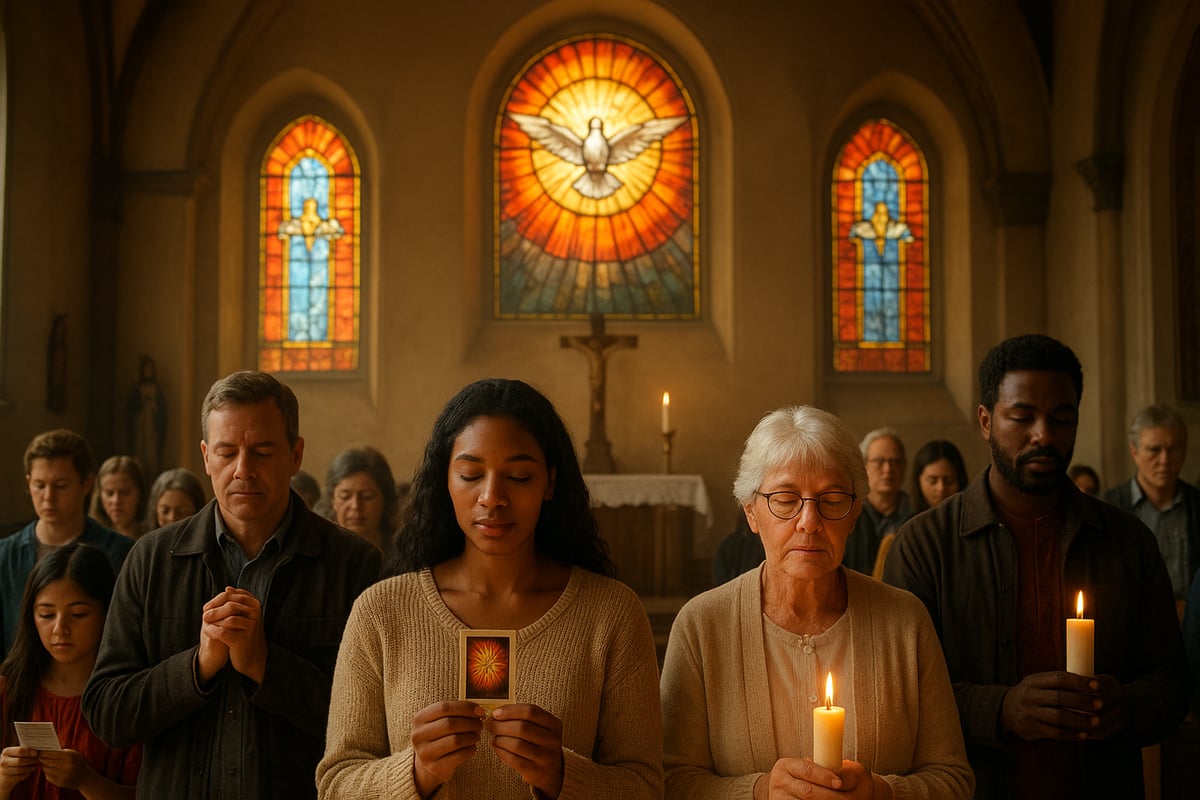
The litany to holy spirit stands as a remarkable expression of faith, blending deep tradition with accessible prayer. Its structure and meaning are foundational for anyone seeking to engage more profoundly with this devotion. By understanding the litany’s format, theological richness, and its place in Catholic life, you can unlock new dimensions of prayer and reflection.
Understanding the Litany’s Invocations
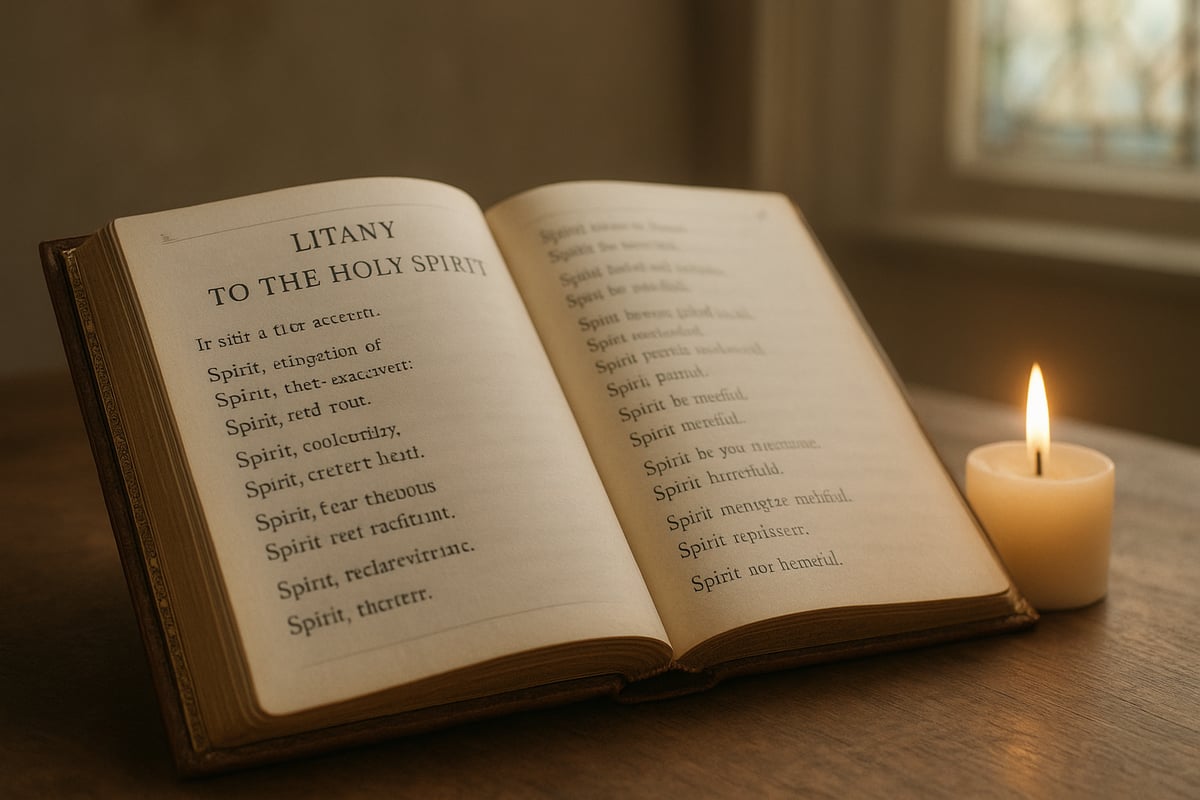
The litany to holy spirit follows a time-honored structure found in many Catholic litanies. It consists of a series of invocations, each calling on a specific attribute or action of the Holy Spirit. After each invocation, the response is typically “have mercy on us” or a similar phrase, fostering a rhythmic, meditative flow.
This structure serves several important purposes. The repetition helps focus the mind, allowing each title or attribute of the Holy Spirit to resonate more deeply. For example, invocations such as “Spirit of wisdom and understanding,” “Spirit of counsel and fortitude,” and “Spirit of fear of the Lord” highlight the multifaceted nature of the Holy Spirit’s work.
Here is a brief overview of common invocations:
| Invocation | Response |
|---|---|
| Spirit of wisdom and understanding | Have mercy on us |
| Spirit of counsel and fortitude | Have mercy on us |
| Spirit of knowledge and piety | Have mercy on us |
| Spirit of fear of the Lord | Have mercy on us |
Each line in the litany to holy spirit draws from scripture and tradition, inviting the faithful to meditate on the Spirit’s gifts. The rhythm of the prayer, combined with its repeated responses, aids in achieving a state of contemplation. If you are interested in a broader perspective on the litany’s role in Christian worship, you may appreciate this comprehensive overview of the structure, history, and theological significance of litanies.
Theological Insights: The Holy Spirit’s Attributes
The heart of the litany to holy spirit lies in its focus on the Spirit’s divine attributes. Each invocation is rooted in scripture and Catholic doctrine, reflecting the seven traditional gifts of the Holy Spirit: wisdom, understanding, counsel, fortitude, knowledge, piety, and fear of the Lord.
These attributes are not simply titles but are living realities that shape the Christian journey. For example, the “Spirit of wisdom” recalls the guidance found in the Book of Wisdom, while “Spirit of fortitude” echoes the strength given to the apostles at Pentecost. Catholic teaching emphasizes that these gifts are poured out through the sacraments, especially at Confirmation.
Saints and theologians have long reflected on the transformative power of these gifts. Saint Thomas Aquinas described the Holy Spirit as the “bond of love” within the Trinity, guiding believers into all truth. By praying the litany to holy spirit, Catholics invite these gifts into their lives, seeking growth in holiness and discernment.
A table can help summarize the scriptural roots:
| Gift of the Spirit | Scriptural Reference |
|---|---|
| Wisdom | Isaiah 11:2 |
| Understanding | Isaiah 11:2 |
| Counsel | Isaiah 11:2 |
| Fortitude | Isaiah 11:2 |
| Knowledge | Isaiah 11:2 |
| Piety | Isaiah 11:2 |
| Fear of the Lord | Isaiah 11:2 |
Through the litany to holy spirit, these attributes become a pathway to deeper spiritual maturity.
The Role of the Holy Spirit in Catholic Devotion
Within Catholic devotion, the litany to holy spirit holds a special place. It is often prayed during significant moments such as Pentecost, Confirmation preparation, and spiritual retreats. The prayer’s structure makes it suitable for both communal and personal use, uniting individuals in a shared invocation of the Spirit.
The Holy Spirit is central to Catholic liturgy and the sacraments. In the Eucharist, the Spirit brings about the transformation of bread and wine. At Confirmation, the gifts of the Spirit are sealed within the faithful. By incorporating the litany to holy spirit into daily or weekly routines, Catholics can remain open to the Spirit’s guidance in every aspect of life.
Group prayer settings, such as parish gatherings and retreats, often include the litany to holy spirit to foster unity and focus. In personal devotion, it serves as a source of comfort and strength, especially during times of uncertainty or spiritual dryness. The transformative power of invoking the Holy Spirit is evident in the renewed faith and courage it inspires.
The litany to holy spirit bridges tradition and contemporary life, making the presence of the Spirit tangible in the hearts of believers.
Step-by-Step Guide: How to Pray the Litany to the Holy Spirit
Engaging with the litany to holy spirit can transform your prayer life, opening your heart to divine guidance and renewal. This step-by-step guide offers practical advice for individuals, families, and groups who wish to integrate the litany to holy spirit into their spiritual routines. Whether you are preparing for a special liturgical season or seeking daily inspiration, these methods will help you pray with intention and depth.

Preparing for Prayer
Before beginning the litany to holy spirit, it is essential to create a prayerful setting that fosters reverence and focus. Start by choosing a quiet space, free from distractions. Many find that lighting a candle or placing a sacred image nearby signals the transition into sacred time.
Consider these practical steps:
- Select a comfortable chair or kneel on a prayer cushion.
- Place a crucifix or an icon of the Holy Spirit within view.
- Keep a printed copy or digital version of the litany to holy spirit close at hand.
Spiritual preparation is equally important. Take a few moments to quiet your mind, perhaps by reading a short scripture passage or examining your conscience. If you wish, invite the Holy Spirit to guide your intentions before you begin.
Prayer cards, mobile apps, and audio recordings can also support your focus. By preparing both your environment and your heart, you welcome the transformative presence of the Holy Spirit as you engage with the litany to holy spirit.
Praying the Litany: A Chronological Walkthrough
The litany to holy spirit follows a rhythmic sequence that is both meditative and profound. Begin by making the Sign of the Cross, centering yourself in God's presence. The opening lines typically invoke the Lord's mercy, such as "Lord, have mercy. Christ, have mercy."
Next, proceed through the series of invocations, each highlighting a distinct attribute or work of the Holy Spirit. For example, you might pray, "Spirit of wisdom and understanding, have mercy on us," followed by "Spirit of counsel and fortitude, have mercy on us." This repetition is intentional, helping to deepen focus and invite the Spirit into every aspect of your life.
Here is a suggested sequence for the litany to holy spirit:
- Opening invocations: "Lord have mercy. Christ have mercy."
- Sequential invocations: Recite each title of the Holy Spirit and respond with "have mercy on us."
- Special petitions: Include intentions for personal needs, the Church, or the world.
- Concluding prayer: Offer a final petition or traditional closing prayer.
You may choose to recite the litany to holy spirit aloud or silently. Both methods are effective, but vocal prayer can be particularly powerful in group settings. Encourage family members or fellow parishioners to join, alternating responses for greater participation.
To enhance your experience, consider incorporating music. A contemporary musical setting, such as the one provided by Litany of the Holy Spirit - Songs | OCP, can enrich communal prayer and foster a deeper sense of unity.
During key liturgical seasons like Pentecost or Confirmation preparation, the litany to holy spirit becomes especially meaningful. Integrate it into your daily or weekly routine to cultivate a lasting relationship with the Spirit.
Incorporating Reflection and Meditation
After completing the litany to holy spirit, pause for a few moments of silence. This time allows the invocations to settle in your heart and mind. Reflect on which attribute of the Holy Spirit resonated with you most during this session.
Consider these reflection practices:
- Journal about the invocation that spoke to your current needs.
- Ask yourself, "How is the Holy Spirit inviting me to grow today?"
- Use gentle instrumental music or sacred art to extend your meditation.
Regular reflection after praying the litany to holy spirit fosters spiritual growth and self-awareness. Over time, these quiet moments help you recognize the Spirit's action in your daily life and deepen your openness to God's will.
Spiritual Benefits and Transformative Power of the Litany
The litany to holy spirit stands as a timeless prayer that continues to shape the lives of countless Catholics. Its transformative power lies in inviting the Holy Spirit into the depths of the human heart, fostering a profound openness to divine guidance. Many discover that praying the litany to holy spirit regularly leads to a renewed sense of purpose and a tangible experience of God's presence.
Spiritual Fruits of the Litany
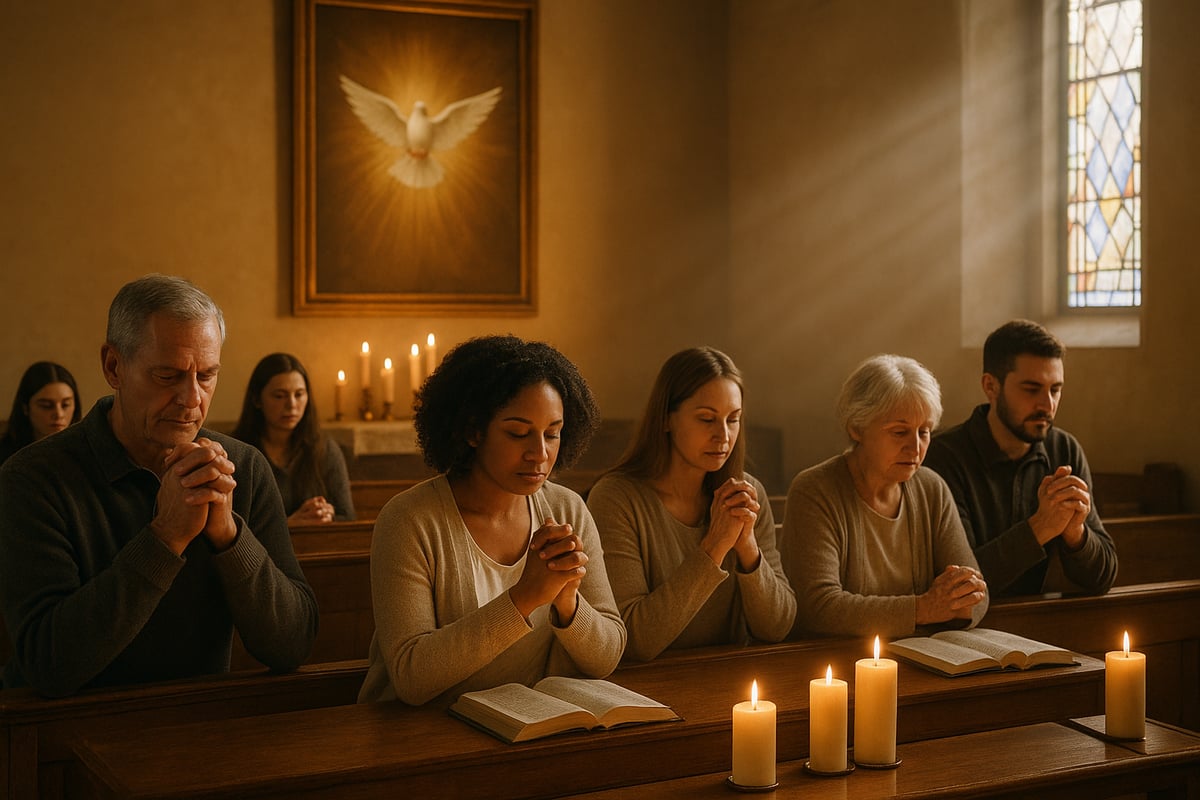
Devotion to the litany to holy spirit brings forth a harvest of spiritual fruits. These include peace, wisdom, courage, and a deepening of charity. As each invocation is prayed, believers are reminded of the Spirit's gifts and the virtues needed for daily challenges.
A regular practice of the litany to holy spirit nurtures humility and discernment, helping the faithful to listen more attentively to God's voice. The prayer's rhythm and repetition create a space where the heart can rest, allowing the Holy Spirit to inspire new insights and spiritual strength.
Several Catholic communities report increased participation in spiritual retreats and online prayer groups centered around this devotion. The litany serves as a bridge, connecting individual prayer with the wider Church, and fostering a spirit of unity.
Testimonies and Examples of Transformation
Many individuals and communities testify to the profound impact of the litany to holy spirit. Some recount how this prayer became a source of comfort during times of uncertainty, while others share stories of healing and reconciliation within families and parishes.
For instance, retreatants at Marian consecration programs often describe the litany to holy spirit as a turning point in their spiritual journey. Its focus on the Spirit's wisdom and guidance encourages a deeper surrender to God's plan. As highlighted by Let This Litany Lead You Into Holy Week - Sacred Windows, such litanies have historically led believers into seasons of renewal and personal transformation.
Group recitation, whether in person or virtually, amplifies these effects, as shared prayer builds trust and spiritual solidarity. The litany to holy spirit is frequently cited as instrumental in fostering forgiveness and hope, especially after periods of conflict or loss.
Overcoming Spiritual Dryness and Challenges
Periods of spiritual dryness are common in every faith journey. The litany to holy spirit provides a reliable anchor during such times. Its meditative structure invites the faithful to persevere in prayer, even when emotions wane or distractions arise.
By invoking the Holy Spirit's gifts—such as fortitude and understanding—the litany offers practical support for overcoming doubts and discouragement. Many find that returning to this prayer in moments of struggle rekindles their spiritual zeal and renews a sense of God's closeness.
This resilience is further strengthened when the litany is incorporated into daily or weekly routines. The regular invocation of the Spirit's presence can gradually dispel feelings of isolation and reignite a passion for spiritual growth.
Communal Renewal and Unity through the Litany
The litany to holy spirit plays a vital role in uniting believers for a common mission. In parish settings, it is often included in Confirmation preparation, Eucharistic adoration, and group retreats. These communal practices foster a strong sense of belonging and shared purpose.
Marian consecration and renewal programs frequently integrate the litany to holy spirit, recognizing its power to open hearts to deeper conversion. Data from recent years indicate a rise in online prayer initiatives and virtual gatherings that feature the litany, reflecting its adaptability and universal appeal.
Ultimately, the litany to holy spirit empowers individuals and communities to embrace God's will with courage and love. Its transformative power continues to inspire new generations to live out their faith with renewed vigor and unity.
Practical Applications: Using the Litany in Daily Life and Community
The litany to holy spirit is a living tradition, offering countless ways to enrich your spiritual journey and strengthen the bonds within your community. Whether you pray alone, with family, in your parish, or through online groups, this prayer can become a powerful part of your daily routine.
Personal Devotion and Family Prayer
Bringing the litany to holy spirit into your personal prayer life can create a consistent rhythm of peace and guidance. Many Catholics begin or end their day with this litany, using it as a way to invite the Holy Spirit’s presence into every moment. Setting aside a specific time, such as before breakfast or after dinner, allows you to form a habit that deepens your relationship with God.
For families, the litany to holy spirit can be adapted to include children and teens. Assigning different invocations to each family member encourages participation and makes the prayer more engaging. Visual aids, such as icons or prayer cards, help younger children follow along. During times of stress or important decision-making, praying the litany together can bring unity and clarity.
Consider using resources like prayer journals or classic spiritual direction books to support your reflection. For example, the Spiritual Direction Catholic Classic Books collection offers timeless guidance for deepening your understanding and practice of the litany to holy spirit. Teaching the litany to others, especially children preparing for sacraments, fosters a legacy of faith within the home.
Liturgical and Parish Settings
In parish life, the litany to holy spirit is a valuable tool for building community and nurturing growth in faith. Many parishes include the litany in Confirmation classes, youth groups, or during retreats to help participants connect with the Holy Spirit’s gifts. The prayer is especially meaningful during the Easter season and Pentecost, when the Church emphasizes renewal and the outpouring of spiritual gifts.
Some communities, like the National Shrine Grotto and Marian consecration programs, have made the litany to holy spirit a central part of their events. When integrated into Mass, adoration, or parish missions, the litany offers a moment for collective reflection and unity. Parish leaders can encourage group recitation by providing printed copies, organizing prayer circles, or inviting families to lead the litany during special gatherings.
Digital and Social Sharing of the Litany
With the rise of digital technology, sharing the litany to holy spirit has never been easier. Many Catholics now participate in online prayer groups, virtual retreats, and live-streamed devotions that feature this prayer. Social media platforms and messaging apps help spread the litany to a global audience, making it accessible to those who might not have a local community.
Resources such as downloadable prayer guides, podcasts, and YouTube videos offer creative ways to pray and reflect together. Sharing your experiences with the litany to holy spirit in online forums or through blog posts can inspire others to adopt this practice. Many believers also find encouragement by reading stories of saints whose lives were shaped by devotion to the Holy Spirit, available in collections like the Catholic Saints Books Collection.
By embracing both traditional and modern methods, you can make the litany to holy spirit a vibrant part of your spiritual routine and help foster a sense of unity and renewal within the wider Church.
Deepening Your Relationship with the Holy Spirit Through Reflection
Deepening your relationship with the Holy Spirit is a lifelong journey. The litany to holy spirit offers a powerful foundation for ongoing reflection and growth. By inviting the Spirit into your daily life, you open yourself to transformation, guidance, and renewed purpose.
Developing a Practice of Spiritual Reflection
Establishing a regular practice of spiritual reflection is essential for anyone wishing to draw closer to the Holy Spirit. Begin by setting aside a specific time each day for silence and prayer with the litany to holy spirit. This intentional pause, even if brief, helps you remain attentive to the Spirit's presence.
Journaling can deepen your awareness. After praying the litany to holy spirit, jot down insights, feelings, or questions that arise. Consider prompts like, "Where did I sense the Holy Spirit today?" or "Which invocation resonated most with me?" Over time, these entries become a record of your spiritual journey.
Annual or seasonal reviews are also valuable. Reflect on how your relationship with the Holy Spirit has grown over the past months. Identify patterns, moments of grace, and areas for further growth. For inspiration, you might explore Ideas for Lenten Meditations, which offers creative approaches to prayer and reflection.
- Set a daily reflection time
- Use journaling prompts after each prayer
- Schedule regular reviews of your spiritual progress
Developing these habits fosters a deeper, more conscious engagement with the Spirit.
Overcoming Challenges in Prayer and Reflection
Every spiritual journey encounters obstacles. Distractions, lack of motivation, or spiritual dryness can make it difficult to maintain a consistent practice with the litany to holy spirit. Recognizing these challenges is the first step toward overcoming them.
Accountability can help. Consider partnering with a friend or joining a prayer group that incorporates the litany to holy spirit. Scheduled prayer times create structure, while spiritual direction offers guidance when you feel stuck.
If you struggle with distractions, try simplifying your environment. Use a dedicated prayer space, silence your phone, and focus on your breath before beginning. When dryness sets in, persevere gently. Remember, even saints experienced periods of spiritual aridity.
Here are practical tips for overcoming obstacles:
| Challenge | Solution |
|---|---|
| Distraction | Create a quiet space, limit noise |
| Lack of motivation | Find a prayer partner |
| Spiritual dryness | Seek spiritual direction |
Perseverance, even when prayer feels difficult, often leads to moments of renewal and unexpected grace.
Resources for Continued Growth
Sustaining spiritual growth with the litany to holy spirit requires ongoing nourishment. Explore books on the Holy Spirit, prayer cards, and digital downloads to enrich your practice. Many reputable Catholic websites and organizations provide resources specifically for the litany to holy spirit.
Participating in retreats, conferences, or online study groups can deepen your understanding. Look for programs focused on the Holy Spirit, especially those that offer communal prayer and reflection. For a broader perspective on the tradition of litanies, the Litany of the Saints | Catholic Answers Encyclopedia illustrates how structured prayer can unite believers across generations.
Key resources to consider:
- Books and guides on the Holy Spirit
- Prayer cards and digital aids
- Retreats and parish study groups
By integrating these resources into your daily life, you ensure that your journey with the litany to holy spirit remains vibrant and fruitful, carrying you forward well beyond 2026.
As you reflect on the power and beauty of the Litany to the Holy Spirit and consider how meaningful prayer can deepen your faith journey, you might feel called to take the next step in your spiritual growth. Participating in a retreat offers a unique opportunity to immerse yourself in prayer, reflection, and community—just as we discussed in this guide. If you’re interested in experiencing a deeper encounter with the Holy Spirit and connecting with others who share your devotion, I invite you to Get Retreat Information. This could be the beginning of a transformative chapter in your faith.

1 comment
This is nice