

Holy Saturday stands as one of the most mysterious and contemplative days in the entire Christian liturgical calendar. This sacred day, falling between Good Friday's sorrow and Easter Sunday's triumph, invites believers into a profound space of waiting, silence, and hope. For Catholics seeking to deepen their understanding of this pivotal moment in salvation history, holy saturday offers rich theological insights and spiritual opportunities that can transform how we approach faith, suffering, and redemption.
Understanding Holy Saturday's Place in the Liturgical Calendar
Holy Saturday occupies a unique position within the sacred three days known as the Easter Triduum. According to the liturgical calendar definition, holy saturday is the Saturday before Easter Sunday, marking the day that Christ's body rested in the tomb while His soul descended to the dead. Unlike other days in Holy Week, this day carries a distinctive character of waiting and anticipation.
The Church observes holy saturday with remarkable restraint and solemnity. No Mass is celebrated during the day, tabernacles remain empty, and the sanctuary stands bare. This liturgical silence speaks volumes about the reality the Church commemorates: the Son of God lying dead in a tomb while the world waited in darkness.
Key characteristics of holy saturday include:
- The only day of the year when no Eucharist is celebrated
- A period of strict fasting and prayer in preparation for Easter
- The commemoration of Christ's descent to the dead
- The anticipation of the Easter Vigil celebration
Brought to you by Journeys of Faith, founded by Bob and Penny Lord. We are an Augustinian Secular Institute, Cyber Apostles whose mission is evangelization through media.
The Theological Significance of Christ's Descent
The holy saturday observance centers on a profound mystery: what happened between Christ's death and resurrection? Catholic tradition teaches that Jesus descended to the dead, bringing the Gospel to the souls who had died before His coming. This doctrine, affirmed in the Apostles' Creed with the phrase "He descended into hell," reveals God's plan to extend salvation to all generations.
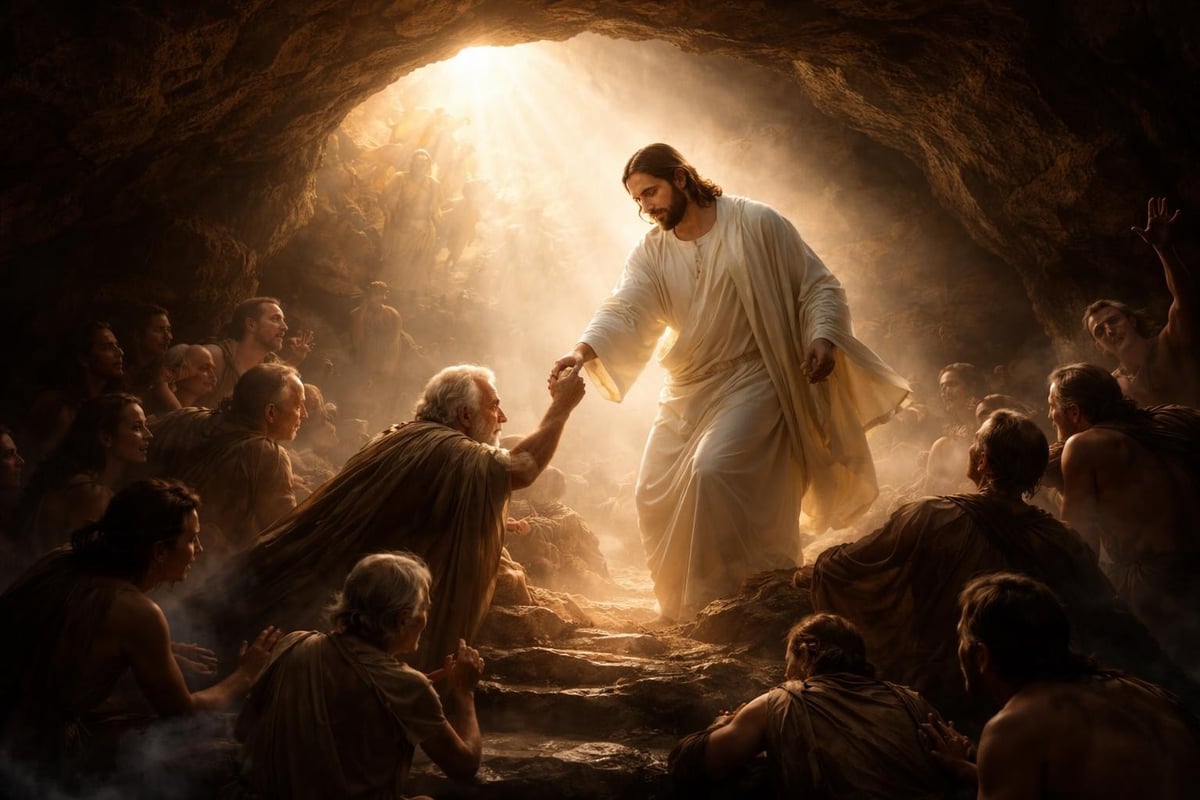
This descent was not a journey to the hell of the damned, but rather to the realm of the dead where the righteous awaited their Savior. As Christian tradition explains, Christ proclaimed victory over death to those who had gone before, including the patriarchs and prophets of the Old Testament. This action demonstrates the comprehensive nature of Christ's redemptive work, reaching backward through time to encompass all of humanity.
Historical Development of Holy Saturday Observances
The observance of holy saturday has evolved significantly throughout Church history. Early Christians maintained a strict fast on this day, extending from Good Friday through the Easter Vigil. The historical development of Holy Week reveals how various customs and practices emerged across different regions and centuries.
| Period | Practice | Regional Variations |
|---|---|---|
| Early Church (1st-3rd centuries) | Continuous fasting, prayer vigils | Unified observance focused on waiting |
| Medieval Period (5th-15th centuries) | Development of Easter Vigil liturgy | Introduction of dramatic elements |
| Modern Era (20th-21st centuries) | Restoration of ancient practices | Emphasis on baptismal themes |
In medieval times, holy saturday took on additional dimensions, including the blessing of fire, water, and the Paschal candle. These elements remain central to the Easter Vigil celebration today. The day also became known as "Black Saturday" in some cultures, a term that emphasizes the mourning aspect of Christ's burial.
The Easter Vigil: Holy Saturday's Crown
While holy saturday is characterized by silence and waiting during daylight hours, it culminates in the most magnificent liturgy of the entire year: the Easter Vigil. This ancient celebration, which can only be conducted after nightfall, marks the transition from death to life, from darkness to light, from mourning to rejoicing.
The Easter Vigil liturgy consists of four major parts:
- The Service of Light - Blessing of the new fire and the Paschal candle
- The Liturgy of the Word - Up to nine readings tracing salvation history
- The Liturgy of Baptism - Blessing of water and celebration of sacraments
- The Liturgy of the Eucharist - First Mass of Easter
This rich liturgical celebration connects believers across time with the earliest Christians who maintained all-night vigils waiting for Easter dawn.
The Spiritual Dimensions of Waiting
Holy saturday invites Catholics into a particular spiritual practice: the discipline of sacred waiting. In our modern culture of instant gratification and constant activity, this day challenges believers to embrace silence, stillness, and patient trust in God's timing.
What holy saturday teaches about spiritual waiting:
- Trust remains essential even when God seems absent
- Darkness and confusion are not the end of the story
- Authentic faith persists through periods of uncertainty
- Hope is sustained by memory and promise, not immediate experience
For those who are grieving, struggling with doubt, or walking through their own "dark Saturdays" of life, this liturgical day offers profound companionship. The Church sits with Christ in the tomb, neither rushing to resurrection nor despairing in death, but simply being present to the mystery.
Biblical Foundations and Scripture Readings
Although no Mass is celebrated during the day on holy saturday, Scripture provides powerful insights into this mysterious time. The Gospel accounts remain silent about what occurred in the tomb, but this silence itself becomes theologically significant. The biblical significance of Holy Saturday can be understood through several key passages.
Matthew 27:62-66 describes the guard placed at Christ's tomb, an ironic detail showing that Jesus's enemies took His resurrection predictions more seriously than His disciples did. This passage highlights the human attempt to control divine power and the ultimate futility of resisting God's plan.
Old Testament Prefigurations
The Easter Vigil's extensive Scripture readings on holy saturday night reveal how the entire Old Testament points toward Christ's passion, death, and resurrection:
- Genesis 1:1-2:2 - Creation narrative foreshadowing new creation
- Genesis 22:1-18 - Abraham's sacrifice of Isaac prefiguring God's sacrifice
- Exodus 14:15-15:1 - The Red Sea crossing anticipating baptism
- Isaiah 54:5-14 - God's faithful love despite abandonment
- Ezekiel 36:16-28 - Promise of new hearts and spirits
These readings help believers understand holy saturday within the broader narrative of salvation history, connecting Christ's death and resurrection to God's consistent pattern of bringing life from death throughout Scripture.
Devotional Practices and Traditions
Catholic tradition has developed various devotional practices specifically for holy saturday, helping the faithful enter more deeply into the mystery of this day. Many Catholics spend time in Eucharistic adoration at the repository where the Blessed Sacrament was reserved on Holy Thursday, maintaining a spiritual watch with Christ.
Traditional holy saturday devotions include:
- Visiting the church to pray at the repository
- Reading Scripture passages related to Christ's burial
- Praying the Rosary, focusing on the Sorrowful Mysteries
- Maintaining silence and fasting throughout the day
- Preparing homes for Easter celebrations
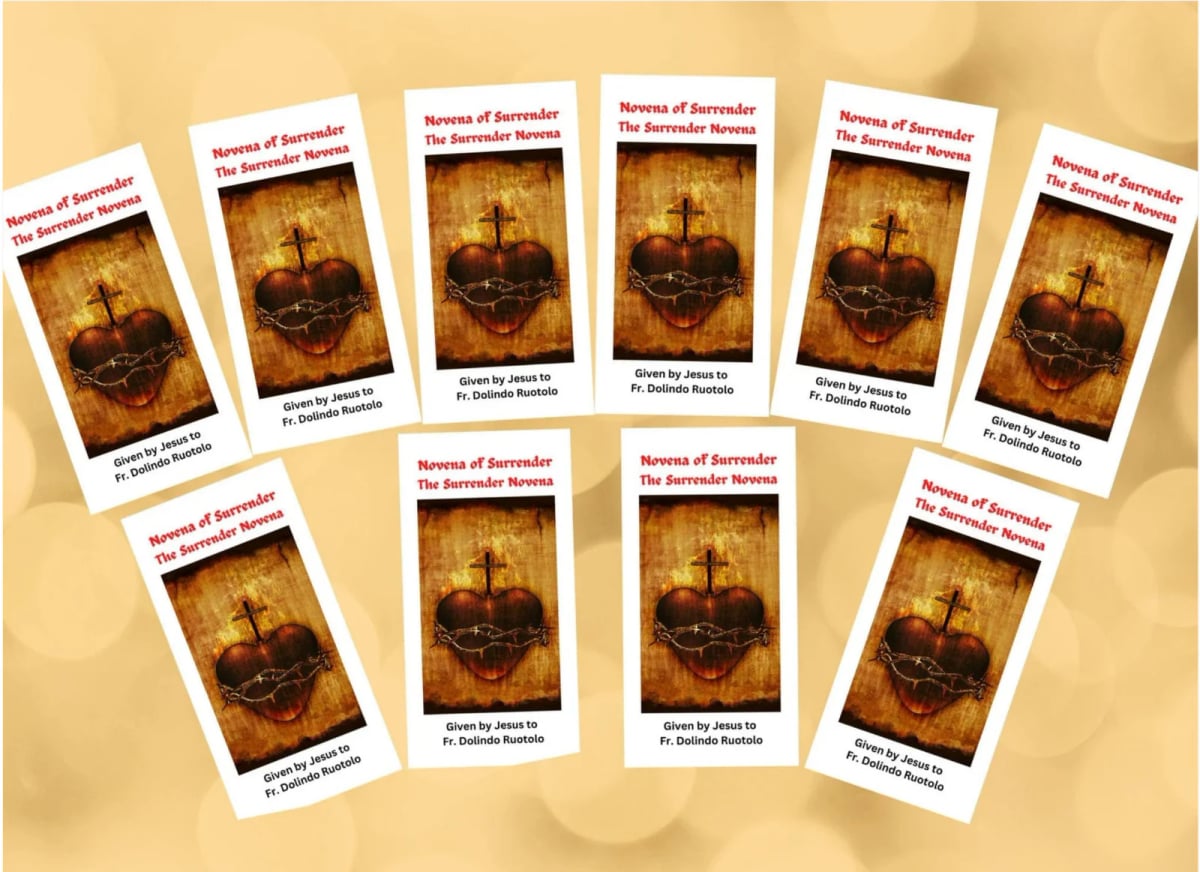
The Surrender Novena Packages offered by Journeys of Faith provide Catholics with a powerful prayer practice that aligns beautifully with holy saturday's themes of trust and abandonment to God's will. Father Dolindo Ruotolo's "Jesus, You Take Over" prayer captures the essence of sacred waiting and complete surrender that characterizes this day.
Preparing for the Easter Vigil
Holy saturday afternoon traditionally involves practical and spiritual preparation for the evening's great celebration. Families prepare Easter foods, homes are cleaned and decorated, and individuals prepare their hearts through prayer and reflection. This combination of practical activity and spiritual readiness mirrors Martha and Mary's different approaches to serving Christ.
Cultural Expressions Across the Catholic World
The observance of holy saturday varies beautifully across Catholic cultures worldwide, each adding unique expressions while maintaining the day's essential character. Understanding these diverse cultural traditions enriches our appreciation for the universal yet locally incarnated nature of Catholic faith.
| Region | Tradition | Significance |
|---|---|---|
| Latin America | Burning of Judas effigies | Rejection of betrayal and sin |
| Philippines | Salubong (dawn meeting) | Reunion of Mary and risen Christ |
| Poland | Blessing of Easter baskets | Sanctification of daily life |
| Italy | Explosion of the Cart (Florence) | Symbol of Good News spreading |
| Spain | Processions of silence | Contemplation of Christ's burial |
These varied expressions demonstrate how the Church allows cultural creativity while maintaining theological consistency. Each tradition helps believers connect ancient mysteries to contemporary experience.
Holy Saturday in the Eastern Churches
Eastern Catholic and Orthodox churches observe holy saturday with their own distinctive traditions while sharing the fundamental theology of the Western Church. The Eastern tradition emphasizes the cosmic significance of Christ's descent, often depicting it in icons showing Christ trampling the gates of hell while pulling Adam and Eve from their tombs.
The Eastern Vigil service includes the reading of the "Paschal Canon," a lengthy poetic celebration of resurrection themes. This approach highlights different theological emphases, particularly the cosmic and mystical dimensions of Christ's victory over death.
The Connection Between Holy Saturday and Baptism
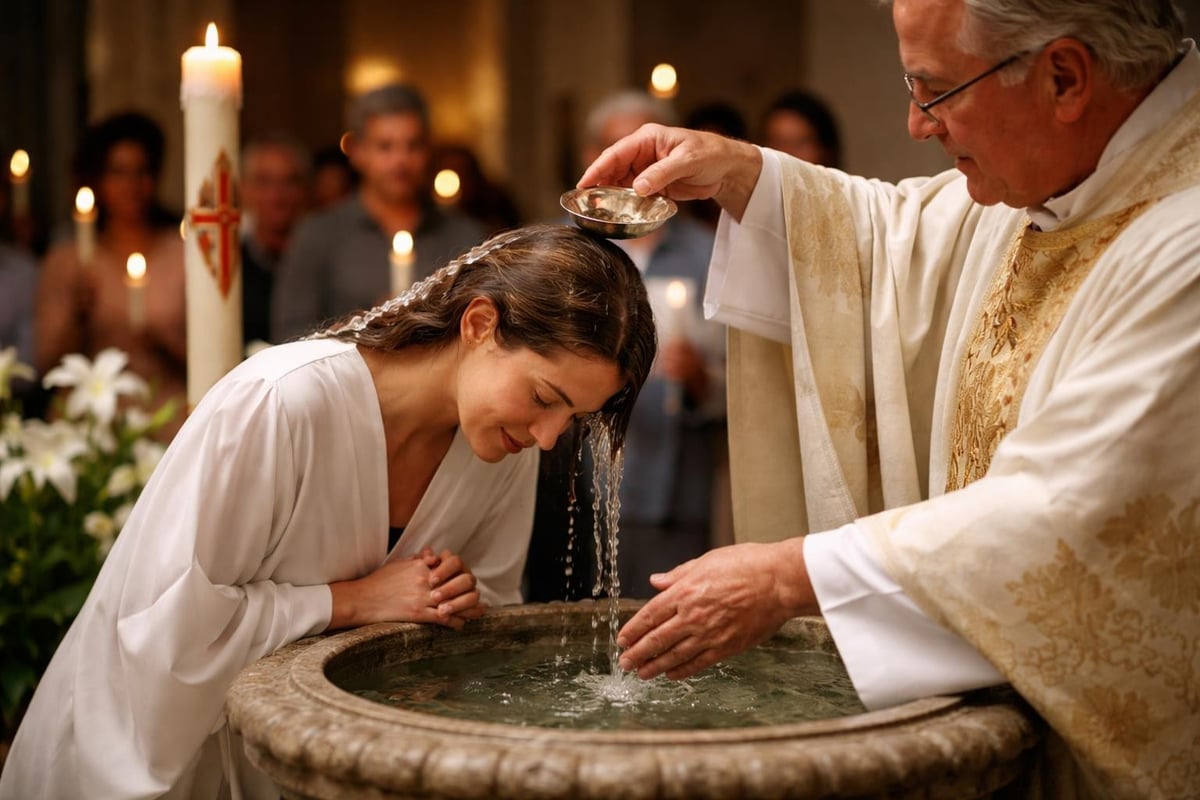
One of the most significant aspects of holy saturday, particularly in the Easter Vigil, is its connection to baptism. From the earliest centuries, the Church has preferred this night for celebrating the sacraments of initiation: Baptism, Confirmation, and First Eucharist.
Why holy saturday is ideal for baptism:
- Symbolizes dying and rising with Christ
- Marks the transition from death to life
- Celebrates new creation and rebirth
- Joins individuals to the Paschal Mystery
- Emphasizes communal nature of salvation
The baptismal themes woven throughout the Easter Vigil celebration remind all Catholics of their own baptismal promises. The renewal of baptismal vows during this liturgy connects every believer to the catechumens being baptized and to the entire history of Christian initiation.
Catechumenate and RCIA Connection
For those journeying through the Rite of Christian Initiation of Adults (RCIA), holy saturday represents the culmination of months or years of preparation. These elect, as they're called, maintain a day-long retreat of prayer and reflection before receiving the sacraments at the Easter Vigil.
This preparation mirrors the ancient practice of the catechumenate, when candidates for baptism spent years in formation before being initiated at Easter. The seriousness and solemnity of holy saturday preparation emphasizes the profound transformation that occurs in baptism.
Living Holy Saturday Throughout the Year
While holy saturday occurs only once annually in the liturgical calendar, its spiritual lessons apply throughout Christian life. Every believer experiences "holy saturday moments" when God seems absent, when prayers appear unanswered, when the path forward remains unclear.
The day teaches valuable lessons about faith that sustains through darkness:
- Trust without evidence - The disciples had only Jesus's promise, not proof
- Community in confusion - They stayed together despite fear and uncertainty
- Memory sustaining hope - Past experiences of God's faithfulness anchored them
- Patience in the process - Resurrection came on God's timeline, not theirs
These principles, learned from holy saturday's witness, help Catholics navigate personal trials, communal challenges, and cultural upheavals. The day becomes a template for faithful endurance through all seasons of difficulty.
Personal Application and Reflection
Catholics can incorporate holy saturday spirituality into regular prayer life through several practices. Spending time in silence, deliberately choosing to wait on God rather than forcing solutions, and embracing mystery rather than demanding immediate answers all reflect this day's wisdom.
Journaling about periods of waiting in one's own life, identifying where God was present even when unseen, can deepen appreciation for holy saturday's message. Reading about the lives of Catholic Saints who endured long periods of spiritual darkness provides inspiration and companionship.
The Theological Mystery of Divine Hiddenness
Holy saturday presents one of Christianity's most challenging theological questions: where was God when His Son lay dead? This divine hiddenness, this seeming absence of divine power, creates discomfort for believers who want an always-active, always-visible God.
Yet Catholic theology recognizes that God's hiddenness can be as revelatory as His presence. Holy saturday teaches that God's apparent absence doesn't indicate actual absence. Christ was no less divine in the tomb than on the cross or in the resurrection. His divinity was hidden but real, dormant but not destroyed.
Theological insights from holy saturday:
- God's power operates even through apparent powerlessness
- Victory can look like defeat from limited human perspective
- Silence is not the same as absence
- Faith must sometimes rest on promise rather than proof
- Mystery invites deeper trust than certainty ever could
This theology of hiddenness has sustained martyrs, mystics, and ordinary believers through centuries of persecution, doubt, and suffering. It reminds us that the story isn't over when circumstances appear darkest.
Holy Saturday in Contemporary Spirituality
Modern Catholics face unique challenges in observing holy saturday. The cultural pressure toward constant activity, entertainment, and noise makes the day's call to silence particularly countercultural. Yet this resistance to contemporary norms may be precisely what makes holy saturday so spiritually valuable today.
The meaning and observance of Holy Saturday challenge believers to create intentional space for contemplation, to resist the urge to fill every moment with productivity or stimulation, and to trust that waiting can be as spiritually fruitful as action.
Digital detoxes, extended periods of silence, simplification of schedules, and deliberate solitude all align with holy saturday's spiritual rhythm. These practices feel radical in contemporary culture, yet they connect believers to ancient Christian wisdom about the necessity of stillness for spiritual growth.
Resources for Deepening Holy Saturday Observance
Catholics seeking to enter more fully into holy saturday can access numerous resources. Prayer cards, novenas, and devotional materials help structure personal and family observances. The Prayer Cards and Novenas collection at Journeys of Faith offers tangible reminders that can be carried throughout the day, providing focal points for meditation and prayer.
Reading materials about the Paschal Mystery, the saints' experiences of spiritual darkness, and theological reflections on suffering and hope all enrich holy saturday observance. Many Catholics find that artistic expressions, sacred music, or visual meditations help them enter the day's mystery when words fail.
The Relationship Between Holy Saturday and Mary
Catholic tradition holds that Mary, the Mother of God, experienced holy saturday in a unique way. While the apostles scattered in fear and confusion, Mary maintained perfect faith. She knew the resurrection was coming because she trusted her Son's words completely.
Marian devotion on holy saturday focuses on several themes:
- Mary's perfect faith in the midst of apparent defeat
- Her role as Mother of the Church during the disciples' crisis
- Her patient waiting, modeling trust in God's promises
- Her unique sorrow combined with unwavering hope
- Her maternal care for the frightened apostles
Praying the Rosary on holy saturday, particularly the Sorrowful Mysteries, helps believers unite with Mary's experience. Her example shows that even in the darkest moments, faith can remain undisturbed when rooted deeply enough in God's faithfulness.
Holy saturday's profound mystery of waiting, trust, and hope in the midst of apparent defeat offers Catholics essential spiritual wisdom for navigating life's inevitable dark valleys. This sacred day between crucifixion and resurrection teaches that God's silence isn't absence, that waiting can be active faith, and that hope remains anchored in divine promises even when circumstances suggest despair. At Journeys of Faith, we're committed to helping Catholics deepen their understanding of these sacred mysteries through books, prayer resources, and devotional materials that support your spiritual journey through all seasons of the liturgical year and every season of life.
Resources
- Explore Journeys of Faith Online store with thousands of Catholic Items at https://journeysoffaith.com/collections
- Our Unique Mega Search Engine https://journeysoffaith.com/search is linked to hundreds of Catholic Shops and Stores
- Get the Journeys of Faith NEW App for iPhone or Android - Search for Journeys of Faith or go to https://journeysoffaith.com/pages/download-our-app
- Chat with us anytime https://chatting.page/mjxs9aerrtgm3lmpndlcepmbyosntrjn
- We need your help to reach more souls. Please Make a Donation https://journeysoffaith.com/pages/donate