

Have you ever wondered how jesus family shaped the foundations of faith? Unraveling the story of His lineage brings new perspectives and depth to spiritual life in 2026. This comprehensive guide journeys through the history, key figures, and lasting impact of jesus family. From ancient genealogies to modern-day lessons, each section reveals insights that can enrich your understanding and strengthen your faith. Did you know that learning about jesus family can offer practical guidance for your own spiritual journey? Read on to explore how their legacy still matters for believers and seekers today.
The Historical Roots of Jesus’ Family
Understanding the historical roots of jesus family opens a window into the heart of ancient Jewish identity. Genealogy was far more than a record of names. It shaped who people were, determined their place in society, and anchored their faith in God’s promises.

The Significance of Genealogy in Ancient Judaism
Genealogy played a vital role in daily life for the Jewish people. Family lineage determined property rights, tribal affiliation, and even participation in religious rituals. For many, knowing one’s ancestry was a matter of faith as well as identity. The genealogies in Matthew 1:1-17 and Luke 3:23-38 highlight the importance placed on tracing jesus family back through generations.
Recording genealogies was a long-standing tradition. These records were not only historical documents but also spiritual roadmaps. They connected individuals to the larger story of Israel and to the promises made by God to Abraham and David. Prophecies about the Messiah were deeply tied to these lines, and Matthew’s Gospel, for example, divides jesus family’s ancestry into three sets of fourteen generations to emphasize God’s sovereign plan.
Modern readers may overlook these lists, but in the first century, they were essential. Jeremiah 33:19-26 reminds us that God’s promises are unbreakable and often fulfilled through family lines. This deep connection between lineage and faith is beautifully depicted in artistic traditions such as the Tree of Jesse, which visually represents jesus family’s genealogy and its Messianic significance.
For both Jews and Gentiles, these genealogies affirmed that jesus family fulfilled the ancient prophecies. They provided assurance that Jesus was the long-awaited Messiah, bridging the old and new covenants.
Major Old Testament Figures in Jesus’ Lineage
A closer look at jesus family reveals remarkable ancestors whose stories shaped the faith of generations. Among the foundational patriarchs are Abraham, Isaac, and Jacob. Their journeys of faith established the covenant relationship with God, forming the backbone of jesus family’s heritage.
King David and his son Solomon are central to the royal lineage. Their reigns symbolize the fulfillment of God’s promise that the Messiah would come from David’s house. Yet, the genealogy of jesus family also includes unexpected figures. Women such as Ruth, a Moabite, and Rahab, a Canaanite, are honored. Their inclusion highlights God’s grace and the breaking of social barriers, showing that the story of jesus family is one of inclusion and redemption.
| Ancestor | Role in Lineage | Unique Contribution |
|---|---|---|
| Abraham | Patriarch | Covenant with God |
| David | King | Royal line to Messiah |
| Ruth | Moabite convert | Inclusion of Gentiles |
| Rahab | Canaanite, former outsider | Redemption, faith in God |
Ordinary people, as well as heroes, form the tapestry of jesus family. Even in times of exile and brokenness, as seen in the stories of the prophets, hope continued through these family lines. Matthew’s account emphasizes that God uses both the famous and the forgotten to fulfill His promises. The continuity of jesus family’s story, despite hardship, speaks to the enduring faithfulness of God’s covenant.
Reflecting on these roots, we see that jesus family was not just a lineage but a living testament to God’s ability to work through every generation, weaving together stories of faith, courage, and hope.
Key Members of Jesus’ Immediate Family
Understanding the closest members of jesus family reveals a tapestry of faith, courage, and transformation. Each played a unique part in the story of Jesus, shaping the early Christian movement and offering enduring lessons for believers today.
Mary: The Mother of Jesus
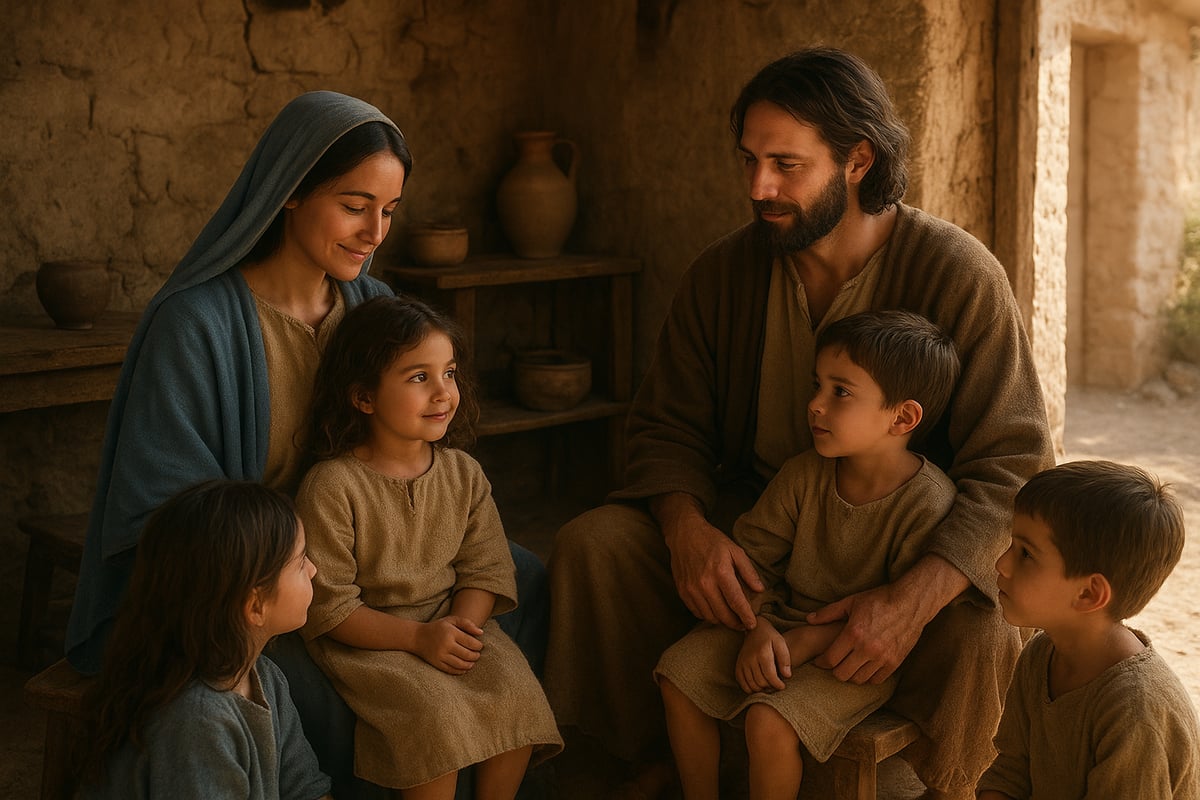
Mary stands at the heart of jesus family, revered for her deep faith and pivotal role in salvation history. The Gospels highlight her response to the angel Gabriel during the Annunciation, where she accepted her calling with humility and trust (Luke 1:38).
Her journey included Jesus’ miraculous birth, nurturing Him through childhood, and supporting Him throughout His ministry. Mary’s presence at the crucifixion and resurrection demonstrates her unwavering love, even in moments of profound sorrow.
Christian tradition honors Mary in diverse ways. While Catholics and Orthodox Christians venerate her as Theotokos (God-bearer), Protestants focus on her exemplary faith. To explore more on Marian devotion and the multifaceted role of Mary, visit The Many Faces of Mary.
Mary’s story reminds us that ordinary people, when open to God’s call, can become vessels of extraordinary grace within jesus family.
Joseph: The Earthly Father
Joseph’s place in jesus family is marked by quiet strength and steadfast obedience. As a descendant of King David, he fulfilled the prophetic requirement for the Messiah’s lineage. Scripture describes Joseph as a righteous man who protected Mary and Jesus, responding faithfully to divine guidance.
Key moments include his acceptance of Mary after the angel’s message, the flight to Egypt to escape danger, and the family’s eventual return to Nazareth. Although mentioned sparingly in the Bible, Joseph’s influence on Jesus’ upbringing was significant.
Joseph modeled humility, hard work, and devotion to family. His willingness to embrace God’s plan, even amid uncertainty, offers a practical example for every jesus family today. He embodies the virtues of guardianship, integrity, and loving leadership.
The Cousins of Jesus: James, Joseph, Simon, and Judas (Jude)
The Gospels name several cousins within jesus family: James, Joseph (Joses), Simon, and Judas (Jude) (Mark 6:3, Matthew 13:55). Initially, these doubted Jesus’ mission, yet their transformation after the resurrection became a powerful witness to His divinity.
James emerged as a prominent leader of the Jerusalem church and authored the Epistle of James. Jude contributed the Epistle of Jude and participated in early missionary work. Their leadership roles shaped the foundation of Christian communities.
The journey from skepticism to faith among Jesus’ siblings illustrates the dynamic nature of belief within jesus family. Their experiences encourage modern believers to persevere in faith, even when understanding comes gradually.
Mary and Salome
References to these are brief, yet their presence enriches our understanding of jesus family. The Gospels mention Mary and Salome, though details about their lives remain limited.
In first-century Palestine, these common names made identification challenging. However, early Christian tradition suggests they supported Jesus’ ministry, perhaps providing hospitality, resources, or encouragement.
Their inclusion highlights the importance of women’s roles within jesus family and the early church. Even with scant biblical details, these sisters represent the often-unsung contributors whose faith helped nurture the earliest Christian communities.
The Role of Jesus’ Family in Early Christianity
The influence of jesus family on early Christianity is profound and far-reaching. Their leadership, missionary work, and steadfast faith not only shaped the earliest communities but also set a standard for generations to come. By examining their roles, we gain valuable insights into the origins and development of Christian doctrine and practice.
Leadership in the Jerusalem Church
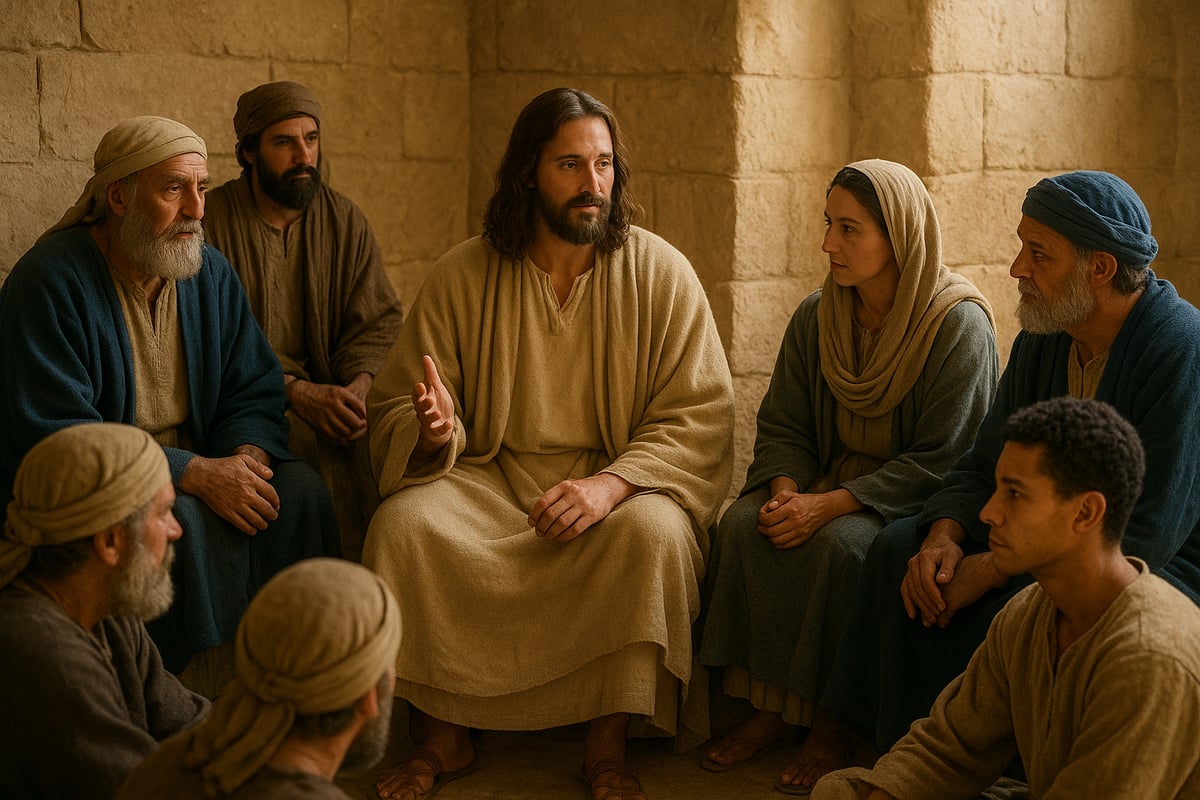
One of the most significant contributions of jesus family was their leadership in the heart of early Christianity. James, the cousin of Jesus, emerged as a central figure in the Jerusalem church. Alongside Peter and John, James was recognized as a "pillar" of the community, guiding both spiritual and practical matters.
James’s authority became especially clear during the Council of Jerusalem, where he played a decisive role in resolving disputes about Gentile inclusion in the faith. His wisdom and balanced approach helped bridge divides, ensuring unity among diverse believers. The respect afforded to James reflected not only his familial connection but also his personal commitment to the teachings of Jesus.
After James’s martyrdom, leadership passed to Symeon (Simon), believed to be a cousin of Jesus. This succession demonstrates the enduring trust in jesus family, as they continued to shape the doctrine and daily life of the early church. Their influence extended beyond Jerusalem, inspiring Christian communities throughout the region.
A table summarizing key leadership roles:
| Family Member | Role in Early Church | Notable Contributions |
|---|---|---|
| James | Bishop of Jerusalem | Council leadership, unity |
| Symeon/Simon | Successor to James | Continued church guidance |
Missionary Activity and the Desposynoi
The missionary efforts of jesus family were crucial for spreading the message throughout Palestine and beyond. The cousins of Jesus, including Jude, traveled widely, teaching and strengthening fledgling Christian communities. Their journeys are referenced in Paul’s letters, highlighting their active participation in evangelization.
A unique aspect of jesus family’s legacy is the group known as the desposynoi, or "those who belong to the Master." Ancient Christian writers, such as Julius Africanus, described how these relatives preserved and shared Jesus’ genealogy. This act affirmed Jesus’ messianic identity and served as a powerful tool for evangelization, especially among Jewish audiences who valued family lineage.
Their reputation for holiness and leadership was well known, even in the face of adversity. The family’s steadfastness inspired both contemporaries and later generations. For a deeper scholarly exploration of jesus family and their pivotal roles, see Jude and the Relatives of Jesus in the Early Church.
Martyrdom and Legacy
Martyrdom marked a turning point for jesus family and the early church. James’s death, as recorded by historians like Hegesippus, Eusebius, and Josephus, left a lasting impact on both Jewish and Christian communities. His unwavering faith, even in the face of persecution, became a symbol of spiritual resilience.
The legacy of jesus family continued through surviving relatives who bore witness during tumultuous times. Under Roman rulers such as Domitian, members of Jesus’ extended family faced interrogation and threat. Yet, their testimony and steadfastness further strengthened the resolve of early Christians.
The reverence for jesus family did not fade with time. Churches remembered their sacrifices, and many believers looked to them as models of faithfulness. Their story underscores the importance of perseverance, especially when facing hardship for one’s beliefs.
Example: The Grandsons of Jude
A compelling example of jesus family’s enduring witness comes from the account of Jude’s grandsons. According to Eusebius, these relatives were summoned before Roman authorities because of their Davidic heritage. Despite the risk, they openly professed their faith and explained their simple, faithful lifestyles.
Their testimony reassured authorities that they posed no political threat, yet their steadfastness became an inspiration for the broader Christian community. The example of Jude’s grandsons highlights how jesus family provided hope and courage, even generations after Jesus’ earthly ministry.
Through their leadership, missionary activity, and unwavering faith, jesus family left an indelible mark on early Christianity. Their example continues to encourage believers to stand firm in faith, serve with humility, and foster unity in the church.
Debates and Perspectives on Jesus’ Family Relationships
Understanding the debates around jesus family relationships offers a window into early Christian history and theology. Over centuries, interpretations of who constituted jesus family have shaped doctrine, worship, and even modern faith discussions.
The Nature of Jesus’ “Brothers” and “Sisters”
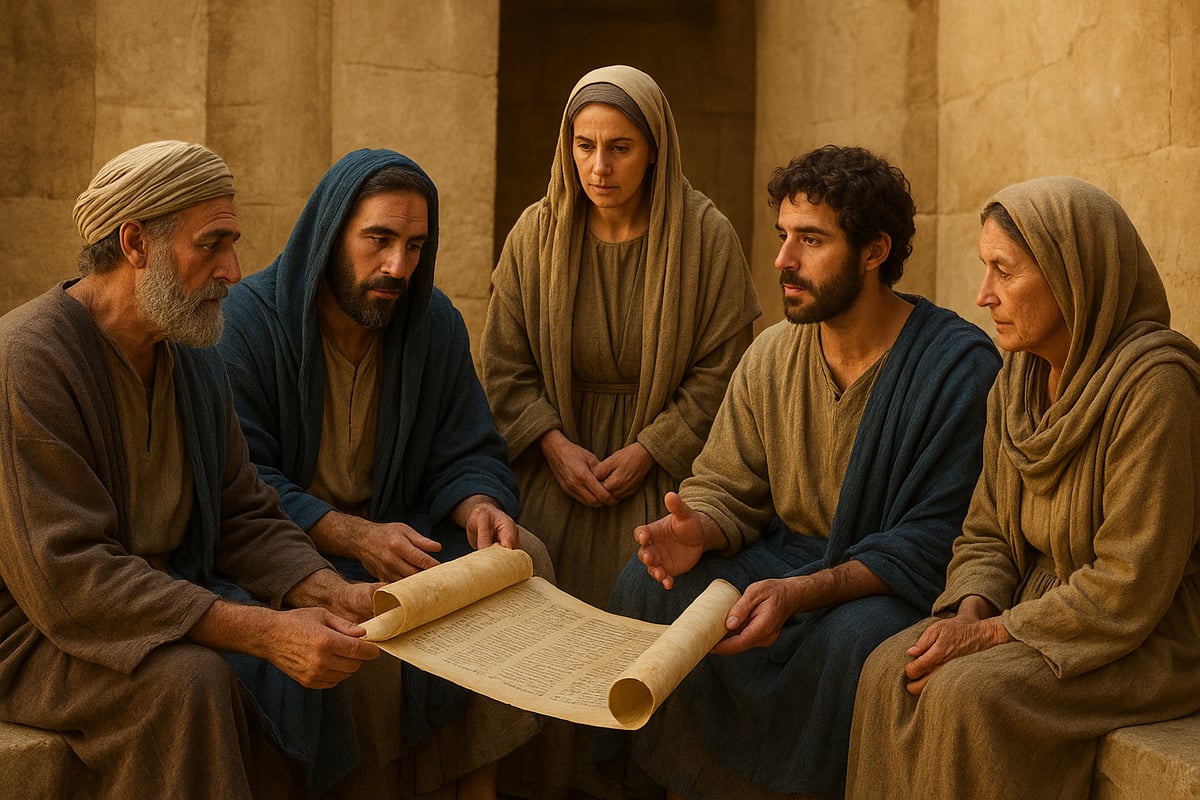
One of the most discussed topics in jesus family studies is the identity of Jesus’ “brothers” and “sisters” mentioned in the Gospels. Scholars and theologians have offered three main perspectives:
| View | Summary | Scriptural Basis |
|---|---|---|
| Helvidian | Siblings are biological children of Mary and Joseph | Mark 6:3, Matthew 13:55 |
| Epiphanian | Siblings are Joseph’s children from a prior marriage | Mark 6:3 |
| Hieronymian | Siblings are cousins, not direct siblings | Mark 15:40, John 19:25 |
The Helvidian view holds that jesus family included younger siblings born to Mary and Joseph after Jesus’ birth. The Epiphanian tradition suggests Joseph was a widower with children from a previous marriage, making Jesus’ “brothers” step-siblings. The Hieronymian position, favored in Catholic tradition, interprets these figures as cousins, using the broader meaning of “brother” in ancient Semitic languages.
Scriptural passages like Mark 6:3 and Matthew 13:55 name James, Joseph, Simon, and Judas as Jesus’ brothers, while references to sisters are less specific. The perpetual virginity of Mary, a doctrine in Catholic and Orthodox churches, strongly influences interpretations, often leading to preference for the Epiphanian or Hieronymian views.
Language and cultural context add complexity. In first-century Judea, “brother” could mean a close relative, not necessarily a biological sibling. This nuance shapes how different faith communities understand jesus family today.
The Extended Family
Although less frequently mentioned, the sisters of Jesus are part of the broader jesus family conversation. The Gospels refer to unnamed sisters (Mark 6:3), but details about their lives are scarce. Some traditions identify them as Mary and Salome, though these names were common in the period.
The role of extended family in Jewish society was significant. Kinship networks supported social, economic, and religious life. Figures like Clopas—possibly a brother or close relative of Joseph—are sometimes cited as part of jesus family, especially in early church writings.
Cultural expectations meant that extended households were often considered a single family unit. This context is crucial for understanding the Gospels’ language and the early Christian emphasis on spiritual kinship. For a deeper exploration of how family structures evolved in early Christianity, see the insightful article Family in the Early Jesus Movement.
Many saints, including those from jesus family, are honored in Christian tradition for their witness and leadership. Collections like the Lives of the Saints collection highlight the enduring legacy of these figures.
Why the Debate Matters
The ongoing debate over jesus family relationships is far from a mere academic exercise. These questions shape key doctrines, such as the perpetual virginity of Mary, the nature of sainthood, and models for church leadership.
For Catholic, Orthodox, and Protestant communities, how we interpret jesus family influences theology, worship, and even ecumenical dialogue. The debate demonstrates the richness and diversity within Christian interpretation.
Moreover, these discussions encourage believers to approach scripture and tradition with humility and curiosity. By examining the language, culture, and faith of jesus family, modern Christians can appreciate the unity and diversity that have always characterized the church.
Debates about jesus family remind us that faith is not static, but a living tradition shaped by history, community, and thoughtful engagement.
The Spiritual and Practical Relevance of Jesus’ Family Today
Understanding jesus family offers more than historical knowledge—it provides a living legacy that shapes faith, identity, and community for believers today. By exploring their story, we uncover practical wisdom and spiritual inspiration that remain profoundly relevant in 2026.
Lessons from Jesus’ Family for Modern Believers
The story of jesus family reveals how God’s faithfulness unfolds through ordinary people facing extraordinary circumstances. Each family member, from Mary’s courageous “yes” to Joseph’s quiet obedience, demonstrates the power of trusting God during uncertainty.
Modern Christians can draw several lessons:
- God uses all backgrounds: From kings to outcasts, jesus family shows that anyone can be part of God’s plan.
- Spiritual heritage matters: Passing down faith shapes future generations.
- Faithfulness in adversity: Like Mary and James, perseverance strengthens spiritual roots.
Belonging to God’s family means embracing hope, even when facing challenges, and trusting that our own stories contribute to a greater purpose.
The Family of Jesus as a Model for Christian Community
The example set by jesus family offers a blueprint for building healthy, resilient communities today. Their relationships were marked by forgiveness, perseverance, and a willingness to learn and grow together.
Key qualities seen in their lives include:
- Diversity: Both men and women, Jews and Gentiles, are honored in jesus family lineage.
- Forgiveness: Reconciliation among siblings and relatives fosters unity.
- Intentional discipleship: Teaching and supporting one another in faith.
By studying the structure and significance of early Christian families in their Roman context, believers can better appreciate how jesus family fostered belonging and spiritual growth.
Engaging with Jesus’ Family in Worship and Devotion
Reflecting on jesus family can enrich personal worship and community devotion. Reading the genealogies with fresh eyes reveals God’s promises fulfilled across generations.
Ways to engage include:
- Meditating on the faith of Mary, Joseph, and the siblings.
- Honoring saints and martyrs by learning their stories.
- Incorporating jesus family’s lessons into daily prayer.
For those seeking more inspiration, Catholic Saints Books offers deeper insights into the lives and legacy of saints connected to jesus family.
Modern Applications: Faith, Identity, and Community
In 2026, understanding jesus family can deepen personal faith and strengthen identity within the church. Their story encourages spiritual resilience and a sense of belonging, especially in times of uncertainty.
Consider these applications:
- Connecting family stories to biblical heritage.
- Practicing intergenerational faith traditions.
- Building supportive communities inspired by jesus family example.
Celebrating this heritage fosters unity and encourages believers to live out their faith with renewed purpose.
Example: How Early Christians Found Hope in Jesus’ Family Story
Early followers drew hope from jesus family, especially during hardship and persecution. The steadfastness of James, Jude, and their descendants inspired courage in the face of trials.
Stories of perseverance were shared to remind believers that faith endures through generations. The witness of jesus family continues to inspire Christians worldwide, offering assurance that God’s promises remain unbroken.
Their legacy invites every believer to find strength, hope, and direction for the journey ahead.
As we’ve explored the fascinating roots and enduring impact of Jesus’ family, it’s clear how much their stories can inspire us in our own journeys of faith. If you’re eager to keep deepening your understanding—whether it’s learning more about the saints who followed in Jesus’ footsteps or discovering resources that illuminate their legacies—I encourage you to Explore Catholic Saints.
You’ll find thoughtfully curated books, DVDs, and devotional items that bring these remarkable lives closer to your own. Let’s continue growing together in faith, wisdom, and community.