

What happened during jesus hidden years? This question continues to captivate scholars and believers, especially as 2026 brings renewed focus on his formative decades.
This guide delves into the mystery of jesus hidden years, exploring their significance, context, and the powerful lessons they offer for faith and personal growth today.
We will examine the biblical silence, historical and cultural background, theological insights, and the latest research. Along the way, you will discover practical applications for your own spiritual journey.
Prepare to be inspired as we uncover why these unknown years matter now more than ever, and how their secrets invite deeper reflection and transformation.
The Mystery of Jesus’ Hidden Years
Why do the jesus hidden years captivate so many hearts and minds? For centuries, believers and scholars alike have wondered what took place during the long, silent stretch between Jesus’ childhood at the temple and his public ministry. This mystery continues to spark curiosity, inviting us to look deeper into both scripture and history for clues.
Defining the “Hidden Years”
The term "jesus hidden years" refers to Jesus’ life from age 12, after his visit to the temple (Luke 2:41-52), until he emerges at around 30 to begin his ministry. The Gospels offer only a brief glimpse of Jesus as a child in Jerusalem, then fall silent for nearly two decades.
These years are called "hidden" because the biblical record provides almost no detail about what Jesus did, how he lived, or whom he influenced during this crucial period. This silence has led to centuries of questions. What did Jesus learn as he grew? How did his daily life shape his character and mission?
Scholars often compare this gap to ancient biographies, which typically highlight only the most significant events of a figure’s life. Yet, for a figure as central as Jesus, the lack of information during these formative years is especially striking.
Scriptural Evidence and Gaps
The Gospel accounts of the jesus hidden years are remarkably brief. After the temple episode in Luke, the next scene skips ahead to John baptizing Jesus at the Jordan. Matthew, Mark, and John are similarly silent about Jesus’ adolescence and young adulthood.
Early Church Fathers noticed this gap and speculated about its purpose. Some argued that the silence underscores the mystery of Christ’s incarnation, while others believed it was meant to emphasize his divinity and humility.
This scriptural gap leaves much to interpretation. While some apocryphal texts, like the Infancy Gospel of Thomas, fill in the blanks with stories of childhood miracles, these accounts are not considered reliable by most scholars. For a thoughtful reflection on what the Gospels do and do not say, see The Hidden Years.
The ongoing debate centers on how much we can infer from what is omitted, and how much we should simply accept as God’s intentional mystery.
Historical and Cultural Context
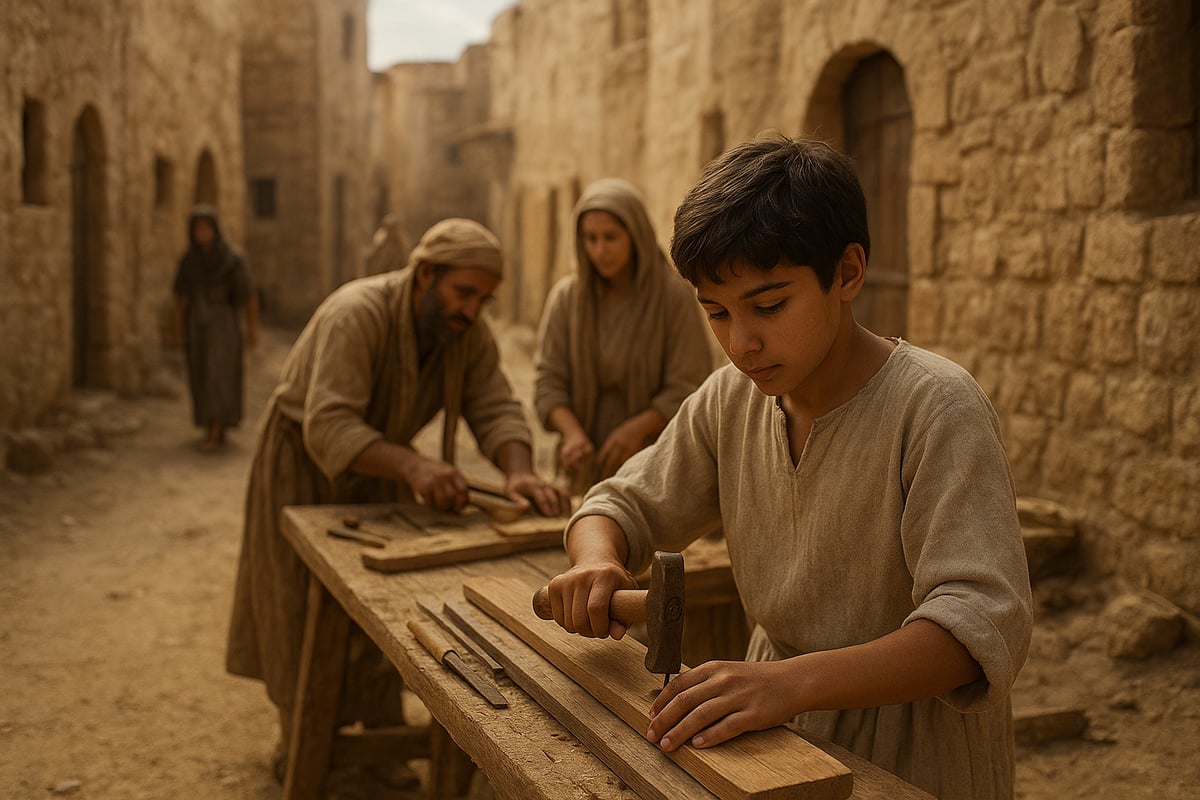
To understand the jesus hidden years, it helps to imagine life in first-century Nazareth. Jesus would have grown up in a small, tight-knit Jewish community. Family, education, and work shaped daily routines, with boys learning the Torah and practical skills from an early age.
Jewish customs expected young men to study, attend synagogue, and contribute to family trades. As the son of a carpenter, Jesus likely spent countless hours learning woodworking, supporting his household, and engaging with neighbors.
The socio-political climate was shaped by Roman occupation, adding layers of challenge and complexity to everyday life. Archaeological finds and reconstructions, such as those at Nazareth Village, help us picture the environment that influenced Jesus’ upbringing. In many ways, his formative years mirrored those of other Jewish boys, marked by faith, family, and hard work.
Enduring Questions and Modern Interest
Why do the jesus hidden years continue to intrigue us, especially today? The absence of detail invites both faith and imagination. Countless books, podcasts, and documentaries have explored the possibilities, fueling a cultural fascination that shows no sign of fading.
In 2026, this mystery resonates more than ever. People are drawn to the idea that hidden seasons can be meaningful, not wasted. The mystery of Jesus’ silent years encourages us to find value in our own quiet, unseen moments.
Works like Alicia Britt Chole’s “Anonymous” highlight how these years can inspire spiritual growth and resilience. The jesus hidden years remind us that even in times of obscurity, God is at work shaping lives, faith, and futures.
Theological Interpretations: Why the Silence?
The silence surrounding jesus hidden years has intrigued generations of believers and scholars. Why did the Gospels say so little about nearly two decades of Jesus’ life? Theological interpretations offer profound insights, exploring spiritual hiddenness, Jesus’ growth in humanity, the concept of divine timing, and the wisdom these quiet years hold for modern faith.
Spiritual Significance of Hiddenness
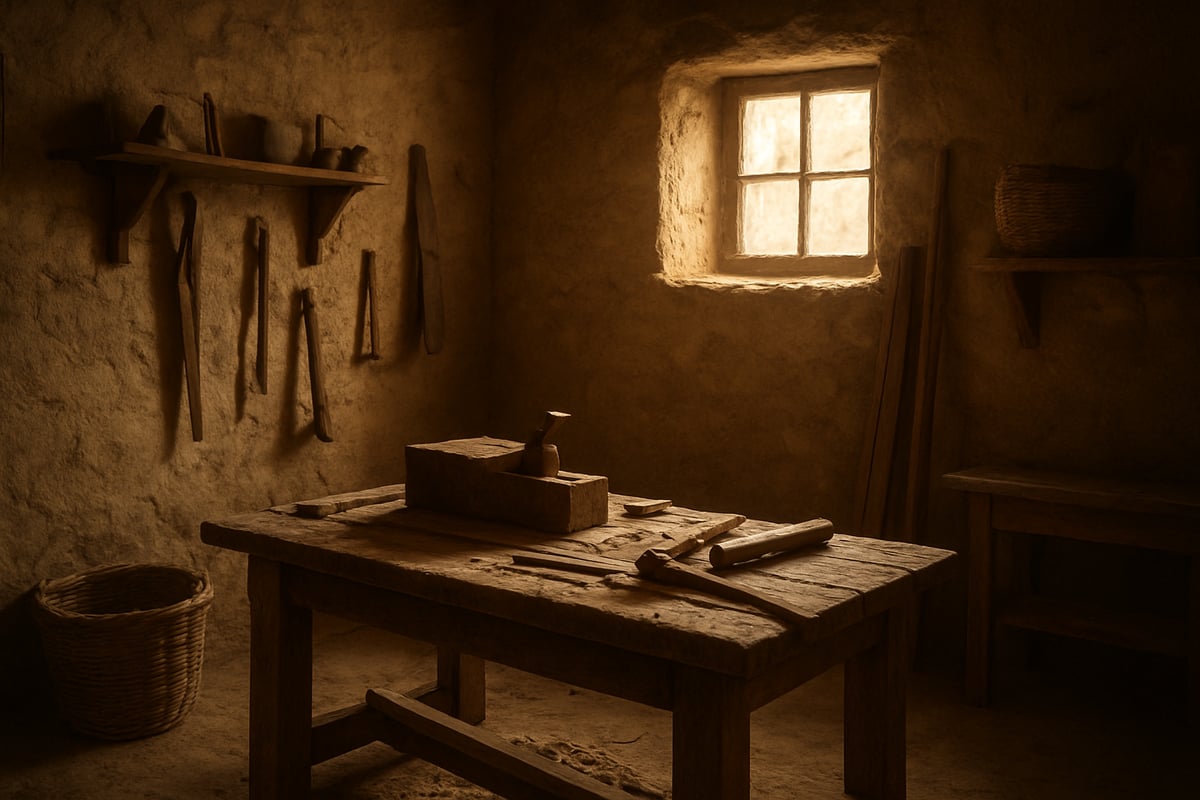
The concept of hiddenness in spiritual life is woven deeply into the story of jesus hidden years. Between ages 12 and 30, Jesus lived in relative obscurity, echoing a pattern seen in other biblical figures like Moses, David, and Paul, who also experienced formative periods away from public attention.
This hiddenness was not a void, but a season of preparation. Church Fathers often emphasized that the silence of Scripture about jesus hidden years is itself meaningful, pointing to the value of humility, patience, and quiet growth. Modern theologians echo this, teaching that "unseen does not mean unimportant." God works powerfully in secret seasons, shaping character and deepening obedience.
Alicia Britt Chole, in her reflections on spiritual anonymity, suggests that hidden years are not wasted years. Instead, they are rich with purpose, forming the foundation for future calling. This theme is further explored in The Hidden Life of Jesus: A Mystery of Humility and Holiness, which highlights how humility and obedience mark these years.
Believers today can find encouragement in jesus hidden years, especially during their own times of waiting or obscurity. Hidden seasons, far from being setbacks, are often where the deepest spiritual work is done.
The Humanity of Jesus: Growth and Maturity
Luke 2:52 tells us, "And Jesus grew in wisdom and stature, and in favor with God and man." This brief statement about jesus hidden years carries immense theological weight. These years were not lost to history, but were filled with ordinary experiences—work, family life, and participation in the community of Nazareth.
The doctrine of Jesus’ full humanity is anchored in this period. By living through the joys and struggles of daily life, Jesus sanctified the ordinary. He learned, matured, and waited patiently for God’s timing. Both Catholic and Protestant traditions teach that jesus hidden years demonstrate the importance of formation before vocation.
Many saints and spiritual writers draw parallels between jesus hidden years and their own formative seasons. These years teach us the value of patience, the necessity of learning, and the significance of trusting God’s timing. For believers, the lesson is clear: spiritual growth often happens away from the spotlight.
Divine Timing and God’s Purposes
Why did God choose to conceal jesus hidden years? The answer may be found in the biblical concept of "Kairos"—God’s appointed time. Scripture is filled with examples of leaders prepared in obscurity before stepping into their calling. Moses, for instance, spent forty years in Midian before leading Israel.
During jesus hidden years, preparation happened on every level: spiritual, emotional, and social. These quiet years allowed Jesus to grow in his relationship with God and his understanding of people. Many theologians argue that hiddenness is often the ground of readiness for public ministry.
The connection between hidden seasons and divine purpose invites reflection. God’s timing is rarely rushed. For those walking through quiet or waiting periods, jesus hidden years provide assurance that this time is not wasted, but is essential for what lies ahead.
Lessons for Modern Believers
What can contemporary Christians learn from jesus hidden years? First, these years invite us to embrace periods of obscurity as spiritually fruitful, rather than empty. Second, practicing spiritual disciplines—prayer, study, and service—during hidden seasons can deepen faith.
In a culture that values instant recognition, jesus hidden years remind us that true growth is often unseen. Testimonies from modern believers confirm that great transformation happens in silence and anonymity.
For anyone feeling overlooked or "unseen" in 2026, jesus hidden years offer hope. They show that God sees, values, and works in the quiet places of our lives. The wisdom of these years continues to shape Christian formation and spiritual imagination today.
Exploring Historical Theories and Apocryphal Accounts
The jesus hidden years have long sparked curiosity among historians, theologians, and the general public. With so little detail in the canonical Gospels, countless theories and legends have flourished. Exploring these perspectives helps us understand how different cultures, faiths, and eras have tried to fill in the silence surrounding jesus hidden years.

Non-Canonical Texts and Legends
Outside the four Gospels, numerous apocryphal writings attempt to shed light on jesus hidden years. Texts like the Infancy Gospel of Thomas and the Protoevangelium of James offer vivid stories about Jesus’ youth, including miraculous events and early displays of wisdom.
Some of these accounts describe Jesus performing extraordinary acts as a child, such as shaping birds from clay and bringing them to life. Others suggest He astounded teachers with profound knowledge. These tales, while captivating, were not included in the New Testament canon, largely due to theological and historical concerns.
The early Church Fathers often viewed these stories with skepticism, emphasizing the need to distinguish between established tradition and folklore. For example:
- Canonical Gospels: Focus on Jesus’ birth, one childhood episode, and then adulthood.
- Apocryphal Gospels: Fill gaps with miraculous and sometimes fantastical stories.
- Church’s Response: Encouraged discernment and caution regarding non-canonical sources.
While these legends reveal the enduring fascination with jesus hidden years, their historical reliability remains highly debated. They continue to inspire creative reflection, but careful discernment is essential.
Theories of Jesus’ Travels
Another intriguing area of speculation about jesus hidden years involves theories of travel to distant lands. Some suggest Jesus journeyed to India, Egypt, or even Britain, seeking spiritual wisdom or sharing teachings before His public ministry.
Supporters point to similarities between Christian and Eastern traditions, or to gaps in the biblical narrative. However, historians find little credible evidence for such journeys. Most theories arise from later writings or attempts to link Jesus to other world religions.
Key motivations behind these theories include:
- Desire to connect Jesus with global spiritual traditions
- Efforts to explain His wisdom and authority
- Popular fascination with hidden knowledge
Scholarly consensus remains skeptical, emphasizing the lack of contemporary historical records. The “Jesus in India” theory, for instance, persists in popular culture but is not supported by mainstream historians.
Despite their questionable origins, these travel legends highlight the universal appeal of jesus hidden years and the search for deeper meaning in His early life.
Jewish and Roman Historical Context
To understand jesus hidden years, it is vital to consider daily life in first-century Nazareth. As a Jewish boy, Jesus would have participated in synagogue worship, studied the Torah, and learned a trade, likely carpentry, from Joseph.
Nazareth was a small village under Roman rule, where family and community shaped identity. Jewish customs emphasized education, work, and religious observance. Archaeological reconstructions, such as those at Nazareth Village, have illuminated aspects of daily existence during this period.
Insights from historians like Josephus provide valuable context:
| Aspect | Description |
|---|---|
| Education | Torah study, memorization of scripture |
| Work | Carpentry, agriculture, family trade |
| Religion | Synagogue attendance, Jewish festivals |
| Society | Roman occupation, taxation, local governance |
The realities of jesus hidden years likely mirrored those of other Jewish boys, marked by ordinary routines, learning, and preparation for adulthood.
Modern Scholarship and Debates
Contemporary researchers continue to examine jesus hidden years through archaeology, textual studies, and interdisciplinary analysis. Recent excavations in Nazareth and Galilee have uncovered artifacts that shed light on the environment Jesus grew up in.
Academic debates often center on the historical Jesus and the extent to which we can reconstruct His early life. While some claim new findings support unique theories, most scholars agree that concrete details remain elusive.
Recent books and documentaries have reignited interest, encouraging both skepticism and creative exploration. Interdisciplinary approaches, drawing from history, theology, and sociology, aim to provide a fuller picture of jesus hidden years.
As scholarship advances, future discoveries may further illuminate this formative period. For those seeking spiritual lessons from jesus hidden years, resources like What Jesus' Hidden Years Reveal About Our Ordinary Work offer thoughtful perspectives on integrating faith into daily life.
Spiritual Applications: What Jesus’ Hidden Years Mean for Us Today
Periods of silence and obscurity can feel unsettling, especially in a world that values constant visibility. Yet the jesus hidden years offer believers a profound model for embracing seasons of quiet growth and unseen preparation. By reflecting on these formative years, we can discover rich spiritual insights and practical applications for our own faith journeys.
Embracing Hidden Seasons in Personal Faith
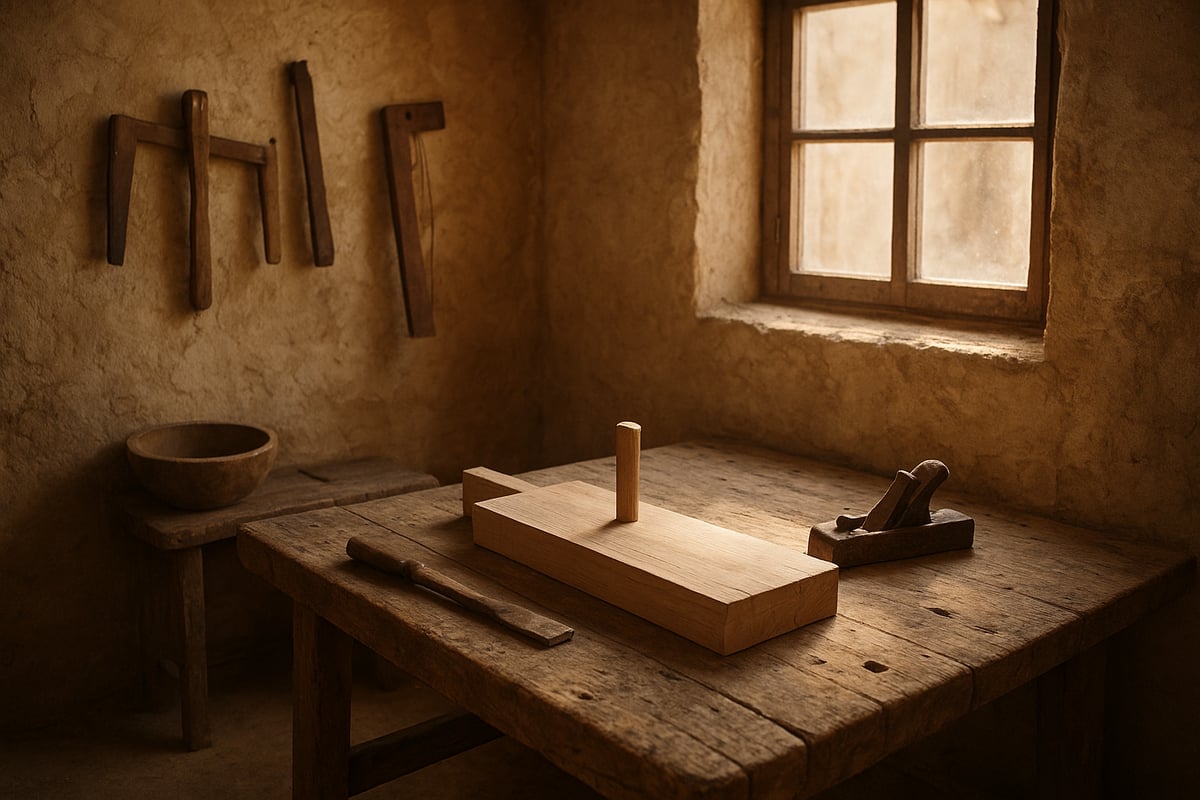
The jesus hidden years remind us that spiritual growth often takes place away from public attention. Like Jesus in Nazareth, many believers experience times when their efforts, prayers, or callings seem unnoticed. These seasons are not wasted. Instead, they prepare us for future fruitfulness and deepen our relationship with God.
Practices for embracing hidden seasons include:
- Daily reflection and prayer, focusing on God’s presence in the ordinary
- Journaling to track spiritual growth and moments of insight
- Seeking wisdom from mentors or spiritual companions
The Carmelite tradition, for example, celebrates the value of “hiddenness” as fertile ground for transformation. Exploring Carmelite Spirituality and Hiddenness can offer further guidance on finding meaning in these quiet times. Embracing the jesus hidden years as a model helps us trust that God is at work, even when life feels still.
Formation of Character and Identity
During the jesus hidden years, Jesus likely learned skills, developed character, and shaped his identity through daily life. For believers, seasons of obscurity are opportunities to cultivate humility, patience, and resilience. The lessons gained in private often become the foundation for future service and leadership.
Key aspects of character formation include:
- Practicing humility and accepting small tasks with gratitude
- Developing perseverance in the face of delay or disappointment
- Building inner strength through discipline and self-awareness
Biblical figures like Joseph and David also experienced hidden years before stepping into their callings. Their stories mirror the jesus hidden years, illustrating that God values the unseen work of preparation. As we nurture our identity in Christ, we find security not in recognition, but in faithful stewardship of each day.
Overcoming Modern Pressures for Visibility
In 2026, the push for visibility is greater than ever. Social media and digital platforms encourage constant sharing, making seasons of hiddenness feel countercultural. The jesus hidden years challenge us to resist the urge for premature recognition and to value spiritual maturity over public acclaim.
Strategies for navigating these pressures:
- Setting boundaries on digital engagement to foster inner quiet
- Practicing the discipline of silence and solitude
- Reminding ourselves that true worth is found in God’s eyes, not in likes or followers
Many Christian traditions encourage humility as a path to deeper joy and freedom. Remembering the jesus hidden years can inspire us to prioritize authenticity and growth over external validation. Modern testimonies show that those who embrace hiddenness often emerge with greater clarity and purpose.
Integrating Lessons into Daily Life
Applying the insights from the jesus hidden years requires intentionality. Spiritual disciplines such as prayer, study, meaningful work, and acts of service anchor us during quiet periods. Building supportive faith communities offers encouragement and accountability.
Practical steps for integration:
- Join or start a small group focused on exploring hidden seasons
- Set realistic expectations for spiritual progress, avoiding comparison
- Use resources like guided reflections or retreats to deepen understanding
By weaving the lessons of the jesus hidden years into daily routines, believers can cultivate resilience and hope. These hidden seasons, though often challenging, are essential for lasting transformation and fruitful service.
Contemporary Insights and New Perspectives for 2026
Understanding the jesus hidden years has become a focal point in contemporary scholarship and faith discussions as we approach 2026. These years, once shrouded in mystery, are now illuminated by new research, media, and spiritual reflection. What do these insights mean for believers and seekers today? Let us explore how fresh perspectives are shaping our understanding and personal growth.
Recent Scholarship and Emerging Theories
The last few years have seen a surge in academic interest regarding the jesus hidden years. Scholars have revisited archaeological digs in Nazareth, uncovering artifacts that shed light on daily life during Jesus’ youth. Recent publications highlight how advances in biblical studies, anthropology, and historical research are refining our understanding.
For example, conferences in 2024 and 2025 brought together historians and theologians to debate the implications of these findings. Some experts argue that the jesus hidden years were marked by rigorous Torah study and skilled craftsmanship, while others focus on the broader cultural influences present in Galilee.
A key trend is the move towards interdisciplinary research, combining textual analysis with archaeology and social sciences. Notable books, such as "Nazareth: Jesus’ Hometown Revisited" (2023), offer fresh perspectives on how Jesus’ environment shaped his later ministry. As academic consensus shifts, the jesus hidden years are no longer seen as a void, but as a wellspring of formative experience.
The Hidden Years in Popular Culture and Media
The jesus hidden years have also captured the imagination of popular culture. Recent documentaries, films, and podcasts delve into the possibilities of Jesus’ early life, sparking public curiosity. Streaming platforms have featured series exploring childhood events, daily routines, and the silent years between the Temple and public ministry.
Alicia Britt Chole’s “Anonymous” series, for instance, has influenced countless viewers by highlighting the spiritual depth found in obscurity. Online courses and workshops invite participants to reflect on what the jesus hidden years might mean for their own journeys.
Christian education programs now include modules on the hidden years, encouraging deeper study and personal application. This trend demonstrates how the mystery of the jesus hidden years continues to inspire, challenge, and inform faith practices in 2026.
Reflections from Faith Leaders and Theologians
Faith leaders across denominations are re-examining the spiritual value of the jesus hidden years. Contemporary theologians emphasize that these years reveal God’s love for humility, preparation, and unseen growth. Sermon series and church retreats now focus on how hiddenness shapes character and faith.
Catholic, Protestant, and Orthodox teachers agree that the jesus hidden years offer vital lessons for spiritual formation. Many draw on resources like the Litany of Humility Prayer Card to encourage believers to embrace seasons of obscurity. Others reference articles such as Jesus Reveals God in Hiddenness to explore theological insights on God’s work in the unseen.
By reflecting on these years, faith communities rediscover the importance of patience, humility, and trust. The jesus hidden years are increasingly viewed as a model for personal and communal growth.
Personal Growth and Community Implications
As interest in the jesus hidden years grows, individuals and churches are integrating these insights into daily life. Retreats and workshops centered on the hidden years invite participants to find meaning in waiting and preparation. These events foster resilience and perseverance, reminding believers that spiritual growth often happens away from the spotlight.
Faith communities are building spaces where hiddenness is valued. Small groups discuss how the jesus hidden years can guide expectations for leadership and service. Resources for churches and families encourage practices like reflection, study, and service during quiet seasons.
The jesus hidden years, once a source of speculation, now serve as a wellspring for personal transformation and community renewal. By embracing these lessons, believers are equipped to navigate the challenges of modern life with hope and wisdom.
Frequently Asked Questions About Jesus’ Hidden Years
Curiosity about the jesus hidden years remains strong, especially as new research and cultural interest surge in 2026. Below, we address the most common questions to help you explore this intriguing period of Jesus' life.
What Do the Gospels Say About Jesus’ Hidden Years?
The Gospels provide only a few glimpses into the jesus hidden years. Luke 2:41-52 recounts Jesus at age 12 in the Temple, impressing teachers with his understanding. After this, the Gospels are silent about his life until he begins his ministry around age 30.
This notable gap has led scholars to consider why the Gospel writers focused on Jesus’ public ministry rather than his early adulthood. The silence may point to theological reasons, emphasizing the significance of his mission rather than daily details. Scholars and theologians continue to debate the implications, but the lack of information only deepens the mystery of the jesus hidden years.
Did Jesus Travel or Study Abroad During These Years?
Many theories have emerged about the jesus hidden years, with some suggesting that Jesus traveled to places like India, Egypt, or even Britain. However, there is no historical evidence to confirm these journeys. The Gospels do not mention such travels, and early church tradition holds that Jesus remained in Nazareth.
Despite the popularity of these theories in literature and popular culture, most scholars agree that Jesus likely spent his formative years in his hometown. The fascination with these travel stories reflects a desire to fill the gaps in the narrative of the jesus hidden years, but they remain speculative.
What Can We Learn From Jesus’ Hidden Years?
The jesus hidden years offer profound lessons about patience, preparation, and the spiritual value of ordinary life. During this time, Jesus grew in wisdom and stature, as noted in Luke 2:52. His hidden years remind believers that unseen seasons can be just as important as public ones.
Applying these insights, many find value in spiritual disciplines like prayer and meditation. For those seeking ways to deepen their faith in quiet times, Scriptural Rosary Reflections can help guide meditation and reflection, echoing the rhythm of Jesus’ own hidden years.
Are There Any Reliable Historical Sources Outside the Bible?
When investigating the jesus hidden years, some turn to apocryphal texts such as the Infancy Gospel of Thomas or the Gospel of James. These stories include miraculous childhood events, but they are not considered reliable by most historians or the Church.
Other sources, like Jewish historian Josephus, provide context for first-century Galilee but do not mention Jesus’ early life. Archaeological findings have helped reconstruct daily life in Nazareth, offering indirect insights into the jesus hidden years, yet direct historical records remain elusive.
How Can I Apply the Lessons of Hiddenness in My Own Life?
The jesus hidden years encourage us to embrace seasons of obscurity as times of growth and preparation. Rather than rushing toward recognition, believers can focus on spiritual practices such as prayer, study, and service. Building supportive faith communities is also vital.
Resources like Scriptural Rosary Reflections can nurture deeper meditation, making hidden seasons spiritually fruitful. These practices help set realistic expectations and foster resilience, inspired by the example of the jesus hidden years.
Why Is There Renewed Interest in the Hidden Years in 2026?
Interest in the jesus hidden years has grown due to cultural shifts and a search for deeper meaning in an age of constant visibility. Digital life often prioritizes public achievement, but many are now rediscovering the value of hiddenness through books, podcasts, and documentaries.
Recent scholarship and fresh spiritual resources have also contributed to this renewed fascination. The jesus hidden years resonate with those facing transitions, encouraging believers to trust in unseen seasons for spiritual formation and growth.
As we reflect on Jesus hidden years and the profound lessons they offer for personal growth and faith, you might find yourself inspired to explore more about the saints who also journeyed through seasons of waiting and preparation. Their stories can shed even more light on how God works through hiddenness, humility, and daily life. If you are eager to deepen your understanding and connect these insights to the lives of those who have walked this path before, I encourage you to Explore Catholic Saints. Their journeys can truly enrich your own spiritual walk.
