

Eucharistic miracles have captivated believers for centuries, offering profound moments that strengthen faith and deepen devotion. As 2026 approaches, more Catholics are searching for a trustworthy miracles of the eucharist book to explore these remarkable events. The right resources not only illuminate the Church’s teachings but also inspire reverence and provide essential historical and theological context. In this article, you’ll discover a curated selection of the seven best miracles of the eucharist book options for 2026, each offering unique features, benefits, and fresh insights to enrich your spiritual journey.
Why Read About Eucharistic Miracles?
The topic of miracles of the eucharist book selection is deeply rooted in Catholic tradition. These books do more than recount extraordinary events. They connect readers to the Church’s enduring belief in the Real Presence, inspire devotion, and address questions of faith and reason. Exploring these texts offers a unique opportunity to witness the intersection of history, theology, and personal transformation.
Theological Significance of Eucharistic Miracles
Eucharistic miracles have always played a crucial role in affirming the Catholic doctrine of the Real Presence. These remarkable events, such as the Eucharistic miracle of Lanciano, reinforce the teaching that Christ is truly present in the Eucharist, body, blood, soul, and divinity.
Church documents and papal statements consistently highlight the importance of these miracles. For example, the miracle at Bolsena-Orvieto inspired the Feast of Corpus Christi. By reading a miracles of the eucharist book, Catholics gain insight into how the Church interprets and upholds these extraordinary signs. This theological context deepens faith and encourages a more profound reverence for the Sacrament.
Spiritual and Educational Benefits
Engaging with a miracles of the eucharist book nurtures personal faith and devotion. These accounts inspire awe, deepen prayer life, and provide concrete examples of God’s intervention. Catechists, teachers, and families use these stories to make abstract beliefs tangible for all ages.
Books on Eucharistic miracles are valuable resources in religious education, especially for youth and RCIA programs. They offer relatable stories that spark discussion and reflection. When choosing a miracles of the eucharist book, readers find tools for spiritual growth and effective catechesis, making complex doctrine accessible and memorable.
Contemporary Relevance
In today’s world, skepticism about the supernatural is common. A well-researched miracles of the eucharist book offers credible, documented accounts to counter doubts and questions. Modern readers, especially those involved in apologetics, benefit from clear explanations and scientific analysis of these events.
Interest in Eucharistic miracles is rising, as shown by increased searches and Catholic publisher reports. These books serve as powerful apologetic tools, equipping Catholics for interfaith dialogue. By presenting compelling evidence, they help bridge faith and reason, making the message relevant for contemporary audiences.
Choosing the Right Resources
Selecting the best miracles of the eucharist book involves careful consideration. Look for works by credible authors, ideally with Church approval or endorsements. Historical accuracy, readability, and theological soundness are essential qualities.
Diverse perspectives from theologians, journalists, clergy, and lay witnesses enrich the reading experience. Consider resources that are accessible for different audiences, including illustrated volumes for families or academic texts for advanced study. For a comprehensive introduction, the Miracles of the Eucharist overview provides valuable guidance on trusted titles and their unique features.
7 Essential Miracles of the Eucharist Book Picks for 2026
For Catholics seeking to deepen their understanding and devotion, selecting the right miracles of the eucharist book can be transformative. With so many titles available, it can be challenging to find those that truly stand out for 2026. Below, discover seven essential picks—each offering unique insights, historical depth, and spiritual inspiration.
1. Eucharistic Miracles: And Eucharistic Phenomena in the Lives of the Saints by Joan Carroll Cruz
This classic miracles of the eucharist book remains a staple for those beginning their journey. Priced around $18, it features a comprehensive collection of documented miracles, detailed illustrations, and rich historical analysis. Cruz’s accessible narrative ensures readers of all backgrounds can engage deeply.
- Core Features: Over 35 miracles, vivid illustrations, historical context.
- Key Benefits: Trusted research, clarity, approachable style.
- Target Audience: Catholics, catechists, RCIA candidates, newcomers.
- Pros: Well-researched, easy to read, covers ancient and modern events.
- Cons: Some accounts may not include the most recent discoveries.
Choosing this miracles of the eucharist book offers a solid foundation for anyone curious about the faith’s most enduring mysteries. Many saints featured here also appear in the Catholic saints book collection, providing further reading for those inspired by these stories.
2. The Eucharistic Miracles of the World: Catalogo by The Pontifical Academy Cultorum Martyrum and Carlo Acutis
For readers seeking an official, Vatican-endorsed miracles of the eucharist book, this hardcover collection is unmatched. Curated by Blessed Carlo Acutis, it draws on global sources and presents miracles with lavish photography and authoritative documentation.
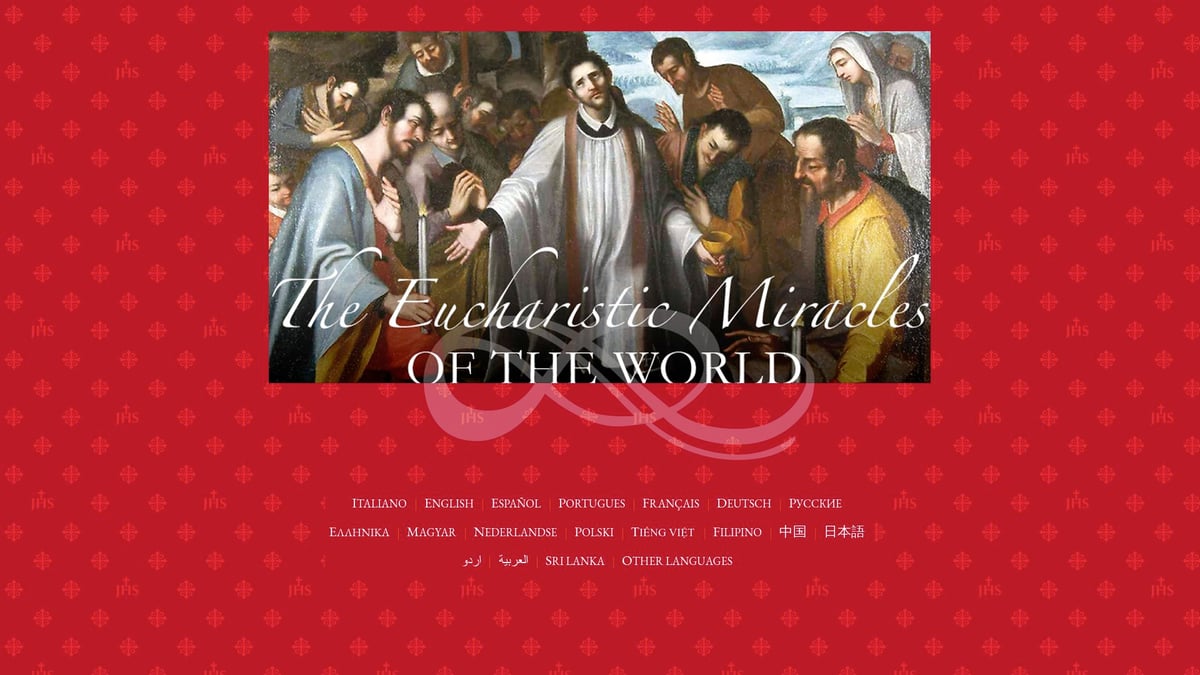
- Core Features: Wide geographic range, official Church support, multilingual editions.
- Key Benefits: Stunning visuals, credibility, comprehensive scope.
- Target Audience: Parishes, schools, families, pilgrimage groups.
- Pros: Church-backed, global coverage, visually captivating.
- Cons: More reference-oriented, less narrative-driven.
This miracles of the eucharist book is ideal for group study or display, making it a centerpiece for community faith formation and personal devotion alike.
3. Miracles of the Eucharist by Bob and Penny Lord
Bob and Penny Lord bring a personal touch to the miracles of the eucharist book genre, sharing eyewitness accounts and in-depth research from their own pilgrimages. At around $16, it comes with unique photos and a DVD companion, adding a multimedia dimension.
- Core Features: Firsthand stories, exclusive images, DVD option.
- Key Benefits: Engaging storytelling, devotional focus, trusted authorship.
- Target Audience: Devout Catholics, study groups, inspiration seekers.
- Pros: Eyewitness perspective, practical insights, bundled media.
- Cons: Selective coverage, not every global miracle included.
This miracles of the eucharist book is perfect for those who enjoy vivid, personal stories and want to feel part of the living tradition of faith.
4. Eucharistic Miracles: Inspiring Stories of Faith by Fr. Robert Spitzer, SJ
Fr. Spitzer’s miracles of the eucharist book stands out for its focus on scientific analysis and apologetics. At $17.95, it bridges the gap between faith and reason, appealing to skeptics, students, and anyone interested in the intersection of science and spirituality.
- Core Features: Modern scientific evidence, transformation stories, apologetic clarity.
- Key Benefits: Appeals to science-minded readers, strengthens faith through reason.
- Target Audience: High school/college students, apologetics groups, seekers.
- Pros: Scientific rigor, relevant for today’s audience, clear explanations.
- Cons: Analytical style, less traditional storytelling.
For readers interested in the scientific side, this miracles of the eucharist book pairs well with resources like scientific analysis of Eucharistic miracles, offering a fuller understanding of these extraordinary events.
5. This Is My Body: Miracles of the Eucharist by Michael Freze, S.F.O.
Freze’s miracles of the eucharist book is concise and accessible, making it ideal for parish libraries and newcomers. Priced at $14.95, it connects scriptural themes to contemporary miracles in a readable format.

- Core Features: Brief summaries, scriptural links, modern examples.
- Key Benefits: Easy to digest, practical application, scriptural grounding.
- Target Audience: Parishioners, catechists, those new to the topic.
- Pros: Short chapters, recent events, useful for quick study.
- Cons: Less detail, fewer in-depth historical insights.
This miracles of the eucharist book makes complex topics approachable without overwhelming readers, perfect for those starting their exploration.
6. A Scriptural Guide to the Miracles of the Eucharist by Fr. John A. Hardon, SJ
Fr. Hardon’s miracles of the eucharist book is a theological deep dive, priced at $12 in booklet form. With strong scriptural analysis and doctrinal commentary, it’s designed for those who want to connect Eucharistic miracles to the teachings of the Church.
- Core Features: Scriptural analysis, Church teaching, concise format.
- Key Benefits: Ideal for Bible study, doctrinal strength.
- Target Audience: Bible study leaders, theology students, clergy.
- Pros: Deep scriptural focus, concise, authoritative.
- Cons: More academic, minimal visual content.
This miracles of the eucharist book is best for those looking to enrich their scriptural understanding and lead others in study.
7. Eucharistic Miracles and Eucharistic Phenomena in the Lives of the Saints for Children by Joan Carroll Cruz
Cruz’s miracles of the eucharist book for children adapts powerful stories for younger readers. At $16.95, it uses illustrations and simple language to make the miracles accessible and engaging.
- Core Features: Age-appropriate stories, colorful illustrations, educational activities.
- Key Benefits: Perfect for families, educators, and Catholic schools.
- Target Audience: Children, parents, catechists, elementary teachers.
- Pros: Engaging visuals, easy to read, educational.
- Cons: Simplified content, best for younger ages.
This miracles of the eucharist book is a valuable tool for introducing children to the wonders of the faith in a way that is both meaningful and memorable.
Comparison Table: 7 Essential Miracles of the Eucharist Book Picks
| Book Title | Author(s) | Price | Best For | Unique Feature |
|---|---|---|---|---|
| Eucharistic Miracles: And Eucharistic Phenomena in the Lives of the Saints | Joan Carroll Cruz | ~$18 | Beginners, catechists | Classic, comprehensive |
| The Eucharistic Miracles of the World: Catalogo | Pontifical Academy, Carlo Acutis | $30-$45 | Groups, families | Official Vatican, global |
| Miracles of the Eucharist | Bob & Penny Lord | ~$16 | Devotional readers | Eyewitness, multimedia |
| Eucharistic Miracles: Inspiring Stories of Faith | Fr. Robert Spitzer, SJ | $17.95 | Science-minded, students | Scientific analysis |
| This Is My Body: Miracles of the Eucharist | Michael Freze, S.F.O. | $14.95 | Newcomers, parishes | Concise, practical |
| A Scriptural Guide to the Miracles of the Eucharist | Fr. John A. Hardon, SJ | $12.00 | Bible study, clergy | Scriptural focus |
| Eucharistic Miracles for Children | Joan Carroll Cruz | $16.95 | Families, children | Child-friendly, illustrated |
Choosing the right miracles of the eucharist book can inspire, educate, and strengthen faith for every member of the Catholic community. Whether you seek historical depth, scientific insight, or family-friendly stories, these seven picks offer the best starting points for 2026.
How to Use Eucharistic Miracle Books for Faith Formation
Using a miracles of the eucharist book can transform faith formation in parishes, schools, and homes. These books offer practical tools to deepen understanding and inspire devotion at every age. By combining reading, discussion, and multimedia, you can make the wonders of the Eucharist come alive for your community.
Integrating Books into Parish and School Programs
Incorporating a miracles of the eucharist book into parish and school programs brings the doctrine of the Real Presence to life for all ages. Catechists can select age-appropriate stories and use them as opening reflections in classes or RCIA sessions. Many parishes have launched successful Eucharistic miracle retreats or themed weeks, where students read, discuss, and present miracle accounts. For youth ministry, interactive activities such as group storytelling or creating visual displays based on miracle narratives foster engagement. By weaving these resources into curricula, educators provide historical context and personal witness, ensuring the miracles of the eucharist book resonates with diverse learners.
Family and Personal Devotion
Bringing a miracles of the eucharist book into family life strengthens bonds and nurtures faith together. Families can set aside a weekly night to read and discuss a miracle story, encouraging each member to share their thoughts and questions. Some books include discussion guides and prayer reflections, making it easy to connect the stories to daily life. Parents report that reading about Eucharistic miracles with children sparks curiosity and builds reverence for the Blessed Sacrament. Personal devotion also grows as individuals reflect on these accounts, using them as inspiration for prayer, meditation, or journaling.
Enhancing Apologetics and Evangelization
A miracles of the eucharist book serves as an effective tool for apologetics and evangelization. When questions arise from skeptics or non-Catholics, sharing well-documented miracle stories can clarify Catholic beliefs about the Eucharist. Small groups or apologetics classes benefit from structured reading and discussion, using miracle accounts as starting points for deeper exploration of Church teaching. These books also help RCIA participants address doubts, drawing on the historical and scientific evidence presented. By equipping the faithful with credible resources, the miracles of the eucharist book empowers Catholics to confidently share and defend their faith.
Digital and Multimedia Integration
To maximize impact, combine a miracles of the eucharist book with multimedia resources. Many books now offer companion DVDs, online videos, or interactive guides for group study. Incorporating virtual experiences, such as Virtual Catholic pilgrimages, allows students and families to explore miracle sites worldwide from home or classroom. These digital tools appeal to visual and tech-savvy learners, making the stories more accessible and memorable. By leveraging online resources, parishes and families can create dynamic, faith-filled learning environments that bring Eucharistic miracles vividly to life.
Tips for Selecting the Best Miracles of the Eucharist Book
Choosing the right miracles of the eucharist book can make a significant difference in your spiritual journey and understanding. With so many options available, it is important to assess each title using clear, reliable criteria.
When evaluating a miracles of the eucharist book, consider these essential factors:
- Author credibility: Look for books written by respected theologians, clergy, or recognized Catholic authors. Check for Church approval, such as an Imprimatur or Nihil Obstat, which signals doctrinal soundness.
- Content depth: Match the book’s complexity to your needs. Beginners may prefer accessible overviews, while advanced readers might want in-depth theological studies.
- Format and presentation: Decide if you need a print, digital, illustrated, or multimedia edition. Visual learners may benefit from books with photographs or diagrams.
- Up-to-date information: Ensure the book includes recent miracles and latest research. Some titles only cover older events, so verify the publication date.
- Supplementary resources: Study guides, discussion questions, or companion DVDs can enrich your reading experience, especially for group study or catechesis.
- Reviews and testimonials: Seek feedback from trusted Catholic sources and communities. Well-reviewed books are more likely to offer valuable insights.
- Cost and value: Compare prices and look for discounts or bundled offers to maximize value.
For a deeper understanding of how the Church recognizes such events, consult resources like Eucharistic miracles reported worldwide, which discuss official recognition and global reports.
By following these tips, you will find a miracles of the eucharist book that is both authoritative and inspiring, perfectly suited to your faith journey.
Frequently Asked Questions About Miracles of the Eucharist Books
Curious about what makes a miracles of the eucharist book credible or how these accounts are recognized by the Church? Here are answers to the most common questions:
-
What makes a miracles of the eucharist book authoritative?
Look for books with Church approval, such as an Imprimatur or Nihil Obstat, and those written by respected theologians or Church historians. -
Are these miracles recognized by the Catholic Church?
Many documented miracles have undergone careful Church investigation and have been officially recognized as authentic signs of the Real Presence. -
How can I verify the accuracy of miracle accounts?
Compare sources, seek out books with references, and consult reputable historical records such as the Eucharistic miracle of Santarém for additional context. -
Can these books be used in official catechesis?
Yes, many are suitable for catechetical use, especially those with Church endorsements and sound theology. -
Where can I find more resources on Eucharistic miracles?
Explore publisher websites, diocesan libraries, and trusted Catholic educational platforms for further reading.
As you reflect on the incredible stories and deep spiritual insights shared throughout these seven book recommendations, remember that exploring Eucharistic miracles isn’t just about reading—it’s about encountering the heart of our Catholic faith in a living, personal way. Whether you’re seeking to enrich your own devotion, inspire your family, or bring meaningful resources to your parish, you’ll find a wealth of carefully curated books and materials ready to support your journey. If you’re ready to discover more or find the perfect title to continue your exploration, I invite you to Explore Eucharistic Miracles.