

Across the world, devotion to our lady of the eucharist continues to captivate and inspire millions of Catholics. This title invites the faithful to contemplate the profound mystery of Mary’s role in the life of Christ and the Church.
In this comprehensive guide, you will explore the meaning, history, and devotional practices surrounding our lady of the eucharist. Whether you seek a deeper understanding or wish to renew your faith, this resource offers practical insights for 2026.
Discover how this devotion has shaped communities, enriched spiritual journeys, and fostered both personal and collective transformation. Take the next step in your spiritual growth by exploring the origins, theological foundations, and practical ways to honor our lady of the eucharist today.
The Meaning of "Our Lady of the Eucharist"
The title "Our Lady of the Eucharist" captivates the hearts of Catholics globally, inviting believers to contemplate Mary’s unique place in Eucharistic mystery. By reflecting on this title, the faithful are drawn deeper into the heart of Catholic worship, recognizing how Mary’s role as Mother of Christ intimately connects her to the sacrament of the altar.
Origins and Theological Foundations
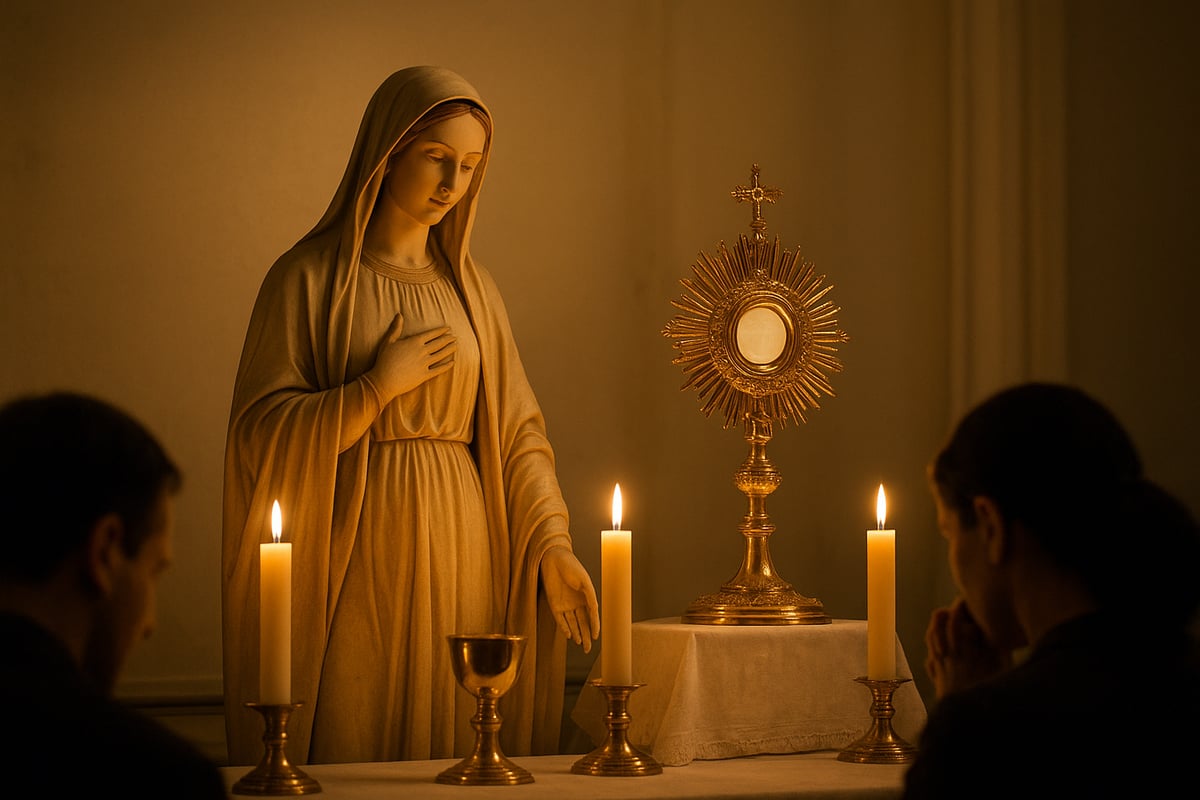
"Our Lady of the Eucharist" is a Marian title that highlights Mary’s profound relationship with the Holy Eucharist. Its origins are rooted in Scripture, particularly in the Annunciation, where Mary’s fiat allowed the Word to become flesh. As the Mother of Christ, she became the first to carry Jesus physically, foreshadowing her role in Eucharistic mystery.
Church teachings have long emphasized how Mary’s yes enabled the Incarnation, which is made present at every Mass. Papal documents from recent decades, especially those issued between 2020 and 2025, increasingly reference Marian-Eucharistic devotion. These documents stress that honoring our lady of the eucharist deepens understanding of Christ’s real presence.
The symbolism of Mary as the "first tabernacle" is central to this devotion. Just as the tabernacle in a church holds the Blessed Sacrament, Mary’s womb was the first vessel for the living Christ. Saints such as St. Alphonsus Liguori and St. John Paul II have written extensively about this connection, underscoring that our lady of the eucharist reveals the inseparability of Mary and the Eucharist.
Comparing Marian titles, such as "Our Lady of Fatima" or "Our Lady of the Blessed Sacrament," reveals that many highlight Mary’s role in leading the faithful to Christ in the Eucharist. For a deeper exploration of these theological roots, the Theological foundations of 'Our Lady of the Blessed Sacrament' offers valuable scholarly insight into the historical and spiritual development of this devotion.
Recent Vatican statistics show a marked increase in references to Marian-Eucharistic spirituality, reflecting a global resurgence in this form of devotion. This trend demonstrates the Church’s ongoing commitment to fostering a deeper love for both Mary and the Eucharist.
Key Messages and Spiritual Significance
Invoking our lady of the eucharist carries profound spiritual meaning. This title encourages the faithful to approach the Eucharist with Mary’s humility, receptivity, and love. Through her example, believers are invited to receive Christ with open hearts, just as Mary did at the Annunciation.
Devotion to our lady of the eucharist fosters a deeper love for the Blessed Sacrament. Many Catholics find that meditating on Mary’s presence at the foot of the Cross and her ongoing spiritual motherhood leads them to greater reverence at Mass and during Eucharistic Adoration.
Mary’s role as a guide is central to this spirituality. Theologians and clergy often describe her as leading the faithful directly to her Son, present in the Eucharist. Prayers such as the "Litany of Our Lady of the Eucharist" and special litanies used during Eucharistic Holy Hours reflect this guidance.
Consider these common ways the faithful honor our lady of the eucharist:
- Praying Marian-Eucharistic litanies and chaplets
- Participating in Eucharistic processions with Marian hymns
- Meditating on Mary’s presence in the mysteries of the Rosary, especially the Institution of the Eucharist
Clergy and theologians consistently affirm the transformative power of this devotion. By turning to our lady of the eucharist, individuals and communities experience renewed faith, greater unity, and a stronger desire to serve Christ. Such devotion is a spiritual bridge, drawing hearts closer to the sacramental life of the Church.
Historical Development and Marian Apparitions
The devotion to our lady of the eucharist has deep roots in Christian history, tracing its evolution from the early Church to the present day. This journey is marked by significant milestones, influential saints, and profound events that shaped Catholic spirituality.
Early Church to Modern Era
From the earliest days of Christianity, the faithful recognized the unique bond between Mary and the Eucharist. The title our lady of the eucharist emerges from this recognition, rooted in Mary's role as the Mother of Christ, whose body and blood are made present in every Mass.
Early Church Fathers, such as St. Ambrose and St. Ephrem, wrote about Mary as the first tabernacle, holding Jesus within her womb. This image underscores her intimate participation in the mystery of the Eucharist. Over centuries, theologians and saints expanded on this understanding, emphasizing that our lady of the eucharist models perfect adoration and surrender to God's will.
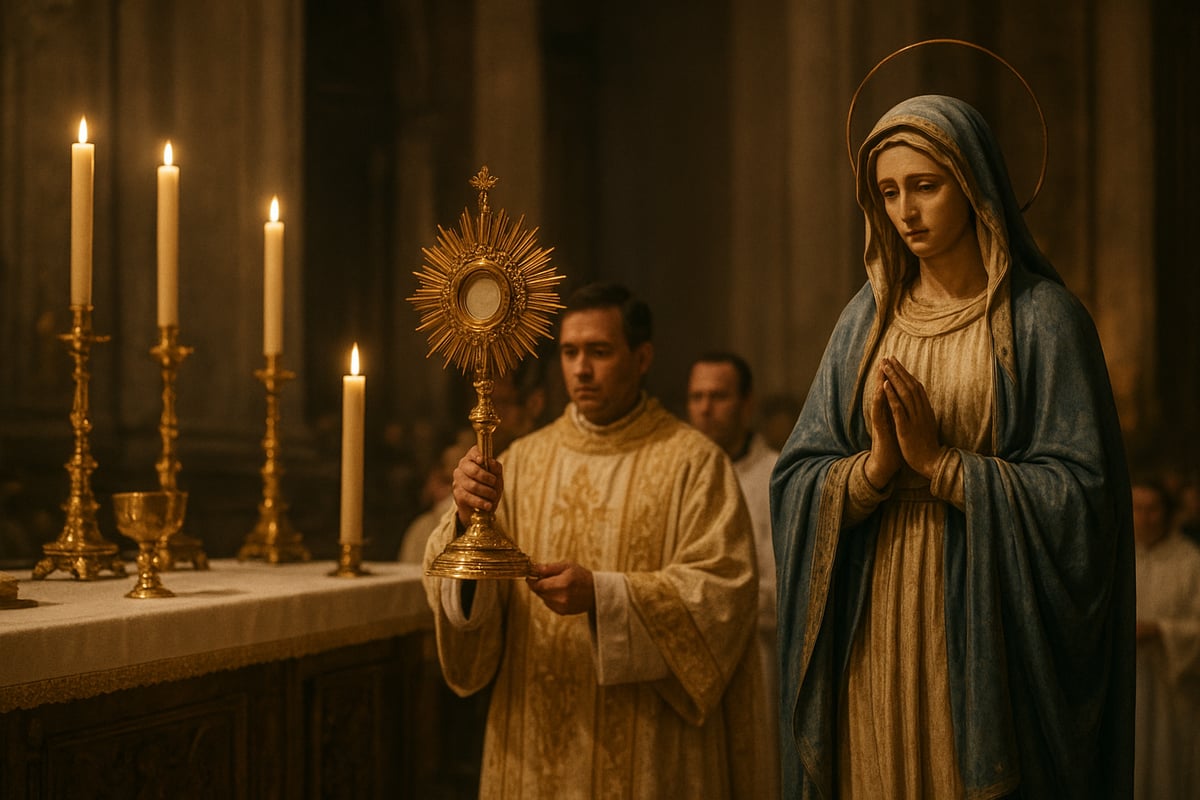
Throughout medieval and Renaissance Europe, Marian feasts often coincided with Eucharistic celebrations, reinforcing their spiritual connection. For example, the Feast of the Assumption frequently included special Eucharistic processions, highlighting Mary's role in salvation history and her relationship to the Blessed Sacrament.
Church councils and papal documents have further solidified this link. Pope John Paul II, in his encyclical "Ecclesia de Eucharistia," referred to Mary as the "Woman of the Eucharist," calling the faithful to contemplate her example. Recent Vatican documents (2020–2025) show a rise in references to our lady of the eucharist, reflecting renewed global interest in this devotion.
A quick timeline helps illustrate these key moments:
| Era | Marian-Eucharistic Milestone |
|---|---|
| Early Church | Mary as first tabernacle, writings of Church Fathers |
| Middle Ages | Marian feasts with Eucharistic processions |
| Modern Papal Teaching | "Ecclesia de Eucharistia," Vatican II Marian documents |
Today, the devotion to our lady of the eucharist continues to inspire Catholics to deepen their love for the Eucharist by reflecting on Mary's unique witness.
Apparitions and Messages
Marian apparitions have played a vital role in fostering devotion to our lady of the eucharist. Among the most influential is the series of apparitions at Fatima in 1917, where both the Virgin Mary and the Angel of Peace emphasized Eucharistic prayer and adoration.
Before the main apparitions, the Angel of Peace appeared to the Fatima children in 1916, teaching them prayers centered on the Eucharist: "Most Holy Trinity, I adore You! My God, my God, I love You in the Most Blessed Sacrament!" These prayers remain integral to Marian-Eucharistic devotion and are echoed in the National Eucharistic Revival.
During the Fatima apparitions, Mary called for reparation, conversion, and adoration of Jesus present in the Eucharist. She urged the faithful to receive Holy Communion with devotion, especially on First Saturdays, linking her requests to Eucharistic worship.
Other apparitions, such as Lourdes and Guadalupe, also highlight the importance of the Eucharist, though Fatima stands out for its explicit focus. The ongoing influence of these events is seen in contemporary Catholic practice, where Marian-Eucharistic devotions continue to flourish worldwide.
The impact of Fatima endures today, with resources like the Our Lady of Fatima hologram card helping to keep the messages of our lady of the eucharist alive for new generations.
In recent years, Pope Francis has consecrated the world to Mary, frequently invoking her as our lady of the eucharist in prayers for peace and unity. These gestures reinforce the Church's belief that Mary leads the faithful ever closer to Christ in the Blessed Sacrament.
Through apparitions, prayers, and Church initiatives, our lady of the eucharist continues to guide Catholics to a deeper encounter with Jesus, sustaining the Church in every age.
Devotional Practices to Our Lady of the Eucharist
Nurturing a vibrant devotion to our lady of the eucharist invites both personal transformation and communal renewal. Across the globe, Catholics are rediscovering this powerful Marian title through a tapestry of liturgical celebrations and heartfelt personal practices. By embracing these devotions, the faithful find new ways to encounter Christ in the Eucharist with the guidance of His Mother.
Liturgical and Personal Devotions
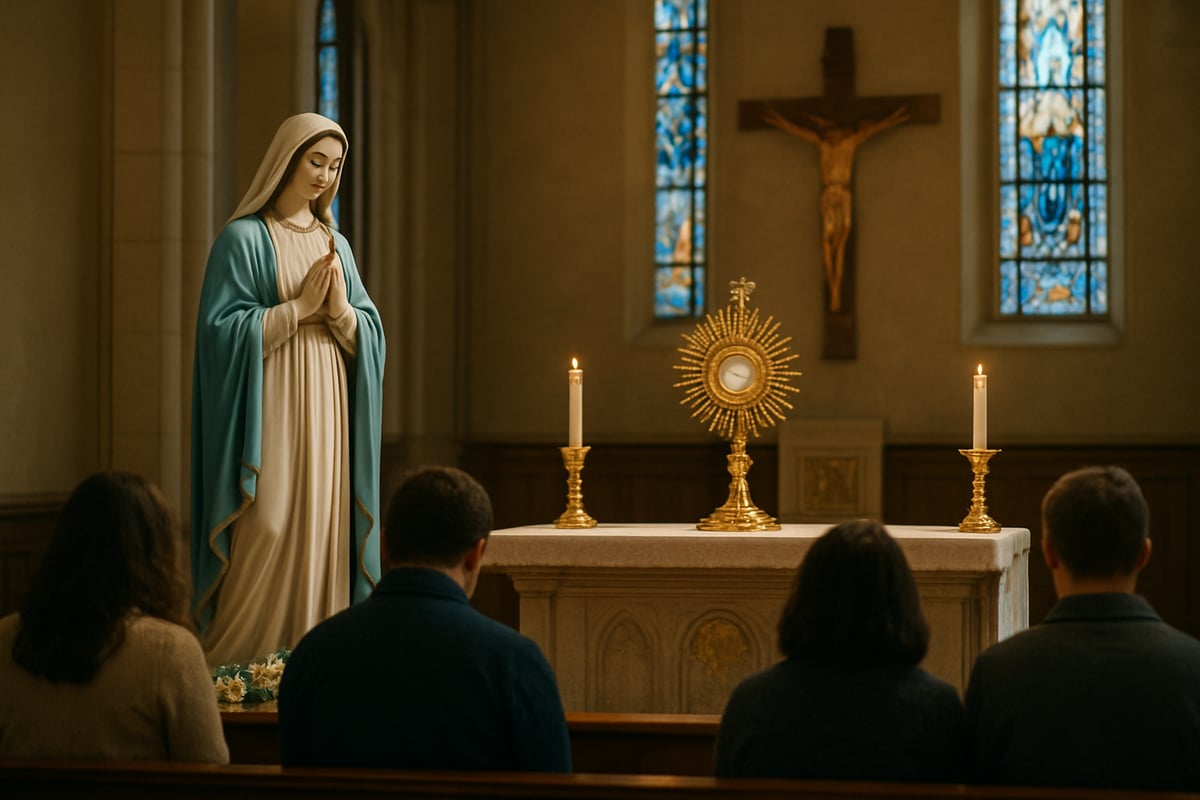
Communities celebrate our lady of the eucharist through a rich variety of liturgical events. Special Masses are held in her honor, especially on Marian feast days that highlight her connection to the Eucharist. Parishes often organize Eucharistic processions, carrying both the Blessed Sacrament and Marian images, fostering unity and reverence.
Personal devotions are equally significant. Many Catholics dedicate time to the Rosary, meditating on the mysteries of Christ with Mary as a guide. Eucharistic Adoration, paired with Marian prayers, helps believers remain close to both Jesus and His Mother. Marian consecration is a profound act where individuals entrust themselves to Mary, asking her to lead them ever closer to the Eucharistic Heart of Jesus.
The First Saturday devotion, requested by Mary at Fatima, is central to honoring our lady of the eucharist. This practice involves receiving Communion, praying the Rosary, and meditating on the mysteries with a Marian focus. It is a powerful way to respond to Mary's call for reparation and deeper Eucharistic love.
Common prayers include litanies, novenas, and chaplets dedicated to our lady of the eucharist. These prayers are often recited before or after Mass, during Adoration, or within family prayer circles. Parishes encourage families to gather for Marian-Eucharistic prayer, strengthening both faith and unity at home.
Statistics reveal a marked increase in Eucharistic Adoration hours in parishes since 2020. Many communities report spiritual renewal as a direct result of integrating these Marian-Eucharistic practices. One parishioner shared, "Our devotion to our lady of the eucharist brought new life to our parish and deepened our love for the Eucharist."
Steps to Deepen Your Devotion
Deepening your relationship with our lady of the eucharist can begin with a few intentional steps. Consider the following path for spiritual growth:
- Study the Foundations: Delve into Scripture and Church teaching on Mary and the Eucharist. Understanding her role as the first tabernacle provides a meaningful context.
- Participate in Eucharistic Adoration: Spend time in Adoration, inviting Mary’s intercession. Bring Marian prayers into your moments before the Blessed Sacrament.
- Incorporate Marian-Eucharistic Prayers: Add litanies, chaplets, or specific prayers to our lady of the eucharist into your daily routine.
- Attend First Saturday Devotions: Join parish celebrations or organize small group gatherings focused on this special devotion.
- Share and Educate: Inspire others by sharing your journey in parish groups or Catholic education programs.
A helpful resource for Marian consecration is the Consecration to Mary holy card, which offers guidance for making a heartfelt commitment to Mary’s motherly care.
Here are some practical tips:
- Set a regular time for prayer before the Blessed Sacrament with Marian intentions.
- Encourage family participation, even with young children, to foster lifelong devotion.
- Utilize parish resources, such as prayer cards or guided reflections, to enrich your spiritual life.
- Record your experiences and answered prayers in a journal, noting growth in your devotion to our lady of the eucharist.
By following these steps, individuals and families alike can experience the profound peace and transformation that devotion to our lady of the eucharist brings. The journey is ongoing, and each act of faith draws us closer to Christ through Mary’s loving guidance.
Our Lady of the Eucharist in Parish and Community Life
The devotion to our lady of the eucharist has become a dynamic force in Catholic parish and community life. Across the world, parishes are rediscovering this powerful title, integrating it into worship, education, and outreach to inspire deeper faith and unity.

Parish Initiatives and Events
Many parishes have woven our lady of the eucharist into their liturgical life and educational programs. Special Masses honoring this title are celebrated, especially during Marian feasts and Eucharistic solemnities. These Masses often include Marian hymns, processions, and opportunities for parishioners to consecrate themselves or their families to our lady of the eucharist.
Retreats and catechetical sessions centered on Marian-Eucharistic themes are drawing both youth and adults. These events provide a space for reflection on Mary's unique relationship with Christ in the Eucharist and encourage participants to deepen their own devotion. Parishes are also introducing Eucharistic Adoration hours dedicated to our lady of the eucharist, fostering silent prayer and communal worship.
Eucharistic Congresses and Marian-Eucharistic conferences have seen remarkable growth in recent years. These gatherings offer workshops, keynote talks, and opportunities for reconciliation, all emphasizing Mary's role in leading the faithful to the Blessed Sacrament. Parish clergy and lay leaders play a crucial role in promoting these initiatives, often sharing personal testimonies and inviting guest speakers who specialize in Marian-Eucharistic spirituality.
Recent data reveals a steady increase in parishes adopting Marian-Eucharistic initiatives from 2023 to 2026. For example, the number of parishes offering monthly Marian-Eucharistic processions has doubled in several dioceses. According to a recent survey, 80% of respondents report that Marian devotion has strengthened their Eucharistic faith, a connection explored in depth in the article Marian devotion strengthens Eucharistic faith.
These parish efforts demonstrate how our lady of the eucharist can revitalize faith communities, drawing individuals closer to Christ and fostering a culture of reverence for the Blessed Sacrament.
Community Impact and Outreach
The influence of our lady of the eucharist extends well beyond parish walls, touching entire communities. Devotion to Mary under this title fosters unity, peace, and a shared sense of purpose among parishioners. Many parishes report that Marian-Eucharistic spirituality has brought together diverse groups, encouraging collaboration in both prayer and service.
Charitable works inspired by our lady of the eucharist are flourishing. Parishes organize food drives, visit the sick, and support the marginalized, all in the spirit of Mary's example of compassion and service. Community service projects often begin with prayer before the Blessed Sacrament, asking our lady of the eucharist to intercede for those in need.
Family faith formation is also impacted. Parents and children are encouraged to pray Marian-Eucharistic prayers together, participate in processions, and reflect on Mary’s role in their spiritual lives. These practices foster stronger family bonds and a deeper love for the Eucharist.
Feedback from parishioners underscores the transformative effects of this devotion. Many share stories of personal renewal, increased participation in parish life, and a greater sense of belonging. Parish communities report higher attendance at liturgies, more volunteers for outreach programs, and a renewed spirit of joy and hope.
Through these initiatives, our lady of the eucharist continues to inspire parishes and communities, nurturing faith, unity, and service in the modern Church.
Theological Insights: Mary, the Eucharist, and the Church
Mary stands at the very heart of the Church’s understanding of the Eucharist. As the first disciple, she models perfect faith and total openness to God’s will. Her “yes” at the Annunciation began a journey that united her intimately to Christ, the true bread from heaven. This unique relationship forms the foundation for the title our lady of the eucharist.
Mary as Model of Eucharistic Faith
The Church teaches that Mary is not only the Mother of Christ but the first to adore Him, even before His birth. By carrying Jesus within her, she became the living tabernacle, embodying the mystery of the Eucharist in a profound way. This is why our lady of the eucharist is often invoked by the faithful seeking a deeper union with Christ.
Saints and theologians have reflected on this mystery for centuries. St. John Paul II described Mary as the “Woman of the Eucharist,” emphasizing her constant presence at the heart of salvation history. St. Alphonsus Liguori wrote that just as Mary bore Christ in her womb, Catholics are called to receive Him into their hearts through the Eucharist.
| Saint/Theologian | Marian-Eucharistic Insight |
|---|---|
| St. John Paul II | Mary as “Woman of the Eucharist” |
| St. Alphonsus Liguori | Mary as living tabernacle, model for receiving Christ |
| Recent Theologians | Mary’s faith as guiding light toward Eucharistic adoration |
Mary’s faithfulness continues to inspire today. As recent theological conferences have emphasized, devotion to our lady of the eucharist helps believers recognize her role in leading the Church to ever deeper love for the Blessed Sacrament.
Marian-Eucharistic Theology and Catholic Identity
The inseparability of Marian and Eucharistic devotion is a recurring theme in Catholic theology. When the faithful turn to our lady of the eucharist, they are drawn more closely to Christ Himself. Mary’s mission always points beyond herself, guiding the Church to full communion with her Son.
Recent papal documents and theological publications (2021–2026) have highlighted the importance of this connection. The National Eucharistic Revival, for example, incorporates Marian prayers and teachings, reflecting the Church’s conviction that Mary’s intercession is vital for Eucharistic renewal.
Clergy and scholars agree that Marian-Eucharistic spirituality shapes Catholic identity and mission. Through her example and intercession, Mary inspires unity, charity, and a renewed sense of purpose.
As Father Corrado Maggioni observes in his interview, Mary guides us to the Eucharist, helping believers encounter Christ’s real presence and grow in holiness. This teaching remains central to the Church’s vision for the future.
Devotion to our lady of the eucharist is not a private piety but a path to deeper communion, both with God and with the wider Church. In this way, Marian-Eucharistic theology continues to transform lives and communities around the world.
Our Lady of the Eucharist in the Modern World: Relevance in 2026
In a rapidly changing world, our lady of the eucharist stands as a beacon for Catholics seeking meaning and hope. As secular influences grow, many believers are rediscovering the profound comfort and challenge found in Marian-Eucharistic devotion. This title is not just a relic of tradition, but a living invitation for the faithful to encounter Christ more deeply through Mary’s guidance.
The devotion to our lady of the eucharist encourages communities to embrace peace and reconciliation, even in times of uncertainty. Across continents, Catholics turn to Mary, asking her intercession for healing and unity amid social and political unrest. Stories abound of individuals finding renewed purpose through prayer, especially during global crises, where faith in the Eucharist becomes an anchor.
For families and youth, our lady of the eucharist offers a path to spiritual renewal. Recent studies show a significant rise in Eucharistic Adoration and Marian devotions since the pandemic. Parishes report increased participation among young people, who are drawn to the sense of belonging and purpose fostered by these practices. Digital initiatives, such as online prayer groups and live-streamed Adoration, help bridge generational gaps and make devotion more accessible.
A notable example of this resurgence is the United States’ recent National Eucharistic Pilgrimage concludes with Corpus Christi Mass. This event united thousands in prayer and celebration, highlighting the enduring influence of Marian-Eucharistic spirituality in modern Catholic life. Such events inspire conversion and draw people closer to Christ through Mary’s example.
Ultimately, our lady of the eucharist remains a vital source of strength for Catholics navigating the complexities of contemporary society. By embracing this devotion, individuals and communities discover hope, resilience, and the transformative power of God’s love, made present in the Eucharist and reflected through Mary’s maternal care.
Resources for Further Devotion and Study
Nourishing your devotion to our lady of the eucharist is made easier with a wealth of trustworthy resources. Whether you seek theological depth, practical prayers, or community connection, there are numerous ways to deepen your understanding and spiritual life.
Recommended Books and Official Documents
For those wishing to study our lady of the eucharist in depth, consider these foundational works:
| Resource Type | Title or Example |
|---|---|
| Papal Document | "Ecclesia de Eucharistia" (St. John Paul II) |
| Book | "Mary and the Eucharist" by Fr. Edward Carter, S.J. |
| Document | "Redemptoris Mater" (St. John Paul II) |
| Theological Work | "The World's First Love" by Fulton J. Sheen |
These resources offer profound insights into the unique relationship between Mary and the Eucharist, helping you grow in faith and understanding.
Prayers, Litanies, and Consecrations
Praying with the Church’s tradition is a powerful way to honor our lady of the eucharist. Explore official prayers and litanies, such as the Litany to Our Lady of Fatima, which beautifully expresses Marian-Eucharistic devotion. For those seeking to deepen their Eucharistic love, the Litany of the Most Blessed Sacrament is a treasured resource.
You might also include Marian consecration formulas and novenas specifically dedicated to our lady of the eucharist, enriching both personal and communal prayer.
Media, Parish, and Online Resources
Digital media can inspire and educate Catholics at every stage of their journey. Look for podcasts, video series, and Catholic websites dedicated to our lady of the eucharist, many of which feature talks from theologians, clergy, and lay leaders.
Parish and diocesan websites often announce upcoming Eucharistic Revival initiatives, Marian processions, and study groups. Many communities are forming online prayer circles and forums focused on this devotion, offering fellowship and support for continued growth.
Events, Retreats, and Community Involvement
To immerse yourself further, consider attending national or regional events such as Eucharistic Congresses, Marian-Eucharistic conferences, or parish retreats scheduled for 2026. These gatherings provide opportunities to celebrate our lady of the eucharist with others, hear inspiring talks, and participate in communal prayer.
Joining a Marian-Eucharistic prayer group, whether in person or online, can sustain and energize your devotion throughout the year.
Our lady of the eucharist continues to draw the faithful into a deeper love for Christ present in the Blessed Sacrament. By exploring these resources, you are invited to renew your commitment and share this life-giving devotion with your community.
As we’ve explored the rich meaning and history of Our Lady of the Eucharist, you’ve seen how Marian devotion can truly deepen your faith and bring new life to your spiritual journey. If you feel inspired to take the next step—to honor Mary and draw closer to the Eucharist in your daily life—I encourage you to discover resources and beautiful devotional items that support your journey. You’ll find thoughtfully curated books, medals, art, and more that reflect the spirit of this devotion when you Discover Virgin Mary Shop.
Let your devotion flourish as you continue to walk with Mary and the Eucharist.