

Palm Sunday marks one of the most profound moments in the Christian liturgical calendar, bridging the joy of Jesus' triumphant entry into Jerusalem with the solemnity of Holy Week. This sacred day invites Catholics worldwide to reflect on the paradox of Christ's kingship-celebrated with palm branches one moment, yet leading to the Cross just days later. Understanding the depth and beauty of this observance enriches our faith journey and prepares our hearts for the Easter mystery.
The Biblical Foundation of Palm Sunday
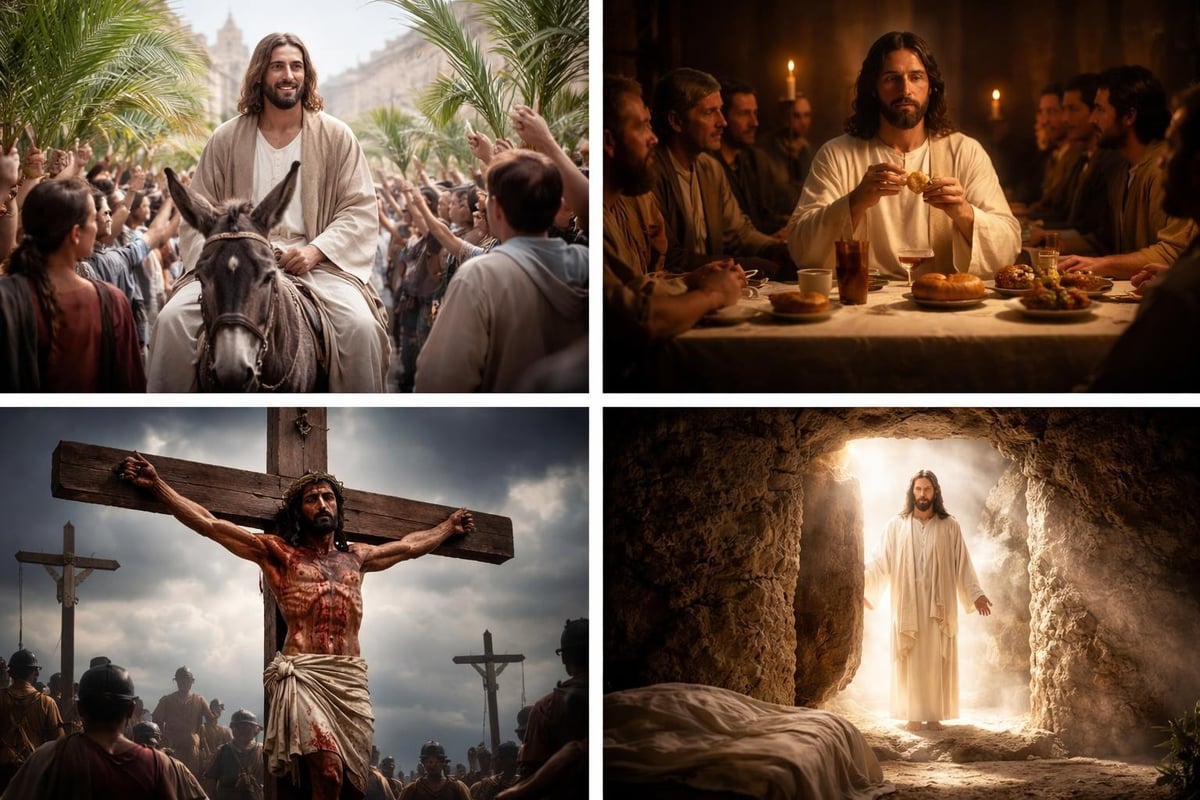
The Gospel accounts provide vivid descriptions of Jesus' entry into Jerusalem, an event celebrated across all four Gospels. According to Scripture, crowds gathered to welcome Jesus, spreading their cloaks and palm branches on the road while shouting "Hosanna to the Son of David! Blessed is he who comes in the name of the Lord!" This moment fulfilled Old Testament prophecy, particularly Zechariah's vision of a king arriving humbly on a donkey.
The symbolism embedded in this entry runs deep throughout Jewish tradition. Palm branches represented victory, triumph, and peace in ancient Israel. The crowd's response reflected their messianic expectations-they anticipated a political liberator who would free them from Roman occupation. Yet Jesus came as a different kind of king, one whose kingdom was not of this world.
Understanding the Historical Context
First-century Jerusalem teemed with pilgrims during Passover, making Jesus' entry particularly significant. The city's population swelled dramatically during this feast, and Roman authorities remained vigilant for any signs of uprising. Jesus' deliberate choice to enter publicly, riding a young donkey, sent a powerful message about the nature of his mission.
This event marked a turning point in Jesus' ministry. Having spent years teaching in Galilee and surrounding regions, he now confronted the religious and political establishment directly. The timing was intentional-just days before Passover, when the city focused on remembering Israel's liberation from Egypt.
Brought to you by Journeys of Faith, founded by Bob and Penny Lord. We are an Augustinian Secular Institute-Cyber Apostles-and our mission is evangelization through media.
Liturgical Traditions and Practices
The Catholic Church celebrates Palm Sunday with distinctive liturgical elements that set it apart from ordinary Sundays. The observance begins with the Commemoration of the Lord's Entrance into Jerusalem, where blessed palms are distributed to the faithful. These palms serve as sacramentals-sacred signs that prepare us to receive grace and sanctify different moments of life.
The Procession and Blessing
Parishes typically gather outside the church or in a designated area for the blessing of palms. The priest sprinkles holy water on the palm branches while offering prayers that acknowledge their symbolic significance. This blessing transforms ordinary palm fronds into sacred reminders of Christ's triumph and our commitment to follow him.
The procession into the church recreates the journey into Jerusalem. Congregants carry their palms while singing hymns of praise, particularly "All Glory, Laud, and Honor." This ancient hymn, composed by St. Theodulph of Orleans in the ninth century, captures the spirit of that original crowd welcoming their Messiah.
| Liturgical Element | Symbolic Meaning | Practical Application |
|---|---|---|
| Blessed Palms | Victory and martyrdom | Placed in homes as reminders |
| Procession | Journey with Christ | Active participation in faith |
| Passion Gospel | Christ's suffering | Preparation for Holy Week |
| Red Vestments | Blood and sacrifice | Visual connection to crucifixion |
The Proclamation of the Passion
Following the festive opening, the liturgy shifts dramatically. The Passion narrative is read in its entirety, often with multiple readers taking different roles. This reading can span thirty minutes or more, demanding sustained attention and reflection. The congregation traditionally stands for the entire proclamation, physically expressing reverence and solidarity with Christ's suffering.
Many Catholics find the contrast within Palm Sunday particularly moving. The same voices that shout "Hosanna" at the beginning cry "Crucify him" during the Passion reading. This jarring transition reminds us of human fickleness and our own capacity for betrayal when discipleship becomes difficult.
Spiritual Significance for Catholics Today
Palm Sunday challenges modern Catholics to examine their own relationship with Christ. The crowds in Jerusalem welcomed Jesus enthusiastically when his message seemed triumphant and politically advantageous. Days later, many abandoned him when his path led to suffering and apparent defeat. This pattern repeats throughout history and within individual hearts.
Confronting Our Own Hosannas
We must ask ourselves honest questions about our discipleship. Do we follow Jesus only when it's comfortable or socially acceptable? Are we willing to walk with him through difficulty, persecution, or personal sacrifice? Palm Sunday invites us to move beyond superficial faith toward genuine commitment.
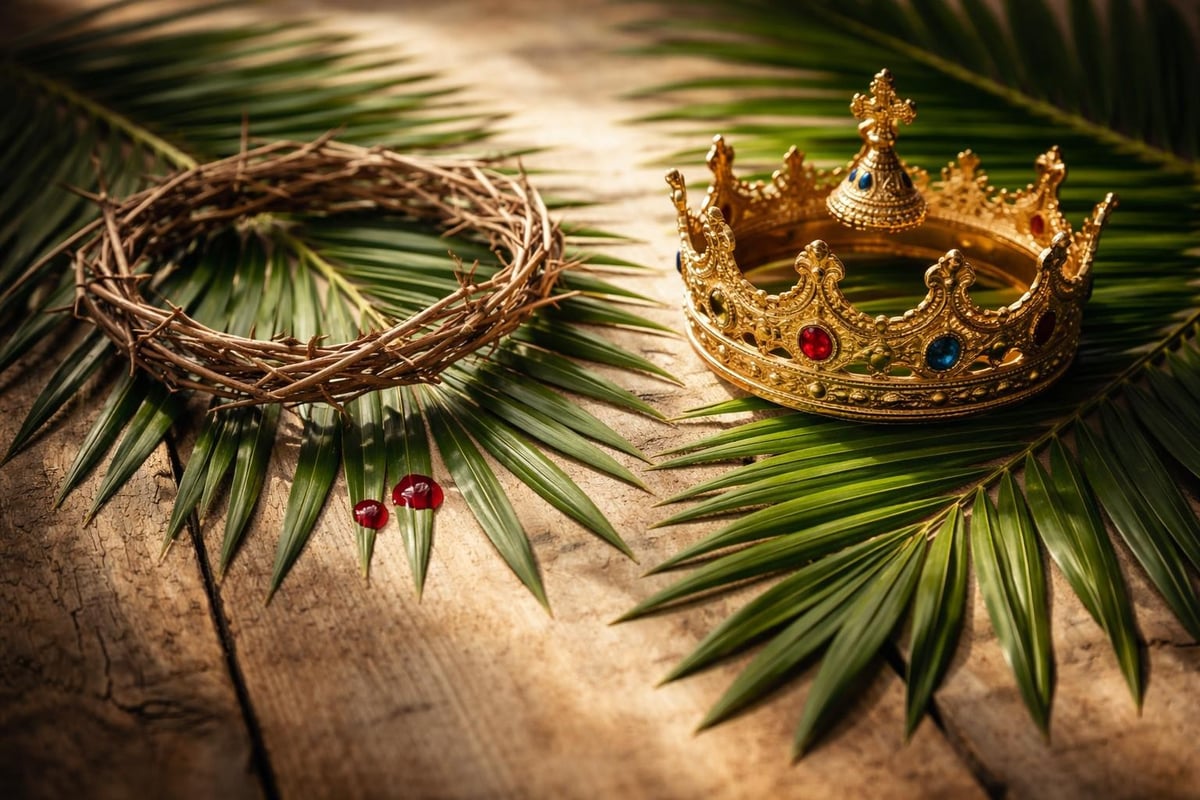
The blessed palms we receive serve as tangible reminders throughout the year. Many Catholics place them behind crucifixes in their homes, weave them into crosses, or keep them in prayer spaces. When Holy Thursday arrives the following year, these palms are collected and burned to create the ashes for Ash Wednesday, completing the liturgical cycle and emphasizing the connection between death and new life.
Global Customs and Cultural Expressions
Different cultures have developed unique ways of celebrating Palm Sunday while maintaining its core spiritual meaning. In regions where palm trees don't grow, churches use alternatives such as olive branches, willows, or other native plants. These substitutions demonstrate how the Church adapts to local contexts while preserving universal truths.
Regional Variations in Observance
European traditions often include elaborate processions through city streets, with some communities creating detailed "palm gardens" or staging dramatic presentations of Jesus' entry. Spanish-speaking countries celebrate Domingo de Ramos with particular fervor, incorporating regional music and cultural elements into the liturgy.
In the Philippines, intricately woven palm decorations called "palaspas" become works of art. Skilled artisans fashion them into elaborate shapes-crosses, flowers, and geometric patterns. These beautiful creations transform the practical palm into visual prayers, demonstrating how faith inspires creativity and beauty.
- Jerusalem: Pilgrims walk the actual route from Bethphage to the Old City
- Rome: The Pope celebrates Mass at St. Peter's Square with thousands of faithful
- Poland: Competitions for the tallest and most elaborate palm decorations
- Mexico: Palm branches are woven into intricate figures called "palmas"
- Ethiopia: Ancient liturgical traditions include processing with olive branches
For those seeking to deepen their understanding of Christ's passion and the events of Holy Week, the Miracles of the Cross book offers profound insights into how the Cross has manifested its power throughout history. This exploration connects Palm Sunday's anticipation of the crucifixion with miraculous events that confirm Christ's ongoing presence.
Teaching Children About Palm Sunday
Families play a crucial role in transmitting faith traditions to the next generation. Palm Sunday offers excellent opportunities for parents to engage children in meaningful discussions about Jesus' mission and our response to his call. The visual and participatory nature of the celebration makes it particularly accessible to younger Catholics.
Practical Ideas for Family Observance
Creating simple crafts with blessed palms helps children remember the day's significance. Folding palms into crosses, creating bookmarks, or decorating them with ribbons transforms the sacred object into a hands-on lesson. These activities work best when accompanied by age-appropriate explanations of the Gospel story.
Reading children's Bible versions of the triumphal entry brings the narrative to life. Many illustrated books capture the excitement of the crowd and Jesus' humble approach. Discussing how the people's feelings changed from Sunday to Friday helps children understand the importance of steadfast faith.
- Before Mass: Read the Gospel story together and discuss what the crowd expected
- During Mass: Help children participate actively in responses and processions
- After Mass: Create palm crafts while reviewing the Passion narrative
- Throughout the Week: Display palms prominently and reference them in daily prayers
- Connect to Easter: Explain how Palm Sunday begins the journey toward resurrection
The Theological Depth of Christ's Entry
Catholic theology recognizes multiple layers of meaning in Jesus' entrance to Jerusalem. On the surface level, we see a prophetic act fulfilling Old Testament promises. Deeper examination reveals Christ's intentional demonstration of his kingship's nature-not through military might but through humble service and sacrificial love.
Kingship Redefined
The donkey itself carries theological significance. While horses represented warfare and conquest, donkeys symbolized peace and humble service. Solomon rode a donkey to his coronation, establishing a precedent for legitimate Israelite kings. Jesus deliberately chose this animal to communicate the character of his reign.
The crowd's use of cloaks and branches echoed the reception given to King Jehu in 2 Kings 9:13, acknowledging Jesus as Israel's rightful monarch. Yet unlike earthly rulers who demanded tribute and enforced authority through violence, Jesus came to serve and give his life as a ransom for many. This inversion of worldly power structures remains central to Christian understanding of leadership and authority.
| Traditional Kingship | Christ's Kingship |
|---|---|
| Conquers through force | Conquers through love |
| Demands service from subjects | Serves his followers |
| Seeks earthly glory | Embraces humiliation |
| Rules through fear | Reigns through sacrifice |
| Temporary political power | Eternal spiritual authority |
Preparing for Holy Week Through Palm Sunday
Palm Sunday serves as the gateway to Holy Week, the most sacred period in the liturgical year. The Church invites Catholics to journey deliberately through each day, commemorating the final week of Jesus' earthly ministry. This journey requires intentional preparation and sustained focus amid modern life's distractions.
Practical Steps for Spiritual Preparation
Setting aside time for the Triduum-Holy Thursday, Good Friday, and Holy Saturday-demands advance planning. Work schedules, family obligations, and routine commitments can easily crowd out these essential observances unless we prioritize them. Marking calendars, arranging childcare if needed, and preparing mentally for extended liturgies helps ensure full participation.
Many Catholics find fasting from media and unnecessary activities during Holy Week enhances their focus. Reducing screen time, limiting social engagements, and creating space for silence and reflection mirrors Jesus' own preparation for his passion. These practices aren't about grim duty but about clearing away obstacles to encounter Christ more fully.
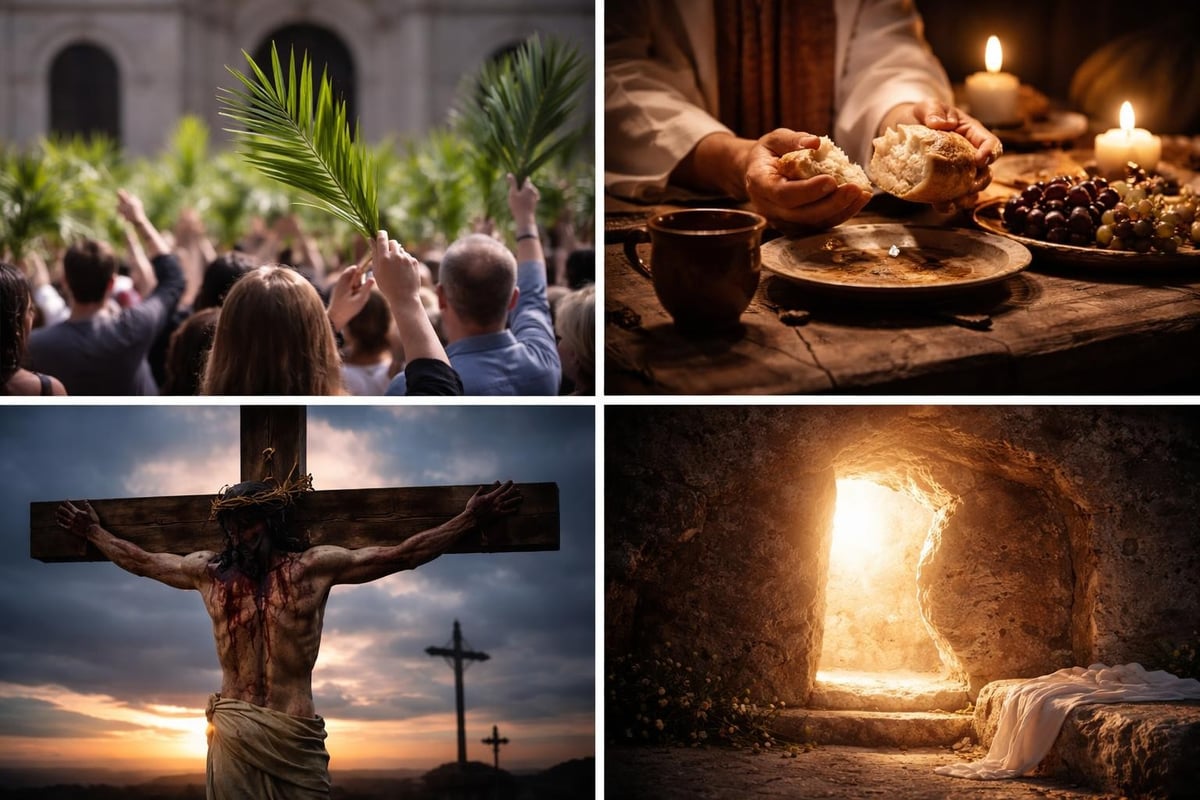
Journeys of Faith offers extensive resources for deepening your Holy Week experience, including books, DVDs, and prayer materials that explore the mysteries we celebrate during this sacred time. Their commitment to evangelization through media provides Catholics with tools for more profound engagement with the liturgical seasons.
The Connection Between Palm Sunday and Personal Discipleship
Every Catholic faces the question posed by Palm Sunday: Will we remain faithful when following Christ becomes difficult? The crowd's rapid shift from adoration to condemnation warns against fair-weather discipleship. Authentic faith perseveres through trials, doubts, and social pressure.
Examining Our Commitments
Lent prepares us for this examination through prayer, fasting, and almsgiving. By Palm Sunday, we should have gained insight into our spiritual patterns-where we're growing and where we remain resistant to grace. The day challenges us to carry these insights forward, not abandoning our Lenten practices but intensifying our focus as we approach the paschal mystery.
The palms we carry home symbolize our public profession of faith. Displaying them in our homes declares our allegiance to Christ as King, even when that kingship contradicts worldly values. This visible witness matters in a culture increasingly hostile to religious expression.
Resources for Deepening Your Palm Sunday Experience
The richness of Palm Sunday rewards extended study and meditation. Catholics seeking to understand this day more fully can explore numerous resources that unpack its biblical, historical, and theological dimensions. Comprehensive articles explain the day's importance and offer practical suggestions for meaningful observance.
Academic sources provide historical context that enriches our appreciation. Understanding first-century Jewish expectations of the Messiah, Roman political dynamics, and the specific geography of Jesus' route into Jerusalem adds depth to our reading of the Gospel accounts. This knowledge transforms the narrative from a distant story into a vivid, lived reality.
Liturgical Music and Art
Sacred music composed for Palm Sunday captures the day's emotional and spiritual range. From triumphant processional hymns to somber Passion settings, these compositions guide the faithful through the liturgy's dramatic arc. Listening to or performing this music outside Mass extends the day's grace into daily life.
Visual art throughout Church history has depicted Jesus' entry into Jerusalem with remarkable creativity. Medieval manuscripts, Renaissance paintings, and contemporary works each reflect their era's understanding while maintaining fidelity to the Gospel narrative. Contemplating these artistic interpretations can spark fresh insights and deepen devotion.
Palm Sunday's Place in the Liturgical Calendar
The Church's liturgical year builds toward Easter through carefully structured seasons. Palm Sunday occupies a unique position as both the culmination of Lent and the inauguration of Holy Week. This dual role gives the day particular intensity-we're simultaneously completing one journey and beginning another.
Understanding the liturgical calendar's structure helps Catholics appreciate how each season prepares for the next. Ordinary Time's green gives way to Lent's purple, which yields to Holy Week's red, ultimately transforming into Easter's white and gold. These color changes aren't merely decorative but teach theology through visual symbolism.
The Three-Year Gospel Cycle
The Catholic Church uses a three-year cycle of Gospel readings, with Palm Sunday featuring Matthew's account in Year A, Mark's in Year B, and Luke's in Year C. Each evangelist emphasizes different aspects of the entry and passion, providing varied perspectives on the same events. Paying attention to these distinctions enriches our understanding over time.
John's Gospel, while not read as the passion narrative on Palm Sunday, contributes unique details to our overall understanding. His account mentions Greeks seeking Jesus during this period and records Jesus' statement: "Unless a grain of wheat falls to the ground and dies, it remains just a grain of wheat; but if it dies, it produces much fruit." This agricultural metaphor connects the week's events to the abundant life Jesus promises through his death and resurrection.
Palm Sunday invites Catholics into the profound mystery of Christ's kingship, challenging us to follow him faithfully from triumph through suffering to resurrection. Understanding this sacred day's biblical foundations, liturgical richness, and spiritual demands deepens our participation in Holy Week and strengthens our year-round discipleship. Journeys of Faith supports your spiritual journey with authentic Catholic resources, from books exploring the mysteries of our faith to prayer materials that sustain devotion throughout the liturgical year.
Resources:
- Explore Journeys of Faith Online store with thousands of Catholic Items at https://journeysoffaith.com/collections
- Our Unique Mega Search Engine https://journeysoffaith.com/search is linked to hundreds of Catholic Shops and Stores
- Get the Journeys of Faith NEW App for iPhone or Android-Search for Journeys of Faith or go to https://journeysoffaith.com/pages/download-our-app
- Chat with us anytime https://chatting.page/mjxs9aerrtgm3lmpndlcepmbyosntrjn
- We need your help to reach more souls. Please Make a Donation https://journeysoffaith.com/pages/donate