

Across centuries, the story of saint agatha has inspired countless believers with her courage and unwavering faith. Her legacy endures not only in Christian history but also in the hearts of those who seek her intercession today.
This comprehensive guide will illuminate the life, martyrdom, and symbolism of saint agatha. Readers will discover her powerful iconography, her role as a patron, the global celebrations in her honor, and why her story remains vital in 2026 and beyond.
Ready to explore her enduring influence? Dive in to uncover her meaning, and consider our Saint Agatha novena prayer card with medal to deepen your devotion.
The Life and Martyrdom of Saint Agatha
Saint Agatha stands as one of the most venerated figures in Christian history. Her story, set in ancient Sicily, bridges the worlds of faith, courage, and resilience. Understanding the journey of saint agatha provides insight into the roots of her enduring legacy.
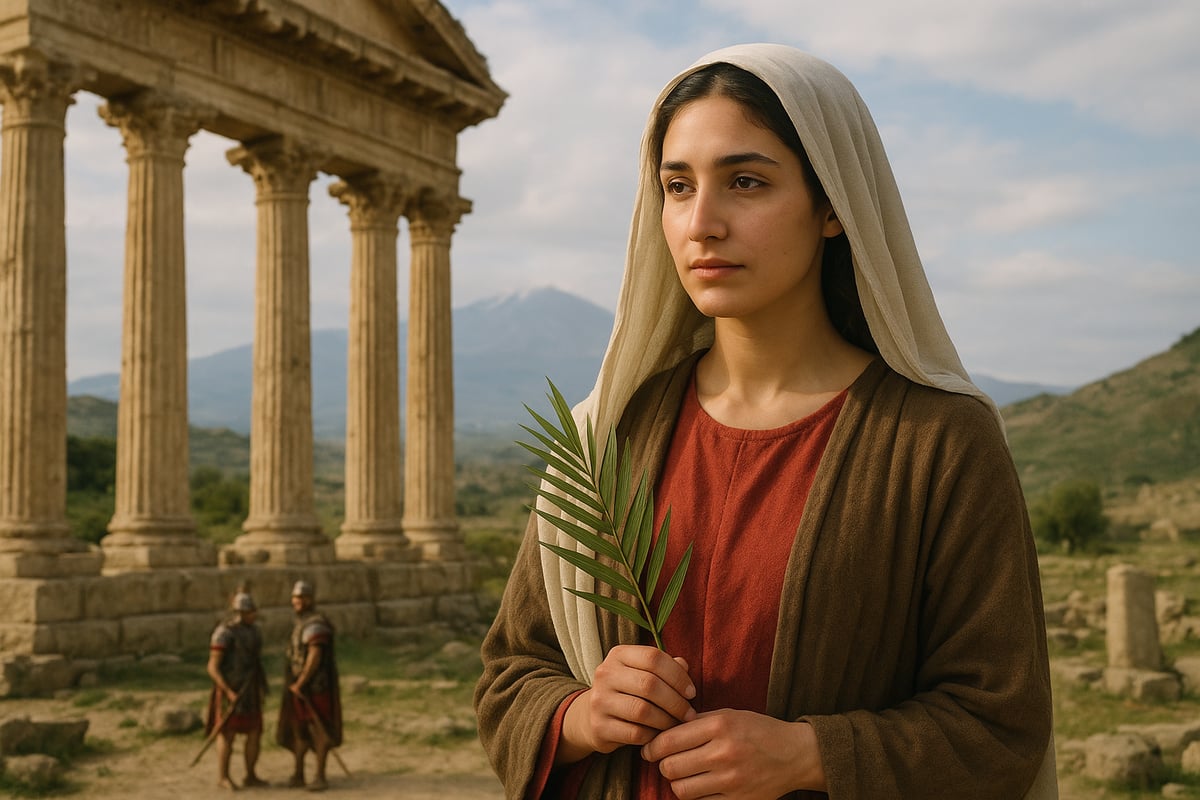
Early Life and Background
Saint Agatha was born in Sicily, with historical records suggesting either Catania or Palermo as her birthplace, around the early 3rd century. She belonged to a noble and wealthy family, which gave her social standing and access to early Christian teachings.
From a young age, saint agatha dedicated herself to God through a vow of virginity. This commitment set her apart in a society dominated by Roman paganism, where Christianity was still emerging and often persecuted. Sicily under Roman rule was a challenging environment for Christians, facing both social exclusion and legal threats.
Stories of early Christian persecution in Sicily highlight the risks faced by believers like saint agatha. Her steadfastness in faith and her vow of purity would later become central themes in her legend and veneration.
Persecution and Martyrdom
The turning point in saint agatha's life came when the Roman prefect Quintianus, attracted by her beauty and status, sought to force her into marriage and renounce her faith. Saint agatha refused both his advances and his demands to abandon Christianity.
Her defiance led to brutal consequences. Quintianus ordered severe tortures, including the infamous mutilation of her breasts, a detail that has become a powerful symbol in her iconography. Despite her suffering, saint agatha remained unwavering in her convictions.
Imprisoned and left to recover from her wounds, she reportedly experienced a miraculous vision of Saint Peter, who healed her injuries. This event strengthened her resolve and inspired those around her.
Shortly after, a sudden earthquake shook the city, interpreted by many as a sign of divine displeasure at her treatment. The public outcry was significant, but Quintianus persisted. Saint agatha ultimately died in prison, her faith unbroken. Her martyrdom has drawn comparisons to other early Christian saints, as recorded in sources like the Martyrology of St. Jerome and the Calendar of Carthage.
Her story, marked by resilience and supernatural signs, has made saint agatha a model for courage in the face of oppression.
Historical Reliability and Legend
The account of saint agatha's life blends documented history with elements shaped by oral tradition and legend. Early Christian texts and calendars mention her, but details often vary, especially regarding her birthplace and the specifics of her death.
Scholars note that the most dramatic aspects of her martyrdom, such as the vision of Saint Peter and the earthquake, may have been embellished over time to inspire the faithful. Oral storytelling played a significant role in transmitting her narrative, which contributed to variations across regions.
Despite these uncertainties, the core message of saint agatha's faith and sacrifice remains consistent. Her story helped define ideals of Christian martyrdom and influenced the cult of virgin martyrs throughout the centuries. For a comprehensive overview of her historical significance and the evolution of her legend, readers may refer to Saint Agatha's historical significance.
Devotional resources, such as our Saint Agatha DVD by Bob and Penny Lord, offer further opportunities to explore her impact through film, medals, and prayer cards. These items help keep the legacy of saint agatha alive in both personal and community devotion.
Symbolism and Iconography of Saint Agatha
The symbolism and iconography of saint agatha offer a powerful lens into her enduring spiritual legacy. Throughout centuries, artists and believers have drawn upon her story, using visual symbols to express faith, hope, and protection. These signs are not only reminders of her suffering and triumph but also serve as touchstones for the faithful worldwide.
Symbols Associated with Saint Agatha
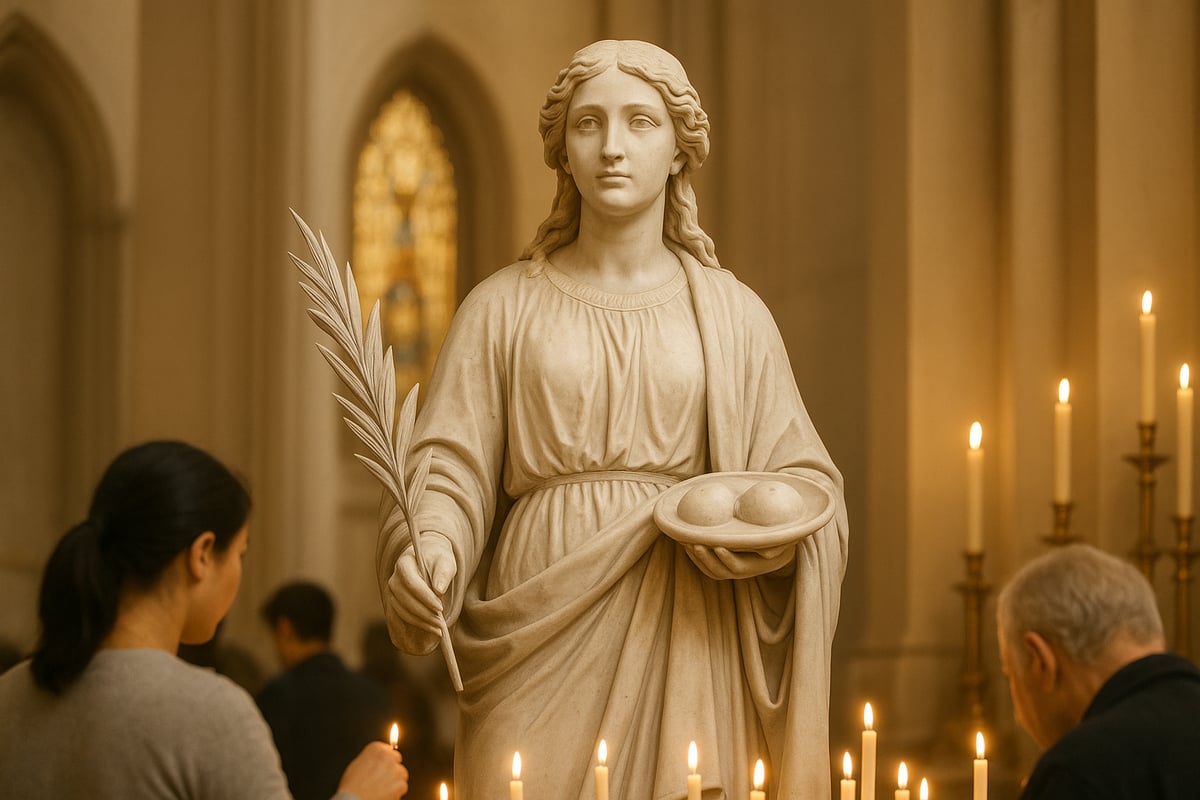
Saint agatha is most often recognized through a set of powerful symbols, each reflecting a chapter of her life and martyrdom. The palm branch, a universal sign of martyrdom, is almost always present in her images. It speaks to her unwavering faith, even in the face of suffering.
One of the most striking symbols is the platter or plate holding two severed breasts. This references the brutal torture she endured and her miraculous healing. The veil, another common element, stands for purity and the miraculous protection she is believed to have granted her city from volcanic eruptions. Candles and tongs, representing the tools of her suffering, frequently appear in paintings and statues.
Artistic depictions, such as Giovanni Battista Tiepolo’s “Martyrdom of Saint Agatha,” bring these symbols to life, capturing both her pain and sanctity. In churches and homes, believers display her image with these emblems, seeking her intercession. For a deeper exploration of her artistic representation, especially in her native Catania, see Saint Agatha's iconography in Catania.
Patronage and Protective Powers
The patronage of saint agatha reaches far beyond her Sicilian origins. She is widely invoked by breast cancer patients, nurses, and bell-founders. Her association with breast disease comes directly from her story, making her a beacon of hope for those facing illness. Many who pray for healing keep our Saint Agatha laminated prayer card (patron against breast disease) close at hand. Communities also call upon her protection against fire, earthquakes, and volcanic eruptions, particularly near Mount Etna.
Miraculous stories of deliverance from disasters have fueled her popularity, especially in Italy and Malta. Localities such as Catania, Palermo, Malta, and San Marino honor her as their patroness. In Italy, thousands of cancer support groups and hospitals bear her name, highlighting her ongoing relevance.
A table summarizing her patronages:
| Area of Patronage | Symbol/Significance |
|---|---|
| Breast cancer patients | Platter with breasts |
| Nurses | Candle, healing |
| Bell-founders | Tongs, resilience |
| Protection from fire/earthquakes | Veil, miracles |
The popularity of saint agatha as a spiritual protector has only grown, with many people reporting answered prayers and miraculous interventions.
Representation in Art and Popular Culture
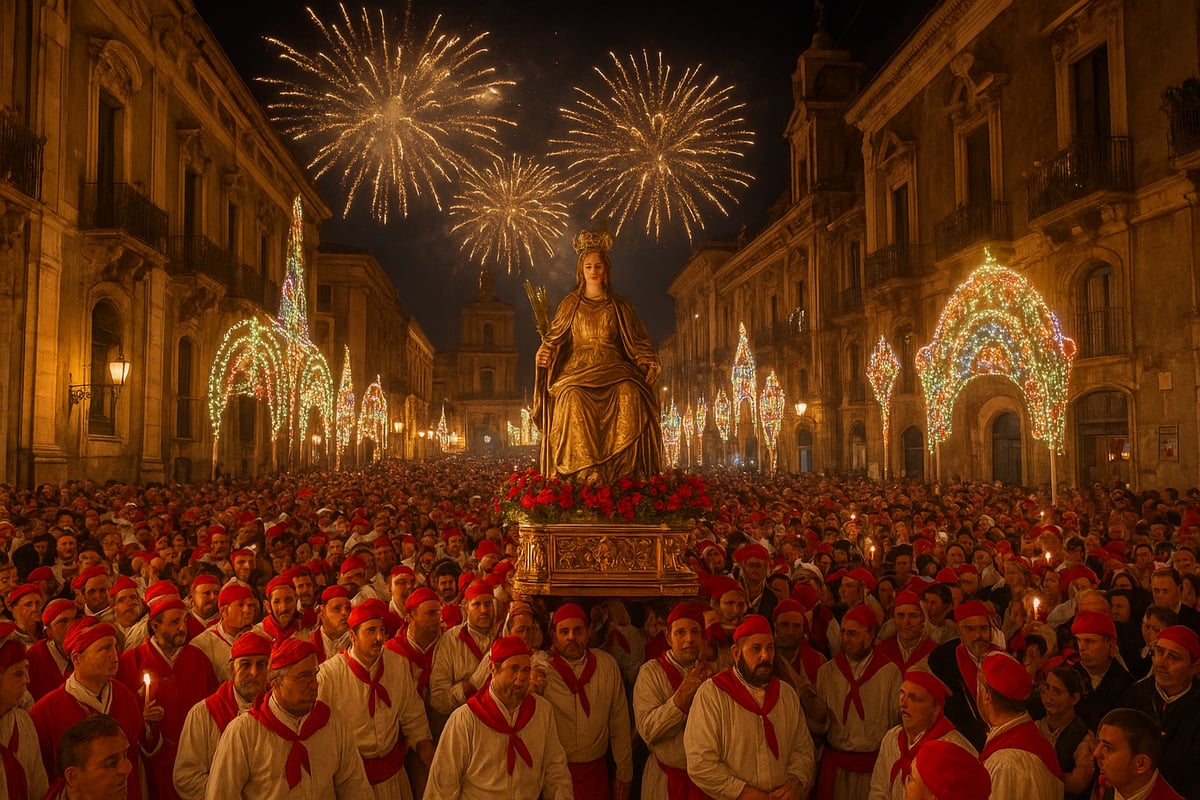
Throughout history, saint agatha’s image has evolved in both Western and Eastern Christian art. She appears in stained glass windows, mosaics, and statues, her symbols clearly displayed. Annual processions, such as the grand event in Catania, feature her statue adorned with flowers and carried through city streets, drawing thousands of devotees.
In modern times, saint agatha has found a place in films, literature, and digital media. Her story inspires artists and authors, while churches around the world house relics and altars in her honor.
Catholic jewelry and religious art continue to use her symbols, helping the faithful connect with her story. Through these diverse expressions, saint agatha remains alive in the imagination and prayers of millions.
The Feast of Saint Agatha and Global Celebrations
Each year, the feast of saint agatha unites communities worldwide in a vibrant display of faith, resilience, and tradition. Her memory, preserved through sacred rituals and joyful festivities, continues to inspire devotion and a sense of unity among the faithful.
The February 5th Feast Day
The feast of saint agatha is observed on February 5th, marking the anniversary of her martyrdom. Its origins trace back to the early centuries of Christianity, when her courage and faith became a beacon for persecuted believers in Sicily and beyond. Over time, the feast grew in prominence, securing a place in both the Roman Catholic and Eastern Orthodox calendars.
Liturgically, the day is honored with special Masses, prayers, and hymns dedicated to saint agatha. Traditional readings often recount her steadfastness in the face of suffering, while hymns like "Sancta Agatha Martyr" echo her virtues. Many churches incorporate the blessing of bread or veils, symbolizing purity and protection, into their observances.
Fasting and acts of charity are encouraged as a way to honor saint agatha’s sacrifice. In some regions, devotees participate in vigils or processions, carrying her image through the streets. The Saint of the Day Features page offers daily insights, including reflections and prayers centered on saint agatha during her feast.
These liturgical traditions not only commemorate her legacy but also connect believers with her enduring spirit of hope.
Major Festivals and Traditions Worldwide
The most renowned celebration of saint agatha takes place in Catania, Sicily, where the city transforms into a vibrant stage for one of Europe’s largest religious festivals. Over a million pilgrims and locals gather for a multi-day event featuring grand processions, elaborate fireworks, and the ceremonial carrying of saint agatha’s silver statue. The spectacle is both solemn and festive, blending ancient rituals with communal joy.
In Malta, Spain, and Latin American countries, the feast is marked by processions, special Masses, and the sharing of traditional foods. A beloved culinary tradition is the “Minne di Sant’Agata”—small, breast-shaped pastries that symbolize both her suffering and the miracles attributed to her intercession.
Pilgrimages are common, with devotees traveling to shrines dedicated to saint agatha. These journeys foster a sense of solidarity, linking communities across continents. In Catania, attendance can reach over a million, demonstrating the global impact of her story.
Art and music play integral roles in these festivals, with choirs performing hymns and artists creating devotional works.
Contemporary Observances and Community Impact
Today, the feast of saint agatha resonates not only in religious circles but also within broader social and health contexts. Many communities organize charitable events, such as breast cancer awareness campaigns and fundraisers, reflecting her patronage of those suffering from breast ailments.
Diaspora groups celebrate the feast in cities around the world, preserving their heritage while fostering new connections. Educational programs and youth activities use saint agatha’s example to teach resilience, compassion, and faith.
Through these modern observances, the spirit of saint agatha continues to inspire courage and unity, bridging the past and present in meaningful ways.
The Enduring Legacy of Saint Agatha
Saint Agatha’s story has resonated through centuries, inspiring faith, courage, and devotion. Her legacy is not confined to the distant past. Instead, it continues to shape Christian theology, empower women, and impact modern society. By exploring her influence, we see why saint agatha remains a vital figure for believers and communities worldwide.
Influence on Christian Theology and Devotion
The life and witness of saint agatha have left an indelible mark on Christian thought. She is revered as a model of unwavering faith, purity, and perseverance. Her steadfastness under persecution set a precedent for the veneration of virgin martyrs in both Western and Eastern traditions.
Saint agatha’s name appears in Christian liturgy, especially in the Roman Canon, which underscores her importance among the early saints. Churches across Europe and beyond have dedicated altars and chapels in her honor. Her story has helped shape the Church’s understanding of female sainthood, elevating the spiritual authority and dignity of women within Christian communities.
Her narrative, full of trial and triumph, offers spiritual encouragement to those facing adversity. Through centuries of prayers, hymns, and feast day rituals, saint agatha’s legacy remains deeply woven into the fabric of Christian devotion.
Saint Agatha’s Relevance for Women and the Sick
For many, saint agatha is a powerful symbol of strength and protection, especially for women confronting hardship or injustice. She is the patron saint of those suffering from breast diseases, nurses, and women facing physical or spiritual trials. Her connection to breast cancer patients is particularly significant today, offering hope and solidarity to millions.
The tradition of invoking saint agatha for healing is supported by both faith and historical context. As explored in studies of Saint Agatha's patronage of breast disease, her story has inspired countless support groups, awareness campaigns, and personal testimonies of answered prayer.
Women and families worldwide turn to saint agatha in times of illness or crisis, seeking her intercession and finding comfort in her example. Many organizations and charities bear her name, reflecting her enduring influence in both spiritual and medical communities.
Saint Agatha in Modern Society
Today, saint agatha stands as an emblem of resistance against oppression and a beacon for social justice. Her image is often embraced by contemporary feminist movements, celebrating her courage in defending her beliefs and autonomy.
In art therapy and spiritual care, saint agatha’s story provides a narrative of resilience for patients, especially those battling cancer. Her feast day sees renewed interest each year, with pilgrimages, processions, and devotional practices uniting communities across the globe.
The popularity of saint agatha continues to grow, reflected in Catholic devotional items, jewelry, and literature.
By bridging ancient tradition with present-day needs, saint agatha remains a source of inspiration and strength, her legacy ever relevant for new generations.
Saint Agatha in Literature, Media, and Devotional Items
Saint Agatha’s story has inspired generations, leaving a deep mark on literature, art, and modern faith practices. Her legacy continues to be celebrated through books, films, devotional objects, and creative tributes that make her story accessible and meaningful today.
Saint Agatha in Books and Literature
The life of saint agatha has been preserved and retold in countless written works. Early Christian hagiographies, such as those found in medieval manuscripts, recount her courage and steadfast faith. Over the centuries, new biographies and children’s books have introduced her to wider audiences.
Modern readers interested in exploring her story can find a variety of resources in the Catholic Saints Books Collection, which features titles dedicated to saint agatha and other prominent figures. These books offer insights into her historical context and spiritual significance.
Writers continue to draw inspiration from saint agatha, weaving her narrative into novels, poetry, and educational materials that highlight her enduring influence.
Portrayals in Film, Television, and Digital Media
Saint agatha’s compelling life has found its way into visual storytelling as well. Documentaries and feature films bring her journey to life, often focusing on the themes of faith, suffering, and hope. Educational series and animated shorts introduce her story to new generations, making her accessible in classrooms and homes alike.
Digital platforms now offer streaming services where viewers can watch dramatizations and documentaries about saint agatha and other Christian martyrs. These portrayals help connect audiences with her story in a visually engaging format.
Social media campaigns and virtual events ensure that the influence of saint agatha extends far beyond traditional media, reaching believers and seekers around the world.
Devotional Items and Sacramentals
Devotion to saint agatha is expressed through a wide array of religious items. Medals, statues, and prayer cards featuring her image are cherished by the faithful, who seek her intercession for protection and healing. Our Saint Agatha novena prayer card with medal pairs her prayers with a wearable sacramental.
Many homes and churches display these objects as reminders of saint agatha’s courage. Prayer cards and medals are often given to those facing illness, especially breast cancer, reflecting her role as a powerful patroness.
Collecting and using these items fosters a tangible connection to the faith and resilience embodied by saint agatha.
Artistic and Musical Tributes
Artists and musicians have long celebrated saint agatha through their creative works. Hymns and compositions dedicated to her are performed during her feast, blending tradition with heartfelt devotion. Visual art, from classical paintings to modern exhibitions, captures her strength and serenity.
Art contests and gallery showings inspired by saint agatha encourage contemporary creators to interpret her story in new ways. Her image continues to appear in stained glass, mosaics, and even jewelry, keeping her legacy vibrant.
Through both music and art, saint agatha’s spiritual message resonates with people seeking hope and inspiration in every generation.
Frequently Asked Questions About Saint Agatha
Saint Agatha continues to inspire questions from believers and scholars alike. Her legacy, rooted in history and faith, invites exploration from many perspectives. Below, we address the most frequent inquiries about saint agatha, offering clarity for both newcomers and devoted followers.
Common Inquiries and Their Answers
What is saint agatha the patron saint of?
She is the patron of breast cancer patients, nurses, bell-founders, and those seeking protection from fire, earthquakes, and volcanic eruptions. Many communities, especially in Sicily and Malta, turn to saint agatha in times of need.
Why is she depicted with a plate of breasts?
This symbol reflects her suffering, as historical accounts describe her enduring the mutilation of her breasts during persecution. It also represents her healing and resilience, with the plate often seen in religious art and statues.
What miracles are attributed to her?
Numerous miracles are credited to saint agatha, especially the halting of eruptions from Mount Etna and healings from illness. Her intercession is still invoked today, with many testimonials shared by the faithful. For those interested in learning more about these miraculous stories, the Miracles of the Cross Series provides insightful exploration of such events.
How is her feast celebrated in different countries?
February 5th marks her feast, celebrated with vibrant processions in Catania, Malta, and communities worldwide. Traditions include special prayers, songs, and even breast-shaped pastries called "Minne di Sant’Agata." The celebrations unite local and global communities around the story of saint agatha.
Are there any relics or shrines associated with her?
Yes, her relics are venerated in Catania, where they are carried through the streets during her festival. Many churches and chapels across Europe also dedicate altars and statues to her memory.
How can one pray for her intercession?
Devotees often use traditional Catholic prayers or personal intentions, seeking saint agatha’s help for healing and protection. Prayer cards and devotional items, such as our Saint Agatha laminated prayer card, are commonly used in homes and churches.
Addressing Misconceptions and Modern Curiosities
Some may wonder how much of saint agatha’s story is rooted in fact versus legend. Early sources, such as the Martyrology of St. Jerome, document her martyrdom but leave room for legendary embellishments. Scholars note that oral tradition has shaped the narrative, yet her example remains central to Christian ideals of faith and sacrifice.
A common misconception is that her suffering is no longer relevant. In reality, saint agatha’s endurance has become a symbol of hope for those facing illness or injustice. Modern support groups for breast cancer often bear her name, reflecting her ongoing role as a protector and guide.
Curious about her influence beyond Italy? Saint agatha’s feast is celebrated in diverse cultures, including in Basque folklore, where her story has merged with local traditions. For a deeper look at these unique celebrations, see Saint Agatha's role in Basque folklore.
For those seeking more resources or devotional inspiration, books, medals, and prayer cards honoring saint agatha offer ways to connect with her legacy. Her story continues to inspire prayer, art, and acts of charity around the world.
As you reflect on Saint Agatha’s inspiring story—her steadfast faith, powerful symbolism, and lasting influence on Christian devotion—you may feel drawn to explore even more about her and other saints who have shaped our faith. Whether you’re seeking guidance, inspiration, or ways to deepen your spiritual life, you’ll find a wealth of thoughtfully curated resources waiting for you. Take the next step in your journey of discovery and learn more about the remarkable lives of Catholic saints by visiting Explore Catholic Saints.
Shop Saint Agatha Devotionals
Honor Saint Agatha and seek her intercession with these hand-picked items from our store:
- Saint Agatha Novena Prayer Card + Medal — Her novena prayers paired with a wearable devotional medal.
- Saint Agatha Laminated Prayer Card (Patron against Breast Disease) — A durable prayer card, often shared with those facing illness.
- Saint Agatha DVD — Her inspiring story brought to life by Bob and Penny Lord.