

Few saints have touched hearts across generations like saint leopold mandic. Known for his extraordinary humility and compassion as a confessor, he inspired countless people through both miracles and everyday kindness. This comprehensive guide reveals the remarkable journey of his early life, his tireless ministry in the confessional, stories of miraculous events, and the powerful legacy he leaves in today’s world. Discover how his spiritual gifts and prophetic insights continue to resonate in 2026, inviting all to embrace mercy, unity, and deeper faith by following his timeless example.
The Early Life of Saint Leopold Mandic
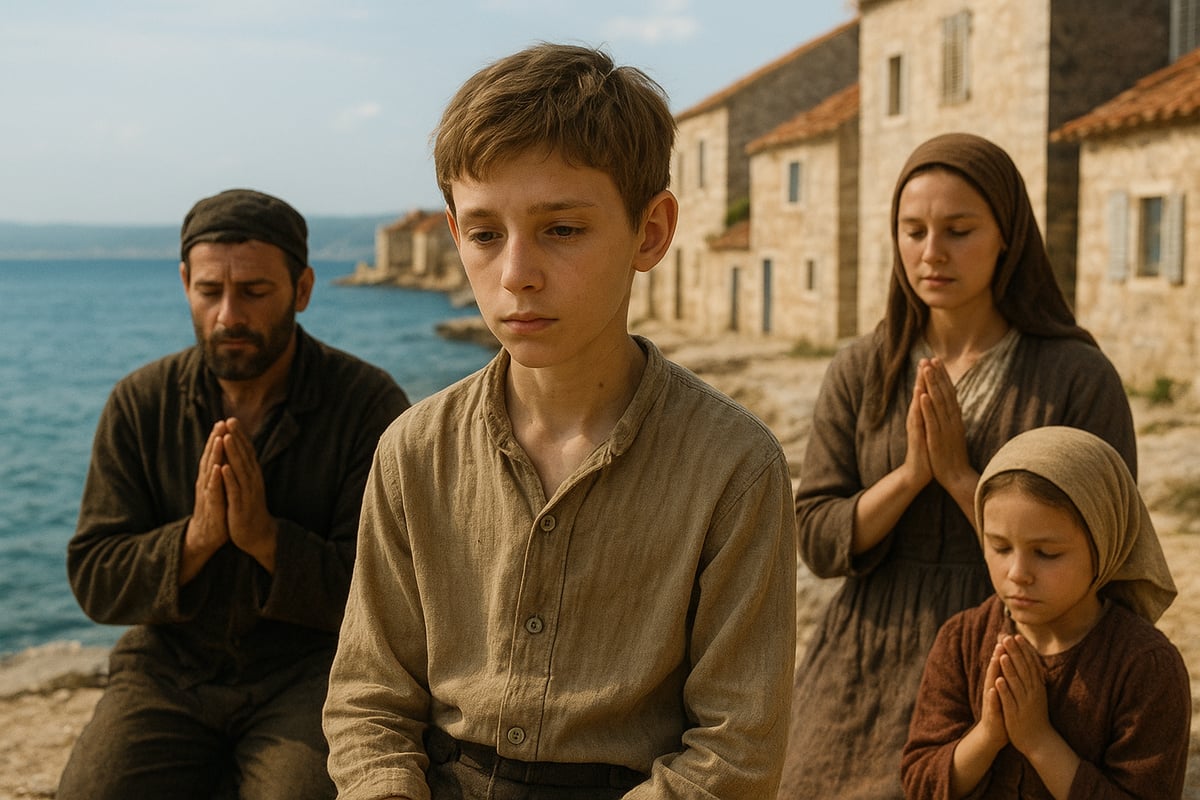
The journey of saint leopold mandic began in the small coastal town of Herceg Novi in 1866. His early years were marked by challenges, yet these experiences would lay the foundation for his remarkable empathy and spiritual strength.
Family Background and Childhood
Saint leopold mandic was born into a devout Catholic family of Dalmatian origin. His parents, deeply rooted in their faith, nurtured a spirit of prayer and devotion in their home. The family's heritage, shaped by centuries of Catholic tradition along the Adriatic coast, influenced his outlook from an early age.
Physically, saint leopold mandic faced many hardships. He was small in stature and suffered from frailty throughout his youth. These challenges made him more sensitive to the struggles of others, fostering a deep compassion that would define his life. His health issues meant he often felt overlooked, but this only strengthened his humility.
A pivotal moment occurred when he was eight years old. Publicly punished by a priest, saint leopold mandic was deeply affected by the experience. This event instilled in him a profound sense of mercy, shaping how he would later approach confession and forgiveness. His early environment, filled with faith and resilience, helped prepare him for a life dedicated to spiritual service. For a comprehensive overview of his early years and family background, the Biography of Saint Leopold Mandić offers valuable insights.
Vocational Calling and Entry into Religious Life
As saint leopold mandic matured, his sense of vocation grew stronger. He felt a deep calling to religious life, inspired by the Franciscan tradition that emphasized humility and service. Despite his physical limitations and a noticeable speech impediment, he chose to join the Capuchin Order. His commitment was unwavering, even when others doubted his abilities.
During his formation as a novice, saint leopold mandic embraced the values of simplicity, charity, and reconciliation. His ordination took place in Venice, where he began to dream of promoting Christian unity—a cause that would remain close to his heart for the rest of his life.
He faced several obstacles on his path. Health problems and his small stature sometimes led others to dismiss his potential. However, his perseverance and gentle spirit won the respect of his peers. Early signs of his compassion emerged as he dedicated himself to listening and consoling those in need. These formative experiences built the foundation for the confessor and miracle worker he would become.
The Confessor of Padua: Ministry and Approach
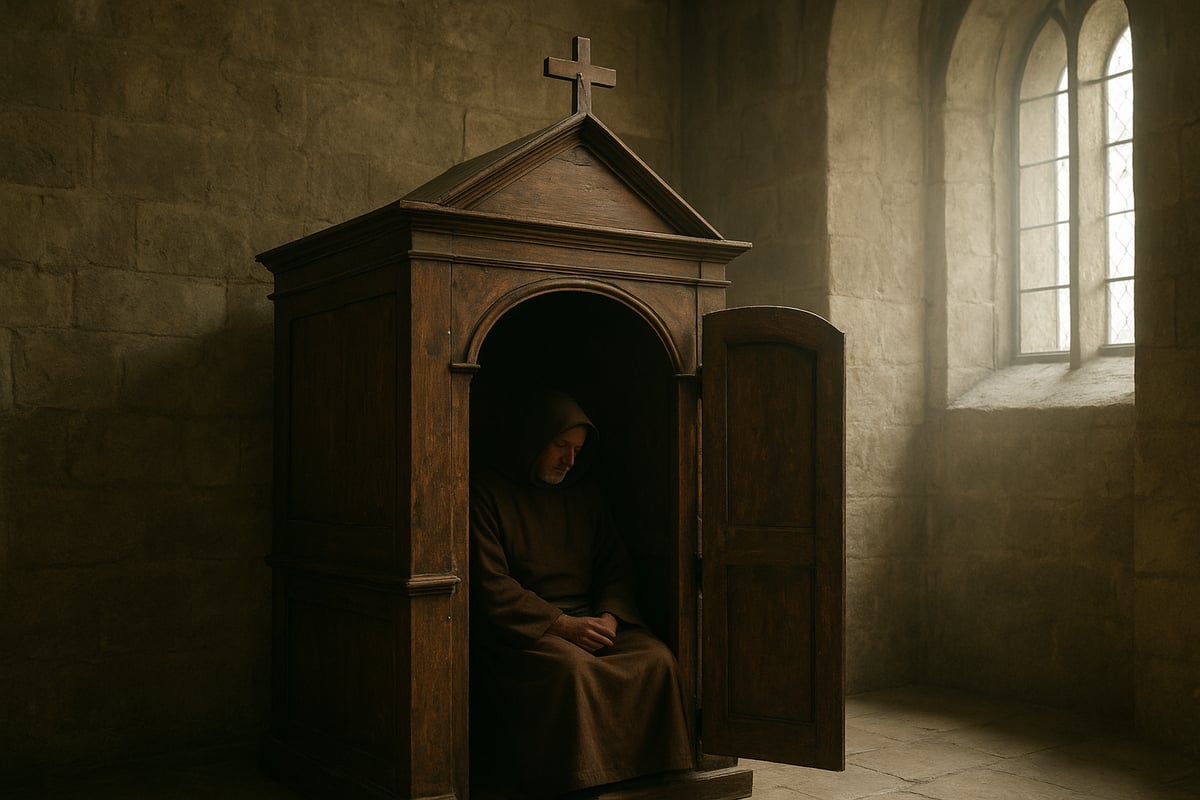
The ministry of saint leopold mandic in Padua stands as a profound testament to humility, mercy, and tireless dedication. His confessional at the Santa Croce convent became a sanctuary for countless souls seeking forgiveness. Through his unique approach, saint leopold mandic redefined the confessor’s role and left an indelible mark on the Church’s understanding of reconciliation.
Daily Life in the Confessional
Each day, saint leopold mandic devoted up to 15 hours to the confessional, offering a listening ear and a compassionate heart. Despite suffering from physical frailty and a speech impediment, he never allowed these challenges to limit his ministry. In fact, his own struggles deepened his empathy for those who came to him, making his confessional a source of hope for the weary and the burdened.
His manner was gentle and welcoming. Saint leopold mandic greeted everyone with warmth, regardless of background or the gravity of their sins. He spoke in simple language and local dialects, helping penitents feel at ease. Some contemporaries criticized him for being too lenient, but he insisted that mercy was at the heart of his vocation.
Personal stories highlight his unwavering commitment. Brother Barnaba Gabini recalled how, even when ill, saint leopold mandic would continue hearing confessions, sometimes eating meals in the confessional to avoid turning anyone away. Father Giuseppe Ungaro and other clergy were deeply moved by his example, noting how his kindness inspired them to approach their own ministries with greater compassion.
His physical ailments, far from hindering him, became instruments of grace. As detailed in Crippling disease brought this priest to the confessional – and then sainthood, his perseverance in the face of suffering made his witness even more powerful for those who sought his counsel.
Unique Spiritual Insights and Prophetic Gifts
Saint leopold mandic was widely recognized for his extraordinary spiritual discernment. Many believed he had the ability to read hearts, offering advice that seemed to touch the innermost struggles of those he guided. His insights were not limited to individual souls. He also received prophetic visions, including a remarkable prediction about the suffering that would befall Italy during World War II.
One of the most striking episodes involved the bombing of Padua. Saint leopold mandic predicted destruction across the city, yet assured that his confessional would be spared. When the bombing finally came, the entire convent was damaged except for his humble confessional cell, which remained untouched. This event was seen by many as a sign of divine favor and the spiritual significance of his ministry.
A lifelong passion for Christian unity distinguished saint leopold mandic from other confessors of his time. He prayed fervently for reconciliation among Christians and dreamed of returning to his homeland to foster unity. Comparisons are often drawn between him and contemporaries like Padre Pio. While both were known for their spiritual gifts, saint leopold mandic emphasized mercy over severity, choosing to grant absolution freely where others hesitated.
His approach to forgiveness was simple yet profound. When questioned about his leniency, he would reply that it was better to err on the side of mercy, confident that God’s love could heal even the deepest wounds.
Theological Perspectives on Mercy and Reconciliation
The legacy of saint leopold mandic extends far beyond his lifetime. His approach to confession has shaped Catholic pastoral care, emphasizing the importance of unconditional mercy and understanding. By welcoming all and refusing to judge, he embodied the Church’s teaching that reconciliation is a sacrament of healing, not condemnation.
Biographers and contemporaries have reflected on how his style challenged prevailing attitudes within the clergy. Where some saw confession as a moment for stern correction, saint leopold mandic saw it as an opportunity for restoration and hope. This perspective has influenced generations of priests and remains a model for the modern Church.
The impact of saint leopold mandic is evident in ongoing discussions about the sacrament of reconciliation. His example encourages priests to approach every penitent with compassion, patience, and humility. The enduring relevance of his ministry is felt in parishes around the world, where his legacy inspires a more welcoming and merciful approach to confession.
In summary, saint leopold mandic’s ministry in Padua not only transformed countless lives but also redefined what it means to be a confessor. His unwavering commitment to mercy, his prophetic insight, and his theological depth continue to shape the Church’s understanding of forgiveness and reconciliation today.
Miracles and Prophecies Associated with Saint Leopold Mandic
The story of saint leopold mandic is inseparable from accounts of miracles and prophecy. Throughout his life and after his passing, many have testified to extraordinary events linked to his intercession. These stories have become a cornerstone of his legacy, drawing pilgrims and inspiring faith around the world.

Documented Miracles During His Lifetime
During his years in Padua, saint leopold mandic became known not just for his tireless confessional ministry, but also for miraculous happenings. Many people experienced physical healings after asking for his prayers. Accounts include those suffering from chronic illness or pain who found relief or complete recovery, often without medical explanation.
Spiritual conversions were even more numerous. Penitents would enter the confessional burdened by guilt or despair and leave transformed. Some described an overwhelming sense of peace or clarity, which they attributed to saint leopold mandic’s prayerful presence. His reputation for reading hearts meant he often addressed sins or struggles before they were spoken, which deeply moved those who came to him.
One of the most remarkable prophetic moments came during World War II. Saint leopold mandic predicted that Padua would suffer bombing, yet he assured others that his confessional would remain untouched. When the city was indeed bombed, the church sustained heavy damage, but his confessional cell survived unscathed. Witnesses saw this as a clear sign of divine intervention.
Personal testimonies from friars, clergy, and laypeople further established his status as a miracle worker. These stories were carefully documented and played a crucial role in the Church’s investigation of his cause. If you are interested in learning about similar miracles, including those related to the Eucharist, you might explore the Miracles of the Eucharist for further reading.
Posthumous Miracles and Canonization
After the death of saint leopold mandic in 1942, reports of miraculous healings and answered prayers multiplied. Many faithful visited his tomb, seeking his intercession for their needs. Some left with stories of recovery from illness, while others spoke of spiritual graces or reconciliations they believed were granted through his prayers.
These posthumous miracles were thoroughly examined by Church authorities during the process of beatification and canonization. Pope Paul VI beatified him in 1976, and Pope John Paul II canonized him as a saint in 1983. Both processes required the validation of miracles attributed to saint leopold mandic, confirming his reputation as an intercessor.
His legacy continued to inspire during the 2015-2016 Jubilee of Mercy, when his remains were displayed in St. Peter’s Basilica alongside Padre Pio. This event drew thousands, highlighting the enduring devotion to saint leopold mandic. The investigation of miracles attributed to him remains ongoing, as new stories are still shared by the faithful.
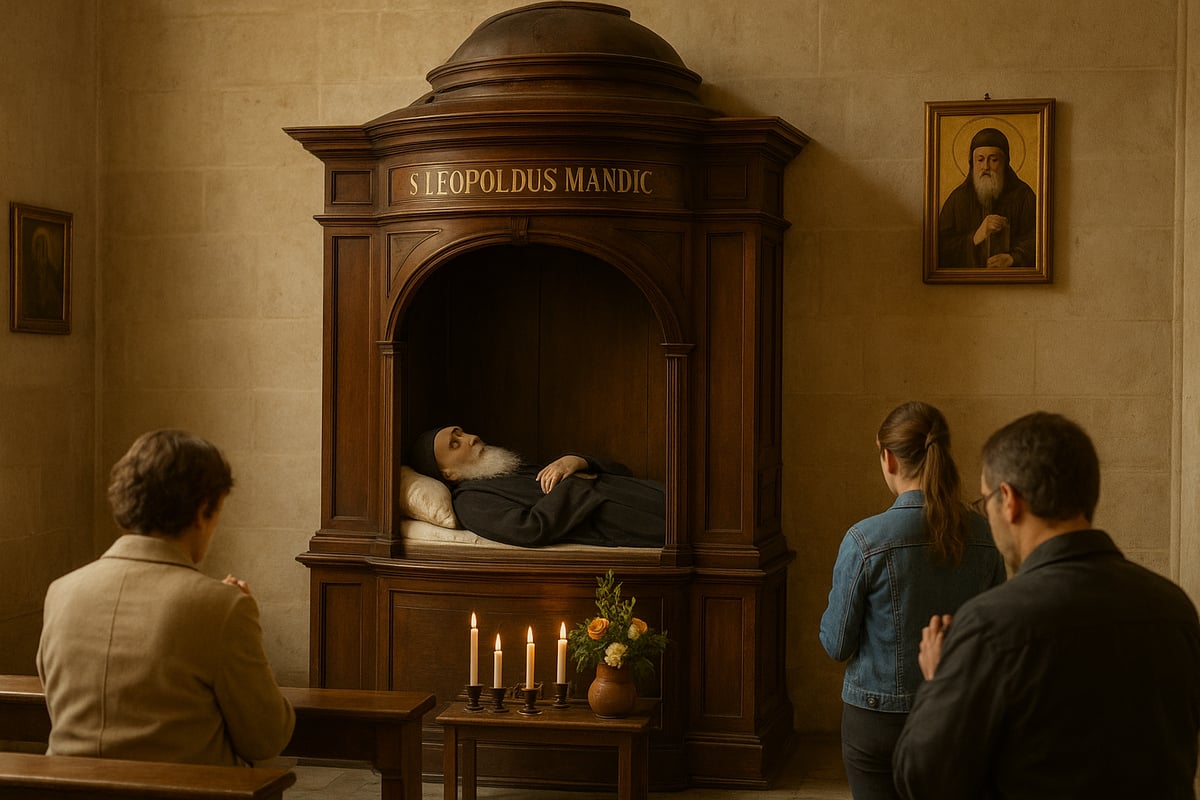
Pilgrimage to his preserved confessional and tomb in Padua has become a significant spiritual practice. Relics associated with saint leopold mandic are venerated by many, and the sites connected to his life are seen as places where grace continues to flow. Through these miracles and ongoing devotion, his influence remains strong in the Catholic world.
Saint Leopold Mandic’s Enduring Legacy and Global Influence
The legacy of saint leopold mandic continues to shape the Catholic Church and inspire believers across the world. His life, marked by profound humility and unyielding compassion, set a new standard for mercy and reconciliation. Today, the influence of saint leopold mandic reaches far beyond his native Padua, touching the lives of countless faithful who seek his intercession and example.
Impact on the Capuchin Order and the Church
Saint leopold mandic’s gentle approach to confession transformed the Capuchin Order’s ministry. He demonstrated that mercy, rather than severity, leads to true reconciliation. His unwavering dedication to hearing confessions for hours each day became a model for priests worldwide.
The Church recognized his extraordinary service by declaring him the patron of confessors and the sacrament of reconciliation. His teachings on humility, compassion, and Christian unity continue to influence Catholic doctrine and pastoral care.
Many priests and religious draw inspiration from saint leopold mandic’s life, incorporating his values into their own ministry. His legacy also extends to the laity, offering an example of how personal limitations can become spiritual strengths.
- Model for priests, religious, and laypeople
- Emphasis on mercy and unconditional acceptance
- Influence on modern approaches to confession
Saint leopold mandic’s story reminds the Church that true greatness lies in humble service and deep empathy.
Pilgrimage Sites and Devotional Practices
Pilgrims from around the world travel to Padua to honor saint leopold mandic. The Santa Croce convent, where he spent most of his ministry, is now a renowned pilgrimage site. Visitors can pray at his preserved confessional and tomb, reflecting on the miracles associated with his intercession.
Annual feast day celebrations bring together local and international Catholic communities, highlighting his ongoing relevance. Museums and exhibitions dedicated to his life allow pilgrims to learn more about his mission and virtues.
Popular devotional practices include lighting candles, leaving written intentions, and participating in special Masses. Many also visit the Sanctuary of Leopold Mandić, which preserves his memory and offers a space for spiritual reflection.
- Santa Croce convent: main pilgrimage destination
- Tomb and confessional: focal points for prayer
- Feast day: celebrated with processions and liturgies
Through these practices, the faithful continue to connect with saint leopold mandic, seeking guidance and healing.
Saint Leopold Mandic in Popular Media and Culture
The story of saint leopold mandic resonates through books, documentaries, and films that capture his life and miracles. His image appears in Catholic art and music, symbolizing mercy and hope. These cultural representations help spread his message to new generations.
Testimonies from devotees and pilgrims further illustrate his ongoing impact. Many share accounts of spiritual transformation after visiting his shrine or praying for his intercession. Media coverage has played a crucial role in broadening awareness of his legacy, making saint leopold mandic a household name among Catholics worldwide.
- Featured in films and documentaries about modern saints
- Subject of biographies and devotional literature
- Mentioned in prayers, hymns, and liturgical celebrations
Through these channels, the inspiration of saint leopold mandic continues to grow, inviting all to embrace mercy and unity in their daily lives.
Lessons and Inspiration for Modern Christians
Saint Leopold Mandic stands as a beacon for anyone seeking spiritual strength in the face of adversity. His life, marked by humility and an unwavering commitment to mercy, offers profound lessons for Christians navigating the complexities of the modern world. The enduring relevance of saint leopold mandic’s example is evident in the countless lives he continues to inspire today.
The Power of Humility and Compassion
Saint leopold mandic’s life was shaped by physical frailty and personal limitations, yet these very challenges became sources of spiritual strength. Despite his small stature and speech impediment, he met every person with boundless compassion and patience. His humility was not a weakness but a profound gift that allowed him to relate to the marginalized and overlooked.
He taught that true greatness lies in embracing one’s limitations and transforming them into avenues for empathy. For those who feel unworthy or burdened by their flaws, saint leopold mandic’s example is a reminder that God works powerfully through humble hearts.
Some key lessons from his life include:
- Embracing weaknesses as strengths: Mandic’s physical struggles cultivated deep understanding for others.
- Perseverance in the face of adversity: He persisted in his ministry despite repeated setbacks.
- Unconditional acceptance: Every penitent was welcomed with dignity, regardless of their history.
By choosing humility and compassion, saint leopold mandic demonstrated a path of spiritual resilience that continues to resonate with believers today.
Relevance of His Message in Today’s World
In a society often marked by division and unforgiveness, saint leopold mandic’s message of mercy and reconciliation is more vital than ever. He recognized the deep wounds that separation causes and devoted his life to healing broken relationships within the Church and beyond.
His approach to confession—marked by gentleness and understanding—reminds modern Christians of the transformative power of forgiveness. Priests and laypeople alike can draw inspiration from how saint leopold mandic prioritized love over judgment, fostering genuine spiritual renewal.
Mandic’s passion for Christian unity speaks directly to our era’s need for dialogue and collaboration among different faith traditions. To explore this dimension of his legacy, readers can learn more about his role as a patron of ecumenism in Saint Leopold Mandic: The Patron Saint of Unity and Ecumenism.
His life challenges the faithful to:
- Seek reconciliation in personal relationships
- Approach others with patience and understanding
- Work actively for unity within the Christian community
The enduring influence of saint leopold mandic calls each believer to become instruments of peace and mercy in a fractured world.
Practical Steps to Emulate Saint Leopold Mandic
Drawing inspiration from saint leopold mandic is not limited to admiration; it involves concrete action. Individuals can incorporate his virtues into daily life by practicing humility, extending forgiveness, and making time for reflection and confession.
Consider these practical steps:
- Dedicate time for self-examination and regular confession, following Mandic’s gentle approach.
- Show kindness to those who feel marginalized or burdened by their struggles.
- Foster unity in families, workplaces, and faith communities.
Many have found spiritual growth by studying the lives of saints. To deepen your understanding and devotion, explore resources like the Catholic Saints Books Collection, which offers valuable insights into saint leopold mandic and others who have shaped Christian history.
By consciously adopting these practices, believers can experience the transformative impact of saint leopold mandic’s legacy in their own spiritual journeys.
The Continuing Call: Saint Leopold Mandic’s Relevance in 2026 and Beyond
As we look to 2026, the legacy of saint leopold mandic continues to shine with renewed relevance. His influence bridges past and present, calling believers to deeper faith and unity. This section explores how commemorations, ongoing initiatives, and personal devotion keep his story alive in the modern world.
Commemorations and Anniversaries in 2026
The year 2026 brings significant milestones in the remembrance of saint leopold mandic. Across Italy and the world, parishes and faith communities are planning special Masses, pilgrimages, and prayer vigils to honor his life. In Padua, the Santa Croce convent will host a major international pilgrimage, drawing visitors who seek to pray at his tomb and preserved confessional.
Many Catholic publishers are set to release new books and documentaries exploring the miracles and teachings of saint leopold mandic. Local museums will unveil exhibitions featuring his handwritten letters, relics, and testimonials from those impacted by his intercession. These events not only celebrate his contributions but also invite new generations to discover his message of mercy.
Church leaders, including bishops and theologians, will offer reflections on his continuing relevance. Their homilies and essays will focus on how his vision for Christian unity and reconciliation is needed today. As communities gather, the commemorations become a living witness to the enduring power of his example.
The Future of His Legacy
Looking forward, the legacy of saint leopold mandic is growing in both traditional and digital spaces. Catholic schools and seminaries increasingly highlight his compassionate approach to confession and his passion for unity in their curricula. His story inspires clergy and laity alike to embrace humility, forgiveness, and perseverance in their spiritual lives.
Global Catholic communities are launching initiatives aimed at promoting Christian unity, a cause close to saint leopold mandic’s heart. These include ecumenical prayer services and dialogue groups that build bridges across denominations. The rise of digital media has made it easier than ever to access resources about his life. For example, platforms like Watch Catholic Saints On Demand offer documentaries and discussions that bring his message to new audiences.
Online forums and virtual pilgrimages allow people from every continent to connect, share stories, and seek intercession. This digital presence ensures that his teachings remain accessible and vibrant, reaching those who may never visit Padua in person. Through these channels, saint leopold mandic’s call to mercy and unity continues to inspire modern believers.
Ways to Deepen Personal Devotion in the Modern Era
For those wishing to grow closer to saint leopold mandic, there are many practical steps. Begin by setting aside time each week for prayer, asking for his intercession in moments of struggle or when seeking forgiveness. Reading about his life and meditating on his virtues can provide encouragement and spiritual direction.
Pilgrimage, whether physical or virtual, is another powerful way to connect. Visiting the Santa Croce convent or participating in online prayer events can deepen one’s appreciation of his legacy. Many faith communities host study groups or retreats focused on his teachings, fostering a spirit of reconciliation and compassion.
To keep his memory alive in daily life, consider sharing his story with family and friends or exploring resources like the Saint of the Day Features for inspiration. By living out his example of humility, mercy, and unity, each person contributes to the ongoing influence of saint leopold mandic, ensuring his relevance for years to come.
As we reflect on the remarkable journey of Saint Leopold Mandic—his humble beginnings, steadfast devotion, and the countless lives touched through his ministry—we're reminded that the legacy of the saints continues to inspire and guide us today. If you feel called to explore the lives of other extraordinary Catholic saints who, like Saint Leopold, have shaped the Church through their faith and compassion, I encourage you to Explore Catholic Saints. Together, we can deepen our understanding, draw strength from their examples, and let their stories enrich our own spiritual journeys.