

Discover the powerful story of saint philomena, a young martyr whose faith and miracles have captivated believers for generations.
This guide takes you on a journey through her remarkable life, the historical roots of her veneration, and the astonishing miracles attributed to her intercession.
You will gain a deeper understanding of her legacy in the Catholic tradition, along with practical ways to honor her today.
From her ancient origins to modern-day devotion, saint philomena continues to inspire hope, healing, and unwavering faith.
Read on to explore her history, miracles, feast days, global shrines, and simple steps to enrich your spiritual life through her example.
The Historical Origins of Saint Philomena
The remarkable journey of saint philomena begins deep beneath the bustling streets of Rome. In 1802, archaeologists exploring the Catacombs of Priscilla uncovered a mysterious tomb. This discovery would soon ignite a wave of devotion and curiosity, reshaping Catholic spirituality in the 19th century.

Archaeological Evidence and Discovery
Inside the catacomb, researchers found a small tomb sealed with three terracotta tiles. Each tile bore the painted inscription “PAX TECUM FILUMENA,” translated as “Peace be with you, Philomena.” The arrangement of the tiles and style of writing signaled an early Christian burial, likely dating back to the late third or early fourth century.
Within the tomb were bones of a young girl, alongside a small glass vial believed to contain remnants of blood, a traditional sign of martyrdom in early Christian burials. These physical details, combined with the inscription, led many to conclude that saint philomena was a young martyr from the time of Roman persecution.
Analysis of Relics and Scholarly Perspectives
The relics underwent careful analysis. Experts estimated the girl was about 13 to 15 years old at death. The presence of the vial, often associated with martyr saints, gave further weight to her status. While some scholars accepted the evidence as straightforward, others debated the interpretation, questioning the precise details of her identity and circumstances. The archaeological findings are still considered among the most compelling for any early saint.
Historical Context: Persecution and Martyrdom
Saint philomena’s story is rooted in the era of severe Christian persecution under Emperor Diocletian. Christians often faced brutal punishments for refusing to renounce their faith. The discovery of her tomb provided a rare, tangible link to these turbulent times. The devotion that followed was shaped by the memory of youthful courage and steadfast belief.
Mother Maria Luisa di Gesù and the Unfolding Narrative
Much of what is known about saint philomena’s life comes from the accounts of Mother Maria Luisa di Gesù. She claimed to have received private revelations detailing Philomena’s royal lineage, vow of virginity, and her refusal to marry the emperor. These visions, while not historical records, deeply influenced the popular devotion and hagiography of Philomena. For a comprehensive exploration of her discovery and the miracles attributed to her, visit Saint Philomena's Life and Martyrdom.
Translation of Relics and the Feast Day
In 1805, the relics of saint philomena were transferred to Mugnano del Cardinale, a small town in southern Italy. The translation of her remains sparked a surge in miraculous reports and widespread veneration. The Church established August 10th as her feast day, commemorating both her martyrdom and the arrival of her relics in Mugnano. The annual celebration draws pilgrims from around the world, eager to honor her memory.
Impact and Lasting Significance
The discovery of saint philomena had a profound impact on Catholic devotion in the 19th century. Her story inspired countless faithful, prompting the construction of shrines and the spread of her cult across Europe and beyond. While debates about the historical details persist, her legacy as a symbol of youthful faith and courage continues to resonate. Today, the origins of saint philomena remain a testament to the enduring power of hope, sacrifice, and the search for truth.
Miracles Attributed to Saint Philomena
Throughout history, countless believers have turned to saint philomena in times of need, drawn by her reputation as a powerful intercessor. The Catholic Church has long recognized the extraordinary miracles attributed to her, ranging from physical healings to profound spiritual conversions. Her story is unique, as her canonization was propelled not by ancient documentation, but by the overwhelming evidence of miraculous events following the discovery of her relics.

Notable Miracles: Healings, Conversions, and Protection
Among the most well-documented miracles linked to saint philomena are sudden and complete healings from life-threatening illnesses. Reports from the 19th century describe individuals suffering from paralysis, blindness, and incurable diseases who regained their health after invoking her intercession. Many families have testified to conversions and reconciliations following prayers to saint philomena, often describing a sense of peace and renewed faith.
- Physical healings of children and adults
- Conversions of non-believers and lapsed Catholics
- Protection from accidents and danger
These miracles have not been limited to her early devotees. Even today, people worldwide report answers to prayers, crediting saint philomena with extraordinary interventions in their lives.
The Role of Oil, Relics, and Global Testimonies
A unique aspect of devotion to saint philomena is the use of blessed oil and relics. The oil, often distributed from her shrine in Mugnano, is applied by the faithful as a sign of trust in her intercession. Numerous accounts describe dramatic improvements in health or spiritual well-being after using the oil or venerating her relics.
Testimonies pour in from the Shrine of Mugnano and other churches globally, each adding to the tapestry of faith surrounding saint philomena. Pilgrims have left written records of their experiences, ranging from restored mobility to freedom from addiction and despair.
Papal Endorsement, Canonical Investigations, and Documented Cases
The miracles attributed to saint philomena drew the attention of Church authorities, leading to formal investigations. Popes Gregory XVI and Pius IX both supported her veneration, citing the volume and credibility of miraculous claims. Medical professionals were called to verify healings, and many cases were documented with witness statements and expert analysis.
For those interested in exploring authentic accounts, the Miracles of Saint Philomena page chronicles a range of healings, conversions, and answered prayers, offering insight into her enduring legacy as a wonder-worker.
Modern-Day Miracles and The Growth of Devotion
Today, saint philomena’s miracles continue to inspire devotion across continents. Prayer requests sent to her shrines number in the thousands each year, and many report unexpected blessings soon after. The stories of hope and transformation attributed to saint philomena have fueled the growth of her cult and established her as a beloved figure in Catholic spirituality.
Her intercession is often sought by those facing seemingly impossible situations, and her miracles serve as a testament to the power of faith and perseverance. Whether through major healings or subtle graces, saint philomena’s impact remains as profound in the modern era as it was in the years following her discovery.
The Growth of Devotion: Feast Days, Shrines, and Global Impact
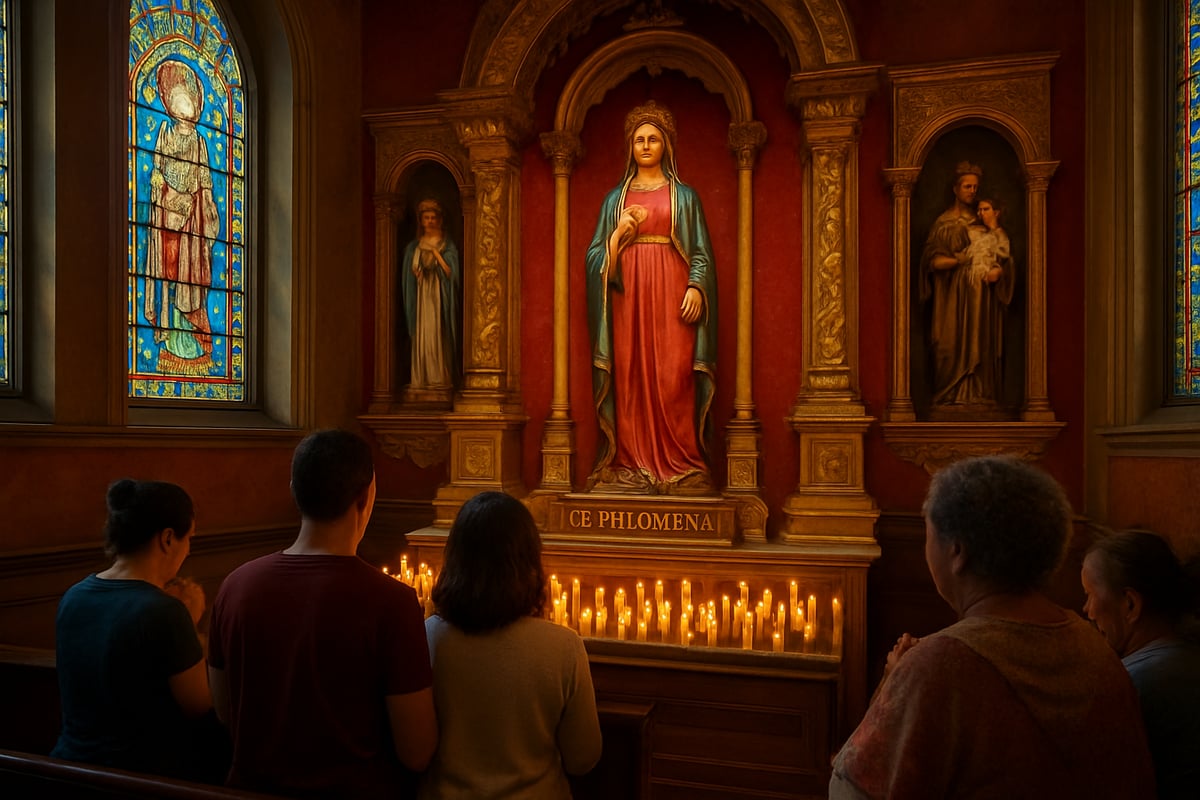
The devotion to saint philomena has flourished since her rediscovery, capturing the hearts of believers across generations. Her legacy is celebrated in vibrant feast days, cherished shrines, and enduring traditions that unite the faithful worldwide.
Major Shrines and Annual Feast Day
The two most prominent shrines honoring saint philomena are found in Mugnano del Cardinale, Italy, and Briggsville, Wisconsin. The Italian shrine, known as the Sanctuary of Saint Philomena, houses her relics and has become a major pilgrimage destination since the early 19th century. In the United States, the National Shrine in Briggsville welcomes thousands each year, reflecting the global reach of her veneration.
Her feast day, celebrated on August 10th, draws large crowds for special Masses, processions, and liturgical ceremonies. Parishes around the world join in honoring saint philomena on this day, often incorporating the blessing of oil, distribution of medals, and communal prayers into their celebrations.
Table: Major Saint Philomena Shrines and Annual Visitors
| Shrine Location | Country | Estimated Annual Visitors |
|---|---|---|
| Mugnano del Cardinale | Italy | 25,000+ |
| Briggsville, Wisconsin | USA | 10,000+ |
| Other global sites | Worldwide | Varies |
Pilgrimages and Devotional Practices
Pilgrimages to saint philomena shrines are marked by heartfelt prayer, candle offerings, and participation in processions. Devotees often seek intercession by touching or venerating relics and using blessed oil associated with her miracles. The shrines provide opportunities for confession, Eucharistic adoration, and participation in novenas dedicated to saint philomena.
Many visitors leave written prayer requests or light candles as acts of faith. Special events, such as healing Masses and all-night vigils, are common during her feast week. Families and parish groups travel together, deepening their connection to the saint through shared spiritual experiences.
Devotional items—medals, prayer cards, and statues—are widely distributed at these sites. These sacramentals serve as tangible reminders of saint philomena’s protection and inspire daily prayer at home.
Global Reach and Contemporary Significance
The devotion to saint philomena has spread to every continent, with new shrines and prayer societies emerging in Africa, Asia, and Latin America. Her story resonates with people facing adversity, inspiring hope and perseverance. Educational programs and catechesis often include her example, making saint philomena a model for youth and families.
Prominent saints, such as Saint John Vianney, played a key role in expanding her cult, especially in France and Italy. The impact of her miracles, along with papal endorsements, continues to draw new generations into her circle of devotion. For a deeper look at how saint philomena’s following grew through the influence of key figures, the article on Devotion to Saint Philomena provides valuable insights.
Today, modern pilgrims and devotees connect through online communities, annual events, and the use of digital resources, ensuring that the legacy of saint philomena remains vibrant and accessible to all.
How to Cultivate Personal Devotion to Saint Philomena
Cultivating a personal devotion to saint philomena offers a unique spiritual journey rooted in faith, hope, and love. Her example of steadfast courage inspires countless believers to seek her intercession and follow her virtues. Whether you are new to her story or deepening an existing devotion, there are practical steps you can take to honor her legacy in your daily life.
Getting Started: Embracing Devotion
Begin by learning about the life and virtues of saint philomena. Read her story, reflect on her courage, and consider what draws you to her intercession. Many start their journey by choosing a special day, such as her feast on August 10, to commit to a period of prayer or reflection.
Set an intention for your devotion. Are you seeking spiritual strength, healing, or guidance? Writing down your intention helps focus your prayers and invites saint philomena into your life in a meaningful way.
Prayers, Novenas, and Devotional Practices
Prayer is central to honoring saint philomena. Incorporate her novena, litanies, or other traditional prayers into your routine. Many devotees pray a daily decade of the rosary in her honor or recite specific prayers for her intercession.
To deepen your practice, explore reputable resources. The Catholic Saints books collection offers prayer books and devotional guides dedicated to saint philomena. These materials can enrich your understanding and provide structured ways to pray, meditate, or reflect on her miracles.
Creating a Sacred Space at Home
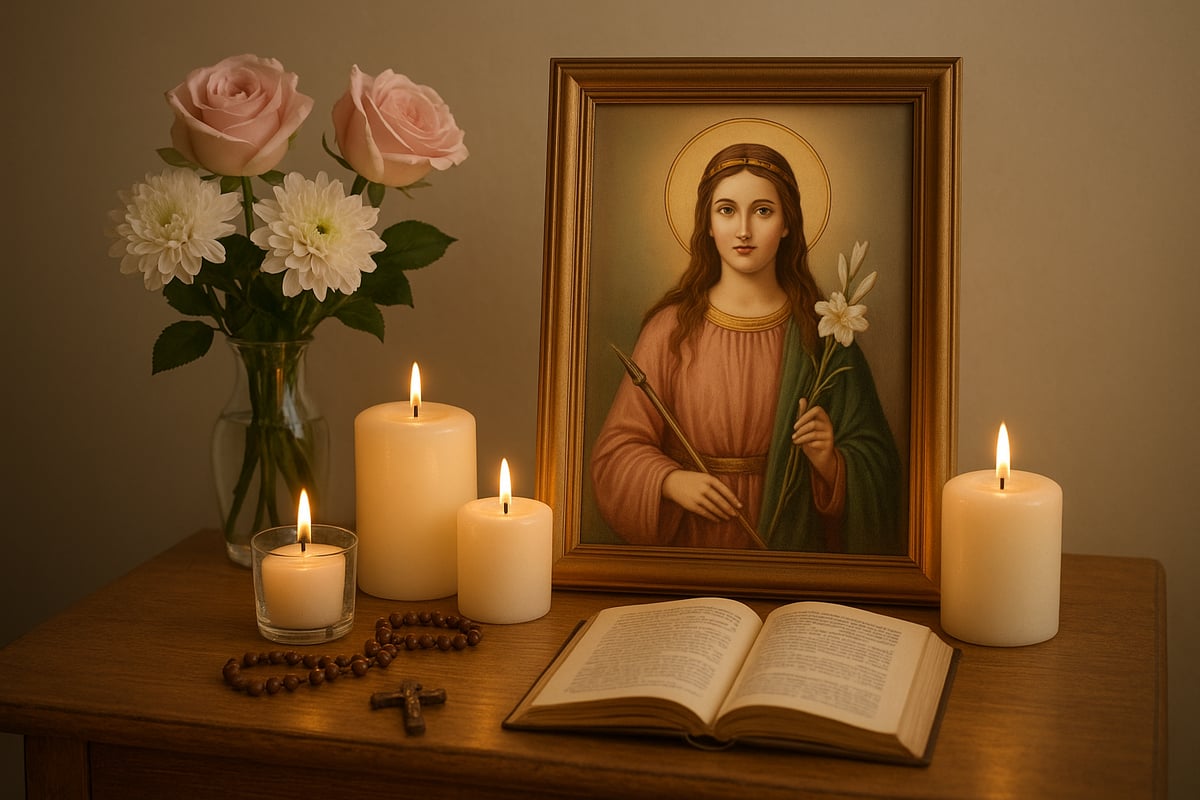
Establishing a dedicated space at home helps foster a consistent devotion to saint philomena. Choose a quiet area and arrange a small altar with her image, a candle, and perhaps a relic or blessed medal. Fresh flowers or a simple cloth can add beauty and reverence.
Make this space your sanctuary for daily prayer, reflection, or spiritual reading. This visible reminder of saint philomena’s presence encourages regular devotion and invites peace into your household.
Engaging Community and Teaching Youth
Devotion to saint philomena grows stronger within a supportive community. Join or form a parish prayer group, or connect with online communities dedicated to her. Sharing intentions, testimonies, and answered prayers can uplift others and deepen your own faith.
Introduce children and youth to saint philomena by sharing her story and virtues. Use age-appropriate books, crafts, or storytelling to inspire them. Her example of purity, courage, and faith is especially meaningful for young Catholics seeking role models.
Supporting Shrines and Sharing Testimonies
Consider supporting shrines, missions, or charitable works in saint philomena’s name. Contribute to local or international efforts that promote her legacy and assist others in need. Pilgrimages, whether in person or virtual, offer powerful opportunities for prayer and reflection.
Finally, share your experiences of saint philomena’s intercession with friends, family, or faith communities. Personal testimonies often inspire new devotion and build a living tradition of faith, hope, and miracles.
As you reflect on Saint Philomena’s incredible history, her powerful miracles, and the ways she continues to inspire devotion today, you might feel called to deepen your own spiritual journey or discover more about her remarkable legacy. Whether you’re seeking authentic resources, wanting to bring her story into your home, or exploring the lives of other inspiring Catholic saints, there’s a wealth of guidance and inspiration available. I invite you to Explore Catholic Saints for thoughtfully curated books, devotional items, and media that can enrich your faith and help you grow closer to the saints who light our way.