

The resurrection of Jesus Christ stands as the central event of Christianity, transforming history and countless lives across two millennia. This miraculous event on the third day after the crucifixion represents far more than a historical occurrence; it embodies the promise of eternal life, the defeat of death, and the ultimate vindication of Christ's divine mission. For Catholics and Christians worldwide, the resurrection provides the foundation upon which faith is built, hope is sustained, and the promise of salvation becomes reality. Understanding this pivotal moment requires examining both its historical evidence and its profound theological implications.
Historical Evidence Supporting the Resurrection
The historical case for the resurrection rests on multiple lines of evidence that scholars have examined for centuries. Ancient sources, both Christian and non-Christian, provide testimony to the events surrounding Christ's death and reported resurrection in Jerusalem during the first century.
Primary Source Documentation
The earliest written accounts come from the apostle Paul, whose letters predate the Gospels. In his first letter to the Corinthians, written approximately 53-54 AD, Paul references a creed that scholars date to within just a few years of the crucifixion itself. This early testimony demonstrates that belief in the resurrection emerged immediately, not as a later legendary development.
The four Gospel accounts provide detailed narratives about the resurrection, each offering unique perspectives while maintaining core consistency. Matthew, Mark, Luke, and John all testify to the empty tomb, angelic announcements, and resurrection appearances. Research analyzing English texts written on Jesus's resurrection over five centuries demonstrates the enduring scholarly interest in these foundational documents.
Brought to you by Journeys of Faith, founded by Bob and Penny Lord. We are an Augustinian Secular Institute, Cyber Apostles. Our Mission is Evangelization through Media.

The Empty Tomb as Historical Fact
Several factors make the empty tomb a compelling historical datum. First, all four Gospels report that women discovered the empty tomb, a detail unlikely to be fabricated in a culture where women's testimony held minimal legal weight. Second, if the body remained in the tomb, both Roman and Jewish authorities could have easily disproved resurrection claims by producing Jesus's corpse. Third, the location of the tomb was known to both supporters and opponents, making deception virtually impossible.
| Evidence Type | Supporting Details | Historical Significance |
|---|---|---|
| Early Creeds | 1 Corinthians 15:3-7 | Dates within 3-5 years of crucifixion |
| Multiple Attestation | Four Gospels plus Paul | Independent sources confirm core facts |
| Women as Witnesses | All Gospels report women first | Unlikely fabrication given cultural context |
| Enemy Attestation | Jewish sources acknowledge empty tomb | Opponents couldn't deny missing body |
The transformation of the disciples presents another powerful argument. These men and women went from hiding in fear after the crucifixion to boldly proclaiming the resurrection, ultimately facing persecution and martyrdom. People rarely die for what they know to be a lie. The disciples' willingness to suffer demonstrates their conviction that they had genuinely encountered the risen Christ.
Theological Significance of the Resurrection
The resurrection transcends historical interest to become the cornerstone of Christian theology. Without this event, Christianity collapses into mere moral philosophy rather than transformative divine revelation.
Victory Over Death and Sin
The resurrection demonstrates Christ's complete victory over death, sin, and Satan. Through His rising from the dead, Jesus proves that death no longer holds ultimate power over humanity. This triumph fulfills Old Testament prophecies and establishes the pattern for believers' future resurrection. As the firstfruits of the resurrection, Christ guarantees that those united with Him through faith will likewise experience bodily resurrection.
Catholic teaching emphasizes that the resurrection validates everything Jesus taught and claimed about Himself. His rising from the dead confirms His identity as the Son of God, vindicates His mission, and authenticates His promise of eternal life to those who believe. The resurrection transforms the cross from apparent defeat into glorious victory.
Foundation for Sacramental Life
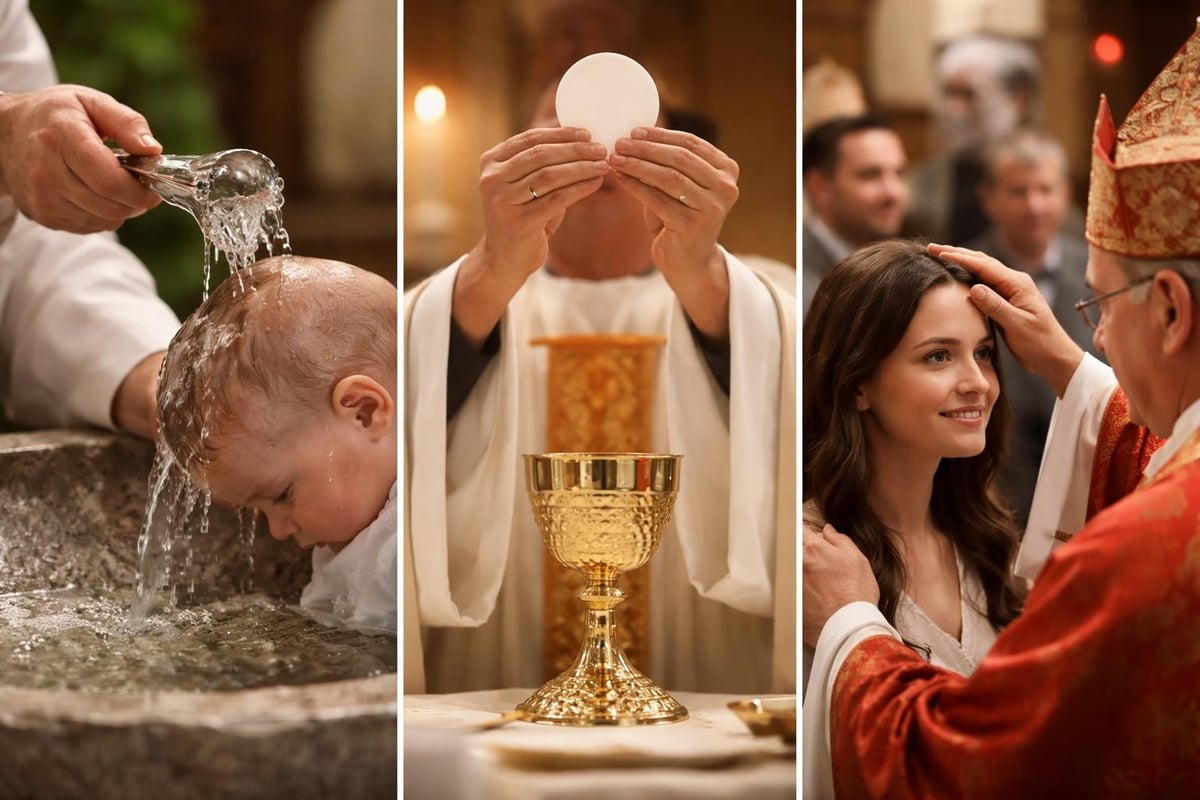
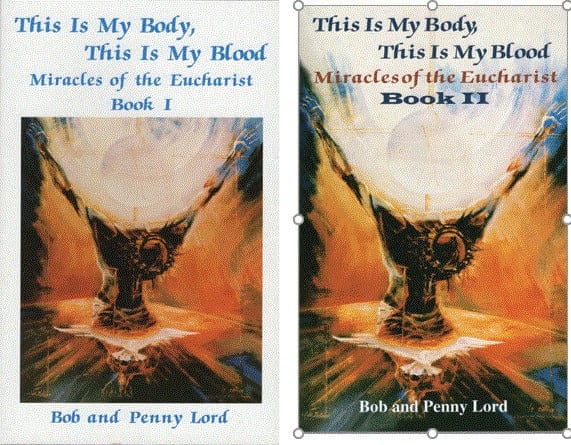
The resurrection directly connects to the sacramental life of the Church, particularly the Eucharist. During His post-resurrection appearances, Jesus shared meals with disciples, most notably at Emmaus where He was "known to them in the breaking of bread." This pattern establishes the Eucharistic celebration as an encounter with the risen Lord. Many Catholics find resources about the Eucharist particularly meaningful for deepening their understanding of Christ's continued presence among believers.
The Resurrection in Catholic Tradition
Catholic tradition has preserved and celebrated the resurrection through liturgy, art, devotion, and theological reflection for two thousand years. This rich heritage helps believers encounter the risen Christ in their daily lives.
Liturgical Celebration
The resurrection finds its supreme liturgical expression in the Easter Vigil, considered the "mother of all vigils." This ancient celebration moves from darkness to light, from death to life, symbolizing humanity's passage through Christ's resurrection. The fifty days of Easter season extend this celebration, emphasizing that the resurrection isn't just a historical event but an ongoing reality transforming the Church and world.
Every Sunday serves as a "little Easter," a weekly commemoration of the resurrection. By gathering for Mass on the first day of the week, Catholics participate in the pattern established by the early Church, which assembled on "the Lord's Day" to celebrate the Eucharist and remember Christ's victory over death.
Resurrection Appearances and Their Lessons
The Gospels record numerous resurrection appearances, each offering unique insights:
- Mary Magdalene at the tomb teaches about personal encounter and mission
- The disciples on the Emmaus road demonstrates Christ's presence in Scripture and breaking of bread
- Thomas and the apostles addresses honest doubt and the call to faith
- Peter's restoration reveals divine mercy and renewed mission
- The great commission establishes the Church's evangelizing mandate
These appearances weren't brief visions but extended encounters where disciples ate with Jesus, touched Him, and conversed at length. Contemporary analysis of the resurrection evidence highlights how these details strengthen the historical case while deepening theological understanding.
Living the Resurrection Today
The resurrection isn't merely doctrine to be affirmed but reality to be lived. Catholics embrace resurrection life through practical discipleship, sacramental participation, and hopeful witness.
Transformation Through Resurrection Power
Baptism unites believers with Christ's death and resurrection, making them "new creatures" in Him. This sacramental reality means Christians possess resurrection power for daily living. Paul frequently appeals to the resurrection as motivation for holy living, ethical conduct, and perseverance through suffering.
The resurrection provides hope in the face of death, suffering, and evil. Because Christ conquered death, believers need not fear it. This hope doesn't deny life's difficulties but places them within the larger context of God's redemptive plan. Catholics facing trials can draw strength from knowing that resurrection follows crucifixion.
For those seeking to deepen their spiritual journey, prayer cards and novenas offer practical ways to meditate on the mysteries of Christ's passion, death, and resurrection. These traditional devotions help believers internalize resurrection hope through regular prayer.
Evangelization and Witness
The resurrection compels Christians to share the Gospel. The apostles' primary message was "Jesus is risen!" This proclamation remains the Church's central announcement to the world. Catholic evangelization efforts, whether through media, personal witness, or institutional ministry, ultimately proclaim resurrection hope to a world enslaved by fear of death.
The transformation visible in believers' lives serves as powerful testimony to the resurrection's reality. When Christians demonstrate genuine joy, hope in suffering, sacrificial love, and freedom from death's fear, they make the resurrection credible to skeptics. This living witness often speaks more powerfully than arguments.
Addressing Doubts and Questions
Throughout history, skeptics have proposed alternative explanations for the resurrection accounts. Examining these objections strengthens understanding while demonstrating the resurrection's historical credibility.
Common Alternative Theories
Several naturalistic explanations have been offered, yet each fails to account for the evidence:
-
The Swoon Theory suggests Jesus didn't actually die but merely fainted, later reviving in the tomb. This fails to explain how a severely wounded man could move a heavy stone, overcome guards, walk miles on pierced feet, and inspire disciples to proclaim His glorious resurrection.
-
The Theft Theory proposes that disciples stole the body. This contradicts the disciples' character, their subsequent martyrdom, and the presence of Roman guards. Additionally, the grave clothes were left behind in an undisturbed arrangement impossible to achieve while stealing a body.
-
The Hallucination Theory argues that resurrection appearances were mass hallucinations. However, hallucinations don't occur to groups, don't involve physical touch and eating, and don't appear to skeptics like James and Paul.
-
The Legend Theory claims the resurrection story developed gradually through myth-making. Yet the timeframe is far too short for legendary development, and the presence of hostile witnesses would have prevented false claims from gaining traction.
| Theory | Main Claim | Why It Fails |
|---|---|---|
| Swoon Theory | Jesus didn't die, just fainted | Contradicts medical evidence and Roman execution expertise |
| Theft Theory | Disciples stole the body | Doesn't explain disciples' transformation and martyrdom |
| Hallucination | Appearances were visions | Group hallucinations don't occur; doesn't explain empty tomb |
| Legend | Story developed over time | Timeline too short; eyewitnesses still alive |
The Role of Faith and Reason
While evidence supports the resurrection, faith remains essential. The resurrection is both historical event and divine mystery. God provides sufficient evidence for those genuinely seeking truth while preserving space for faith. Examining the historical evidence helps establish reasonable foundations, but personal encounter with the risen Christ transforms intellectual assent into living faith.
Thomas's journey from doubt to faith illustrates this balance. Jesus didn't condemn Thomas's desire for evidence but provided it. Yet Jesus also pronounced blessing on those who believe without seeing, recognizing that future generations would encounter Him through testimony rather than physical presence. The Holy Spirit continues to bear witness to the resurrection, making Christ's presence real to believers today.
The Resurrection and the Saints
Throughout Catholic history, the saints have demonstrated profound devotion to the resurrection and its implications. Their lives and writings illuminate how the resurrection shapes authentic Christian discipleship. These holy men and women encountered the risen Christ through prayer, sacraments, and service, allowing resurrection power to transform them into living witnesses.
Many saints experienced mystical encounters with the risen Lord that deepened their faith and mission. Others endured martyrdom with joy, confident in their own future resurrection. Still others developed theological insights about the resurrection that enriched Church teaching. Studying the lives of saints reveals practical patterns for living resurrection faith in every age and circumstance. Catholic Saints books provide inspiring examples of how believers across centuries have embraced the transformative power of Christ's victory over death.
Mary's Role in the Resurrection Narrative
While Scripture doesn't explicitly describe a resurrection appearance to Mary, the Mother of God, Catholic tradition has long held that Jesus first appeared to His mother. This pious belief recognizes Mary's unique role in salvation history and her profound faith during Jesus's passion. Mary's unwavering hope beneath the cross demonstrates her confidence in God's promises, a hope fulfilled when her Son rose triumphant.
Mary's presence in the Upper Room with the apostles after the Ascension shows her continued role in the early Church's life. As the first and most perfect disciple, Mary models how believers should respond to the resurrection: with faith, hope, and dedication to mission. Her maternal intercession continues to lead the faithful to encounter her risen Son.
Resurrection Hope for Modern Believers
In 2026, the resurrection message remains as vital as ever. Contemporary culture often denies death's reality through distraction or despairs of any meaning beyond physical existence. The resurrection offers an alternative vision: death is real but defeated, life is precious but not ultimate, and hope extends beyond this world into eternity.
Facing Mortality with Resurrection Hope
The resurrection doesn't eliminate grief but transforms it. Catholics mourning loved ones find comfort in the promise that death isn't the end. The resurrection assures believers that they will be reunited with those who have died in Christ. This hope doesn't minimize loss but situates it within God's larger plan of redemption and restoration.
For those facing terminal illness, persecution, or seemingly hopeless situations, the resurrection provides courage and perspective. Just as Christ's darkest hour preceded His greatest triumph, believers can trust that God brings life from death, hope from despair, and victory from apparent defeat. This confidence empowers Christians to face suffering with supernatural peace.
Social Implications of Resurrection Faith
Resurrection faith has profound social implications. Because death is defeated, Christians can sacrifice for justice without fearing ultimate loss. Because bodily resurrection awaits, physical creation matters and deserves care. Because Christ rose to establish His kingdom, believers work toward that kingdom's values: mercy, justice, peace, and love.
The resurrection also motivates mission and evangelization. Since Christ conquered death and offers eternal life, Christians urgently share this good news. The Great Commission flows directly from the resurrection, as Jesus sends His disciples to make disciples of all nations, baptizing them and teaching them everything He commanded. This mission continues through the Church today, employing every available means, including modern media and technology, to proclaim resurrection hope.
Key Resources for Deepening Resurrection Faith:
- Study Scripture, particularly the Gospel accounts and Paul's letters
- Participate fully in the Easter liturgy and Sunday Mass
- Meditate on the Glorious Mysteries of the Rosary
- Read theological works and saint biographies
- Engage in evangelization and witness
- Practice hope-filled living despite challenges
The Resurrection in Art, Music, and Culture
Catholic culture has celebrated the resurrection through magnificent artistic expressions that inspire faith and catechize believers. From the earliest Christian symbols in the catacombs to Renaissance masterpieces to contemporary worship music, artists have sought to capture the glory, mystery, and transformative power of Christ rising from the dead.
Icons of the resurrection in Eastern Catholic tradition depict Christ trampling the gates of hell while pulling Adam and Eve from their tombs, symbolizing the universal scope of salvation. Western art often portrays the moment of resurrection with Christ emerging from the tomb in glory, or the encounter between Jesus and Mary Magdalene. These visual representations make theological truths accessible and memorable.
Sacred music particularly flourishes during Easter, with triumphant hymns like "Jesus Christ Is Risen Today" and "Alleluia" filling churches worldwide. The restoration of "Alleluia" after its Lenten absence marks the resurrection's joy. Handel's "Messiah" climaxes with the powerful "Hallelujah Chorus," celebrating Christ's victory. This artistic heritage enriches worship while transmitting resurrection faith across generations.
The resurrection of Jesus Christ remains the cornerstone of Catholic faith, validated by historical evidence and experienced through personal encounter with the risen Lord. This transformative event offers hope, meaning, and eternal life to all who believe, making it the most important truth Christians proclaim to the world. Whether you're seeking to deepen your understanding through study, strengthen your faith through prayer, or share the good news through evangelization, Journeys of Faith provides resources to support your spiritual journey, offering books, media, prayer materials, and educational content dedicated to helping believers encounter Christ and His resurrection power in their daily lives.
Additional Resources:
- Explore the Journeys of Faith online store with thousands of Catholic items
- Use our unique Mega Search Engine linked to hundreds of Catholic shops and stores
- Get the Journeys of Faith NEW App for iPhone or Android by searching for Journeys of Faith or visiting our app page
- Chat with us anytime with questions or prayer requests
- We need your help to reach more souls-please make a donation to support our evangelization mission