

In a world where division and discord seem to dominate headlines, the longing for genuine connection and peace is stronger than ever in 2026. Many people are searching for ways to bridge differences and foster understanding.
This Unity Prayer Guide offers a pathway to harmony, blending spiritual wisdom with practical steps for both individuals and communities. You will discover the true meaning of unity, learn how unity prayer can transform lives, and find real-life examples of hope in action.
Explore each section to uncover inspiration, practical guidance, and tools to embrace unity in your family, workplace, and community.
Understanding Unity: The Foundation of Harmony
In a time marked by rapid change and uncertainty, the idea of unity stands as both a hope and a necessity. Unity is more than a simple agreement—it is a deep connection of hearts and minds that allows individuals and communities to thrive together. As we look toward creating a more harmonious world, understanding the true meaning of unity prayer becomes essential.
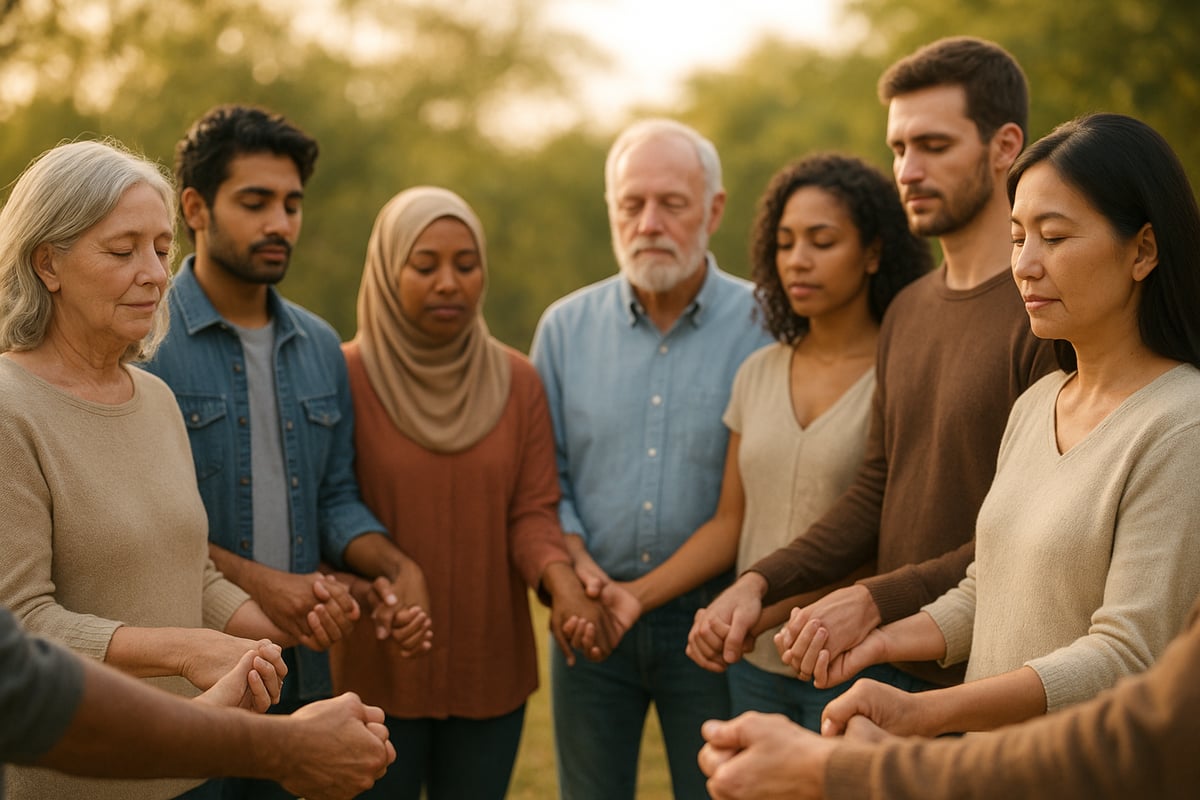
What Is Unity?
Unity can be understood on several levels. Spiritually, it is the recognition that all people are connected by a higher purpose or divine presence. Socially, unity is the ability to work together respectfully despite differences. On a personal level, unity means aligning one's thoughts, emotions, and actions toward a common good. Practicing unity prayer helps individuals bridge internal and external divides, fostering peace within and among others.
The Importance of Unity in 2026
The need for unity is especially urgent in 2026. Social and political divisions have left many feeling isolated or misunderstood. According to Pew Research Center's 2024 survey on social division, 60% of people list social division as a major concern. This widespread anxiety highlights the importance of seeking harmony through unity prayer, which invites us to move beyond differences and focus on shared values.
Superficial Agreement vs. Deep-Rooted Harmony
It is important to distinguish between surface-level agreement and genuine unity. Superficial unity often involves avoiding difficult conversations or suppressing differences. True unity, however, is built on honest dialogue, mutual respect, and a willingness to embrace diversity. Through unity prayer, individuals and groups can acknowledge disagreements while seeking a deeper understanding that leads to lasting harmony.
Spiritual and Interfaith Perspectives
Many faith traditions celebrate unity as a core value. In Christianity, Paul's letter to the Ephesians urges believers to "make every effort to keep the unity of the Spirit through the bond of peace." Interfaith perspectives also highlight unity, whether through shared prayers, community service, or dialogue. By including unity prayer in daily practices, people from all backgrounds can connect on a spiritual level, reinforcing the idea that unity transcends doctrine.
The Benefits of Unity in Action
Unity offers both psychological and societal benefits. When people engage in unity prayer, they cultivate empathy, patience, and forgiveness—qualities that reduce conflict and build trust. In families, unity can heal generational rifts. In workplaces, it fosters collaboration and innovation. Communities that value unity are more resilient and compassionate. Ultimately, true unity does not erase differences but celebrates them within a framework of respect and love.
The Power of Prayer in Cultivating Unity
The practice of unity prayer has long been a cornerstone for those seeking harmony in divided times. In 2026, individuals and communities are rediscovering unity prayer as a powerful means to bridge gaps, heal wounds, and foster genuine connection.
By engaging in unity prayer, people open themselves to transformation that extends beyond words or intentions. Through this section, we explore how unity prayer shapes hearts, strengthens relationships, and brings diverse groups together under a shared purpose.
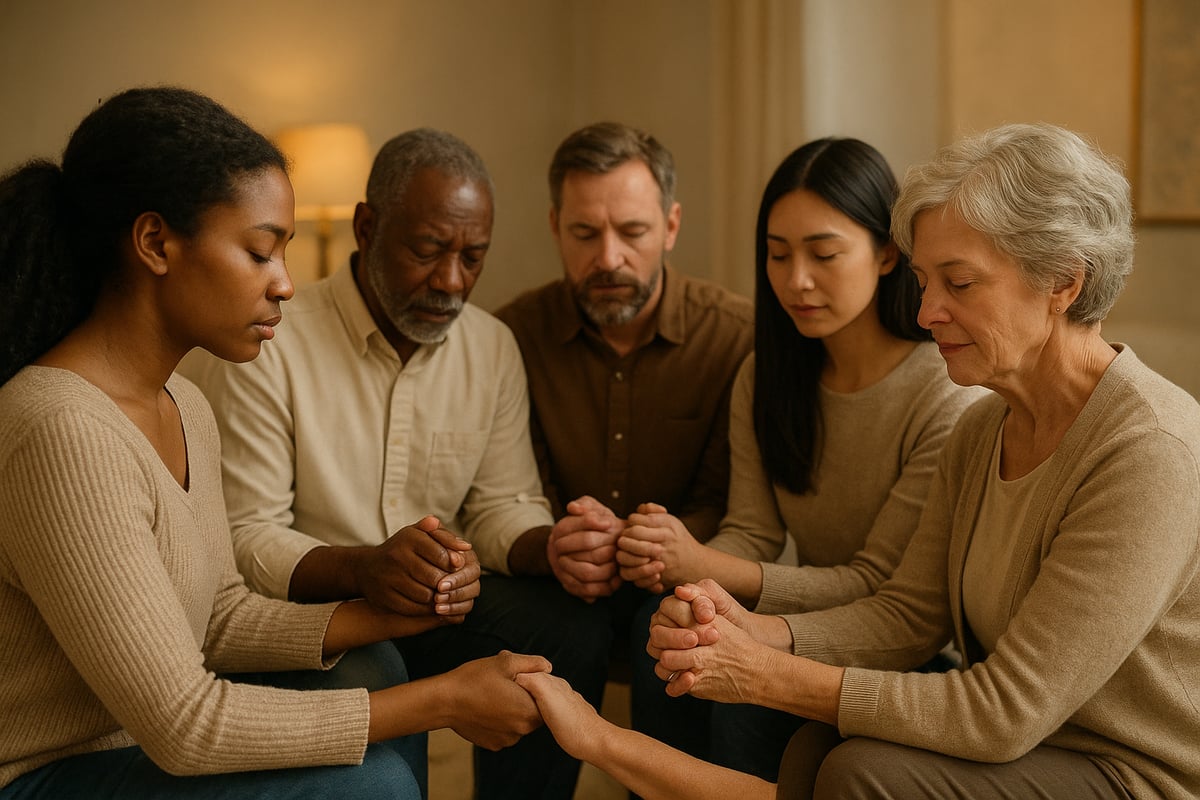
How Prayer Transforms Hearts and Relationships
Unity prayer works at the heart level, inviting individuals to set aside personal grievances and focus on shared values. Spiritually, unity prayer is more than ritual; it is a transformative practice that fosters empathy, humility, and forgiveness.
Recent scientific studies highlight the effects of prayer on emotional regulation and empathy. According to the Pew Research Center's 2025 report on prayer practices, regular prayer, including unity prayer, is linked to lower stress levels and improved compassion towards others.
Families and groups who engage in unity prayer often report breakthroughs in communication. For example, a family experiencing conflict may begin a weekly unity prayer, discovering that shared intentions soften hearts and open pathways for reconciliation.
Humility is central to unity prayer. When individuals admit their limitations and seek guidance, they create space for patience and mutual understanding. The biblical call to "maintain the unity of the Spirit in the bond of peace" (Ephesians 4:3) reinforces the idea that unity prayer is both a personal and communal journey.
A church group that faced years of disagreement found resolution through consistent unity prayer. Each week, members confessed their divisions, asked for understanding, and reaffirmed their commitment to harmony. Over time, relationships deepened, and the group emerged stronger and more united.
Through unity prayer, focus shifts away from self-interest and toward a collective vision. The process encourages participants to forgive, listen, and embrace one another’s differences, laying the foundation for lasting peace.
Types of Unity Prayers Across Faith Traditions
Unity prayer is not confined to a single tradition. Across faiths, people have developed unique practices that nurture connection and inclusion.
In Christianity, unity prayer often takes the form of the Lord’s Prayer or the Prayer of St. Francis, both of which emphasize forgiveness, peace, and service. Affirmative prayer, as practiced in the Unity Church, invites participants to declare positive intentions for unity and healing.
Other traditions also embrace unity prayer. Buddhists use loving-kindness meditation to extend compassion to all beings, while in Islam, Duas for peace are recited for the well-being of families and communities. These prayers, though different in form, share the same goal: fostering unity and reducing division.
Below is a comparison of unity prayer approaches:
| Tradition | Example Prayer | Focus |
|---|---|---|
| Christianity | Lord’s Prayer, St. Francis | Forgiveness, oneness |
| Buddhism | Loving-kindness meditation | Compassion, inclusion |
| Islam | Duas for peace | Well-being, harmony |
| Interfaith | National Day of Prayer | Shared values, respect |
Unity prayer can be liturgical, following set forms, or spontaneous, arising in the moment during group gatherings. Many communities hold National Day of Prayer events, where people from diverse backgrounds unite in prayer for peace and understanding.
Through unity prayer, traditions overcome prejudice and build bridges. Whether in a formal service or a spontaneous circle, unity prayer provides a universal language for hope and connection.
No matter the tradition, unity prayer is a catalyst for transformation. It transcends doctrinal boundaries, inviting all to participate in the ongoing work of harmony.
Step-by-Step Guide: How to Practice Unity Prayer in 2026
In 2026, practicing unity prayer is more than a ritual, it is a conscious approach to fostering harmony in every sphere of life. This guide offers practical steps to help you, your family, or your community embrace unity prayer with intention and consistency.
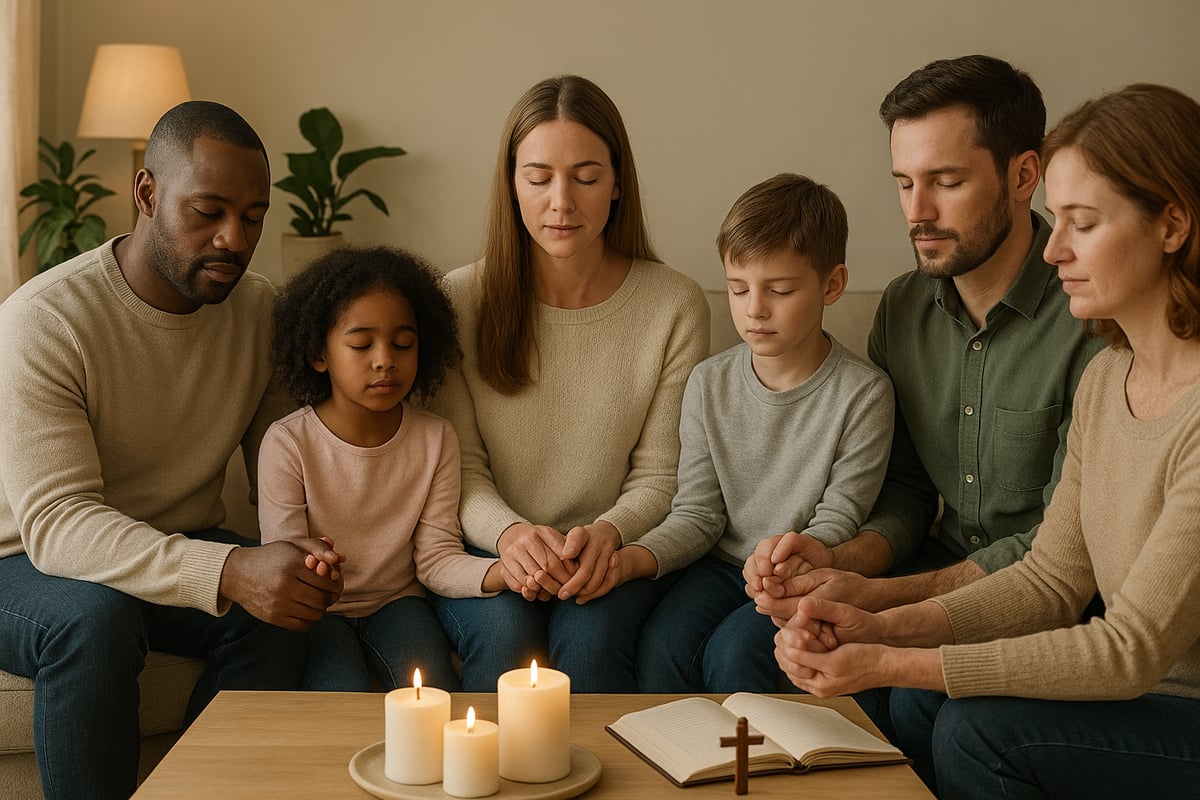
Preparing for Unity Prayer: Mindset and Environment
Preparing for unity prayer starts with setting a clear intention. Decide why you are coming together—whether to heal a family disagreement, strengthen workplace bonds, or cultivate community understanding.
Choose a peaceful, distraction-free environment. This might mean dimming the lights, playing gentle music, or displaying meaningful symbols. Turning off phones and screens helps everyone stay present.
Before beginning, take a few deep breaths to calm the mind. Invite participants to reflect silently on the importance of unity prayer and open their hearts to its purpose.
Consider writing down your intentions in a prayer journal. This practice can help clarify your hopes and track progress over time. For families, gathering in a quiet room and setting aside regular time each week can make unity prayer a cherished tradition.
- Set a unified intention as a group.
- Remove distractions from your environment.
- Use calming elements like music or candles.
- Encourage openness and vulnerability.
By preparing thoughtfully, you create a foundation where unity prayer can thrive and have a lasting impact.
The Structure of a Unity Prayer
A well-structured unity prayer guides participants through a journey of gratitude, acknowledgement, reconciliation, and hope. While the format can be adapted, the following structure is widely effective for individuals or groups.
Sample Structure Table
| Step | Description |
|---|---|
| Opening | Express gratitude and recognize shared humanity |
| Confession/Acknowledgement | Admit divisions or hurts honestly |
| Petition | Request understanding, patience, and reconciliation |
| Affirmation | Declare oneness and commitment to harmony |
| Closing | Offer a blessing or share a hopeful vision |
Begin your unity prayer by thanking the Creator, or simply expressing gratitude for the group. Next, acknowledge any tensions or divisions honestly, allowing space for healing to begin.
Follow with a petition, asking for the qualities needed to restore unity—such as patience or forgiveness. Affirm your collective commitment to unity, and conclude with a blessing or hopeful statement.
Here is a sample unity prayer you can use or adapt:
Gracious Creator, we thank you for bringing us together. We acknowledge the differences and hurts that have divided us. Grant us understanding, patience, and a spirit of reconciliation. May we remember our shared humanity and commit ourselves to harmony. Bless our efforts and guide us toward lasting peace. Amen.
This approach to unity prayer ensures everyone is heard and the group moves forward together.
Incorporating Unity Prayer into Daily Life
Making unity prayer a regular part of life helps embed its values into the fabric of your family, workplace, or community. Begin or end the day with a brief unity prayer, either individually or with loved ones.
At meals, invite everyone to share a hope for unity. In meetings, open with a unity intention. Technology can also help—many apps and online groups make it easy to schedule collective unity prayer sessions, even with participants in different locations.
- Start meetings with a unity intention.
- Create a family ritual around unity prayer.
- Use digital reminders to stay consistent.
Community-wide efforts, such as those outlined in Parish Unity Initiatives, can inspire regular gatherings that reinforce unity and spiritual growth.
To build a habit, set a specific time for unity prayer. Encourage family members or colleagues to take turns leading, so everyone feels involved. The more consistently unity prayer is practiced, the deeper its impact on relationships and group dynamics.
Real-Life Stories: Unity Prayer in Action
Real-life examples breathe life into the concept of unity prayer, showing how it transforms conflict into connection. These stories, drawn from various settings, illustrate the practical and emotional impact of unity prayer on individuals, families, and entire communities.
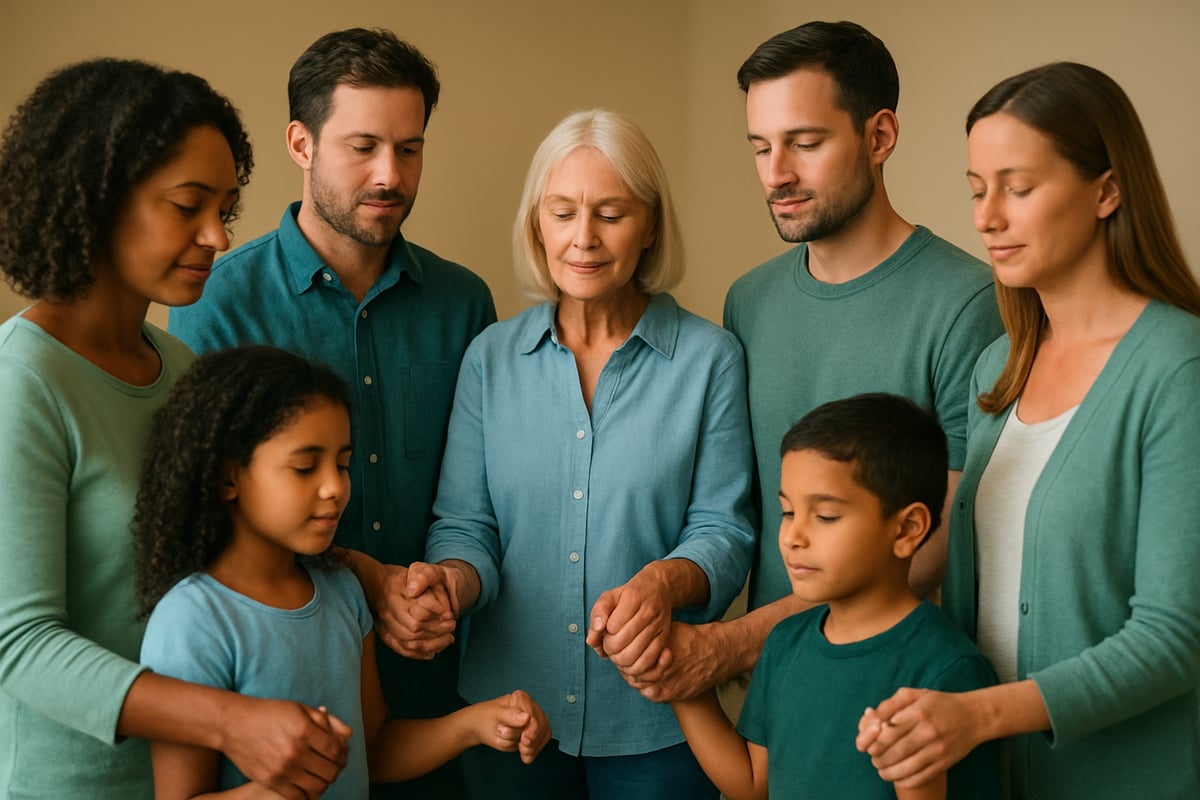
Family Reconciliation Through Unity Prayer
One powerful example involves a family divided by generational misunderstandings and old resentments. After years of strained relationships, they decided to set aside time each week for unity prayer. In these sessions, each member shared their intentions for peace, forgiveness, and understanding. Over several months, barriers began to dissolve. Conversations became more open, and laughter returned to family gatherings. Unity prayer became the bridge that helped them move from discord to genuine connection.
Community Healing After Crisis
Communities often face moments of crisis that test the bonds between neighbors. In one town recovering from a sudden tragedy, leaders organized an interfaith unity prayer vigil in the local park. People from different backgrounds came together, offering prayers in their own traditions but united by a shared desire for healing. The experience fostered empathy and broke down walls of suspicion. Through unity prayer, the community discovered new strength and solidarity.
Restoring Friendship Through Personal Prayer
On an individual level, unity prayer can mend even the most strained relationships. Consider the story of two friends whose bond had frayed due to misunderstandings and unspoken hurts. One of them began a daily unity prayer, focusing on letting go of resentment and inviting reconciliation. Over time, this transformed their perspective and softened their heart. Inspired, they reached out to their friend, leading to honest conversations and a renewed friendship. Unity prayer facilitated forgiveness and restored trust.
Wider Impact: Data and National Events
The influence of unity prayer extends beyond personal stories. According to Interfaith America, 75% of participants in group prayer initiatives report improved relationships and greater community trust. National and global events often harness unity prayer to bring people together in moments of collective need. Peace marches, memorial services, and annual gatherings highlight the unifying power of shared intention. For more perspectives on how diverse faith leaders use unity prayer to inspire hope, see faith leaders' prayers for the New Year.
From Personal Change to Community Transformation
These stories reveal a vital truth: unity prayer does more than soothe individual hearts. It creates ripples that extend outward, strengthening families, healing communities, and fostering a culture of empathy. Whether practiced alone or in groups, unity prayer remains a catalyst for lasting harmony and positive change.
Overcoming Barriers to Unity: Challenges and Solutions
In 2026, the pursuit of unity prayer faces significant hurdles. Social and cultural landscapes are often marked by tension and division. Addressing these challenges honestly is the first step toward building authentic harmony.
Common Obstacles to Unity in 2026
Many families and communities find themselves divided by issues that seem insurmountable. Political polarization is among the most pressing obstacles to unity prayer today. Differing ideologies can quickly escalate into heated arguments, especially during important discussions or elections.
Cultural misunderstandings also play a major role. When people lack exposure to different backgrounds, stereotypes and prejudice can take root. This often leads to miscommunication and mistrust, even among neighbors or coworkers.
Personal grievances, pride, and unforgiveness further complicate relationships. Old hurts can linger, making it difficult for individuals to come together in unity prayer. In some cases, these wounds stem from longstanding family disagreements or unresolved workplace tension.
Social media amplifies conflict by encouraging quick reactions and public criticism. Online platforms can make division more visible and intense. According to Pew Research, 68 percent of Americans report increased tension with loved ones over current events. This data highlights the emotional toll of living in a divided society.
For example, a family may experience a rift over differences in values or beliefs. Even small misunderstandings can grow into major conflicts when left unaddressed. Unity prayer becomes more challenging when people are unwilling to listen or forgive.
It is important to remember that unity prayer does not eliminate differences. Instead, it invites individuals to approach each other with respect and empathy. By naming these barriers, communities can begin the process of healing and reconciliation.
Practical Solutions Through Prayer and Action
Overcoming these obstacles requires both spiritual and practical steps. Unity prayer offers a powerful starting point for difficult conversations. By gathering together in a spirit of humility, people can open their hearts to understanding and change.
Combining unity prayer with empathy-building exercises helps foster deeper connections. Active listening, where each person shares without interruption, is a valuable practice. This approach encourages compassion and reduces the likelihood of misunderstandings.
Forgiveness is another essential element. Letting go of past hurts allows space for new beginnings. Communities can create rituals of reconciliation, such as sharing meals or engaging in service projects. These activities reinforce the intentions set during unity prayer.
An inspiring example is neighborhoods hosting monthly unity circles. In these gatherings, participants join in unity prayer and dialogue, creating a safe space for honest conversation. Such initiatives are even supported by organizations like Interfaith America's Advancing Religious Pluralism Grant, which funds projects that promote interfaith cooperation and unity.
It is vital to remember that unity prayer is most effective when paired with intentional action. Making time for regular unity prayer and follow-up discussions helps build trust over time. By taking these steps, individuals and groups can transform conflict into opportunities for growth and peace.
Fostering Lasting Harmony: Unity Prayer Beyond 2026
In a world that continues to evolve, the pursuit of lasting harmony remains a vital goal. Building on the foundations of unity prayer, individuals and communities can initiate real and sustainable change that extends far beyond 2026.
Creating a Culture of Unity in Families and Communities
Cultivating a culture of unity begins within the home and radiates outward into neighborhoods, schools, and organizations. Establishing regular unity prayer rituals helps set the tone for empathy, inclusion, and mutual respect. Families can gather for unity prayer before meals or at the start of each day, creating a shared space for gratitude and open-hearted dialogue.
Teaching children and youth about unity prayer is essential for nurturing the next generation. When young people witness adults modeling compassion and reconciliation, they learn to value empathy as a cornerstone of healthy relationships. Schools and faith groups can partner to provide workshops or events focused on unity prayer, fostering understanding across diverse backgrounds.
Community organizations benefit from incorporating unity prayer into their routines. Monthly gatherings or annual “Harmony Day” celebrations, featuring unity prayer and cultural activities, can draw together people of all ages and traditions. These events help reinforce the message that unity prayer is not just a private act but a communal commitment.
Role models play a significant part in inspiring others to embrace unity prayer. The lives of saints and spiritual leaders who championed harmony serve as powerful examples. For those seeking further inspiration, the Catholic Saints Books Collection offers stories of individuals whose dedication to unity prayer transformed their communities.
Celebrating diversity is vital for lasting harmony. Interfaith events that include unity prayer encourage dialogue and appreciation for different perspectives. Through ritual, teaching, and celebration, unity prayer becomes a living tradition that strengthens the bonds within families and communities.
Unity Prayer as a Catalyst for Global Change
The influence of unity prayer does not stop at the local level. Around the globe, unity prayer inspires collective action and fosters hope in the face of complex challenges such as conflict, climate change, and inequality. When individuals unite their intentions through unity prayer, they become part of a movement that transcends borders.
International movements often begin with unity prayer. In recent years, global prayer vigils and digital prayer chains have brought together millions across continents. These initiatives demonstrate the power of unity prayer to mobilize compassion and solidarity, even among those who have never met in person.
Technology plays a crucial role in expanding the reach of unity prayer. Online platforms allow people to participate in global days of prayer, share intentions, and support one another regardless of location. Participation in such global prayer events has surged, with the World Prayer Network reporting a 40% increase between 2020 and 2025.
Unity prayer also acts as a catalyst for peace and reconciliation in areas affected by violence or disaster. International campaigns, often coordinated by faith groups and humanitarian organizations, use unity prayer to raise awareness and inspire action. These collective efforts show that unity prayer, multiplied across the world, can help shift the collective consciousness toward greater harmony.
By embracing unity prayer as both a personal and global practice, individuals contribute to a wave of positive change. The ripple effect of these prayers, shared in countless languages and traditions, continues to foster hope and healing on a scale once thought impossible.
As you reflect on the journey to deeper unity and harmony in 2026, you might find yourself longing for practical ways to sustain that sense of connection in your daily life. If you’re inspired to put these insights into action and want to explore opportunities for community, renewal, and spiritual growth, consider taking the next step. You can discover more about upcoming retreats designed to foster prayerful unity and lasting relationships—there’s a space for you to deepen your faith and connect with others on the same path. Learn more and get details here: Get Retreat Information