
The concept of all saints in Catholic tradition represents one of the most beautiful and profound dimensions of the faith, connecting believers across time and eternity. This celebration encompasses not only those officially canonized by the Church but also the countless unknown faithful who have entered eternal glory. Understanding all saints in Catholic theology opens a window into the Church's teaching on holiness, intercession, and the communion that transcends death itself.
The Theological Foundation of All Saints in Catholic Teaching
The veneration of all saints in Catholic tradition rests on a solid scriptural and theological foundation. The Catechism of the Catholic Church explains that heaven is the ultimate end and fulfillment of humanity's deepest longings, the state of supreme, definitive happiness. When we speak of all saints, we refer to those who have achieved this beatific vision.
The Church recognizes three distinct groups within the mystical body:
- The Church Militant (faithful on earth)
- The Church Suffering (souls in purgatory)
- The Church Triumphant (saints in heaven)
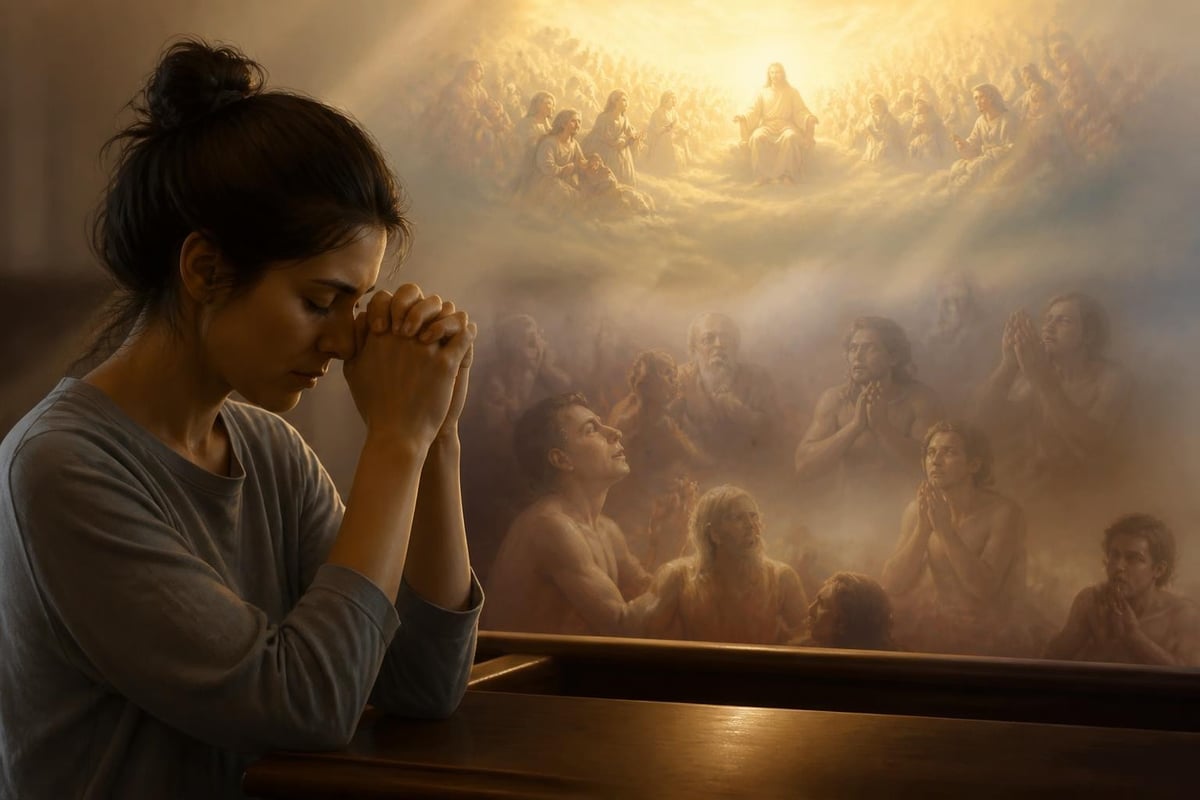
This threefold division illustrates how all saints in Catholic understanding form part of a living communion. The saints in heaven actively intercede for those still journeying on earth, while we can assist those in purgatory through our prayers and sacrifices.
Scripture and Tradition Support
The biblical basis for honoring all saints in Catholic practice appears throughout both the Old and New Testaments. The Book of Revelation describes "a great multitude, which no one could count, from every nation, race, people, and tongue" standing before the throne (Revelation 7:9). This passage directly inspired the establishment of a universal feast day.
Early Christian communities venerated martyrs from the Church's earliest days. As persecution ended, the calendar became crowded with individual saint feast days, prompting the need for a collective celebration of all saints in Catholic liturgy.
Brought to you by Journeys of Faith, founded by Bob and Penny Lord. We are an Augustinian Secular Institute, Cyber Apostles, with a mission of evangelization through media.
The Solemnity of All Saints: History and Development
The celebration of all saints in Catholic tradition evolved gradually over centuries. Historical records trace early observances to fourth-century Syria, where a commemoration of "all martyrs" occurred on the Friday after Easter. Pope Boniface IV consecrated the Pantheon in Rome as a Christian church dedicated to St. Mary and all martyrs in 609 AD, establishing May 13 as a feast day.
The transition to November 1 occurred during the eighth century, likely under Pope Gregory III or Gregory IV. This date became universal throughout the Western Church by the ninth century. The official USCCB liturgical calendar lists All Saints as a Holy Day of Obligation in the United States, underscoring its importance.
| Period | Development | Significance |
|---|---|---|
| 4th Century | Early Syrian commemoration | Honored martyrs collectively |
| 609 AD | Pantheon consecration | First Roman observance |
| 8th Century | Date changed to November 1 | Universal Western practice established |
| Present Day | Solemnity rank | Holy Day of Obligation |
Cultural and Regional Variations
Different cultures celebrate all saints in Catholic tradition with unique customs. In many Latin American countries, families visit cemeteries, decorate graves, and share meals with extended family. European traditions include special breads, candles lit in church, and processions. These variations demonstrate how the universal celebration of all saints in Catholic practice adapts to local expressions while maintaining core theological truths.
Canonized Saints Versus All the Blessed in Heaven
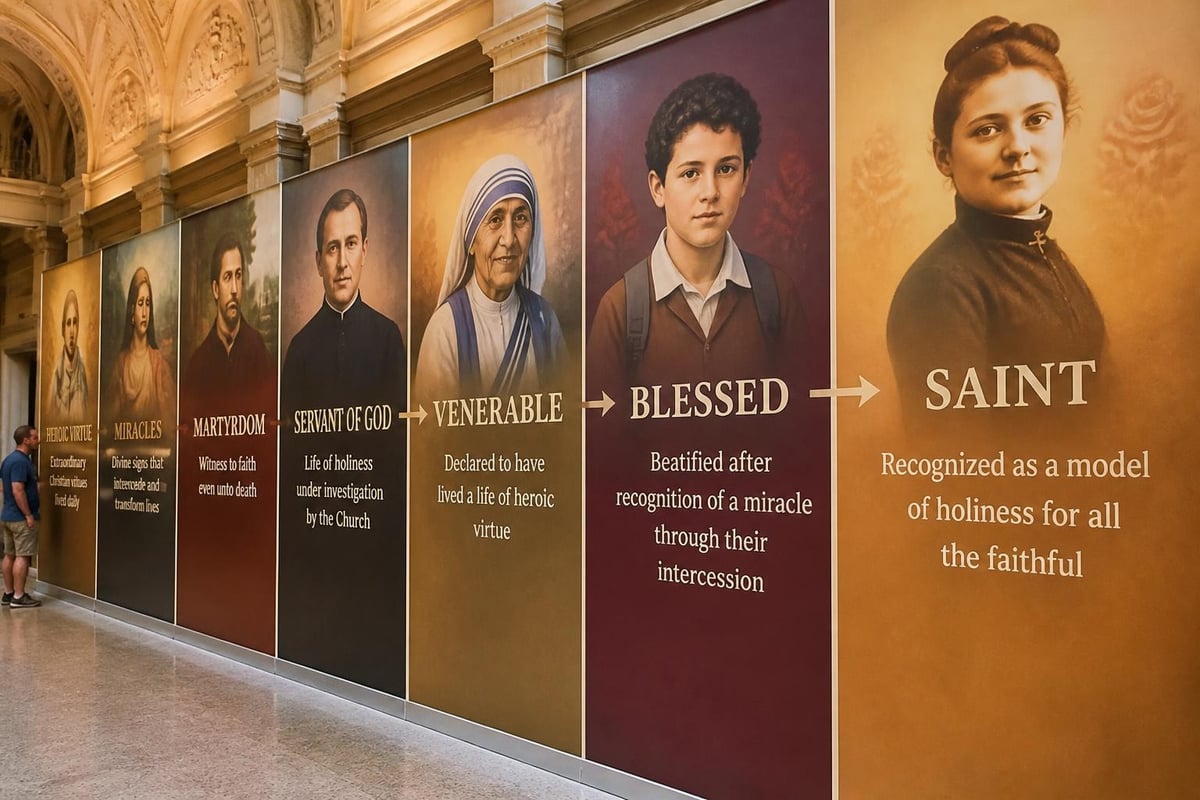
A crucial distinction exists between canonized saints and all saints in Catholic theology. Canonization is the official process by which the Church declares someone definitively in heaven and worthy of universal veneration. The Dicastery for the Causes of Saints oversees this rigorous process, which typically requires verified miracles and extensive investigation.
However, the feast of all saints in Catholic tradition encompasses far more than those formally canonized. It celebrates every soul who has reached heaven, including:
- Unknown martyrs and confessors
- Faithful Christians who lived holy lives without public recognition
- Those whose causes were never introduced for canonization
- Countless individuals known only to God
This broader understanding prevents the faith from becoming elitist. The Church acknowledges that holiness flourishes in ordinary lives, not just extraordinary ones. Many parents, workers, and simple believers now enjoy the beatific vision, even though their names appear in no calendar.
The Communion of Saints Explained
The doctrine of the communion of saints represents a fundamental aspect of all saints in Catholic belief. This communion operates on multiple levels simultaneously. Saints in heaven pray for us, offering our petitions to God and interceding on our behalf. We, in turn, honor them through devotion and imitation of their virtues.
Catholic Culture's guide emphasizes that this feast reminds us of our ultimate calling. We are all called to become saints, not in the sense of public recognition, but in the reality of union with God. The celebration of all saints in Catholic worship reinforces this universal vocation to holiness.
Liturgical Celebration and Spiritual Practices
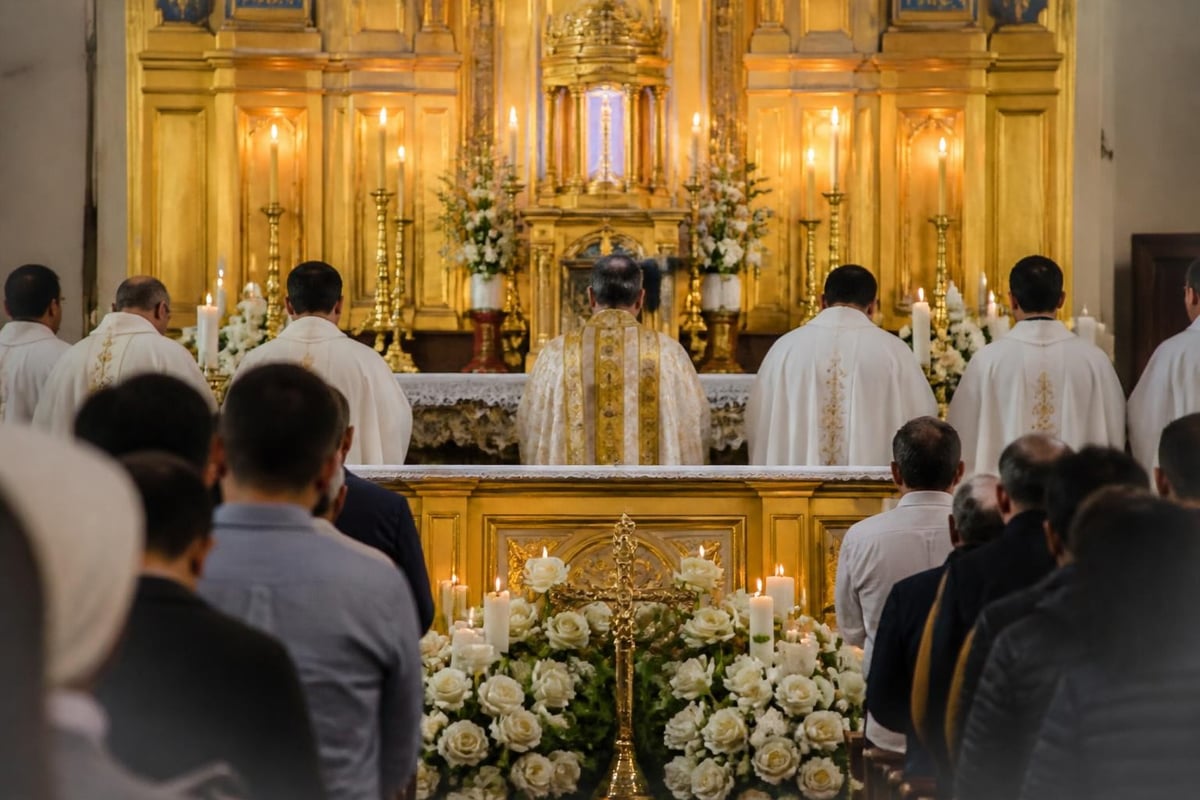
The liturgical readings for All Saints include the Beatitudes from Matthew's Gospel, reinforcing the path to holiness. The First Reading from Revelation depicts the great multitude before God's throne, while the Second Reading from First John proclaims, "we are God's children now; what we shall be has not yet been revealed."
Key liturgical elements include:
- White vestments symbolizing joy and resurrection
- The Gloria sung with special solemnity
- The Litany of the Saints (often incorporated)
- Preface of All Saints emphasizing the communion between heaven and earth
Many parishes organize special devotions surrounding all saints in Catholic practice. These might include prayer vigils, processions with relics, or educational programs about lesser-known saints. The Journeys of Faith newsletter regularly features stories about saints, helping believers connect with these powerful intercessors.
Personal Devotion to the Saints
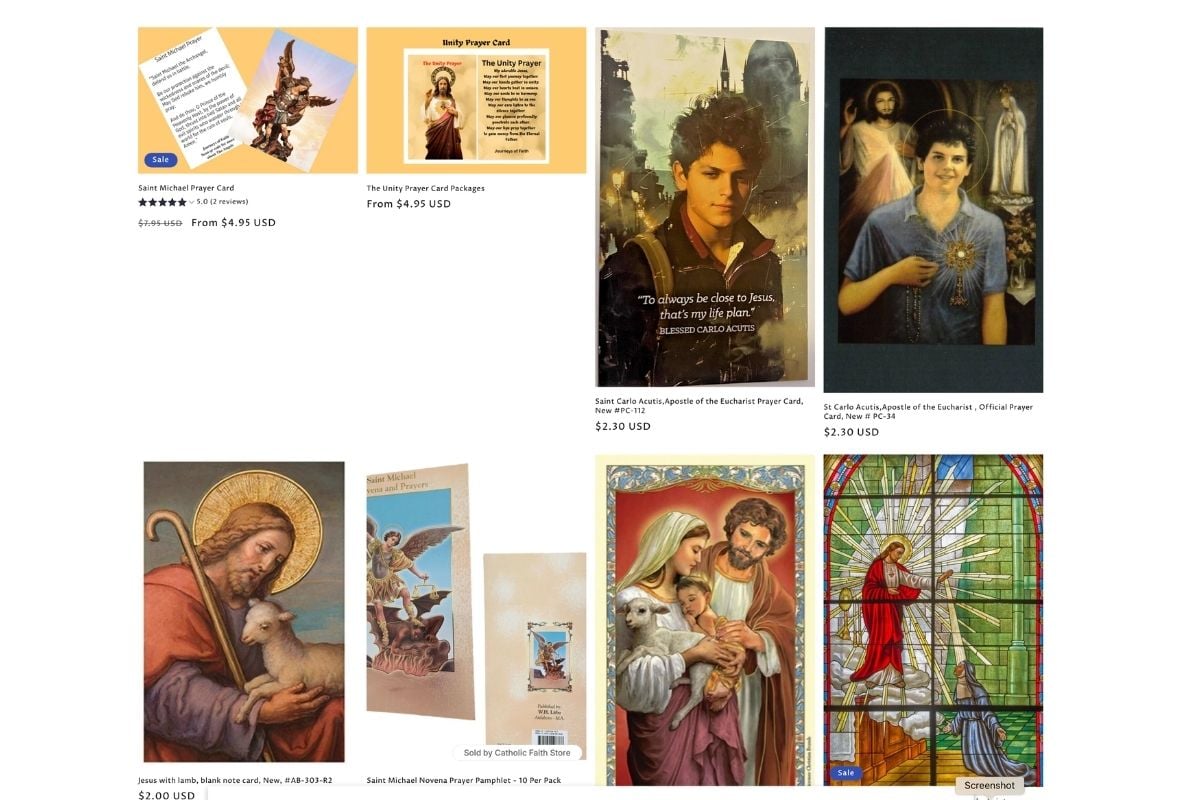
Individual Catholics develop relationships with particular saints while recognizing all saints in Catholic tradition collectively. Many families maintain devotions through prayer cards, which serve as tangible reminders of heavenly friends. Prayer cards and novenas offer structured ways to seek saintly intercession and learn about their lives. In quiet moments of prayer, these simple cards become powerful tools for maintaining awareness of the communion of saints.
Prayer cards allow believers to carry saints' stories and prayers throughout their day. Whether tucked into a purse, displayed on a desk, or shared with friends, these devotional aids strengthen the connection between the Church Militant and the Church Triumphant.
Understanding Intercession and Veneration
A common misunderstanding about all saints in Catholic practice concerns the nature of veneration versus worship. The Church teaches that worship (latria) belongs to God alone. The honor given to saints (dulia) and to Mary (hyperdulia) differs fundamentally from worship.
When Catholics ask saints to pray for them, they operate on the same principle as asking a living friend for prayers. The saints, being in perfect union with God, can intercede more powerfully than we can. Their prayers are not magical formulas but requests presented to God by those who have fought the good fight and finished the race.
Different Types of Intercession
All saints in Catholic theology intercede according to their particular graces and charisms:
- Patron saints associated with specific needs, professions, or situations
- Regional saints connected to particular places or cultures
- Universal saints venerated throughout the entire Church
- Personal patrons chosen at baptism or confirmation
This diversity reflects God's providence in providing helpers for every circumstance. The celebration of all saints in Catholic worship acknowledges both famous intercessors like St. Peter and countless unknown holy ones.
| Saint Category | Example | Intercession Focus |
|---|---|---|
| Martyrs | St. Stephen | Courage in persecution |
| Doctors of the Church | St. Thomas Aquinas | Wisdom and learning |
| Founders | St. Benedict | Monastic life and work |
| Mystics | St. Teresa of Avila | Prayer and contemplation |
Models of Holiness Across the Centuries
All saints in Catholic tradition offer diverse models of holiness spanning different eras, cultures, and vocations. This variety demonstrates that sanctity is not confined to one personality type or life circumstance. God calls each person to holiness within their unique situation.
The early martyrs showed heroic courage under persecution. Medieval mystics like St. Catherine of Siena combined contemplation with bold action in Church reform. Renaissance saints like St. Ignatius Loyola brought military discipline to spiritual warfare. Modern saints like St. Thérèse of Lisieux revealed the "little way" of everyday faithfulness.
Contemporary Saints and Causes
The canonization process continues actively in 2026, with numerous causes advancing through various stages. Recent canonizations demonstrate that all saints in Catholic recognition include people from our own era who faced contemporary challenges. These modern witnesses prove that holiness remains achievable in today's world.
Each canonization enriches our understanding of all saints in Catholic tradition. New saints reveal fresh facets of Gospel living, showing how Christ's call to perfection applies across changing circumstances. Some were famous during their lifetimes; others labored in obscurity. All achieved the same goal: union with God.
The Universal Call to Holiness
Vatican II's Dogmatic Constitution on the Church (Lumen Gentium) emphasized that all members of the Church are called to holiness. This teaching connects directly to the feast of all saints in Catholic theology. The celebration is not merely about honoring the dead but about recognizing our own vocation.
Every baptized person receives this call:
- Parents sanctifying family life through sacrifice and love
- Workers offering daily labor as prayer
- Students pursuing knowledge for God's glory
- Elderly and sick uniting suffering with Christ's passion
The feast reminds us that extraordinary circumstances are not required for sanctity. Most saints lived ordinary lives made extraordinary through fidelity to grace. All saints in Catholic understanding includes countless quiet heroes who simply said "yes" to God each day.
Practical Steps Toward Holiness
The celebration of all saints in Catholic practice invites concrete responses. First, regular reception of the sacraments provides essential grace for growth in holiness. The Eucharist and Reconciliation transform us gradually into Christ's image.
Second, daily prayer maintains our relationship with God. This need not be lengthy or complicated. Simple morning offerings, grace before meals, and evening examens establish rhythms of awareness. Third, acts of charity toward neighbors demonstrate authentic love for God. Faith without works is dead, as St. James reminds us.
All Saints and All Souls: Complementary Celebrations
The Church pairs the celebration of all saints in Catholic liturgy (November 1) with the Commemoration of All Souls (November 2). This pairing reflects the complete reality of the communion of saints. While we rejoice with those already in glory, we remember and assist those still being purified.
The theological connection runs deep. All saints intercede for all souls, hastening their purification through prayer. We, the Church Militant, assist all souls through Masses, prayers, and indulgences. This mutual aid demonstrates the Church's unity across different states of existence.
Many families observe these days together, visiting cemeteries and praying for deceased relatives. These traditions remind us that death does not sever the bonds of Christian love. Our prayers can still benefit those who have died, and their prayers can help us.
The Hope of Heaven
All saints in Catholic tradition ultimately point toward heaven as our true homeland. Encyclopaedia Britannica's overview notes that this feast has inspired Christian hope for centuries. When we honor the saints, we celebrate the victory of grace over sin and death.
This hope sustains believers through trials. Knowing that countless ordinary people have reached heaven encourages us to persevere. The saints were not superhuman; they were sinners saved by grace who cooperated with God's work in their lives. What God accomplished in them, He can accomplish in us.
Living the Feast Throughout the Year
While November 1 marks the formal celebration, the reality of all saints in Catholic spirituality permeates the entire liturgical year. The General Roman Calendar lists individual saints' feast days throughout the year, keeping their memory alive continually.
Each Sunday, the faithful worldwide recite the Apostles' Creed or Nicene Creed, professing belief in "the communion of saints." This weekly reminder keeps the doctrine before our minds. Many Catholics maintain daily devotions to favorite saints, reading their lives, and seeking their intercession.
Ways to honor all saints year-round:
- Maintain a family altar with images of saints
- Read saint biographies and share stories with children
- Choose saint names for children or confirmation
- Visit churches named for different saints
- Study the liturgical calendar and note various feast days
This ongoing attention to all saints in Catholic devotion prevents the reality from becoming merely a once-yearly event. The saints remain our companions throughout life's journey, ready to assist through their prayers.
The celebration of all saints in Catholic tradition reveals the Church's profound hope and the beauty of God's work in human lives across all ages. Whether through the officially canonized or the countless unknown faithful in heaven, we witness the triumph of grace and the reality of eternal life. Journeys of Faith supports your spiritual journey through books, prayer resources, and media that bring you closer to the saints and deepen your faith. Explore the online store with thousands of Catholic items at Journeys of Faith Collections. Journeys of Faith is blessed to provide Catholic media, including podcasts and inspirational content, free of charge across multiple platforms for viewers and listeners worldwide. While access remains free, significant costs accompany producing, hosting, and distributing these programs. Your support helps us continue sharing the beauty of the Catholic faith with souls everywhere. Please consider making a donation to sustain this vital work of evangelization.